Today I was half joke about ducks and geese, but there’s something underneath the joke if you lift the lid. After Darwin, many nineteenth-century elitists became fascinated with cataloguing nature. Too often, though, they also saw their own society reflected back at them. Hierarchy, competition, borders and domination weren’t simply political arrangements any more, they were presented as “natural laws”. Social Darwinism grew out of this way of thinking, using selective readings of nature to justify existing inequalities.
Later, ethologists like Konrad Lorenz studied geese, ducks and other animals, revealing fascinating patterns of territoriality, dominance and aggression. The science itself mattered, but the mistake came when people stretched those observations into a claim about human society that this is simply how we are.
You still hear versions of that today. “People are naturally selfish.” “You’ll never stop conflict.” “Communities always need strong leaders.” “It’s just human nature.” But humans aren’t geese, we’re also the species that build commons, mutual aid societies, libraries, volunteer lifeboats, free software, neighbourhood kitchens and countless forms of cooperation that don’t depend on domination. Human nature has always contained both competition and cooperation. The interesting question isn’t which one is “real”, it’s which one our culture encourages.
The #Oxfordboater community is a good example. Every year people help each other through floods, lend tools, tow broken boats, share batteries, pass on local knowledge, watch each other’s moorings and organise collective responses when outside pressure builds. None of that is compulsory, nobody invoices for it. Most of it happens because trust has been built over years. That is one expression of human nature.
But there is another, were every disagreement becomes a territorial dispute, generator hours, mooring space, who arrived first, who “belongs”, who gets to speak for the community, who broke an unwritten rule. None of these conflicts appear from nowhere, they’re amplified by the social environment we create. If every discussion becomes about winning, then people start behaving as though they live in a world where winning is the only thing that matters. The behaviour becomes self-reinforcing, like the geese.
One thing i have learned from practical paths is that infrastructure grows behaviour – this is one reason #OMN spends so much time talking about infrastructure. Not just technical infrastructure but social infrastructure. The customs, stories, shared memory and open processes that quietly shape how people behave. For boaters the old 8.00am-to-8.00pm running generator convention wasn’t simply about engines, it is social infrastructure to reduced conflict before conflict starts. The same is true of slowing down past moored boats, helping someone through a lock, sharing local knowledge with newcomers. These customs don’t eliminate disagreement, they make disagreement survivable. Without them, every generation starts again from zero.
The stories we tell matter – The #deathcult tells us competition is inevitable, that everyone is looking after themselves, that cooperation is naïve, that markets and hierarchy reflect reality. The #openweb and commons stories starts somewhere else, trust can be cultivated, commons can be built, communities can organise themselves. But none of these are guaranteed, they all require maintenance, just like our boats.
Looking out your window it should become obvious to you, we are not ducks, so a real question becomes how do we compost conflict – the challenge here isn’t eliminating disagreement – it is learning how to compost the mess disagreement leaves, like duck shit on our bordering planks. Taking the inevitable friction, the different lifestyles, the competing needs, and turn them into something that strengthens the community instead of poisoning it.
This path means remembering why customs evolved, it means asking not just “What works for me?” but “What helps us keep living together five years from now?” Because that’s ultimately what community is, not the absence of conflict, it is the ability to survive it without becoming geese 🙂
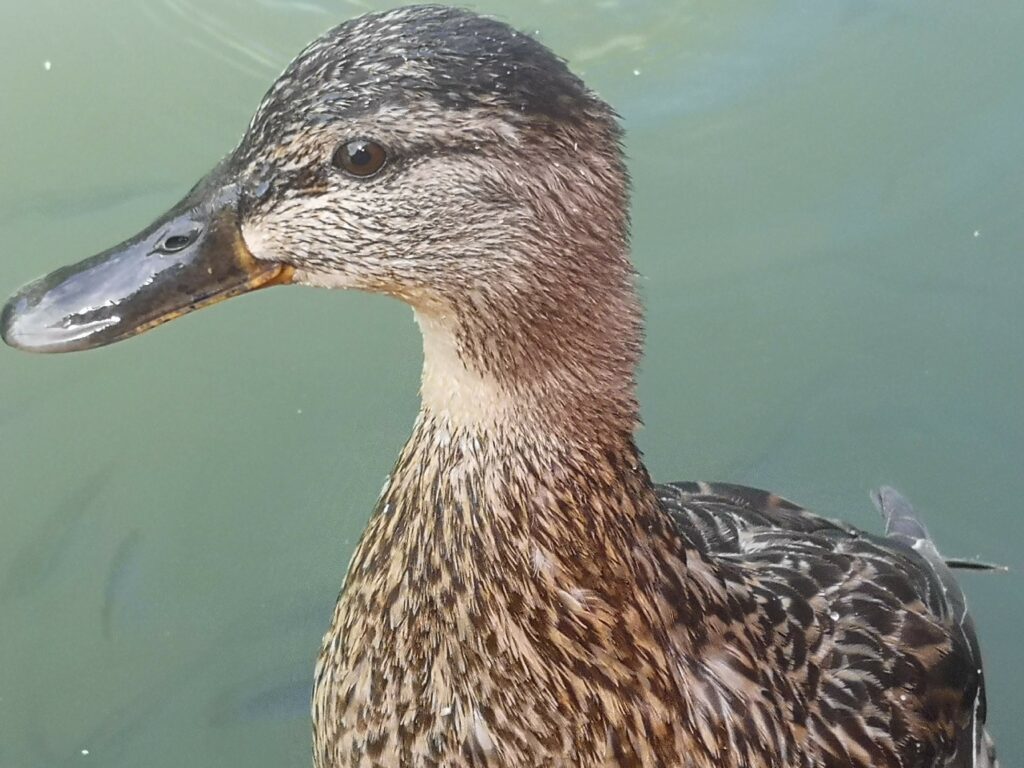
The main character of this post, presiding the ducks: “Lorenz joined the Nazi Party in 1938 and accepted a university chair under the Nazi regime. In his application for party membership he wrote, “I’m able to say that my whole scientific work is devoted to the ideas of the National Socialists.” His publications during that time led in later years to allegations that his scientific work had been contaminated by Nazi sympathies. His published writing during the Nazi period included support for Nazi ideas of “racial hygiene” couched in pseudoscientific metaphors.”
The subject of this post was an actual Nazi. Lorenz, becomes interesting not because he tells us what human nature is, but because he raises questions of how instincts interact with social infrastructure. If humans possess capacities for both competition and cooperation, then the important question becomes – which behaviours do our grassroots social structures and #mainstreaming institutions encourage?
- Neoliberal culture rewards competition, extraction and individual greed.
- Commons-based societies reward trust, reciprocity and mutual aid.
Human nature contains the potential for both. The infrastructure we build – technical, social and cultural – helps determine which paths become dominant. That’s why debates about boater culture, the #openweb, the commons and grassroots governance are ultimately debates about which version of human nature we want to cultivate, rather than which one is supposedly “natural.” This mess is the “common sense” we need to work to compost – just look at the ducks – to understand why.
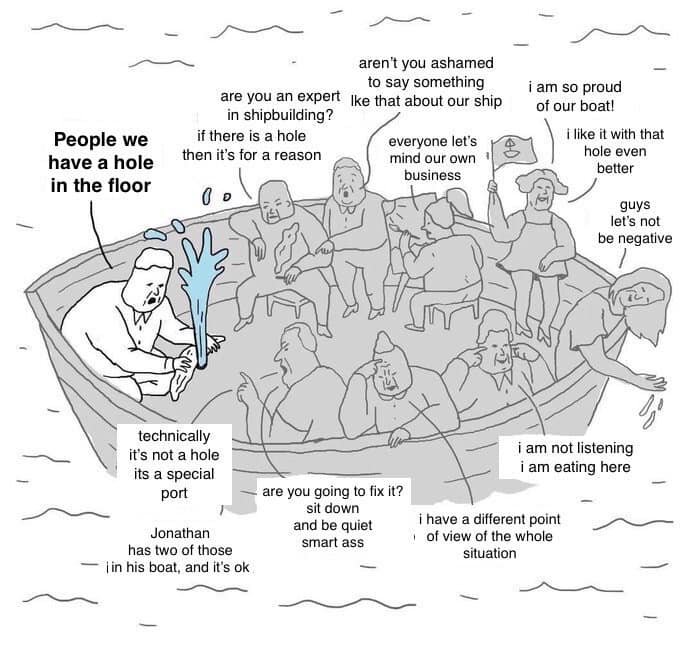
#Oxfordboaters: The use of online plebiscites without deliberation is a prat move. Blocking democratic #4opens working-group structures creates this mess in the first place, another prat move. Then diluting the CoC (a terrible name, by the way) leaves us with a “victory” that’s shallow and probably temporary, yet another prat move.
Can you see the pattern? Given the people we’re all working with, perhaps this really is the best we could achieve. Fair enough. But I probably won’t be here when the same people have to go through exactly the same arguments again in a few years. The point, being prats has consequences, we either compost today’s conflicts into something that lasts, or we leave the same mess for the next people to inherit.
In the end, we are all the ones who have to live with those consequences.
