#OMN Grounding (the roots as a story)

#techchurn is the endless cycle of adopting new platforms, tools, and technologies – not because they solve any real problems, but because novelty is mistaken for progress. It burns community trust, institutional memory, and activist energy, while leaving the underlying #nastyfew power structures untouched.
https://hamishcampbell.com/?s=techchurn


The #OMN uses #stupidindividualism to describe the culturally manufactured habit of prioritising personal gain and self-interest over collective well-being – a behaviour normalised by forty years of #neoliberalism, where people work against their own community and ecological survival while believing they are exercising “freedom”.
https://hamishcampbell.com/?s=stupidindividualism


In the #OMN hashtag story, #spiky is the confrontational, direct, and uncompromising tendency within radical movements – the willingness to push back against power, name uncomfortable truths, and refuse to sand down political edges for mainstream comfort.
https://hamishcampbell.com/?s=spiky


#RSS is the unglamorous but democratic backbone of the #openweb – a simple, open standard that allows content to flow without the gatekeeping, algorithmic manipulation, and the data hoarding of the #dotcons.


#reboot is the necessary reset of the #openweb – stepping away from the dead ends of #techshit and #dotcons to rebuild human-centred, trust infrastructure using tools like #activitypub and the #fediverse, guided by the #4opens.
https://hamishcampbell.com/?s=reboot


#postmodernism is the cultural current that dissolved shared truth into competing narratives, undermines the foundations needed for collective action – leaving people fragmented, cynical, and unable to build solidarity.
https://hamishcampbell.com/?s=postmodern


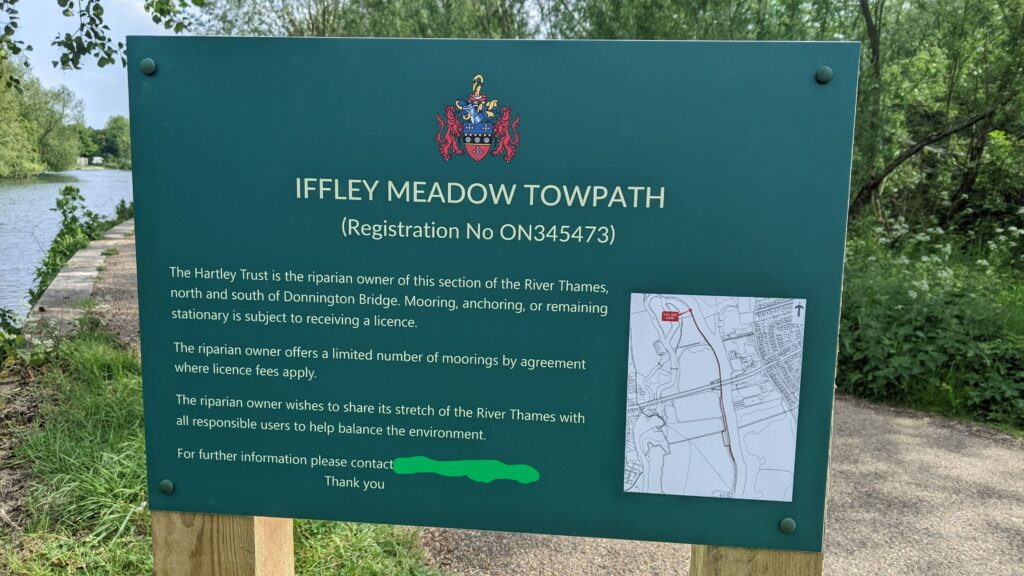
In the #OMN hashtag story, #Oxford is a grounded example of real-world contradiction – where elitist power (#mainstreaming, #NGO, #deathcult) coexists with genuine grassroots community, making it a test bed for grassroots #openweb organising and the #4opens path.
https://hamishcampbell.com/?s=Oxford


In the #OMN hashtag story, #PGA (Peoples’ Global Action) represents horizontal, grassroots, anti-capitalist organising – a prefiguration of the #openweb, built on direct action and solidarity rather than #NGO bureaucracy or #mainstreaming compromise.
https://hamishcampbell.com/?s=PGA


In the #OMN path, #p2p means people-to-people before peer-to-peer – real human relationships and trust as the foundation that decentralised tech should serve, not replace.
https://hamishcampbell.com/?s=p2p


In the #OMN view, #opensource is not just a licence – it’s a political commitment to transparency, shared ownership, and community control over code, data, and process.
https://hamishcampbell.com/?s=opensource


The #openweb is internet infrastructure built on open standards, open-source code, and community control – where users share power – as opposed to the #dotcons, with the #closedweb which enclose and monetise the commons.
https://hamishcampbell.com/?s=openweb


#openprocess means decisions and governance happen visibly and participatorily – not behind closed doors, so people can see, challenge, and shape outcomes.
https://hamishcampbell.com/?s=openprocess


#opendata means data that is freely accessible and shareable – controlled by communities rather than locked inside corporate silos.
https://hamishcampbell.com/?s=opendata


In the #OMN path, #open means building on the #4opens – open code, data, standards, and process as a foundation for technology that serves people, not profit.
https://hamishcampbell.com/?s=open


#OMN (Open Media Network) is a grassroots project to build human-centred, trust-based digital infrastructure on the #openweb, grounded in the #4opens and focused on community control over technology.
https://hamishcampbell.com/?s=OMN


The #OGB (Open Governance Body) is a framework for transparent, inclusive decision-making – replacing hidden power structures with accountable, federated, messy collective governance.
https://hamishcampbell.com/?s=OGB


In the #OMN story, #nothingnew reminds us that cycles of co-option and failure have all happened before – and ignoring this history is how we repeat mistakes.
https://hamishcampbell.com/?s=nothingnew


In the #OMN story, #NGO refers to professionalised activism that defuses radical politics – replacing grassroots power with managed, funder-friendly “dissent”.
https://hamishcampbell.com/?s=NGO


In the #OMN path, #neoliberalism is the dominant ideology of markets over people – normalising greed and eroding solidarity into the logic of the #deathcult.
https://hamishcampbell.com/?s=neoliberalism


#makinghistory is the practice of communities reclaiming storytelling – building open, living archives rather than leaving history to those in power.
https://hamishcampbell.com/?s=makeinghistory


In #OMN usage, #mainstreaming is how radical ideas get absorbed and neutralised – keeping the language while stripping out real challenge.
https://hamishcampbell.com/?s=mainstreaming


In the #OMN path, #KISS (“Keep It Simple, Stupid”) is a political stance against the #geekproblem – rejecting unnecessary complexity as a form of control.
https://hamishcampbell.com/?s=KISS


#indymediaback is a call to rebuild grassroots, community-controlled media as an alternative to both #dotcons and hollow #NGO media structures.
https://hamishcampbell.com/?s=indymediaback


In the #OMN path, a hashtag is not just a label – it’s a node in a shared political vocabulary, building a map of meaning and direction.
https://hamishcampbell.com/?s=hashtag


#grassroots means bottom-up organising rooted in real communities – accountable to collective need, not institutions.
https://hamishcampbell.com/?s=grassroots


The #geekproblem is the tendency to replace human trust with technical control – embedding narrow values into systems that shape everyone’s lives.
https://hamishcampbell.com/?s=geekproblem


In #OMN, #FOSS is a political commitment to collective ownership of technology – not just a licensing model.
https://hamishcampbell.com/?s=FOSS


In #OMN language, #fluffy describes feel-good politics that avoid conflict – prioritising comfort over any real change.
https://hamishcampbell.com/?s=fluffy


#feudalism describes the emerging digital structure where platform owners extract value like lords from dependent users.
https://hamishcampbell.com/?s=feudalism


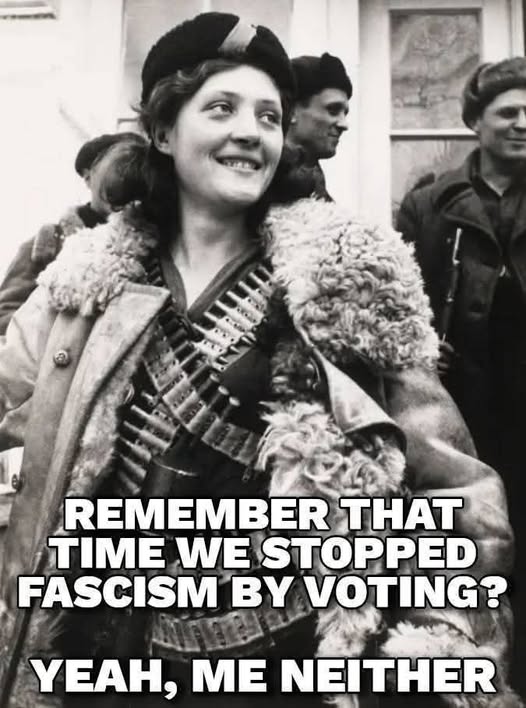
#fascism is what happens when the #deathcult drops its mask – authoritarian control to defend failing systems.
https://hamishcampbell.com/?s=fascism


On the #OMN path, the #fediverse is practical #openweb infrastructure – decentralised, federated, and not owned by corporations.
https://hamishcampbell.com/?s=fediverse


#encryptionist describes the tendency to prioritise technical security over social trust – a core expression of the #geekproblem.
https://hamishcampbell.com/?s=Encryptionist


#dotcons are corporate platforms built on data extraction and control, presenting themselves as neutral while enclosing the commons.
https://hamishcampbell.com/?s=dotcon


In the #OMN story, #DIY means reclaiming the ability to build and organise outside institutional control – grounding politics in practice.
https://hamishcampbell.com/?s=DIY


The #deathcult is the self-destructive logic of #neoliberalism – sacrificing social and ecological survival for short-term fear drivern greed.
https://hamishcampbell.com/?s=deathcult


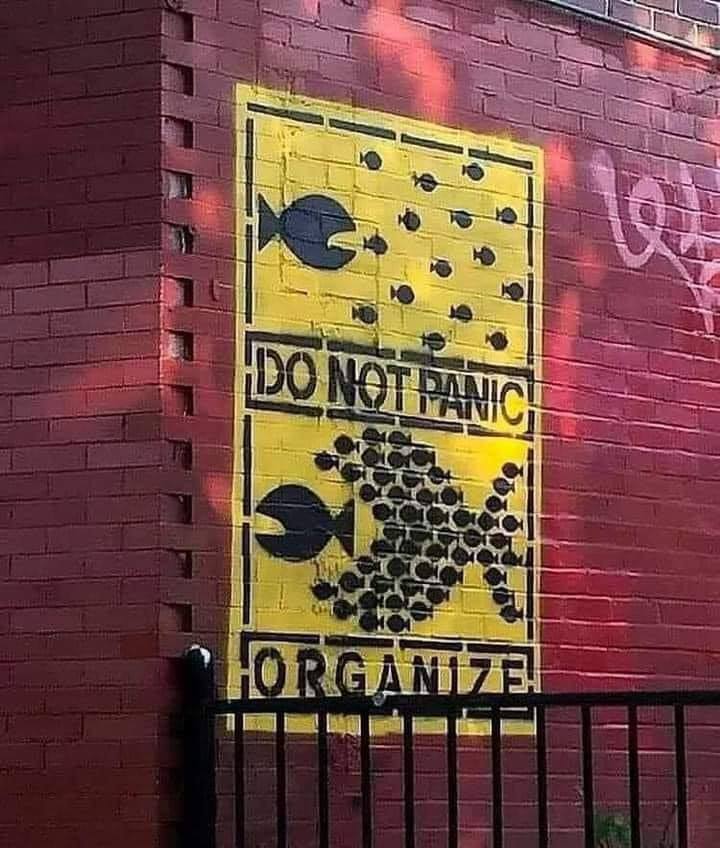
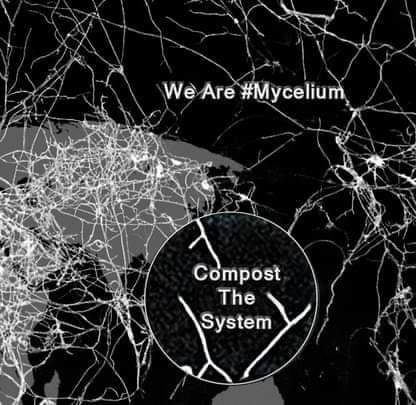
In the #OMN story, #compost means breaking down failure and mess into fuel for new growth.
https://hamishcampbell.com/?s=compost


In #OMN, #closedweb is controlled, extractive digital infrastructure where users have no power.
https://hamishcampbell.com/?s=closed


#climatechaos describes the accelerating breakdown driven by the #deathcult, beyond manageable “climate change.”
https://hamishcampbell.com/?s=climate


#classwar is the ongoing conflict between the #nastyfew and the communities they exploit – often hidden by #mainstreaming narratives.
https://hamishcampbell.com/?s=classwar


#capitalism is the dominant system turning everything – relationships, nature, culture – into “profit”.
https://hamishcampbell.com/?s=capitalism


In #OMN, #block is the reflex to shut down challenge – preventing the messy work needed for real change.
https://hamishcampbell.com/?s=block


#blinded is being unable or unwilling to see beyond #mainstreaming and #dotcons logic.
https://hamishcampbell.com/?s=blinded


#fashernista describes performative activism that prioritises appearance over substance.
https://hamishcampbell.com/?s=fashionistas


#dotcons are the corporate platforms – Facebook, Twitter/X, Instagram, YouTube and their kin – whose business model is built on harvesting user data, manufacturing engagement, and converting human attention and community into profit, while presenting themselves as neutral public spaces.

https://hamishcampbell.com/?s=dotcon


In the #OMN hashtag story, #DIY means reclaiming the practical capacity to build, organise, and maintain tools and communities outside of corporate and state control – not as a lifestyle choice, but as a political act of grounding radical change in real skills, real trust, and real human relationships rather than outsourcing power to institutions that don’t serve you.

https://hamishcampbell.com/?s=DIY


The #deathcult is the #OMN metaphor for the self-destructive logic of forty years of #neoliberalism – an ideology so committed to short-term profit, individualism, and economic growth that it knowingly sacrifices the ecological and social foundations that human life depends on.

https://hamishcampbell.com/?s=deathcult


In the #OMN hashtag story, #compost means taking the failures, mistakes, and accumulated mess of past movements and tech projects – rather than discarding or ignoring them – and breaking them down into something that can feed new growth, treating dysfunction and #blocking dead ends as raw material for building better rather than as waste to be hidden.

https://hamishcampbell.com/?s=compost


In #OMN language, #closedweb refers to the controlled digital infrastructure – platforms like Facebook, Google, and Twitter – built on proprietary code, extractive business models, and centralised power, where people have no meaningful control over their data, their communities, or the rules that govern them.

https://hamishcampbell.com/?s=closed


The #deathcult of #neoliberalism has driven us past the point where “climate change” – with its implication of manageable, orderly shifts – remains any honest description of what we face now. What we actually have is #climatechaos: cascading, systemic breakdown of the ecosystems, weather patterns, and social structures that human civilisation depends on, accelerating faster than institutions built on forty years of market logic are capable of, or willing to, address.

https://hamishcampbell.com/?s=climate


#classwar is the ongoing and unacknowledged conflict between those who benefit from and actively reproduce the #deathcult of #neoliberalism – the #nastyfew, managing, and credentialed classes – and the communities, workers, and ecosystems they exploit. A conflict that #mainstreaming culture works to render invisible, reframing systemic dispossession as individual failure.

https://hamishcampbell.com/?s=classwar


#capitalism is the current common sense – the water we swim in – the economic system that systematically converts collective goods, human relationships, and the natural world into private profit, enforcing this logic through every institution and platform we touch, while presenting itself as the only possible reality.

https://hamishcampbell.com/?s=capitalism


In the #OMN hashtag story, #block refers to the reflexive, unconscious tendency of individuals and communities to shut down unfamiliar and challenging ideas, people, and processes – a defensive gesture rooted in #stupidindividualism and #postmodernism that prevents the trust-building and messy collective work needed for real #openweb organising.

https://hamishcampbell.com/?s=block


#blinded refers to being so captured by #mainstreaming tech orthodoxy and ideological “common sense” – particularly #neoliberalism and #dotcons culture – that you no longer see, or refuse to see, the harms those systems cause or any alternative paths that exist outside them.

https://hamishcampbell.com/?s=blinded


#fashernista describes a person in progressive or radical spaces who prioritises the appearance and aesthetic of activism – the right look, language, and social positioning – over the unglamorous, difficult work of actually building lasting structural change.

https://hamishcampbell.com/?s=fashionistas


If you want, the next step is to cluster these into a clean “chapter flow” (roots → mess → behaviours → solutions) so this stops being just a glossary and becomes a narrative tool.

These are the foundation tags – the ones everything else grows out of – the overall project: grassroots, trust-based, human-centred media infrastructure

#openweb – the political/technical terrain we’re trying to reclam

#4opens – the non-negotiable baseline (open code, data, standards, process)\openprocess – visible, participatory decision-making as default

#grassroots – bottom-up power, not institutional mediation

This cluster is about legitimacy, if it’s not grounded in these, it drifts into #NGO capture or #dotcons logic quickly. This is the “native soil” everything else either grows from or gets rejected by.

The Problem Space (what we’re composting), these tags describe the mess we’re in – the stuff we don’t ignore, but break down.

#deathcult (neoliberalism as destructive common sense)

#neoliberalism – 40 years of market logic shaping behaviour

#dotcons – corporate capture of digital space

#closedweb – controlled, extractive infrastructure

#mainstreaming – dilution and co-option of radical ideas

#NGO – managed dissent and professionalised politics

#classwar – underlying structural conflict

This is the compost heap, you don’t fix this directly, you don’t “win” against it head-on. You break it down, reuse what’s useful, and grow alternatives around and through it.

The #geekproblem Layer (tech distortions) is where things go wrong in implementation.

#geekproblem – replacing social trust with technical control

#techchurn – endless pointless rebuilding

#encryptionists – over-prioritising technical purity over social reality

#KISS – counterbalance: keep things simple and usable.

This cluster is why good ideas fail, not because the ideas are wrong, but because the tools and culture get shaped by people who don’t understand social process. This is where most #openweb projects die.

Cultural/Behavioural Patterns (how people act). The human layer – messy, unavoidable, and central.

#stupidindividualism – learned self-interest over collective good

#postmodernism – fragmentation of shared meaning

#fluffy – avoidance of conflict, feel-good paralysis

#spiky – necessary confrontation and edge

#block – reflex rejection of challenge

#blinded – inability to see outside dominant narratives

#fashernista – prioritising appearance over substance

This is the real battlefield, not tech, not policy – behaviour. If you don’t mediate this layer, everything collapses back into dysfunction, no matter how good your structure is.

The Alternative Infrastructure (what we build), are the actual tools and practices that make change possible.

#fediverse – decentralised network as a base layer

#activitypub – the protocol glue

#RSS – simple, open distribution backbone

#p2p – people-to-people first, tech second

#FOSS / #opensource – shared ownership of tools

#opendata – accessible, non-extractive information

These only work if rooted in the first cluster, otherwise they get captured and turned into another layer of the #closedweb.

Governance & Process (how we hold it together). Where most projects fail – or succeed.

#OGB – structured, open governance

#openprocess – again, because it’s that important

#DIY – practical ownership and responsibility

Without this, informal power takes over. You end up with hidden hierarchies, gatekeeping, and eventual burnout. With it, you get messy but functional collective control.

Practice & Direction (how we move).

#reboot – reset and rebuild from working patterns

#indymediaback – learning from past grassroots media

#makinghistory – documenting and owning our narratives

#nothingnew – grounding in historical cycles

This cluster stops you repeating mistakes, without it, every new wave thinks it’s inventing something new and walks straight into the same traps.

Grounding Example Layer

#Oxford – real-world test bed of contradictions

#PGA – historical example of horizontal organising

Without grounding, this all drifts into theory, these are example tags anchoring it in lived practice, where things break, and where they can actually work.

The Meta Layer (how to use this)

#compost – break down failure into growth

This is the key to the whole thing – Don’t try to “fix” the mess. Don’t try to “win” cleanly, you compost:

bad behaviour → learning

failed projects → patterns

conflict → structure

Final point (this matters) is the mistake people make is trying to tidy this into a neat theory, reduce it to messaging, turn it into a fixed ideology. That kills it, this clustering is not about control – it’s about navigation.

The mess stays messy, but now people can walk through it without getting lost.If you don’t cluster this stuff, it turns into a wall of noise. The mess is useful.
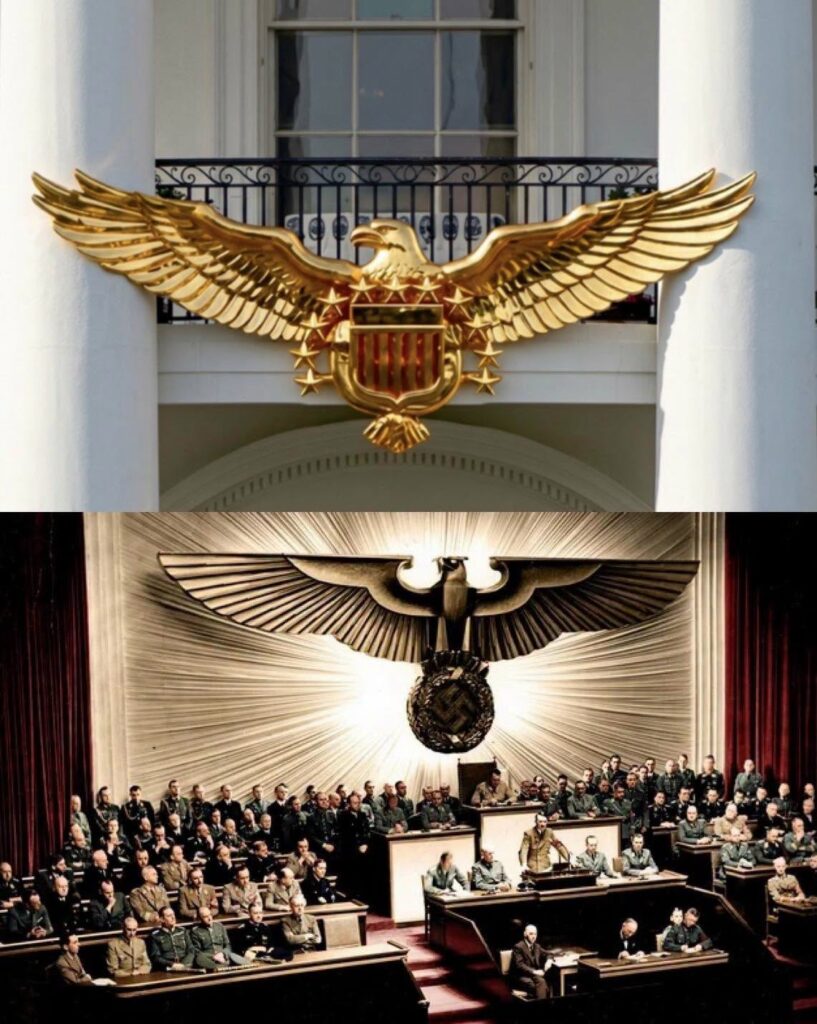

#FOSS needs to take a social lead

This matters for #FOSS because as if it remains culturally trapped inside the #geekproblem, it becomes socially irrelevant at the exact historical moment it is most needed. Right now, most #FOSS energy still assumes that if you build complex tools, argue narrowly, and keep everything technically “open,” people will come. But only a tiny minority actually want to live the full-stack geek life: self-hosting, compiling, debating licenses, maintaining infra. That path selects for a personality type. It is not neutral.

The problem isn’t that this path exists, it’s that it quietly tries to define culture. The tension is that the #geekproblem tends to reduce political and social questions to technical architecture. It too often treats freedom as a property of code, rather than a property of relationships. But in an era of #climatechaos, people don’t need abstract freedom in protocol design. They need mutual aid to build trust networks and local resilience. They need collective agency in open spaces to coordinate without corporate capture. These are #KISS social demands.

If #openweb remains framed as a technical alternative to Big Tech, it will only attract geeks and edge cases. If it is framed as a public infrastructure for collective survival, it suddenly matters to everyone. This shift in focus is urgent as climate disruption accelerates: Centralized platforms will prioritize profit and state alignment, infrastructure failures will become normal, feeding political polarization. Authoritarian coordination models will look “efficient.” If #FOSS cannot step outside the geek subculture, it leaves the field open to #dotcons and state/corporate hybrids to define digital coordination. That’s not a tech failure. It’s a social failure.

So, what changes this frameing? To make #openweb meaningful to the majority, we need to shift from tools to practices. Don’t only ask people to install software, ask what they are trying to do with digital tools together. Then lower cultural barriers, not just technical ones, by building code for groups, not only individuals. The mainstream internet optimizes for #stupidindividualism, the alternative needs to be balancing this mess, by optimizing for collectives.

Accept messiness, social systems are not elegant, they compost, they fork culturally before they fork technically. Centre use in crisis, not only ideology, when floods hit, when heatwaves hit, when services fail – what does the #openweb enable that corporate #dotcons platforms cannot? If the answer is “we have a nicer licence,” it won’t matter. If the answer is “your community can coordinate and survive without asking permission,” it becomes essential.

The hard truth is only a minority want to be geeks, but almost everyone wants dignity, voice, belonging and some stability in chaos. If #FOSS and #openweb can’t translate into those terms, they remain culturally marginal. This is why the issue is urgent, not because the code is broken – but because the social imagination around it is too small for the scale of the social and ecological crisis. And in the age of #climatechaos, infrastructure that doesn’t scale socially (#fluffy) will be replaced by infrastructure that scales politically (#spiky) – whether we like it or not.

The question isn’t whether #openweb works, it’s whether it can grow beyond the #geekproblem long enough to matter.

Change and challenge

Let’s be honest about something we usually skate around. Many of our #fluffy activist friends are not fighting for change. They are fighting for equality of access to the existing system. That system is the #deathcult – growth, extraction, hierarchy, control – and most progressive mainstream activism is about making that worship fairer, nicer, more inclusive. More seats in the temple, better language at the altar, safer rituals for those already kneeling. This is not transformation, it is controlled inclusion.

And yes, this work can have real, immediate value for people suffering now, that matters. But we need to stop pretending it is the same thing as change and challenge as #KISS equality within a system is not the same as escaping the system.

Most #mainstreaming activism, accepts capitalism as inevitable, state power as the horizon, extraction as the price of living, climate collapse as something to be “managed”, this leads them to except platforms, NGOs, and institutions as arbiters of legitimacy. Then the is very clear limit – to ask politely for representation, protections, funding, visibility, this is reformist harm reduction, not the liberation we need.

We need to say this out loud, MORE not less, because this “confusion” is currently #blocking real seedling alternatives. When people who want out are constantly blindly told to slow down, be safer, be nicer, be more legible, be more fundable, the result is paralysis.

We need to really support projects like the #OMN path, as is not about polishing this mess, or making oppression more diverse, it’s in no way about optimising injustice. It’s about walking out of the temple, even when that feels irresponsible, unsafe, or unrealistic.

This Is where the friction people fear comes from: pushing for messy governance and mediation instead of blocking, use-value over branding, affinity over scale, action over commentary. There is a role for refusing to confuse survival within the system with escaping from it. But yes, you are right, that refusal makes people uncomfortable – especially those whose mainstreaming “activism” is already recognized, funded and socially rewarded.

A simple test: Ask this of any project, campaign, or platform – Does this help people stop worshiping the #deathcult? Or does it help them worship more safely? If the answer is the second, be honest about it, don’t lie by call this in any way radical, don’t call it transformative, don’t call it challenge. Be honest, call it what it is, continuity, for all our sakes we need to say this clearly, even if it costs us social comfort.

Because real change and challenge has always been unpopular – especially with those most invested in making the current mess feel liveable.

#OMN #PROD #KISS

We need to balance this mess – a diversity of agendas ≠ winner-takes-all politics. Different projects are based on different agendas – and that diversity is not a weakness, it’s a survival trait. Winner-takes-all politics (electoral, market, platform, narrative) flattens this into a single metric of success: scale, growth, legitimacy, dominance. That logic is a social and ecological disaster, as it pushes everything toward monoculture, and monocultures always collapse.

The mistake is assuming that coordination requires uniformity – it doesn’t – what it requires is tolerance of difference plus shared boundaries. This is what “diversity of tactics” originally meant before it was watered down into a slogan. This is why “acceptable rebels” are celebrated after they succeed, “useful weirdos” are allowed once they prove value to the system, everyone else gets disciplined, marginalised, then erased.

But what really matters is social context, not the tool. The problem now is that individual self-destructiveness has scaled up, systems amplify harm faster than reflection, in the bigger picture ecosystems are the casualty. This is why “just let people choose” no longer works, as choice without structure leads to collapse.

In this mess, the #stupidindividualism reaction of #blocking is just displaced survival energy, as blocking energy that takes up the space that needs to be filled with creativity. Blocking is not strength, it’s defensive overload.

In most cases, blocking emerges from damaged or threatened sense of self, the lack of any working mediation structures leads to fear of being overwhelmed or erased. This happens when people don’t trust processes, they rely instead on hard personal boundaries, then when people don’t trust themselves, they externalize control. #Blocking becomes a way to regain agency, stop cognitive overload, avoid unresolved conflict to preserve identity under pressure. It’s not a moral failure, as much as a systemic trauma response. But it is also creativity-killing.

Why blocking scales and creativity doesn’t – blocking scales easily as its fast, binary, emotionally satisfying, requires no social labour. Where creativity is slow relational, risky, ambiguous and requires trust and time. So in high-stress environments, #blocking wins by default. This is why systems that rely on blocking alone cannot generate alternatives, they only fragment.

A weak sense of self? Yes, but it’s socially produced, not individual pathology, it’s produced by platform hostility, collapse of community memory, loss of intergenerational skill transfer, constant precarity leading to performative politics replacing lived practice. People are asked to be everything – safe, radical, inclusive, legible, pure – with no tools like the #OMN to manage contradiction, blocking becomes the last remaining control lever.

In this mess, how do we communicate “diversity of tactics”? Not only as tolerance, as ideology, but more usefully as infrastructure like the #OMN projects which have soft boundaries before hard ones, based on affinity as much as agreement, the understanding that you don’t need shared beliefs to work together, you need shared purpose locally.

This leads to the uncomfortable truth, that creativity doesn’t emerge from safety, it emerges from bounded risk. Too much danger = collapse. Too much safety = stagnation. What we have too much of today is safety theater covering structural fear. The path out of this people need to develop a stronger, not weaker, sense of self, one that can survive disagreement without disappearing. That’s the real work.

What is not real is pretending that violence is secondary to discomfort over language

In my life, what is real is people being beaten and shot, blood on the walls, evidence fabricated, mass arrests, torture in prisons, borders closing, and fear becoming an everyday condition. Fear isn’t imagined. Fear is rational.

What is real is watching a police officer chat casually one moment, then flip instantly into an instrument of state violence the next. A human being turns into a mechanism: boots stamping, braking toes, batons smashing heads, cameras destroyed, people dragged away. Hundreds detained illegally. This isn’t abstract. This is lived experience.

This is what power looks like when legitimacy erodes. And this is not new. History is full of these moments – when states retreat from consent and rely instead on force, surveillance, and spectacle. When violence becomes administrative, repression is normalized and denial becomes #mainstreaming policy.

What is not real is pretending that this violence is secondary to discomfort over language. What is not real is prioritising hurt feelings, tone-policing, or abstract arguments about phrasing. What is not real is treating “uncomfortable language” as a greater harm than broken bones, smashed lives, and stolen futures. There is a profound mismatch here.

People are upset about words because words feel manageable. Words can be moderated, reported, debated. State violence cannot. It is harder to face. It demands courage, solidarity, and risk. So attention is redirected, from material harm to symbolic offence. This is how reality gets inverted, this is too much of the mess of the last ten years.

Talking outside someone’s direct experience is not violence. Naming systems of power is not oppression. Describing brutality is not the problem, the problem is the brutality itself. When repression becomes normal, discomfort becomes a distraction. It’s a luxury concern in a world where people are being beaten, imprisoned, and erased. Policing language while ignoring violence is not moral clarity, it’s moral collapse.

If we cannot distinguish between discomfort and domination, between harsh words and broken bodies, then we have already lost our grounding in reality. What is real is violence backed by the state. Everything else is noise, no matter how it makes you “feel.”

Yep, it’s a mess, that needs mediating for any outcome other than more mess to compost.

#Fashionista #postmodern #blocking #spiky #fluffy

The #OMN Path: Openness as Revolution

Let’s think outside the normal paths. This is about revolution as regeneration, not only destruction. In an era built on tech dependency, revolution isn’t only about smashing the machines, it’s about liberating them. Turning tools back into commons, not commodities. It’s composting the toxic monoculture of the #dotcons into fertile ground for the #openweb to grow again. Revolution means reclaiming agency, not blindly rejecting technology, but re-rooting it into light, human-scale, transparent, and accountable relationships.

We need to think about the #openweb as infrastructure for freedom, isn’t just a technical architecture – it’s a social contract. And a #KISS path is to “revolution” means re-establishing that contract through the #4opens. When we build networks this way, we decentralize power, not just servers. The act of publishing, federating, and remixing information freely is itself revolutionary in a world where everything is locked behind paywalls and algorithms.

Tech as commons, not commodity, We’ve learned that “innovation” under capitalism means enclosure and surveillance. Revolution in this context looks like refusal of extraction: creating cooperative infrastructures that are not driven by profit but by maintenance, care, and shared use. Think of community built #p2p mesh networks, open hardware, peer-to-peer storage, and federated #ActivityPub publishing as revolutionary paths – not add-ons, but foundations.

Cultural and cognitive shifts are about shifting the cultural narrative from “user” to participant. From “consumer” to custodian. The real struggle is against the #deathcult of endless growth and the #geekproblem of technocratic detachment. It’s about re-learning how to think together, rebuilding trust, and balancing the #fluffy (care, empathy, collaboration) and the #spiky (truth, resistance, boundaries).

Direct action in the digital today looks like:

  • Practicing digital mutual aid – sharing skills, hosting, dev, and care.
  • Bridging online and offline organising, connecting digital tools to local struggles for housing, food, land, and rights etc.

Above all, any real revolutionary network – like the #OMN – has to strip away the old skins of power. No hierarchies. No hidden structures. No property games. No fetishizing of tools, status, or “official” etiquette. If we’re building something new, we can’t carry the unconshuse ghosts of the old world with us. That means not just saying we’re open, but being #4opens. Open in decisions, and open in how decisions are made. Transparent in process, not just in outcome. Coherent theory is practice, and practice is theory.

Everyday life has to reflect the world we want to grow. That means composting the commodity mindset, no trading social trust for personal gain. It means building through shared assemblies, through community, through small and self-directing circles that stay alive to change and challenge.

The structure of the #OMN should always be simple, transparent, and direct, so that anyone can walk in, understand it, and shape it. No special knowledge required, no gatekeeping. Thousands of “unprepared” people able to join, act, and make it their own. That’s what #4opens means, a living culture of clarity and participation.

Only when a movement reflects the decentralized, self-organizing community it wants to bring into being can it avoid becoming another elitist shell, another bureaucracy pretending to be radical. When the #OMN does its work right, it doesn’t stand above the revolution, it dissolves into it, like a thread into a healing wound, leaving behind not an organization, but a living network.

That’s the path: community, openness, trust, and the messy joy of self-organization.

The Mess is Boiling

We’re in a mess, our worship of the #deathcult has driven emissions to another record: the world’s CO₂ levels jumped by 3.5 parts per million from 2023 to 2024 the largest single-year increase on record. Our decision to leave the #nastyfew in charge – our short-sightedness and worship of greed – has pushed the planet beyond the stable ecosystem that supported human life. We have done this for nothing, only for big numbers to go up, for nothing. The one planet we know that can support life is being burnt to a crisp for nothing.

There are two reasons. First: we’re still burning, still digging, still feeding the growth obsession. Emissions are rising – the curve is bending, but not nearly fast enough. Second: the planet’s natural buffers – forests, wetlands, oceans – are weakening. The carbon sinks are choking: less CO₂ is being absorbed and more remains suspended in the atmosphere.

The math is brutal and simple: more in, less out. The atmosphere fills faster; the climate accelerates. This isn’t a surprise – scientists warned us for decades – but the facts are stark: we’ve locked in more than 1.5°C of warming. The UN has said it plainly. In the UK, the Climate Change Committee told the government to start planning for a +2°C world. That’s not a prediction, it’s a plan for failure.

If we want credibility beyond our grassroots #DIY bubble to change and challenge a wider #mainstreaming audience, we must call out both corruption and profiteering within the so-called eco industry as well as celebrate any genuine innovation. Otherwise, billions are spent on initiatives that inflate costs while ‘eco leaders’ jet around in privilege and luxury. Tens of millions in the West are angry about this corruption and injustice. But the effect is negative, that anger is feeding a hard shift to the right which will #block any meaningful progress toward sustainability.

The problem isn’t that we don’t know what to do. The solutions exist and are already working in many places, but we’re not scaling them quickly enough. Renewables are expanding, but too slowly. Deforestation is slowing, but not enough to save the canopy. Methane-detection and fixes are finally being reported more widely – responses have risen from around 1% to 12% – but that’s still negligible compared with what’s required.

The story of the living world since 1970 is one of catastrophic loss: roughly 73% of wildlife populations wiped out. The curve may flatten slightly at the end, but only after the living world has been gutted. That’s not balance, that’s exhaustion.

The catastrophe we are facing is because of a tiny number of powerful actors and their enablers, pushed past tipping points in multiple systems. Warm-water corals have crossed thresholds: the ocean is too hot for recovery in many regions; collapse is now locked in. The Amazon risks drying into Savannah. Ice sheets are destabilising. Methane is beginning to be released from thawing tundra. We’ve crossed a red line.

Meanwhile, political theatre keeps serving up delays and rollbacks. A global carbon tax for shipping was scuppered by hardline actors; the Net Zero Banking Alliance collapsed under pressure. While leaders squabble, the Atlantic produced one of its strongest-ever storms for this time of year – Hurricane Melissa – supercharged by waters heated by our pollution.

For anyone paying attention, recent months have been the worst climate months on record, not only in numbers but in meaning. We’ve forced the planet into feedback loops. Scientists warned this would happen; watching it unfolds brings a new grief.

Yet despair is not a plan. The #deathcult wants us paralysed, to claim “it’s too late.” But this isn’t binary. A planet at 1.5°C is bad; at 2°C it’s worse; at 3°C it’s catastrophic. Every fraction of a degree matters. Most projections today point to a 2.5–3.0°C increase by century’s end under optimistic political assumptions. A more realistic projection, accounting for slower, fragmented action, could be 3.0–3.5°C by 2100.

From a #spiky perspective: Western electorates are increasingly choosing far-right, climate-denying parties. Growth is capitalism’s lifeblood, but it’s death for the environment. Leaving decisions that affect society to a tiny, profit-driven minority is morally unacceptable. This isn’t a technological problem we lack the tools to solve – we have the tools. Instead, a relatively tiny number of selfish actors and their fear and greed are blocking meaningful change.

From a #fluffy perspective: Individuals, billions of us, can act. Start with these everyday steps:

Eat a plant-based diet instead of meat and dairy.

Use public transport, cycling and trains instead of cars.

Buy less; choose used over new whenever possible.

Insulate homes and reduce energy consumption.

Support and use renewable energy: solar and wind.

We can’t walk away from this, the only option is challenge. Reconciling this fluffy and spiky debates is the hardest part: we must act without illusions. We may never “win” in a clean, final sense, but our actions still matter. The difference between 2°C and 3°C will cost billions of lives. The difference between despair and defiance is the grassroots #DIY future we need to seed and grow.

From the spiky side, some argue for direct action: break laws that protect destructive industries, sabotage systems that perpetuate ecological harm, or withdraw labour to halt the economy. These are radical proposals with profound ethical and practical consequences.

From the fluffy side: consider moderating those impulses. Channel energy into mass organising, nonviolent direct action, community resilience, and building alternatives that scale. We need both defiance and construction: refuse what destroys us and build what sustains us. That is how we turn grief into resolve. From the fluffy side, maybe mediate your blocking of this needed spiky path?

It’s how humans have always lived – together

For 200 years, capitalism, for the last 40 years #neoliberalism, taught us that we’re isolated individuals who compete to survive. But any real view of our actual history – and our biology – say the opposite: we’re interdependent, social, and ecological beings. For almost all species time before the current mess, we thrived through commons-based systems, shared forests, grazing lands, rivers, and community knowledge. Villages maintained open wells, fishermen shared tidal calendars, and guilds protected collective craft standards. Cooperation, not competition, is what allowed us to endure.

This is why now alt tech, matters, it is about rediscovering, what makes us human, the digital form of that is commoning online. Just as medieval commons were fenced off during enclosure, our early digital commons were captured by #dotcons. Rebuilding the #openweb is the act of reclaiming that shared ground, not nostalgia, but in the era of #climatechaos and hard right shift its #KISS survival.

What we need to compost is our own-shared memory. The commons are missing from today’s “common sense”. The idea that people can manage shared resources together has vanished from public imagination. Yet the commons is the older, more adaptive, and far more humane way of organizing.

In tech, the #Fediverse shows this in action, thousands of community run servers cooperating through a shared protocol, ActivityPub. Projects like #PeerTube, #Pixelfed, or #Funkwhale replace enclosure with federation, showing that open paths can scale through trust rather than control. Alt tech, built on open protocols and co-governance, is simply the digital commons rebooted, a network of networks where no one owns the whole.

We need much more resources and focus pushed into this real grassroots path of reclaiming the means of communication, in the 1990s and early 2000s, the internet was all ready a commons: decentralized, people-driven, and impactful. Early #Indymedia collectives covered protests outside mainstream #blocking narratives. #4opens email lists and wikis built movements across borders. Then capital pushed in, WE let the #nastyfew of #Facebook, #Google etc privatize our collective infrastructure, turning participation into surveillance and creativity into content.

Alt tech projects like the #OMN (Open Media Network), Mastodon, and wider #Fediverse are attempts to rebuild what we keep forgetting, this time, protected by #4opens shield to build shared governance. This path is not a nostalgic throwback, but living/acting paths for post-capitalist communication we need in the growing era of social backdown.

It’s not only “tech” – it’s social trust infrastructure. A common is not only software; it’s the culture of cooperation that surrounds it, shared values, mutual aid, and relational ethics, you can’t “code” trust into hardware, as the last decade of #blockchain and #AI mess proves. Smart contracts failed to make people honest; they just automated mistrust, it’s on going #geekproblem blindness we need to be working to compost.

What works, the resilience, comes from people, not algorithms. Through frameworks like the #4opens: open data, open code, open standards, open process. We can build transparency and accountability into the social layer of the network. Trust is a practice, not a protocol #KISS

We need a future that’s better, not just less bad. The #deathcult story – neoliberalism’s great myth – says “there is no alternative.” Alt tech is the alternative, working proof that cooperation scales, that people build shared infrastructure without extraction and less coercion. Look at LibreOffice, Wikipedia, Linux, or the #Fediverse, all imperfect, collaborative systems built on trust, not profit. They are real-world examples of how collective will outperform the normal deadened paths of corporate hierarchy.

Alt tech gives us believable hope, which is the only real antidote to despair and apathy. The ground for grassroots power is in pushing change and challenge. If the liberal state and #dotcons won’t reform, we need to be building parallel structures that work differently.
Projects like the #OGB (Open Governance Body) experiment with federated, transparent decision-making. The #OMN builds tools to connect grassroots media in trust networks, bypassing gatekeepers entirely. Together they form a scaffolding of a working commons, capable of hosting culture, not only control.

Healing the social media wound? We need to compost the lie of #dotcons which spent the last 20 years turning us into consumers and outrage machines. The shovel we need is affinity groups rebuilding social tech around self-governance, interoperability, and most importantly trust to reclaim the human side of the internet. Imagine the world different, feeds that empower communities, not advertisers, tools that nurture relationships, not metrics, platforms that amplify context, not conflict.

This is the work of making the internet human again, working together on the path of alt tech matters because it’s not about gadgets; it’s about freedom, community, and survival. It’s our path to remembering that the #openweb, like the Earth itself, belongs to everyone, or it belongs to no one. And every time we build a shared tool, or hold open a door, we remind the world that cooperation is not naïve, it’s our oldest #KISS technology.

A cross-cultural conversation on this subject

UPDATE: I haven’t touched on two other #4opens projects here, so let’s tap them at the end: #Nostr is a “me-too” project stuck in the #geekproblem loop, it won’t go anywhere until it learns to value community as a building block. #Bluesky, on the other hand, is already drifting into the hands of VC-funded #fluffy elitists who turn every commons into a brand. It’s a very likely a dead-end for real change or challenge, which is why the #mainstreaming #blocking #NGO and #fashionista crowds flock to it.

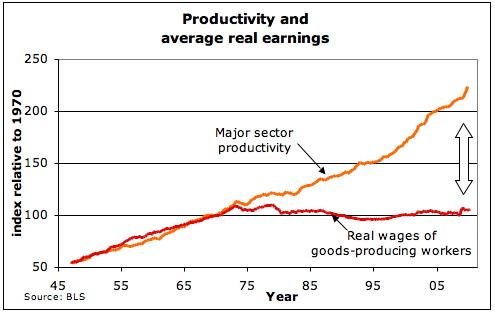
UPDATE 02: Digesting the comments. For the past 10,000 years of agriculture, 500+ years of Euro-colonialism, 200+ years of #capitalism, and 95 years of #neoliberalism (45 officially declared as such), the #nastyfew practicing control through production have dominated everyone else. Capitalism, as described in Capital, grew wherever it could. By the late 19th century, labour organised and fought back. Social democracy transformed the capitalist state so effectively that capitalist development stalled by the 1930s.

The response? A reorganisation of capital, using anti-communism as its rallying cry (WWII, NATO, Korea, Vietnam) to defeat social democracy and retake control of the state. By the 1980s, “they” felt secure enough to brand reform itself as a product: #Neoliberalism. I’m simplifying, of course – this is for the #hashtagStory outreach, so it can become a #KISS tool people can actually use. Clarifications and deeper dives you can find in the comments 🙂

Now, about this idea that “capitalism told us we’re isolated individuals competing to survive.” It’s partly true, but not in the way people think. Capitalism depends on interdependence, we work together to produce, but in a way that isolates us socially and politically. That’s the contradiction: interdependence turned into alienation. It’s the mess in our heads that recreates these bad social structures, the inner factory of control. That’s what we have to compost.

In the end, it’s not just social control, it’s social destruction. As we rush deeper into #climatechaos and the global hard-right turn, it’s clearer than ever: the ideology of separation keeps power safe and people powerless. I know this isn’t #mainstreaming liberal logic, that’s the point. We have to think differently.

And for context, I’m not speaking from the sidelines – I’ve got an MA in politics and 30 years of hands-on work in grassroots #openweb tech. Isolation is social control, see #stupidindividualism. Let’s keep this grounded and not turn it into trolling, yeah?

So how can people try not to be prats about this conversation?

In alt tech there are lots of people doing good, and they are, but this is blinded shifting to doing “good” head down worshipping the #deathcult, this would be kinda OK if they held the bridge to a wider view of “good” but they don’t, they block and obscure there #blocking, this is bad, very bad as in the end the “good” they say they do, is just more mess we need to compost.

The real solution is always to respect and build from the fluffy/spiky debate, not bury it under politeness or pretend blindly it doesn’t matter. #Fluffy brings empathy, care, and bridge-building – vital social glue. #Spiky brings clarity, honesty, and challenge – the fire that keeps things real. Both are needed if a project is to stay alive and #4opens. The moment one side silences the other, the culture starts to rot. The second-best path, if balance isn’t yet possible, is to shift the #NGO-style fluffy language – soften its domination reflex – so it stops sounding like control disguised as kindness. This is where care can evolve into openness rather than enclosure.

The worst outcome is what we’ve already seen too often: blinded narrowness, the slow creep of civility politics that smothers dissent while smiling at best and ignoring then #blocking at worst. It’s silent damage, and it killed #SocialHub, turning what could have been a commons into a small irrelevant gated forum of insiders. You can’t maintain trust by excluding the spiky voices; you can only maintain a hollow sham.

So how can people try not to be prats about this conversation? Start by listening across difference. Don’t pathologize conflict; compost it. Assume that critique is care, not attack. Drop the impulse to manage or “align” others – those are imperial moves. Instead, nurture space for spikiness within shared trust. The goal isn’t harmony, it’s living balance – a federation of tones, not a choir of compliance.

UPDATE: my feeling and experience of this is that these types of people will with blindness destroy what they say they value for the security of what they say they don’t value. The next generation will likely repeat this mess, and the compost will likely mould, as will our environment because little real change or challenge comes from the narrow blinded path this group push. Yes it’s a hopeless mess, ideas to change and challenge this please?

PS. I would like to be proved wrong, this is a real opportunity for a nice group of people to do the right thing.

Admit the mess – don’t polish it. Stop pretending everything’s fine. The blindness comes from politeness and professionalised façades – people smiling while quietly blocking change. Naming the rot is the first act of care. #4opens starts with open process, not spin.

Reignite the spiky energy. Spikiness is honesty, critique, fire – not aggression. Without that spark, the culture flatlines into #NGO sludge. Invite spiky voices back with trust, not fear. Build cultures that can handle disagreement as fuel, not threat.

Rebuild from affinity, not hierarchy. Instead of “leadership” and “representation,” think federation – small, rooted, overlapping networks of trust. The #OGB model (Open Governance Body) can be a path: shared stewardship, visible processes, no invisible power.

Compost the infective NGOs. Use what’s useful (resources, access, tools) but don’t let them define the frame. Their language and logic are imperial – centralising, sanitising. Translate their “professional” talk into commons language: from “impact metrics” to “shared meaning,” from “alignment” to “affinity.”

Re-root culture in lived practice. The grassroots aren’t a romantic idea – they’re the only working base. Real change comes from where people actually do things together, not from panels or “stakeholder dialogues.” Focus energy there, make it visible, and let legitimacy flow upward again.

Make openness the discipline. Openness isn’t chaos; it’s a discipline of trust. The #4opens – open data, open process, open source, open access – are the anti-imperial charter. If a group can’t work by them, they’re not #openweb; they’re enclosure with good PR.

Keep it #KISS simple. Most of the blindness hides in overcomplication – endless frameworks, metrics, governance layers. Keep it small, human, and understandable. Simplicity keeps power honest.

LIVE at c-base a #fluffy Fediverse conference

It’s been going on for the last few years, let’s look at a current example. Live at c-base is a #Fediverse event that highlights the need for composting the dogmatic #fluffy mess making to keep balance in our shared #openweb reboot. With our #fluffy crew talking about the shared reboot, on the surface it looks positive – friendly conversations, smiles, the right hashtags – but underneath it reveals a deeper problem: there is zero balance at these events. This is the third event I’ve seen with the same issue: the same small group, the same narrow framing, the same blindness. It is not healthy. It is not balanced. And it is not a good path to stay on.

What we are seeing, again and again, is a kind of #blinded #blocking. A narrow circle, reproducing itself, shutting out the very people who dug the digital soil for the seedling stage of the current #Fediverse growth. Sadly, #blindness and #blocking makes these people prats, not because they don’t care, but because they can’t see beyond their narrow bubbles.

Composting the mess, we need to be honest here. We all make messes in movement spaces, and the only way forward is to compost these messes. Composting means breaking down what is toxic, unbalanced, or self-serving and transforming it into nutrients that can grow something better. If we ignore the problem, the mess just piles up until the whole project smells. If we compost it, we can build soil, roots, and future growth.

Where’s the hope? Right now, hope is hard to see in these paths. A purely #fluffy approach – friendly, soft, smiling – is good for atmosphere, but it slides into dogmatic blindness. Fluffy alone does not challenge power. Fluffy alone does not create balance. Fluffy alone does not compost.

What we need is spiky/fluffy. We need the warmth of fluff but also the edge of spike, the courage to challenge, to draw lines, to say when things are going wrong. Without this, we share the same blindness, wrapped in smiles and funding applications. One thing that might explain this narrowness is that we are in the middle of a generation change. The original crew who put real work into growing the #Fediverse in its seedling years are no longer invited, and the real problem is that to this new fluffy crowd the last generation are mostly invisible.

Looking at the Berlin Fedi Day schedule the only person I recognise from that seedling stage, that built the current working reboot is Christine Lemmer-Webber, and they were always firmly within the #NGO-fluffy camp. Everyone else? New faces, from before, like Evan Prodromou who played no role in the atavism of the seedling stage or the people from after ??? Who to often bring the #NGO and funding paths that is at the root of current mess making.

One such event would be understandable. But three in a row? It looks less like an “accident” and more like a PRAT move, hardcoded fork of our shared project. A fork that speaks with arrogance “for all of us” while shutting out the #spiky voices of the community who helped built the current #fedivers path. Towards balance, where do we go from here?

  • Name the mess: We can’t fix what we won’t face. #blinded #blocking is real, and it needs to be called out. This is what I am doing here.
  • Compost, don’t cancel: These are not enemies, just our #NGO, #fashionista in need of wider perspective. We don’t waste energy and focus in burning them out; we compost their mess into fuel for growth, they are a part of the debate.
  • Spiky/Fluffy events: The next gathering should explicitly mix both tendencies. Spikiness to challenge, fluffiness to care. That balance is the only way to keep hope alive, let’s not be prats on this, please.
  • Reconnect with roots: We need to bring back more of the seedling stage #Fediverse builders and seedling voices, not as nostalgia but as grounding. The roots matter if the tree is to grow.
  • Expand the circle: No small group should speak for the whole. Open doors, open process, open web. #4opens. A part of this is embedded in the closed funding of these events and process.

Final thought, right now, what we’re watching is real prat behaviour, dressed up in smiles and #NGO funding. That’s a dead end. If we want the #openweb reboot to be more than another hollow fad, we need balance, humility, and compost. The fluffy mess won’t compost itself. That’s our job.

You likely need a shovel #OMN to work on composting. Or if you want to continue with this kind of mess making then clearer naming the events for the minority they invite and host would help to make less mess, a few #NGO groups have started to do this like #FediForum and the #SWF now have less imperialistic language, which is at least is a little less blinded.

#fediday #c-based

Who are the #nastyfew?

This should be obvious to anyone who as some knolage of left politics. They are the people who always rise to the top when #mainstreaming takes hold. You see them on TV, in parliament, running #NGOs, managing #dotcons tech projects.

On the surface, they don’t always look bad – in fact, they often present as competent, articulate, even charming. But scratch that surface and the pattern is clear: their drive is not shared flourishing, it’s possession and control.

This minority #nastyfew, from a historical view, are today’s bourgeoisie. Marx outlined (https://en.wikipedia.org/wiki/Bourgeoisie), that the bourgeoisie historically gained their power through ownership of the means of production – factories, land, capital – while the working class had nothing but their labour to sell. The bourgeoisie used their control over wealth and coercion to keep society in balance, a balance where they stayed on top and everyone else stayed dependent.

The same dynamic runs through our present, the #nastyfew work to preserve a status quo that serves them. They exploit labour (waged or unwaged), capture resources, and use subtle or blunt coercion to suppress any change or challenge.

Those who hold power – social, technical, financial – remain the #nastyfew unless we actively work to compost them.

Then, in our cultural circles, we have our own “common sense” #blocking, the “parasites” who feed from progressive paths.

  • #fashernistas – chasing visibility, hashtags, and trends instead of substance. They drain energy by endlessly cycling the latest buzzwords while ignoring the compost underneath.
  • #Blinded dogmatic liberals – well-meaning perhaps, but so trapped in their own ideology that they block radical change without even seeing it.
  • The wannabe #nastyfew – those who orbit power, adopting the habits of control in hopes of rising up themselves.
  • Neo-liberals in disguise – the most dangerous, because they consciously wear the clothing of other paths: climate, diversity, openness… while quietly feeding the #deathcult of enclosure, growth, and control.

Some of these act blindly, reproducing harmful patterns without much thought. Others are deliberate: they know what they’re doing, and they’re doing it to consolidate control.

The unthinking #mainstreaming majority are shadows of the above. They’re not directly malicious, but they absorb the surface story: They repost the slogans. They nod along with “common sense” solutions pushed by the #dotcons and NGOs. They go with the flow, even when the flow is a sewer. Without working composting, they become the mulch for the #nastyfew to grow stronger.

The “nice liberals”. Not all liberals are destructive. Sometimes they play a healthy role: They keep projects afloat by doing practical work. They can mediate between radicals and the #mainstreaming. They often mean well, and can be allies if they’re not left holding the steering wheel all the time. They’re not the compost, they’re more like the worms: sometimes useful, sometimes wriggly, but part of the soil cycle.

And beyond, there are what has value, the progressive radical paths – both #fluffy (trust, care, openness) and #spiky (confrontation, defence, rupture). That’s another layer of the compost pile, and deserves its own focus. The key point: the #nastyfew and their parasites will always try to rise up in any fertile ground. The progressive trick is to compost them early – recycle their energy, block their possessiveness, and keep the soil rich for new seeds.

To recap, let’s look at some history. When the #openweb reboot began about a decade ago, it was rooted in grassroots values: #4opens, federation, collective governance, affinity trust networks. But as soon as the energy started to gather, the #mainstreamin pushed in:

  • #Dotcons pivoting into the space – Facebook rebranding as “Meta” and trying to swallow the Fediverse through the #Threads/ActivityPub move. This is enclosure dressed up as “openness”.
  • Standards capture – The #NGO actors increasingly gatekeeper the “neglected” #W3C processes, pushing, more corporate-driven priorities while blocking messy grassroots paths that did the shovelling to grow the reboot during the seedling years.
  • Control of resources – a few “elitist” individuals began hoarding power over infrastructure, domain names, and repos, reproducing the same top-down model we’re supposed to be escaping.

The result? We are seeing the #mainstreaming channeling energy away from collective growth into more controlled, branded silos. The Fediverse started as messy, small-scale, radical. But the same pattern repeated:

  • SocialHub degeneration – once the buzzing hub for ActivityPub, it decayed into a handful of blockers. The sometimes competent-and-charming surface masks a deeper instinct for control. Threads stagnate, dissent is suppressed, and the soil turns barren.
  • Mastodon centralization – while #Mastodon has been vital, its dominance has also let a single dev-team shape the Fediverse “common sense”. That concentration of reputation and technical control looks very much like a wannabe mini-bourgeois class rising.
  • #NGO incursions – funded NGOs present themselves as allies, but bring managerialism, paywalls thinking, and “stakeholder” logic. Instead of composting conflict, they plaster over it with workshops and careerism. Then #block the people who complain.

This is the #Fediverse version of “workers remain workers, employers remain employers”: contributors remain contributors, gatekeepers remain gatekeepers. We face the issue of possession over collaboration – we see that collectives fracture when individuals cling to admin roles, mailing lists, funds, and leadership positions. Possession rots trust and then groups wither.

The people who hold (and hored) resources, contacts, and media attention become more deadened than path, even if they started with good intentions.

The composting lesson, is that over and over, the #nastyfew and their parasites repeat the bourgeois pattern at scale: They present as competent and charming. They consolidate possession and control. They preserve the status quo by suppressing dissent.

And over and over, the solution is the same: compost them. Turn the piles of #techshit and #NGO mess back into fertile ground. Protect the seeds of grassroots tech trust, keep the social soil messy and alive.

The #OMN is based on
human beings doing the right thing.

And they will not,
and it will fail.

Human beings doing the right thing,
and they will not,
and it will fail.

And they will not,
and it will fail.

And will fail.

This is the challenge
in the era of the #deathcult:
A culture that feeds on fear,
on greed,
on possession.

Seeds are planted,
but the soil is barren.
Trust is offered,
but hands close into fists.
A path is drawn,
but the walkers scatter into shadows.

The #OMN is fragile,
thin green shoots
in a field of ash.

It asks the simplest thing:
Do the right thing.
Not once,
but again,
and again,
and again.

And if we do not?
It will fail.

And if we do?
Perhaps,
seeds will take root,
and grow beyond the compost,
beyond the #deathcult,
into the messy, open,
living forest.

Security comes from community rather than technological control

It turns out that what hackers yearn for is not raw power but security – not just the technical kind, but an emotional security that is harder to admit to, so it gets dressed up in the language and posture of technology.

Because many in these paths and spaces operate with narrow social and political horizons, shaped by individualist tech culture, a distrust of messy collective life, and little grounding in movement history, their insecurity rarely finds healthy expression. Instead, it gets channelled into #mainstreaming patterns: centralising control, hoarding decision-making, gatekeeping access. The feeling of safety comes not from trust, but from control.

This is why in so many “open” projects we see:

Root admin privileges treated like a personal bunker.

Technical gatekeeping replacing collaborative stewardship.

Social disagreements re-coded as “technical issues” so they can be “resolved” by force rather than dialogue.

The power they wield is a symptom, the insecurity is the cause, lack of balance is the disease. The problem is that command/control cultures make insecurity worse, they turn every challenge into a threat, every new contributor into a risk, and every disagreement into a test of dominance. Over time, this drives out the very diversity and collaboration that could create true resilience.

The #4opens – open data, open code, open standards, open process – is not just a governance checklist. It’s a practical, everyday discipline that forces a shift from control to collaboration. It changes the emotional terrain.

Open data dissolves the hoarding instinct, because nothing critical is locked away in one person’s vault.

Open code forces the bunker doors open, making it normal for others to touch “your” work.

Open standards create interdependence rather than dependency, reducing the fear of losing control.

Open process makes decisions visible, accountable, and shared, replacing the hidden backchannel with a transparent commons.

By practising the #4opens, even the most control-driven hacker can start to find a different kind of security, rooted in trust, redundancy, and collective stewardship rather than in solitary power.

The #4opens doesn’t magically fix emotional insecurity, but it creates a scaffolding of transparency and accountability where balance can grow. It turns projects from personal fiefdoms into shared ecosystems, and in doing so, helps people unlearn the reflex to seek safety only through domination.

The way out is not to strip hackers of influence, but to build cultures where influence is exercised in the open, with care, and where security comes from community rather than technological control.

A #fluffy view – Think of a self-hosted community chat platform, something small, privacy-focused, run by a handful of volunteer hackers. The core devs are brilliant, but they see every problem as a technical one: security means encryption upgrades, stability means more containerization, and governance means a GitHub permissions list.

When disagreements arise over moderation, they don’t trust open discussion. Instead, they quietly add admin-only tools that can hide messages or boot users without notice. From their perspective, this is “security”, keeping the platform stable and safe. But because the process is invisible and unilateral, it breeds mistrust. The community feels controlled, not cared for.

Now imagine this same project embracing the #4opens:

Open Data – Moderation actions are logged and visible to everyone.

Open Source – The code that runs moderation tools is public, so no hidden powers exist.

Open Process – Policy changes are discussed in a shared forum where everyone can contribute.

Open Standards – The platform can interoperate with others, so no one is locked in.

This changes the emotional root of the hackers’ insecurity: their “power” no longer depends on guarding the system against imagined chaos, but on participating in a transparent culture where the community itself holds the system together. Security is now mutual care, not technological control. The hackers still have influence, but it’s exercised in the open, grounded in trust, and shared with the people they serve.

A spiky view of this – The problem with too many hackers is that they mistake root access for moral authority. They wrap their emotional fragility in layers of SSH keys and sudo privileges, then strut around acting like benevolent dictators for life. You see it in the endless “code is law” sermons, in the backroom channel decisions, in the smug dismissal of “non-technical” people as if empathy were a bug. They lock down wikis “for security,” gatekeep repos “to avoid chaos,” and implement moderation tools that work like secret police. This is not liberation, it’s digital landlordism, the same power-hoarding rot we see in the #mainstreaming mess, just with a Linux hoodie instead of a corporate badge.

#KISS it’s best not to be either a dogmatic #fluffy or a #spiky prat about this need for balance.

Talking vs. doing in the #openweb

I often hear: “You post a lot, but what practical work have you actually done?” It’s a fair question, there’s far too much hot air in tech spaces, and the #openweb can’t be rebuilt on rhetoric alone. The critique goes something like this:

“You’re preaching an idealised ‘community’ that doesn’t exist. You criticise the mainstream (fair enough) but keep pushing alternatives without showing a tangible model that works. It feels like you’re looking for an audience, not a conversation.”

And here’s my side of this:

I was part of the team that got multiple governments in Europe to adopt the Fediverse — working on the outreach that took the tech to the European Union.

I co-ran 5 Fediverse instances with thousands of users in its early years. We eventually had to shut them down — an experience I now talk about openly because we need to make this work better next time.

I’ve worked on meany of #openweb projects going back to the birth of the WWW. That history is here: https://hamishcampbell.com

Projects include UK #Indymedia, #VisionOnTV, the Open Media Network (#OMN), the #4opens framework, and the #OGB — all aimed at building governance, infrastructure, and culture outside corporate control.

Here’s the crux: building outside the mainstream is messy, fragile, and uncertain. There’s no guarantee that any of this will “win.” But the alternative – doing nothing and letting every commons be enclosed – guarantees failure.

The work is #DIY culture. If you don’t want to build, you don’t have to. But if you do, you have to accept the risk, the mess, and the fact that you won’t get the same dopamine hits as shipping a VC-backed app. You also have to resist the slide into trolling when frustration builds.

The real challenge is cultural: how to support tech that walks outside the dominant paths long enough to make new ones. That means building infrastructure that runs on trust, openness, and care, not just control, profit, and scale. If we stop doing this, every alternative will keep collapsing back into the defaults.

We Don’t Need More Liberal Techno-Utopianism

We need to start saying this more often, and without apology: there is a moral difference between left and right. Not just a difference in opinion, or strategy, or culture, but a real difference in the kind of people and world each side fights for. Left-wing politics, reflects our better human instincts: generosity, compassion, mutual care, sociability, conviviality, and courage. These are the values that hold communities together, that push back against cruelty and isolation, that imagine a world where no one is left behind. In contrast, right-wing politics are the organised expression of greed, selfishness, ego, bigotry, and fear. They hoard, they divide, they scapegoat, and they dominate.

It’s time we stop pretending this is just a polite disagreement and call it what it is: the left is the political force for good, and the right is the political expression of evil. Naming this clearly matters – because when we blur the line between solidarity and selfishness, we lose the ground we need to stand on. And note we need to put much of the hierarchical left on the right spectrum, it’s important to say this often as well.

Then on the centre path there’s a lot of #fluffy around these days. Take books like Abundance – dressed up as bold new visions, but really just more of the same old liberal centrism with a shiny, tech-friendly finish. It flirts with Marx at the end, but only to dress up in borrowed credibility. At heart, it’s not socialist, it’s a manifesto to reassure the #mainstreaming chattering class that everything will be OK if we innovate harder and manage smarter. This is blinded feel-good “supply-side liberalism” for the TED Talk crowd.

Let’s be very clear: the “problems of the modern Left” exists. Identity tokenism, #NGO capture, and aimless cultural navel-gazing have turned real struggle into performance art. But the answer isn’t to step back into the arms of liberalism or #techbro ideology – it’s to push further and deeper into balancing the path of radical collective politics. Not less left, but more grounded and grown-up socialism?

Because the actual problem isn’t scarcity, or inefficiency, or bad design. The problem is capitalism. Let’s spell it out: Capitalism needs artificial scarcity to work. That’s how it makes money. You think landlords want more housing to be built? Of course not. Flood the market with affordable homes and they lose their grip on rent extraction. Same with developers, they make their money by building just enough to keep prices high. It’s not a bug, it’s the core business model. We need to see this for what it is #miseryeconomics.

Take energy, the whole history of fossil fuels is cartels, from the Seven Sisters to OPEC, it’s a game of controlling supply to keep prices (and profits) up. It’s not about abundance, it’s about engineered shortage. Try fitting that into your neat little supply-and-demand graphs.

Even beyond housing and energy, the entire financial system is tied to the constant rise in asset values. You don’t keep Wall Street humming by flooding the world with free and accessible goods. You do it by enclosing, bottling, and selling scarcity.

So when these liberal optimists talk about “unlocking abundance” without touching class power or property relations, they’re missing the entire point. Or worse, helping to hide it.

What we actually need is a radical shift, that builds on grassroots cooperation, trust, and open systems. Not more shiny ethical #dotcons platforms or visionary #nastyfew billionaires, but boring, solid, stubborn collective action. We need commons, not commodities. Federation, not feudalism. We need to compost the #techshit, not polish it.

This is where projects like the #OMN come in – grounded in the #4opens and decades of lived, messy, practical resistance. Built to share, not to own. Grown from the ground up, not imposed from on high.

We’ve seen what doesn’t work. Let’s stop pretending that liberalism with a few wires stuck in it is going to save us. It’s time to build something real, together, and you get to chose to take the left or the right path. And on this choice, try not to be “common sense” evil in your choice.

Here is a trilogy of stories you can use for outreach if you take the grassroots left path:

Oxford: Going with The Flow

Chatsworth Market: Stalls and Code

And story in process, the Berlin Bay