Sophists – From Ancient Greece to the current #mainstreaming

“Being in #Oxford today, I popped into the #OxfordUnion to use a room. Glancing through the term card, it’s absolutely vile – and has been consistently so for the two years I’ve been back in the city. It’s a useful, if deeply dispiriting, exercise in reading the people and place. This is where parts of the next ruling class form their opinions and sharpen their instincts. Judging by what they’re platforming, we are not heading for a good time…”

One useful term about this mess on the #OMN path is “Sophist”. Historically, the Sophists were traveling teachers in Ancient Greece during the 5th and 4th centuries BC. They taught rhetoric, politics, philosophy, and persuasion to the sons of the ruling elite. In many ways, they were the media consultants, communication strategists, and public intellectuals of their time. Their ideas were, and still are, deeply useful to elitist power. Truth was treated not as something to strive for, but as something relative to perspective and circumstance. Protagoras summed this up with the phrase “Man is the measure of all things.”

From this flowed a power-based philosophy – if truth is flexible, then gaining and holding power is less about discovering what is true, and more about learning how to persuade people effectively. Sophists became famous for teaching students how to win arguments regardless of the facts, make “the weaker argument appear stronger,” and manipulate rhetoric and perception for advantage.

This is why philosophers like Socrates and Plato attacked them so fiercely. Classical philosophy, much like the modern scientific ideal, was supposed to be a search for truth, ethics, wisdom, and understanding. The Sophists instead treated philosophy as a competitive social tool for gaining status, influence, and power.

That conflict has never gone away, when we look at the last 40 years, it becomes obvious that we now live inside a revived Sophist culture. Under neoliberal #mainstreaming, politics, media, academia, branding, and online culture have steadily shifted away from questions of shared reality and toward competitive narrative management.

The central questions are no longer what is true? what is just? and what works for the commons? Instead, the “common sense” questions become what performs well? What wins attention? What controls the narrative? What protects the brand? What keeps the funding flowing? And finally, the #stupidindividualism of, what keeps the career safe?

This is the culture the #dotcons perfected, were algorithms reward emotional reaction over understanding, public relations replaces public reasoning, identity replaces grounded collective politics so that communication becomes performance instead of dialogue. Truth becomes aesthetic.

That is in part why so many people now experience a constant feeling of unreality, we are swimming in rhetorical systems optimized not for understanding, but for engagement, manipulation, and market positioning. The modern “post-truth” condition is not accidental, it is the logical outcome of self-interested #postmodern Sophist culture merged with #dotcons platform capitalism feedback loops.

What do we have to balance this, the #OMN path matters because it tries to push against this drift. The goal is not some fantasy of perfect objectivity, humans are always partial, messy, emotional, and socially situated. But there is still a huge difference between collectively searching for grounded truth together, and treating all communication as strategic manipulation. The first builds commons – the second destroys trust. This is why the #4opens matter:

Open process,
Open data,
Open standards,
Open licences.

These are not only technical principles, they are social tools designed to reduce hidden manipulation and rebuild shared trust. Visible process matters because invisible power breeds Sophistry. Open discussion matters because branding culture hides contradictions behind managed messaging. Shared media matters because without public memory, every conversation resets into manipulation and spin.

The danger of endless rhetoric is that a society trapped in Sophist culture loses the ability to act collectively. Everything becomes performance, positioning, optics, career management, and endless dead-end symbolic conflict. Meanwhile the real flowing crises deepen, #climatechaos, enclosure, collapsing infrastructure, rising authoritarianism and the destruction of public life. People are trained to argue endlessly while losing the ability to build together.

This is one of the many reasons the #openweb matters, yes, native #openweb culture is imperfect, messy, and chaotic, but it is also rooted in a stronger relationship between communication and shared reality. People built infrastructure together, they argued, but they also created commons, this spirit still survives in fragments across the #Fediverse path.

We need to use these tools to compost the Sophist mess – not through purity politics or ideological certainty, because that simply creates another closed rhetorical system. The path is to reboot cultures where truth matters again, evidence matters, lived experience matters, dialogue matters, and collective accountability matters. This needs focus because the current system trains exactly the opposite habits.

The #OMN path tries to compost this mess instead of reproducing it – with less rhetorical theater and more grounded process, less manipulation, more trust, less “winning the argument,” more building shared understanding strong enough to support collective action. That is the underlying conflict beneath much of today’s social and political confusion – the struggle between communication as manipulation and communication as commons.

And right now, the commons desperately need rebuilding, and this matters for both the #openweb reboot and the #OxfordBoaters struggle. Both are fundamentally fights over who controls reality, narrative, legitimacy, and public memory. The landowners’ push in Oxford is a small-scale example of modern Sophistry in action. The issue is not simply “facts” about moorings, river access, safety, or management. The battle is over framing of who gets presented as “reasonable,” who gets framed as “problematic,” whose voices count, whose history becomes visible and who’s gets erased. This is how eliteist power works – not only through visible force, but through narrative management, institutional framing, bureaucratic process, selective legitimacy, and most importently control of communication channels.

The boaters to often fail to engage with this power because of the atomized #stupidindividualism that dominates our lives. Yet they are precisely the people with lived experience, practical knowledge, and deep historical connection to the river, metaphor and real.

Instead, the conflict becomes nastier than it needs to be because it shifts away from solving shared problems and toward managing perception. That is modern Sophistry in practice, the same thing happens across the wider internet. The early #openweb was messy, but it was rooted in participation, shared infrastructure, transparency, and collective building. People made websites, forums, federated systems, community media, and open tools together. There were arguments, conflicts, and failures, but there was also visible process and public memory.

The rise of the #dotcons replaced much of this with managed perception systems optimised for engagement, advertising, behavioural manipulation, and social control. Communication shifted from dialogue to performance, from publishing to branding, from communities to audiences,
from commons to platforms and from participation to passive consumption. Again, this is Sophistry – communication not for understanding, but for influence and control.

This is why the #OMN path matters. The project is not simply about “better media” or “better activism.” It is about rebuilding the social conditions where grounded collective understanding becomes possible again. For the #openweb reboot this means rebuilding commons infrastructure, restoring public conversation, protecting shared memory, creating transparent governance to resist platform manipulation.

For the #OxfordBoaters struggle this means creating our own media stories to document lived reality, preserving collective memory, make hidden processes visible. This is why the #4opens are practical anti-Sophist tools – Open process counters hidden manipulation – Open data counters selective framing – Open standards counter enclosure – Open licences protect shared social knowledge from privatisation. Without these, power disappears into invisible structures while presenting itself as neutral management.

One of the deepest problems today is that many people now trust polished institutional narratives and #dotcons tools more than messy lived experience. Boaters should already understand this because they directly experience the gap between official language and material reality. The boat struggle and the #openweb struggle are connected because both are about defending commons against enclosure: river commons, communication commons, social commons and democratic commons. And both are being undermined by the same Sophist culture of managed perception, institutional branding, bureaucratic abstraction, and invisible power.

So the task is not simply to “win arguments.” That is the Sophistry trap. The native path we need is rebuild is gthe environments where truth emerge collectively, trust grows, so conflict can become productive instead of performative, and people can act together in the real world.

In short, the fight is not just against bad policies or bad platforms. It is between communication as manipulation and communication as commons. And if we do not consciously rebuild the commons side of that divide, both the rivers and the web will continue disappearing into managed enclosure #KISS

#powerpolatics #mess #compost

The End of the “Peace Dividend” and the Return of History

#Identitypolitics, is what happens when liberalism turns inward and fragments – call it mad liberalism. #Culturewar is what happens when that same liberalism hardens and lashes out – bad liberalism. Both look like opposites, but they come from the same place.

The uncomfortable part is both were pushed onto the “left” as the way to fight #neoliberalism the very system that’s been tearing apart the social fabric for decades. Instead of building collective power, we pushed endless identity fragmentation, reactive outrage cycles and symbolic battles detached from material change the left is about.

Energy that could have gone into organising, building, and challenging power structures got redirected into managing discourse and fighting each other. That wasn’t an accident, it was the path of least resistance within a liberal framework that can’t actually confront the roots of the problem, because it’s part of the problem.

So while people were arguing over representation and language, the underlying mess – what we call the #deathcult – carried on concentrating wealth, hollowing out communities and locking in structural inequality. And now, that same system is producing a hard shift to the right, feed by anger without direction, backlash without solutions and reaction filling the vacuum left by the failure of the “left” to build alternatives.

So yes, the liberal centre made the mess, but the more important point is this we’re still stuck inside its framing, still reacting, still fighting on terrain that leads nowhere and still avoiding the work of building something that can actually replace what’s failing. Not to dismiss identity or culture – those matter – but to put them back in proportion, grounded in material reality and collective process. Because if we don’t do that, we stay locked in the loop of liberal fragmentation → right-wing reaction → deeper collapse, and this loop doesn’t end well.

The question isn’t only who to blame, it’s whether we can stop playing the same game long enough to build something else. Let’s look at this from a much wider view.

For a long time, the dominant mainstreaming story has been that today’s instability is blamed on the anger of the “left-behind” in the West, a neat, comfortable narrative. But this is shallow, as long before discontent surfaced in the US or UK, entire societies in Eastern Europe and the former Soviet Union went through something far more extreme.

The 1990s transition to #neoliberalism wasn’t just “reform” – it was a peace-time social collapse when life expectancy dropped, savings were wiped out and crime and addiction surged. This “history” matters now because it shows that what we’re living through isn’t new, it’s the long tail of our worshipping of the same #deathcult, that has been breaking societies for decades.

The illusion of stability from the early 1990s to around 2010, when the world looked unusually stable, even peaceful. Major wars between big powers disappeared, military spending dropped, trade and GDP surged – “Democracy” spread across the globe. This period was framed as success, some even called it the end of history. But this “peace” rested on smoke and mirrors.

#globalisation as control – economic interdependence was supposed to prevent war, the idea was simple if everyone is economically connected, conflict becomes irrational. What actually happened was production was off shored, labour was weakened in the West, global supply chains became fragile and unequal and wealth concentrated at the top. This wasn’t peace, it was #classwar.

The fig leaf of “democracy” was always market compliance, less about collective decision-making and more about maintaining economic growth. In practice governments served markets, institutions constrained popular power and politics became technocratic management. In #OMN terms, this is #mainstreaming – reducing real political choices into narrow, “acceptable” to the #nastyfew options.

The hidden cost was hollow societies, this system did produce growth. But hollowed everything out, communities weakened, industries disappeared, inequality exploded and politics lost meaning. People were told everything was fine, while their lived reality worsened.

So the anger we see today isn’t sudden, it’s delayed. The imperial layer is power without accountability at the global level, this system was held together by a dominant power structure. And here’s where the cracks deepen as rules applied selectively, international law was a tool, not a constraint, economic systems weaponised as needed. The result was a loss of legitimacy, as when rules are not applied equally, they lift the veil to stop functioning as rules at all.

We are now moving out of that world back to no longer having a single uncontested centre of power. Instead, we have competing blocs, regional tensions, fragile alliances and increasing militarisation. This is what’s called a multipolar world in #IR terms. Historically, these systems are unstable unless there are shared norms and limits, right now, those norms are weak or collapsing.

So we understand that the liberal #deathcult logic no longer works, globalisation is fragmenting, states are prioritising more self-sufficiency, supply chain control, strategic industries. The old idea of interdependence is now seen as a risk, not a safeguard.

Liberal ideas of democracy aren’t stabilising conflict, instead of reducing tension, elections amplify nationalism, reward confrontation leading to deepen division. The “#deathcult peace” is no longer holding, It’s a dangerous feedback loop, that without strong shared “rules”, the mess drifts toward proxy conflicts, regional wars, arms races and escalating mistrust. Even if full-scale war is avoided, instability becomes normal, and this instability feeds back into domestic politics – creating more fear, more reaction, more breakdown.

The deeper problem is #neoliberal exhaustion, we no longer treat the #deathcult as sacred and with #climatechaos and social break down our deaths are seeping closer. It’s now visible systemic exhaustion of the rule of the #nastyfew who built this era of #neoliberalism to prioritised finance over production, replaced politics with management, concentrated wealth and power and stripped away collective purpose.

This mess making didn’t resolve contradictions, it displaced them into culture wars, liberal identity conflicts and into abstraction. Now those social control is failing, we see the return of “history” where fundamental questions can’t be avoided anymore:

  • What is the purpose of the state?
  • Who benefits from the economy?
  • What do we protect and why?
  • How do we organise collectively?

This is uncomfortable, but necessary. As the previous era avoided these questions, this one forces them.

The #OMN perspective on this mess is compost, don’t collapse, that this moment is not just crisis – it’s raw material. The breakdown of the old system creates space, but we need to use the space, it’s why the #compost thinking matters – don’t deny the mess, don’t romanticise collapse, process it into something usable. Because if we don’t, the vacuum gets filled by reactionary politics, authoritarian control and deeper #mainstreaming mess.

The “end of history” wasn’t an achievement, it was a pause – built on unstable foundations. What we’re living through now is history restarting, messy, risky, uncertain. But also the first real chance in decades to build something that isn’t just a updated version of the same #deathcult logic. We might build a #lifecult if we can hold our nerve, and actually do the work.

So what comes next? We are moving from “stability” without meaning to instability with possibility. Yes, that shift is dangerous, but it also reopens agency, the question is no longer
“how do we maintain the system?” It becomes “what do we build instead?”

The #KISS choice is the #OMN path to grow new #openweb, grassroots, trust-based structures, or we default fall back into more centralised, extractive systems?

Actually solving things, and why this matters for #OMN

Activism has a reputation problem, in default #mainstreaming storytelling it’s painted as chaos, absence, or naive idealism. But if you look at what activists at best actually do, a different picture emerges: a long tradition of people working out, in practice, how to solve real problems together without relying on distant authority. And that’s the bit most people quietly skip.

In most social/political movements, the hard questions – how we organise, decide, share resources, resolve conflict – are deferred. If people think about this at all – First you win power, then you figure out how things will work. That “later” rarely comes, or when it does, it arrives shaped by hierarchy, bureaucracy, and control.

The #OMN paths flips this. It starts at the micro level of how do a group of people share space? How do they make decisions without bosses? How do they deal with conflict, mess, bad behaviour, uneven effort and how do they build trust that actually holds under pressure? These are not abstract questions, they are everyday problems.

And this path – at its best – has decades (centuries, really) of paths with real answers like messy consensus processes, affinity groups, mutual aid, horizontal organising, temporary structures that form and dissolve as needed. None of it perfect, all of it is grounded. This is why grassroots activism works in real situations: disaster response, grassroots organising, protest camps, community projects. Because it doesn’t wait for permission or perfect conditions. It already has tools for acting now.

The messy bit is it’s not magic, let’s not romanticise this. Horizontal organising is hard, it’s full of friction. You get informal hierarchies, dominant personalities, avoidance of conflict until it explodes and burnout leading to #blocking of uncomfortable but necessary conversations. This is the same “poisonous people” problem you see in every movement. #4opens grassroots activism doesn’t remove it – it exposes it – and that’s actually the point. Instead of hiding dysfunction behind formal power, horizontal spaces push it into the open where it has to be dealt with. Or not – and then things fall apart, which is also a kind of clarity. In #OMN language, this is #compost, the mess isn’t a failure. It’s raw material.

Why this matters for the #openweb – most digital infrastructure is built on the opposite assumption. The #dotcons model says to centralise control, extract value, smooth over conflict, optimise engagement, hide the mess. It “works” – but only by disempowering people and communities. The #openweb path, if it’s going to mean anything, has to go the other way:

  • decentralised
  • messy
  • trust-based
  • human-scale
  • and able to function anyway

That last bit is where we can learn from anarchist practice, because building federated, grassroots media (like #OMN, #indymediaback, Fediverse spaces) is not just a technical problem, it’s a social one. The tech already basically works, the people part doesn’t – yet. Micro practice is the missing layer – What we keep hitting is the gap between having tools (#ActivityPub, servers, platforms) and having cultures that can use those tools effectively

You can spin up a server in an afternoon, you can’t spin up trust, shared norms, or collective process nearly as fast. This is where activist/anarchist thinking helps – not as blinded ideology, but as a toolkit:

  • how to run meetings that don’t collapse
  • how to distribute responsibility without losing coherence
  • how to handle conflict without defaulting to bans or dominance
  • how to balance openness with resilience

These are the problems that keep blocking #openweb projects. It’s about the clash: horizontal vs “common sense”. One of the biggest tensions is this is people default to vertical “common sense” – someone should be in charge, decisions should be quick, authority should be clear. And in moments of stress, that instinct feels right, but over time, it reproduces the same power structures we’re supposedly trying to move beyond.

So we get a cycle of start horizontal, hit friction, fall back to informal hierarchy, burn out or fragment then repeat. Balancing this cycle requires conscious practice, not just good intentions. For #OMN, this isn’t theory, it’s practical. If we want a functioning, grassroots media network:

  • we need working horizontal processes
  • we need ways to mediate conflict and #blocking
  • we need to actively compost dysfunction instead of ignoring it
  • we need to balance “fluffy” inclusion with “spiky” clarity and direction

Otherwise, the social layer collapses long before the tech does. And then the #dotcons win by default, not because they’re better, but because they’re simpler in the short term.

The real opportunity here is to combine #KISS activist micro-practice (how people actually work together) with #openweb technology (how systems interconnect at scale). That combination is rare, and powerful. It gives us a path that is:

  • grounded (not abstract)
  • scalable (but not centralised)
  • resilient (because it expects mess)
  • and actually usable by normal people, not just #geekproblem specialists

This path isn’t useful because it promises a perfect future, it’s useful because it takes responsibility for the present. It asks – how do we make this work, here, now, with these people, in this mess? That’s the question the #openweb needs to answer, and if we don’t answer it, the answer we’ll get is more of the same, more #closedweb, more #dotcons, more #deathcult normality.

If we do answer it – even imperfectly – we start to build something else, something that grows not by control, but by practice.

#OMN Grounding (the roots as a story)

#OMN Grounding (the roots as a story)

#techchurn is the endless cycle of adopting new platforms, tools, and technologies – not because they solve any real problems, but because novelty is mistaken for progress. It burns community trust, institutional memory, and activist energy, while leaving the underlying #nastyfew power structures untouched.
https://hamishcampbell.com/?s=techchurn


The #OMN uses #stupidindividualism to describe the culturally manufactured habit of prioritising personal gain and self-interest over collective well-being – a behaviour normalised by forty years of #neoliberalism, where people work against their own community and ecological survival while believing they are exercising “freedom”.
https://hamishcampbell.com/?s=stupidindividualism


In the #OMN hashtag story, #spiky is the confrontational, direct, and uncompromising tendency within radical movements – the willingness to push back against power, name uncomfortable truths, and refuse to sand down political edges for mainstream comfort.
https://hamishcampbell.com/?s=spiky


#RSS is the unglamorous but democratic backbone of the #openweb – a simple, open standard that allows content to flow without the gatekeeping, algorithmic manipulation, and the data hoarding of the #dotcons.


#reboot is the necessary reset of the #openweb – stepping away from the dead ends of #techshit and #dotcons to rebuild human-centred, trust infrastructure using tools like #activitypub and the #fediverse, guided by the #4opens.
https://hamishcampbell.com/?s=reboot


#postmodernism is the cultural current that dissolved shared truth into competing narratives, undermines the foundations needed for collective action – leaving people fragmented, cynical, and unable to build solidarity.
https://hamishcampbell.com/?s=postmodern


In the #OMN hashtag story, #Oxford is a grounded example of real-world contradiction – where elitist power (#mainstreaming, #NGO, #deathcult) coexists with genuine grassroots community, making it a test bed for grassroots #openweb organising and the #4opens path.
https://hamishcampbell.com/?s=Oxford


In the #OMN hashtag story, #PGA (Peoples’ Global Action) represents horizontal, grassroots, anti-capitalist organising – a prefiguration of the #openweb, built on direct action and solidarity rather than #NGO bureaucracy or #mainstreaming compromise.
https://hamishcampbell.com/?s=PGA


In the #OMN path, #p2p means people-to-people before peer-to-peer – real human relationships and trust as the foundation that decentralised tech should serve, not replace.
https://hamishcampbell.com/?s=p2p


In the #OMN view, #opensource is not just a licence – it’s a political commitment to transparency, shared ownership, and community control over code, data, and process.
https://hamishcampbell.com/?s=opensource


The #openweb is internet infrastructure built on open standards, open-source code, and community control – where users share power – as opposed to the #dotcons, with the #closedweb which enclose and monetise the commons.
https://hamishcampbell.com/?s=openweb


#openprocess means decisions and governance happen visibly and participatorily – not behind closed doors, so people can see, challenge, and shape outcomes.
https://hamishcampbell.com/?s=openprocess


#opendata means data that is freely accessible and shareable – controlled by communities rather than locked inside corporate silos.
https://hamishcampbell.com/?s=opendata


In the #OMN path, #open means building on the #4opens – open code, data, standards, and process as a foundation for technology that serves people, not profit.
https://hamishcampbell.com/?s=open


#OMN (Open Media Network) is a grassroots project to build human-centred, trust-based digital infrastructure on the #openweb, grounded in the #4opens and focused on community control over technology.
https://hamishcampbell.com/?s=OMN


The #OGB (Open Governance Body) is a framework for transparent, inclusive decision-making – replacing hidden power structures with accountable, federated, messy collective governance.
https://hamishcampbell.com/?s=OGB


In the #OMN story, #nothingnew reminds us that cycles of co-option and failure have all happened before – and ignoring this history is how we repeat mistakes.
https://hamishcampbell.com/?s=nothingnew


In the #OMN story, #NGO refers to professionalised activism that defuses radical politics – replacing grassroots power with managed, funder-friendly “dissent”.
https://hamishcampbell.com/?s=NGO


In the #OMN path, #neoliberalism is the dominant ideology of markets over people – normalising greed and eroding solidarity into the logic of the #deathcult.
https://hamishcampbell.com/?s=neoliberalism


#makinghistory is the practice of communities reclaiming storytelling – building open, living archives rather than leaving history to those in power.
https://hamishcampbell.com/?s=makeinghistory


In #OMN usage, #mainstreaming is how radical ideas get absorbed and neutralised – keeping the language while stripping out real challenge.
https://hamishcampbell.com/?s=mainstreaming


In the #OMN path, #KISS (“Keep It Simple, Stupid”) is a political stance against the #geekproblem – rejecting unnecessary complexity as a form of control.
https://hamishcampbell.com/?s=KISS


#indymediaback is a call to rebuild grassroots, community-controlled media as an alternative to both #dotcons and hollow #NGO media structures.
https://hamishcampbell.com/?s=indymediaback


In the #OMN path, a hashtag is not just a label – it’s a node in a shared political vocabulary, building a map of meaning and direction.
https://hamishcampbell.com/?s=hashtag


#grassroots means bottom-up organising rooted in real communities – accountable to collective need, not institutions.
https://hamishcampbell.com/?s=grassroots


The #geekproblem is the tendency to replace human trust with technical control – embedding narrow values into systems that shape everyone’s lives.
https://hamishcampbell.com/?s=geekproblem


In #OMN, #FOSS is a political commitment to collective ownership of technology – not just a licensing model.
https://hamishcampbell.com/?s=FOSS


In #OMN language, #fluffy describes feel-good politics that avoid conflict – prioritising comfort over any real change.
https://hamishcampbell.com/?s=fluffy


#feudalism describes the emerging digital structure where platform owners extract value like lords from dependent users.
https://hamishcampbell.com/?s=feudalism


#fascism is what happens when the #deathcult drops its mask – authoritarian control to defend failing systems.
https://hamishcampbell.com/?s=fascism


On the #OMN path, the #fediverse is practical #openweb infrastructure – decentralised, federated, and not owned by corporations.
https://hamishcampbell.com/?s=fediverse


#encryptionist describes the tendency to prioritise technical security over social trust – a core expression of the #geekproblem.
https://hamishcampbell.com/?s=Encryptionist


#dotcons are corporate platforms built on data extraction and control, presenting themselves as neutral while enclosing the commons.
https://hamishcampbell.com/?s=dotcon


In the #OMN story, #DIY means reclaiming the ability to build and organise outside institutional control – grounding politics in practice.
https://hamishcampbell.com/?s=DIY


The #deathcult is the self-destructive logic of #neoliberalism – sacrificing social and ecological survival for short-term fear drivern greed.
https://hamishcampbell.com/?s=deathcult


In the #OMN story, #compost means breaking down failure and mess into fuel for new growth.
https://hamishcampbell.com/?s=compost


In #OMN, #closedweb is controlled, extractive digital infrastructure where users have no power.
https://hamishcampbell.com/?s=closed


#climatechaos describes the accelerating breakdown driven by the #deathcult, beyond manageable “climate change.”
https://hamishcampbell.com/?s=climate


#classwar is the ongoing conflict between the #nastyfew and the communities they exploit – often hidden by #mainstreaming narratives.
https://hamishcampbell.com/?s=classwar


#capitalism is the dominant system turning everything – relationships, nature, culture – into “profit”.
https://hamishcampbell.com/?s=capitalism


In #OMN, #block is the reflex to shut down challenge – preventing the messy work needed for real change.
https://hamishcampbell.com/?s=block


#blinded is being unable or unwilling to see beyond #mainstreaming and #dotcons logic.
https://hamishcampbell.com/?s=blinded


#fashernista describes performative activism that prioritises appearance over substance.
https://hamishcampbell.com/?s=fashionistas


#dotcons are the corporate platforms – Facebook, Twitter/X, Instagram, YouTube and their kin – whose business model is built on harvesting user data, manufacturing engagement, and converting human attention and community into profit, while presenting themselves as neutral public spaces.

https://hamishcampbell.com/?s=dotcon


In the #OMN hashtag story, #DIY means reclaiming the practical capacity to build, organise, and maintain tools and communities outside of corporate and state control – not as a lifestyle choice, but as a political act of grounding radical change in real skills, real trust, and real human relationships rather than outsourcing power to institutions that don’t serve you.

https://hamishcampbell.com/?s=DIY


The #deathcult is the #OMN metaphor for the self-destructive logic of forty years of #neoliberalism – an ideology so committed to short-term profit, individualism, and economic growth that it knowingly sacrifices the ecological and social foundations that human life depends on.

https://hamishcampbell.com/?s=deathcult


In the #OMN hashtag story, #compost means taking the failures, mistakes, and accumulated mess of past movements and tech projects – rather than discarding or ignoring them – and breaking them down into something that can feed new growth, treating dysfunction and #blocking dead ends as raw material for building better rather than as waste to be hidden.

https://hamishcampbell.com/?s=compost


In #OMN language, #closedweb refers to the controlled digital infrastructure – platforms like Facebook, Google, and Twitter – built on proprietary code, extractive business models, and centralised power, where people have no meaningful control over their data, their communities, or the rules that govern them.

https://hamishcampbell.com/?s=closed


The #deathcult of #neoliberalism has driven us past the point where “climate change” – with its implication of manageable, orderly shifts – remains any honest description of what we face now. What we actually have is #climatechaos: cascading, systemic breakdown of the ecosystems, weather patterns, and social structures that human civilisation depends on, accelerating faster than institutions built on forty years of market logic are capable of, or willing to, address.

https://hamishcampbell.com/?s=climate


#classwar is the ongoing and unacknowledged conflict between those who benefit from and actively reproduce the #deathcult of #neoliberalism – the #nastyfew, managing, and credentialed classes – and the communities, workers, and ecosystems they exploit. A conflict that #mainstreaming culture works to render invisible, reframing systemic dispossession as individual failure.

https://hamishcampbell.com/?s=classwar


#capitalism is the current common sense – the water we swim in – the economic system that systematically converts collective goods, human relationships, and the natural world into private profit, enforcing this logic through every institution and platform we touch, while presenting itself as the only possible reality.

https://hamishcampbell.com/?s=capitalism


In the #OMN hashtag story, #block refers to the reflexive, unconscious tendency of individuals and communities to shut down unfamiliar and challenging ideas, people, and processes – a defensive gesture rooted in #stupidindividualism and #postmodernism that prevents the trust-building and messy collective work needed for real #openweb organising.

https://hamishcampbell.com/?s=block


#blinded refers to being so captured by #mainstreaming tech orthodoxy and ideological “common sense” – particularly #neoliberalism and #dotcons culture – that you no longer see, or refuse to see, the harms those systems cause or any alternative paths that exist outside them.

https://hamishcampbell.com/?s=blinded


#fashernista describes a person in progressive or radical spaces who prioritises the appearance and aesthetic of activism – the right look, language, and social positioning – over the unglamorous, difficult work of actually building lasting structural change.

https://hamishcampbell.com/?s=fashionistas


If you want, the next step is to cluster these into a clean “chapter flow” (roots → mess → behaviours → solutions) so this stops being just a glossary and becomes a narrative tool.

These are the foundation tags – the ones everything else grows out of – the overall project: grassroots, trust-based, human-centred media infrastructure

#openweb – the political/technical terrain we’re trying to reclam

#4opens – the non-negotiable baseline (open code, data, standards, process)\openprocess – visible, participatory decision-making as default

#grassroots – bottom-up power, not institutional mediation

This cluster is about legitimacy, if it’s not grounded in these, it drifts into #NGO capture or #dotcons logic quickly. This is the “native soil” everything else either grows from or gets rejected by.

The Problem Space (what we’re composting), these tags describe the mess we’re in – the stuff we don’t ignore, but break down.

#deathcult (neoliberalism as destructive common sense)

#neoliberalism – 40 years of market logic shaping behaviour

#dotcons – corporate capture of digital space

#closedweb – controlled, extractive infrastructure

#mainstreaming – dilution and co-option of radical ideas

#NGO – managed dissent and professionalised politics

#classwar – underlying structural conflict

This is the compost heap, you don’t fix this directly, you don’t “win” against it head-on. You break it down, reuse what’s useful, and grow alternatives around and through it.

The #geekproblem Layer (tech distortions) is where things go wrong in implementation.

#geekproblem – replacing social trust with technical control

#techchurn – endless pointless rebuilding

#encryptionists – over-prioritising technical purity over social reality

#KISS – counterbalance: keep things simple and usable.

This cluster is why good ideas fail, not because the ideas are wrong, but because the tools and culture get shaped by people who don’t understand social process. This is where most #openweb projects die.

Cultural/Behavioural Patterns (how people act). The human layer – messy, unavoidable, and central.

#stupidindividualism – learned self-interest over collective good

#postmodernism – fragmentation of shared meaning

#fluffy – avoidance of conflict, feel-good paralysis

#spiky – necessary confrontation and edge

#block – reflex rejection of challenge

#blinded – inability to see outside dominant narratives

#fashernista – prioritising appearance over substance

This is the real battlefield, not tech, not policy – behaviour. If you don’t mediate this layer, everything collapses back into dysfunction, no matter how good your structure is.

The Alternative Infrastructure (what we build), are the actual tools and practices that make change possible.

#fediverse – decentralised network as a base layer

#activitypub – the protocol glue

#RSS – simple, open distribution backbone

#p2p – people-to-people first, tech second

#FOSS / #opensource – shared ownership of tools

#opendata – accessible, non-extractive information

These only work if rooted in the first cluster, otherwise they get captured and turned into another layer of the #closedweb.

Governance & Process (how we hold it together). Where most projects fail – or succeed.

#OGB – structured, open governance

#openprocess – again, because it’s that important

#DIY – practical ownership and responsibility

Without this, informal power takes over. You end up with hidden hierarchies, gatekeeping, and eventual burnout. With it, you get messy but functional collective control.

Practice & Direction (how we move).

#reboot – reset and rebuild from working patterns

#indymediaback – learning from past grassroots media

#makinghistory – documenting and owning our narratives

#nothingnew – grounding in historical cycles

This cluster stops you repeating mistakes, without it, every new wave thinks it’s inventing something new and walks straight into the same traps.

Grounding Example Layer

#Oxford – real-world test bed of contradictions

#PGA – historical example of horizontal organising

Without grounding, this all drifts into theory, these are example tags anchoring it in lived practice, where things break, and where they can actually work.

The Meta Layer (how to use this)

#compost – break down failure into growth

This is the key to the whole thing – Don’t try to “fix” the mess. Don’t try to “win” cleanly, you compost:

bad behaviour → learning

failed projects → patterns

conflict → structure

Final point (this matters) is the mistake people make is trying to tidy this into a neat theory, reduce it to messaging, turn it into a fixed ideology. That kills it, this clustering is not about control – it’s about navigation.

The mess stays messy, but now people can walk through it without getting lost.If you don’t cluster this stuff, it turns into a wall of noise. The mess is useful.
In the real world

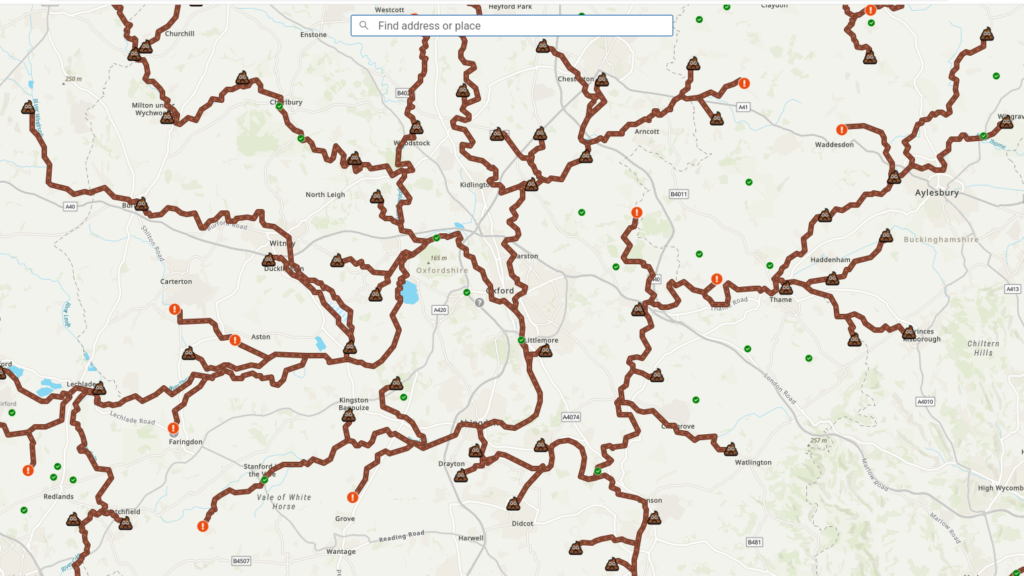
We’re not dealing with abstract “community dynamics.” we’re dealing with live-aboard boaters under pressure, rowers, landowners, council, Environment Agency and scarcity of space (moorings). This in the end is about visibility vs invisibility on the river, so friction isn’t theoretical – it’s structural. Let’s look at the conflict patterns we’re seeing:

  • Back-channel poisoning (#whispers #splitting) “X group are the problem”, “They’ve already decided this”, “Don’t trust them”. This happens in WhatsApp groups, towpath chats and private cliques. The effect is fragmenting the boating community before anything even reaches #4opens process.
  • Representation fights (#whospeaks) “Who speaks for boaters?”, “Who gave them authority?” or “That meeting wasn’t legitimate” The effect: is paralysis + resentment + delegitimisation of any action at all.
  • Tone wars masking real issues (#signal vs #noise). Personal digs, passive-aggressive comments with people reacting to how things are said, not what is said. The effect is real issues (mooring policy, enforcement, access) gets buried under #stupidindividualism social mess.
  • Burnout + drop-off (#crewdrain). Some people doing everything while others sniping from the sidelines. The effect is core organisers get exhausted → vacuum → more mess.

So how do we compost this?

Pull whispers into the open (#openprocess #visibility). Instead of trying to stop gossip (you won’t) create simple habits like “If it matters, bring it to the shared space”, regular open threads / meetings where anything can be raised, even messy, even uncomfortable. Outcome is less shadow conflict, more visible disagreement.

Create a “good enough” shared space (#KISS #lowbarrier) Not a perfect system, just something consistent like a public website (open collective) and hashtag use like #oxfordboaters. Where updates happen, disagreements are visible and decisions are logged (lightly). Path is #KISS, if it didn’t happen here, it’s not part of collective decision-making.

Keep grounding in actual doing (#praxis #riverlife). Don’t let it become a talking shop, anchor everything in face to face fire towpath meetings, shared work days (clean-ups, maintenance) and direct engagement with river issues. The outcome is people relate through doing, not just arguing.

Add lightweight “composting moments” (#retrospective #learning). After anything messy (meeting, conflict, decision). Do a quick loop, what worked, what didn’t, what do we try next. Keep it short, no essays. Outcome is tension gets processed before it hardens into factions.

Set soft boundaries (protect the commons), (#boundaries #collectivecare). If someone consistently derails, attacks and refuses shared process. You don’t need a big drama, simply reduce engagement, keep process moving without them dominating. As the group will survive without needing perfect agreement. What this feels like when it’s working is not ONLY harmony, not in any way formal consensus.

It feels like people disagree openly, as some conversations are just messy, but things still move forward, decisions happen (even if imperfectly), no single person controls the narrative. And crucially conflict becomes part of the process, not a blocker to it, what failure looks like (so you can spot it early)- decisions drifting back into private channels, the same 2–3 people becoming permanent spokespeople or “we already talked about this” with no visible record, people disengaging instead of arguing.

The #KISS version for #Oxfordboaters

Make things visible (#openprocess)

Keep tools simple (#KISS)

Rotate roles (#commons)

Focus on doing (#praxis)

Process tension early (#compost)

The uncomfortable truth is It’s not about removing difficult personalities, conflicting interests or structural pressure from authorities. What we can do is stop those things from tearing the group apart.

Disciplined curiosity beats IQ, Oxford

There is a persistent myth pushed in our culture that intelligence – high IQ, academic credentials, elitist education – leads naturally to clear thinking. My organic experience suggests the opposite, what matters is disciplined, skeptical, freethinking curiosity. Without that, intelligence simply becomes a tool for defending whatever assumptions people already hold.

This is one of the reasons many academic environments produce people who are, bluntly, credulous. Not because they lack intelligence, but because the institutional structures around them reward conformity and reputation management far more than genuine curiosity.

Over the last two years I’ve been spending time in and around the university culture in Oxford, participating in discussions, events, and academic life. The experience has been instructive, if in the end frustrating. You would expect a place associated with University of Oxford to be a centre of open intellectual challenge. In practice, it feels like something else: a system that filters, polishes, and reproduces existing assumptions.

This is not universal, some of the hard scientific disciplines still cultivate a form of disciplined skepticism, experiments fail, evidence contradicts theory, so you are expected to question results. The process encourages a narrow but very real culture of doubt, but outside those narrow areas, skepticism to often fades.

Instead, you find intellectual fashion cycles building reputational alliances that push institutional caution based on #blinded ideological signalling. The result can be a strange mix of high intelligence and low #blocking curiosity. People who are good at working inside established frameworks, but much less comfortable questioning the foundations of privilege those frameworks rest on.

This matters for the #openweb and projects like #OMN. I got nowhere here as many of the institutions that might have supported open digital infrastructure – universities, NGOs, research centres – have shifted toward the same #deathcult #mainstreaming #blocking that dominates the wider tech world. Funding cycles shape research priorities, institutional partnerships shape acceptable ideas and career incentives shape what can safely be questioned.

So even where intelligence and resources exist, the culture of disciplined curiosity that drives the needed real innovation is thin if it exists at all. The irony is that the early internet grew out of exactly the same institutions, but with opposite culture. The original World Wide Web ecosystem, the hacker and #FOSS communities, and early grassroots media projects like #indymedia were built by people who combined technical curiosity with deep skepticism about centralised control.

They didn’t wait for institutional approval, they experimented, built #DIY tools that broke things and rebuilt them. That spirit is what projects like #OMN are trying to revive. The goal is not to outcompete corporate #dotcons platforms or impress #NGO academic institutions. The goal is simpler: to build open media infrastructure that communities can use based on small nodes, trust networks and open metadata flows. Simple tools that allow people to publish, share, and connect.

This is a working #KISS approach to rebuilding grassroots media. If the last twenty years of the web have taught us anything, it’s that intelligence alone doesn’t produce healthy systems. You can have brilliant engineers building platforms that clearly undermine democratic communication, it’s the mess that shapes the current #dotcons world.

What makes the difference is curiosity combined with skepticism, the willingness to question the structures that shape our digital lives. Without that, even the smartest institutions drift into the same patterns of credulity and conformity, which is why rebuilding the #openweb is not just a technical project, it’s a cultural one.

For some reflections from the last couple of years around Oxford life and technology culture, see: https://hamishcampbell.com/tag/oxford/

#Oxford #academic #elitist

Why does it feel like so many people have become intolerant prats? A blunt observation: it increasingly feels like many people today are intolerant prats. And worse, this behaviour has started to feel normal. You see it everywhere. Online discussions collapse quickly into hostility. Small disagreements become unthinking moral #blocking were people retreat into camps where any challenge is treated as an attack.

This isn’t just a social media problem, though the #dotcons have certainly amplified it, it’s a deeper cultural shift. For decades the dominant systems shaping our culture have encouraged competition, individualism, and personal branding. The result is what I often call #stupidindividualism – a worldview where the individual ego becomes the centre of everything. In that environment, disagreement stops being part of learning and becomes a threat to identity, so people react defensively, aggressively or dismissively. What used to be debate becomes performance.

The platform problem is when the #dotcons platforms are designed to amplify this behaviour where algorithms reward outrage, tribal loyalty and moral signalling to push conflict to drive engagement. They do not reward patience, nuance, or curiosity, in other words, they are structurally optimised to turn ordinary people into worse versions of themselves. Over time this becomes cultural habit, people start to assume that hostility is normal conversation.

Another factor is the slow collapse of collective spaces. When communities interact face-to-face, or in smaller trust networks, people have to deal with each other as human beings. Relationships create friction but also accountability. In large anonymous digital environments, those social checks weaken. People become avatars and opinions rather than neighbours, this makes it much easier, “natural” to treat each other badly.

Why this matters for the #openweb. If we are trying to rebuild grassroots media and communication infrastructure, we need to recognise that these cultural habits have already spread into many communities, including the tech and activist spaces that should be alternatives. This is one reason projects fragment so easily as small disagreements spiral, people assume bad faith and thus trust collapses.

You end up with endless internal conflict instead of collective building. This isn’t just a personality problem, it’s the legacy of systems that reward attention and conflict rather than cooperation.

A different path can be grown in projects like #OMN which is partly about rebuilding infrastructure, but they are also about rebuilding culture. The idea is simple: smaller networks, trust-based publishing, open metadata flows and simple tools people can run themselves. A #KISS approach to communication infrastructure.

But technology alone doesn’t solve the deeper issue, what actually makes communities work is something much older and simpler: tolerance and curiosity. The ability to disagree without instantly turning disagreement into war. The ability to assume that the other person might have something worth hearing. Without those habits, no infrastructure – open or closed – will function well for long.

Composting the mess – the current online culture is a mess. A lot of the behaviour we see today is the product of twenty years of #dotcons platform design. But mess is also compost, it shows us clearly what doesn’t work. The next generation of the #openweb has an opportunity to build systems that encourage something better: slower conversation, local trust networks, collective responsibility, shared media infrastructure. Less shouting, more listening.

It won’t magically make people perfect. Some people will still be intolerant prats. But at least we won’t be running the entire communication system of society on platforms designed to encourage it.

#KISS

This Oxford mess is a shadow of a larger mess. We were told the story of Prometheus: fire stolen from the gods and given to humans – our first real piece of technology. The myth asks a simple question: what do we do with power once we have it?

In democratic society why do we put up gig work and side hustles, endless surveillance platforms pushing algorithmic attention traps, housing crises and climate collapse all pushed by a handful of billionaires controlling huge parts of the economy. Why do we put up with What with the mess of technocratic oligarchy – a system where technological infrastructure concentrates power instead of distributing it?

The #mainstreaming mythology of the tech founder helped this happen. The “visionary genius” narrative around people like Bill Gates, Steve Jobs, Mark Zuckerberg, Jeff Bezos, Peter Thiel and Elon Musk turned corporate executives into cultural heroes. This mess is simply #KISS oligarchy with better marketing.

Even ancient thinkers warned about this. Plato and Aristotle described how societies cycle through forms of power, and how rule by the wealthy tends to serve the wealthy above everyone else. The irony is that many of today’s tech elitists think of themselves as the new aristocracy – the “smartest people in the room” guiding humanity forward.

Yet the future they’ve built is #techshit platform #feudalism with people monitored constantly, economic life mediated by a few #dotcons platforms. Infrastructure owned by private empires and democratic institutions bought out then sidelined.

The tragedy isn’t that technology failed, it is more that we let our technological imagination be captured by oligarchs. Prometheus gave humanity fire so we could build civilization together, not so a tiny #nastyfew tech CEOs can privatise the flame and sell back the light.

The real question isn’t whether technology will shape the future, it’s who controls it.

#OMN #OpenWeb #TechPower #Oligarchy #Future #Compost

Shovels, Hashtags, and Revolutions: Roots of the #openweb

It’s obvious to everyone paying attention that the relentless push of #mainstreaming over the last forty years has not made society healthier or more stable. Quite the opposite, the result has been accelerating social disintegration and the rapid expansion of #climatechaos.

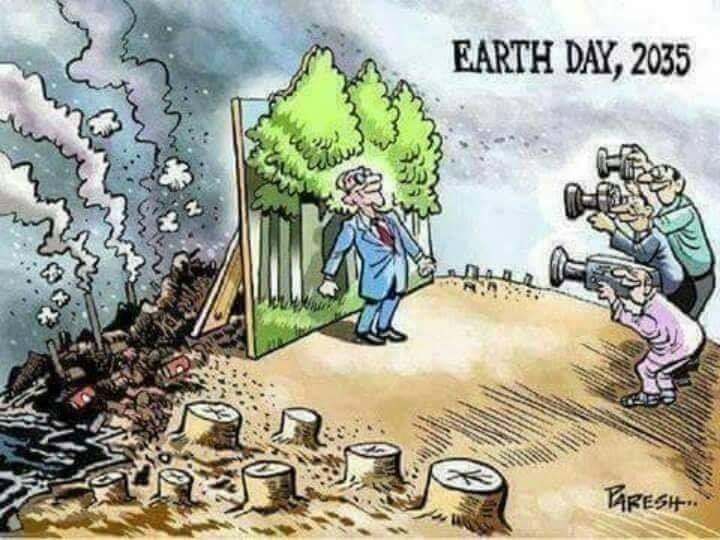
When the current trajectory continues, the consequences are catastrophic. Over the next fifty years we are looking at millions dead and billions displaced by climate breakdown, ecological collapse, and the political instability that follows. Flooded cities, failing agriculture, collapsing states, mass migration, these are no longer speculative futures. They are already visible on the horizon.

What makes this situation so disturbing is not ignorance. For the last decade, the consequences have been very clear. Climate science, ecological data, and lived experience have converged into a single message, that the system driving this crisis cannot continue. Yet those with the power to change course continue pushing the same policies, the same economic logic, and the same institutional inertia that produced the crisis in the first place.

This is not simply failure, it is knowing failure. And that raises an uncomfortable question of when does systemic negligence become a crime? For forty years the dominant ideology has been the worship of endless growth, deregulation, privatization, and extraction – what many people now recognize as the #DeathCult of #neoliberalism. On this path, ecosystems are treated as expendable, communities are hollowed out, and public institutions are dismantled in the name of “efficiency”.

The result is the hollowing-out of social structures and the destabilization of the planet itself. This isn’t an accident, the evidence has been overwhelming for decades. From early climate warnings in the 1980s to the now constant stream of scientific reports and disasters, we have known were this path leads. And yet the machine keeps running.

At some point we have to confront the idea that what we are witnessing is not just bad policy but something closer to systemic criminality. When leaders, corporations, and institutions knowingly pursue actions that will cause mass death and displacement, we enter the territory of #CrimeAgainstHumanity. The historical analogy that needs resurfacing is Nuremberg.

After the Second World War, the world established that individuals in positions of power could be held legally responsible for crimes that harmed humanity as a whole. The principle was simple: “just following the system” is not a defence. Today we face a different kind of global crime – slower, more bureaucratic, wrapped in economic language – but far larger in scale.

If millions die and billions are displaced because decision-makers continued destructive policies long after the dangers are clear, then if social democracy survives, future generations will have every reason to enforce people as accountable? This is not about vengeance, it’s about accountability and the possibility of changing course before the worst outcomes arrive.

The tragedy is that alongside this destructive path there have always been alternatives – social, technological, and cultural. Grassroots networks, commons-based governance, cooperative systems, and the original ideals of the #openweb all point toward more resilient and humane ways of organising society. But these paths have been buried under forty years of blinded #mainstreaming, where every institution, including our own #NGO people, force alignment with this narrow economic logic.

Digging out of this mess requires more than better technology or better policy papers, it requires collective action, memory, and courage. In other words: Shovels. Hashtags. And revolutions. Because the first step in changing the future is digging up the truth about how we got here.

#OMN #techshit #compost

The #Hashtags Tell a Story: Building Trust in a Messy World

We live in a time of crisis. Climate, community, communication, all are breaking down. Our tools and platforms no longer serve us. To make sense of this, we need to tell stories. And in the digital world, hashtags are one of the most powerful ways we do this. But our hashtags don’t just tag, they trace the roots of our problems, and signpost paths out. Each one is a seed. Together, they are a map.

#dotcons – From #openweb to walled gardens. Once, the internet was a place of openness, built on free tools, shared protocols, and community spirit. Then came the #dotcom era, where profit became the driving force. Platforms like Facebook, Google, and Amazon, what we call the #dotcons, reshaped the web to lock us in and sell us out. A handful of corporations own the highways of our communication, and their algorithms guide what we see, say, and believe.

#dotcon = profit for a few, con for the rest.

#stupidindividualism – A trap we set for ourselves, we were promised empowerment. But what we got was individualism without solidarity. We’re told: brand yourself, hustle alone, curate your reality. But without community, there is no resilience. Without cooperation, there is no change.

#stupidindividualism is the cultural poison that tells you “you’re on your own.” It weakens us from the inside.

#deathcult – Forty years of neoliberalism. The last four decades have been shaped by a ruthless ideology, that markets solve everything, government should step back, and people must compete, not care. This is the #deathcult – a term for the deadly logic of late-stage capitalism. It’s taken over politics, media, even our sense of self.

Climate denial, gig work precarity, housing crises, mental health collapse - these are all symptoms.

#geekproblem – The failure of trust in tech. Even our allies, the people building tech to fix things, fall into a trap. The #geekproblem is when developers replace trust with control, more permissions, more encryption, more complexity. Instead of building with people, they build over them. The result? More unusable tools, more silos, more #techshit that ends up needing to be composted in abandoned GitHub repos.

#4opens is a way out of the mess, we need this new paths, based on simplicity, humility, and openness, a compass. If a project doesn’t pass the #4opens, it’s not building for the commons, it’s just making another silo.

#OMN, shovels and compost, we already have the tools, projects that build media flows, not platforms. To connect blogs and podcasts into open rivers of content, using simple tech instead of complicated “Web3” vaporware or #dotcons mess.

We’ve built up piles of #techshit. It’s time to pick up our #shovels, compost the waste, and grow something new.

Hashtags = Soft tools for hard times. We use soft metaphors because we live in soft systems: culture, emotion, trust. You can’t “solve” these with code alone. You need care, community, and storytelling. Yes, many demand hard, scientific “proofs” or “frameworks.” But if someone can’t feel the metaphor, they’re probably not ready for the work of rebuilding. We need to focus on those who can, who’ve seen that a different world is possible.

If you can understand that different ideologies shape different realities, then these hashtags will start to speak to you.

Let’s recap the key tags in the story:

#dotcons – Corporations that own and fence in our web

#failbook – Facebook and its culture of manipulation

#openweb – The decentralized, people-powered internet

#4opens – A compass for ethical, sustainable tech

#geekproblem – Tech that controls instead of empowers

#stupidindividualism – Isolation sold as freedom

#deathcult – Forty years of neoliberalism and its collapse

#OMN – Building networks, not silos

#techshit – All the unusable tools that ignore real needs

#shovels – The work we must do

#compost – Making good soil from past mistakes

We don’t need heroes, we need gardeners, grab a shovel, let’s build a future please.

Stop throwing regurgitated theory at me: We’re drowning in academic mess

The “common sense” of mainstreaming #deathcult worship is one thing. But on a different side, i’m getting bored – and honestly frustrated – with people constantly throwing academic articles and dense theory into conversations about practical grassroots change. If academic knowledge worked in the real world, we wouldn’t be stuck in a permanent state of crisis. We wouldn’t be burning out. We wouldn’t be watching every radical initiative slowly get co-opted, neutralised, then forgotten.

The truth is obvious: most academic frameworks don’t translate well into real-life practice. They to often abstract away the people, the politics, the pain, and the actual doing. And when you try to impose this abstract knowledge onto the messy, complex world of activism, it two often backfires, badly.

Example: The Horizontalist Trap – We’ve all been in those consensus meetings that take hours because someone read a paper on “formal process” and insists we follow it to the letter. The outcome? People walk away frustrated, nothing gets done, and the only ones who benefit are those with time, education, or social power, the exact opposite of what the theory promised.

Example: The NGOization of Resistance – Academics love to talk about power and hegemony, then take funding from the same institutions that perpetuate the problems. They publish papers about “grassroots voice” while never showing up to a single protest, occupation, or food distribution.

Worse still, academic frameworks often become the justification for #NGO “best practices”, which means measurable, fundable, easily controlled deliverables that neuter real resistance and keep everything nice and “professional.” Look at the climate movement’s NGO wing, all form, no fire.

Example: The Misuse of Radical Jargon – Words like “intersectionality,” “decolonisation,” “assemblage,” and “ontology” are thrown around like power spells. But, they act like a fog machine, confusing, not clarifying. They become tools for gatekeeping rather than building any usable shared understanding.

This isn’t to say these ideas are worthless. But if they aren’t grounded in practice, in lived reality, in #DIY doing, they become another form of control, the academic equivalent of bureaucratic jargon, empty of any power.

Let’s talk about practice – If you’re serious about radical change, start with what people are actually doing. Watch how trust is built, how disagreements are handled, how collective tools succeed or fail. This is the terrain of useful knowledge. Theory should grow from practice, not the other way around.

This is the basis of the #DIY approach. It’s what grounds #OMN, #IndymediaBack, and the #4opens framework. These projects didn’t come from a PhD thesis, they came from struggle, failure, and iteration on the ground. They work because they grow from this practice.

So to sum up, please stop adding to the mess – when you post academic articles without any connection to what’s happening in the real world, you’re not helping. You’re contributing to the noise, to inertia, to the pile of unread PDFs and emails sitting in everyone’s guilt folders.

Instead:

  • Link to practical guides, not just papers.
  • Summarise ideas in accessible ways, not just as a show of “knowledge”.
  • Relate theory back to what people are already doing.
  • And most of all, ask first: Is this helping, or is this just feeding my own need to be heard?

We really don’t need more theory right now, we need fire, tools, and compost. If you must bring theory, make sure it’s something that came from someone doing the work. Otherwise, maybe save it for the seminar room.

We’re building from the bottom, get your hands dirty, join us there.

#DIY #NothingNew #4opens #OMN #IndymediaBack #Activism #Compost #OpenWeb #Deathcult

Rethinking Technology

A lot of the posts on this site are based on the thinking that technology is how a society interacts with physical reality. It’s how we feed, clothe, shelter, and heal ourselves. It’s the material stuff that makes life possible, from cooking fires to solar panels, from flint knives to AI algorithms. What is so messy today is the common sense embedded in this thinking, that only ‘hi-tech’ counts as technology which is an absurdity born from a century and a half of industrial brainwashing.

We’ve been so numbed by endless ‘progress’ that we assume only things as complex as computers and jet bombers qualify as technology. As if paper, ink, wheels, clocks, and aspirin pills weren’t tech, just things that exist, like trees and rivers. As if steel saucepans with copper bottoms and fleece vests spun from recycled plastic grew on trees, ripe for the picking.

The false divide of ‘hi-tech’ and ‘low-tech’ is a bad illusion that we need to see through. Try lighting a fire without matches, realise that even so-called primitive tech takes skill and knowledge. Try making a fishhook, a shoe, or a simple tool, realise how much has been lost in the rush towards hyper-specialised consumerism.

Tech isn’t just what we consume, it’s what we can learn to do. That’s the point. And all science is, at its core, technological, whether we understand this or not. A lot of what the #geekproblem thinks as social is just as much technology, as the hard blinded modernism they tend to worship, the cults are as much a problem as a “solution”. The social structures that we use to shape the world our geeks tend to “blindly” worship is technology, too.

Post inspired by https://www.ursulakleguin.com/a-rant-about-technology. The idea that technology is not politics (which is a technology) is the myth that is at the heart of our current mess.

#Technology #Nothingnew #TechShit #Openweb #4opens #Deathcult #DIY #Compost

What can we do with our fashionistas?

Trying to make the #fashionistas functional in an #openweb reboot is much harder than it needs to be. But still, we do need to harness their strengths by working to redirecting focus towards #KISS sustainable and meaningful outcomes. How can we do this?

Ideas? Clarify Objectives, is a start, with straightforward and compelling stories that outline why the #openweb matters and how individual contributions can make a difference. A path to this is bridging skill gaps, with tools, workshops and resources that equip people with the knowledge and capabilities needed to participate in technical and community projects. By empowering people to use native #openweb tools. This helps shift the focus from self-promotion to collaboration, to environments where the emphasis is on shared goals and outcomes rather than individual status and branding. Core to this, is a culture where collective progress is celebrated more than individual accolades, motivating the fashionistas to work alongside others to build communities of action.

In community #DIY projects, it helps to involve #fashernistas in decision-making through community-led governance structures that align with the #4opens (open data, processes, source, and standards). To build on this first step, we need to focus on narrative and storytelling to highlight social impact, crafting stories around how #openweb projects positively impact real communities, this resonates with #fashionistas interest in influential narratives.

We can try, to make work, engagement with higher statues “influencers” thoughtfully to create and share stories that champion community-driven tech solutions and emphasize ethical, long-term growth over the normal fleeting trends. We need to then connect these trends to tangible long term goals to demonstrate how style and purpose can align without losing depth.

Creating opportunities for fashionistas to be involved in pilot projects, hackathons, and online campaigns that result in visible, practical changes can help to #compost the social flaws, the negative aspects, by acknowledging and address superficial tendencies, redirecting energy towards problem-solving and constructive efforts. Then use feedback systems to point out valuable contributions and areas that need more depth, guiding fashionistas away from shallow engagement towards impactful involvement.

The path is to promote long-term thinking is in challenging short-lived trends, by demonstrating value over time with examples from successful open-source and community-driven paths that gained momentum with steady and committed efforts. We can hope that, by aligning their creative energy with the structural and ethical needs of an #openweb reboot, the #fashionistas become not only influencers but essential collaborators in pushing a more connected, community-focused, resilient digital paths that we need in this era of crises.

OK, yes this will be hard, with lots of back sliding, but it needs to happen.

The #hashtags tell a storie

Dot for profit for few con for the rest – took over the #openweb during the #dotcom era.

#stupidindividualism is our internal poison that we breed from the #deathcult

#failbook will/has failed us as individuals and as a society.

#openweb is a good view of what we had and what we won’t.

#4opens is a path out of the #geekproblem

The #geekproblem is a humane failure of trust and its replacement with control.

The #hashtags add up to tell a story and thus build a way out of this mess.

The #deathcult is the last 40 years of neo-liberalism.

Need to work in shovels, shit and compost to the story. Hashtags a tool for #openweb organizing ideas/stories/community’s. The is obviously a balance with self-expression. At the moment this “balance” is pure #deathcult being pushed by our shared #stupidindividualism

We have a #shoval, common storied #hashtags we have piles of #techshit to shovel for #compost to build up fertile soil for planting flower and vegetables to nourish our soles and actions.

Why talk in “soft” metaphors?

The issues are soft as are the explanations/metaphors. You can’t have a hard explanation of the social world without building it up from an ideological foundation. As most people are in denial of the possibility of different world views/ideologies this makes “hard” conversations a largely pointless way of communicating. People asking for them have not taken the first step so talking their hand to help them will soon lead you down a different/ideology path. As the project is about #KISS and focus this is something we have limited time/focus for.

 
If you can glimpse the world from different views/ideologies than the soft/metaphor will talk to you and the attraction for hard will be less strong. These people have a hope of building a different/ideology world/process so can help in real ways.
 
As we need to focus, it’s not an issue to talk to the first and more important to consolidate around the second… question is finding people that have not been “broken” by #mainstreaming agenders.