#OMN Grounding (the roots as a story)

#techchurn is the endless cycle of adopting new platforms, tools, and technologies – not because they solve any real problems, but because novelty is mistaken for progress. It burns community trust, institutional memory, and activist energy, while leaving the underlying #nastyfew power structures untouched.
https://hamishcampbell.com/?s=techchurn


The #OMN uses #stupidindividualism to describe the culturally manufactured habit of prioritising personal gain and self-interest over collective well-being – a behaviour normalised by forty years of #neoliberalism, where people work against their own community and ecological survival while believing they are exercising “freedom”.
https://hamishcampbell.com/?s=stupidindividualism


In the #OMN hashtag story, #spiky is the confrontational, direct, and uncompromising tendency within radical movements – the willingness to push back against power, name uncomfortable truths, and refuse to sand down political edges for mainstream comfort.
https://hamishcampbell.com/?s=spiky


#RSS is the unglamorous but democratic backbone of the #openweb – a simple, open standard that allows content to flow without the gatekeeping, algorithmic manipulation, and the data hoarding of the #dotcons.


#reboot is the necessary reset of the #openweb – stepping away from the dead ends of #techshit and #dotcons to rebuild human-centred, trust infrastructure using tools like #activitypub and the #fediverse, guided by the #4opens.
https://hamishcampbell.com/?s=reboot


#postmodernism is the cultural current that dissolved shared truth into competing narratives, undermines the foundations needed for collective action – leaving people fragmented, cynical, and unable to build solidarity.
https://hamishcampbell.com/?s=postmodern


In the #OMN hashtag story, #Oxford is a grounded example of real-world contradiction – where elitist power (#mainstreaming, #NGO, #deathcult) coexists with genuine grassroots community, making it a test bed for grassroots #openweb organising and the #4opens path.
https://hamishcampbell.com/?s=Oxford


In the #OMN hashtag story, #PGA (Peoples’ Global Action) represents horizontal, grassroots, anti-capitalist organising – a prefiguration of the #openweb, built on direct action and solidarity rather than #NGO bureaucracy or #mainstreaming compromise.
https://hamishcampbell.com/?s=PGA


In the #OMN path, #p2p means people-to-people before peer-to-peer – real human relationships and trust as the foundation that decentralised tech should serve, not replace.
https://hamishcampbell.com/?s=p2p


In the #OMN view, #opensource is not just a licence – it’s a political commitment to transparency, shared ownership, and community control over code, data, and process.
https://hamishcampbell.com/?s=opensource


The #openweb is internet infrastructure built on open standards, open-source code, and community control – where users share power – as opposed to the #dotcons, with the #closedweb which enclose and monetise the commons.
https://hamishcampbell.com/?s=openweb


#openprocess means decisions and governance happen visibly and participatorily – not behind closed doors, so people can see, challenge, and shape outcomes.
https://hamishcampbell.com/?s=openprocess


#opendata means data that is freely accessible and shareable – controlled by communities rather than locked inside corporate silos.
https://hamishcampbell.com/?s=opendata


In the #OMN path, #open means building on the #4opens – open code, data, standards, and process as a foundation for technology that serves people, not profit.
https://hamishcampbell.com/?s=open


#OMN (Open Media Network) is a grassroots project to build human-centred, trust-based digital infrastructure on the #openweb, grounded in the #4opens and focused on community control over technology.
https://hamishcampbell.com/?s=OMN


The #OGB (Open Governance Body) is a framework for transparent, inclusive decision-making – replacing hidden power structures with accountable, federated, messy collective governance.
https://hamishcampbell.com/?s=OGB


In the #OMN story, #nothingnew reminds us that cycles of co-option and failure have all happened before – and ignoring this history is how we repeat mistakes.
https://hamishcampbell.com/?s=nothingnew


In the #OMN story, #NGO refers to professionalised activism that defuses radical politics – replacing grassroots power with managed, funder-friendly “dissent”.
https://hamishcampbell.com/?s=NGO


In the #OMN path, #neoliberalism is the dominant ideology of markets over people – normalising greed and eroding solidarity into the logic of the #deathcult.
https://hamishcampbell.com/?s=neoliberalism


#makinghistory is the practice of communities reclaiming storytelling – building open, living archives rather than leaving history to those in power.
https://hamishcampbell.com/?s=makeinghistory


In #OMN usage, #mainstreaming is how radical ideas get absorbed and neutralised – keeping the language while stripping out real challenge.
https://hamishcampbell.com/?s=mainstreaming


In the #OMN path, #KISS (“Keep It Simple, Stupid”) is a political stance against the #geekproblem – rejecting unnecessary complexity as a form of control.
https://hamishcampbell.com/?s=KISS


#indymediaback is a call to rebuild grassroots, community-controlled media as an alternative to both #dotcons and hollow #NGO media structures.
https://hamishcampbell.com/?s=indymediaback


In the #OMN path, a hashtag is not just a label – it’s a node in a shared political vocabulary, building a map of meaning and direction.
https://hamishcampbell.com/?s=hashtag


#grassroots means bottom-up organising rooted in real communities – accountable to collective need, not institutions.
https://hamishcampbell.com/?s=grassroots


The #geekproblem is the tendency to replace human trust with technical control – embedding narrow values into systems that shape everyone’s lives.
https://hamishcampbell.com/?s=geekproblem


In #OMN, #FOSS is a political commitment to collective ownership of technology – not just a licensing model.
https://hamishcampbell.com/?s=FOSS


In #OMN language, #fluffy describes feel-good politics that avoid conflict – prioritising comfort over any real change.
https://hamishcampbell.com/?s=fluffy


#feudalism describes the emerging digital structure where platform owners extract value like lords from dependent users.
https://hamishcampbell.com/?s=feudalism


#fascism is what happens when the #deathcult drops its mask – authoritarian control to defend failing systems.
https://hamishcampbell.com/?s=fascism


On the #OMN path, the #fediverse is practical #openweb infrastructure – decentralised, federated, and not owned by corporations.
https://hamishcampbell.com/?s=fediverse


#encryptionist describes the tendency to prioritise technical security over social trust – a core expression of the #geekproblem.
https://hamishcampbell.com/?s=Encryptionist


#dotcons are corporate platforms built on data extraction and control, presenting themselves as neutral while enclosing the commons.
https://hamishcampbell.com/?s=dotcon


In the #OMN story, #DIY means reclaiming the ability to build and organise outside institutional control – grounding politics in practice.
https://hamishcampbell.com/?s=DIY


The #deathcult is the self-destructive logic of #neoliberalism – sacrificing social and ecological survival for short-term fear drivern greed.
https://hamishcampbell.com/?s=deathcult


In the #OMN story, #compost means breaking down failure and mess into fuel for new growth.
https://hamishcampbell.com/?s=compost


In #OMN, #closedweb is controlled, extractive digital infrastructure where users have no power.
https://hamishcampbell.com/?s=closed


#climatechaos describes the accelerating breakdown driven by the #deathcult, beyond manageable “climate change.”
https://hamishcampbell.com/?s=climate


#classwar is the ongoing conflict between the #nastyfew and the communities they exploit – often hidden by #mainstreaming narratives.
https://hamishcampbell.com/?s=classwar


#capitalism is the dominant system turning everything – relationships, nature, culture – into “profit”.
https://hamishcampbell.com/?s=capitalism


In #OMN, #block is the reflex to shut down challenge – preventing the messy work needed for real change.
https://hamishcampbell.com/?s=block


#blinded is being unable or unwilling to see beyond #mainstreaming and #dotcons logic.
https://hamishcampbell.com/?s=blinded


#fashernista describes performative activism that prioritises appearance over substance.
https://hamishcampbell.com/?s=fashionistas


#dotcons are the corporate platforms – Facebook, Twitter/X, Instagram, YouTube and their kin – whose business model is built on harvesting user data, manufacturing engagement, and converting human attention and community into profit, while presenting themselves as neutral public spaces.

https://hamishcampbell.com/?s=dotcon


In the #OMN hashtag story, #DIY means reclaiming the practical capacity to build, organise, and maintain tools and communities outside of corporate and state control – not as a lifestyle choice, but as a political act of grounding radical change in real skills, real trust, and real human relationships rather than outsourcing power to institutions that don’t serve you.

https://hamishcampbell.com/?s=DIY


The #deathcult is the #OMN metaphor for the self-destructive logic of forty years of #neoliberalism – an ideology so committed to short-term profit, individualism, and economic growth that it knowingly sacrifices the ecological and social foundations that human life depends on.

https://hamishcampbell.com/?s=deathcult


In the #OMN hashtag story, #compost means taking the failures, mistakes, and accumulated mess of past movements and tech projects – rather than discarding or ignoring them – and breaking them down into something that can feed new growth, treating dysfunction and #blocking dead ends as raw material for building better rather than as waste to be hidden.

https://hamishcampbell.com/?s=compost


In #OMN language, #closedweb refers to the controlled digital infrastructure – platforms like Facebook, Google, and Twitter – built on proprietary code, extractive business models, and centralised power, where people have no meaningful control over their data, their communities, or the rules that govern them.

https://hamishcampbell.com/?s=closed


The #deathcult of #neoliberalism has driven us past the point where “climate change” – with its implication of manageable, orderly shifts – remains any honest description of what we face now. What we actually have is #climatechaos: cascading, systemic breakdown of the ecosystems, weather patterns, and social structures that human civilisation depends on, accelerating faster than institutions built on forty years of market logic are capable of, or willing to, address.

https://hamishcampbell.com/?s=climate


#classwar is the ongoing and unacknowledged conflict between those who benefit from and actively reproduce the #deathcult of #neoliberalism – the #nastyfew, managing, and credentialed classes – and the communities, workers, and ecosystems they exploit. A conflict that #mainstreaming culture works to render invisible, reframing systemic dispossession as individual failure.

https://hamishcampbell.com/?s=classwar


#capitalism is the current common sense – the water we swim in – the economic system that systematically converts collective goods, human relationships, and the natural world into private profit, enforcing this logic through every institution and platform we touch, while presenting itself as the only possible reality.

https://hamishcampbell.com/?s=capitalism


In the #OMN hashtag story, #block refers to the reflexive, unconscious tendency of individuals and communities to shut down unfamiliar and challenging ideas, people, and processes – a defensive gesture rooted in #stupidindividualism and #postmodernism that prevents the trust-building and messy collective work needed for real #openweb organising.

https://hamishcampbell.com/?s=block


#blinded refers to being so captured by #mainstreaming tech orthodoxy and ideological “common sense” – particularly #neoliberalism and #dotcons culture – that you no longer see, or refuse to see, the harms those systems cause or any alternative paths that exist outside them.

https://hamishcampbell.com/?s=blinded


#fashernista describes a person in progressive or radical spaces who prioritises the appearance and aesthetic of activism – the right look, language, and social positioning – over the unglamorous, difficult work of actually building lasting structural change.

https://hamishcampbell.com/?s=fashionistas


If you want, the next step is to cluster these into a clean “chapter flow” (roots → mess → behaviours → solutions) so this stops being just a glossary and becomes a narrative tool.

These are the foundation tags – the ones everything else grows out of – the overall project: grassroots, trust-based, human-centred media infrastructure

#openweb – the political/technical terrain we’re trying to reclam

#4opens – the non-negotiable baseline (open code, data, standards, process)\openprocess – visible, participatory decision-making as default

#grassroots – bottom-up power, not institutional mediation

This cluster is about legitimacy, if it’s not grounded in these, it drifts into #NGO capture or #dotcons logic quickly. This is the “native soil” everything else either grows from or gets rejected by.

The Problem Space (what we’re composting), these tags describe the mess we’re in – the stuff we don’t ignore, but break down.

#deathcult (neoliberalism as destructive common sense)

#neoliberalism – 40 years of market logic shaping behaviour

#dotcons – corporate capture of digital space

#closedweb – controlled, extractive infrastructure

#mainstreaming – dilution and co-option of radical ideas

#NGO – managed dissent and professionalised politics

#classwar – underlying structural conflict

This is the compost heap, you don’t fix this directly, you don’t “win” against it head-on. You break it down, reuse what’s useful, and grow alternatives around and through it.

The #geekproblem Layer (tech distortions) is where things go wrong in implementation.

#geekproblem – replacing social trust with technical control

#techchurn – endless pointless rebuilding

#encryptionists – over-prioritising technical purity over social reality

#KISS – counterbalance: keep things simple and usable.

This cluster is why good ideas fail, not because the ideas are wrong, but because the tools and culture get shaped by people who don’t understand social process. This is where most #openweb projects die.

Cultural/Behavioural Patterns (how people act). The human layer – messy, unavoidable, and central.

#stupidindividualism – learned self-interest over collective good

#postmodernism – fragmentation of shared meaning

#fluffy – avoidance of conflict, feel-good paralysis

#spiky – necessary confrontation and edge

#block – reflex rejection of challenge

#blinded – inability to see outside dominant narratives

#fashernista – prioritising appearance over substance

This is the real battlefield, not tech, not policy – behaviour. If you don’t mediate this layer, everything collapses back into dysfunction, no matter how good your structure is.

The Alternative Infrastructure (what we build), are the actual tools and practices that make change possible.

#fediverse – decentralised network as a base layer

#activitypub – the protocol glue

#RSS – simple, open distribution backbone

#p2p – people-to-people first, tech second

#FOSS / #opensource – shared ownership of tools

#opendata – accessible, non-extractive information

These only work if rooted in the first cluster, otherwise they get captured and turned into another layer of the #closedweb.

Governance & Process (how we hold it together). Where most projects fail – or succeed.

#OGB – structured, open governance

#openprocess – again, because it’s that important

#DIY – practical ownership and responsibility

Without this, informal power takes over. You end up with hidden hierarchies, gatekeeping, and eventual burnout. With it, you get messy but functional collective control.

Practice & Direction (how we move).

#reboot – reset and rebuild from working patterns

#indymediaback – learning from past grassroots media

#makinghistory – documenting and owning our narratives

#nothingnew – grounding in historical cycles

This cluster stops you repeating mistakes, without it, every new wave thinks it’s inventing something new and walks straight into the same traps.

Grounding Example Layer

#Oxford – real-world test bed of contradictions

#PGA – historical example of horizontal organising

Without grounding, this all drifts into theory, these are example tags anchoring it in lived practice, where things break, and where they can actually work.

The Meta Layer (how to use this)

#compost – break down failure into growth

This is the key to the whole thing – Don’t try to “fix” the mess. Don’t try to “win” cleanly, you compost:

bad behaviour → learning

failed projects → patterns

conflict → structure

Final point (this matters) is the mistake people make is trying to tidy this into a neat theory, reduce it to messaging, turn it into a fixed ideology. That kills it, this clustering is not about control – it’s about navigation.

The mess stays messy, but now people can walk through it without getting lost.If you don’t cluster this stuff, it turns into a wall of noise. The mess is useful.

In the real world

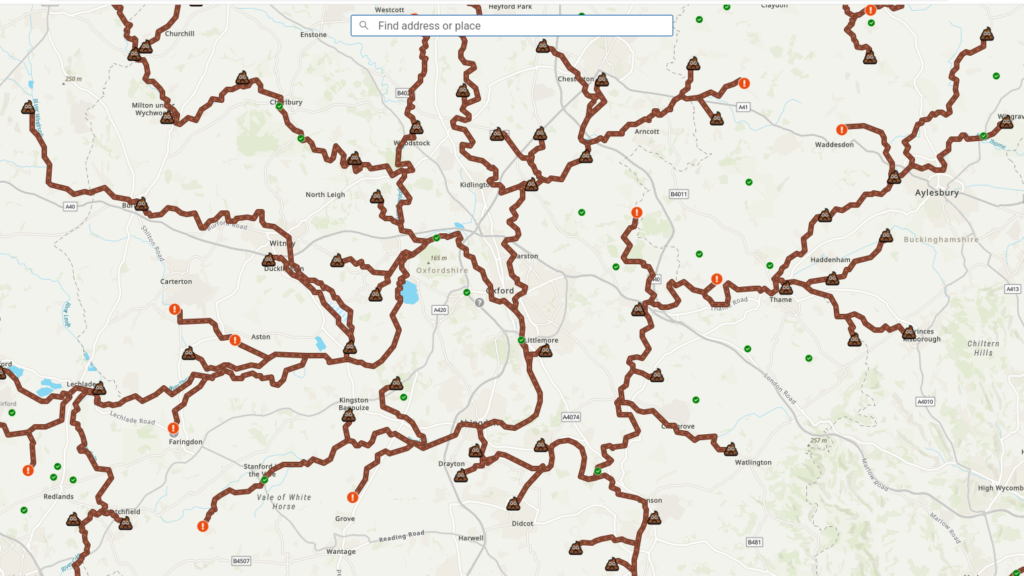
We’re not dealing with abstract “community dynamics.” we’re dealing with live-aboard boaters under pressure, rowers, landowners, council, Environment Agency and scarcity of space (moorings). This in the end is about visibility vs invisibility on the river, so friction isn’t theoretical – it’s structural. Let’s look at the conflict patterns we’re seeing:

  • Back-channel poisoning (#whispers #splitting) “X group are the problem”, “They’ve already decided this”, “Don’t trust them”. This happens in WhatsApp groups, towpath chats and private cliques. The effect is fragmenting the boating community before anything even reaches #4opens process.
  • Representation fights (#whospeaks) “Who speaks for boaters?”, “Who gave them authority?” or “That meeting wasn’t legitimate” The effect: is paralysis + resentment + delegitimisation of any action at all.
  • Tone wars masking real issues (#signal vs #noise). Personal digs, passive-aggressive comments with people reacting to how things are said, not what is said. The effect is real issues (mooring policy, enforcement, access) gets buried under #stupidindividualism social mess.
  • Burnout + drop-off (#crewdrain). Some people doing everything while others sniping from the sidelines. The effect is core organisers get exhausted → vacuum → more mess.

So how do we compost this?

Pull whispers into the open (#openprocess #visibility). Instead of trying to stop gossip (you won’t) create simple habits like “If it matters, bring it to the shared space”, regular open threads / meetings where anything can be raised, even messy, even uncomfortable. Outcome is less shadow conflict, more visible disagreement.

Create a “good enough” shared space (#KISS #lowbarrier) Not a perfect system, just something consistent like a public website (open collective) and hashtag use like #oxfordboaters. Where updates happen, disagreements are visible and decisions are logged (lightly). Path is #KISS, if it didn’t happen here, it’s not part of collective decision-making.

Keep grounding in actual doing (#praxis #riverlife). Don’t let it become a talking shop, anchor everything in face to face fire towpath meetings, shared work days (clean-ups, maintenance) and direct engagement with river issues. The outcome is people relate through doing, not just arguing.

Add lightweight “composting moments” (#retrospective #learning). After anything messy (meeting, conflict, decision). Do a quick loop, what worked, what didn’t, what do we try next. Keep it short, no essays. Outcome is tension gets processed before it hardens into factions.

Set soft boundaries (protect the commons), (#boundaries #collectivecare). If someone consistently derails, attacks and refuses shared process. You don’t need a big drama, simply reduce engagement, keep process moving without them dominating. As the group will survive without needing perfect agreement. What this feels like when it’s working is not ONLY harmony, not in any way formal consensus.

It feels like people disagree openly, as some conversations are just messy, but things still move forward, decisions happen (even if imperfectly), no single person controls the narrative. And crucially conflict becomes part of the process, not a blocker to it, what failure looks like (so you can spot it early)- decisions drifting back into private channels, the same 2–3 people becoming permanent spokespeople or “we already talked about this” with no visible record, people disengaging instead of arguing.

The #KISS version for #Oxfordboaters

Make things visible (#openprocess)

Keep tools simple (#KISS)

Rotate roles (#commons)

Focus on doing (#praxis)

Process tension early (#compost)

The uncomfortable truth is It’s not about removing difficult personalities, conflicting interests or structural pressure from authorities. What we can do is stop those things from tearing the group apart.

Compost lies using #4opens horizontal networks

Pull conflict into shared space (#openprocess #4opens #trustflows). Poison thrives in private channels, so you gently but consistently move things:

from DMs → into group threads
from whispers → into meetings
from vague → into specific

This doesn’t eliminate conflict, it grounds it. Sunlight doesn’t solve everything, but it stops the worst rot. From “how do we stop bad behaviour?” To “how do we stop bad behaviour from breaking the commons?”. The #4opens makes many people uncomfortable. Why? Because it cuts through the bullshit. Think about it: #FOSS already runs most of the world’s information flows. Servers, networks, phones, clouds – all built on open code, open standards, open processes. The world already depends on openness.

Yet, when we bring this into activism, NGOs, or “progressive” tech, people recoil. They prefer managed openness – consultations, workshops, endless talk – while the real decisions stay hidden, careers protected, power intact, but that’s not open, that’s control.

The #4opens is seen as dangerous because it removes the masks:

Open Data: no hoarding.

Open Code: no black boxes.

Open Standards: no silos.

Open Process: no backrooms.

When you have this second look, it’s common sense, but for meany it kills the comfort of #mainstreaming, when the soft power of gatekeepers shrivels under sunlight, that’s why they hate it.

We already live in a world powered by #FOSS. The only question is whether we keep pretending otherwise, or compost the mess and take openness seriously. Why does this matter? On the wider picture, we’re past the point where the #mainstreaming paths have effectively given up on mediating #climatechaos and social break down.

What we’re seeing now is ONLY the performance of action – flashy, expensive, technocratic distraction to keep business-as-usual afloat a little longer. It’s not any longer about preventing catastrophe, or even mediating catastrophe. What we have now is managed #PR and keeping in place elitist continuity as the small #nastyfew and their sycophants visibly retreat from the growing mess.

For an alt #mainstreaming view

Solutions? Take this example: https://heimildin.is/grein/24581/climeworks-capture-fails-to-cover-its-own-emissions/ #Climeworks, a flagship carbon-capture initiative, is so inefficient it fails to offsetting its own emissions. This is the #techshit path the #mainstreaming are backing to get us through the next few centuries? This is beyond a mess, it’s ideological collapse. These fake solutions are the logical outcome of continuing with #neoliberal ideology, where systemic change and thus challenge is avoided at all costs, and techno-fixes are sold to us by #PR as silver bullets, the #deathcult in action, profit-driven stalling wrapped in light green branding.

Let’s be clear on this: Carbon capture is currently not scalable, not ethical, and not even functional. It is not a climate solution – what it is, is a delay tactic, an obscuring hedge for polluting industries. It’s backed by the same #nastyfew class of institutions that told us markets would fix inequality, that endless growth was compatible with ecology, that privatization would bring prosperity. The truth is simple, they, the #nastyfew we keep putting into power, have no plan. They are playing at engineering the social and ecological collapse while, at this final stage, simply pretending to be managing it.

So what do we do? We #KISS hard stop trusting in any elitist-managed futures. We collectively refuse to be spectators in the mess of the #mainstreaming paths. Instead, we compost these lies and build #4opens, rooted, local, horizontal networks of resistance and renewal. Projects like the #OMN (Open Media Network) don’t pretend to “solve” everything, but they create space for people to act together, share knowledge, mediate and hold power to account, and thus build trust for action outside the collapsing verticals.

This isn’t about hope in the abstract, it’s about practical solidarity in the spreading ruins. No one is coming to save us, but maybe we can still save each other. Let’s build the seeds of the next world, before this one burns everything down around us.

The #4opens framework is best understood not as ideology or branding, but as a simple set of engineering heuristics for evaluating whether a project will remain usable, forkable, and resilient over time.

Most long-lived #FOSS projects already follow some version of these practices implicitly. The value of #4opens is making those assumptions explicit, so people can quickly understand how a project works, who controls it, and whether it will survive beyond its original maintainers or funding cycle.

In practical terms, the #4opens ask a few straightforward questions:

  • Is the development process visible and reviewable?
  • Are data formats and interfaces documented and reusable?
  • Can someone else run this independently without permission?
  • Are governance and decision-making transparent enough that forks remain viable if needed?

These aren’t abstract political goals, they’re lessons learned from decades of broken platforms, abandoned repositories, and “open” projects that centralised control.

For developers and sysadmins, applying the #4opens as a lightweight checklist helps reduce risk:

  • Less lock-in to fragile ecosystems.
  • Easier collaboration across projects.
  • Better long-term maintainability.
  • Clearer expectations for contributors and downstream users.

A shared registry or index based on these criteria functions much like early open source directories or package repositories – not as gatekeeping, but as a map. Projects could self-declare alignment and provide verifiable signals about openness, interoperability, and governance structure.

The goal isn’t purity tests or badges for their own sake. It’s about improving signal-to-noise so builders can quickly identify tools that are likely to remain open, portable, and maintainable.

In a landscape where systems drift toward centralisation and corporate capture, the #4opens simply provide a shorthand for practices that help keep the commons viable, without requiring anyone to agree on ideology.

Keep group doing real things. (#praxis #indymediaback #buildstuff). Endless talk spaces breed toxicity. Shared work diffuses it. When people are:

publishing
fixing
organising
building

There’s less energy for backbiting, and more grounding in reality. Practice cuts through a lot of bullshit.

Allow edges, but not endless drain (#boundaries #care #collectivehealth). Not every conflict needs full resolution. Some people:

won’t shift
don’t want to shift
feed on disruption

So you need soft limits:

time boundaries
attention boundaries
sometimes exclusion

Not as punishment, but as protecting the commons.

Balance fluffy and spiky (#fluffy #spiky #debate).

Too fluffy:

nothing gets challenged
toxicity goes underground

Too spiky:

everything becomes conflict
people burn out

You need both, care + challenge and openness + pushback. Held together, not split apart.

Can people engage with #4opens process?

The #4opens is a completely obverse social restating of the #FOSS development model, but with a critical edition: The return of #openprocess, something we’ve lost over the last 10 years due to the shift from public email archives to our reliance on #closedweb encrypted chat.

With this in mind, what is still #blocking the #openweb reboot? One thing I’ve learned from the last five years of this reboot is this: The #geekproblem is inadequate for the scale of change and challenge we face. Currently, the #geekproblem is HARD #blocking, obstructing both, funding, and tech direction. Think: #NLNet, #NGIZero, #SummerOfProtocols, #InvestInOpen, they say the right words, have potential, but are actually #blindly caught in a loop of the same limiting #blocking patterns.

This is why we need activism, this can be #spiky, sometimes all it takes Is a rock or a stick. Think of Greek shepherd dogs in the mountains, they come at you like wolves. But just bending down to pick up a rock or stick? They back off. No violence. Just clarity and intention. Think of the #4opens like this when facing #mainstreaming, suddenly, it starts to make sense.

Nuts and nutters, Yes ]- you’re right, this can sound like blinded ideology. But remember: Humans are meaning-creating creatures. One word for that is ideology – there are others: https://en.wikipedia.org/wiki/Synonym

If we can compost this mess, that’s a big if, will the #OMN Work? Simple answer: Yes.
Complex answer: No. My answer to that riddle? We find the complex by implementing the simple. That’s the #KISS principle in action. Walk the simple path, we discover our way through the complex path by implementing and walking the simple #KISS.

#Mainstreaming = #Deathcult Worship

Most mainstream agendas are pointless. Why? Because they’re built on “common sense”. Which today often just means #deathcult worship. Something to keep in mind… whenever you’re doing anything that matters. Hope this slight poetry piece helps. One thing I keep saying, please don’t be a prat, thanks.

The #mainstreaming mess

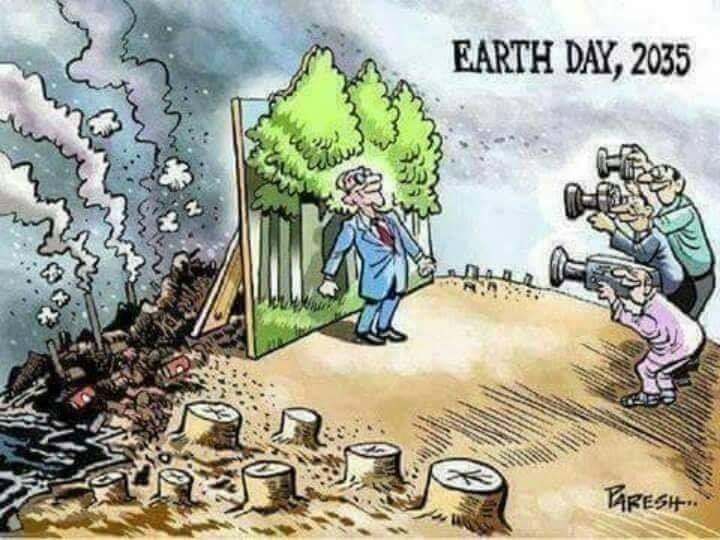
The #mainstreaming project is visibly failing. Worse, it is set to catastrophically fail over the next 30 years as #climatechaos escalates. The signs are everywhere: environmental collapse, political instability, and the hollow nature of mainstream culture. Yet, large parts of liberal society continue to bow to the #deathcult, a path of power, greed, and control over life, community, and sustainability. The end result we can now clearly see is the rule of big, dumb, ugly men with guns, a world driven by violence and fear rather than cooperation and creativity.

But we do still have a choice, on the internet we can build and support alternative projects and paths. Instead of kneeling before the #deathcult, we could embrace a #lifecult dedicated to nurturing the #grassroots, growing resilient communities, and reclaiming our collective autonomy. This path is not easy, nor is it comfortable, but it is one of the humane outcomes we can hope for. Am not up for cults my self, but if this is what people won’t let’s make it life rather than death.

The challenge of change, is that this does not emerge from #mainstreaming circles without friction. When alternative movements gain traction, they are both rejected outright and then co-opted and diluted until they become meaningless. The #OMN hashtag story highlights this process, and pushes back the rejection, to balance the struggle, and the slow but real impact on agendas we need.

The question is whether people can engage with this, in the needed #4opens processes. The #4opens is a completely obverse “social” restating of the #FOSS development process, with a crucial addition: #openprocess. Over the last decade, much of this transparency has been lost as activist communities and developers shifted towards encrypted chat for process, locking away vital discussions from needed public discourse.

The weaponization of process, in my experience, whenever we create rigid structures, people inevitably pick them up and start hitting each other with them. This pattern has repeated over decades, killing countless effective grassroots social challenge/change projects. Nearly all of them, in fact. The result? Communities that should be working together end up tearing each other apart over minor ideological differences, procedural disagreements, or personal conflicts. This cycle of infighting and stagnation serves the interests of those in power, it ensures that no real alternative ever gains momentum.

Food for thought is how do we break this cycle? One path is rebuilding the commons, which is currently possible in the digital spaces. Yes, more evaluation than revolution. It’s not about grand theoretical debates or ideological purity, it’s about doing the work by getting involved in your communities. By gather a group together to take practical steps towards #stepaway to move to the #openweb and start rebuilding commons outside the #dotcons.

From a growing network of people and groups doing this, we might get real social change, or we might not. But at least we’ll be doing something practical, rather than simply feeding the current corporate machine.

Seeding the #OMN is a solution to a universal problem, the shit nature of both mainstream/traditional media and the #dotcons that dominate the media landscape. Our lives, economies, and governments are now totally embedded in these corporate-controlled spaces, leaving us little room to manoeuvre. The #OMN offers an alternative, but the biggest barrier is not technology, it’s people’s capture and passivity. Right now, the ONLY thing holding us back is the mass acceptance of despair. The #mainstreaming system breeds apathy. It tells us there’s no alternative, that change is impossible, that resistance is futile. But we know that’s a lie.

The question is: will we act before it’s too late?

A shift back to radical values and paths

Much of academia post-1990s is just a shadow of the #deathcult, stripped of radicalism and repackaged into careerist, bureaucratic loops. It became another self-referential path, detached from real world struggles. The privatization of knowledge through paywalled journals, corporate funding, and NGO capture made sure of this.

The same thing happened with #FOSS and #opensource, once about radical openness, it was watered down when organizing shifted to closed chat systems and corporate-friendly platforms. We lost the #openprocess that made early public archives powerful.

Then you have, Modern Art, once revolutionary, was quickly absorbed into the cultural arm of the #deathcult, turning radical expression into a commodity for the #nastyfew. It’s the same cycle over and over:

  • A movement starts as a real challenge to power.
  • It gains momentum.
  • Power co-opts it, waters it down, and sells it back to us.

People will keep doing stupid things, that’s inevitable. The job is to call it out, push better paths, and make sure they don’t repeat the same mistakes. It’s not glamorous, and it won’t get you applause, but that’s how real social change works.

The cat meowing, the #fashionistas, whether intentionally or not, keep blocking the left’s paths by turning everything into aesthetics and performance rather than actual power-building. They chase whatever is trending, constantly rebrand, and ultimately reinforce the #mainstreaming forces they claim to resist.

Meanwhile, the right organizes, funds, and builds real infrastructure, they don’t waste time on purity politics and endless internal fights. That’s why they keep winning.

So what do we do?

  • Stop trend-hopping, we need long-term strategies, not just momentary viral moments.
  • Build real alternatives, tech, media, organizing spaces that serve movements, not just “woke” branding.
  • Own our narratives, not get trapped in the spectacle of liberal discourse and right-wing outrage cycles.
  • Get our hands dirty, shovel through the #techshit, compost the failures, and grow something real.

This is about taking control back, not only reacting to the crises the nasty few push us to manufacture. Radical media, the #openweb, grassroots organizing, these are the things that cut through the noise and shift power back to where it belongs.

#KISS


The #4opens act as a foundation to hold back the tide of the post-truth world, they enforce transparency, accountability, and community control. Without them, everything drifts into manipulation, closed power structures, and co-option by #dotcons.

It’s a chicken-and-egg issue because we need social trust and active participation to maintain the #4opens, but those same values are constantly eroded by the #mainstreaming forces of the #deathcult.

The #OMN is crucial because it builds digital commons as a form of social technology. It’s not just about the tech, it’s about the relationships, trust networks, and shared values that make it work. Once we have this space, what we do with it is up to us, but it has to be grounded in real, radical alternatives, not just another tech silo.

That’s where the rebooted #indymedia project comes in. It’s built on the #PGA hallmarks, which means it’s explicitly anti-capitalist, decentralized, and activist-driven. It can’t function within the corporate media sphere, so it has to exist in a #TAZ (Temporary Autonomous Zone)—a liberated, self-organized space outside of state and market control.

Wikipedia gives a decent artsy take on #TAZ, but in practice, it’s about creating spaces where radical alternatives can actually live and grow. #PGA is the backbone, an old grassroot global framework for direct action and real-world resistance.

The key is building trust-based networks that aren’t easily co-opted. If we don’t do this, the cycle repeats: good projects get absorbed, neutralized, or just fade into irrelevance.

The web wasn’t built by solo tech geniuses

The web wasn’t built by solo tech geniuses, finance firms, or flashy luminaries making illusionary promises. It was grown by the collective time, energy, and creativity of millions of grassroots people and communities working together to create something greater than themselves. The internet as we know it emerged not from the top-down visions of elites, but from decentralised, collaborative efforts. This same collective energy will be what propels us into the next era of the #openweb, a web that remains true to its native principles of accessibility, freedom, and inclusivity.

For the last 20 years, however, we’ve been stuck in the corporate-controlled ecosystem of the #dotcons. Platforms like Meta, Google, and Amazon have dominated the landscape, turning the internet into a commodity to be bought, sold, and controlled. Their vision has led to the rise of the #closedweb, where profit and surveillance trump openness and collaboration. This #mainstreaming path is deeply concerning because it fundamentally contradicts what the web was meant to be, a space for sharing, learning, and connecting without the old gatekeepers.

There is a movement to reverse this trend, the #Fediverse, but like meany reboots it’s floundering as it grows through the inrushing of “common sense”. What we need is native #KISS foundations for a thriving #openweb, A path to this is to embrace the #4opens as guiding principles:

  • Open Data: Ensuring that information can be freely shared and reused.
  • Open Source: Building tools and platforms that anyone can access, modify, and improve.
  • Open Standards: Creating interoperable systems that work across platforms and communities.
  • Open Process: Making decisions transparently and inclusively to foster trust and collaboration.

This is a simple retelling of the #FOSS process with the addition of #openprocess as is used in the best projects, this is a part of the #nothingnew path we are on.

It’s not enough to critique the #dotcons, we need to actively build alternatives, the #Fediverse has already taken the first set on this path. The next step is focusing our energy on “native” projects like #OMN (Open Media Network), #IndyMediaBack, and #OGB (Open Governance Body), on this path we can create a decentralised, human-centred web that prioritises communities over corporations. These projects are not about recreating the same flawed systems in a slightly different guise; they’re about fundamentally rethinking how we engage with technology, governance, and communication. This rethink is #nothingnew as it’s copying the working structure of grassroots activism.

The time is now to come together and make history by working on these alternatives. The #openweb is not just an ideal; it’s a necessity for a sustainable, democratic future. Let’s reject the illusions of the #closedweb and instead build a web that truly belongs to everyone.

The Activist History of the Web: Lessons we can learn

Over the last few decades, the web’s evolution has been shaped by competing ideals. Early on, we witnessed the shift from the “better” #closedweb corporate controlled paths to an #openweb #DIY explosion—a time when collaborative, decentralized approaches thrived. #Mainstreaming efforts to recapture this #4opens spirit failed for years, but eventually, corporate-driven dot-coms platforms captured the majority of people. Activist voices were muffled as #dotcons pushed mainstream interests, pulling away the community-driven power the web once enabled. This phase was a bait-and-switch operation, leading to surveillance capitalism and making it harder to stand up for collective, public-first internet paths.

A key aspect here is that this decline wasn’t caused by isolated figures but by broader, recurring social forces, like #fahernistas and the #geekproblem, who fell into patterns of adopting dominant narratives by failing to recognize the alt values of “native” open tech paths. As this happened, the #NGO world came in with “nice funding,” which subtly aligned activist tech initiatives with liberal, watered-down approaches. This pushed and promoted co-option over the power of change. The result was tech stagnation, with communities gradually losing their voice and control, the mess we were in 5 years ago.

The current openweb revival is due to protocols like #ActivityPub, coinciding with the rise of #web03, which was about re-implements #closedweb paths. This presents both a challenge and an opportunity, especially as the rotting of dotcons reveals the hollowness of centralization. While this #reboot has potential, it’s often bogged down by the same forces that hindered past movements. The #fahernistas focus on transient tech trends and individualistic coding projects that ignore the power of collective working, and the #web03 uncritical push of #encryption as a solution without a broader social strategy results in mountains of #techshit.

What works? Building from simple foundations: As digital activists and #DIY tech communities try to reboot the web, it’s essential to start with simplicity: #KISS principles (Keep It Simple, Stupid) offer a practical foundation. Instead of complex, flashy approaches, this mindset prioritizes clarity, accessibility, and collective agency. Each simple, intentional step creates a more durable basis to counter #mainstreaming forces.

What do we need: Self-organization tools within community are needed to reshape the path. Hashtags, for instance, have devolved into self-branding tools (fashernista), whereas they originally provided decentralized organizing power. Reclaiming these tools for grassroots purposes helps bring DIY activism to the forefront and build cohesive networks across digital paths.

What needs balance: The #VC poison of “nice funding” and #NGO co-option, are the big challenges facing the #openweb movement. Often, well-intentioned tech initiatives accept NGO money to sustain themselves, but this financial support is not neutral. The NGO world, embedded in liberal agendas, steers projects toward safe, palatable solutions that appeal to funders rather than fostering the radical shifts needed for real change. This sugar-coated poison draws tech initiatives away from their roots and into a cycle of compromise, weakening the collective power that grassroots projects depend on.

What can we do? As we look at ways to reignite a meaningful openweb, these lessons from history are crucial. Without seeing these patterns, we are repeating the same mistakes and allowing corporate and liberal to dictate the paths we take to build our shared digital commons. How we actually make this work is not obverse, but the current #fedivers reboot is a seed that is in the ground and growing.

I use the #4opens as a tool to do this as it’s simply #foss development with #openprocess added on, a useful tool to get past what people say their projects are about. And what they are actually about https://unite.openworlds.info/Open-Media-Network/4opens we need tools like this to compost the piles of #techshit people keep creating, if we are to have soil to grow tech seeds of hope, like #Activertypub

The path is simple, who is coming down it with me and meany others?

Is Mastodon a #4opens project

The #4opens are a simple way to judge the value of an “alt/grassroots” tech project.

Open data – is the basic part of a project https://en.wikipedia.org/wiki/Open_data without this open they cannot work.

You can get your data out with RSS and AP and vie user export, so TICK

Open source – as in “free software” https://en.wikipedia.org/wiki/Free_software this keeps development healthy by increasing interconnectedness and bringing in serendipity. The Open licences are the “lock” that keep the first two in place, what we have isn’t perfect, but they do expand the area of “trust” that a project needs to work, creative commons is a start here.

It has a #FOSS licence TICK

Open “industrial” standards – this is a little understood but core open, it’s what the open internet and WWW are built from. Here is an outline https://en.wikipedia.org/wiki/Open_standard

Here it’s problematic, it supports atom/RSS good, but is AP support is pushing broken HALF TICK

Open process – this is the most “nebulous” part, examples of the work flow would be wikis and activity streams. Projects are built on linking trust networks, so open process is the “glue” that binds the links together. https://en.wikipedia.org/wiki/Process

It uses #github a #dotcons platform, which kinda has open process but is in meany ways unresponsive to this #openprocess HALF TICK

Solidarity

It’s easy to become a #4opens project and join the #openweb family. Just show that your project fulfils 2 or more of the above “opens”.

2 opens - Bronze badge
3 opens - Silver badge
4 opens - Gold badge

This makes 3 opens, so Mastodon is a silver #4opens project, to become gold it needs to improve its standards competence and/or work at better open process.

Where do you see the opportunity for these dialogues

The current path in “governance” of the #Fediverse is a few people and money, where other people live and create the value of our native #openweb path. This is oligarchy at best, if you think about this, is this what we won’t? How can we, actuary, tell what we won’t, if not what can we do about this?

A critical issue with #SocialWebFoundation is that they’re avoiding real change and challenge, which by default leads to a “safe path” of the commercialization of the #Fediverse. This #NGO path is about keeping a seat at the table, but history tells us it is always unproductive without engaging in deeper structural shifts.

The current lack of user and admin representation on the SWF board clearly signals elitism, which diminishes the collaborative, grassroots potential for native decentralized networks of “governance”. Which without this, we move to a corporate entrenchment rather than fostering the liberating potential of the #openweb we have spent the last 5 years building.

One potential solution is embracing #openprocess, backed by activism, as a way forward. While it may be an uncomfortable path for the wannabe establishment, this path is necessary to preserve the integrity of decentralized platforms and our reboot in the openweb space. Open governance and participatory, maintain transparency and avoid the top-down elitist structures currently being reinforced by the “common sense” #NGO default being imposed.

To start this conversation, we could actively push for deeper community engagement, cultivating dialogues around representation, and organizing inclusive spaces where server admins, users, and activists can voice concerns and meaningfully influence decision-making processes. However, a key challenge lies in whether it’s even worth pushing this path, as many within the establishment will block any understanding or discussion about the need for such structural shifts.

It’s worth reflecting on how many early #dotcons initially tried to be #openweb native, but found it impossible to reconcile with the profit-driven structures of dotcons. The same is happening now, and it’s important to ask: Can we forge a better path this time around? Clearly, the NGO-driven model isn’t the answer. Exploring frameworks like the #OGB (Open Governance Body) would provide a more transparent, accountable, and community-driven alternative, avoiding the pitfalls we’ve seen before.

You can find more details about the OGB here: Open Governance Body (OGB).

Question, where do you see the best opportunity to initiate these dialogues and get past the resistance to real change to walk the path we acturly are walking.

We need to compost, meany of the replies to these subjects as they to often exemplify the #stupidindividualism that plagues conversations. Instead of engaging in collective, systemic thinking, people fall back on dismissive, reactionary attitudes: “I’ll wait and see,” or “If they mess up, I’ll just ignore them.” This #blocking sidesteps the responsibility we have to shape the #Fediverse and #openweb decentralized networks. It’s not about waiting for corporations like #Meta to make a move or some #NGO driven entity to fail, it’s about organizing from the ground up and mediating these incursions before they can set deep roots.

I use the hashtag #stupidindividualism as it illustrates what the “ignoring” means, that damage has already been done. Once corporate influence is in place, it’s harder to reclaim grassroots paths, which is why we need collective action now, not after bad decisions have been made. The “I’ll just ignore them if I don’t like it” mindset is dangerously passive, and has a very bad history. It’s not good to hope the right decisions will be made by those in power while reserving judgment until it’s too late.

The #fediverse was never meant to bow unquestioned to the corporate agenda or chase explosive growth at the expense of native paths. The focus needs to be on building a diverse, sustainable, and resilient ecosystem from the bottom up. In this we can’t afford to stand by, waiting for others to decide our fate, if we do, we’ll end up entangled in the same corporate mess the #openweb was originally meant to avoid. If you have any thought, the time to act on this was yesterday, not keeping watching from the sidelines.

Please try not to be a prat about this, thanks.

We need to reclaim focus and energy wasted on current failing systems

Many years ago, I stopped going to most tech events and supporting “ethical” business. the #NGO tech events are mere talking shops, spaces filled with endless discussions but no outcomes. They suck up time, energy, and focus, acting as gatekeepers that reinforce the status quo while masquerading as spaces of change. These events are part of a semi-hidden #deathcult, worshiping, the failing structures of the present rather than imagining and building of alternatives. Next time you see one of these events pop up in your feed, ask yourself: Is this contributing to actual change, or just taking up space?

Then we have the same problem with the way people, too often, set up “soft green alt businesses” that can’t “pay their way” within the current capitalist system. If you can’t challenge capitalism’s rules, why not consider working to overthrow them first? Only then will we have the non “pay-to-play” spaces where real alternative projects can grow.

We got into this mess by accommodating these structures rather than challenging them. As Marx said:

“Men make their own history, but they do not make it as they please; they do not make it under self-selected circumstances, but under circumstances existing already, given and transmitted from the past. The tradition of all dead generations weighs like a nightmare on the brains of the living. And just as they seem to be occupied with revolutionizing themselves and things, creating something that did not exist before, precisely in such epochs of revolutionary crisis they anxiously conjure up the spirits of the past to their service, borrowing from them names, battle slogans, and costumes in order to present this new scene in world history in time-honoured disguise and borrowed language.” Karl Marx, The Eighteenth Brumaire of Louis Bonapart

In simple words, we must be realistic about the conditions we face but also bold in our strategies to change them. To take this path, we need to navigate past the blocks of power politics, the stupidity, fear, control freakery, cowardice, and overwork that consistently stymie technological and social change. It’s past time to move aside from this mess. We need to reclaim the focus and energy wasted on maintaining the current failing systems and redirect/balances this to building #openweb and resilient #community spaces for change and challenge.

A #KISS step is compost the #techshit to create space to build networks based on #4opens—#OpenData, #OpenSource, #OpenProcess, and #OpenStandards. In the current #fediverse the pathways are there; it’s up to us to walk them.

You likely need a shovel #OMN

The Open Media Network (#OMN) is a set of tools to empower communities
A project we need to build together as a path”native” to the #openweb

let’s recap, as you likely missed half the story the first time round. This speaks directly to the core of why meaningful change is so hard to achieve within the current mess of tech and “ethical” business. Most #NGO tech events, which claim to be about fostering change and innovation, have become places of inertia. They are “talking shops” paths where people discuss endlessly with no concrete action or achieving “real “native” outcomes. These spaces take up limited time, energy, and focus, which could be directed toward building real alternatives. They are gatekeepers, reinforcing the status quo while pretending to be progressive and transformative.

These paths only “exist” if they play by the rules of capitalism, rules that are designed to extract value rather than support meaningful, sustainable alternatives. So, instead of challenging these rules, people waste time trying to work within them, missing the bigger picture. If we want to create real change, we need to challenge the foundations of the system itself, not simply try to adapt to it.

Marx’s quote emphasizes that while people make their own history, they do so within the constraints of circumstances handed down from the past. In other words, we carry the weight of outdated structures and ideologies that continue to stifle transformation. The history of failed strategies and the perpetuation of ineffective methods weigh us down, preventing us from taking different paths to different possibilities.

The power dynamics within these spaces—be it #NGO tech events and “ethical” businesses are filled with control, fear, overwork, and cowardice, which block progress. Real change is movement beyond this mess, to reclaim energy wasted propping up failing systems, to redirect it toward building #openweb and resilient communities to use this freed up space for change and challenge. The #fediverse and other decentralized networks already provide pathways; we just need to be brave enough to walk them.

In short, this matters, for a radical shift in focus from superficial actions to systemic change to compost the #techshit and build truly transformative from the ground up. And yes, we need a shovel #OMN.

ActivityPub and Mastodon from a #closedweb prospective

A #closedweb Critique

  1. Design for Abuse: The #AP protocol is vulnerable to abuse, particularly in terms of Distributed Denial of Service (#DDOS) attacks.
  2. Push-Based Model: The push-based notification model leads to overloading servers, especially when a popular account generates a large amount of activity.
  3. Harassment Concerns: There is a perceived inadequacy in control issues to address the worry of harassment, with issues like the inability to disable replies not being implemented.
  4. Need for Defensive Model: A #geekproblem call for abandoning the working “native” #openweb path and push a “native” #closedweb path, with a complete overhaul of the protocol to incorporate defensive measures from the outset.

The Critique

From an #openweb and #4opens perspective, the critique highlights a different mindset that is clearly incompatible with the current path. But yes, there are questions about the balance between openness and security. Let’s not get lost in the #geekproblem and look at them:

Design for Abuse

Critique: The assertion that the protocol is designed for abuse is an overstatement, but it highlights genuine vulnerabilities. The open “trust” based nature of #ActivityPub and the #Fediverse, promotes decentralization and federation, but can indeed be exploited by malicious actors, people do brake “trust”. Transparency in code is crucial. Vulnerabilities should be openly discussed and addressed through community collaboration, most can be fixed by social norms rather than hardcoding. Data sharing is core, there should be as little as possible “private data” to abuse. Protocols should work with slow revisions to improved community feedback. Decision-making processes around security, should be based on social rather than coding, #openprocess is a core part of this.

Push-Based Model

Critique : The push-based model can indeed lead to server overloads. Popular accounts generating a lot of traffic can unintentionally cause DDOS-like situations. This is a normal lossy part of the “native” #openweb, we should work on this. Implementing caching strategies and lossy notification systems should be developed and tested within the community. Efficient data handling techniques should balance ease of hosting and speed of application, with ease of hosting first. Exploring hybrid models (push/pull) with RSS backup can lead to more resilient protocols use. Real time is less important than the app keeps working. Part of this is about ensuring that changes to the protocol are hard and slow, with debate and consensus.

Harassment Concerns

Critique : The constant talking about harassment tools and features such as disabling replies is a concern. Yes open networks are just that open, it’s the social norms of federation that make them a safe space, we need to build up our communes of trust. Developing robust moderation tools and anti-harassment features should balance with building strong social instances, who in the end do the work, be very careful of #closedweb paths in coding these features. Socialise data on harassment patterns helps to improve trust based moderation tools. The stories we tell and the way we work for moderation and anti-abuse measures should be developed collaboratively. Including diverse voices in the social decision-making process for instances is crucial.

Need for Defensive Model

Critique: Starting with a defensive model is the wrong path. Many security and abuse issues can be mitigated with a trust-first approach. A good culture should be built into the core from the beginning, with active community involvement. Developing norms of behaver through community consensus helps build a more resilient system.

Conclusion

The #closedweb path tries to raise points about vulnerabilities and shortcomings of the current #ActivityPub and #Mastodon implementations. From an #openweb and #4opens perspective, the solution lies not in suggesting we abandon the native path and implemented protocol but in addressing these issues through open, collaborative, and transparent social processes. By leveraging the strengths of the #4opens framework, the community can work to create resilient, and user-friendly networks that are already on the successful native #openweb path.