We live in #techshit times of social apathy and despair but the is a #nastyfew class that are turning this crap everyday life into a profit opportunity – an example of this mess is the #miseryeconomy of company’s like easy Jet putting friends and families in different rows unless you pay extra to sit together. If you don’t pay, you end up in a middle seat with no legroom, because everyone else has paid to avoid the misery. It’s turning something that used to be a normal part of a service into an extra charge. First, take away the comfort, then sell it back to people as an upgrade.
A lot of the so-called “economic growth” over the last ten years has been built on this mess, taking comfort, convenience and basic quality out of the commons, then charging people extra to get them back. The #miseryeconomy manufactures inconvenience and sells the escape route. Some everyday examples:
- Travel: Being charged huge amounts to change tickets, or facing ridiculous price increases when you need to book transport at the last minute. The less flexibility ordinary people have, the more someone can profit from their situation.
- Airlines: Charging extra for sitting together, baggage, choosing a seat or simply having a bit of space. The basic service becomes deliberately uncomfortable so the upgrades look attractive.
- Banking: Making it increasingly difficult to speak to a human being, while charging fees and penalties when people struggle to navigate complicated systems.
- Bureaucracy: Being fined repeatedly for making mistakes in everyday complex administrative systems. The systems are difficult to understand, the penalties are easy to impose, and there is often nobody available to help.
- Customer services: Having to fight through automated telephone gatekeepers, endless menus and useless chatbots just to resolve something that should take a two-minute conversation.
- Housing: Paying more and more for smaller, poorer-quality accommodation, while basic security of having somewhere decent to live becomes an increasingly expensive privilege.
- Healthcare: Having to pay privately or wait months to access basic treatment. An inability to access timely healthcare becomes another market opportunity.
- Food: Being pushed towards cheap, unhealthy processed food because healthy, fresh food is increasingly expensive or difficult to access.
- Work: Being trapped in dead-end, pointless jobs that provide little security, satisfaction or social value, simply to afford the increasingly expensive basics of everyday life.
- Digital services: Being forced into subscriptions, premium tiers and advertising just to use services that were once straightforward. Basic functionality becomes something you rent back.
- Public space: Losing free places to meet, relax and socialize, as parks, community spaces, transport and other shared facilities are neglected, privatized or turned into commercial opportunities.
The common nasty thread is that misery is no longer an unfortunate side effect of the economy, it is now core to growth of the most successful business models. Make the basic service worse, remove the alternatives, create friction and inconvenience, then charge people to escape the problems you’ve created when making this mess in the first place.
This is a particularly destructive form of the #deathcult worship as it takes things that make everyday life bearable, strips them away and turns the resulting frustration into more revenue. The political problem we now need to compost is that we increasingly accept this as normal, we blame ourselves for not having enough money, not understanding the system or not paying for the right upgrade.
To step away from this mess, we need to stop accepting an economy that makes everyday life worse while congratulating itself on economic growth. An economy should make life better, not manufacture misery and then sell us the solution. That’s easey to see the difference between building a #lifecult and continuing to worship the #deathcult.
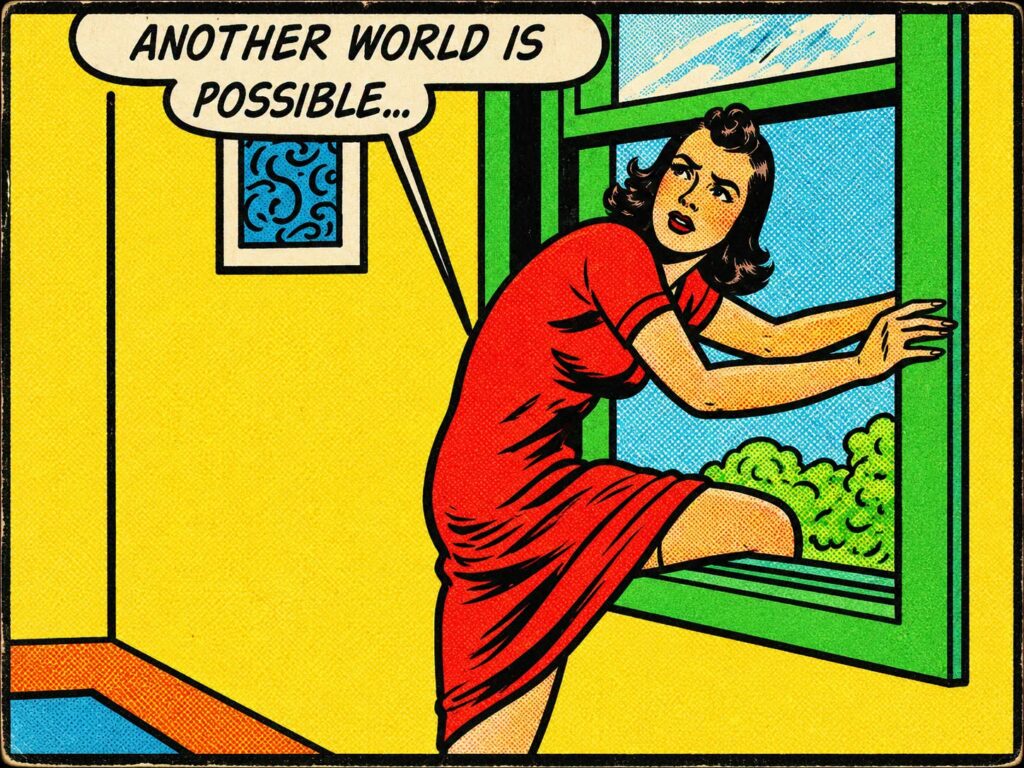
The #miseryeconomy doesn’t simply sell products and services, it creates artificial scarcity, inconvenience and insecurity, then monetizes people’s need to escape them. This mess is an example useful definition to build the hashtag flows around.
