I have to be clear about where I’m coming from, as I’m standing in what might generously be called an undefined position. Not because I have no position, but because I’ve spent a very long time in the messy path of history that nobody has ever managed to define: grassroots DIY direct action. It’s a long history, a lot of people have been building things, breaking things, occupying things, squatting things, filming things, publishing things, arguing about things and occasionally setting fire to things.
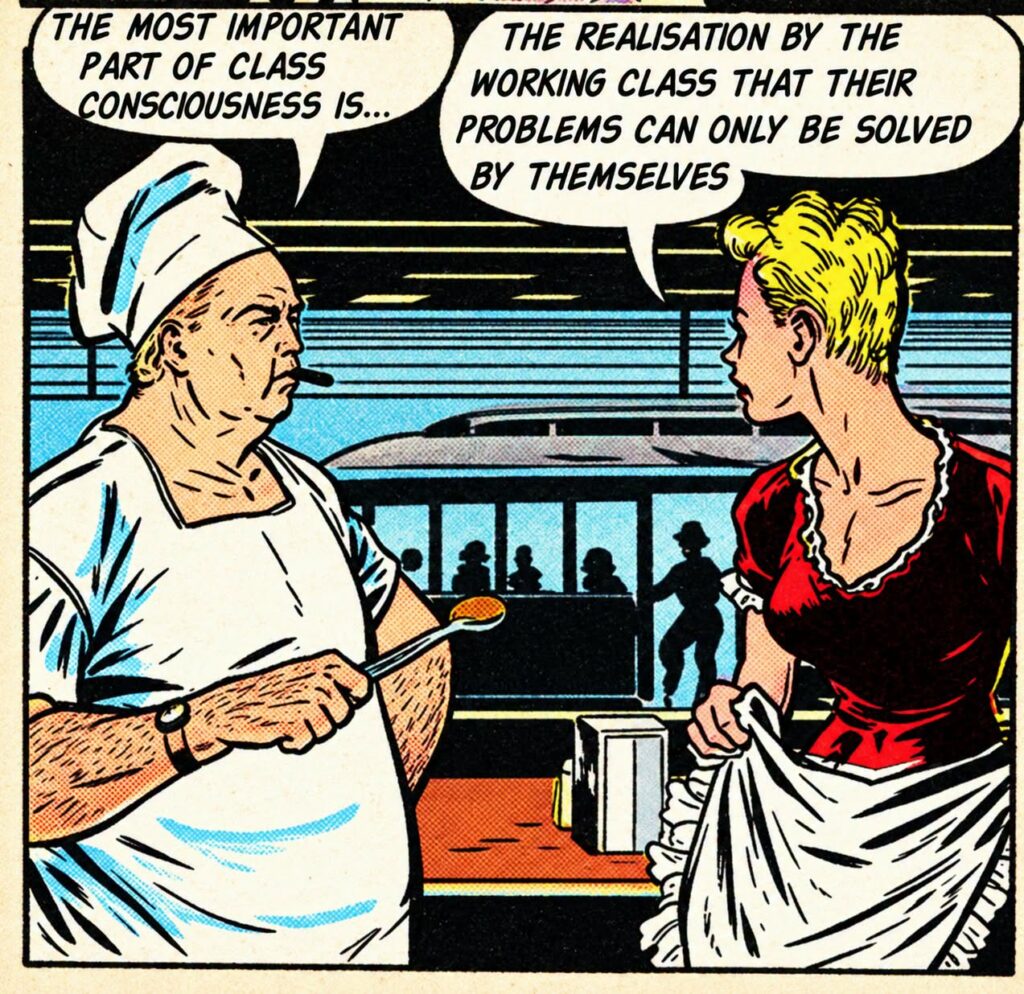
The problem is that when you later try to write the history down, everyone suddenly wants to know what the movement was. What was the ideology? Who were the leaders? Where were the foundations? What was the organisation? And that’s where things get messy, because nobody agrees where the foundations are.
Lets look at an example: so you get this normal argument about protest camp bridge-building, one person says the bridge needs a proper political foundation, another says it needs a technical foundation, someone else wants a historical foundation, someone else wants consensus, someone wants a committee to decide what the foundations should look like. And while everyone is arguing about foundations, the river is getting wider.
So eventually somebody says: “Fuck it. Let’s just build the bridge.” And that is more or less what happens. You find some old timber, someone has some big rope, someone has some strong string. There’s a pile of planks that was probably once part of a pallet, nobody is sure where they came from. Someone has painted ACTIVITYPUB on the side of it, although they have misspelled it.
And somehow, against all sensible engineering, the first section reaches the other bank, it wobbles, it creaks, one of the ropes looks deeply theoretical, there is no planning permission, there is certainly no five-year infrastructure strategy. But people are crossing.
Halfway across, somebody stops and announces that the bridge isn’t sufficiently inclusive, someone else points out that it isn’t sufficiently decentralised. A third person wants to rewrite the protocol, a fourth person has discovered a grant opportunity for “Innovative Participatory Bridge Futures”. And meanwhile the people who actually need to get across are standing on the bank saying “Can we just get across the fucking bridge?”
That, unfortunately, is a pretty good description of the whole project, it isn’t finished, it probably isn’t even properly defined, it has a long and badly documented history, and it is held together by people who don’t always agree with each other.
But it moves, and sometimes, when nobody can agree where to build the perfect bridge, the most useful thing you can do is build the rickety one. Then cross it, then fix it while you’re standing on it, preferably before the river rises.
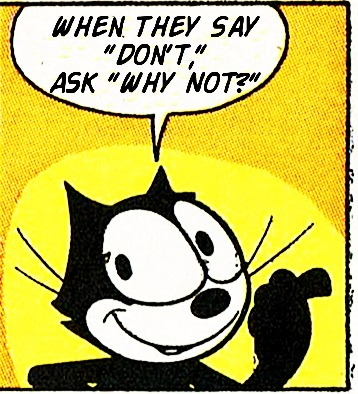
Balance is not only trying to convince people about the #OMN in the abstract, show them.
If a #fashernista sees shiny stuff growing on real soil, they’ll drift toward it because it works.
If the #geekproblem finds a simple tool, they’ll tinker because they can get their hands dirty.
The #mainstreaming will wait until it looks inevitable. Fine, don’t build for them, build something useful, build it in the open. That’s the #4opens: open data, open source, open standards, open process.
A working #OMN node, a #MakingHistory flow, news moving, archives useful, trust built through participation. We don’t only need better marketing, we need better working examples.
it is a #KISS path.
