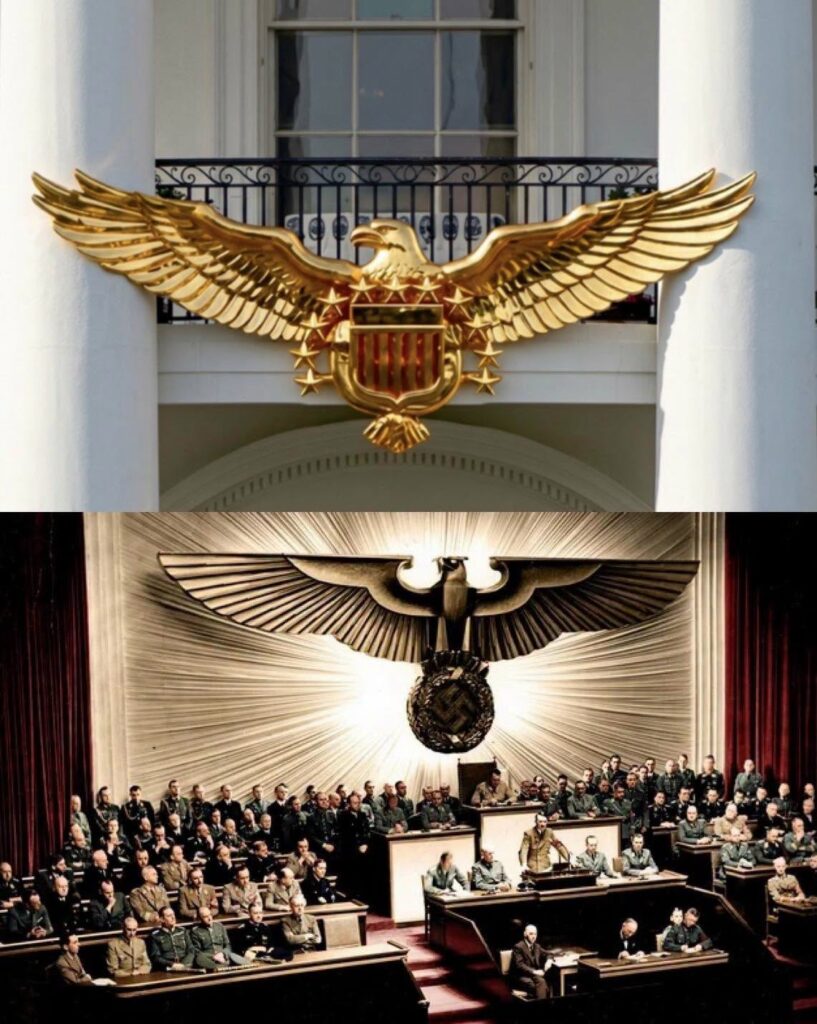
Let’s look at a #fluffy positive view of the path we need to be on. We are living through a dangerous moment, the systems around us are failing, but the dominant response is still denial at worst or to try to repair the existing structures that created the crisis at best. But, the problem is not one bad policy, one bad company, or one bad government. The problem is a whole way of organising society around extraction, scale, speed and distance.
A system that measures success through endless economic growth has turned the living world into a resource pool, nature becomes something to consume, our communities become markets. People become workers and consumers to turn relationships into transactions. This is the logic of the #deathcult – the belief that there is no alternative to the endless expansion of production, consumption and competition.
But there are very different stories, for most of human history, people lived through relationships with place, community and the natural world. When knowledge was rooted in local experience, skills grew through connection, culture evolved through diversity. The problem is not that humans are incapable of living differently. The problem is that we built systems that separate us from the consequences of our actions. A global supply chain moves food thousands of miles while hiding the real costs. A corporation extracting value from a place without being accountable to the people who live there. A financial system creates wealth for a few while pushing the damage onto everyone else.
The result is not just ecological damage, it is cultural damage to the shared humanist knowledge, ecology, stories and local power. The process that creates monoculture in culture and thinking, when everything becomes standardised, the same products, platforms, economic assumptions, the same idea that progress means becoming more disconnected. This is where the old path of humanism and resulting localisation becomes important. Localisation is not about retreating from the world, it is not about small communities ignoring global problems. It is about rebuilding the connections that make society healthy, creating economies where people can see the impact of their choices.
This is where the #OMN story connects, the Open Media Network is not just about publishing tools, it is about rebuilding the missing social layer. The #openweb originally grew from the idea that people could connect, collaborate and create outside centralised control. It was messy, diverse and alive, in till the #closedweb enclosed this with #dotcons platforms designed around attention extraction, surveillance and profit.
The work of composting this mess is not simply building another platform, it is more about rebuilding culture. We need “native” networks that support local voices to connect #4opens globally to bridge a diversity of communities, ideas and ways of living. Not one giant system trying to manage everyone, we need a garden, not a factory. The challenge is that technical decentralisation on its own is not enough, a network can be decentralised and still reproduce the same problems. We need decentralised power, not just decentralised technology.
The exciting thing is that this is already happening, across the world people are rebuilding commons, the #Fediverse, creating alternative economies, restoring ecosystems and forming communities of resistance and care both online and offline. These stories rarely appear in the mainstream because the #mainstreaming is built around crisis, competition and spectacle. But underneath the noise, seeds are growing. This is why we need to stop only fighting the broken system to also grow alternatives.
The #OMN value is simple:
- Create the compost where new ideas can grow.
- Support the people already doing the work.
- Build tools that strengthen communities instead of replacing them.
- Move from consumers back into participants.
- From isolated individuals back into connected communities.
A movement is not created by everyone agreeing on one answer, a movement grows through many different experiments, connected by shared values. The future is not something we wait for, it is something we build. A flourishing society will not come from making the current system more efficient. It will come from growing something different.
But we also need to be honest about the scale of the challenge. The #deathcult does not simply disappear because we build nicer alternatives. It has power, institutions, money, media, infrastructure and the ability to absorb, dilute and sell back every challenge. This is where many #fluffy movements fail, they mistake visibility for power, mistake inclusion in existing systems for change. They mistake being allowed a seat at the table, for changing who owns the table.
The current system is very good at taking the language of resistance and turning it into another product. It can sell sustainability while accelerating extraction, sell community while building more isolation, sell “open” while creating new forms of enclosure.
This is why the #spiky #OMN is not about creating another nice corner inside the existing mess, the path is not to make the #dotcons slightly less harmful. This path is to grow a tech native humanistic network, an alternative that can change and challenge, culturally, socially and practically. Because the battle is not only over technology or economics, it is over imagination. For decades, we have been trained to believe there is no alternative. That large-scale capitalistic paths are inevitable, humans are just consumers, that communities are outdated, that efficiency matters more than resilience.
The deepest enclosure is of our minds, to break this we need both the fluffy and the spiky path. The fluffy grows gardens, relationships and commons. The spiky challenges the structures that keep the garden fenced in. Without the fluffy, to easily resistance becomes empty anger. Without the spiky, alternatives become harmless hobbies that the system can ignore. We need both, people building the new while also questioning the old.
Because the future will not be gifted to us by governments, corporations or platforms, it will be built by people organising together. The question is not whether change is possible, it is whether we organise enough, quickly enough, to make the possible real. Now we need the compost, the networks and the collective effort to help change and challenge grow.
