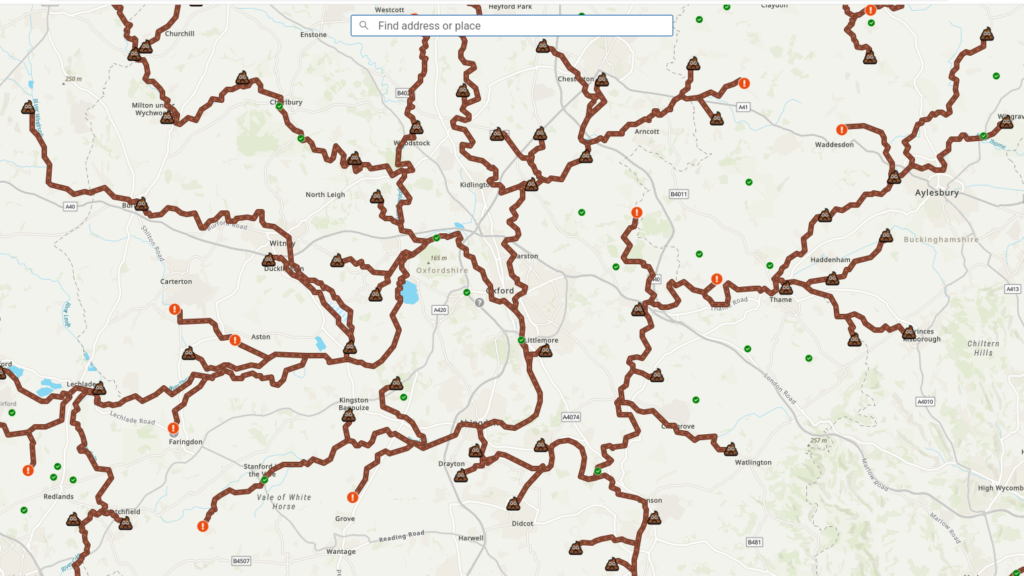
We’re not dealing with abstract “community dynamics.” we’re dealing with live-aboard boaters under pressure, rowers, landowners, council, Environment Agency and scarcity of space (moorings). This in the end is about visibility vs invisibility on the river, so friction isn’t theoretical – it’s structural. Let’s look at the conflict patterns we’re seeing:
- Back-channel poisoning (#whispers #splitting) “X group are the problem”, “They’ve already decided this”, “Don’t trust them”. This happens in WhatsApp groups, towpath chats and private cliques. The effect is fragmenting the boating community before anything even reaches #4opens process.
- Representation fights (#whospeaks) “Who speaks for boaters?”, “Who gave them authority?” or “That meeting wasn’t legitimate” The effect: is paralysis + resentment + delegitimisation of any action at all.
- Tone wars masking real issues (#signal vs #noise). Personal digs, passive-aggressive comments with people reacting to how things are said, not what is said. The effect is real issues (mooring policy, enforcement, access) gets buried under #stupidindividualism social noise and mess.
- Burnout + drop-off (#crewdrain). Some people doing everything while others sniping from the sidelines. The effect is core organisers get exhausted → vacuum → more mess.
So how do we compost this?
Pull whispers into the open (#openprocess #visibility). Instead of trying to stop gossip (you won’t) create simple habits like “If it matters, bring it to the shared space”, regular open threads / meetings where anything can be raised, even messy, even uncomfortable. Outcome is less shadow conflict, more visible disagreement.
Create a “good enough” shared space (#KISS #lowbarrier) Not a perfect system, just something consistent like a public website (open collective) and hashtag use like #oxfordboaters. Where updates happen, disagreements are visible and decisions are logged (lightly). Path is #KISS, if it didn’t happen here, it’s not part of collective decision-making.
Keep grounding in actual doing (#praxis #riverlife). Don’t let it become a talking shop, anchor everything in face to face fire towpath meetings, shared work days (clean-ups, maintenance) and direct engagement with river issues. The outcome is people relate through doing, not just arguing.
Add lightweight “composting moments” (#retrospective #learning). After anything messy (meeting, conflict, decision). Do a quick loop, what worked, what didn’t, what do we try next. Keep it short, no essays. Outcome is tension gets processed before it hardens into factions.
Set soft boundaries (protect the commons), (#boundaries #collectivecare). If someone consistently derails, attacks and refuses shared process. You don’t need a big drama, simply reduce engagement, keep process moving without them dominating. As the group will survive without needing perfect agreement. What this feels like when it’s working is not ONLY harmony, not in any way formal consensus.
It feels like people disagree openly, as some conversations are just messy, but things still move forward, decisions happen (even if imperfectly), no single person controls the narrative. And crucially conflict becomes part of the process, not a blocker to it, what failure looks like (so you can spot it early)- decisions drifting back into private channels, the same 2–3 people becoming permanent spokespeople or “we already talked about this” with no visible record, people disengaging instead of arguing.
The #KISS version for #Oxfordboaters
Make things visible (#openprocess)
Keep tools simple (#KISS)
Rotate roles (#commons)
Focus on doing (#praxis)
Process tension early (#compost)
The uncomfortable truth is It’s not about removing difficult personalities, conflicting interests or structural pressure from authorities. What we can do is stop those things from tearing the group apart.