If you think age verification is just an engineering challenge – better cryptography, better zero-knowledge proofs, better ID rails – you’re likely a part of the #geekproblem at best, or at worst the control culture we need to compost. We need to better balance this mess, as a technical problem and a political instrument of control.
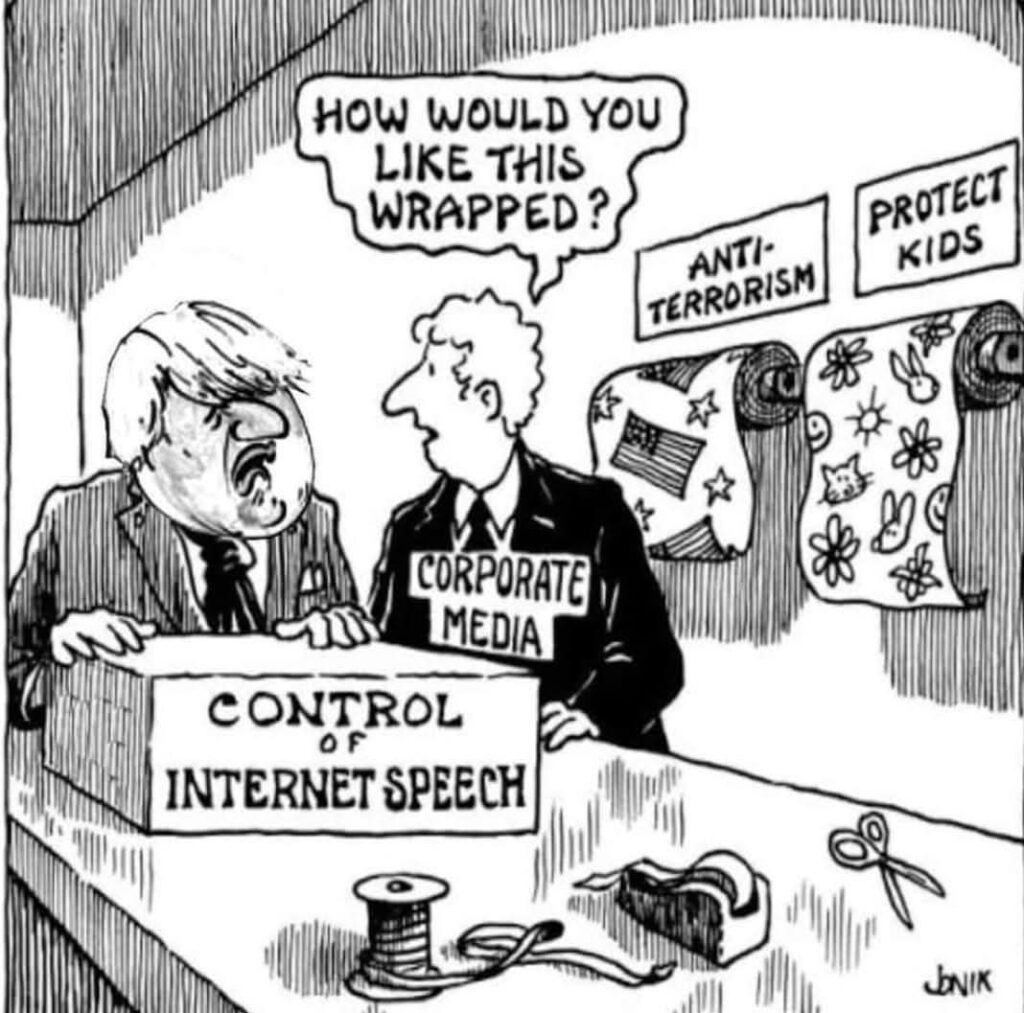
Across multiple jurisdictions, “protecting children” is used as the framing device. But the mechanism being normalised is much broader:
- mandatory identity gateways
- infrastructure-level filtering
- platform liability tied to speech
- centralised verification intermediaries
The problem is that isn’t child protection infrastructure, it’s a population control infrastructure. Once identity verification becomes a prerequisite for accessing speech, publishing content, and browsing information, anonymity stops being a right and becomes an exception. And history is clear, when anonymity disappears, dissent becomes riskier.
The function of age verification systems are:
- centralise power over who can access what
- create databases of identity–behaviour linkage
- raise barriers to entry for independent publishers
- entrench large platforms that can afford compliance
They don’t in any way “solve a safety issue.” It’s clearly about restructure the public sphere, and this is done in ways that favour #dotcons, with surveillance-heavy models leading to state oversight of online life. This is why treating it as a neutral technical puzzle is very dangerous. You can build the most privacy-preserving age-gate imaginable, and still legitimise the idea that access to information requires credential checks. That’s the shift, it’s about control, not code.
Authoritarian governments are obvious examples, but even “liberal democracies” slide when given the tools to normalise identity-linked browsing, mandatory compliance filtering and speech conditioned on verification… we move from open networks to permissioned networks. That’s a structural change, and structural changes are hard to reverse.
The line is that “free speech” isn’t just about what you’re allowed to say, it’s about the conditions under which speech occurs:
- Can you speak without being tracked?
- Can you access information without registering?
- Can minority or dissident voices reach people without identity clearance?
Age verification regimes chop away at those conditions, maybe gradually, reasonably, for safety. That’s how rights erode, not with dramatic bans, but with infrastructure.
The path is not something to “innovate around.” It’s something to resist at the policy level. If we accept the premise that identity checks are a legitimate precondition for access to online speech, we concede the foundation of an #openweb.
Age verification is being framed as technical hygiene, it is, in reality, a governance shift. And governance shifts of this scale shouldn’t be quietly accommodated, they need to be openly debated, and, where they undermine civil liberties, firmly opposed.