In our worship of the #deathcult, if you strip away the robes, chants, and charismatic leaders, what remains is behaviour, not belief. A destructive cult is not defined by how strange it sounds, but by what it does to bodies, lives, and futures. This matters because it breaks a common illusion: cults are judged by outcomes, not vibes.
So the real question for our #mainstreaming culture is simple: does this system produce harm through deliberate collective action? If the answer is yes, then whatever it calls itself – religion, nation, corporation, ideology – it is functioning as a destructive cult. Scale does not absolve cult behaviour. One of the biggest blocks to clear thinking is the assumption that cults are small or fringe. History shows the opposite: the most destructive cults are large, normalised, institutional, and framed as “common sense”.
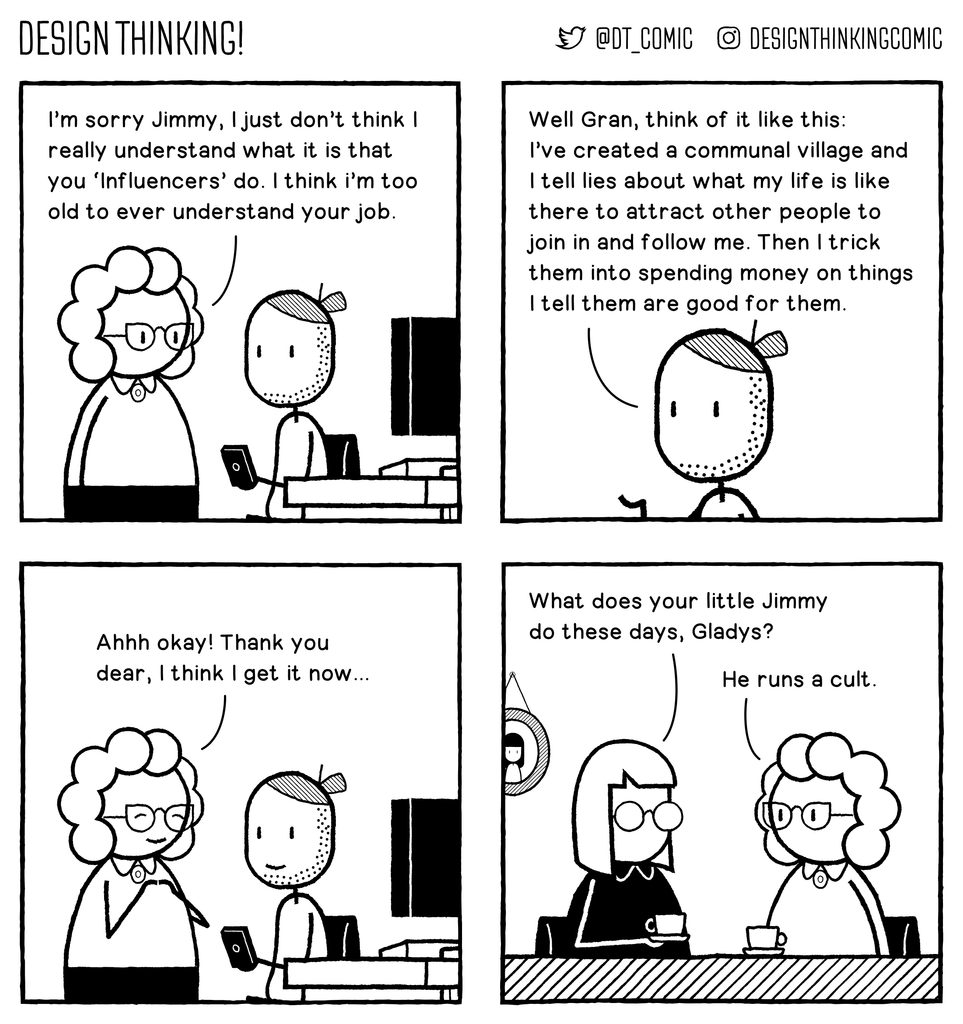
When harm is routinised, bureaucratised, and abstracted, people stop recognising it as cult behaviour. Violence becomes “policy”. Death becomes an “externality”. Injury becomes a “necessary sacrifice”. This is why the #deathcult framing lands so sharply – it cuts through the language that hides responsibility.
Seen this way, our current #mainstreaming clearly qualifies. It knowingly produces mass injury and death, continues despite overwhelming evidence of harm, treats that harm as acceptable or unavoidable, and disciplines or excludes those who challenge its logic. At that point, it meets the functional definition of a destructive cult.
The justification doesn’t matter – profit, security, growth, markets, “realism”, inevitability. The outcomes are the same: climate collapse, preventable poverty, war, border violence, structural neglect. All normalised. All defended. All repeated. This is not accidental; it is deliberate action within a shared belief system.
People resist this #KISS framing because calling a system a cult feels offensive. It threatens identity, exposes complicity, and removes the comfort of neutrality. So instead, people argue about tone, civility, process, or “both sides”. These debates avoid the harder question: what are we part of that is actively harming people, and why do we keep participating?
This connects directly to the #OMN project. The Open Media Network is not about labelling individuals as evil. It is about withdrawing legitimacy from systems that normalise harm, and rebuilding media and social infrastructure that makes harm visible, allows challenge without erasure, documents action rather than just opinion, and restores collective memory.
When journalism collapses into PR and outrage, cults thrive. When media becomes operational again, cult logic weakens. The uncomfortable truth is that destructive cults are not defeated by exposing hypocrisy, debating beliefs, policing language, or demanding safety from discomfort. They are defeated by refusing participation, building parallel systems, making outcomes visible, and acting collectively outside their framing.
That is not comfortable. It is not safe. But it is how people stop being members of something that kills – and why the #deathcult framing matters.