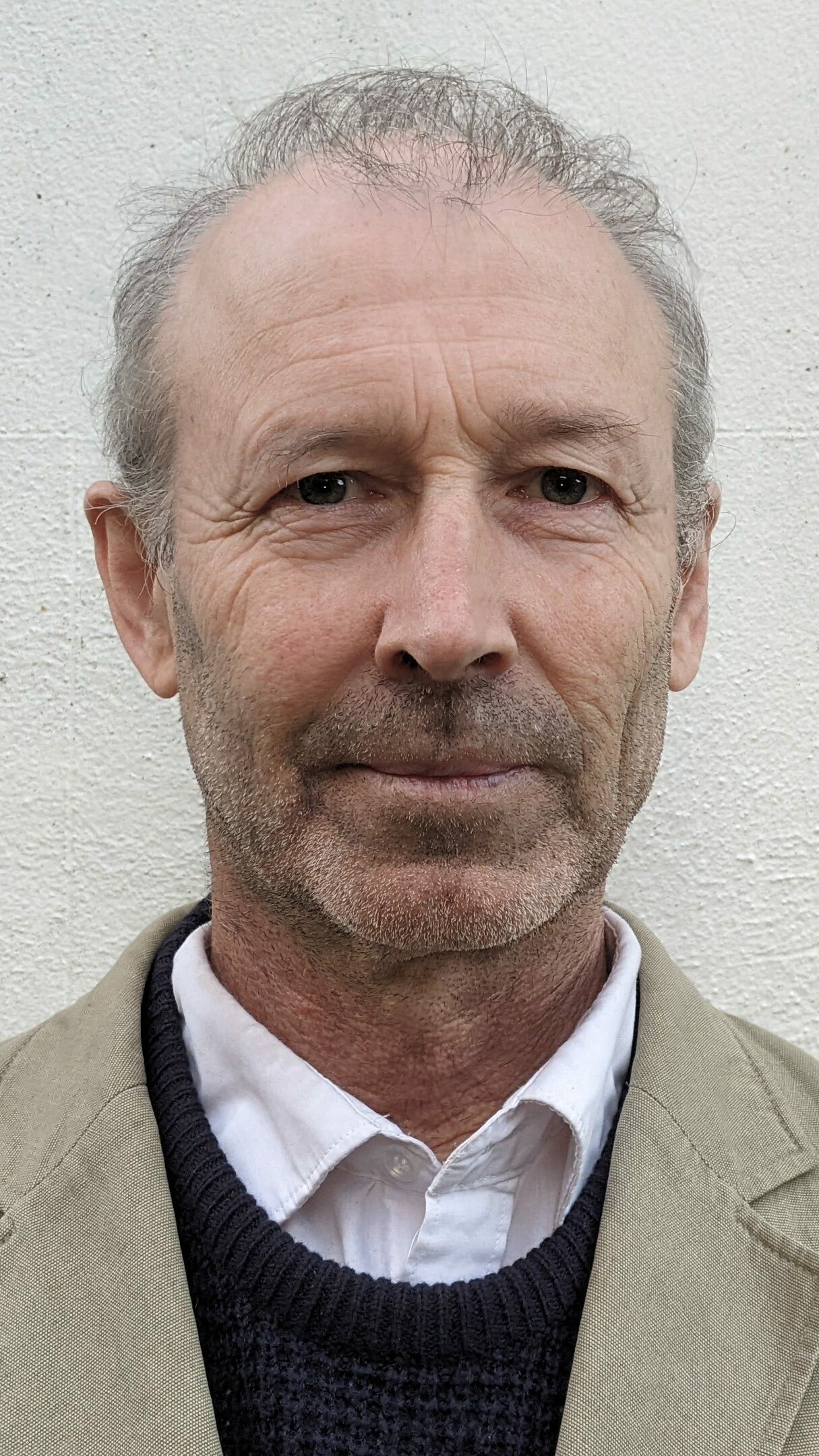
I’m Hamish Campbell. I work on the #openweb, and I’ve spent most of my adult life building, breaking, and rebuilding media and technology as tools for social change. I’m what Gramsci would have called an organic intellectual: my thinking comes from practice, from movements, from failures as much as theory.
I publish at http://hamishcampbell.com, where I document decades of radical media work, social technology projects, and reflections on activist culture. You’ll find me across the #Fediverse, on the #dotcons, and on YouTube – deliberately moving between worlds, pushing dialogue around politics, technology, and media rather than retreating into purity bubbles.
Radical media roots, began in the 1990s with grassroots video activism. I was part of Undercurrents, documenting direct action, environmental struggles, and alternative culture at a time when mainstream media simply refused to look. That flowed into Ruffcuts, a copyleft (pre-Creative Commons) video CD-ROM project distributed through activist networks in the UK and internationally – a DIY attempt to route around broadcast gatekeepers using the tools we had at the time.
From there I became involved in UK Indymedia, part of the global Indymedia network that pioneered open publishing for activist journalism. Indymedia wasn’t just a website; it was a working example of horizontal process, trust, and collective responsibility, that shapes what I am working on since, both positively and negatively.
I went on to work on VisionOnTV, producing and distributing social movement video through peer-to-peer networks and open tools. Now in its fourth generation of #FOSS technology, VisionOnTV has run on and off for nearly twenty years, adapting to changing tech while holding onto the same values. Alongside this, I helped build The PeoplesTV Project, developing low-cost, live-edit and video aggregation tools for real-time, mobile grassroots reporting.
Over the last twenty years I’ve produced, edited, or contributed to more than a thousand videos and documentaries. Media, for me, has never been neutral, it’s infrastructure for memory, struggle, and meaning.
Open web, open governance. As the web shifted from open commons toward enclosure and extraction, my focus moved increasingly into social technology and governance. I helped develop #4opens, a simple but demanding framework for ethical #FOSS: open code, open data, open standards, and open governance. The point was never technical purity, it was about power, accountability, and trust.
That work feeds directly into the Open Media Network (#OMN), where I’m a core contributor. OMN is an attempt to build a trust-based, federated media infrastructure for alternative publishing – learning from Indymedia’s failures, borrowing from the Fediverse’s successes, and refusing the NGO and startup paths that drain projects of their politics.
I’ve also worked with ActivityPub and the Fediverse, focusing on native protocols and community rather than platform capture, and helped prototype the #OGB (Open Governance Body) – an attempt to explore grassroots governance models that actually fit activist and federated cultures.
I’ve been involved in efforts to reboot Indymedia using Fediverse technology. That work reached the point of real-world rollout just before COVID, and didn’t survive the pandemic, a reminder that social infrastructure is as fragile as technical infrastructure, and often more so.
Currently, I’m developing MakingHistory, a project exploring collective memory, storytelling, and how movements remember themselves, or fail to.
Politics, code, and ideology. I approach all of this politically. I believe code is ideology made real. Most contemporary code embodies capitalism: extraction, control, enclosure, and artificial scarcity. This isn’t surprising if you stop pretending technology is neutral. You can try to act out different values on top of capitalist code, but the assumptions are already baked in, and the outcomes are pre-programmed.
There’s a river that constantly needs crossing between politics and tech. On the political side I often meet arrogance and ignorance about technology; on the geek side, naivety and suffocating over-complexity. Bridging that gap – without dumbing things down or disappearing up our own abstractions – has been a constant struggle.
I’m deeply sceptical of the “what about human nature?” argument. It assumes a shallow view of human consciousness – that greed, selfishness, and domination are inevitable, and that systems must weaponise those traits to function. Capitalism does this brilliantly, throwing us into a children’s sandbox masquerading as a free market, where the greediest are rewarded and everything else is externalised.
But humans are also cooperative, caring, ritual-making creatures. Mythos and traditions matter. They are how social groups cohere, how values are transmitted, how meaning is made. Any new system worth building will need its own stories, rituals, and shared practices. This is why I argue for consciously growing mythos and traditions, and why I keep coming back to #KISS: keep it simple, keep it human.
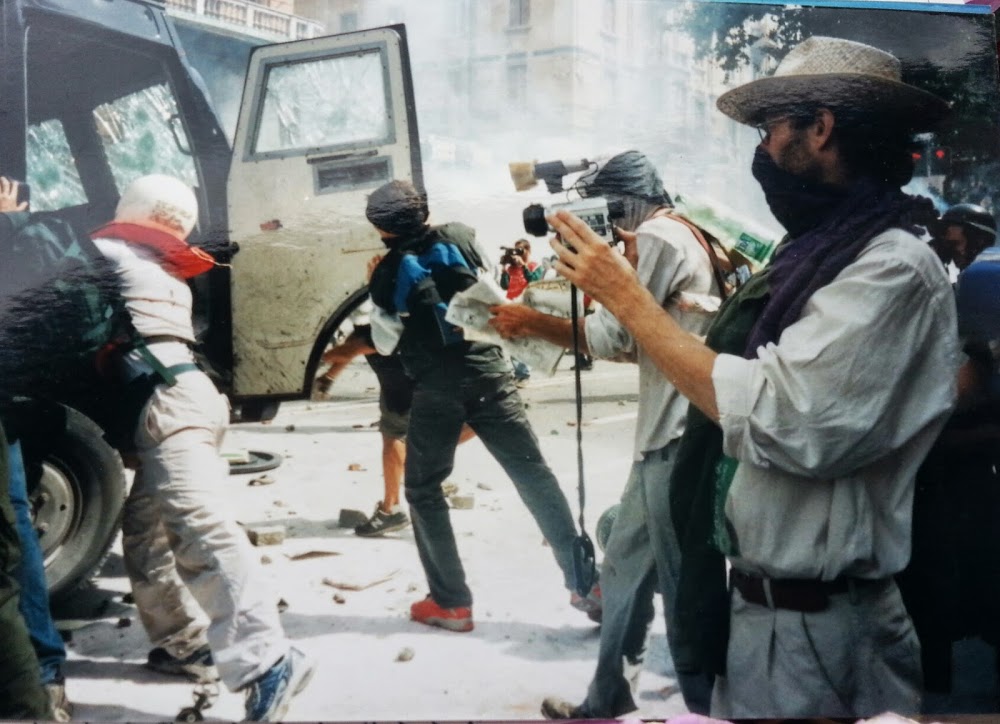
Lived practice, beyond tech, I’ve been involved in hundreds of activist campaigns and alternative life paths. I’ve written academically on vagabond culture and hitchhiking. In 2001, while filming a police riot at the G8 protests in Genoa, I became part of a ten-year legal process that ultimately prosecuted Italian police for torture, perjury, and false imprisonment. These experiences permanently stripped away any illusions I had about liberal institutions, neutrality, or accountability without pressure.
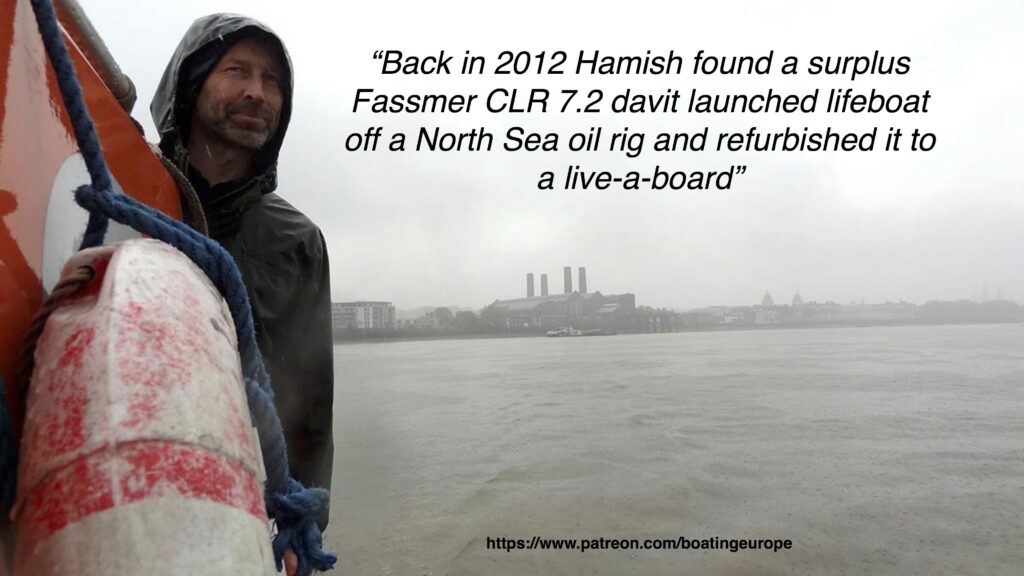
For the past decade I’ve lived aboard a semi-off-grid lifeboat, navigating Europe’s canals and coasts. It’s a lived metaphor for the digital values I argue for: autonomy, resilience, mutual aid, and repair over replacement. That journey is documented at #BoatingEurope.

Use, abuse, and build. This space – my work, the #OMN, the wider #openweb – is about taking what the mainstream says is inevitable and making it alternative. It’s about rejecting harmful patterns while building viable, lived alternatives grounded in openness, collaboration, and care.
I’m unapologetically on the “use and abuse” side of the #dotcons and mainstreaming culture debate. Purity tests don’t build power. Tools are terrain, not temples. The work ahead isn’t about better platforms or shinier tech. It’s about rebuilding shared infrastructure – technical, social, and cultural – and doing it in a way that leaves room for human complexity rather than pretending it doesn’t exist.
That’s the path I’m on.

Resources I find
Images from the internet, with meany of the subverted cartoons from https://theslowburningfuse.wordpress.com and the line drawings from the #visionontv video project