Compost “digital sovereignty”, build working commons

The #KISS secret about the noise in “digital sovereignty” is very simple – Ignore most of this branding and build commons tech instead. That’s the path, not another layer of management, another funding bureaucracy for a glossy strategy document. Not another NGO conference circuit explaining why nothing can happen without another round of funding. Just build working commons.

This matters because much of the #EU “digital sovereignty” conversation is simply more churn inside the same #neoliberal #mainstreaming logic that created the problem in the first place. Europe spent decades outsourcing infrastructure, privatising public space, undermining local autonomy, and feeding the #dotcons.

Now the consequences are becoming impossible to ignore, dependence on US platform monopolies, fragile infrastructure, imperialist surveillance capitalism, cloud centralisation, shrinking democratic accountability, and growing geopolitical vulnerability.

So suddenly everybody is talking about “sovereignty”, but what do our chattering class of institutional actors mean by sovereignty? Too often they mean procurement contracts, compliance frameworks, consultancy ecosystems, defence posturing, startup hype and fashionable funding narratives. The same old structures wearing a new outfit.

This is where the #fashionistas rush in to cash out of the latest cycle of #techshit, every crisis produces a new branding wave #Web3, #AI, #blockchain, smart cities, trusted identity and now digital sovereignty. The words change, the consultants were the same clothes, to push funding applications with different buzz words. But underneath, the social relations to often stay exactly the same. This is why so much “innovation” produces so little durable social value, the energy and focus gets consumed by branding, positioning, institutional competition, and funding capture.

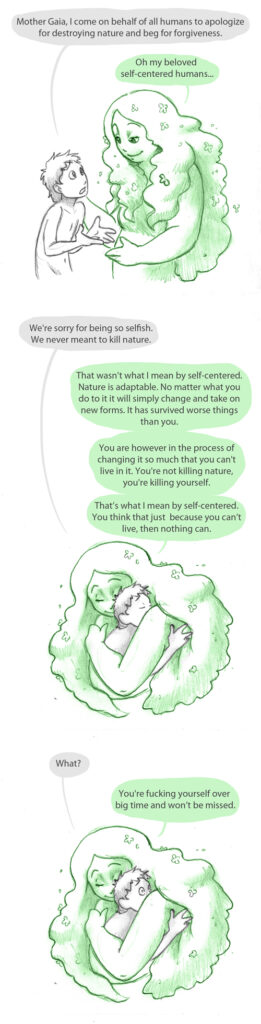
The #OMN approach is to compost this mess rather than feed it. Composting means recognising that some parts of the existing system still contain nutrients technical knowledge, infrastructure, institutions, legal frameworks, public funding, developer skills. But these need breaking down and re-rooting into commons processes instead of simply reproducing the same dead structures.

The #KISS approach is important because complexity is often used as a control system, the more complicated the governance path becomes the harder it is for normal people to participate, the easier it is for insiders to dominate, and the more power flows to the parasite class managing the process. People then confuse institutional complexity with competence, but most healthy social systems are not built this way, healthy systems tend to be transparent, iterative, federated, participatory, and grounded in practical trust.

That’s why the native #openweb worked when it worked, people built things together directly like mailing lists, forums, blogs (bit more messy), federated publishing, open protocols, community hosting, shared standards. Messy? Yes. Human? Yes, but functional. The current “digital sovereignty” debate ignores this history because acknowledging it would undermine the need for the giant managerial layer now feeding on the crisis.

A lot of the current policy noise is about preserving institutional power during systemic decline, that’s why signal-to-noise matters, most of the noise performs concern, manages perception, protects careers, and absorbs dissent into harmless process. Signal is rarer, it’s about building actual commons’ infrastructure, creating durable trust networks, supporting federation, sharing governance openly, and keeping paths simple enough that communities can understand and maintain them.

This is one reason the #4opens remain central, without these, “digital sovereignty” simply becomes another enclosure strategy under a different flag. European-owned silos are still silos, state-managed platform capitalism is still platform capitalism. Replacing Silicon Valley landlords with Brussels landlords is not liberation.

The real challenge is rebuilding public digital commons, that means the hard part is cultural, not only technical. People are deeply trained by #mainstreaming to look upward for solutions to governments, corporations, experts, influencers, NGO etc. But commons culture grows sideways instead, through participation, trust and through practical collaboration, yes this is slower at first, but far more resilient over time.

That’s the real #KISS secret, ignore much of the spectacle and quietly build the alternative underneath it. Less noise, more compost – Less branding, more commons – Less #techshit.
More grounded infrastructure. That’s how you compost the #mainstreaming mess instead of endlessly feeding it.

People ask why the articles are hard to follow without background, it’s a fair point

People ask why the articles are hard to follow without background, it’s a fair point, but a distraction as these are not stand-alone hot takes, they are all a part of a long flowing story about how we got into this mess and how we might get out of it.

So, focus, please share this and the other posts if we’re going to recover focus and direction on the #openweb path. What happened over the last ten years on the Fediverse wasn’t random. It was a slow drift away from the native path that worked, and toward a confused mess of branding, #NGO careerism, platform thinking, and endless social noise.

The problem is most people now arrive in the #Fediverse with no memory of the culture that built the #openweb of trust networks, grassroots publishing, the messy but functional commons, the #4opens, the idea that media belongs in public and the understanding that social process matters more than shiny tech.

Instead, people arrive carrying the assumptions of the #dotcons – branding over community, engagement overtrust and control over openness. Leading to assumptions of private chat over public knowledge and algorithmic mediation over human responsibility. Then they push focus to rebuild the same broken structures again and again while calling it “innovation”.

That’s the real story of the last ten years, we inherited working social and technical traditions, then forgot why they worked. Now we’re drowning in signal-to-noise, fake “governance”, performative moderation, invisible power structures, startup logic and endless #fashionista churn.

The answer is probably much simpler than people want – public media, open processes, visible governance, trust networks, federation, and rebuilding commons culture from the ground up #KISS. Start reading the story flow https://hamishcampbell.com/stories/ and if you like semi hard definitions you can dip in here https://hamishcampbell.com/hashtags/ and for a bit of history of the #OMN path the Fediverse piece https://hamishcampbell.com/what-happened-over-the-last-ten-years-on-our-fediverse-path/

And yes, this matters beyond tech culture, because while people are busy polishing identities and building another pointless #techshit platform layer, the world is burning – #climatechaos, collapsing public infrastructure, rising authoritarianism and corporate enclosure of every part of public life. So yes, we need “alt sense” – alternative common sense – or we are genuinely beaten, not only in an abstract future way, but in ten years in a “rubber truncheons and floodwater” way.

Make the effort to understand the path built from alt common sense history, or we’ll keep repeating the same mistakes until there’s nothing left worth defending.

The #encryptionist detour

Let’s look back to before the #Fediverse, to be honest about the last two decades of #openweb failure, for a long time we got pulled off the path. Not only by enemies, but by a mix of fear, fashion, and half-understood technical “solutions” that felt right to fearful people at the time.

The rise of the dogmatic, blinded #encryptionist mindset came out of real conditions of mass surveillance revelations (Snowden era), common sense #neoliberal distrust of states and corporations and the real harms of our worship of the (same neoliberal) #deathcult of the #dotcons

Encryption mattered – and still does – private space matters, protection matters. But what happened next at this time is where things went wrong – we shifted focus from necessary tool to blinded totalising path. For the #geekproblem and its fashionista followers – encryption shifted from being a tool in the stack to the answer to everything.

Instead of asking what should be public? – what should be private? And how do we build shared, accountable space? We got a flattened answer of “make everything encrypted and trustless” that sounds good to the blinded fear filled crew as It feels “safe”. But if you are not blind, it obviously undermines the foundations of the #openweb we were working to reboot, the #openweb isn’t built on secrecy – it’s built on shared visibility, trust, and negotiation.

This was mess, enter #blockchain and #DAO – the peak of the detour, this is where the #fashionista layer really took over. Into this already confused path stepped #blockchain, #NFT’s and #DAO governance models of token economies. The mess making was wrapped in smoke and mirrors language of decentralisation, autonomy and trustlessness to “fixing governance”.

But look at what they actually did – financialisation of everything, instead of building commons, we got tokens, ledgers, “market” incentives leading to speculation. This is a very easy to see failed imagination of market logic reintroduced through the back door of wealth = power, not in any way new, it’s smoke and mirrors to hide the same old system the native #openweb path was supposed to move beyond. This detour directly contradicts gift economies, commons-based governance and trust-based collaboration, it was used to push this needed path out of sight.

    It’s the normal mess of fear based #stupidindividualism – governance avoidance disguised as governance. DAOs didn’t in any way solve governance, they simply avoided it as real governance is messy, social, contextual, rooted in trust and relationships. DAOs tried and failed to replace this with hard voting mechanisms, token-weighted decisions and rigid rules. That’s not in any way useful governance, that’s automation of power to remove the human layer instead of engaging with it, its pure #geekproblem that our #fashionistas were to blind (or self-interested) to see past.

      This is the same problem we are repeating today (still in embryo) with the current new crew taking over pushing the #openweb reboot – this time its not only encryption, but it’s the same mess of shifting focus away from what actually matters, the same distraction.

      What can we compost from the last mess, to shine light on this path, back in the day people were busy writing whitepapers, launching tokens, debating protocol layers. Were they should have been building communities, maintaining infrastructure to grow trust networks to support real-world use #KISS This misdirection of focus, resources and energy is the recurring damage as attention is diverted away from the soil layer into tiny self-interested abstract cliques that never root.

        The #geekproblem and the #NGO loop feed this mess, as the fashionista class capture does not happen in isolation. It is amplified by two reinforcing dynamics – the #geekproblem – preference for technical certainty over social mess, belief that systems can replace relationships, discomfort with ambiguity and lived complexity. The #NGO layer with its need for fundable, legible “solutions”, preference for clean frameworks – over messy reality, career pathways built on producing narratives, not outcomes.

        Put these together, and you get complicated “solutions” that look impressive, but don’t work in practice. Back then we had a decade of drift we need to not repeat now. Back then we ended up with over-engineered systems nobody uses, governance models disconnected from lived communities and fragmented efforts chasing the next “solution”. This weakened focus on building actual alternatives, meanwhile, the #dotcons carried on consolidating power.

        The reality check for today is we built a pile of #techshit, and we are doing the same now with the current takeover crew of the #Fediverse. The last time because we failed to compost the accumulated outcome of the mess of abandoned projects, broken promises, conceptual clutter we still have the current confused direction. We need to now compost this historical mess, as keeping pretending this is fine is part of the problem, it’s not fine. But – and this matters – this “shit” doesn’t need to be useless, it’s compost.

        The native path we didn’t take (but still can), was always simpler, and still is, to build in public (#4opens), separate public and private space (#KISS), focus on trust, not “trustless”, grow from real communities, not closed cliques.

        We need to develop governance as lived practice, not only code, this is what #OMN and #OGB are pointing toward – human networks first, tech as support, not driver, openness as default for shared knowledge, privacy where it actually matters. If we’re serious about a future – it is to stop chasing totalising tech fixes, stop “common sense” financialising community, stop pretending governance can be automated and start growing from the soil up. And most importantly shift from control → collaboration, from abstraction → grounded practice to shift from narrative → lived reality.

        The point is the #encryptionist turn wasn’t (only) evil as it was a reaction to real harm. But it became a dead end when it tried to replace the social with the technical. What we need to lean from this to shift the current mess is if we want a real #openweb we don’t need more “solutions”, we need to get our hands dirty again to compost the mess to make soil to plant something much more real that can grow.

        #openweb #4opens #OGB #OMN #geekproblem #techshit #KISS

        So what path should we be focusing on to balance this current oligarchy mess. The #OMN (Open Media Network) is decentralized, grassroots, focused on an “open process” rather than a fixed, top-down control structure, it’s a governance model:

        • Continuous ecological process, as navigation through lived memory rather than a set of static rules.
        • Decentralized & community-driven, from users, producers/creators, and admins, aiming to balance out central authority.
        • Federated coordination, strong transparency were no one has to agree, but reasoning and actions are publicly visible to produce accountability for public mess making.
        • The #4opens Principles – building on open data, open source, open standards, and open process.
        • Emergent structure, grows organically through “lived collaboration” and social federated tech flows #OGB (Open Governance Body).

        The #OMN is a path to growing an alternative to corporate-controlled platforms (#dotcons), a “public-first” digital commons.

        #OMN Grounding (the roots as a story)

        #techchurn is the endless cycle of adopting new platforms, tools, and technologies – not because they solve any real problems, but because novelty is mistaken for progress. It burns community trust, institutional memory, and activist energy, while leaving the underlying #nastyfew power structures untouched.
        https://hamishcampbell.com/?s=techchurn


        The #OMN uses #stupidindividualism to describe the culturally manufactured habit of prioritising personal gain and self-interest over collective well-being – a behaviour normalised by forty years of #neoliberalism, where people work against their own community and ecological survival while believing they are exercising “freedom”.
        https://hamishcampbell.com/?s=stupidindividualism


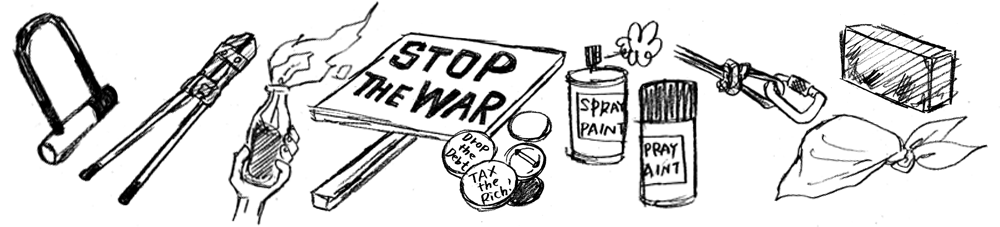
        In the #OMN hashtag story, #spiky is the confrontational, direct, and uncompromising tendency within radical movements – the willingness to push back against power, name uncomfortable truths, and refuse to sand down political edges for mainstream comfort.
        https://hamishcampbell.com/?s=spiky


        #RSS is the unglamorous but democratic backbone of the #openweb – a simple, open standard that allows content to flow without the gatekeeping, algorithmic manipulation, and the data hoarding of the #dotcons.


        #reboot is the necessary reset of the #openweb – stepping away from the dead ends of #techshit and #dotcons to rebuild human-centred, trust infrastructure using tools like #activitypub and the #fediverse, guided by the #4opens.
        https://hamishcampbell.com/?s=reboot


        #postmodernism is the cultural current that dissolved shared truth into competing narratives, undermines the foundations needed for collective action – leaving people fragmented, cynical, and unable to build solidarity.
        https://hamishcampbell.com/?s=postmodern


        In the #OMN hashtag story, #Oxford is a grounded example of real-world contradiction – where elitist power (#mainstreaming, #NGO, #deathcult) coexists with genuine grassroots community, making it a test bed for grassroots #openweb organising and the #4opens path.
        https://hamishcampbell.com/?s=Oxford


        In the #OMN hashtag story, #PGA (Peoples’ Global Action) represents horizontal, grassroots, anti-capitalist organising – a prefiguration of the #openweb, built on direct action and solidarity rather than #NGO bureaucracy or #mainstreaming compromise.
        https://hamishcampbell.com/?s=PGA


        In the #OMN path, #p2p means people-to-people before peer-to-peer – real human relationships and trust as the foundation that decentralised tech should serve, not replace.
        https://hamishcampbell.com/?s=p2p


        In the #OMN view, #opensource is not just a licence – it’s a political commitment to transparency, shared ownership, and community control over code, data, and process.
        https://hamishcampbell.com/?s=opensource


        The #openweb is internet infrastructure built on open standards, open-source code, and community control – where users share power – as opposed to the #dotcons, with the #closedweb which enclose and monetise the commons.
        https://hamishcampbell.com/?s=openweb


        #openprocess means decisions and governance happen visibly and participatorily – not behind closed doors, so people can see, challenge, and shape outcomes.
        https://hamishcampbell.com/?s=openprocess


        #opendata means data that is freely accessible and shareable – controlled by communities rather than locked inside corporate silos.
        https://hamishcampbell.com/?s=opendata


        In the #OMN path, #open means building on the #4opens – open code, data, standards, and process as a foundation for technology that serves people, not profit.
        https://hamishcampbell.com/?s=open


        #OMN (Open Media Network) is a grassroots project to build human-centred, trust-based digital infrastructure on the #openweb, grounded in the #4opens and focused on community control over technology.
        https://hamishcampbell.com/?s=OMN


        The #OGB (Open Governance Body) is a framework for transparent, inclusive decision-making – replacing hidden power structures with accountable, federated, messy collective governance.
        https://hamishcampbell.com/?s=OGB


        In the #OMN story, #nothingnew reminds us that cycles of co-option and failure have all happened before – and ignoring this history is how we repeat mistakes.
        https://hamishcampbell.com/?s=nothingnew


        In the #OMN story, #NGO refers to professionalised activism that defuses radical politics – replacing grassroots power with managed, funder-friendly “dissent”.
        https://hamishcampbell.com/?s=NGO


        In the #OMN path, #neoliberalism is the dominant ideology of markets over people – normalising greed and eroding solidarity into the logic of the #deathcult.
        https://hamishcampbell.com/?s=neoliberalism


        #makinghistory is the practice of communities reclaiming storytelling – building open, living archives rather than leaving history to those in power.
        https://hamishcampbell.com/?s=makeinghistory


        In #OMN usage, #mainstreaming is how radical ideas get absorbed and neutralised – keeping the language while stripping out real challenge.
        https://hamishcampbell.com/?s=mainstreaming


        In the #OMN path, #KISS (“Keep It Simple, Stupid”) is a political stance against the #geekproblem – rejecting unnecessary complexity as a form of control.
        https://hamishcampbell.com/?s=KISS


        #indymediaback is a call to rebuild grassroots, community-controlled media as an alternative to both #dotcons and hollow #NGO media structures.
        https://hamishcampbell.com/?s=indymediaback


        In the #OMN path, a hashtag is not just a label – it’s a node in a shared political vocabulary, building a map of meaning and direction.
        https://hamishcampbell.com/?s=hashtag


        #grassroots means bottom-up organising rooted in real communities – accountable to collective need, not institutions.
        https://hamishcampbell.com/?s=grassroots


        The #geekproblem is the tendency to replace human trust with technical control – embedding narrow values into systems that shape everyone’s lives.
        https://hamishcampbell.com/?s=geekproblem


        In #OMN, #FOSS is a political commitment to collective ownership of technology – not just a licensing model.
        https://hamishcampbell.com/?s=FOSS


        In #OMN language, #fluffy describes feel-good politics that avoid conflict – prioritising comfort over any real change.
        https://hamishcampbell.com/?s=fluffy


        #feudalism describes the emerging digital structure where platform owners extract value like lords from dependent users.
        https://hamishcampbell.com/?s=feudalism


        #fascism is what happens when the #deathcult drops its mask – authoritarian control to defend failing systems.
        https://hamishcampbell.com/?s=fascism


        On the #OMN path, the #fediverse is practical #openweb infrastructure – decentralised, federated, and not owned by corporations.
        https://hamishcampbell.com/?s=fediverse


        #encryptionist describes the tendency to prioritise technical security over social trust – a core expression of the #geekproblem.
        https://hamishcampbell.com/?s=Encryptionist


        #dotcons are corporate platforms built on data extraction and control, presenting themselves as neutral while enclosing the commons.
        https://hamishcampbell.com/?s=dotcon


        In the #OMN story, #DIY means reclaiming the ability to build and organise outside institutional control – grounding politics in practice.
        https://hamishcampbell.com/?s=DIY


        The #deathcult is the self-destructive logic of #neoliberalism – sacrificing social and ecological survival for short-term fear drivern greed.
        https://hamishcampbell.com/?s=deathcult


        In the #OMN story, #compost means breaking down failure and mess into fuel for new growth.
        https://hamishcampbell.com/?s=compost


        In #OMN, #closedweb is controlled, extractive digital infrastructure where users have no power.
        https://hamishcampbell.com/?s=closed


        #climatechaos describes the accelerating breakdown driven by the #deathcult, beyond manageable “climate change.”
        https://hamishcampbell.com/?s=climate


        #classwar is the ongoing conflict between the #nastyfew and the communities they exploit – often hidden by #mainstreaming narratives.
        https://hamishcampbell.com/?s=classwar


        #capitalism is the dominant system turning everything – relationships, nature, culture – into “profit”.
        https://hamishcampbell.com/?s=capitalism


        In #OMN, #block is the reflex to shut down challenge – preventing the messy work needed for real change.
        https://hamishcampbell.com/?s=block


        #blinded is being unable or unwilling to see beyond #mainstreaming and #dotcons logic.
        https://hamishcampbell.com/?s=blinded


        #fashernista describes performative activism that prioritises appearance over substance.
        https://hamishcampbell.com/?s=fashionistas


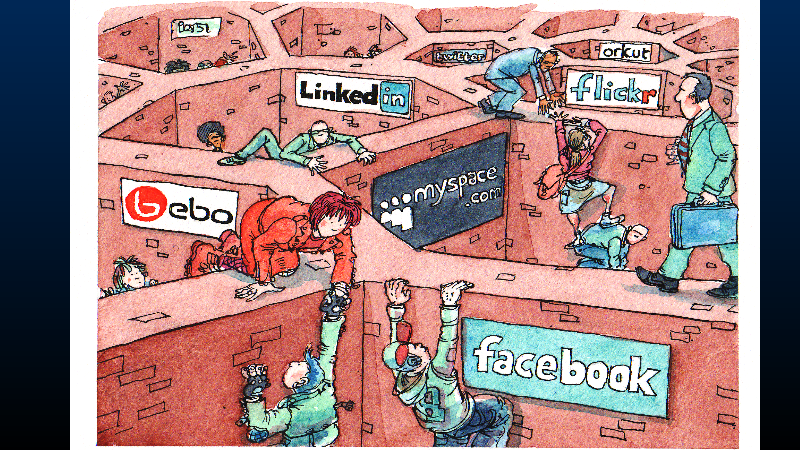
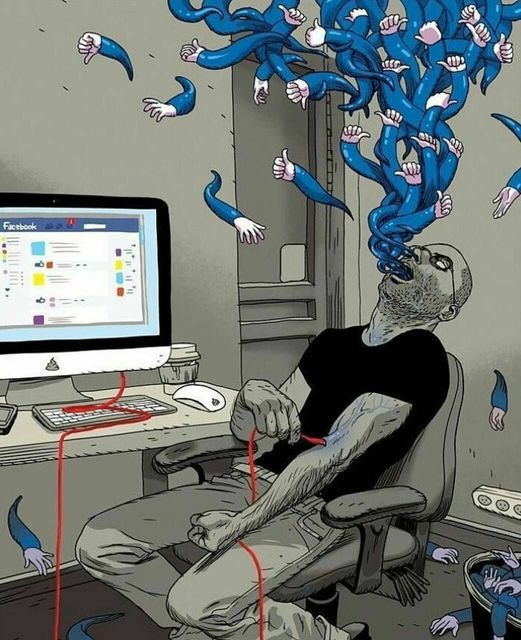
        #dotcons are the corporate platforms – Facebook, Twitter/X, Instagram, YouTube and their kin – whose business model is built on harvesting user data, manufacturing engagement, and converting human attention and community into profit, while presenting themselves as neutral public spaces.

        https://hamishcampbell.com/?s=dotcon


        In the #OMN hashtag story, #DIY means reclaiming the practical capacity to build, organise, and maintain tools and communities outside of corporate and state control – not as a lifestyle choice, but as a political act of grounding radical change in real skills, real trust, and real human relationships rather than outsourcing power to institutions that don’t serve you.

        https://hamishcampbell.com/?s=DIY


        The #deathcult is the #OMN metaphor for the self-destructive logic of forty years of #neoliberalism – an ideology so committed to short-term profit, individualism, and economic growth that it knowingly sacrifices the ecological and social foundations that human life depends on.

        https://hamishcampbell.com/?s=deathcult


        In the #OMN hashtag story, #compost means taking the failures, mistakes, and accumulated mess of past movements and tech projects – rather than discarding or ignoring them – and breaking them down into something that can feed new growth, treating dysfunction and #blocking dead ends as raw material for building better rather than as waste to be hidden.

        https://hamishcampbell.com/?s=compost


        In #OMN language, #closedweb refers to the controlled digital infrastructure – platforms like Facebook, Google, and Twitter – built on proprietary code, extractive business models, and centralised power, where people have no meaningful control over their data, their communities, or the rules that govern them.

        https://hamishcampbell.com/?s=closed


        The #deathcult of #neoliberalism has driven us past the point where “climate change” – with its implication of manageable, orderly shifts – remains any honest description of what we face now. What we actually have is #climatechaos: cascading, systemic breakdown of the ecosystems, weather patterns, and social structures that human civilisation depends on, accelerating faster than institutions built on forty years of market logic are capable of, or willing to, address.

        https://hamishcampbell.com/?s=climate


        #classwar is the ongoing and unacknowledged conflict between those who benefit from and actively reproduce the #deathcult of #neoliberalism – the #nastyfew, managing, and credentialed classes – and the communities, workers, and ecosystems they exploit. A conflict that #mainstreaming culture works to render invisible, reframing systemic dispossession as individual failure.

        https://hamishcampbell.com/?s=classwar


        #capitalism is the current common sense – the water we swim in – the economic system that systematically converts collective goods, human relationships, and the natural world into private profit, enforcing this logic through every institution and platform we touch, while presenting itself as the only possible reality.

        https://hamishcampbell.com/?s=capitalism


        In the #OMN hashtag story, #block refers to the reflexive, unconscious tendency of individuals and communities to shut down unfamiliar and challenging ideas, people, and processes – a defensive gesture rooted in #stupidindividualism and #postmodernism that prevents the trust-building and messy collective work needed for real #openweb organising.

        https://hamishcampbell.com/?s=block


        #blinded refers to being so captured by #mainstreaming tech orthodoxy and ideological “common sense” – particularly #neoliberalism and #dotcons culture – that you no longer see, or refuse to see, the harms those systems cause or any alternative paths that exist outside them.

        https://hamishcampbell.com/?s=blinded


        #fashernista describes a person in progressive or radical spaces who prioritises the appearance and aesthetic of activism – the right look, language, and social positioning – over the unglamorous, difficult work of actually building lasting structural change.

        https://hamishcampbell.com/?s=fashionistas


        If you want, the next step is to cluster these into a clean “chapter flow” (roots → mess → behaviours → solutions) so this stops being just a glossary and becomes a narrative tool.

        These are the foundation tags – the ones everything else grows out of – the overall project: grassroots, trust-based, human-centred media infrastructure

        #openweb – the political/technical terrain we’re trying to reclam

        #4opens – the non-negotiable baseline (open code, data, standards, process)\openprocess – visible, participatory decision-making as default

        #grassroots – bottom-up power, not institutional mediation

        This cluster is about legitimacy, if it’s not grounded in these, it drifts into #NGO capture or #dotcons logic quickly. This is the “native soil” everything else either grows from or gets rejected by.

        The Problem Space (what we’re composting), these tags describe the mess we’re in – the stuff we don’t ignore, but break down.

        #deathcult (neoliberalism as destructive common sense)

        #neoliberalism – 40 years of market logic shaping behaviour

        #dotcons – corporate capture of digital space

        #closedweb – controlled, extractive infrastructure

        #mainstreaming – dilution and co-option of radical ideas

        #NGO – managed dissent and professionalised politics

        #classwar – underlying structural conflict

        This is the compost heap, you don’t fix this directly, you don’t “win” against it head-on. You break it down, reuse what’s useful, and grow alternatives around and through it.

        The #geekproblem Layer (tech distortions) is where things go wrong in implementation.

        #geekproblem – replacing social trust with technical control

        #techchurn – endless pointless rebuilding

        #encryptionists – over-prioritising technical purity over social reality

        #KISS – counterbalance: keep things simple and usable.

        This cluster is why good ideas fail, not because the ideas are wrong, but because the tools and culture get shaped by people who don’t understand social process. This is where most #openweb projects die.

        Cultural/Behavioural Patterns (how people act). The human layer – messy, unavoidable, and central.

        #stupidindividualism – learned self-interest over collective good

        #postmodernism – fragmentation of shared meaning

        #fluffy – avoidance of conflict, feel-good paralysis

        #spiky – necessary confrontation and edge

        #block – reflex rejection of challenge

        #blinded – inability to see outside dominant narratives

        #fashernista – prioritising appearance over substance

        This is the real battlefield, not tech, not policy – behaviour. If you don’t mediate this layer, everything collapses back into dysfunction, no matter how good your structure is.

        The Alternative Infrastructure (what we build), are the actual tools and practices that make change possible.

        #fediverse – decentralised network as a base layer

        #activitypub – the protocol glue

        #RSS – simple, open distribution backbone

        #p2p – people-to-people first, tech second

        #FOSS / #opensource – shared ownership of tools

        #opendata – accessible, non-extractive information

        These only work if rooted in the first cluster, otherwise they get captured and turned into another layer of the #closedweb.

        Governance & Process (how we hold it together). Where most projects fail – or succeed.

        #OGB – structured, open governance

        #openprocess – again, because it’s that important

        #DIY – practical ownership and responsibility

        Without this, informal power takes over. You end up with hidden hierarchies, gatekeeping, and eventual burnout. With it, you get messy but functional collective control.

        Practice & Direction (how we move).

        #reboot – reset and rebuild from working patterns

        #indymediaback – learning from past grassroots media

        #makinghistory – documenting and owning our narratives

        #nothingnew – grounding in historical cycles

        This cluster stops you repeating mistakes, without it, every new wave thinks it’s inventing something new and walks straight into the same traps.

        Grounding Example Layer

        #Oxford – real-world test bed of contradictions

        #PGA – historical example of horizontal organising

        Without grounding, this all drifts into theory, these are example tags anchoring it in lived practice, where things break, and where they can actually work.

        The Meta Layer (how to use this)

        #compost – break down failure into growth

        This is the key to the whole thing – Don’t try to “fix” the mess. Don’t try to “win” cleanly, you compost:

        bad behaviour → learning

        failed projects → patterns

        conflict → structure

        Final point (this matters) is the mistake people make is trying to tidy this into a neat theory, reduce it to messaging, turn it into a fixed ideology. That kills it, this clustering is not about control – it’s about navigation.

        The mess stays messy, but now people can walk through it without getting lost.If you don’t cluster this stuff, it turns into a wall of noise. The mess is useful.

        Why you should help

        The internet’s public square is privatised, algorithmically controlled for “engagement” over any idea of truth, and placed under the control of a handful of American corporations with no accountability to European citizens or values. The #Fediverse is the most credible existing alternative – but it lacks the shared infrastructure to function as a native commons for news and media. #OMN builds that infrastructure: trust-based, community-controlled, transparent, reversible, and owned by nobody. At €45,000 for a proof of concept, it is one of the cheapest possible investments in the long-term health of European digital public life. If it works – and the technical and social groundwork suggests it will – it becomes the plumbing for a Fediverse that can actually be used to serve democratic societies rather than more #techshit alongside the current #dotcons platforms that undermine them.

        Why this matters – because the #WWW was stolen – Designed as commons at CERN, decentralised, open, nobody in charge. What we have today is instead is five American corporations controlling the information diet of billions of people. Facebook decides what news you see. YouTube’s algorithm decides which voices get amplified. Twitter/X decides who gets banned. None of these decisions are transparent, accountable, or reversible. They are made by private entities in pursuit of control, advertising revenue and engagement metrics – not truth, not public interest, not democracy.

        The #Fediverse exists as a rejection of this, it’s the largest real functioning alternative to corporate social media, with millions of people on thousands of servers, federated together, nobody owning the whole thing. It works. It’s growing. But it has a weakness: it’s kinda fragmented at the commons layer. There’s no shared infrastructure for how news and media actually flows across the network in any trustworthy and coherent way.

        That’s the gap #OMN fills, but why? Most people don’t think about internet infrastructure. They think about whether they can trust what they read. Whether the news they see is real. Whether the platform they’re on is working for them or selling them. Whether they can do anything when something goes wrong.

        Right now the answer to all of those is: it depends entirely on decisions made by people you’ll never meet, for reasons you’ll never know. OMN proposes something different. If your community trusts a source, a trust flow, you see it. If they don’t, you don’t. And that decision is yours, reversible, transparent, locally controlled.

        For a journalist in a small country trying to get independent news out, this is the difference between having infrastructure that works for them and being at the mercy of a platform that can deplatform them overnight. For a community archive trying to keep historical memory alive and accessible, this is the difference between dependence on Google’s goodwill and owning your own distribution. For an ordinary person trying to figure out what’s true, this is the difference between an algorithm designed to maximise your outrage and a network shaped by people you actually trust.

        Bureaucracies fund things slowly, in ways that often serve existing power structures rather than challenging them. But digital sovereignty is an existential European concern. The EU has spent years trying to regulate American platforms – GDPR, the Digital Services Act, the Digital Markets Act – and the platforms have responded with compliance theatre, token gestures, and armies of lawyers. Regulation of concentrated private power is a losing path. The only actual answer is to build the alternative infrastructure so that people have somewhere else to go. That’s what the NGI Commons Fund is for and what #OMN does.

        The EU should not only be funding products, it needs to fund commons infrastructure – the plumbing that nobody owns and everyone can use. Like funding roads rather than funding a logistics company. The outputs are open source, meaning any European media organisation, any local community, any public institution can pick this up and use it. No lock-in. No dependency on a vendor who will be acquired or shut down.

        It’s cheap, with the second stage scaling across Europe with institutional partners, building on European strengths. The Fediverse is disproportionately European. Mastodon was built by a German developer. The culture of digital commons, open standards, and public interest technology is stronger in Europe than anywhere else. This project is native to that tradition. It’s not asking Europe to compete with Silicon Valley on Silicon Valley’s terms – it’s asking Europe to build the alternative on its own terms.

        The problem #OMN solves is getting worse, not better. Disinformation, algorithmic radicalisation, platform capture of public discourse – these are not abstract threats. They are actively destabilising European democracies. Funding the technical infrastructure for trustworthy, community-controlled information flows is not a nice-to-have. It is digital public health infrastructure.

        #KISS


        Thematic call: NGI Zero Commons Fund

        Organisation: Open Media Network (unincorporated community project, fiscal hosting in Belgium via OpenCollective) Country: United Kingdom General Project Information Proposal name: Trust-Based Media Flows for the Fediverse (#OMN) Website / wiki: https://unite.openworlds.info/Open-Media-Network/Open-Media-Network

        Abstract

        Can you explain the whole project and its expected outcome(s)?

        The Open Media Network (#OMN) is a protocol-driven, federated media infrastructure built on top of ActivityPub and the Emissary codebase (emissary.dev). It addresses a real gap in the current Fediverse: while platforms like Mastodon, PeerTube, and Lemmy are federated at the instance level, there is little coherent cross-platform layer for trust-based content flows, moderation, or news aggregation. Each instance operates largely as its own silo, moderation is hierarchical and per-server, and there is no shared commons model for media distribution across the ecosystem. #OMN proposes a minimal, compostable interaction model – the Five Functions (#5F): Publish, Subscribe, Moderate, Rollback, and Edit Metadata – implemented as a flow layer on top of existing Fediverse infrastructure. Content moves through the network as objects flowing through pipes and holding tanks, filtered and shaped by trust relationships between nodes rather than by opaque algorithms or centralised authority.

        The central R&D question is: can trust-based moderation and distribution flows replace algorithmic amplification in a federated news ecosystem? Expected outcomes of this first-stage grant: By Month 3: A technical specification of the flow architecture; a prototype flow service routing ActivityPub objects between two instances; documentation of existing Fediverse flow patterns; early integration with one platform (likely PeerTube). By Month 6: A cross-platform prototype connecting at least two Fediverse systems; a working demonstration of trust-based moderation flows; a public code repository and documentation; and a user-facing prototype via the #makinghistory test environment (https://unite.openworlds.info/Open-Media-Network/MakingHistory). All outputs will be released under recognised open source licences. The project follows the #4opens framework: open data, open source, open standards, and open process.

        Have you been involved with projects or organisations relevant to this project before?

        Yes. The project lead, Hamish Campbell, has over 40 years of experience in grassroots media and technology, including early involvement with Indymedia – the pioneering open publishing news network – and more than 8 years working directly with the Fediverse and ActivityPub community. The #OMN conceptual framework has been developed over this time and is documented extensively in the project wiki, SocialHub, and at https://hamishcampbell.com. Developer Michael has contributed to #OMN concepts and logic for 10 years and is currently building the #makinghistory reference implementation. Ben, the core developer of Emissary, brings specific expertise in the codebase that will form the technical foundation of the project. Alex brings potential DAT/distributed storage support, and IKA will work on testing and rollout.

        Requested Support Requested Amount: €45,000

        Explain what the requested budget will be used for. Does the project have other funding sources, both past and present? A breakdown in the main tasks with associated effort is appreciated. Make rates explicit. The budget covers a lean, seed-stage proof of concept with no prior external funding. There are currently no other funding sources. The budget breakdown can be found in the attached PDF (funding). Roles: Hamish Campbell (project lead, coordination, documentation, community engagement) and Michael Saunders (primary development, UX, system logic). Additional contributors (Ben, Alex, IKA) are contributing on a voluntary/community basis during this seed phase. Work packages and approximate effort: WP1 Research & Specification (Months 1–2, ~25% of effort): Architecture design, gap analysis of existing Fediverse tools and flows (PeerTube, Lemmy, Mastodon), and documentation of trust-flow patterns. Output: Technical design document. WP2 Core Development (Months 2–5, ~45% of effort): Flow service implementation on top of Emissary; ActivityPub integration for the #5F model; and a trust-based moderation layer extending Emissary’s existing block/flag capabilities. Output: Working prototype codebase. WP3 UX & Prototype (Months 3–5, ~20% of effort): #makinghistory user interface; dual-layer UX (simple and advanced modes); and WCAG 2.1 accessibility compliance. Output: Testable user prototype. WP4 Testing & Documentation (Months 5–6, ~10% of effort): Community testing and iteration; public documentation and reports; and an open knowledge base of what works and what fails. Output: Public documentation, reports, and reusable design patterns. LINK PDF and wiki

        Compare your own project with existing or historical efforts.

        The closest existing efforts are: Mastodon’s built-in moderation tools: per-instance block lists and the Fediblock community blocklist. These are instance-level tools – they do not create cross-platform trust flows or shared content aggregation. #OMN operates at the network layer, not the instance layer. Fediseer: a trust registry allowing instances to vouch for each other. Fediseer addresses instance-level reputation but does not implement content flow logic, rollback, or metadata editing as network functions. #OMN builds a compostable flow model on top of the kind of trust signals that Fediseer represents. GNU Social / Friendica: older federated social platforms with some aggregation capability. These predate ActivityPub’s consolidation as the dominant standard and do not address the cross-platform news/media commons use case. Indymedia (1999–2010s): the historical precedent for open publishing federated media. Within the wider project, #OMN explicitly revives and modernises the Indymedia model for the ActivityPub era via the #indymediaback reference implementation, addressing the unfinished work of that tradition. The #makinghistory project grows from, and shares, this same established workflow. Bonfire networks: likely related, but unclear in scope and function. Attempts to install and use it have not clarified its approach. It may be trying to address similar problems, but this remains uncertain. The key difference of #OMN: it is not building a new platform. It is building a protocol-level flow layer that works across existing Fediverse platforms, implementing trust-based content propagation as commons infrastructure rather than as a product. See included PDFs.

        What are significant technical challenges you expect to solve during the project?

        1. Trust flow implementation: Designing and implementing a data model for trust relationships between federated nodes that is lightweight, compostable, and expressible via or alongside ActivityPub. Trust is local and subjective – the system must allow different communities to apply different trust filters to the same content flow without requiring global consensus.
        2. Rollback across federated state: Implementing the rollback function (re-evaluating and reshaping historical content visibility) in a distributed system where content has already propagated to multiple nodes. This requires a time-aware, local re-indexing approach rather than a global delete mechanism.
        3. Cross-platform content normalisation: Aggregating content objects from Mastodon (short-form social), PeerTube (video), and Lemmy (forum) into a common JSON-LD content model with a consistent trust trail, despite these platforms having different ActivityPub implementations and object schemas.
        4. Search actors as push feeds: Implementing the “content finds you” model – where a defined search query becomes a persistent ActivityPub actor that pushes matching new content to subscribers – requires extending Emissary’s existing subscribable search engine capability.

        Describe the ecosystem of the project, and how you will engage with relevant actors and promote the outcomes.

        The primary ecosystem is the Fediverse: the network of federated, open-source social platforms running ActivityPub, including Mastodon, PeerTube, Lemmy, Friendica, and many others. This ecosystem has grown substantially (estimated 10+ million active users across thousands of instances) but remains technically fragmented at the commons/media layer. The project builds directly on the Emissary codebase (https://emissary.dev), an existing ActivityPub-native Go application. Engagement with the Emissary community is embedded in the team through Ben’s mentoring role.

        Wider ecosystem engagement:

        The project will contribute design patterns and documentation back to the broader Fediverse developer community via public code repositories, the project wiki, and events. The #makinghistory test phase connects us to existing archives such as Bishupsgate, Maydyroom, the Peace Museum, and the Campbell Family Archive, providing access to extensive datasets as well as outreach to their administrators and users. The five community events included in the budget are specifically designed to recruit contributors, gather real-world feedback, and expand the network of participating nodes.

        Promotion of outcomes:

        Outcomes will be shared through the Fediverse itself (maintaining an active presence on ActivityPub-native platforms and legacy social media), via open-licensed documentation, and through NGI/NLnet networks and events. This first-stage grant is explicitly designed as a seed and proof-of-concept phase, with a larger second-stage proposal planned to deliver a fully production-ready system once the core architecture is validated.

        See attached PDFs.
        Powered by Forgejo


        Would like to thank all the meany people who helped with this.

        Why do we keep bringing this up?

        If we want a better web, we have to stop pretending this is just about “bad tech companies doing bad things.” Of course, they are-that’s what capitalist incentives produce. The real question is: what are we doing differently?

        That means accepting some uncomfortable truths. The better path will be less convenient, at least at first. We will have to socially support things that used to look free on the #dotcons. Because the cost we didn’t want to face is simple: the #openweb was always going to be harder, someone has to:

        • run the servers
        • maintain the software
        • fund development
        • handle abuse, moderation, and #UX

        The fantasy wasn’t that this work didn’t exist. The fantasy was that the market – advertising – would cover it without consequences.

        In the current mess in tech paths, this becomes visible again. Bluesky and #ATproto keep getting lumped in with #ActivityPub under the easy label of “open protocols, yay”… but that’s just not true. Yes, they both sit in the #openweb space, but there’s a real structural problem here, and we’re seeing it play out in real time.

        At AtmosphereConf, the signal was stark:

        “Why would anyone fund an Atmosphere project if Bluesky, with $100 million in the bank, might ship a competing feature at any moment?”

        That’s not an ecosystem. That’s a platform with enough gravity to crush its own edges. And people are noticing. The old pattern is back:

        • invite the community in
        • let them build the value
        • then absorb and replace them

        Same playbook, again and again. It feels open – but the centre still holds the power. The same dynamic we saw with Twitter. The DNA is obvious.

        The difference really matters. #ActivityPub was built as a commons path from the start – messy, flawed, but natively open. #ATproto is something else: a platform-first model with openness layered on top. That’s why it keeps drifting this way. It’s not a bug, it’s the design.

        Too much #techshit, and everything starts to stink. Why would anyone step into the #openweb if that’s the smell? This creates a bigger problem, that it’s a mess that keeps coming back, and as usual we’ll be the ones left to compost it, underfunded, unrecorded, and unthanked.

        We’ve been here before – with the #encryptionists and the #blockchain mess. Big promises, lots of noise, overlapping hype cycles. Now there’s a clear overlap with #Bluesky and #AI. The risk isn’t just that this fails. It’s that when it fails, it leaves a miasma behind, making it harder for people to trust the actually working open paths. That’s the real damage.

        Neglect is not innocence, this isn’t about blaming users instead of power. Power matters. Monopolies matter. Venture capital mess matters. But still, if the #openweb mattered, why didn’t we support it?

        Why do people pay for streaming, cloud, and delivery, but not support publishing tools, independent media, hosting, or open infrastructure?

        Why did so many #NGO organisations that talked about openness still push people onto closed platforms the moment growth and analytics are on the table? We keep choosing short-term convenience over long-term stewardship, not just a market failure, a cultural one.

        So lets look at this mess again. I’ve been trying to find a way to express my view of the people who took over outreach in the #Fediverse, and in doing so helped shape the current #openweb reboot.

        DRAFT: naïve, controlling, and self-interested.

        They’ve left a mess that the people they pushed aside now have to compost. It’s really useful to look at how we got here.

        In the early years, outreach was organised by a genuinely diverse, native crew. It was a good time – three open conferences, and even getting the EU to adopt the standard. But that group burned out, focus splintered, self-interest crept in, driven by the need to control resources. The balance shifted, and grifters gradually outnumbered them, eventually tearing it apart. In the space left behind, a new crew stepped in – filling the vacuum with centralised power and influence. And that’s where we are today.

        We don’t fix this by arguing harder. We fix it by building – and holding – open spaces that don’t follow this pattern.

        It’s not about features. It’s about culture.

        #ActivityPub comes out of the #openweb tradition.

        #Bluesky comes out of a split lineage – #openweb roots, shaped by #dotcons incentives, with an #encryptionist upbringing.

        The Tech “Empiricism” Problem

        A recent essay on deadSimpleTech makes a point the #openweb community should hear: the biggest problem in technology is not only the tools, it’s also the culture behind them. For years the tech world has operated under a form of narrow “tech empiricism”: the belief that if something produces results quickly, then it must be working well. In this mindset, success is measured by novelty, speed of production, and the ability to create something new. The heroes of this culture are disruptors and iconoclasts who ship fast and build shiny things that capture #fashionista attention.

        But this basic #geekproblem ignores a simple #KISS truth: technology only has meaning inside the culture that builds and maintains it. And this is where the real problem begins. In the dominant tech worldview, the culture rewards novelty, disruption, rapid production, and personal prestige. Inside this environment of #deathcult worship, producing new code becomes a way to gain status among peers. Shipping quickly matters more than maintaining systems or improving what already exists.

        But there is another culture that exists alongside this, the culture of engineering and maintenance. In fields like civil engineering or infrastructure design, the heroes are not disruptors. They are the people who quietly maintain systems, improve reliability, and prevent failures. The emphasis is on responsibility, long-term stability, and care for systems people depend on. This difference in culture matters enormously. Because what counts as something working “well” depends entirely on what the culture values.

        From the perspective of blinded tech culture, a tool that generates lots of new code and features appears incredibly successful. But from the perspective of infrastructure and engineering culture, that same tool may look deeply flawed – even dangerous. Real systems require debugging, maintenance, testing, and institutional memory. Most importantly, they require people who accept responsibility when things fail.

        In mature systems, the first prototype is only the beginning. The real work comes later: years of maintenance, improvement, and adaptation. Yet this long-term work is largely invisible in tech culture and funding systems, which celebrate the person who creates something new but rarely honour the people who keep it running. This cultural blindness leads to fragile systems and recurring cycles of hype and #techshit to compost.

        The same problem is in the #OpenWeb. Unfortunately, this problem is not limited to Silicon Valley, it also appears inside the #openweb, #NGO, and #FOSS ecosystems. Many conversations focus almost entirely on: code, protocols, scaling, features and UX. All of these are important, but without balance they are not enough to sustain a functioning ecosystem.

        Without the native social culture that originally shaped the open web, open technology slowly drifts toward the dominant norms of the wider #dotcons tech industry of status competition, short-term innovation cycles, neglect of maintenance and eventual capture by institutions or corporations. This is one reason so many promising #openweb projects stagnate or collapse.

        The technology works, but the social infrastructure fails. It’s in part why the #OMN exists as a project. This is the gap we need to address, not primarily as technical project. Most of the protocols and software already exist. What is missing is the social infrastructure that allows them to function as a public commons. Instead of focusing only on building new non-native platforms, the #OMN focuses on growing the wider ecosystem around what all ready works.

        This means recognising that the real value of a network comes from the people who maintain it, moderate it and build communities around it – not just from the code itself.

        From tech “empiricism” to social infrastructure, if we want the #openweb reboot to succeed, we need to move beyond the narrow mindset that treats technology as purely technical. The lesson from history is simple, code builds systems, culture makes them work. Without a healthy culture, even the best open technologies will eventually fail or be captured by more powerful institutions.

        A deeper mess is “The End of Theory”, tech empiricism problem is really the #geekproblem amplified by ideas like this, the claim that massive data sets make traditional scientific thinking unnecessary. This idea, popularised by Chris Anderson, suggests that with enough data we no longer need theories, models, or human understanding. But this is a dangerously narrow view as large data models are epistemologically weaker than scientific theories. They can recognise patterns, but they do not understand them.

        This becomes even more problematic in the age of opaque and unexplainable #AI systems. Deep learning models can be efficient at pattern recognition, but they lack human comprehension and produce opaque but believable outputs. At the same time, the increasing “datafication” of society means that communication and public life on the #dotcons platforms are moderated by these same algorithms. These systems prioritise engagement and behavioural prediction over needed values like: accuracy, truth, democratic deliberation. The result is a social environment driven by metrics rather than meaning.

        It is past time to compost the mess as it is becoming easier and easier to see. But seeing the problem is only the first step. The next step is to compost it – to take the failures of the current system and use them as nutrients for something better. The future of the #openweb will not be decided by better code alone. It will be decided by whether we build the social infrastructure to support it. That is the work the #OMN is trying to grow.

        If this work matters to you, help support it.

        A bit of #OMN history and where the current paths come from

        For a long time the focus has been on solving two linked problems – both of which are actually #nothingnew. The first is grassroots publishing and organising. The second is network coordination between communities. Neither of these problems started with the internet, and they certainly didn’t start with Silicon Valley.

        Projects like #Indymedia and community organising networks solved these problems culturally long before modern platforms existed. They worked through shared practice, trust networks, affinity groups, and rough consensus. Importantly, they worked in non-federated ways – loose collaboration across independent nodes. This model likely stretches back a century or more in activist and cooperative cultures.

        What the last five years of #ActivityPub rollout has given us is something new to add to that history: technical federation. So we now have two complementary paths that both grow naturally from the #openweb:

        • Grassroots #DIY culture – social federation built on trust, practice and community.
        • Technical federation – protocols like ActivityPub enabling networks of independent servers to interoperate.

        Both are native to the open web. From the #OMN perspective this leads to practical projects:

        #indymediaback – rebuilding grassroots publishing and organising infrastructure based on the lessons of the original Indymedia movement, but updated with openweb tools.

        #OGB – a parallel path emerging through EU outreach and institutional engagement.

        The key point is that these paths do not depend on the dominant platform ecosystem, the #dotcons. In fact, if we step back historically, we can see a fork in the road that happened twenty years ago. Instead of building open infrastructure, most movements ended up relying on corporate platforms. It was easier, faster, and seemed practical at the time. But that path turned out to be a trap.

        The current tech landscape – platforms, algorithms, venture capital ecosystems, and the ideology surrounding them – is largely #techshit. Not because technology itself is bad, but because the dominant model is built to extract value and control attention rather than support communities. The solution isn’t simply to reject technology, it’s to compost it. Take what works, discard what doesn’t, and grow something healthier from the remains. That’s the thinking behind #OMN projects.

        The projects start from a social understanding: technology alone doesn’t create networks. Culture, trust, and shared practice do. The tools should support those relationships, not capture or replace them. So the historical loop closes. Grassroots culture + open protocols – #DIY practice + federation. If we had taken that path twenty years ago, the web might look very different today.

        The task now is simple, go back to that fork and take the other path.

        #OMN #OpenWeb #ActivityPub #DIY #Fediverse #Indymedia

        We can use a lot of the mess of the last 20 years to learn from, the composting metaphor.

        Disciplined curiosity beats IQ, Oxford

        There is a persistent myth pushed in our culture that intelligence – high IQ, academic credentials, elitist education – leads naturally to clear thinking. My organic experience suggests the opposite, what matters is disciplined, skeptical, freethinking curiosity. Without that, intelligence simply becomes a tool for defending whatever assumptions people already hold.

        This is one of the reasons many academic environments produce people who are, bluntly, credulous. Not because they lack intelligence, but because the institutional structures around them reward conformity and reputation management far more than genuine curiosity.

        Over the last two years I’ve been spending time in and around the university culture in Oxford, participating in discussions, events, and academic life. The experience has been instructive, if in the end frustrating. You would expect a place associated with University of Oxford to be a centre of open intellectual challenge. In practice, it feels like something else: a system that filters, polishes, and reproduces existing assumptions.

        This is not universal, some of the hard scientific disciplines still cultivate a form of disciplined skepticism, experiments fail, evidence contradicts theory, so you are expected to question results. The process encourages a narrow but very real culture of doubt, but outside those narrow areas, skepticism to often fades.

        Instead, you find intellectual fashion cycles building reputational alliances that push institutional caution based on #blinded ideological signalling. The result can be a strange mix of high intelligence and low #blocking curiosity. People who are good at working inside established frameworks, but much less comfortable questioning the foundations of privilege those frameworks rest on.

        This matters for the #openweb and projects like #OMN. I got nowhere here as many of the institutions that might have supported open digital infrastructure – universities, NGOs, research centres – have shifted toward the same #deathcult #mainstreaming #blocking that dominates the wider tech world. Funding cycles shape research priorities, institutional partnerships shape acceptable ideas and career incentives shape what can safely be questioned.

        So even where intelligence and resources exist, the culture of disciplined curiosity that drives the needed real innovation is thin if it exists at all. The irony is that the early internet grew out of exactly the same institutions, but with opposite culture. The original World Wide Web ecosystem, the hacker and #FOSS communities, and early grassroots media projects like #indymedia were built by people who combined technical curiosity with deep skepticism about centralised control.

        They didn’t wait for institutional approval, they experimented, built #DIY tools that broke things and rebuilt them. That spirit is what projects like #OMN are trying to revive. The goal is not to outcompete corporate #dotcons platforms or impress #NGO academic institutions. The goal is simpler: to build open media infrastructure that communities can use based on small nodes, trust networks and open metadata flows. Simple tools that allow people to publish, share, and connect.

        This is a working #KISS approach to rebuilding grassroots media. If the last twenty years of the web have taught us anything, it’s that intelligence alone doesn’t produce healthy systems. You can have brilliant engineers building platforms that clearly undermine democratic communication, it’s the mess that shapes the current #dotcons world.

        What makes the difference is curiosity combined with skepticism, the willingness to question the structures that shape our digital lives. Without that, even the smartest institutions drift into the same patterns of credulity and conformity, which is why rebuilding the #openweb is not just a technical project, it’s a cultural one.

        For some reflections from the last couple of years around Oxford life and technology culture, see: https://hamishcampbell.com/tag/oxford/

        #Oxford #academic #elitist

        Why does it feel like so many people have become intolerant prats? A blunt observation: it increasingly feels like many people today are intolerant prats. And worse, this behaviour has started to feel normal. You see it everywhere. Online discussions collapse quickly into hostility. Small disagreements become unthinking moral #blocking were people retreat into camps where any challenge is treated as an attack.

        This isn’t just a social media problem, though the #dotcons have certainly amplified it, it’s a deeper cultural shift. For decades the dominant systems shaping our culture have encouraged competition, individualism, and personal branding. The result is what I often call #stupidindividualism – a worldview where the individual ego becomes the centre of everything. In that environment, disagreement stops being part of learning and becomes a threat to identity, so people react defensively, aggressively or dismissively. What used to be debate becomes performance.

        The platform problem is when the #dotcons platforms are designed to amplify this behaviour where algorithms reward outrage, tribal loyalty and moral signalling to push conflict to drive engagement. They do not reward patience, nuance, or curiosity, in other words, they are structurally optimised to turn ordinary people into worse versions of themselves. Over time this becomes cultural habit, people start to assume that hostility is normal conversation.

        Another factor is the slow collapse of collective spaces. When communities interact face-to-face, or in smaller trust networks, people have to deal with each other as human beings. Relationships create friction but also accountability. In large anonymous digital environments, those social checks weaken. People become avatars and opinions rather than neighbours, this makes it much easier, “natural” to treat each other badly.

        Why this matters for the #openweb. If we are trying to rebuild grassroots media and communication infrastructure, we need to recognise that these cultural habits have already spread into many communities, including the tech and activist spaces that should be alternatives. This is one reason projects fragment so easily as small disagreements spiral, people assume bad faith and thus trust collapses.

        You end up with endless internal conflict instead of collective building. This isn’t just a personality problem, it’s the legacy of systems that reward attention and conflict rather than cooperation.

        A different path can be grown in projects like #OMN which is partly about rebuilding infrastructure, but they are also about rebuilding culture. The idea is simple: smaller networks, trust-based publishing, open metadata flows and simple tools people can run themselves. A #KISS approach to communication infrastructure.

        But technology alone doesn’t solve the deeper issue, what actually makes communities work is something much older and simpler: tolerance and curiosity. The ability to disagree without instantly turning disagreement into war. The ability to assume that the other person might have something worth hearing. Without those habits, no infrastructure – open or closed – will function well for long.

        Composting the mess – the current online culture is a mess. A lot of the behaviour we see today is the product of twenty years of #dotcons platform design. But mess is also compost, it shows us clearly what doesn’t work. The next generation of the #openweb has an opportunity to build systems that encourage something better: slower conversation, local trust networks, collective responsibility, shared media infrastructure. Less shouting, more listening.

        It won’t magically make people perfect. Some people will still be intolerant prats. But at least we won’t be running the entire communication system of society on platforms designed to encourage it.

        #KISS

        This Oxford mess is a shadow of a larger mess. We were told the story of Prometheus: fire stolen from the gods and given to humans – our first real piece of technology. The myth asks a simple question: what do we do with power once we have it?

        In democratic society why do we put up gig work and side hustles, endless surveillance platforms pushing algorithmic attention traps, housing crises and climate collapse all pushed by a handful of billionaires controlling huge parts of the economy. Why do we put up with What with the mess of technocratic oligarchy – a system where technological infrastructure concentrates power instead of distributing it?

        The #mainstreaming mythology of the tech founder helped this happen. The “visionary genius” narrative around people like Bill Gates, Steve Jobs, Mark Zuckerberg, Jeff Bezos, Peter Thiel and Elon Musk turned corporate executives into cultural heroes. This mess is simply #KISS oligarchy with better marketing.

        Even ancient thinkers warned about this. Plato and Aristotle described how societies cycle through forms of power, and how rule by the wealthy tends to serve the wealthy above everyone else. The irony is that many of today’s tech elitists think of themselves as the new aristocracy – the “smartest people in the room” guiding humanity forward.

        Yet the future they’ve built is #techshit platform #feudalism with people monitored constantly, economic life mediated by a few #dotcons platforms. Infrastructure owned by private empires and democratic institutions bought out then sidelined.

        The tragedy isn’t that technology failed, it is more that we let our technological imagination be captured by oligarchs. Prometheus gave humanity fire so we could build civilization together, not so a tiny #nastyfew tech CEOs can privatise the flame and sell back the light.

        The real question isn’t whether technology will shape the future, it’s who controls it.

        #OMN #OpenWeb #TechPower #Oligarchy #Future #Compost

        OMN: Broken Institutions, and the Need to Rebuild the Commons

        For progressive and radical people, one of the central political questions of our time is simple to ask but hard to answer – Why is it so difficult to rebuild the institutions that were destroyed in our #deathcult worship of the 1980s and 1990s? And more importantly why does the impossibility of rebuilding them make it so hard to change the needed balance of power in society? These question matters for working on the future of the society and most importantly the grassroots part of this: #openweb, grassroots media, and projects like #OMN.

        The hollowing out of institutions, in the 20th century, politics used to be deeply institutional. People didn’t just express opinions, they joined organisations. If you marched in a protest, we usually marched as a member of something: a trade union, a political party, a civil rights organisation or community association. These organisations formed the infrastructure of democracy, connecting everyday anger and hope to real power.

        But beginning in the 1980s and 1990s, much of this infrastructure was deliberately dismantled. Union power was broken, mass political parties were hollowed out, and community organisations lost resources and influence. The result is the political landscape we inherit, a society with political anger but without any working political structures.

        Today we live in what #fashionistas and academics call #hyperpolitics or what I call #stupidindividualism in the hashtag story. Yes, some people are more politically engaged than they were in the 1990s or early 2000s: More fluffy protests, #dotcons online political discussion. But this engagement is almost all unstructured in the old sense.

        Millions may join a protest or share a political message in the #dotcons, yet very little, if any lasting organisation emerges from this. This surface engagement creates a strange paradox of huge drifting mobilisations leading to very little structural change. We can have the largest protests in history – yet the underlying power structures remain completely untouched.

        Closed #dotcons social media lowered the cost of expression, but algorithmically shaped it into smoke and mirrors. Let’s take a moment to lift the lid on this #tecsit mess. The role of media in this is complex, on the positive side, #closedweb platforms drastically reduced the cost of political expression.

        Forty years ago, if you wanted to express a political opinion publicly you needed a newspaper, radio station, a public meeting or to stand in a square shouting. Now you can reach thousands of people instantly. But there is a downside that #dotcons smoke and mirror online engagement replaces the slow work of institution-building. Posting, sharing, and reacting can feel like participation, but it has very little role in building the durable structures needed for any long-term change.

        So why do the current hard right succeed without institutions? There is an uncomfortable asymmetry between left and right. The right can carry out its agenda without building mass organisations, because it relys on: existing elitist power structures, wealthy donors, state institutions and traditional corporate media.

        The left cannot rely on these, historically the left needed mass organisations because its power came from collective action – workers, communities, movements. Without those structures, left politics becomes, mess, fragmented and reactive. This is why protest waves can be enormous but still fail to shift any real policy.

        The #undeadleft problem is where vertical left respond to this crisis with nostalgia, there imagination stops at rebuilding the mass political parties and institutions of the 20th century. But this is to often like trying to animate a corpse, even if you could recreate it, the environment has changed so much that it wouldn’t survive.

        At the same time, the opposite response – abandoning institutions entirely to relying purely on digital networks – also fails. Purely online movements often dissolve as quickly as they form. We need a #DIY hybrid path based on federated #4opens institutions like the tools we are building and rebooting with the #OMN projects.

        Not rigid old institutions, not purely online networks, But something that seeds the in between. The goal is not to create another platform, it is to expand #federated #p2p infrastructure for collective media and collective politics. The original #openweb worked because it supported networks of communities, independent publishers and grassroots movements. The corporate #dotcons replaced this with extractive platforms designed for profit and control.

        KISS rebuilding the commons means rebuilding the social infrastructure of media, not just tools, but institutions and practices that persist to allow collective voices to organise and persist.

        The simple truth, if we want real political change, we cannot rely on viral posts, temporary movements or algorithmic attention. We need structures that last, connect people, that can turn energy into horizontal power. That work is slow, messy, and unfashionable, but like digging compost for a garden, it’s the only way anything grows.

        A path to start to compost this #techshit is growing horizontal tools from the Fediverse for real change (#OMN).

        If the problem of our time is political energy without institutions, then the opportunity is clear:
        build new institutions native to the #openweb. Not simply recreate the rigid organisations of the 20th century, and not fall into the hollow performative politics of the #dotcons. Instead, we grow native horizontal digital tools to help people organise, coordinate, and act collectively. This is where the Fediverse and projects like #OMN matter.

        The #Fediverse already proves that distributed infrastructure works. But right now it is mostly used for conversation. If we want meaningful change and challenge, we need to extend it into practical coordination and collective action. by build tools for organising, not just talking

        Current social media tools are built for attention and engagement, not organisation. What we need to add to the mix is simple #4opens tools that help people form groups, coordinate action, share resources, document activity and most importantly maintain continuity over time (#makinghistory). The Fediverse already has #fashionista and #geekproblem pieces of this:

        Mastodon / Pleroma → conversation
        
        Mobilizon → events and gatherings
        
        PeerTube → video publishing
        
        PixelFed → visual storytelling
        
        Lemmy / Kbin → community forums

        These existing pieces can become seeds to be woven together into workflows for collective action. On this path we need to remember the goal is not more platforms, it’s practical ecosystems. For this to work a first step is rebuilding commons-based media. A core idea behind #OMN is returning to something like the #Indymedia publishing model, but rebuilt using modern federated tools. Instead of a single website, imagine distributed publishing nodes where local groups post reports, media is shared across networks, discussions happen across servers and archives remain accessible and most importantly meaningful.

        This builds collective memory, something the algorithmic feeds of the #dotcons constantly destroy. Movements need memory to learn.

        #makinghistory is the same code-base as this grassroots media project

        One reason mass organisations collapsed is that participation became too heavy, people don’t want to “join a church” politically any more. So tools should allow different levels of engagement: casual participation, occasional contribution, active organising with core stewardship. The Fediverse naturally supports this because it allows loose affiliation rather than rigid membership. You don’t need permission from a central authority to participate.

        Focus on infrastructure, not branding. A common #NGO trap in activist tech is building new branded platforms that compete with existing networks. That approach usually fails. The better path is infrastructure building based on protocols instead of platforms for #4opens interoperability instead of silos, tools that connect existing communities. This was the original power of the #openweb, protocols scale. Platforms capture.

        Keep the tech simple (#KISS), as the biggest barrier to grassroots technology is complexity. Many promising projects fail because they become too technical for real communities to use. So the rule should always be KISS – Keep It Simple, Stupid. Tools should be installable easily, understandable by non-geeks and maintainable by small communities to grow resilience without large funding. If only developers can run the system, it will never become a movement infrastructure.

        Compost the failures (#techshit). Another key idea is recognising that the tech world constantly churns useful waste. Old tools, failed platforms, abandoned code, all of this is #techshit that can be composted instead of chasing fashionable new tech, we reuse working ideas, simplify existing tools to combine proven approaches. The #openweb already solved many of these problems decades ago. Sometimes progress means going back to what worked.

        Build trust networks, as the most important layer isn’t technical – it’s social. Horizontal networks only function when there is trust and shared culture. The Fediverse works because communities can federate with trusted peers, block hostile actors, build local norms. This allows networks to remain open but resilient. The challenge is nurturing communities of practice around the tools.

        Grow slowly and organically, movements that scale too quickly often collapse. The better model is ecological growth with small nodes → connected networks → resilient ecosystems. Just like compost turning into soil. The goal is not explosive growth, its sustainable infrastructure for collective action.

        The real challenge is the biggest obstacle isn’t technology, it’s the #geekproblem – the gap between technical culture and social reality. Too many tech projects assume that better tools automatically produce social change, but tools only matter when they are embedded in real communities and struggles. The work of projects like #OMN is bridging that gap.

        Shovels, not silver bullets, we don’t need magic platforms, we need shovels, tools that help people dig, build, connect, and organise together on the native #openweb. If we can do that, the Fediverse becomes more than an alternative social network, it becomes infrastructure for democratic power.

        What projects like #OMN can learn from history

        Shovels, Hashtags, and Revolutions: Roots of the #openweb

        It’s obvious to everyone paying attention that the relentless push of #mainstreaming over the last forty years has not made society healthier or more stable. Quite the opposite, the result has been accelerating social disintegration and the rapid expansion of #climatechaos.

        When the current trajectory continues, the consequences are catastrophic. Over the next fifty years we are looking at millions dead and billions displaced by climate breakdown, ecological collapse, and the political instability that follows. Flooded cities, failing agriculture, collapsing states, mass migration, these are no longer speculative futures. They are already visible on the horizon.

        What makes this situation so disturbing is not ignorance. For the last decade, the consequences have been very clear. Climate science, ecological data, and lived experience have converged into a single message, that the system driving this crisis cannot continue. Yet those with the power to change course continue pushing the same policies, the same economic logic, and the same institutional inertia that produced the crisis in the first place.

        This is not simply failure, it is knowing failure. And that raises an uncomfortable question of when does systemic negligence become a crime? For forty years the dominant ideology has been the worship of endless growth, deregulation, privatization, and extraction – what many people now recognize as the #DeathCult of #neoliberalism. On this path, ecosystems are treated as expendable, communities are hollowed out, and public institutions are dismantled in the name of “efficiency”.

        The result is the hollowing-out of social structures and the destabilization of the planet itself. This isn’t an accident, the evidence has been overwhelming for decades. From early climate warnings in the 1980s to the now constant stream of scientific reports and disasters, we have known were this path leads. And yet the machine keeps running.

        At some point we have to confront the idea that what we are witnessing is not just bad policy but something closer to systemic criminality. When leaders, corporations, and institutions knowingly pursue actions that will cause mass death and displacement, we enter the territory of #CrimeAgainstHumanity. The historical analogy that needs resurfacing is Nuremberg.

        After the Second World War, the world established that individuals in positions of power could be held legally responsible for crimes that harmed humanity as a whole. The principle was simple: “just following the system” is not a defence. Today we face a different kind of global crime – slower, more bureaucratic, wrapped in economic language – but far larger in scale.

        If millions die and billions are displaced because decision-makers continued destructive policies long after the dangers are clear, then if social democracy survives, future generations will have every reason to enforce people as accountable? This is not about vengeance, it’s about accountability and the possibility of changing course before the worst outcomes arrive.

        The tragedy is that alongside this destructive path there have always been alternatives – social, technological, and cultural. Grassroots networks, commons-based governance, cooperative systems, and the original ideals of the #openweb all point toward more resilient and humane ways of organising society. But these paths have been buried under forty years of blinded #mainstreaming, where every institution, including our own #NGO people, force alignment with this narrow economic logic.

        Digging out of this mess requires more than better technology or better policy papers, it requires collective action, memory, and courage. In other words: Shovels. Hashtags. And revolutions. Because the first step in changing the future is digging up the truth about how we got here.

        #OMN #techshit #compost

        Public Money, Private Hype: From Blockchain to AI – and the #FOSS Path Less Taken

        In tech funding, over the last decade, the #EU poured hundreds of millions of euros into the #blockchain mess. The promise has proven to be illusion, we built no working transformation: trustless systems, frictionless governance or new economic layers for Europe. The reality? By any honest social metric, 99.9% of that public funding was poured straight down the drain.

        Now we are lining up to do the same with AI. Another wave of hundreds of millions, based on another cycle of hype, feeding frenzy for consultants, startups, and policy conferences. And if we are realistic, 99% of this funding will follow the same path: absorbed into closed, corporate-driven ecosystems with minimal public return, poured down the drain.

        In between these two hype cycles, we invested comparatively little in the #openweb and #FOSS. And yet that is where we actually saw meaningful results. Even if we are conservative and say 70% of public funding for #openweb and Free and Open Source Software was wasted, that still leaves 30% that worked. Thirty percent that built tools people use. Thirty percent that created infrastructure that continues to function. Thirty percent that delivered measurable social good.

        Compared to less than 0.001% meaningful return from blockchain projects (and that’s being generous), and perhaps 1% from AI funding (also generous), this is an extraordinary success rate. So why aren’t we talking more about this?

        The Pattern: Funding the Closed, Ignoring the Commons

        The problem is not technology, it’s political economy. Public money is repeatedly funnelled into closed ecosystems. #Blockchain projects were built around proprietary platforms, based on financialisation. They all failed to deliver public infrastructure, most were simply vehicles for extraction.

        #AI is following the same pattern. Instead of building public infrastructure rooted in openness, transparency, and shared governance, we are too often simply subsidising closed models and corporate consolidation. The result will be the same: dependency, vendor lock-in, and very little democratic control.

        Meanwhile, the #4opens and #FOSS quietly power the world.

        • Servers run on open-source operating systems.
        • The web runs on open protocols.
        • Community platforms run on federated code.
        • Critical infrastructure depends on open libraries.

        And yet funding for these projects remains very marginal, precarious, and treated, if at all, as an afterthought.

        Why This Matters

        This is not only about waste, it is about direction. We are living in an era of climate breakdown, democratic fragility, and accelerating inequality. Public investment needs to strengthen commons-based infrastructure, not deepen dependency on mess of speculative and corporate-controlled #dotcons. When we fund the #fashionista hype cycles we increase centralisation, reduce public oversight and lock ourselves into closed ecosystems, which hollow out our needed local capacity.

        When we fund #openweb and #FOSS we build shared infrastructure, increase resilience, enable local innovation to create tools that can be forked, adapted, and reused. Even a poor 30% success rate in commons-based funding creates compounding social value. Code written once can be reused globally. Infrastructure built openly becomes a foundation others can extend. Knowledge stays in the public sphere.

        Closed projects don’t compound in the same way. They expire, pivot, get acquired, and then disappear behind paywalls.

        The Incentive Problem

        So why does this mess keep happening? Because hype is easier to support than maintenance. The current #mainstreaming is to blind, Blockchain and AI come with glossy narratives of disruption and geopolitical competition. They promise growth, dominance, strategic autonomy. They flatter policymakers with the illusion of being at the frontier.

        The #openweb and #FOSS, by contrast, are mundane. They are about maintenance, collaboration, and long-term stewardship. They don’t produce any unicorn valuations, the smoke and mirrors that feed splashy policy headlines. But they work, and in public policy, “working” should be the gold standard.

        What We Need to Talk About

        We need to keep asking direct #spiky questions about what percentage of publicly funded tech projects remain usable five years later? How many are open, forkable, and independently maintainable? Who owns the infrastructure we are building with public money? And does this investment strengthen the commons or subsidise enclosure? If we measured blockchain funding by long-term public utility, it would be exposed as a massive misallocation at best and fraud at worst. If we measure AI funding the same way in five years, we may reach the same conclusion. We #KISS need structural change:

        1. Default to #4opens – Public funding #KISS should require open licenses, open standards, and transparent governance.
        2. Fund Maintenance – Not just #fashionista projects, but long-term stewardship of critical open infrastructure.
        3. Measure Social Value – Not hype, not valuation, not patents, but actual public use and resilience.
        4. Grassroots tech as seedlings – to be open to real change and challenge in tech.
        5. Support Commons Governance – Fund communities, not more startups.

        Why We Need to Act

        If we do not challenge the current messy #techshit cycle, we keep pushing ourselves into a future defined by the #dotcons, closed platforms with extractive models. To say this is not anti-technology, it is pro-public infrastructure. The choice is simple, do we keep pouring public money into, closed ecosystems with near-zero public return or invest systematically in the messy, imperfect, but functioning #openweb commons.

        The data – even by generous estimates – is clear. Thirty percent real return beats 0.001% every time. We need to stop funding hype, we need to fund what works, and we need to say this loudly, before the next billion euros disappears down the same drain.