Cognitive dissonance, dogma, and the mess in today’s political class, both right-wing and left-wing blindness functions like religious fervour, creating clusters of ideas and behaviours that are deeply ingrained and resistant to change. This is cognitive dissonance: holding contradictory beliefs or acting against one’s own stated values without perceiving the inconsistency.
Blind political dogma can mirror religious conviction. Beliefs become central to identity, offering belonging and certainty in a messy world. Once embedded, closed belief systems filter all information, reinforcing confirmation bias and dismissing contradictory evidence. Consider some extreme paradoxes in right-wing responses:
“Respect the police” / “Attack the police”
“Heed the word of Jesus” / “Vote for a felonious sexual predator who contradicts those teachings”
“Respect working people” / “Trash this working neighbourhood”
“No unelected power” / “Respect the royals”
These contradictions are navigated through rationalization. Violent actions against the police can be framed as “necessary resistance,” while supporting morally flawed leaders is justified as a “strategic choice for the greater good.” From a psychological perspective, several mechanisms maintain these contradictions:
- Confirmation Bias – People seek evidence that supports pre-existing beliefs and ignore evidence that contradicts them.
- Identity Protection – Beliefs are tied to personal identity. Challenging them feels like a personal attack, provoking defensive entrenchment.
- Echo Chambers – Social media, partisan news, and algorithmic filtering reinforce existing beliefs and isolate people from diverse perspectives.
- Moral Licensing – Adherence to some principles is used to justify behaviour that contradicts other principles.
These make dogmatic beliefs extremely hard to shift. Attempts at logical, evidence-based counterarguments tend to only backfire. Cognitive dissonance creates psychological discomfort, which people resolve by clinging even more tightly to their original beliefs, the classic “backfire effect.”
The result of this current mess is political beliefs become more like fervent religious convictions, digging people and communities into paths that are difficult to escape. Cognitive dissonance allows contradictory behaviours to persist, reinforced by confirmation bias, echo chambers, identity protection, and moral licensing.
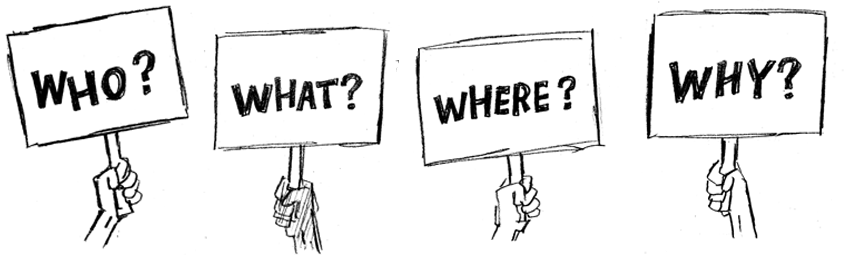
Understanding these #KISS psychological ideas helps – a little- to shovel the shit we need to compost. We need these small open spaces to plant challenges and changes needed for progressive movements growing alternatives. This is exactly why progressive movements need #4opens approaches, spaces for grassroots seedlings, and watering thoughtful engagement that resist the drought entrenched ideology. It’s hard work, but it’s the only way to grow alternative, sustainable communities and challenge the strong destructive cycles in politics and society.
You can help by contributing to initiatives like the Open Media Network: https://opencollective.com/open-media-network, supporting the creation of paths that let constructive dialogue, accountability, and shared understanding thrive.
