The tenth anniversary of the #EU referendum is approaching, and there is still talk about economics, institutions, and political strategy. But sitting through a discussion on this subject, the uncomfortable truth remains: the real transformation was not structural, it was psychological. And ten years later, it is still a mess.
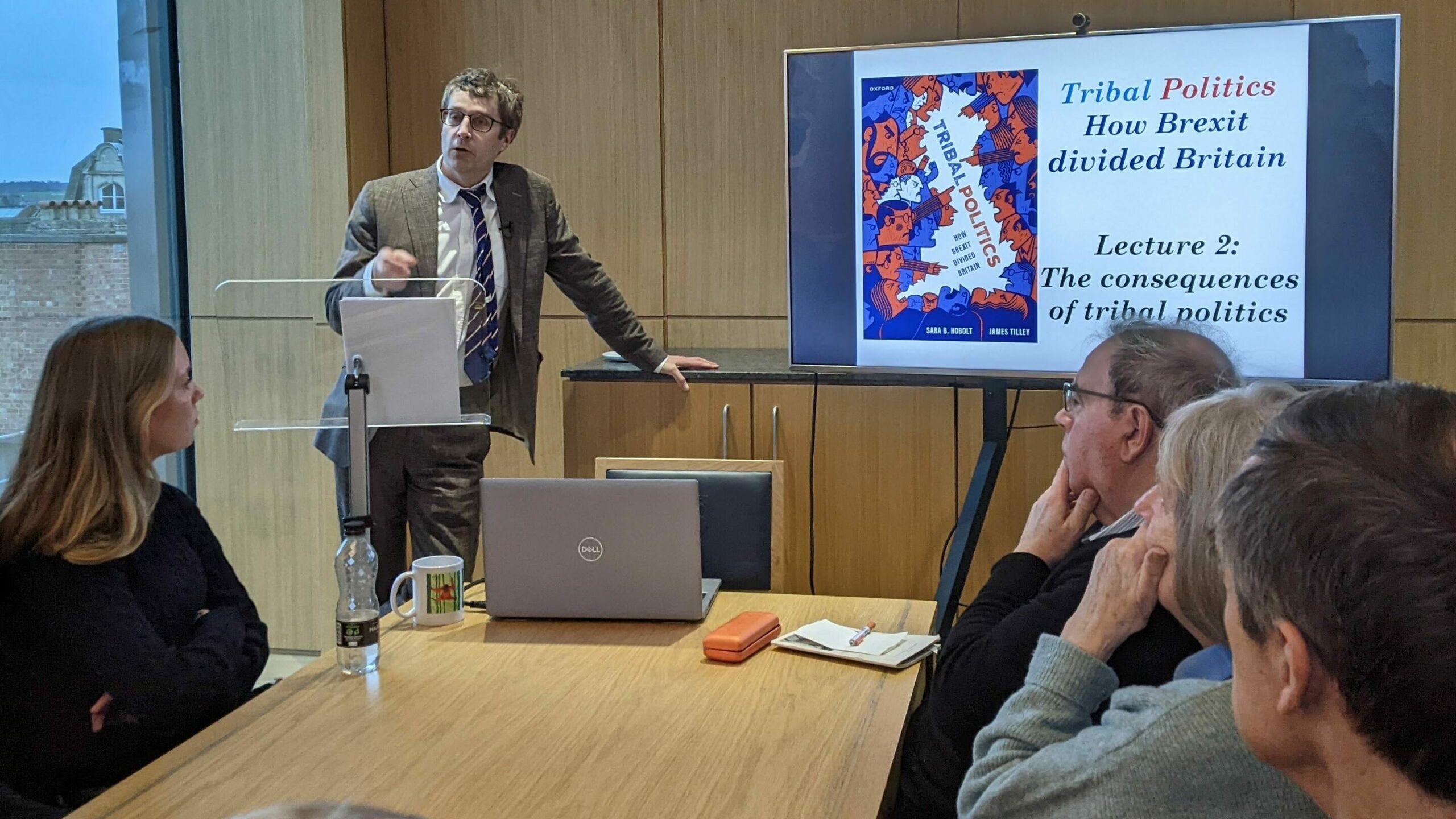
The statistics are stark. The divide between “Leavers” and “Remainers” persists long after the referendum itself faded into history. The identities remain entrenched, even as the practical realities that supposedly defined them blur and lose relevance. This suggests the divide is not primarily rational or policy-driven, it is psychological, cultural, and emotional.
In many ways, it is strange – almost absurd – that this split continues to shape British political identity so strongly. The original issue has moved on, the world has shifted, yet the identities remain frozen. For me this persistence comes from the lack of meaningful alternatives, when there is no shared narrative or collective project to replace the old divisions, people hold onto the identities they have, even when they never made any sense.
The hard-right instrumentalisation of the referendum did long-term damage to our social fabric. Political actors pushed tribal framing because it worked, it mobilised people through emotion rather than consensus. But once unleashed, this dynamic did not disappear, it reshaped how people see each other and how they interpret political reality itself.
Political identities existed before Brexit, but there was once a larger middle ground, a messy but functional consensus where disagreement did not translate into mutual hostility. The referendum hardened boundaries that had previously been softer. It turned difference into braking division. A growing disconnect between cultural elitists and broader society, might help to explain why the referendum could become such a powerful symbolic battleground, many people felt excluded from decision-making long before Brexit became the focal point.
What is striking from this event, is how some analyses continue to dismiss the role of algorithmic platforms – the #dotcons – in amplifying these divides. Ignoring the structural role of platform incentives, attention economies, and engagement-driven algorithms feels like a blind spot. Social media did not create division out of nothing, but it undeniably intensified and entrenched #blinded tribal identity. Likewise, dismissing disinformation entirely misses the broader dynamic: even without organised campaigns, for profit algorithm social ecosystems reward emotional narratives over any shared understanding.
Perhaps the most unsettling aspect of discussions about tribal politics is the quiet resignation that often accompanies them. “That’s the way the world is,” some commentators say, as if polarisation were an inevitable feature of modern life rather than a social outcome shaped by technology, media, and bad political choices. From my perspective, this fatalism is part of the problem. Disaster in leads to bigger disaster out, accepting division as normal ensures it continues.
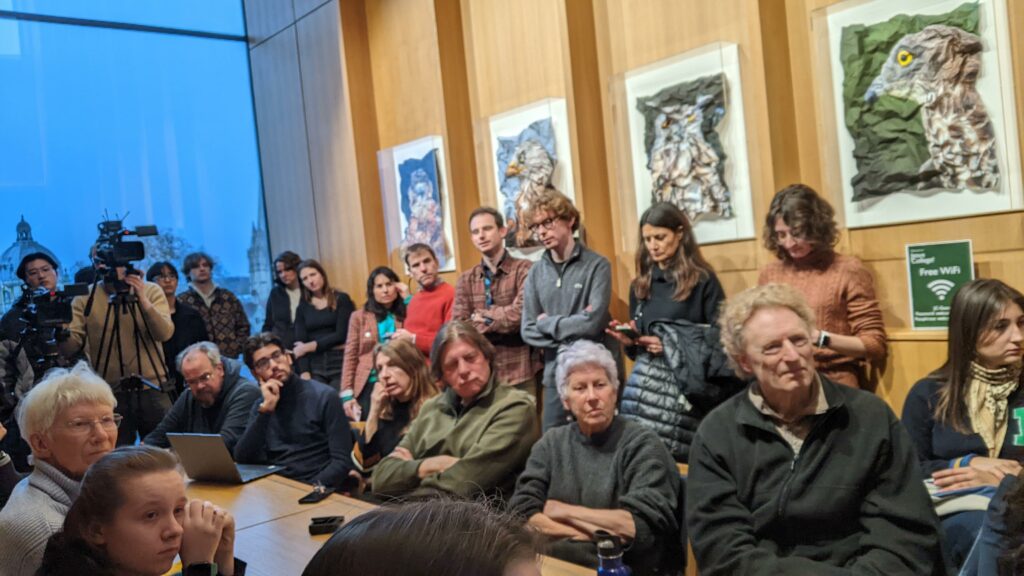
The deeper issue is that we have not yet built credible alternatives – social, technological, or cultural – that allow people to see tribal identity. Without shared spaces for dialogue, without media infrastructures designed for cooperation rather than conflict, the divide persists because there is nowhere else for collective energy to go. Ten years on, the lesson of Brexit may not be about sovereignty or trade deals, it may be about how fragile shared reality is, and how easily societies slide into identity-driven conflict when communication systems reward division over understanding.
The challenge now is not to analyse tribal politics, but to outgrow it. That means rebuilding common ground – culturally, socially, and technologically – rather than accepting fragmentation as the new normal. Because if we keep feeding the same dynamics, the outcome is predictable, mess in, and an even bigger mess out.

@info What kind of structures would help and is it realistic at all for them to both exist and have any effect?
Remote Reply
Original Comment URL
Your Profile
Why do I need to enter my profile?
This site is part of the ⁂ open social web, a network of interconnected social platforms (like Mastodon, Pixelfed, Friendica, and others). Unlike centralized social media, your account lives on a platform of your choice, and you can interact with people across different platforms.
By entering your profile, we can send you to your account where you can complete this action.