The networks we use shape who we are – and the networks we are given by #dotcons are designed to make us spectators. Every interaction is reduced to a metric: a like, a share, a click. We are data points to be monetised, attention to be harvested, behaviour to be predicted and sold, in this digital mess, connection is shallow, fleeting, and ultimately extractive.
The native #openweb and the #4opens offer a different path, when your networks are open, knowable, and modifiable, you stop being a statistic and start being a person again. Not just a profile, not just a follower count – a participant in a living community. You can see who is contributing, who is caring, and who is struggling. You can understand and thus shape your social environment and intervene meaningfully, rather than being nudged along invisible pipelines designed to maximise someone else’s profit and control.
Open systems give us tools to know each other better, not superficially, through algorithmic suggestions, but genuinely: by making relationships and contributions visible, traceable, and shareable in ways that respect the participants. Collaboration becomes possible without asking for permission. Knowledge, help, and support flow where they are needed. Trust can be rebuilt across distance and time, because the #KISS infrastructure encourages transparency, accountability, and mutual care.
This isn’t only about technology, it’s about escaping the social and technical isolation of the #dotcons, this mess of #CONTROL social media was sold to us as connection, but it atomised communities into consumable fragments, it told us we belonged to brands, not to people. Where the #4opens remind us that belonging is not transactional, and connection is not a product.
In open communities, relationships matter more than metrics, were reciprocity replaces algorithms, long levity replaces virality and care replaces performance. People organize not for attention, but for mutual survival, growth, and flourishing.
You can get a glimpse of the change and challenge in bodied in such projects as the #Fediverse. It can be radical: networks of care that scale, knowledge that accumulates instead of being enclosed, resilience that emerges from participation rather than extraction. Belonging becomes real again, and communities can function as spaces of power and support rather than private channels for profit.
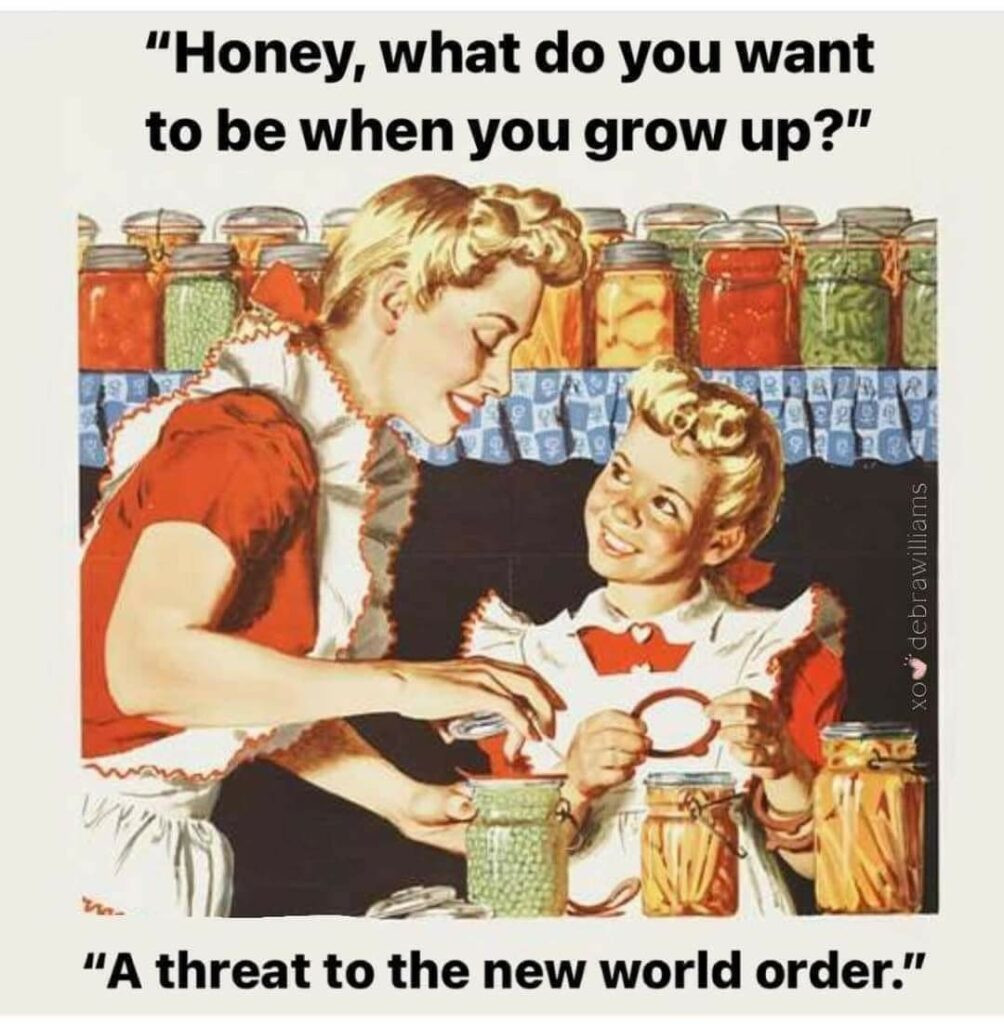
The choice is ours: continue to live as data points in someone else’s spectacle, or reclaim the digital commons as a path for genuine human connection. With the #4opens, the infrastructure is ready. The question is whether we will use it to rebuild what has been lost.
