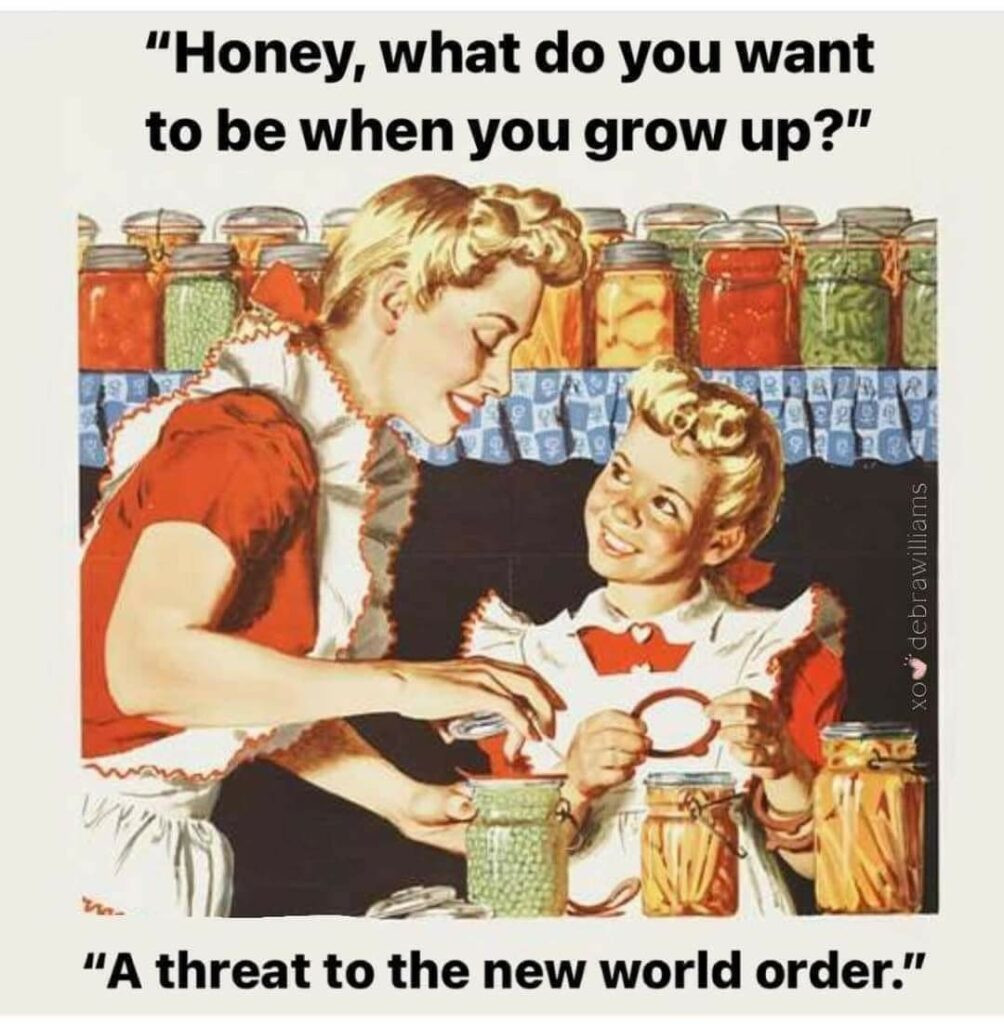
Calls for #degrowth are becoming unavoidable, because the facts are unavoidable. We are in ecological overshoot. We have consumed too many resources and produced too much waste. #Climatechaos and social breakdown with collapsing biodiversity are not side effects, they are #KISS signals that the system is very out of balance.
Degrowth is not primarily a population problem, it is an overconsumption problem, concentrated in the global North and among the wealthy everywhere. How we talk about degrowth matters, some framings slip quickly from ecological limits into dangerous territory. Phrases like “the population needs to fall below two billion” are intended as ecological realism, but historically and politically they have horrific baggage. The idea of “surplus population” has always been used to justify violence against those least responsible for growth and extraction. It slides far too easily into genocidal thinking, even when that is not the speaker’s intent.
That is an ethical failure, not a rhetorical quibble. There is solid research – from Hickel and others – showing that it is technically possible to provide everyone on the planet with a humane standard of living using perhaps 30% of current global energy and material throughput, if resources are distributed differently and wasteful consumption is cut at the top.
This matters because it shifts the problem from how many people exist to how systems are organised. That doesn’t mean population decline is irrelevant. An honest ethics of degrowth has to address it, but carefully, explicitly, and without euphemism. Population change will happen through demographic transition, not coercion: lower birth rates, longer lives, ageing societies. This brings real challenges: fewer working-age people, care burdens, pension systems built on endless growth, and deeply unequal patterns of consumption that won’t disappear on their own.
The real challenge is simple, how do we draw down “standard of living” while maintaining and improving quality of life? That means separating wellbeing from throughput. Less energy and material use does not have to mean worse lives, but only if we redesign systems around care, sufficiency, public goods, and social infrastructure rather than accumulation and profit. Housing, transport, food, health, and culture can improve even as total consumption falls, but not within the current growth-obsessed economic #deathcult logic.
When we fail to do this deliberately, it very much not going to be a smooth transition. It is collapse: scarcity managed by force, inequality hardened, and a global replay of Europe’s dark ages, this time without a stable climate or functioning ecosystems to recover into. Degrowth without ethics becomes brutality. Ethics without real structural change becomes denial.
The task is not to decide who should disappear, but to decide what must stop, what must shrink, and what must be rebuilt so that fewer resources support better lives for everyone.
That’s the real work #KISS