The Forgotten Story of Social Technology: Why It Matters

All code is ideology solidified into action – thus most contemporary code is capitalism, this is hardly a surprise if you think about this for a moment. Yes you can try and act on any ideology on top of this code, but the outcome and assumptions are preprogrammed, with this in mind let’s look at a path outside this current mess.

In the original “native” grassroots growth digital wilderness of the #openweb, our use of technology paths were seen as something esoteric—a domain of hackers, activists, and tech-savvy individuals who speak in code and operate in the margins. But beneath this perception lies a fundamental truth: social technology is not just for the few; it’s for everyone. It’s about how we connect, share, and build communities. And this matters more now than ever.

In the early days there was the path of open connections, let’s dip into this story in the early 2000s with an example, the rise of #Indymedia, a global network of #openweb independent media centres that emerged as a response to corporate control over #traditionalmedia. Indymedia pioneered social technology, using the internet to democratize information and give voice to those silenced by traditional media. Indymedia wasn’t only about the content; it was more the active community of people. This new social reality was revolutionary because it allowed communities to create their own paths to share media in wider public spaces without relying on corporate platforms. It was a glimpse into what the internet could be— decentralized, user and community controlled space for collaboration and free expression.

For many social change activists and technologists, Indymedia was much more than a tool; it was a focus, a feedback loop of power. It provided a way to organize, mobilize, and communicate outside the #blocking and watchful eyes of governments and corporations. But the significance of Indymedia and similar projects extended beyond this activism ghetto. The technical and social path represented a different vision of what the internet could be, that prioritized #4opens, community control, and freedom over “common sense” profit and surveillance.

What came after the implosion of this path, was the rise of the #dotcons and betrayal of the openweb. As the internet grew, so did the corporate interest in controlling it. Enter the #dotcons the tech giants like Google, Facebook, and Amazon, which have come to dominate the online landscape. These corporations offered free services that were easy to use and quickly became ubiquitous. But there was a catch: these services were free because the users themselves were the product. The #dotcons built their empires by harvesting data, selling ads, and creating silos that encouraged mindless scrolling rather than meaningful interaction. The openweb, the vision of a decentralized, user-controlled internet, was quickly replaced by a walled garden of corporate platforms that prioritized profit and control over people and #DIY culture.

This shift had implications, it wasn’t only about losing control over shared digital commons, it was about losing control over our communities, our communications, and our society. The internet, once a positive space for creativity and intervention, become an evil tool of surveillance and manipulation. The promise of social technology as a force for social good was eroded by the platforms that had once seemed so empowering.

Let’s talk about our worship of the #deathcult the #mainstreaming system that consumes everything. The ideology that underpins the dotcons and the broader #neoliberal system they are part of. This deadened path of endless growth, profit at any cost, and the concentration of power in the hands of a #nastyfew. An ideology that consumes everything in its path – communities, environments, and even our own sense of self.

This is not only a problem for activists; it’s a problem for everyone. The #deathcult turns us into consumers rather than citizens, prioritizing #stupidindividualism over community and short-term profit over long-term sustainability. An ideology that leads us to the environmental crisis, the erosion of social trust, and the ending of democracies. For anarchists and activists, the deathcult is the enemy to be fought. But for the average person, it’s the water we swim in, the invisible system that shapes our lives in ways we don’t even notice. Understanding this is crucial if we are to reclaim the internet, our communities, and any liveable future.

Reclaiming these commons is a role for the #4opens, if the deathcult is the problem, then the 4opens is part of the solution. The #4opens—opendata, opencode, openprocess, and openstandards—are #KISS paths to build a better internet. These principles are not only for activists; they are for anyone who sees the need to empower community and the importance of basic democracy.

Open data means that information should be accessible to all, not hoarded by corporations. Open code means that software should be transparent and modifiable, not a black box controlled by a few. Open governance means that decisions about how platforms are run should be made by the community, not imposed from above. And open standards mean that different systems should be able to work together, rather than being locked into proprietary formats. These principles are the foundation of the #openweb that empowers people, grows creativity, and builds communities, the foundation of a good society.

The Open Media Network (#OMN) is a path to create a native digital network based on the #4opens. The OMN is not only a technical project; it’s a social one. It’s about spaces where people can connect, share, and build without being subject to the whims of corporate control. It’s a reboot of the original web, learning from projects like #indymedia. The #OMN is a response to the failures of our use of the #dotcons and the worshipping of the deathcult. A way to reclaim the internet as a tool of good, rather than an evil weapon of control. It’s a way to rebuild the commons, the shared resources and spaces that are core to the path of the healthy society.

For #spiky hardcore progressives and anarchists, the OMN is a direct path we need to take to create the world we might want to see, where power is decentralized, and communities have control over their destinies. But for the #fluffy, everyone else, the OMN is a way to take back what has been lost in the corporate takeover of the internet. It’s a way to reconnect the original promise of the internet as free expression, collaboration, and community.

Why this social technology matters, at its core, social technology is how we connect with each other. It’s the tools we use to build relationships, share information, and create communities. These things matter for everyone, not only activists or anarchists. In the current mess dominated by corporate platforms, the openweb native path of social technology offers a way to reclaim our agency away from this mess. It offers a way to build systems that work for us, rather than against us. The story of social technology, as told by Hamish Campbell on this site, is a story of hope and possibility. It’s a story of what the internet could have been, and what it still can be.

The journey won’t be easy, but it is a journey worth taking. In the end, the #openweb is about more than technology; it’s about the kind of society we want to build, and the kind of people we want to be #KISS

The current “debate” about AI is a distraction #KISS

The debate over AI’s energy consumption is one piece of a larger mess about technological in the face of current existential risks. Yes, #AI’s energy demands are a huge #dotcons waste, but focusing only on this is distracting us from a more #4opens discussions about the underlying ideology and assumptions driving the #geekproblenm technological paths—an example, the ideas of #longtermism, lets look at ths:

#Longtermism is a philosophe prioritizes the far future, arguing that we should make decisions today that benefit humanity hundreds or thousands of years from now. Proponents of longtermism advocate for technological advancements like AI and space colonization, pushing that these will ultimately secure humanity’s future, that is after many of us have been killed and displaced by #climatchoas and the resulting social brake down of mass migration. The outcome of the last 40 years of worshipping the #deathcult is this sleight of hand by changing the subject, yes, its a mess.

This mindset is a ridiculous and obviously stupid path we should not take, some of the issues:

  • Overconfidence in predicting the future: Longtermists assume that we can reliably predict the long-term outcomes of our actions. History has shown that even short-term predictions are fraught with uncertainty. The idea that we can accurately forecast the impact of technologies like AI or space colonization centuries from now is, at best, speculative and, at worst, dangerously hubristic.
  • The danger of #geekproblem mentality, the idea that we should “tech harder” to solve our problems, that is, to invest more heavily in advanced technologies with the hope that they will eventually pull us out of our current crises, mirrors longtermist thinking. It assumes that the resource consumption, environmental degradation, and social upheaval caused by these technologies will be justified by the benefits they might bring in the future.

This path is the current mess and flawed for meany reasons:

  • Resource Consumption: The development of AI, space technologies, and other technological “solutions” requires vast amounts of energy and resources. If these technologies do not deliver the expected returns, the initial resource consumption itself exacerbate the crises we are trying to solve, such as the onrushing catastrophe of climate change.
  • Opportunity Costs: By focusing on speculative technologies, we neglect immediate and practical solutions, like transitioning away from fossil fuels, which mitigates some of the worst effects of climate change. These simpler, more grounded paths may not be as glamorous as AI or space travel, but they cannot backfire catastrophically.
  • Moral and Ethical Implications: Whether it is right to invest heavily in speculative technologies when there are pressing issues today that need addressing—issues that affect billions of lives. The idea that a few future lives might be more valuable than current ones is a dangerous and ethically questionable stance.

The is always a strong case for caution and pragmatism in technology. Instead of betting our future on high-stakes #geekproblem technological gambles, a pragmatic approach to focus on solutions that offer benefits today while reducing the risks of tomorrow is almost always a good path. For example, changing our social relations and economic systems away from the current #deathcult, by using social tools to investing in renewable energy, rethinking urban planning, and restore ecosystems would all be actions that can have immediate positive effects while also contributing to a humanistic future. This #KISS path carry far fewer risks if they turn out to be less impactful than hoped. The worst-case scenario with renewable energy is that it doesn’t solve every problem—but it won’t make them worse. In contrast, if AI or space colonization doesn’t deliver on its pie in the sky promises, the consequences are simply disastrous.

A #mainstreaming view of this mess

A call for grounded action, the challenge of our time is not to “tech harder” in the hope that advanced technologies will save us, but to consider the balance between “native” #4opens humanistic innovation and #dotcons caution. The example here #Longtermism, with its emphasis on far-off futures, leads us to a dangerous path by neglecting the immediate, tangible actions we can take now, not in a thousand years. We need to focus on paths that address our most pressing problems without risking everything on pie in the sky self-serving mess making. This means actions like reducing fossil fuel dependence, preserving biodiversity, and creating more change and challenge social systems like the #OMN and #OGB—steps that will help us build a resilient and humanist world for both the present and the future #KISS

The media noise about the current #AI is mostly noise https://www.bath.ac.uk/announcements/ai-poses-no-existential-threat-to-humanity-new-study-finds/ and money mess, it’s the normal #deathcult with a bit of kinda working tech.

A case study of upgrading a boat battery system

DRAFT

#Renogy is not the best but OK they are a #dotcons so have lots of coupons and discounts https://renogycanada.refr.cc/default/u/hamish think this is 10% off, there should be more, it’s a one shop.

Could try a more “native” path of https://www.bimblesolar.com/ but not as simple, though good if doing the solar panels as well.

The batteries are simple: https://uk.renogy.com/core-12v-24v-48v-200ah-deep-cycle-lithium-iron-phosphate-battery This could be done in a quick simple solar only way, maybe using the current #MPPT charge controller if it can be set for #LiFePO4 or if the charge controller needs replacing we could try for a much more complex dual engine and solar path: https://uk.renogy.com/dcc50s-12v-50a-dc-dc-on-board-battery-charger-with-mppt-new-version I did try and implement this more complex path 2 years ago, and it did not work, but with 2 years of upgrades it likely works OK now.

Then is a simply wiring and testing process, a bit of time, am happy to assist for mate’s rates as it’s a good thing to document for #DIY offgrid culture.

UPDATE:

#Bimble has come out with much cheaper batteries https://www.bimblesolar.com/batteries/12vbatts/Epever-12Vlifepo4-200Ah but no alternator engine charging path, so only the simple solar only path.

UPDATE:

The price of LiFePO4 has dropped so much that now it makes no sense to go for older technology need a new battery for my tender electric outboard, might try one of these https://aolithium.com/?ref=lifeboat anyone any experiences with the brand?

Trust in Mutual Aid Networks

When was the last time you talked about Mutual Aid as a tool for building resilience and solidarity, which works best within networks of trust. For mutual aid to function, there needs to be a foundation of relationships where people “know” each other. This isn’t just familiarity, it’s about understanding the needs, values, and dynamics of the community involved.

We build this path from “trust” – the role of trust networks is that members share common bonds, whether it’s geographical, ideological, or social. These help to ensure that resources are distributed fairly and reach those who need them. When people know each other, there’s an inherent accountability that strengthens this network. This trust is crucial because it ensures that mutual aid efforts are sustainable and effective, rather than being exploited and misdirected.

One thing that keeps coming up is the risk of feeding the #deathcult when mutual aid extends beyond these trust networks – such as when sharing needs or begging posts from people outside your community for example on the #dotcons or broadcast on the social networks of the #openweb -there’s a risk of unintentionally feeding the mess. The #deathcult is a pervasive system of exploitation and inequality that thrive on unthinking, unchecked resource distribution and manipulation. Without accountability in a trust network, resources are in part diverted to sustain the inherently destructive paths that “common sense” puts us all on.

What can balance this is in building and strengthening trust networks is that before sharing or contributing to mutual aid requests, it’s important to take the time to understand the community or individuals asking for help. What’s needed is getting to know the community by engaging with the community that the person is a part of. Understand their values, struggles, and the context in which they operate. This helps ensure that your support is going to a cause aligned with shared principles. Whenever possible, build direct relationships with the people you are helping, this can be through conversations, mutual friends, or shared activities. Knowing the person or group directly helps to build the needed trust and ensures your aid is helping rather than simply feeding at worst or propping up at best the current mess. Prioritize mutual aid efforts within communities you are connected to, or within wider networks you trust help to strengthen local resilience.

Conclusion, mutual aid is effective within networks of trust, where communities know and support each other. When sharing or responding to requests for help, please consider whether you are supporting a community need or inadvertently feeding the current messy paths of exploitation. By focusing on building and maintaining human trust networks, we help to ensure that mutual aid efforts are sustainable and beneficial to those who need them #KISS

https://crimethinc.com/2025/06/06/a-common-treasury-for-all-mutual-aid-and-the-revolutionary-abolition-of-capitalism-revisiting-the-difference-between-mutual-aid-and-charity

The insanity of #mainstreaming

Let’s look at this mess one more time.

When I actually call #mainstreaming people insane, I genuinely mean it. Common sense has become an illness born from 40 years of worshipping the #deathcult, leaving little actual “sense” in our society. This is a critical issue we urgently need to address to combat #climatechaos and the pervasive of the #geekproblem.

Living in the #deathcult, limits our power to effect change. Our media is created and distributed within #dotcons, which are products of our own #stupidindividualism. This cycle of self-destructive behaviour is repeated endlessly, perpetuating the status quo and hindering any hope of a different progress path.

The Problem with #StupidIndividualism, The hashtag can be read in two ways:

  • Constructive Truth: Your individualism makes you stupid.
  • Destructive Truth: Feeling personally insulted by being called stupid.

Both interpretations are valid, but the first one is the constructive truth I’m conveying. The second, feeling insulted, is a reaction rooted in #stupidindividualism itself. This reaction proves the point that our blinded individualism keeps us from the collective action and shared responsibility needed to take different paths.

Breaking the cycle is crucial, by understand that your individualism makes you stupid. This isn’t an insult but a wake-up call. We must recognize that prioritizing individual desires over collective good leads to detrimental outcomes. By embracing this constructive truth, we can begin to dismantle the #deathcult mindset and move towards a sustainable, community-driven approach to solving our pressing issues.

In conclusion, the insanity perpetuated by #dotcons and our current “common sense” is a barrier to meaningful change. We need to shift our perspective to address the environmental and social crises we face. A first step is that, only by acknowledging and overcoming our blinded individualistic tendencies can we hope to create a more balanced and sustainable path and any future.

Trust undermined by parodied fuckwittery is a hard bridged to build and keep in place. The #mainstreaming is poison on this path, it is why we need to change and challenge the current mess.

The Urgent Need for a Paradigm Shift

For the last 40 years, we’ve been entrenched in a system that pushes economic efficiency, shown by the rich getting richer while the poor get poorer. This mess has been touted as the ideal, leading to an “efficient” economic structure that, in reality, has been a disaster of environmental destruction and social disintegration. It’s well past time we recognize the worship of the #deathcult for what it is: a dire mistake that urgently needs correction to move away from the false idol of economic “efficiency”.

We need to rebalance for survival, to prioritize social and environmental sustainability rather than only blinded consumption to push mere economic “gain”. The last four decades of economic efficiency have destroyed the balance necessary for a stable and healthy society. If we continue down this path, we will face complete social disintegration and ecological disaster in the next 20 years.

Our current social structures are riddled with status games and toxic individualism, direct outcomes of the clective worship of the #deathcult. We need to move away from these destructive patterns if we want to live in a civil society in the coming years. This means rejecting “common sense” paths tainted with this worship and embracing collective, community-driven approaches. “Let us not flatter ourselves on account of our human victories over nature. For each such victory, nature takes its revenge on us.” – Friedrich Engels

We are in a mess, as highlighted by fluffy movements like #XR (Extinction Rebellion). On the positive path we need is planting grassroots media and alternative narratives, without this it is a real challenging to escape this mess. The #OMN offers a path forward, but it requires us to rethink our values and priorities fundamentally. We need to focus on this shift of power away from the #geekproblem and the #dotcons to the grassroots producers of media, culture and meaning. To foster a commons-based #openweb, economic, and social ecosystem.

This positive shift in power dynamics is a step in nurturing a #KISS more sustainable and equitable path. The wisdom from Engels reminds us that our actions have consequences. The environmental and social crises we face are nature’s “revenge” for our hubris and neglect. It’s time to change course and prioritize balance, sustainability, and collective well-being over short-term economic “gains” for the few. The time for change is now.

https://opencollective.com/open-media-network

In general, as a part of the hashtag story, I call this #stupidindividualism

More Than Just a Difference of Opinion

In today’s #mainstreaming political mess, the issue of #climatechange is sometimes seen as a matter of differing opinions. However, we need to be honest to recognize that climate denial, particularly among #mainstreaming people, is not a simple case of holding an alternative viewpoint; it’s a deliberate spread of misinformation.

The Reality of Climate Change we can see every day, it is a fact, supported by a consensus within the scientific community: rising global temperatures, melting ice caps, increasing frequency and intensity of extreme weather events, and shifting ecosystems all show the severe impact of human activities on our planet. The Intergovernmental Panel on Climate Change (#IPCC) have repeatedly confirmed these findings.

The motives behind climate denial, despite the scientific consensus, is to push falsehoods. Why? Financial Interests: Climate deniers are financially tied to industries that would be negatively impacted by stringent environmental regulations, such as the fossil fuel industry. These industries stand to lose billions if policies are enacted to reduce greenhouse gas emissions. Political Gain: Politicians deny climate change to align with their party’s stance, which is influenced by powerful lobbies. By doing so, they secure campaign contributions and political support. Ideological Reasons: Denying climate change is part of an ideological battle pushed by our blinded worship of the #deathcult that this “common sense” is blocking the needed intervention and regulation. Yes, the reality of climate change would require some of us to endorse policies we fundamentally oppose, it would bring into question the last 40 years of our worship, we might have to wait for some people to die out, for their blocking to end.

The consequences of denial, labelling climate denial as just another opinion trivializes the consequences it has on public policy and global well-being. The spread of misinformation leads to: Delayed Action where policy measures to combat climate change are postponed, worsening the impact and increasing the cost of mitigation efforts. Public Confusion, where people are misled about the severity of the issue, which undermines efforts to build the consensus for collective action. Global Harm of climate change are not confined by borders. Decisions made by deniers in the rich countries, have ramifications for ecosystems and communities worldwide.

Calling out the liars, is a first step, to make visible, what is a deliberate and harmful lie. The stakes are too high to treat it as a difference of opinion. Effective climate mediation requires a foundation built on truth and scientific integrity. We need to strongly push back and make accountable people and organizations who spread these lies, particularly those in positions of power. This involves, demanding #4opens transparency of politicians and public figures, a simple step is disclosing financial ties to industries that influence their stance on climate issues.

Climate change is the defining issue of our era, and addressing it requires a commitment to truth and action, both grassroots and mainstreaming. Climate deniers are not holding a different opinion; they are actively obstructing progress, by lying. We need to walk a truthful path, act on this, by starting to implement the actions and policies needed to protect, our society, environment and our planet.

Ps. This post applies to meany subjects, for example the #geekproblem and our use of the #dotcons

The Political Landscape of Social Media: We need Change

In the mess of today’s #dotcons news media, social media platforms have become the primary arenas for public discourse and political engagement. However, the political leanings of these platforms significantly influence the nature of the discussions that takes place. Here’s an overview of the political ground on which some of the major social media platforms stand:

X (Twitter): Far-right
Threads (Facebook/Instagram): Corporate right
Nostor: Libertarian right
Mastodon: Center-liberal

Despite the variety of platforms available, there is an absence of genuinely left-wing social media. This lack needs to be acknowledged, especially when trying to find support for projects like the #OMN (Open Media Network). The prevailing political inclinations of these paths are influenced by our worshipping the #deathcult, a useful hashtag describing the pervasive and invisible influence of #neoliberalism in our society. This influence leads most people to act in counterproductive ways without conscious thought, as part of the common sense path of maintaining the status quo and resisting change or challenge we need.

This unspoken political problem is a part of the issue, what is more important is basically we also need to understand the data paradigm, to navigate out of this entrenched system. We need to recognize the underlying structure of our socio-economic systems are fundamentally driven by data. Consider the following, please:

Capitalism: Essentially data.
Money: A form of data.
Society: Comprised of stories, which are data.
Your Device: A data conduit.
This Text: Data.

Without any left wing media, we give “them” and the data and metadata. We don’t have much access to data and, more importantly, metadata? Scenarios:

  • Open Data: Accessible to everyone, Metadata: Fully available to the public.
  • Closed Data: Restricted to the individual, Metadata: Controlled predominantly by corporations and governments.
  • Hybrid Data: Available to hosting corporations, governments, and paying companies. Limited to friends for personal data sharing. Metadata: Owned by corporations and utilized by governments.

The flow of these scenarios helps to mediate the sustainability of computer networks during the ongoing #climatechaos disaster. The path we take will shape the next 50 years of social and political change, it is important to think and act on this to find a path of more equitable distribution of data access.

Given the political biases of existing social media platforms and the overarching influence of data control, there is an urgent need for developing genuinely left-wing social media spaces. These platforms need to prioritize #4opens data access and metadata transparency to grow a more democratic and inclusive path through the next years of mess.

Supporting projects like the #OMN, which adhere to openness and community-driven governance, paves the way for such change. By challenging the #mainstreaming narratives and advocating for grassroots solutions, we work towards a path where data and metadata are democratized, ensuring that technology serves the public good rather than reinforcing existing #deathcult power structures.

In conclusion, we need to use the #4opens as a tool to evaluate the platforms we use and advocate for alternatives that align with values of openness, equity, and sustainability. By doing so, we can begin to dismantle the #deathcult and build a digital path to a ecosystem that supports #KISS social justice and collective progress.

Understanding the Hashtags: A Guide

This is a tool you can use, in the activism of the #openweb hashtag story, they can serve as tools to share complex ideas with social movements. On this site, I use a hashtag story to highlight both the positive and negative aspects of our current socio-political and technological paths. Here’s a guide to what some of these hashtags mean:

#deathcult: The pervasive influence of #neoliberalism, which operates invisibly in our minds, dictating aspects of society without us realizing it. Example: “The corporate-driven decisions affecting climate policies are a clear manifestation of the deathcult mindset.”

#dotcons: This highlights how we have been deceived into enriching a #nastyfew through the use of digital platforms and technologies. It’s a product of the #deathcult. Example: “Major social media platforms are the epitome of dotcons, prioritizing profit and control over people’s well-being.”

#stupidindividualism: This represents the peak of current social trends where extreme individualism overrides the balence of collective well-being to our detriment. Example: “The resistance to community-based solutions for climate change is rooted in stupidindividualism.”

#fashernistas: Flotsam influenced by fleeting trends and currents. In the #dotcons era, this refers to a large directionless majority. Example: “Influencers today are fashernistas, swayed by whatever is trending rather than contributing meaningful change.”

#4opens: A horizontal approach to technological development. Example: “Projects adhering to the 4opens principles build transparency and collaboration.”

#openweb: Refers to the decentralized digital network that revolutionized communication 30 years ago but is now pushed under by people’s use of the #dotcons. Example: “We must reclaim the openweb to preserve the internet’s native path of free and open communication.”

#stepaway: A safe method to break free from the addiction to #dotcons while maintaining connections with friends, one step at a time. Example: “By taking a stepaway, we can gradually reduce our reliance on exploitative digital platforms.”

#OMN: An #openweb project that has been in development for the last 20 years, based on the #4opens. Example: “The OMN initiative is a beacon of hope for creating a more democratic digital path.”

These hashtags offer a real perspective and a positive path in our needed digital and social choices. The negative hashtags (#deathcult, #dotcons, #stupidindividualism, and #fashernistas) point out the pitfalls and dangers we face, while the positive hashtags (#4opens, #openweb, #OMN, and #stepaway) offer pathways to more sustainable and community-oriented tech and social paths. By using and linking these stories, we build better, for real and meaningful change and challange.

It’s not hard (it’s kinda #fluffy)

Post-Modernism Influence on Social Movements

Leaving the fig leave of dead philosophies covering #liberalism and #neoliberalism, gives cover to continue ideological works, this mess masks and hides insidious agendas. By removing these fig leaves, we can see, understand and dismantle the mechanisms of power they obscure.

I have talked about this, a lot, let’s try one more time. The lingering #zombie of post-modernism and its influence on social movements and #mainstreaming anti-ideological “common sense”, despite being very much dead in most intellectual circles, continues to exert ongoing influence on thought. This lingering specter is not only academic debate but a tangible and invisible force that shapes ideologies, policies, and actions. Understanding the ramifications of post-modernism is a path to addressing the current societal mess and dismantling the layers of deception that obscure the nature of #liberalism and #neoliberalism.

The legacy of post-modernism, emerged in the mid-20th century as a reaction against the certainties and grand narratives of the progressive modernism with the denial of objective truths, embracing relativism, and deconstructing power and knowledge. While this philosophical approach did provide insights and can be used to challenge oppressive systems, with its embrace and twining with the #neoliberalism of the last 40 years it pushed a lot of the current mess, of pervasive skepticism and cynicism that undermined the path of collective action and coherence in social movements.

  • The Perils of Post-Modernist Relativism. Erosion of Truth: Post-modernism’s insistence on the relativity of truth has eroded the foundation of factual discourse. In a world where all narratives are equally valid, distinguishing between reality and fiction becomes opaque, creating fertile ground for misinformation and manipulation, as any attempt to assert objective truth is met with suspicion and relativistic counterarguments. This is the mess of our use of the #dotcons
  • Fragmentation of Social Movements: By emphasizing the multiplicity of perspectives and identities, post-modernism pushes the current fragmentation of social movements. While recognizing diverse voices is important, the lack of unifying visions leads to disjointed efforts that fail to achieve any substantial change. This fragmentation makes it possible for entrenched powers to maintain the status quo, as there is no cohesive opposition to challenge and change them. The mess we work in.
  • Depoliticization and Inaction: The post-modern emphasis on discourse and representation over material conditions and collective action leads to depoliticization. When activism becomes #fashionista shouting primarily about language and symbols rather than tangible change, it loses any efficacy. This shift from praxis to performative results in social movements that are about virtue signalling and status games rather than achieving concrete goals. The mess we are in today.
  • Liberalism has been a Fig Leaf for Imperialism: Liberalism, with its emphasis on individual freedoms and democratic values, serves as a fig leaf for imperialism. This is evident in foreign policies that justify interventionist actions in the name of spreading democracy and human rights. However, these interventions serve geopolitical and economic interests rather than the purported liberal ideals, leading to the exploitation and destabilization of other nations. The mess our apathy pushes over others.
  • Neo-Liberalism’s Economic Fig Leaf: Neo-liberalism uses economic theory as a fig leaf to conceal a conservative agenda that prioritizes corporate power and wealth accumulation over social welfare. Policies promoted under the cover of economic efficiency result in austerity measures, deregulation, and privatization, which harms the working class and marginalized communities while enriching the few. The mess we push over ourselves.

To move beyond the mess created by the undead philosophies which hides behind the fig leaves of liberalism and neoliberalism, we need a renewed commitment to social truth, solidarity, and collective action.

  • Reasserting Objective Truths: While acknowledging the complexity of reality, we must reclaim the importance of objective truths and evidence-based discourse. This involves resisting relativism and combating misinformation through critical thinking and basic media literacy. We need tools, shovels for this composting #OMN
  • Building Lose Unified Movements: Social movements need some unity without erasing diversity. This requires finding common ground and shared goals that can unite different groups in the pursuit of systemic change. Solidarity should be the cornerstone, enabling coordinated efforts that can actually challenge entrenched powers. We need federated p2p tools for this #OGB
  • Focusing on Material Conditions: Activism prioritizes material conditions and tangible outcomes over performative gestures. This means addressing economic inequality, environmental degradation, and social injustices through concrete policies and actions rather than symbolic acts. We need media for activism #indymediaback to build meaningful action.
  • Exposing and Dismantling Fig Leaves: By examining the fig leaves of liberalism and neo-liberalism, we can expose the motivations behind these ideologies and advocate for #grassroots alternatives that prioritize human well-being and ecological sustainability over #mainstreaming corporate profits and imperial ambitions. #makeinghistory is a #KISS tool for this.

The philosophy of post-modernism, despite its intellectual demise, continues to shape our “common sense” contemporary thought and social movements. To navigate this mess, we must compost the relativism and fragmentation it has pushed. By reasserting “objective” truths, building unifying movements, focusing on material conditions, and exposing ideological fig leaves, we can walk the path for a just, equitable, and sustainable future. It’s this simple, please try not to push prat down this path, thanks.

What can you do https://opencollective.com/open-media-network

A Critique of “fluffy” Leftist and Progressive #AI Paths

In our conversations on #AI there is a copyright trap, pushed in the #mainstreaming, the #fashionista conversation around protecting producers and cultural industries are growing hysterical. Some policymakers and activists are pushing for shielding creators from the very real threats posed by these new technologies. However, in their haste to act, leftist and progressive crew are advocating for the use of copyright law as a defensive path. This approach is a mess and fraught with contradictions and risks, a real “Copyright Trap”.

The Copyright Trap is the “common sense” belief that copyright law can be used as a tool to support and protect producers of our culture. This path is problematic:

  • Feudal Nature of Copyright: Copyright, along with patents and trademarks, is a form of intellectual property that comes from feudal rights. It grants semi-eternal rents to those who did not contribute to the production of the work, much like the way land was historically controlled by a few powerful lords.
  • Restriction of the Commons: Copyright takes works out of the public domain and locks them into walled gardens, thus restricting the commons. These runs counter to the principles of #4opens access and communal sharing that activists and progressives champion.
  • Injustice to Future Creators: By extending and expanding copyright protections, we make it harder for future producers to build upon the shoulders of giants. This stifles creativity, trapping future generations in a cycle of restricted access and limited freedom.

The mess underpin the current debates around AI and copyright:

  • “If Value, Then (Property) Right” Fallacy: This is the ideological belief that if something has value, it must be protected as property. This ignores the complex ways in which value is created and shared, particularly through communal and collaborative efforts, that do not fit into property rights dogma.
  • Unauthorized Copying as Inherently Wrongful: The idea that copying is wrong ignores the realities of how culture and knowledge developed through imitation, adaptation, and remixing. This perspective is particularly ill-suited to the #openweb era, where information is shared and transformed.
  • The Starving Artist Trope: This trope is resurrected to justify the expansion of copyright protections, suggesting that without such protections, artists will starve. This story fails to address the systemic issues that actually lead to the impoverishment of producers, such as inequitable distribution of wealth and the monopolistic practices in the #dotcons.

Using copyright as a weapon against AI companies is counterproductive and hypocritical for those who advocate for the rights of authors, creators, and intellectual workers:

  • Counter to Progressive Values: Copyright as it stands is a tool of capital that entrenches inequality and restricts access to knowledge and culture. Using it to protect producers from #AI companies simply reinforces a system that many leftists and progressives have long criticized.
  • Locking Up the Commons: Stronger copyright protections, risk enclosing the cultural commons, making it difficult for producers to share content freely to be built upon.
  • Hindering change and challenge: Stricter copyright laws stifle social activism, as new producers find it harder to access and build on existing works. This is detrimental in an era where collaborative and iterative creation is key to technological and cultural progress.

Alternative Approaches, to effectively address the risks and harms posed by generative AI, we need to move past the “copyright trap” and look towards more appropriate “native” paths:

  • Promote #4opens Open Access and Open Source: Encourage the use of open access and open source licenses and traditions that allow for the free sharing and modification of works. This helps knowledge and culture remain accessible for social use.
  • Equitable Funding Models: Develop new models for supporting creators that do not rely on restrictive copyright laws. This could include systems of public funding, grants, and cooperative ownership that ensure people are fairly compensated for their work without repressively restricting access.
  • Regulation of #AI Companies: Rather than using copyright as a blunt instrument, on the vertical path, we can regulate AI companies directly. This includes measures to ensure transparency, accountability, and fair compensation for the use of creative works.

The call to use copyright law to protect producers from the threats of #AI is not a useful path for leftist and progressive movements. Instead of reinforcing a flawed and restrictive system, we need to seek “native” #4opens paths that align with our values. By doing so, we build a future where both humane creativity and resulting technology can thrive in balance, and not just #techchun the current mess.

Why #AI is more #techshit

The Mess, Delusion Folly and Hysteria

It should be obvious to most of us that we’re moving through an era of mass delusion, unbridled folly, and unrestrained hysteria, with the old facts and reason’s forgotten amidst the building #climatechaos of social and ecological breakdown. We are in this mess due to the embrace of the #dotcons, the spread of misinformation and the decline of rational discourse that has now reached alarming levels. Social media platforms, echo chambers, and the proliferation of fake news have created a fertile ground for delusion to thrive. Conspiracy theories abound, gaining traction despite being thoroughly debunked. From anti-vaccine movements to flat Earth theories, unscientific beliefs flourish in the absence of #KISS skepticism.

“We’re living in an age of mass delusion, unbridled folly, unrestrained hysteria. Facts & reason have slipped down the back of the sofa and been forgotten. Our descendants (should there be any) will look back on this time the way we look back on our ergot-infected ancestors who arrested chickens on suspicion of using dark magic and believed wombs could wander around women’s bodies.” https://kolektiva.social/deck/@Richard_Littler@mastodon.social

The rise of these delusions is not only a result of ignorance, rather the outcome of our embracing of #postmodern and #neoliberalism that has been pushed over us for the last 40 years. This has lead to distrust in institutions, polarization, and the commodification of attention, all contributing to an environment where sensationalism overshadows substance. The erosion of shared reality undermines the foundation of democratic society, making it difficult to address catastrophic challenges such as #climatechaos or basic things like public health crises, and social inequality.

History offers examples of mass hysteria and folly that parallel our current predicament. The ergot-induced hallucinations of the Middle Ages, led to bizarre and irrational behaviour, are strikingly similar to the modern phenomenon of mass delusion. During the Salem witch trials, fear and superstition overpowered reason, leading to the persecution of innocent people. Similarly, the belief in “wandering wombs” reflects how unscientific ideas can dominate medical understanding and treatment.

These historical episodes remind us that human societies are vulnerable to waves of irrationality. They illustrate how fear, ignorance, and social dynamics create paths where absurd beliefs take hold. Importantly, they also highlight paths that exacerbating or mitigating these delusions. In the past, religious and political leaders fueled hysteria for their gain, much like our #mainstreaming crew that exploit misinformation for power and profit.

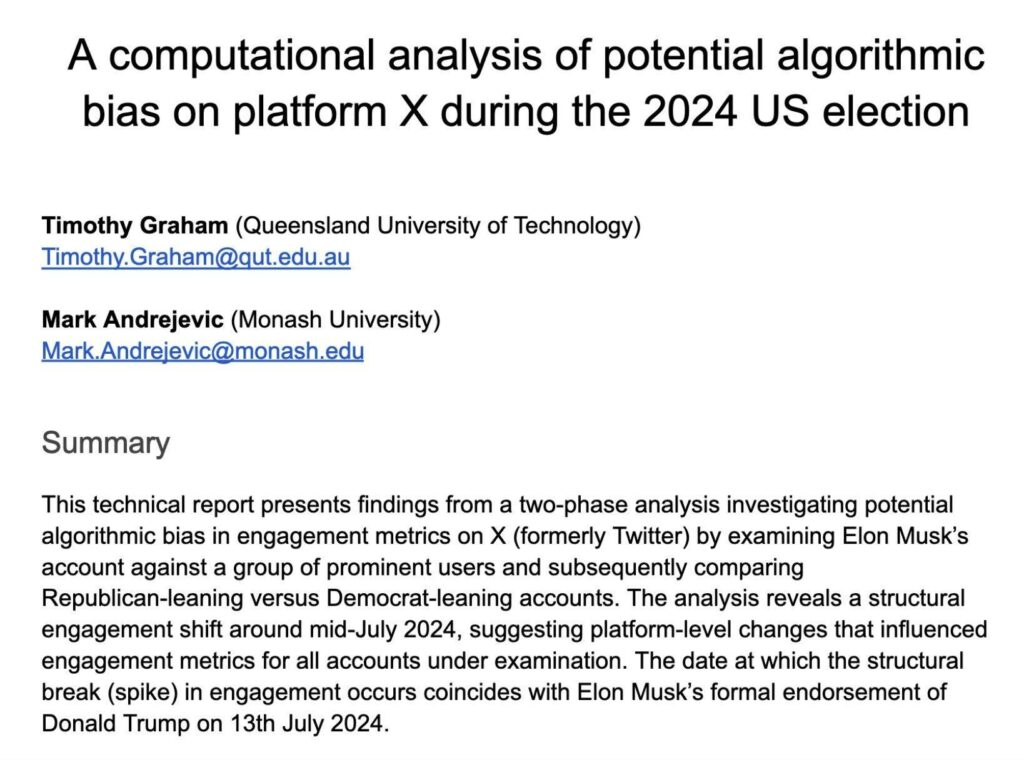
The role of technology in amplifying delusion, our embraces of the #dotcons age has magnified the impact of mass delusion. Algorithms designed to maximize engagement prioritize sensational and polarizing content, creating echo chambers that reinforce #mainstreaming mess, to amplify misinformation. The speed and reach of social media allow falsehoods to spread rapidly, outpacing efforts to debunk them. This environment fosters a culture where emotional appeals and confirmation bias trump evidence and any attempt at rationality.

The consequences of mass delusion are far-reaching and catastrophic. In the realm of public health, vaccine misinformation has led to the resurgence of preventable diseases. Climate change denial hampers efforts to address one of the most pressing existential threats facing humanity. Political polarization, fueled by misinformation, erodes trust in basic democracy and undermines our hard won social stability.

On a more personal level, individuals caught in the web of delusion suffer from cognitive dissonance, living in a reality disconnected from the social facts. This not only affects their decision-making, but also strains relationships and fosters an environment of suspicion and hostility. The cumulative effect is a mess where fear and mistrust easily push over cooperation and mutual understanding.

Addressing the age of mass delusion requires a multifaceted approach. Education systems must prioritize critical thinking and media literacy, equipping people with the tools to discern facts from fictions. We need to build institutions and networks like the #OMN, particularly in media and technology, to take some responsibility for curbing the spread of misinformation and promoting more reliable and truthful sources of information. Encouraging open dialogue can help bridge divides and rebuild trust in shared reality. The #4opens are a path to this to not only challenging falsehoods but also providing compelling narratives that resonate with people’s values and emotions. By creating a social environment that rewards paths of truth and reasonableness, we can push back at the tide of delusion and hysteria.

Our age of delusion, folly, and hysteria mirrors historical periods of irrationality and superstition. The erosion of shared social norms and reasonableness poses obverse risks to public health, democracy, and social cohesion. The path forward is clear, use the #4opens and tools like the #OMN to reclaim our commitment to truth and foster meany societies that value evidence and critical thinking #KISS

How can we get people not to be prats about this path, ideas, please?