Why “common sense” is a cage – we don’t have to worship this mess

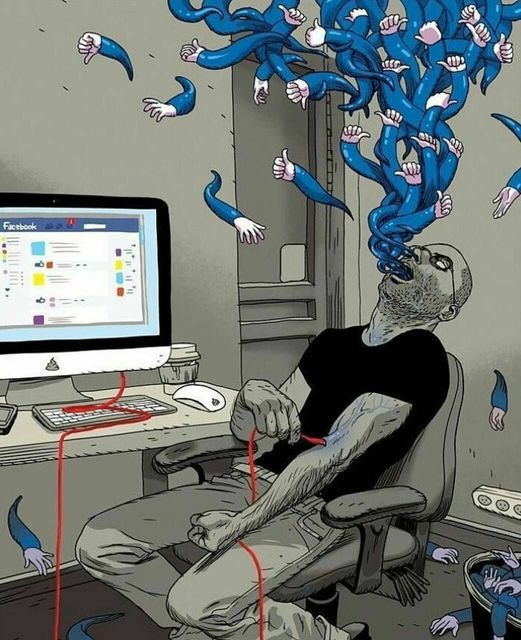
The problem of #dotcons is attention capture, its why #digitaldetox is a part of the #OMN toolbox. So lets look at why we need to act on the digital drug problem. The everyday digital drug fix starts with a notification, you pick up your phone because you get a notification. You unlock it, check the notification. Then maybe you look at one thing, then another, then another and suddenly an hour have disappeared.

You didn’t decide to spend the next hour staring at short videos selected by a #dotcons in the service of the #nastyfew. You didn’t sit down and make a conscious choice to enter the endless scroll, you just responded to a notification. Swipe – maybe this one is rubbish – swipe – that’s funny – swipe – boring – swipe – interesting – swipe – somebody attractive, and on it goes. This is the basic addiction of the #dotcons: turning our attention into a reaction rather than a choice. The important thing isn’t that one particular video is good or bad, the problem is loss of focus.

Every notification creates another injection, every swipe gives the algorithm a signal about what keeps you looking. The drug learns what holds you there, while you gradually lose track of why you picked up the phone in the first place. This isn’t communication in any real way, it’s an attention stealing machine and the more time we spend looking at it, the more normal the behaviour becomes. This is why #DigitalDetox project isn’t about telling people to “use their phones less”, its an AA meeting, we need to understand the drug is difficult to stop.

The phone isn’t the problem – digitaldetox is about #KISS technology to help people have more focus to participate in their communities. This mess we need to composting is social, the technology is a part, and yes the is piles of #techshit but under this surface is blinded ideology – the business model and the social architecture we think of as common sense.

The question is what infrastructure we build around those addictive behaviours, it is the problem with #mainstreaming, that it rarely looks like control from the inside the trap, it looks like common sense. People are presented with acceptable ideas, organizations, technologies and ways of working. Then, because everybody around them makings the same choices, those choices are “natural” – “This is just how things are done.”

But that “common sense” has a history. – for forty years, a mixture of #neoliberalism, #postmodernism, professionalisation and institutional culture has created a particular political and technological environment, that tells us that change should happen through recognized organizations, recognized experts, recognized funding structures and recognized channels.

Alternative paths are not forbidden, they are simply made difficult to see, and when people have spent decades inside this environment, asking them to look outside it can produce strong negative reaction. Then the problem is not simply bad people, it is tempting to describe this as a problem of individual personalities. Someone is arrogant, someone is ideological, someone is a gatekeeper, someone is “woke”, someone is a bureaucrat. But that misses the deeper problem, that people are shaped by the systems they live inside.

If your professional environment rewards certain ideas and punishes others, eventually you learn what can safely be said, learn which projects look fundable, learn which language gets accepted. You learn which organizations are considered legitimate. You also learn which people are worth listening to, its a #KISS social filter. The result is not only a conspiracy, it is something mundane and, more difficult to challenge, a culture reproducing itself. The people keep selecting things that make sense in the current #mainstreaming paths, and become evidence that the current #techshit mess is right all along.

This is one of the traps of #mainstreaming – its the grassroots problem we need to compost – grassroots projects come from somewhere completely different, they are messy, experimental and don’t always have professional language. They are built by people who see a #DIY problem and start doing something about it. That is where interesting alternatives begin, when these projects enter the mainstream funding and organizational environment, something bad happens. The project is asked to translate itself, then translate itself again to fit into a recognized category, demonstrate impact, scalability, governance, sustainability etc.

Then comes the compleat #block, it has to demonstrate that it already looks like something the funder understands, by the end, the thing being funded is very different from the thing that originally mattered. This fuck-up is not always malicious, it’s a structural problem of mainstreaming trying to make the unfamiliar familiar, and in doing so, it removes the qualities that made the grassroots project interesting in the first place. When we try and compost this #mainstreaming mess, people become defensive. When you challenge somebody’s “common sense”, you are not challenging an opinion, you may end up challenging their social position, their professional identity and their understanding of how the world works. That feels threatening, so its normal that the response is defensive.

Instead of asking “Could this alternative actually work?” the conversation becomes “Why aren’t you doing this properly?” Then comes the familiar #blocking “Use the proper channels.”“Talk to the right people.” “Get the stakeholders together.” “Build consensus.” “Follow the process.” “That’s not how things work.” And sometimes these are perfectly reasonable suggestions, but sometimes “proper process” is simply #blocking, ensuring that nothing outside the existing system can ever become legitimate.

The #OMN is built from a different starting point, it does not share any assumption that the existing institutions can solve the problems. It starts with people, communities, media and flows to build useful things the people can use, avoiding technical complexity to make participation is possible. We need these native technology’s as tech has its own version of the problem, the #geekproblem that assumes, if something is technically possible, the technical architecture should determine how people behave. This is the way power accumulates around administrators, developers, institutions and large communities, it is social. Thus, simply making something “open source” does not automatically make it socially open.

It is why matters, open data, open source, open standards and open processes are not the whole answer, but they can create space for communities to make their answers. Mediation rather than control, the answer to messy human behaviour is not more control. The #OMN is closer to a river than a filing cabinet, objects flow, people contribute to the flow, communities filter and shape the flow. Different places can create different views of the same underlying information. Some things become trusted – some things remain uncertain. Some things disappear from a particular view without pretending that they have magically ceased to exist everywhere.

This is a very different idea of network governance, its organic, its about composting the mess. The #openweb has accumulated decades of corporate platforms, closed APIs, surveillance economics, status games, technological churn, institutional habits and ideological baggage. There is a huge pile of shit, the answer is not to pretend otherwise, we compost it, take what is useful, break down what is harmful. Reuse existing tools, keep the lessons, discard the assumptions to help grow something new from what remains.

That is a more practical form of radicalism than simply traditional #fashionista left declaring that everything has to be destroyed and rebuilt from zero. It is also why #KISS matters, keep it simple, make the useful thing work. The real challenge to compost is cultural, the barrier to alternative technology is often not technology it self, it is the problem of common sense imagination. People need to imagine that things could work differently, then after this grassroots paths need space to experiment, to grow, before they are forced into the current #mainstreaming.

Funders like #NLnet need to recognize that something can be valuable before it has already become institutionally respectable. And #mainstreaming organizations need to understand that they are not the source of innovation, as to often they are the last people to notice this, that does not mean abandoning them, but it means not making them the only path.

So the question becomes, how can we convince them to build real alternatives, we can just to spend another twenty years trying to convince a closed system that it should become open. The path out of this mess is simple build something open, don’t waist to much time and focus explaining to institutions why grassroots communities deserve infrastructure. And don’t wait for “the right people” to give permission, start with the people who are already doing the work.

The important shift is from permission to participation, from ownership to commons, from control to mediation, from platforms to flows. From mainstreaming the grassroots into existing institutions to letting grassroots practice grow outward into the wider culture. The existing “common sense” can be composted, it is not inevitable, it is simply what has grown around us, to become a mess. We don’t have to worship the mess, we can pick up a shovel, turn the pile, let it breathe and grow something better from it.

Don’t be a duck

The #openweb is #4opens, where dues this place the current #AI path?

To understand and walk this, lets look at an example of the mess we need to compost – by lifting the lid on the current #AI noise. The problem, isn’t simply whether #AI is intelligent; it is who controls the infrastructure, what incentives drive it, and whether technology serves people or turns people into components of the machine. When can see this we might be able to see, thus act on the #OMN trajectory: technology → power → participation → open infrastructure → commons, let try and get past the #fashionista mess of whether #AI is or isn’t “really intelligent.” as this is a lot of #mainstreaming noise.

AI is going to take all our jobs.
AI is going to transform everything.
AI is going to become conscious.
AI is going to kill us.
AI is going to save us.

Some of these claims might be true, some are noise and others certainly nonsense. The more useful questions are simpler – Who controls the technology, what are they trying to achieve, and who gets to decide how it is used? This is where the #OMN view of technology starts, don’t believe the hype – but don’t ignore the technology.

One of the problems we need to mediate, is, we should be careful about criticizing AI by repeating the claims made by the #dotcons (AI companies). If a company tells us its system is basically becoming a digital human, and we respond by saying “yes, but this digital human is dangerous”, we have already accepted their framing, we are helping improve there profits and power by repeating there story.

The same thing happens with the last generation of #dotcons, #Facebook told us its algorithm understands us, #Google tells us its systems are intelligent, #AI companies tell us their models are reasoning. Most of this is smoke and mirrors that we should be ignoring if we actually wont to see anything real.

This next #dotcons #AI boom involves enormous amounts of investment in computing infrastructure, data centres, chips and energy. The companies involved are under pressure to keep growing because the financial system only rewards growth. This produces a dangerous feedback loop, a company needs to keep growing as investors expect growth, the company therefore needs a new story about future growth, the technology becomes that story. The investment creates infrastructure, the infrastructure creates pressure to find uses for it, the uses become evidence that the technology is inevitable. Then more investment follows, it isn’t only a conspiracy, it is a #KISS system of incentives.

The better approach for us is to look underneath the noise. Q. What does the system actually do? What infrastructure does it require? Who pays for it? Who owns it? Who benefits? What happens when it fails? What happens to the workers? What happens to the users? What happens to the communities around it? All are more interesting than arguing about whether a snake oil chatbot is “really thinking”.

And this is an important #OMN lesson – technology does not exist outside society – the code is one layer, underneath the code are ownership, money, labour, institutions, energy, law, culture and power, when we get distracted and ignore those lower layers we don’t understand the technology at all. When this happens the mess we constantly have to compost is that this pushing of #techchurn isn’t innovation. We’ve seen this before, #web02 was going to transform everything, then crypto, NFTs. Then the metaverse, and then whatever the next shiny thing was.

Each wave arrived with claims about revolutionary transformation, yes some of the technologies were useful, but the investment system doesn’t reward usefulness, it rewards growth stories. This produces #techchurn, endless technological change driven partly by the need to find the next thing to invest in, rather than by any clearly identified social need. This is not new, we have been pushing this kinda mess since the industrial revolution.

So, how can we compost this mainstreaming mess, one path we tried and it kinda worked in the 20 century was socialism, or in the western guise social democracy. This is a different politics from simply saying “technology bad”. That older question takes us directly into territory were there is another mythology we need to challenge – Markets don’t produce good technology, the idea that if a technology is useful, the market will automatically discover the best version of it. History doesn’t support this well, this is why the #openweb matters. A genuinely open network gives people alternative paths. Open standards reduce #dotcons lock-in. Open source makes systems modifiable. Open data makes information reusable. Open process makes power visible.

The fourth one of these is especially important, so that the social consequences of technology aren’t hidden inside the code. We can find them hidden inside the process, who funded the project? Who decided the priorities? Who was consulted? Who wasn’t? Who owns the infrastructure? Who gets to change it? Who carries the social and ecological risk? Who gets the benefit? If those questions aren’t visible, the technology is normally reproducing the same old power structures, we need to compost.

This mess is not only to be found in technological we can use the to look and judge social paths. The same thing happens with markets, with bureaucracies, algorithms. The system follows its incentives, consequences emerge from the interaction between the system and the world. This is the reason #KISS matters, don’t invent unnecessary mythology when a simpler explanation works.

Open source is a social technology, one of the strengths of #FOSS is that people can inspect the system. That doesn’t magically make it secure, but it creates a culture in which claims can be challenged, problems exposed and were people can build alternatives. The current #mainstreaming path is not this, its repeating trust us:

Trust the company.

Trust the algorithm.

Trust the secret model.

Trust the security team.

Trust the executives.

Trust the experts.

Trust the investor story.

That is the kind of technological hierarchy that the native #openweb paths needs to challenging with a shovel. Native paths, need native technologies, with community participation, not #dotcons or #geekproblem technologies of obedience. Our path is about composting the layer of abstraction between people and reality – technology can make people more capable or it can make people more manageable, this simply understanding is what makes #OMN a shovel.

The #OMN isn’t trying to build another AI-powered social media platform or creating a better algorithm, it isn’t trying to replace one technological priesthood with another, the #OMN is much more basic.

News.
Archiving.
And eventually, down the road, governance.

The idea is to build infrastructure where people participate in the flows of information rather than being only consumers. Events come into the network – People and communities add context – Stories connect and organize those events – Objects move between nodes – Metadata gets added and corrected – Different communities can see different things – Useful information can spread – Useless information is allowed to decay.

And, nobody has to maintain one giant master database containing the “correct” version of reality. This is a what we call a #datasoup, messy, living, federated information environment. And that mess isn’t weakness, it becomes the very resilience we need. Distributed systems need distributed understanding.

The #OMN path is deliberately different from the dominant AI model, were the dominant model says: collect everything → centralize it → train the model → produce the answer. The #OMN is closer to: collect from many places → connect → tag → contextualize → challenge → correct → archive → feed back into the network.

As I keep saying, this is not an attempt to create a perfect database, it is an attempt to create flows of trust. The network flows become the process of understanding. That is why federation matters, open process matters, why human moderation matters. It is why disagreement matters, and why we don’t need another central algorithm deciding what everybody should see.

In our current economics: People are inputs, workers are costs. Communities become markets. Attention becomes a resource. Knowledge becomes training data. Care becomes an inefficiency. That should reveal to you the common sense #deathcult mess we need to compost. That is the #OMN path, technology is a tool, the question that matters is who holds it, who maintains it, who benefits from it, and what kind of society it helps us to build.

Care is missing in the current mess, in a better world, a worker cares about the person using the product, a journalist cares whether the information is true, a nurse cares whether the patient gets better, a programmer cares whether the software actually works, a community cares whether its infrastructure remains useful after the funding runs out. This is difficult to understand for only automated paths because care isn’t an optimization problem, it is a social relationship.

The future doesn’t need more technological priests, it needs people able to pick up the tools, understand how they work, challenge the assumptions behind them and use them together.

That is the #openweb path, that is .

A more progressive liberal view of this same #AI mess

#OMN #openweb #FOSS #AI #automation #techchurn #techshit #dotcons #geekproblem #commons #KISS

There is a wide gap between the people who talk about changing society and the people who actually have to live in the current mess

The #fashionista left problem isn’t simply “bad messaging”, but the loss of relationships, class politics and ordinary participation. This left path is #blocking, leading to a serious problem, that there is a growing gap between the people who talk about changing society and the people who actually have to live with the consequences of the society we have.

A lot of contemporary so-called left politics has become a culture of credentials, language, status and moral performance. Political activity becomes a test of whether you know the correct vocabulary, have read the correct theory and can demonstrate the correct politics. Meanwhile, people are dealing with rent, wages, insecure work, debt, housing, transport, healthcare and the basic struggle to get through the week.

This isn’t an argument that cultural or identity issues don’t matter, they do. But when cultural politics displaces material politics, something fundamental has gone wrong. And the answer isn’t to assume that working-class people are stupid, ignorant or simply “brainwashed” by the right. That attitude is itself a form of class contempt.

People have reasons for being angry, they have experiences, relationships, communities. They have knowledge that doesn’t come with a university certificate. The right has become good at recognising that anger and offering people belonging, even while offering economic policies that ultimately benefit only the #nastyfew billionaires and capital.

The mess in the left too often does the opposite, it offers people a lecture about why their existing culture, language or opinions are wrong before it offers them any meaningful collective power. That is backwards, politics begins with people working together around things that materially improve their lives. Better wages, housing, shorter working weeks, strong unions, public services to grow more time and power for ordinary people.

The left is supposed to be about, build solidarity through doing things together. You don’t need everyone to agree about everything before they can work together. In fact, demanding ideological agreement before allowing participation is one of the fastest ways to destroy a mass movement.

This is where I think the #OMN approach matters as a practical way to step away from this current blocking of left paths. #KISS we need less political performance and more participation, less gatekeeping and more open infrastructure, less obsession with who has the correct politics and more ability for different people to contribute, argue, cooperate and build something together.

The goal isn’t to make everyone think the same, it is to build enough trust and shared power that ordinary people can actually change the conditions they live in. That’s the old left and in today’s mess, a much more difficult politics, but it is also a much more democratic one.

#OMN #openweb #commons #workingclass #solidarity #democracy #politics #class

The old system is already compost, the question is what we grow from this mess

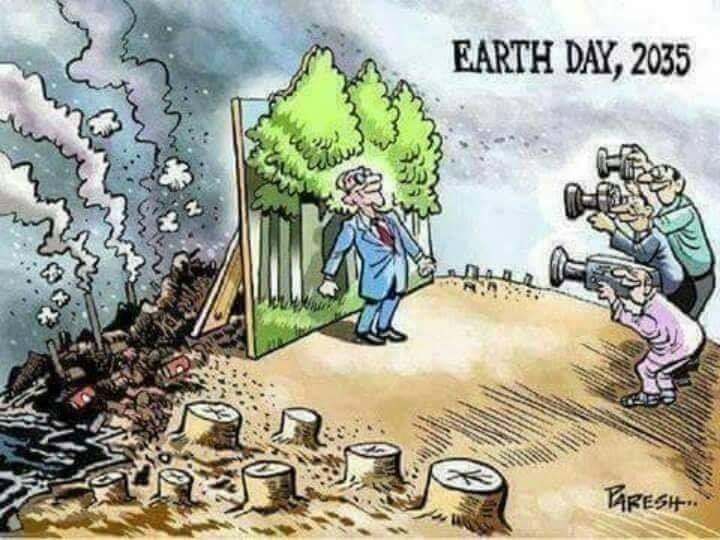
We need to stop talking about “climate change” as though we are discussing a slightly inconvenient change in the weather. Climate change is too soft, too neutral. Climate change makes it sound as though something simply happened to us. It didn’t, we pushed this mess, we built an economic system that treats the living world as raw material, turns everything into property, pushes everything through markets and then calls the resulting destruction “growth”. The next twenty years will be the “bill” we pay for this short-sighted greed. And the really dangerous part is that we are still trying to solve the problem using the same thinking that created it.

Welcome to #climatechaos, not one dramatic event that starts on a particular day, it is chronic, it accumulates, compounds. It moves through food systems, water systems, ecosystems, economies and communities. This makes it politically difficult because there is no single moment when everyone can point at the disaster and say, there it is. Instead, the extremes get worse, harvest fails, rivers floods, insurance disappears. The food price rises, drought lasts longer and finally the ecosystem quietly collapses. But one thing that is becoming common sense is we cannot carry on pretending this is normal.

A small step is that the language matters “Global warming” sounds almost pleasant, “Climate change” sounds neutral. Climate breakdown tells us something more important, there is a direction of travel, continuing accelerating the conditions that make human and ecological life less stable. That is what the next twenty years are, yes science based global averages are useful, but the things communities actually experience are extremes – heat, flooding, drought, food insecurity and other disruptions.

Living through the consequences, will show that today’s common sense, the #neoliberal answer to #climatechaos is wonderfully convenient for the #nastyfew – you are the problem, you have the wrong car, eat the wrong food, you use too much energy and bough the wrong thing. You didn’t recycle enough, and feel guilty.

This is the #deathcult at work, the individual is made responsible for a systemic crisis while the systems generating the crisis remain untouched. The absurdity is the dumping of climate responsibility onto individuals while corporations continue selling products that cause global warming. This mess isn’t accidental – #stupidindividualism is politically useful as isolated individuals have very little power. Where communities, workers, cooperatives, movements and collective action do have power.

By now it should become a little obvious that we don’t need greener consumption, what we do need a different relationship with the living world, the current uncomfortable path. Let’s make this plan – #Climatechaos isn’t an energy problem, it isn’t just a transport problem, it isn’t just a technology problem, it is a problem with how we understand ourselves. We have built a culture around the idea that everything exists to be owned, land, water, animals, forests, minerals, knowledge, attention. Even our relationships, on the #dotcons, become a commodity.

Everything becomes something that can be extracted, then we are surprised when the living systems collapse. To start to compost this mess the next twenty years need to be more about moving from ownership to participation, from extraction to stewardship. About better balancing competition and cooperation to move from isolated individuals to resilient communities. In an economic sense from commodities to commons. And yes, it is a much bigger political project than buying an electric car.

Food is going to expose the current blinded stupidity, food is where the abstraction ends. You can argue about climate models forever, but when food becomes unreliable and expensive, everyone understands. The climate discussion points to the vulnerability of agricultural systems, including dependence on a few major crops due to growing pressure on farming from heat, drought and extreme weather.

The response cannot simply be another technological monoculture. We need real diversity, more resilient crops, local knowledge, healthy soils to grow this biodiversity. We need shorter and more resilient supply chains, community food systems. And probably a much more serious conversation about what we choose to eat and how much land and sea we devote to producing it because agriculture isn’t happening outside nature.

The next twenty years will remind us that nature is not decoration, currently we treat biodiversity as something nice to have after the economy has been sorted out. But ecosystems are part of the economy, wetlands manage water, salt marshes protect coasts, healthy soils support food, forests regulate water and store carbon. Biodiversity provides resilience, this is not romantic environmentalism, it is infrastructure.

And then comes the techno-fix – whenever capitalism encounters a problem caused by technology, extraction and industrial growth, it offers us more technology. So next we get geoengineering, perhaps we can reflect sunlight, perhaps we can manipulate the atmosphere, perhaps we can capture carbon, perhaps artificial intelligence will optimise everything. Or perhaps some billionaire will save the planet. This is the reheated #mainstreaming #geekproblem version of climate politics, the problem is that the blinded underlying assumption, the system is fine, we just need a better machine.

But, unspoken is more mess we then need to compost – Who gets to control the thermostat? Who decides? Who is accountable? Who gets protected? Who gets sacrificed? These are not engineering questions, they are political questions, the next twenty years will be a democratic test of where the climate crisis becomes bigger than climate policy. We are going to have to make real choices about where should people live, what happens to communities that cannot be protected? Who pays? Who decides? What technologies are acceptable? And from a deep green prospective what land is for humans? What land is for the rest of life?

There are no purely technical answers, science can tell us what is happening, it tells us what happens if emissions continue. But science cannot decide what kind of society we want, that is politics, at best it is democracy. And at worst it is where the #mainstreaming agenda becomes dangerous as #climatechaos doesn’t care about our current political comfort zones. To find a path through this mess, we have created, we need resilience, not reassurance

Doom on its own is useless, but pretending everything will be fine is worse, people need real information about what is happening? What are the risks? What can we do? What can our community do to prepare, to organise? This is why #KISS communication needs to become local and participatory.

The example of community-based #OMN like projects matter – people come together, learn what is happening and then discuss what they can do locally. The process itself builds resilience, this should be obvious. A community is more resilient when it knows how to communicate, when it can share information. More resilient when it trusts people, when it has local knowledge and more resilient when it has shared infrastructure to remember what happened last time.

That is why media matters – the rebooted #openweb becomes climate infrastructure – where the #climatecrisis connects directly to the #OMN. We need an information infrastructure that belongs to communities rather than corporations, so communities can continue to document what happens to them. Because when the next flood comes, the official report six months later isn’t enough. The native #openweb can be part of the infrastructure of climate resilience that is if we stop treating it as another marketplace for attention.

The #OMN is native to this kind of future, it’s not a climate project in the narrow sense. But the underlying problem is the same – how do we build systems that support collective intelligence rather than extracting it? How do we allow people to publish, share, moderate, correct and preserve information without handing control to a handful of #closedweb platforms?

How do we create the trust we need without building more centralised authority? How do we make community knowledge persistent? How do we build infrastructure that can survive the failures of individualist #dotcons platforms? These questions become much more important as #climatechaos increases. Because resilience requires distributed systems, but not just technically distributed systems, we also need socially distributed systems.

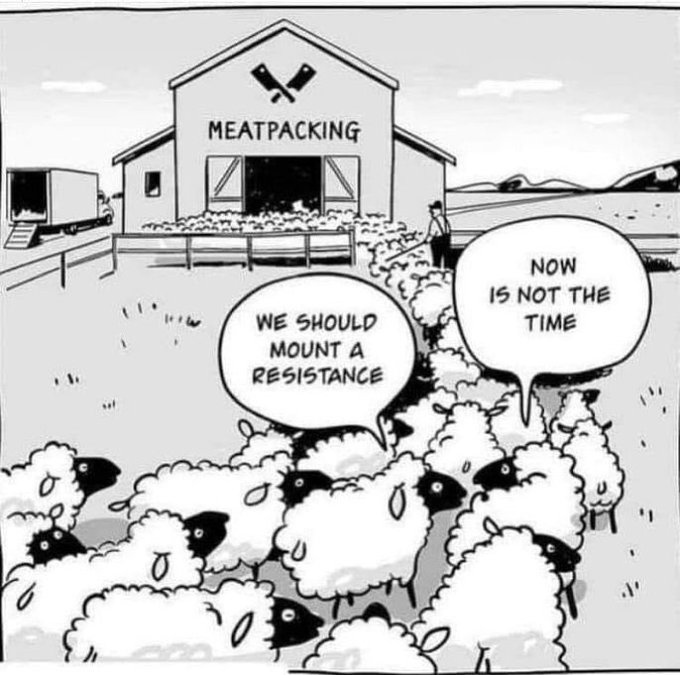
The mainstream will always tell us – now is not the time, too radical, too expensive, too difficult, too political for people to accept, or the market isn’t ready, the technology isn’t ready. We have had 20 years of stalling change and challenge: we need more evidence, consultation or another #fashionista report. The #KISS answer is simple, NO, we have had decades, the next twenty years we either build resilience or discover how truly fragile we really are.

On a thin but needed positive note, the #climatecrisis is already producing the conditions for change, the question is whether that change is democratic or authoritarian. And in a narrow sense of our #openweb culture, whether it breaks the monopoly of the #geekproblem or gives it more power. It’s a simple choice of do we compost the old system or let it push us aside.

To not simply be pushed aside we need political movements capable of defending life in its widest sense, yes, the next twenty years will not be comfortable. There will be disruption, loss, conflict and there will be failures. But the future is not simply something that happens to us, it is something we organise. So please stop asking “How do I, personally, save the planet?” and ask “What can we build together that makes a different future possible?” in short get off your knees from worshipping the #deathcult, and stop waiting for the #mainstreaming agenda to save us.

  • In internet culture, stop handing every problem to the #geekproblem.
  • Light green environmentalism stop turning climate action into consumer guilt.
  • In economics stop treating nature as an externality.
  • In fashion, stop treating people as consumers.

To compost current mainstreaming mess, we need to start treating people as participants to rebuild the commons and infrastructure of trust. In short, we need people to #makinghistory, by getting the bloody shovels out. The old system is already compost, the question is what we grow from it.

#climatechaos #climatebreakdown #deathcult #mainstreaming #geekproblem #commons #openweb #OMN #MakingHistory #resilience

Update: I just read this you should too https://hamishcampbell.com/wp-content/uploads/2026/08/National_security_assessment_-_global_biodiversity_loss__ecosystem_collapse_and_national_security.pdf

Living through twenty years of #dotcons addiction

For those of us who’ve spent the last twenty years working around alternative technology, grassroots media and activism, the hardest thing to watch has been how deeply the #dotcons have become embedded in the culture. We know the problems, we’ve been talking about surveillance, extraction, algorithmic manipulation, platform lock-in and the destruction of community for years. And yet we keep going back, not because people are stupid, but because addiction is powerful – especially when the thing you’re addicted to is also where everyone else is.

This is where #mainstreaming becomes such a problem. People have been, and still are, vile in their interactions with the alternatives. Instead of helping build something different, too much energy gets spent defending the existing system, attacking people trying alternatives, or having endless prat fights about which alternative is ideologically pure enough. The result? We waste years fighting each other while the #dotcons keep growing.

Our #mainstreaming crew/friends are always pushing pointless fights over alternatives, while defending the obvious worship of the #deathcult – forty years of #neoliberal “common sense” normalised extraction, competition, growth and individual consumption as if these were laws of nature, they aren’t, they are political choices. And “common sense” built around those choices is going to take time – and a lot of messy work – to change.

That’s what we mean by composting, not throwing people away, not creating another subculture purity club. Taking the accumulated #techshit, failed projects, bad assumptions, ego battles, corporate habits and activist baggage and turning it into something useful. Because dumping Big Tech isn’t just a matter of personal politics, it isn’t even primarily about “tech sovereignty” – that is another con when sovereignty means building our own little versions of the same extractive systems. It’s about survival – Big Tech is the latest flag-bearer for our recurring worship of #deathcults.

After living through this mess, we don’t need another shiny platform, we need to recover the ability to build things together. Small-scale, federated, open, human, trust-based, with memory and governance. With communities that can survive the failure of the latest #dotcons or #fashionista platform. That’s the point of the #openweb, #FOSS, #Indymedia and projects like #OMN. Not another tech fashion, more a way out of the addiction. So, grab a shoal and compost this mess, please.

Our failure to mediate the mess

The current #AI boom is built on a huge contradiction, you can see this in #mainstreaming terms. That AI companies are not paying the real costs of what they consume. They haven’t paid for the copyrighted material they trained on. They haven’t paid the environmental costs of the water and electricity they use. They haven’t paid for the pressure they place on public infrastructure, or for the social costs of flooding the web with synthetic content.

Yet AI services are sold below their true cost, subsidised by investors gambling on future monopolies. This should sound familiar as we saw the same pattern with social media, with the gig economy, with cryptocurrency. First comes the hype, then investor money, then comes market capture, only later do the public pay the real costs.

The problem is like every time before is not the technology itself, it is that we’re allowing it to develop within the logic of the #deathcult, where growth matters more than social value, extraction matters more than care, and monopoly matters more than the commons. Simply shouting “ban AI” won’t solve this, nor will pretending everything is fine. We need to actively and democratically mediate this technology socially, which means asking (and acting on) questions the tech industry never asks.

This is where the #OMN approach matters, technology doesn’t exist outside society as every technical system embeds social values, whether intentionally or not. If we leave the current mess AI is making entirely to venture capital, Big Tech and the market, we shouldn’t be surprised when it reproduces the same inequalities and failures of those systems.

This mess is a part of our long-standing #geekproblem, that technical culture mistakes technical possibility for social progress. Yes, sometimes it is not driven by malice, more often it’s a feedback loop of arrogance and ignorance, where clever engineering is assumed to be enough, while questions of governance, trust and community are treated as secondary, or more likely ignored altogether. The result is endless #techchurn: one wave of disruption after another, each promising liberation while quietly or noisily reproducing the same concentrations of power.

We don’t need to knee-jerk reject technology, we need to compost the culture that keeps producing these #techshit outcomes. The offer one practical path, this needed path is not anti-tech, but it is pro-society. On the path we need to take, the challenge isn’t stopping progress, it is widening the culture that guides creativity, so technology can better serves people and the planet rather than the current narrow blinded interests of capital, feeding the #nastyfew.

That’s the work of the #openweb, and the path of #OMN.

What part can you play? The #openweb is one place to start, keep it simple (#KISS), build commons, compost the mess. The political centre created this mess. Four decades of neoliberal “common sense” deepened inequality, weakened democracy, privatised public goods, and pushed us beyond ecological limits. Yet much of the centre still offers only more of the same: better management of the #deathcult rather than a path beyond it.

That leaves a dangerous vacuum. If progressive movements cannot offer practical alternatives, the far right will continue to grow by presenting itself as the only force willing to confront the crisis. Their answers are built on fear, exclusion and authoritarianism – but they resonate because they acknowledge that the old system is failing, while the centre too often pretends it can be repaired.

Simply defending the status quo is not enough. Nor is retreating into abstract radicalism disconnected from everyday life. We need practical, grassroots alternatives that people can participate in and build themselves.

This same pattern appears in technology. Our #geekproblem isn’t primarily bad code – it’s a culture of arrogance and ignorance. Technical communities often reproduce the assumptions of the wider society without questioning them. They celebrate disruption while recreating centralisation. They mistake individual freedom for collective liberation, reproducing #stupidindividualism while unconsciously serving the logic of the #deathcult.

This isn’t usually malicious. It’s a feedback loop. The culture produces the technology, and the technology reinforces the culture. The answer isn’t to reject technology. It’s to mediate it socially.

The offer a simple path:

  • Open Data keeps knowledge in the commons.
  • Open Source keeps tools accountable.
  • Open Standards prevent enclosure.
  • Open Process ensures communities – not just developers or investors – shape the progress.

We need to use this to composting 40 Years of “Common Sense”, For the last 40 years, #neoliberalism and #postmodernism have shaped what passes for “common sense” in #mainstreaming society. Their influence runs so deep that many assumptions now feel natural rather than ideological. When these assumptions are challenged, people react defensively, not because they’re bad people, but because their worldview feels under attack.

This isn’t just a mainstream problem. Activist spaces reproduce the same patterns. The result is endless circular arguments, performative politics, and fragmentation rather than solidarity. Our task isn’t simply to oppose this culture, it’s to mediate it, to compost the mess rather than pretend it doesn’t exist. Composting means taking the waste of the last forty years – failed assumptions, captured institutions, #techchurn, #fashionista politics, and individualism – and turning it into fertile ground for something better.

The worrying trend is that the grassroots signal is being submerged beneath an echo chamber of #mainstreaming voices. On many #fashionista threads, noise overwhelms practical action. We spend time performing politics rather than building the infrastructure movements need. That requires empathy, patience, and practical organising. It means creating spaces where people can step outside inherited “common sense” without feeling they have to defend it. It means building working alternatives instead of only criticising broken systems.

The answer isn’t to shout louder, it’s to build better spaces, better tools, and better processes. The signal-to-noise ratio can change again, but only if we do the patient work of mediation, trust-building and commons creation – The work of #OMN.

The culture of #FOSS

Three years ago I wrote: “I get the feeling we are running on dregs on the #fediverse dev side. Social movements come in waves; this one is ebbing into the #mainstreaming. No bad thing, but not, I think, what any of us want for ‘our’ #openweb.”

Looking back, I wonder what has actually changed – and more importantly, what have we learned? The #Fediverse has grown, more people know about decentralised social media, more organisations are paying attention, and the ideas that once lived mostly in activist and technical circles have moved closer to the #mainstreaming.

But growth always brings questions – What happens when movements become successful enough that the surrounding culture starts changing? The early #openweb was built around different assumptions that people have agency, communities shaping their own spaces, experimentation over optimisation, trust over control and commons over platforms. The #mainstreaming process brings different pressures of scale, professionalisation, funding, institutional legitimacy, standardisation and “safe” governance structures.

None of these things are automatically bad. A movement cannot stay frozen in its early phase forever, but there is a risk that the thing being scaled is only the technology, while the culture that gave it meaning gets diluted. Maybe we need to talk more about how the #openweb was never just about protocols, federation is a technical idea, living commons is a social one. Three years on, the challenge is still the same, how do we grow without losing the roots? The #OMN view has always been that we need both:

  • The fluffy path — welcoming people, building bridges, making things usable.
  • The spiky path — challenging capture, resisting enclosure, keeping power visible.

Without the fluffy path, alternatives stay small and isolated. Without the spiky path, alternatives get absorbed into the same systems they were meant to challenge. So maybe the question is not “did the Fediverse win?” The question is more what kind of victory are we building towards? A bigger version of the old internet? Or a genuinely different culture of communication? This question is still the work, the seeds are there, but are we are tending the garden, or just watching the weeds grow.

It might be useful to look at a narrow view of this. The #FOSS (Free and Open Source Software) world is one of the greatest successes of the #openweb era. Without it there would be no Linux, no Apache, no Firefox, no Wikipedia-scale infrastructure, no Fediverse, and much of the internet would simply not function. The culture has produced extraordinary amounts of shared value. But from an #OMN perspective, success should not stop us looking critically at the social dynamics underneath. The question is not whether #FOSS works. The question is: who does it work for, where does it struggle, and what can we learn from both?

A resent example, from a native #openweb perspective, this non “just fork it” diatribe is not about code at all, more how we misunderstand collective work in an age of growing #stupidindividualism. The #geekproblem framing treats open source as a marketplace of sovereign individuals – I do my work. You do yours. If you don’t like it, go away and rebuild it alone. That looks like freedom, but it’s actually a deep cultural narrowing. Because what gets erased in that framing is the social fabric that makes FOSS work in the first place, yes, technically you can fork, walk away and rebuild. But socially, that’s not neutral. It assumes that collective effort is disposable and that coordination is optional. That’s where #stupidindividualism kicks in, the fantasy that all meaningful action is just isolated agents choosing between exit options.

In reality, most functioning open source systems are not built on exit, they are built on ongoing relationships between contributors, trust built through repeated interaction, informal negotiation of direction, shared norms about responsibility and maintenance and a lot of invisible care work that never shows up in the code. The “just fork it” response hides this by pretending power is symmetrical, it isn’t. Maintainers don’t just “own code” – they sit at choke points of attention, merge authority, reputation, and continuity. Forking isn’t just copying code; it’s rebuilding all of that social infrastructure from scratch. So when “just fork it” is used as a dismissal, it’s not a statement about technical freedom, it’s a way of closing down negotiation while maintaining the appearance of openness.

That’s the concern, not whether forks are possible, but how often they are used to avoid the harder work of collective problem-solving in shared space. Because there are two very different meanings of forking:

  • Healthy fork (fluffy) based on experimentation, divergence where needs differ, pluralism in practice and sometimes leading back to upstream collaboration.
  • Fragmentation fork (spiky reality of #stupidindividualism) growing from social breakdown disguised as technical freedom, loss of shared direction, duplication of effort due to failed mediation and communities replaced by isolated projects.

The distinction is not technical – it’s social coherence before the fork happens. In a healthy #openweb culture, “fork it” is a last resort after dialogue has failed, differences are irreconcilable or experimentation genuinely needs independence. Were in #stupidindividualism culture, it becomes the first reflex with disagreement → exit → rebuild alone → repeat fragmentation cycle. That cycle produces the illusion of freedom while steadily destroying any shared capacity that builds real freedom.

The real question is not “Do you have the right to fork?” Of course, you do. The real question is “Are we maintaining enough shared social infrastructure that we don’t always have to?” Because if every disagreement becomes a fork, then we don’t have ecosystems – we have atomised toolboxes with no collective memory. And at that point, the system is no longer open in any meaningful sense. It is just individualism with better licensing.

The commons → #geekproblem → meritocracy → forking → #stupidindividualism. But on a positive note from an #OMN perspective, #FOSS remains one of the healthiest cultures we have. The challenge is not to abandon it, but to compost the #geekproblem and grow stronger social practices alongside the technical ones. The future of the #openweb depends on both.

In this mess we have to keep shovelling to compost the negative smell of #fashionista – That is a socio-political and tech-subculture #hashtag used to describe performative activists, influencers, or lifestyle subcultural participants from the grassroots, open-source tech, and radical political communities who prioritize the aesthetic and language of activism over the unglamorous, foundational work of building actual structures.

  • Performative engagement, trendy slogans and identity-driven rhetoric over substantive, embedded organisation.
  • Echo chambers, exclusive, inward-facing discussions that fail to translate into any impact.
  • Trend hopping, between “ethical” or radical tech and social projects without committing in meaningfully ways to their development or maintenance.

A #blocking cultural tendency to adopt a radical or alternative aesthetic without understanding or participating in the unglamorous work required to enact actual change or challenge.

When Technologists Forget the Warning

The thing about #techbro culture is that some of the most #elitists people grew up loving stories that warned us about the #techshit they are building. They read the dystopias, watched the films, they understood the dangers of unchecked capital, concentrated power, surveillance, artificial intelligence, inequality, and corporate control.

Then many of them decided “Great idea. Let’s build it.” as the #geekproblem made them think they knew better. This is what our #fashionista class call the #tormentnexus problem – the moment when a warning about a future goes wrong becomes interpreted as a blueprint for that future. The issue is not that people like technology, science fiction, fantasy, or engineering. The #openweb itself grew from people who loved exploring what technology could make possible. The problem is when technical possibility becomes separated from social consequence.

A story like Dune is not simply about a powerful individual changing history. It is a warning about charismatic power, messianic thinking, and the danger of believing one person can control complex systems. A story like Snow Crash is not just a cool vision of virtual worlds. It is a satire of corporate fragmentation, private control, and a society where everything becomes a service. A story like Blade Runner is not simply a stylish future aesthetic. It asks what happens when technology creates beings and systems that challenge our ideas of humanity, rights, and exploitation.

But our blinded #mainstreaming started removing the politics from the stories. They kept the shiny machines, they kept the aesthetics, the power fantasies. They discarded the warnings, the #geekproblem is about capability without consequence. A recurring problem in technology culture is that engineering thinking often asks:“Can we build this?” That is an important question, but society has to ask “Should we build this?” And “Who benefits?” And “What happens to the people who have no power in this system?”.

The #geekproblem is not that engineers are bad people. It is the cultural mistake of believing technical problems can be separated from social reality. A better algorithm will not automatically solve inequality, more data will not automatically create wisdom, more automation will not automatically create freedom.

The blinded #geekproblem myth of the chosen builder, is another pattern that appears again and again. The people building these systems imagine themselves as the exception, the story says “Yes, this technology could be dangerous in the wrong hands, but I am different, I will use it responsibly.” This is the same #elitists fantasy that many cautionary stories warn against.

A system can be technically brilliant and socially destructive, the history of technology is full of examples where innovation created new problems alongside the solutions. The factory increased production but created new forms of exploitation, the car increased mobility but reshaped cities around machines. #dotcons social media connected people but also created control, surveillance, manipulation, and attention extraction. The question is never only what technology can do, the question is what kind of society technology grows.

The problem is not bad individuals, though they exist. The problem is social and economic paths that concentrate power and reduce accountability. The danger is not only the evil ruler, more it’s creating structures where rulers become inevitable. This is why the #openweb matters, real power is not finding a better king, it is building #KISS systems where power is distributed, visible, and accountable.

Our current worship of capital rewards the wrong interpretation, is another uncomfortable part of this. The market rewards the most dangerous reading of a story. The cautionary version says “Maybe we should not build this because it creates harm.” The investment version says “Can we build it faster than everyone else?” The version that creates companies, funding rounds, patents, and control is usually the one that wins. The result is that technology is shaped by incentives that favour scale, speed, and ownership. Not care, community, resilience or long-term social health. This is the mess we need to compost to not end up with a world where the same systems criticised in dystopian fiction become business opportunities.

The missing piece is growing the commons, not with anti-technology (the wrong lesson) – The answer is technology embedded in social systems that understand responsibility. This is where the original #openweb ideas matter – growing from open processes, transparent development, shared ownership, community governance and public interest infrastructure. The lesson of #FOSS was never simply “Anyone can copy the code.” The deeper lesson was “People can collectively build and maintain things outside pure market logic.”

It should be obverse that the technical commons will need social commons, without that, open code can still become captured by closed paths. The solution is the challenge for projects like #OMN, #OGB, , and #indymediaback – not to reject technology – to keep asking a different question not “How do we build the next big thing?” but “How do we build things that help people build together?”

The future does not need more isolated #eletist builders trying to control complexity, it needs communities capable of navigating complexity. The opposite of the #tormentnexus is not rejecting technology, its is more about creating technology where the social relationships come first.

The #openweb was never just about protocols, federation is technical – a commons is social. The work now is making sure we do not build the dystopias our own stories spent decades warning us about. The warning signs are there, the question is whether we listen.

The everyday con: How the #deathcult turns crisis into extraction

The story is simple once you stop looking at the green branding and start looking at social power. A powerless tenant farmer in the Cairngorms watches land his family has worked for generations sell for ten times what it was worth only a few years ago. Not because farming suddenly became more valuable, but because carbon became a speculative asset. A corporation somewhere needs a green badge, farm land becomes the badge, our agriculture disappearing becomes the cost. This is not a “mistake”, its normal, this is the “common sense” system working as designed. #ClimateChaos under capitalism becomes another market opportunity, another asset class, another enclosure of the commons.

The mechanism of the #Carboncon, a corporation that has power can carry on almost exactly as before climate change became an issue: same factories, same flights, same extraction, same emissions, same growth ideology. Then it buys a Scottish hillside, plants trees on it, and announces to the world that it is now “carbon neutral.” If it wants more PR sparkle, it calls itself “carbon negative.” Nothing fundamental changes. The emissions are still happening, extraction is still happening, the destruction is still happening.

What changes is the accounting story, a piece of land somewhere else is converted into a tradable abstraction that launders the corporation’s image while allowing business-as-usual to continue. This is the logic of #neoliberalism applied to ecology – if there is a crisis, turn the crisis into a market. Our glaring current example of this is BrewDog and its greenwashing cycle, #BrewDog becomes a perfect illustration of the mess, in 2020 the company bought a 9,300-acre Highland estate, partly funded through public grants, promising millions of trees and “carbon negative” operations.

Then reality hit a large number of trees died, peat disturbance has released stored carbon, regulators ruled the carbon-negative advertising misleading, the branding quietly disappeared, and the estate was later sold into the carbon-offset market. Public money in, #PR campaign launched, trees dead, farmer displaced, badge worn, land commodified and Carbon credits traded – Business continues as normal, round and round the #deathcult spins.

This should sound historically familiar: The Highland Clearances never really ended, the justification changed. Then it was sheep, now it is carbon. Communities are again being displaced by distant capital as land is consolidated into investment portfolios instead of living local economies. The mess is productive mixed-use landscapes are transformed into speculative ecological assets managed for investors, corporations, and global finance.

This is enclosure updated for the era of #climatechaos. Around half of Scottish estate sales in recent years have gone to investment funds, corporations, and large trusts rather than people intending to actually live on and work the land. At the same time local communities are priced out, young farmers are locked out, food production declines, rural life becomes hollowed out, and decision-making moves further away from the people directly affected.

The language changes, the extraction remains the same, the deeper problem is that people still expect the systems causing the crisis to somehow solve the crisis. But capitalism does not solve crises, it monetises them – when pollution becomes profitable, pollution markets appear, when climate collapses, carbon markets appear, when social breakdown accelerates, surveillance markets appear, when loneliness spreads, platform monopolies appear. The system feeds on crisis because crisis creates new opportunities for extraction #KISS.

This is why the #mainstreaming obsession with “green growth” is ideological theatre, infinite growth on a finite planet was always insane, adding green branding does not make it sane in any way. The carbon market does not reduce emissions, it redistributes responsibility while preserving existing power structures. The food grown by local farmers is real, the communities rooted in landscapes are real, the accumulated ecological knowledge is real. The carbon spreadsheet is an abstraction traded by financial actors who have little or no connection to the land itself.

This is where projects like #OMN matter, its path is about rebuilding the social infrastructure needed for collective action outside the control of #dotcons, PR agencies, NGOs, and corporate gatekeepers. Because right now, the stories people hear are shaped by institutions whose survival depends on preserving the existing system. The corporation has a marketing department, the local people usually does not, so the lies travel faster than the truth.

The #openweb matters because communities need their own media infrastructure to organise, communicate, document to resist enclosure in all its modern forms. Without this, even resistance becomes mediated through controlling paths designed to neutralise it. A society built on commodification will commodify nature, society built on extraction will extract from ecological collapse itself, society built on #stupidindividualism will struggle to defend commons and collective life in any meaningful way. This is why we need to become the change and challenge, not through current common sense purity politics, not through #fashionista performative consumerism, and definitely not through corporate-approved and funded activism.

But through rebuilding #OMN commons-based culture and infrastructure from the ground up, by compost not branding – our tools are shovels, not greenwashed investment portfolios. The future depends on whether we keep feeding the #deathcult or start growing alternatives.

#OMN #OpenWeb #ClimateChaos #CarbonCredits #Commons #FoodSovereignty #MutualAid #LandJustice #Enclosure #Deathcult #Dotcons #Mainstreaming #NothingNew

The 20th century imagination was heavily shaped by engineering thinking

This is an important tension to think through carefully, because there is a long activist history here, and a lot of current movements are stumbling into it half-consciously. The 20th century modernist imagination was heavily shaped by engineering thinking – identify the problem, build the system, apply the fix, and scale the solution.

That mindset gave us massive infrastructure, industrial production, bureaucratic governance, and later digital platforms. It also produced many disasters because human societies are not machines. A huge amount of modern activism inherited this engineering worldview without really questioning it. So every crisis became a platform problem, a governance mechanism problem, a moderation problem, a voting system problem, an algorithm problem, or a policy architecture problem.

The instinct became “If we design the correct system, good outcomes will emerge automatically.” But decades of activist and social movement experience show this does not work, as the deeper issue is usually cultural, social, and relational. People carry power relations, fear, trauma, status games, career incentives, institutional habits, and ideological baggage into every technical system they build.

So the system to often reproduces the same mess in new language. This is one of the reasons projects around sortition, citizens assemblies, mutual aid, facilitation, restorative practice, federation, commons governance, and horizontal organising have become more important in recent years. Not because they are “perfect systems”, but because they focus more on relationships, trust, participation, legitimacy, dialogue, and collective learning. That is a very different worldview, that facts alone do not create change, technical reports alone do not create legitimacy, and institutional systems often absorb criticism without transforming.

So we are now shifting toward social legitimacy tools like citizens assemblies, not because assemblies magically solve everything, but because they potentially rebuild collective ownership of decisions. The same thing happened in parts of the #Fediverse world, early federated governance conversations were often deeply “tech fix” oriented: moderation protocols, trust metrics, reputation systems, permission layers, safety tooling, formal governance stacks. Some of this matters, but over time many people discovered the real problems were social trust, burnout, informal hierarchy, hidden power, clique behaviour, conflict culture, and lack of shared norms. You cannot code your way out of those issues.

One #fashionista root to fix this has been the spreading of codes of conduct that emerged for good reasons to protect vulnerable people, to create safer participation, to challenge abusive behaviour long normalised in geek culture, and to make exclusion visible. That was and is often necessary, but there is also a danger when communities move from “shared social responsibility”
toward “rule enforcement culture” because hard rules to often become weapons inside power struggles.

This mess is full on in activist history – absolutely full of this mess of factional purges, ideological policing, moral performance, bureaucratic punishment, public shaming, procedural manipulation, and social control carried out in the name of safety or justice. This is not new, religious movements, revolutionary movements, academic institutions, NGOs, party politics, and online subcultures have all repeatedly fallen into this trap.

The danger is that communities begin replacing trust, mediation, political maturity, lived relationships with formalistic enforcement mechanisms. Then conflict stops being something people work through collectively and becomes something people weaponise institutionally. This creates exactly the kind of Sophist culture talked about in the last post – performance over dialogue, positioning over understanding, punishment over repair, and fear over trust. The difficult question is – how do you empower vulnerable people without creating rigid bureaucratic enforcement cultures?

There probably is no perfect answer to this, but historically healthier movements relied more on strong social norms, visible process, distributed responsibility, mediation, restorative approaches, practical accountability, and cultures of participation. Rather than endless rule expansion.

That path is messier and slower, but it scales better socially because it keeps people engaged in relationships rather than retreating into institutional enforcement. This is one reason the matter as social process rather than tech dogma. Open process does not magically prevent abuse or manipulation, but it reduces hidden power by making decisions visible and contestable.

The goal is not “perfect safety through rules”. The goal is healthier collective cultures capable of handling conflict, absorbing disagreement, resisting manipulation, protecting vulnerable people, and continuing to function without collapsing into purity wars or authoritarian management. That is probably the deeper shift from 20th century “tech fixes” toward 21st century “social fixes”.

Not by abandoning technology, but understanding that technology only works well when embedded inside healthy social processes. And right now, many movements are still trying to solve cultural problems with administrative machinery, which is one reason, so many spaces feel simultaneously over-managed and socially broken.

People ask why the articles are hard to follow without background, it’s a fair point

People ask why the articles are hard to follow without background, it’s a fair point, but a distraction as these are not stand-alone hot takes, they are all a part of a long flowing story about how we got into this mess and how we might get out of it.

So, focus, please share this and the other posts if we’re going to recover focus and direction on the #openweb path. What happened over the last ten years on the Fediverse wasn’t random. It was a slow drift away from the native path that worked, and toward a confused mess of branding, #NGO careerism, platform thinking, and endless social noise.

The problem is most people now arrive in the #Fediverse with no memory of the culture that built the #openweb of trust networks, grassroots publishing, the messy but functional commons, the , the idea that media belongs in public and the understanding that social process matters more than shiny tech.

Instead, people arrive carrying the assumptions of the #dotcons – branding over community, engagement overtrust and control over openness. Leading to assumptions of private chat over public knowledge and algorithmic mediation over human responsibility. Then they push focus to rebuild the same broken structures again and again while calling it “innovation”.

That’s the real story of the last ten years, we inherited working social and technical traditions, then forgot why they worked. Now we’re drowning in signal-to-noise, fake “governance”, performative moderation, invisible power structures, startup logic and endless #fashionista churn.

The answer is probably much simpler than people want – public media, open processes, visible governance, trust networks, federation, and rebuilding commons culture from the ground up #KISS. Start reading the story flow https://hamishcampbell.com/stories/ and if you like semi hard definitions you can dip in here https://hamishcampbell.com/hashtags/ and for a bit of history of the #OMN path the Fediverse piece https://hamishcampbell.com/what-happened-over-the-last-ten-years-on-our-fediverse-path/

And yes, this matters beyond tech culture, because while people are busy polishing identities and building another pointless #techshit platform layer, the world is burning – #climatechaos, collapsing public infrastructure, rising authoritarianism and corporate enclosure of every part of public life. So yes, we need “alt sense” – alternative common sense – or we are genuinely beaten, not only in an abstract future way, but in ten years in a “rubber truncheons and floodwater” way.

Make the effort to understand the path built from alt common sense history, or we’ll keep repeating the same mistakes until there’s nothing left worth defending.

The #encryptionist detour

Let’s look back to before the #Fediverse, to be honest about the last two decades of #openweb failure, for a long time we got pulled off the path. Not only by enemies, but by a mix of fear, fashion, and half-understood technical “solutions” that felt right to fearful people at the time.

The rise of the dogmatic, blinded #encryptionist mindset came out of real conditions of mass surveillance revelations (Snowden era), common sense #neoliberal distrust of states and corporations and the real harms of our worship of the (same neoliberal) #deathcult of the #dotcons

Encryption mattered – and still does – private space matters, protection matters. But what happened next at this time is where things went wrong – we shifted focus from necessary tool to blinded totalising path. For the #geekproblem and its fashionista followers – encryption shifted from being a tool in the stack to the answer to everything.

Instead of asking what should be public? – what should be private? And how do we build shared, accountable space? We got a flattened answer of “make everything encrypted and trustless” that sounds good to the blinded fear filled crew as It feels “safe”. But if you are not blind, it obviously undermines the foundations of the #openweb we were working to reboot, the #openweb isn’t built on secrecy – it’s built on shared visibility, trust, and negotiation.

This was mess, enter #blockchain and #DAO – the peak of the detour, this is where the #fashionista layer really took over. Into this already confused path stepped #blockchain, #NFT’s and #DAO governance models of token economies. The mess making was wrapped in smoke and mirrors language of decentralisation, autonomy and trustlessness to “fixing governance”.

But look at what they actually did – financialisation of everything, instead of building commons, we got tokens, ledgers, “market” incentives leading to speculation. This is a very easy to see failed imagination of market logic reintroduced through the back door of wealth = power, not in any way new, it’s smoke and mirrors to hide the same old system the native #openweb path was supposed to move beyond. This detour directly contradicts gift economies, commons-based governance and trust-based collaboration, it was used to push this needed path out of sight.

    It’s the normal mess of fear based #stupidindividualism – governance avoidance disguised as governance. DAOs didn’t in any way solve governance, they simply avoided it as real governance is messy, social, contextual, rooted in trust and relationships. DAOs tried and failed to replace this with hard voting mechanisms, token-weighted decisions and rigid rules. That’s not in any way useful governance, that’s automation of power to remove the human layer instead of engaging with it, its pure #geekproblem that our #fashionistas were to blind (or self-interested) to see past.

      This is the same problem we are repeating today (still in embryo) with the current new crew taking over pushing the #openweb reboot – this time its not only encryption, but it’s the same mess of shifting focus away from what actually matters, the same distraction.

      What can we compost from the last mess, to shine light on this path, back in the day people were busy writing whitepapers, launching tokens, debating protocol layers. Were they should have been building communities, maintaining infrastructure to grow trust networks to support real-world use #KISS This misdirection of focus, resources and energy is the recurring damage as attention is diverted away from the soil layer into tiny self-interested abstract cliques that never root.

        The #geekproblem and the #NGO loop feed this mess, as the fashionista class capture does not happen in isolation. It is amplified by two reinforcing dynamics – the #geekproblem – preference for technical certainty over social mess, belief that systems can replace relationships, discomfort with ambiguity and lived complexity. The #NGO layer with its need for fundable, legible “solutions”, preference for clean frameworks – over messy reality, career pathways built on producing narratives, not outcomes.

        Put these together, and you get complicated “solutions” that look impressive, but don’t work in practice. Back then we had a decade of drift we need to not repeat now. Back then we ended up with over-engineered systems nobody uses, governance models disconnected from lived communities and fragmented efforts chasing the next “solution”. This weakened focus on building actual alternatives, meanwhile, the #dotcons carried on consolidating power.

        The reality check for today is we built a pile of #techshit, and we are doing the same now with the current takeover crew of the #Fediverse. The last time because we failed to compost the accumulated outcome of the mess of abandoned projects, broken promises, conceptual clutter we still have the current confused direction. We need to now compost this historical mess, as keeping pretending this is fine is part of the problem, it’s not fine. But – and this matters – this “shit” doesn’t need to be useless, it’s compost.

        The native path we didn’t take (but still can), was always simpler, and still is, to build in public (#4opens), separate public and private space (#KISS), focus on trust, not “trustless”, grow from real communities, not closed cliques.

        We need to develop governance as lived practice, not only code, this is what #OMN and #OGB are pointing toward – human networks first, tech as support, not driver, openness as default for shared knowledge, privacy where it actually matters. If we’re serious about a future – it is to stop chasing totalising tech fixes, stop “common sense” financialising community, stop pretending governance can be automated and start growing from the soil up. And most importantly shift from control → collaboration, from abstraction → grounded practice to shift from narrative → lived reality.

        The point is the #encryptionist turn wasn’t (only) evil as it was a reaction to real harm. But it became a dead end when it tried to replace the social with the technical. What we need to lean from this to shift the current mess is if we want a real #openweb we don’t need more “solutions”, we need to get our hands dirty again to compost the mess to make soil to plant something much more real that can grow.

        #openweb #OGB #OMN #geekproblem #techshit #KISS

        So what path should we be focusing on to balance this current oligarchy mess. The #OMN (Open Media Network) is decentralized, grassroots, focused on an “open process” rather than a fixed, top-down control structure, it’s a governance model:

        • Continuous ecological process, as navigation through lived memory rather than a set of static rules.
        • Decentralized & community-driven, from users, producers/creators, and admins, aiming to balance out central authority.
        • Federated coordination, strong transparency were no one has to agree, but reasoning and actions are publicly visible to produce accountability for public mess making.
        • The Principles – building on open data, open source, open standards, and open process.
        • Emergent structure, grows organically through “lived collaboration” and social federated tech flows #OGB (Open Governance Body).

        The #OMN is a path to growing an alternative to corporate-controlled platforms (#dotcons), a “public-first” digital commons.