To understand and walk this, lets look at an example of the mess we need to compost – by lifting the lid on the current #AI noise. The problem, isn’t simply whether #AI is intelligent; it is who controls the infrastructure, what incentives drive it, and whether technology serves people or turns people into components of the machine. When can see this we might be able to see, thus act on the #OMN trajectory: technology → power → participation → open infrastructure → commons, let try and get past the #fashionista mess of whether #AI is or isn’t “really intelligent.” as this is a lot of #mainstreaming noise.
AI is going to take all our jobs.
AI is going to transform everything.
AI is going to become conscious.
AI is going to kill us.
AI is going to save us.
Some of these claims might be true, some are noise and others certainly nonsense. The more useful questions are simpler – Who controls the technology, what are they trying to achieve, and who gets to decide how it is used? This is where the #OMN view of technology starts, don’t believe the hype – but don’t ignore the technology.
One of the problems we need to mediate, is, we should be careful about criticizing AI by repeating the claims made by the #dotcons (AI companies). If a company tells us its system is basically becoming a digital human, and we respond by saying “yes, but this digital human is dangerous”, we have already accepted their framing, we are helping improve there profits and power by repeating there story.
The same thing happens with the last generation of #dotcons, #Facebook told us its algorithm understands us, #Google tells us its systems are intelligent, #AI companies tell us their models are reasoning. Most of this is smoke and mirrors that we should be ignoring if we actually wont to see anything real.

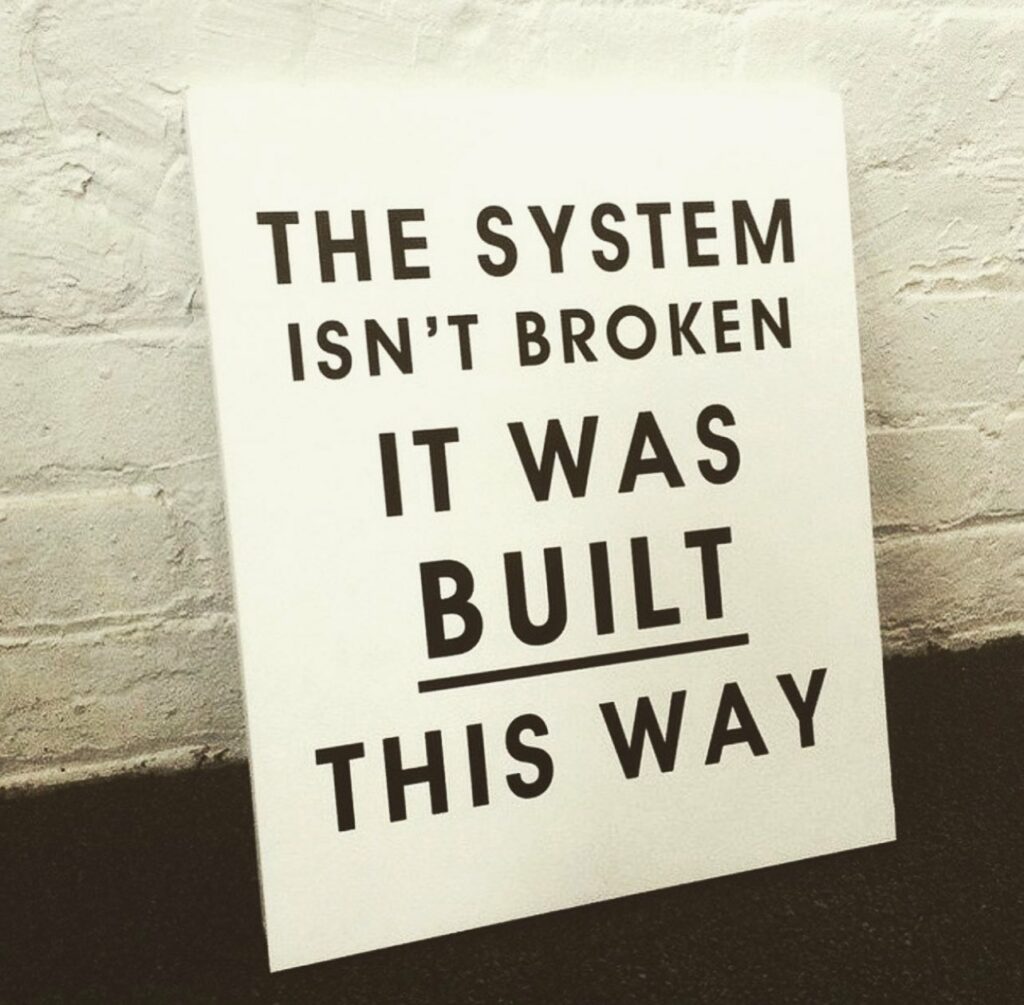
This next #dotcons #AI boom involves enormous amounts of investment in computing infrastructure, data centres, chips and energy. The companies involved are under pressure to keep growing because the financial system only rewards growth. This produces a dangerous feedback loop, a company needs to keep growing as investors expect growth, the company therefore needs a new story about future growth, the technology becomes that story. The investment creates infrastructure, the infrastructure creates pressure to find uses for it, the uses become evidence that the technology is inevitable. Then more investment follows, it isn’t only a conspiracy, it is a #KISS system of incentives.
The better approach for us is to look underneath the noise. Q. What does the system actually do? What infrastructure does it require? Who pays for it? Who owns it? Who benefits? What happens when it fails? What happens to the workers? What happens to the users? What happens to the communities around it? All are more interesting than arguing about whether a snake oil chatbot is “really thinking”.
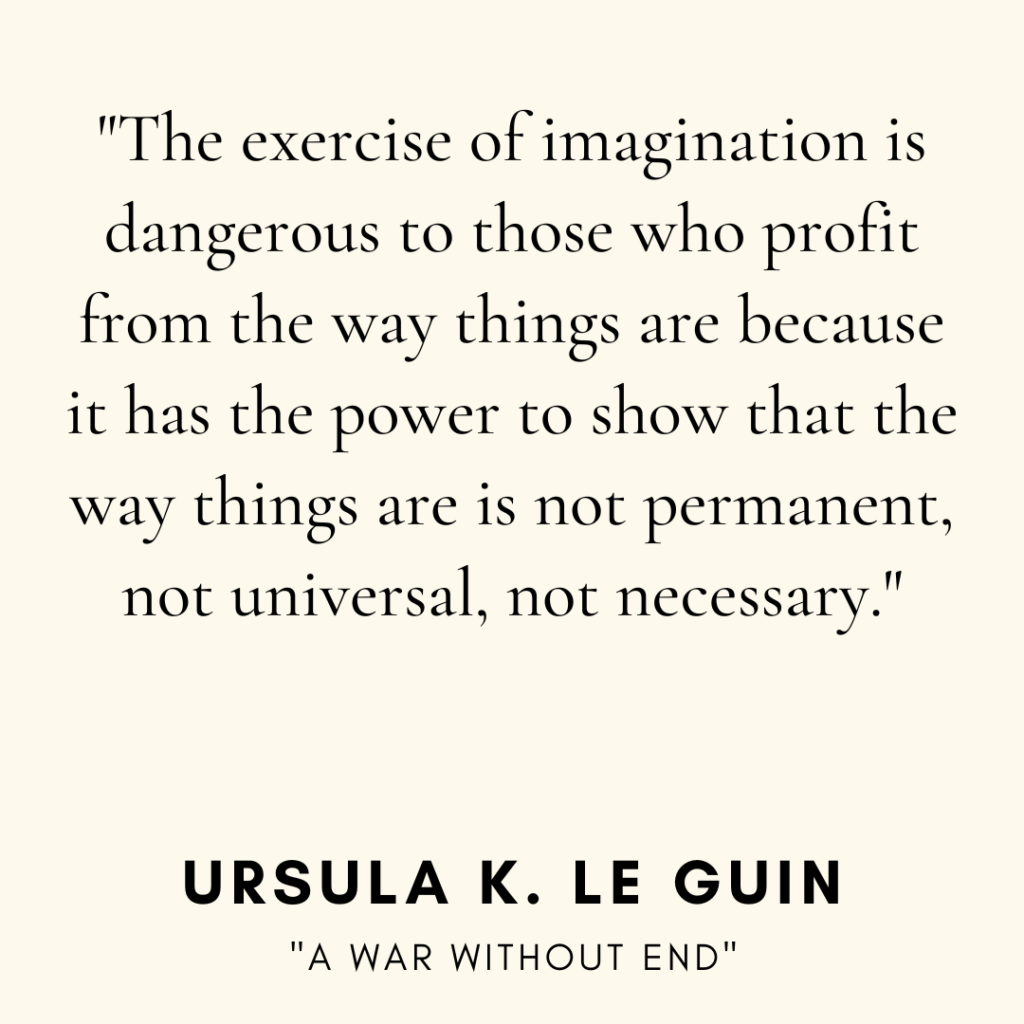
And this is an important #OMN lesson – technology does not exist outside society – the code is one layer, underneath the code are ownership, money, labour, institutions, energy, law, culture and power, when we get distracted and ignore those lower layers we don’t understand the technology at all. When this happens the mess we constantly have to compost is that this pushing of #techchurn isn’t innovation. We’ve seen this before, #web02 was going to transform everything, then crypto, NFTs. Then the metaverse, and then whatever the next shiny thing was.
Each wave arrived with claims about revolutionary transformation, yes some of the technologies were useful, but the investment system doesn’t reward usefulness, it rewards growth stories. This produces #techchurn, endless technological change driven partly by the need to find the next thing to invest in, rather than by any clearly identified social need. This is not new, we have been pushing this kinda mess since the industrial revolution.
So, how can we compost this mainstreaming mess, one path we tried and it kinda worked in the 20 century was socialism, or in the western guise social democracy. This is a different politics from simply saying “technology bad”. That older question takes us directly into #4opens territory were there is another mythology we need to challenge – Markets don’t produce good technology, the idea that if a technology is useful, the market will automatically discover the best version of it. History doesn’t support this well, this is why the #openweb matters. A genuinely open network gives people alternative paths. Open standards reduce #dotcons lock-in. Open source makes systems modifiable. Open data makes information reusable. Open process makes power visible.
The fourth one of these is especially important, so that the social consequences of technology aren’t hidden inside the code. We can find them hidden inside the process, who funded the project? Who decided the priorities? Who was consulted? Who wasn’t? Who owns the infrastructure? Who gets to change it? Who carries the social and ecological risk? Who gets the benefit? If those questions aren’t visible, the technology is normally reproducing the same old power structures, we need to compost.
This mess is not only to be found in technological we can use the #4opens to look and judge social paths. The same thing happens with markets, with bureaucracies, algorithms. The system follows its incentives, consequences emerge from the interaction between the system and the world. This is the reason #KISS matters, don’t invent unnecessary mythology when a simpler explanation works.
Open source is a social technology, one of the strengths of #FOSS is that people can inspect the system. That doesn’t magically make it secure, but it creates a culture in which claims can be challenged, problems exposed and were people can build alternatives. The current #mainstreaming path is not this, its repeating trust us:
Trust the company.
Trust the algorithm.
Trust the secret model.
Trust the security team.
Trust the executives.
Trust the experts.
Trust the investor story.
That is the kind of technological hierarchy that the native #openweb paths needs to challenging with a shovel. Native paths, need native technologies, with community participation, not #dotcons or #geekproblem technologies of obedience. Our path is about composting the layer of abstraction between people and reality – technology can make people more capable or it can make people more manageable, this simply understanding is what makes #OMN a shovel.
The #OMN isn’t trying to build another AI-powered social media platform or creating a better algorithm, it isn’t trying to replace one technological priesthood with another, the #OMN is much more basic.
News.
Archiving.
And eventually, down the road, governance.
The idea is to build infrastructure where people participate in the flows of information rather than being only consumers. Events come into the network – People and communities add context – Stories connect and organize those events – Objects move between nodes – Metadata gets added and corrected – Different communities can see different things – Useful information can spread – Useless information is allowed to decay.
And, nobody has to maintain one giant master database containing the “correct” version of reality. This is a what we call a #datasoup, messy, living, federated information environment. And that mess isn’t weakness, it becomes the very resilience we need. Distributed systems need distributed understanding.
The #OMN path is deliberately different from the dominant AI model, were the dominant model says: collect everything → centralize it → train the model → produce the answer. The #OMN is closer to: collect from many places → connect → tag → contextualize → challenge → correct → archive → feed back into the network.
As I keep saying, this is not an attempt to create a perfect database, it is an attempt to create flows of trust. The network flows become the process of understanding. That is why federation matters, open process matters, why human moderation matters. It is why disagreement matters, and why we don’t need another central algorithm deciding what everybody should see.
In our current economics: People are inputs, workers are costs. Communities become markets. Attention becomes a resource. Knowledge becomes training data. Care becomes an inefficiency. That should reveal to you the common sense #deathcult mess we need to compost. That is the #OMN path, technology is a tool, the question that matters is who holds it, who maintains it, who benefits from it, and what kind of society it helps us to build.
Care is missing in the current mess, in a better world, a worker cares about the person using the product, a journalist cares whether the information is true, a nurse cares whether the patient gets better, a programmer cares whether the software actually works, a community cares whether its infrastructure remains useful after the funding runs out. This is difficult to understand for only automated paths because care isn’t an optimization problem, it is a social relationship.
The future doesn’t need more technological priests, it needs people able to pick up the tools, understand how they work, challenge the assumptions behind them and use them together.
That is the #openweb path, that is #4opens.
#OMN #openweb #4opens #FOSS #AI #automation #techchurn #techshit #dotcons #geekproblem #commons #KISS