The blocking happens when criticism becomes a substitute for action

There is an important argument within environmentalism that often gets lost between the lifestyle politics of the light greens and the anti-industrial politics of the dark greens. It is humanistic green environmentalism – the idea that ecological sustainability does not require us to abandon technology or progressive modern life. Instead, we need to radically redesign the systems that produce them. Humanistic green thinking is about bringing humanity’s ecological footprint within the limits of the planet while improving the quality of human life.

  • Light green environmentalism turns ecology into a lifestyle choice: buy the right things, recycle, consume less, and make better individual choices.
  • Dark green environmentalism goes further, arguing that ecological destruction is built into industrial capitalism, growth, consumption and production. Technology is treated with suspicion, and dark-green traditions argue for degrowth, radical reductions in consumption, or even a retreat from technological civilisation altogether.

Humanistic environmentalism takes another, balanced path: we need radical systemic change, but technology and design can be part of the solution rather than simply being part of the problem. However, this approach can create another problem: #technocracy.

Technocracy is the idea that complex social problems can be managed through expertise, scientific evidence, measurement, efficiency and technical rationality. In its strongest form, political legitimacy shifts away from popular participation and towards experts who are assumed to know how systems should work.

For humanistic politics, the danger is that we move from collectively changing how society works to experts designing the sustainable society for us. Those are not the same thing. Technocratic thinking is attractive because the problems are genuinely complex. Climate change, energy systems, transport, food production, biodiversity, housing and resource use involve enormous amounts of technical knowledge. Evidence matters. Expertise matters. Science matters.

But science cannot decide our political values for us. Technocracy present political choices as technical problems. Once something has been reduced to a question of efficiency, optimisation, cost-benefit analysis or measurable outcomes, the underlying political arguments can disappear. This creates a real #geekproblem: claims of value-neutrality conceal assumptions about whose interests matter, what counts as prosperity, and what kind of society we actually want.

This is where the needed environmental debate becomes much more interesting. The question isn’t simply – Technology or no technology? It is more, who controls technology, for what purpose, and through what social process?

  • A solar panel can be part of a community energy project, controlled collectively and used to change our lifestyles so that we reduce energy use and learn to live closely with nature. The same technology can be embedded inside a corporate energy system where communities remain passive consumers, with little change to user behaviour or the underlying system.
  • Open-source software can distribute technological power; closed platforms can concentrate it.
  • Electric vehicles can reduce some forms of pollution while still leaving questions about mining, manufacturing, urban design and transport dependency.
  • AI might help optimise energy systems, or it could become another enormous infrastructure of corporate and state control.

Technology itself does not answer these questions. Politics does. This is why the environmental movement needs to avoid both technological utopianism and technological nihilism.

The dark green critique is right to warn that technological efficiency does not, by itself, solve the political economy of endless growth. Efficiency can make consumption cheaper and therefore increase total consumption.

But the humanistic path cannot simply tell billions of people to consume less. That is not a sufficient political programme. People want decent homes, transport, healthcare, communications, food, energy and security. We cannot build a humanistic future by pretending that technological development can simply be switched off.

The missing piece is democratic technological development. We need the tools of humanistic environmentalism without surrendering political agency to technocracy. That means technologies, open standards, open data, open processes and democratic institutions. It means communities can understand, modify and govern, rather than systems that require permanent dependence on technical #elitists. It means treating technology as part of the social commons, rather than assuming that innovation must flow from corporations, governments or specialist institutions down to passive consumers.

The environmental challenge therefore isn’t simply about making capitalism greener. Nor is it about retreating into a fantasy of pre-industrial simplicity. We need to build a different kind of modernity – a modernity where technology reduces ecological damage and increases people’s ability to participate. Human progress is measured not only by efficiency or profitability, but by resilience, autonomy, repairability, accessibility and ecological impact. Where communities can understand and govern the infrastructures on which they depend. And where experts are valued for what they know without being allowed to become a substitute for democracy.

This is the point where humanistic environmentalism needs to meet the #openweb, #FOSS, the commons and grassroots organisation. The choice is not technology vs nature, nor experts vs ordinary people. The challenge is to grow social systems where knowledge, technology and democratic participation reinforce each other.

We don’t need less thinking, we need more people able to think, participate, organise and understand the systems shaping their lives. That is the difference between a technological future imposed from above and a technological future built as commons from below – using the best tools we have to build a society that is more ecological, more democratic and more capable of changing itself.

The #blocking of this is not that people disagree, challenge and disagreement are necessary, the blocking happens when criticism becomes a substitute for action.

Demanding proof before engaging with the alternative.
“What have you done?” can be a useful question, but it also becomes a way of putting the person making the challenge permanently on trial. The response then becomes about defending credentials rather than building the alternative.

Reducing action to individual performance.
“What have you done today?” is reproducing the very #stupidindividualism being criticised. The important question is not what heroic thing did one person do? But what are we building collectively?

Moving the conversation onto legality or uncertainty.
“The answer may not be strictly legal” and “Not sure…” don’t engage with the central question: how do we move communities away from the #dotcons? They redirect the conversation away from the structural challenge.

Treating posting as either everything or nothing.
The question is whether communication is leading somewhere. A post that recruits people into an open project is different from another argument that generates clicks for Facebook.

Confusing criticism with change.
“I try to subvert the acolytes of the status quo every day” sounds active, but the important follow-up is: what does that produce? Does it build a relationship, an organisation, a tool, a migration, a community or an alternative infrastructure?

The “positive alternatives” argument also become blocking.
“Just make positive posts about projects” sounds constructive, but if it means don’t criticise the existing system, it becomes a form of depoliticisation. People need to understand what is wrong, why it is wrong, and what they can actually do instead.

The useful distinction is: Criticism → understanding → organisation → action → alternative. Blocking looks more like: Criticism → argument → personal challenge → argument → more criticism. That is the #block.

The #dotcons argument is strongest when the hashtag isn’t treated as an answer in itself. #dotcons names the problem. #openweb names part of the alternative. #OMN is an attempt to build infrastructure for that alternative. The missing middle is the community that connects the three.

So the question “What have you done today?” is potentially powerful, but it should mean – What have we done together today that makes the alternative more real? That shifts the conversation away from individual virtue and towards collective agency. And that connects directly to the compost metaphor: don’t spend all day arguing about how bad the pile of mess is. Grab a spade, organise some people, and start turning it into something useful.

#BrightGreen #Environmentalism #Technocracy #ClimateChaos #OpenWeb #FOSS #Commons #Democracy #Technology #Ecology #Sustainability #OpenSource #Degrowth

The Politics of Ignorance

One of the important ideas in the sociology of science is also one of the easiest to misunderstand: knowledge is socially produced. This does not mean that scientists simply make things up, it means something much more practical. Science is a human activity, it requires people, institutions, money, equipment, archives, universities, laboratories, communities and time. What we choose to investigate – and what we choose not to investigate – is therefore shaped by society.

That means there is another side to the politics of knowledge, we construct knowledge, but we can also construct ignorance. This is the idea of agnotology: the study of how ignorance is produced, maintained and as we see todays messy world, deliberately manufactured. Yes, this should be common sense, that the consequence of science is unavoidable selectivity: we look here rather than there, and every decision to investigate one thing means that something else receives less attention.

The important question is therefore not – what do we know? It is also, what don’t we know, why don’t we know it, and who benefits from that ignorance? Science does not happen outside society, there is a persistent #fashernista fantasy that science exists somewhere above politics and society. In this common sense fantasy, scientists simply follow the evidence, eventually discovering the truth. Any gaps in knowledge are assumed to be temporary, eventually somebody will get around to researching the missing pieces and the picture will become complete.

But our current capitalist science doesn’t work like that, as research needs resources, someone has to decide what gets funded, has to establish institutions and employ researchers. Someone has to maintain archives and databases. Someone has to decide which questions are legitimate enough to investigate. This means that the social organisation of knowledge is itself part of the knowledge system. Science is not an abstract ideal, as meany people treat it, but a human practice made up of institutions, resources and people. Political forces influence the scientific ecosystem without needing to dictate the results of individual experiments.

This matters – you don’t need to falsify scientific evidence to manipulate science, you can simply make sure that the research never happens. The politics of the missing, lets look at an example, imagine two possible worlds.

  • In one, researchers spend twenty years investigating a particular health problem. Thousands of people contribute data. Universities train specialists. Public institutions maintain long-term datasets. Researchers develop treatments, identify risks and improve policy.
  • In another, funding disappears. The research programme closes. The datasets are deleted. Researchers move into other fields. Young academics decide there is no career in the subject. Communities become reluctant to participate because they no longer trust the institutions.

Nobody has announced “we have banned this knowledge”, but the knowledge disappears anyway. This is one of the most powerful things about agnotology. Ignorance does not have to be created by a giant conspiracy, it can emerge through apparently ordinary administrative decisions: funding priorities, institutional closures, data deletion, censorship, intimidation, restructuring and changes in what counts as a legitimate research question. Over time, the result becomes material.

Scientific knowledge is cumulative, new work depends upon old work, archives and datasets. Remove the foundations and you don’t simply lose yesterday’s knowledge – you make tomorrow’s knowledge harder to produce. The archive is political infrastructure – this is where the #OMN path becomes important. We often think of archives as passive things, as librarys siting somewhere, a database sits on a server, a government website publishes information, a research paper exists in a journal. But these things are infrastructure, if the infrastructure disappears, access to knowledge disappears with it.

This is why #makinghistory matters – society needs the ability to remember itself, not just the official history or whatever survives inside corporate platforms or that happens to remain profitable. We need distributed, community-controlled records of what happened, what people experienced, what institutions did, what communities built and what was subsequently removed. That is media infrastructure, but it is also social memory infrastructure – closed systems make forgetting easy, sometimes this is deliberate, often it isn’t.

The social record becomes fragile, is one of the problems with concentrating so much of our communication inside a small number of commercial platforms. We have allowed a huge amount of collective memory to become dependent on organisations whose primary responsibility is not to society but to their own narrow institutional interests. That is not the resilient information system we need today in the era of #climatechaos.

The #openweb is a memory machine – the alternative isn’t that everything needs to be permanently preserved forever, that would be another form of technological fundamentalism. The point is to create distributed capacity, multiple archives, multiple publishers, multiple communities, institutions. Multiple ways of finding and verifying information, multiple copies, open formats, standards, source and proces. This is what the approach is trying to get at, not simply technical principles, they are social protections.

  • Open Data means information can remain accessible.
  • Open Source means the tools themselves can be inspected and maintained.
  • Open Standards mean that information doesn’t have to remain trapped inside one company’s technical ecosystem.
  • Open Process means that decisions can be challenged rather than disappearing behind institutional walls.

Together these create a technical architecture of social resilience.

Then we have the danger of the “no data, no problem” argument, is a particularly nasty political trick that follows from manufactured ignorance. First, prevent the research, then point to the lack of research as evidence that the problem isn’t real No evidence.”, “No consensus.”, “More research is needed.”, “We simply don’t know.” Sometimes those statements are reasonable, but they can also become circular.

If you systematically prevent people from collecting the evidence, you cannot then use the absence of evidence as proof that nothing is happening. The rhetorical pattern is that the assumption that if something were true, science would already have conclusively demonstrated it. But a lack of evidence can also result from social forces preventing researchers from doing the work in the first place. This matters far beyond any single political issue, it applies to climate research, poverty, housing, public health, marginalised communities, the effects of technology. It applies to almost anything where powerful interests might prefer that certain questions remain unanswered.

Information needs communities, is another lesson – knowledge doesn’t survive simply because somebody writes it down. It survives because communities care enough to maintain it, institutions train people, maintain archives, provide context. Researchers build upon previous work, journalists document events, activists preserve evidence, technologists maintain infrastructure, historians connect fragments together. This is a social ecosystem and when you break enough parts of it, knowledge starts disappearing.

That is why the #OMN isn’t simply about making another publishing platform, the larger idea is to build infrastructure for collective knowledge production and memory. Publishing is one part, metadata another, moderation, trust, archives, federation are all parts. The ability to edit, correct, contextualise and preserve information needs to work together.

The #openweb gives us a possibility that centralised media never really delivered: a network where different communities maintain their own spaces while still communicating with one another. That creates disagreement without requiring isolation, creates diversity without requiring fragmentation and it gives us a chance to build something much more resilient than the current model of a handful of corporate databases surrounded by billions of users. From information to social truth, is a political question.

This is the reason I keep coming back to #makinghistory – if somebody deletes a webpage, we should have copy, if a community documents an event, that record should not depend upon one #dotcons corporation continuing to host it. If an organisation changes its story, there should be an accessible historical record. If a government removes information, communities should be able to preserve what was orgionaly published.

If today’s activists disappear, tomorrow’s activists should still be able to understand what they did. If a research project closes, the work should not simply evaporate. This doesn’t mean believing every archive is automatically true – archives need context, metadata, discussion, provenance and criticism. In fact, that is exactly the point – the answer to bad information is not less information, it is better social infrastructure for comparing, contextualising and challenging information.

There is a tendency to think of technology as neutral plumbing, but the plumbing determines what can flow through it. A centralised system encourages centralised memory – a closed system encourages institutional dependency – a disposable platform encourages disposable history. Were open systems create the possibility of continuity beyond any single organisation. What we do with those possibilities is a social question, it is why #OMN, #MakingHistory, #Indymediaback, #OGB and the wider approach belong together. They are different pieces of the same argument.

That is the danger of manufactured ignorance, and why preserving the #openweb is not a technical hobby, it is part of preserving our collective ability to think.

#OMN #MakingHistory #Indymediaback #OGB #openweb #FOSS #media #archives #knowledge #agnotology #commons

The language around #climatechaos is changing

For years, climate breakdown was treated as distant, a problem for activists, scientists, future generations or places somewhere else. That blinded view is now harder to sustain. Heat, fires, floods, crop failures, infrastructure disruption, rising insurance costs and the growing difficulty of simply keeping homes and communities safe are making climate disruption part of our everyday life.

As we are talking about tech on this site – the important question for the #OMN is therefore not only how do we stop climate change? It is also – how do we build the social infrastructure needed to live through the disruption that is already here? This is where the climate conversation needs to become broader, and treat adaptation not surrendering, due to the fear that talking about adaptation means giving up on mitigation, it doesn’t.

We still need fundamental social change to reduce emissions, change energy systems and challenge the economic structures pushing us to ecological destruction. But we also need to mediate the very real mess and disruption is already here, we need to be honest about that. A community facing repeated flooding needs flood planning, when homes become dangerously hot, people need cooling, insulation and better housing. When extreme weather repeatedly disrupts transport, energy or communications, communities need resilient alternatives, insurance companies withdraw from areas they consider too risky, it is basic that communities also need better ways of thinking about collective risk and resilience.

These are not future problems, they are now simply ordinary infrastructure questions. And this infrastructure is never only physical, we also need social infrastructure too. This is needed to grow climate resilience, information resilience, on this path we need native #openweb systems where communities can publish what is happening, preserve local knowledge, compare experiences, challenge bad information, coordinate responses and maintain collective memory. That is very different from the current model of social media, where information is filtered and controlled through commercial algorithms, engagement incentives and platform ownership.

The #climatecrisis is already difficult enough – we don’t need our communication systems making it harder. Thus, the climate crisis is also a media crisis: When a flood happens, what matters? People need to know where the water is. They need to know which roads are closed, where vulnerable people are, which services are operating. They need to know what happened last time to know who they can trust.

And afterwards, someone needs to record what actually happened, this last part is particularly important. Without good local records, every disaster becomes an isolated event. Communities repeatedly rediscover the same problems because institutional memory disappears. This is one reason the #OMN #makinghistory matters, the idea is simple: communities should create living, collaborative records of what is happening around them. Not just journalism in the traditional sense, but a shared memory infrastructure. Stories, events, places, people, evidence, changes and responses connected over time to give communities something valuable during #climatechaos – memory.

You would be right we already have more information than ever, the problem is that information is fragmented into disconnected #closedweb platforms. One person posts on Facebook, someone else posts on X, another publishes a video on YouTube. A council puts an announcement somewhere else, a local activist keeps information on a personal website were a journalist publishes an article that disappears behind a paywall.

Then the flooding comes, and suddenly nobody has a reliable picture of what happened. This is the #datasoup problem. The answer isn’t simply more information, we need better ways of connecting information while keeping its provenance, context and history. This is why open standards matter – #RSS, #ActivityPub, open metadata, decentralised publishing, archives and interoperable tools are not just technical preferences, they are pieces of a social resilience infrastructure. The is a useful starting point: Open Data. Open Source. Open Standards. Open Process. These matter because climate resilience cannot depend entirely on proprietary systems controlled by a few companies.

We shouldn’t respond to the crisis by creating another centralised technological solution and declaring it the answer. This is not about building one perfect system, there is another lesson here – climate chaos is too complicated for that. Different communities have different needs, the important thing is that these systems connect and remain open. We already have a path for this – the #openweb is already a diverse ecosystem rather than another platform monopoly. This is why the #OMN approach is deliberately practical and pluralistic, we don’t need technological purity, we need useful tools that work together and remain in the commons.

Yes, finally the wider #mainstreaming is noticing the physical problem. Heatwaves are no longer exceptional, flooding is no longer unimaginable, insurance withdrawal will become a political issue. Food and energy security need to become part of everyday political discussion. The mainstream is beginning to understand the hard infrastructure problem, but the social infrastructure problem remains much less visible.

We need to build paths through this before we need them – The worst time to discover that your community has no communication infrastructure is during a disaster. The worst time to discover that nobody knows what happened during the previous flood is during the next flood. The worst time to discover that all your community information lives on somebody else’s platform is when that platform changes its access rules or goes away.

Resilience therefore means building before the emergency, but not another giant centralised project, more lots of small interconnected pieces. Open tools, local archives, community websites, federated publishing sharing metadata based on open standards. Then the social side is people who know how to maintain servers, know how to tell stories, how to moderate and systems that allow all those pieces to connect, as climate resilience is also social resilience.

The deeper point is that climate chaos exposes the weakness of the current #dotcons social model. A society organised around individual consumption, competition, private ownership and short-term profit is poorly equipped for long-term collective disruption. The response has to move in the opposite direction: balancing individualism towards community; from enclosure towards commons; from proprietary platforms towards open infrastructure; from disposable information towards collective memory and from centralised control towards distributed resilience.

Technology cannot solve #climatechaos, but the wrong technology can make it much worse, while the right kind of technology can help communities organise, remember, communicate and cooperate. That is the space we are interested in with the #OMN to build the open social infrastructure underneath society – infrastructure that can survive the platforms, the political fashions and hopefully some of the climate disruption coming our way.

The climate crisis is not only asking whether we can build stronger walls, better drains and cooler buildings, it is asking whether we can become better at being a society. That is where the #openweb has a role – you need a shovel #OMN

#OMN #MakingHistory #climatechaos #openweb #IndymediaBack #OGB #resilience #commons #federation #community #climateadaptation

Religion, mystery and the #openweb

I am not religious, but that does not mean religion is something that can only be dismissed as irrational, stupid or obsolete. There is a useful distinction between believing in a religion and understanding the social, cultural and philosophical work that religion has historically done.

This matters for the #OMN because we are interested in how human beings make meaning, build communities and organise themselves when they don’t have complete knowledge of the world. We don’t know everything – one of the interesting things is that science and theology both eventually run into the same thing – mystery.

Science starts with observation, evidence and experiment, to builds theories from what we can discover and then changes those theories when better evidence appears. Religion starts where empirical knowledge runs out and tries to construct stories, symbols and ethical frameworks around the things we cannot yet explain.

That doesn’t mean the paths science and religion are on identical, they aren’t. A scientific theory is not the same thing as a religious myth, evidence, testing and falsifiability matter. But there is a shared human problem underneath both – we are trying to understand a world that is bigger than our ability to understand it. The problem begins when either side claims to have finally solved the mystery.

In my view It’s useful to look at religion as a social technology – for thousands of years, religion has been a kind of social technology that helped people organise communities, explain death, create rituals, transmit stories, establish ethical expectations and give people ways of dealing with uncertainty. Before modern science, medicine and large bureaucratic institutions, people had very few tools for dealing with an unpredictable world.

  • Storms happened.
  • Crops failed.
  • Children died.
  • People became sick.
  • Wars arrived.

People didn’t know what was going to happen tomorrow, religion provide a framework for living with that uncertainty. Prayer, ritual, myth and community provide a sense of meaning when there was very little else available. Yes, that doesn’t mean the explanations were factually correct, it means they performed social functions.

And this is where the conversation becomes interesting for the #OMN – the danger is false certainty – there is a big difference between living with mystery and selling people certainty. The religious con begins when somebody says “I know exactly what God wants.”,”I know what happens after death.”, “I know the future.” or “Give me money and I can protect you from it.”

This isn’t limited to religion, modern society is full of people selling certainty – politicians, corporations, economists all sell certainty. As do most of our #dotcons technology companies which are pushing the cult of influencers trying to sell certainty. And on the other side increasingly the #geekproblem sells us the idea that every social problem can be solved with the correct application, platform or algorithm.

That #techshit is another kind of theology, the technology of certainty, a lot of contemporary technology culture is built around the assumption that uncertainty is a technical problem waiting to be eliminated. We want perfect systems, perfect moderation, perfect security, perfect prediction etc.

But human society doesn’t work like that – people are messy, cultures are messy, communities disagree, knowledge changes. Context matters, things break, and sometimes we simply don’t know. The attempt to remove all of this uncertainty produces something worse than the original problem – systems of control.

This is one reason the #openweb matters – #OPEN is about living with uncertainty – on this native path the #OMN isn’t an attempt to build a perfect system, quite the opposite. The aim is to build social and technical infrastructure that allows people to work together without requiring perfection.

The approach is useful precisely because it doesn’t require everyone to agree. It creates conditions where disagreement can remain visible and productive, this is very different from trying to create one system that finally gets everything right.

We need better stories, not final answers – human beings need stories – we need ways of explaining where we came from, where we are going and what we should care about. Religion has historically provided some of those stories, art, politics, philosophy and community life provide others. Now science is trying to provide new ones to replace the dieing religions. The mistake is thinking that one of these “correct paths” has to completely replace all the others.

The #OMN is interested in the space between – how do we build the communication systems through which communities can create, challenge, preserve and share their stories? That is what #MakingHistory is about too – history isn’t just a collection of “facts”. It is a living social process of deciding what happened, who experienced it, what mattered and what we should remember.

If we leave that process to corporations, governments, algorithms and closed platforms, we increasingly lose control of our collective memory. In this mess, there is an uncomfortable parallel between religious fundamentalism and technological fundamentalism, both can become systems of faith. Both create sacred texts, produce priesthoods, punish heresy and both can promise salvation.

The work to compost this mess, is to keep thinking, keep questioning and keep the systems open enough for other people to challenge us. That is a very #KISS principle – we don’t know everything – so build systems that allow us to learn. We need a culture of epistemic humility, an acceptance that our understanding is partial, provisional and socially constructed.

We need tools that help communities see what they know what they don’t know – what they disagree about and how their understanding changes over time. That means moving away from closed systems that manufacture certainty and toward open systems that make the process visible. That is the #openweb, and the social purpose of the #OMN.

And perhaps the most important lesson from religion, science, art and everything between them is remarkably simple “We don’t know.” so let’s build systems that help us find out, together.

#OMN #OpenWeb #MakingHistory #IndymediaBack #OGB #KISS #geekproblem #stupidindividualism #commons

The #openweb needs diversity, not monoculture

The problems we face in the #openweb are often presented as technology problems. Which protocol, platform, licence, federation path, software? Which standard? These questions matter, but they are not the foundations of the problem. A lot of what we are seeing is really a cultural clash. Different parts of the alternative tech world have different ideas about what technology is for, who it should serve, how much control is acceptable, how open something needs to be, and how much compromise is useful? That difference isn’t necessarily a weakness, when we nurture this it can be our strength.

To do this we need to support, fund and actually use a wide range of #openweb technologies, as there is no single “right path” waiting to be discovered. The #openweb should be a messy ecosystem, some projects will be radical, others pragmatic by compromising with existing institutions. Some will refuse every compromise, some will be technically elegant, were others will be slightly ugly but actually useful. Some people will be idealists, some will be organisers, geeks, activists – some will be experimenters, others will be complete weirdos.

We need all of these people. Even the “sellouts” can push open technology into places that fundamentalists cannot reach. The fundamentalists can protect principles that pragmatists might otherwise throw away. The pragmatists can make things usable, while the experimenters can discover things nobody expected and the weirdos can see possibilities that the sensible people completely miss.

The problem starts when any one of these groups decides that they are the whole movement. Then diversity becomes tribalism, difference becomes factionalism and criticism attack. And eventually everyone starts spending more energy defeating people who are broadly on the same side as building the commons we actually need. We’ve seen this mess before, the history of alternative technology is full of splits between people who wanted to build practical infrastructure and people who wanted purity, between technical communities and social movements, between centralised coordination and decentralised autonomy.

The lesson shouldn’t be “pick the correct side” – it needs to be – learn how to work with difference. This is particularly important now because the #dotcons have already demonstrated what happens when a technical ecosystem becomes dominated by a few powerful platforms. Monoculture creates dependency, creates control that leads to vulnerability. The answer to this simply cannot be to build another monoculture with different branding, we need plural infrastructure, based on #KISS #openweb native standards that communicate with each other.

That is where #FOSS based on open standards and the become important, they give a common floor without demanding a common culture. We don’t need everyone to agree, but we need enough openness that different projects can coexist, exchange knowledge and build on each other’s work. This is also why projects such as #OMN, #OGB, #IndymediaBack and #MakingHistory shouldn’t be understood as competing for the one correct future. They are paths, pieces of a wider ecosystem.

Buts yes the important thing is to keep the commons alive while we experiment. The value isn’t in choosing one tribe and defeating the others, value is in creating conditions where difference can coexist, challenge assumptions, learn from failure and grow something wider than any individual project. We need disagreement without fragmentation, criticism without destruction and experimentation without constant reinvention. To make this work we also need pragmatism without selling everything out.

To help compost the #geekproblem we need technology that serves the social projects rather than becoming the social project. That means supporting the native diversity, contradictions and productive tensions that make an ecosystem resilient. And yes, you are right there are to meany people being prats currently on this subject.

Please try not to be one, thanks.

#openweb #OMN #Fediverse #FOSS #IndymediaBack #OGB #MakingHistory #DIY #commons

The mess, the Commons, and the Paths Out of Mess

The #Deathcult is a historical metaphor

We spend a lot of time talking about crises as if they’re sudden events, they rarely are, crises are the outcome of decades of accumulated social, political, economic and technological choices. The challenge isn’t simply understanding why societies enter periods of instability, it’s understanding how they find their way back out again.

History suggests something important – entering crisis is often easier than leaving it – it’s a downhill path. For long periods, societies can appear stable. Institutions function, people get on with their lives, and conflict remains manageable, yet beneath the surface something changes.

  • Power concentrates.
  • Wealth accumulates upward.
  • Institutions begin serving themselves rather than the commons
  • Public trust erodes.

By the time these trends become obvious, society has already gathered momentum, think of it like a huge ball rolling down a steep valley, once it begins rolling, it becomes incredibly difficult to stop. This is where much of today’s #climatechaos, democratic decline and digital enclosure fit. They are symptoms of long-running structural shifts rather than isolated failures.

To understand this recurring mess, it’s useful to think about this is as a wealth pump. Healthy societies circulate resources, were unhealthy societies increasingly extract resources from ordinary people while concentrating wealth and decision-making power into ever smaller circles. Eventually this creates reinforcing problems – the growing insecurity for everyone else, competition between increasingly numerous elitists leads to weakening of public institutions, eventually the system becomes unstable. This describes much of the last forty years of #neoliberalism just as well as many earlier historical periods.

In #OMN language, this is one way of describing the growth of the #deathcult. Technology follows politics, so the same process appears online. The early #openweb distributed power, the #dotcons recentralised it. Open participation became algorithmic engagement, communities became audiences, citizens became products. This wasn’t a simple a technical change, it’s the same mess of concentration of power occurring throughout the wider society. Technology amplified existing political and economic trends, crisis created the possibility.

The encouraging part of history is that outcomes are not predetermined, although the path into crisis is narrow, the path out is surprisingly open. Once institutions begin failing, many futures become possible. Some societies descend into violence, some replace one ruling group with another while changing very little. A few manage genuine reform, the difference comes from organised social movements that are able not merely to seize attention, but to rebuild institutions capable of creating trust again. This matters as moments of instability are also moments when relatively small interventions can have disproportionately large effects.

This is where #OMN fits, the Open Media Network is not a project to seize power. It is a project to rebuild commons infrastructure. Instead of reinforcing extraction, it strengthens trust. Instead of creating new gatekeepers, it distributes responsibility. Instead of proprietary platforms, it builds open processes. Instead of replacing one monopoly with another, it supports federation and shared ownership.

This is why the matter, not as ideological slogans, they’re much more useful as practical safeguards against rebuilding the same systems that created today’s crisis. Trying to engineer perfect systems produces new failures, complex societies never become tidy, so the useful goal is not perfection. Rather to create institutions capable of learning, adapting and redistributing power before crises become catastrophic. This is why #OMN emphasises mediation over control, commons over ownership, participation over spectatorship to push trust over extraction.

Building the next commons matters – if we accept that we’re living through a period of structural instability, then waiting for institutions to solve it is unlikely to succeed, the work we need belongs to communities.

  • Building archives.
  • Building media.
  • Building governance.
  • Building trust.

We can play a part in this by building technologies that reinforce this path rather than undermine it as history suggests that societies emerge from crises when they reverse the flows of concentrated power to begin rebuilding the commons, that’s the path #OMN is on.

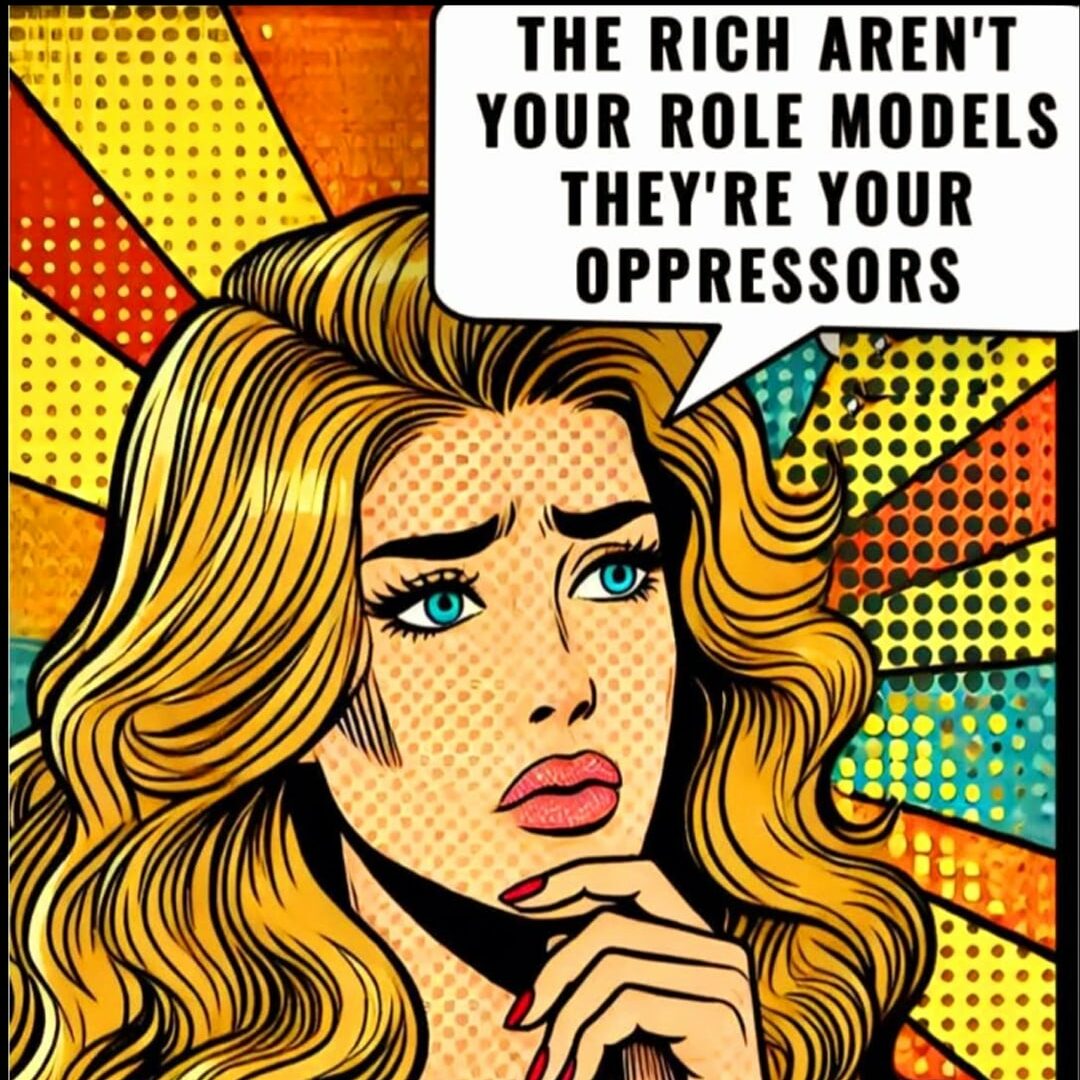
Women taking about oppressors

All startups are expressions of the #deathcult, every #VC is, in effect, a bishop preaching endless growth, extraction and enclosure. This isn’t innovation. It’s a business model accelerating social breakdown, deepening inequality, and feeding the #climatechaos that will displace billions and cost millions of lives over the coming century. If you’re serious about activism, stop feeding the machine. Put your energy into building the #openweb commons instead.

The whole value system behind startups and #VC is the problem, not the solution. The #KISS truth is simple: endless growth, extraction and enclosure cannot solve the crises they create. They are accelerating today’s breakdown and shaping tomorrow’s catastrophes. We don’t need more investment in the #deathcult. We need investment in the digital commons, the #openweb, and the .

#OMN #OpenWeb #Fediverse #Commons #DigitalCommons #Governance #MakingHistory #ClimateChaos #TechForGood #Oxfordboaters

Why #FOSS matters socially

The internet didn’t become broken overnight, it drifted from being a network of communities into a marketplace dominated by platforms whose purpose is extracting value. This is the logic of #dotcons most of us invested our lives and community into. How did we get into this mess? The problem isn’t only bad companies, it’s that our digital lives depend entirely on proprietary #dotcons paths and software, commercial interests end up controlling our reality.

This is why #FOSS (Free and Open Source Software) matters. The “free” in #FOSS is about freedom, the freedom to use, study, modify and share the tools that shape our lives. Those freedoms create something much more important than software, they create social power. Open code means community accountability.

Instead of trusting #closedweb corporations, we can build “native” trust through transparency. That changes how communities work as closed platforms create consumers, open projects create participants. The community doesn’t just use the infrastructure, it becomes in part responsible for maintaining it. We can exit to a more #DIY path, were anyone can inspect, improve, challenge and adapt to disparate community needs.

This isn’t always the fastest path as open collaboration is often messy. Consensus takes time, criticism can be uncomfortable. But these are social strengths, not weaknesses. Diverse communities find problems earlier, reduce hidden bias and create paths and systems that are more resilient because they are shared.

An example of how #FOSS works

The #OMN approach builds on this real world path and body of ideas. That technology can strengthen communities rather than replacing them, code can support human trust rather than algorithms deciding everything. Infrastructure should belong to the commons rather than becoming another private enclosure.

Today’s #closedweb social media platforms are digital landlords. Yes you may build a following, create value and invest years of work, but you’re still a tenant. The rules can change overnight, your reach can disappear, your community can be fragmented at the click of a button.

The #openweb offers another path were we have control of identity and content to connect through open protocols instead of closed silos. We need this more than ever to building communities that can survive the failure – or hostility – of any single platform.

We can’t keep repeating the same mess, this composting matters even more in the age of #AI. If the software, models and infrastructure are closed, then a handful of companies determine how knowledge is created, filtered and shared. If they are open, communities can inspect them, improve them and govern them together.

The future isn’t simply open source software, it’s open source society. That means investing back into the commons we depend on. Maintaining infrastructure, supporting contributors, building institutions that outlast individuals. Planting trees whose shade we may never sit under.

That’s what #OMN is about. Not simply writing better code, but helping build a better social fabric for the #openweb. Because freedom isn’t something technology gives us, it’s something communities build together.

A #mainstreaming video looking at this.

The current common sense of #neoliberal worldview replaces trust with greed as the social motivator. The problem is that every successful society is built on trust. When you undermine trust, you build a #deathcult. Climate breakdown, inequality, social isolation and failing public institutions are not accidents – they’re the predictable outcomes.

When people recognise the problem, ask them what the solution is. Most will instinctively reach for the same neoliberal “common sense” that created the crisis. That’s the moment to gently point out that those ideas are part of the #deathcult, not a way out.

The alternative starts with rebuilding trust, commons and community, #FOSS needs to become a core to this.

Why Stories Matter on the #OMN

Facts matter, technology matters, governance matters. But people rarely change because they read theory, a specification or a list of features. People change because of stories, this is why storytelling is central to the #OMN path. A story gives people somewhere to stand, it connects ideas to lived experience.

Instead of explaining the as an abstract framework, tell the story of a community escaping a #dotcons platform by building trust on the #openweb. Instead of arguing about governance, tell the story of how a group solved a conflict through #OpenProcess. Instead of listing technical features, tell the story of someone who regained control of their community tech after years of platform lock-in.

Stories carry values, the last forty years of #mainstreaming have been held together by stories about competition, consumption and individual success. These stories have normalised the #deathcult, making extraction and enclosure feel like “common sense.” We now need better stories about cooperation instead of competition, commons balancing ownership, about trust instead of surveillance. Stories about building rather than consuming.

The #Fediverse itself is a story, an accidental reboot of the #openweb that proves another internet is possible. It isn’t perfect, but it demonstrates that people can build social infrastructure without billionaires directing the conversation.

The challenge is that the academics or the #geekproblem tell stories only to other, academics or geeks, technical and academic paths are important, but they don’t inspire people to act, so we need stories that people can understand:

  • A neighbourhood rebuilding local media.
  • Boaters organising to defend the waterways as a commons.
  • Communities escaping the #dotcons.
  • Volunteers composting #techchurn into useful tools.
  • Ordinary people discovering that they can build infrastructure together.

These stories become shared memory, shared memory becomes culture, culture shapes “common sense.” and changing common sense is how lasting social change happens. So don’t just build software or academic theory, tell stories that help people imagine themselves as part of a healthier #openweb.

#OMN #FOSS #openweb #ActivityPub #Fediverse #commons #DIY #makinghistory

Oxford boaters every day commons

There will be increasing experience of commons as lived infrastructure, not theory, not an idea waiting to be implemented. As the #mainstreaming keeps failing people will need practical, community-led way of meeting shared needs that work and exists wherever people cooperate outside of markets and hierarchy. Commons are not abstract systems, they are what people do when they stop waiting for permission.

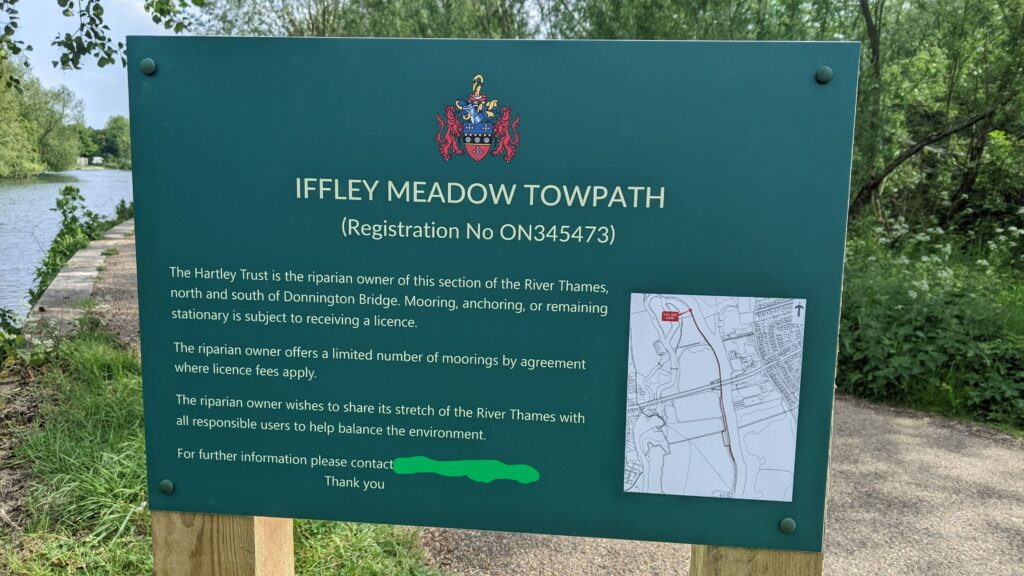
We have a recent example – #Oxfordboaters it is messy commons in real time, not a perfect system, more a lived commons under pressure. A community trying to juggle shared infrastructure (boats, moorings, water systems), shared risk (flooding, breakdowns, legal pressure), shared survival (housing precarity, cost of living, access to services) and shared conflict (governance, trust, personality tensions). This example is what commons actually look like in practice, not clean, not tidy, not ideologically pure, but functioning through necessity.

When the state and market do not meet needs, people fall back on each other, that is sometimes the commons’ path… The lesson we learn, it is easy to see, commons are not harmony, they are coordination under pressure. What we can also see is the mistake #fluffy people make in thinking commons are about agreement, they are not, commons are about negotiating conflict, sharing risk, maintaining infrastructure by building trust over time so we can recover from failure repeatedly. The last 4 months of #Oxfordboaters show all of this, the hard truth – Commons fail when they cannot evolve governance faster than crisis accumulates – this is not a moral failure, it is an organisational challenge.

So why do commons break – and why do they keep coming back. Like most grassroots paths, #Oxfordboaters reveals three recurring pressures:

  1. External pressure – State regulation, land pressure, legal ambiguity, the enclosure dynamic never stops.
  2. Internal fragility – Informal systems rely on trust. Trust gets strained under stress, inequality, and burnout.
  3. Governance lag

Decision-making structures rarely evolve as fast as the problems they face, this is a pattern across almost all commons. Commons do not fail because people stop caring, they fail because complexity outgrows structure. But there is a happy part of composting this mess – failure is a part of commons evolution, commons are not stable objects, they are adaptive processes. Oxfordboaters shows that even broken commons still generate mutual aid, shared knowledge, infrastructure repair and survival capacity. Yes, in common sense market logic, this would be “inefficient”, in commons logic, it is resilience under constraint.

The #OMN project framing is why this matters beyond boats. The Open Media Network (#OMN) view is simple – we are not just trying to describe commons. We are trying to improve their ability to survive contact with reality. This example is not a niche story, rather a micro-version of housing systems, digital networks (#fediverse, #openweb), activist spaces, climate adaptation communities and post-institution survival systems. These same patterns repeat everywhere, when systems fail, people build commons whether they call them that or not.

The dangerous mess is we have unlearning commons, the cultural – 40 years of #neoliberal thinking has trained people to believe that trust is weakness, cooperation is fragile, governance must be top-down and commons are “messy exceptions” rather than default behaviour. So even when people build commons, they then try to formalise them into hierarchy by turning them into organisations or burn out trying to manage them individually. This reaction is the mess we need to compost, our example, Oxford boaters currently sits right inside this tension.

We learn what actually works, the pragmatic commons path, a few patterns consistently work: small, local decision loops, visible shared infrastructure, flexible governance that evolves to grow redundancy (no single point of failure), permissionless participation and clear boundaries for conflict resolution. This is not simply, but it is a working #KISS maintenance path.

Markets and states are both reaching limits of adaptive capacity, commons are no longer optional, they are what remains when institutions fail to scale care. The #OMN conclusion is simple, commons are how we survive collapse, that in the wider context is unavoidable, with overlapping systemic crises, ecological, economic, political, informational.

The current mess, and delight at Oxford boaters is a signal, a messy, imperfect signal that says: people will rebuild cooperation when systems break down – but also that we need better ways to support this. Commons are not about perfection, they are about persistence, they are survival systems that people can actually live inside. Our example shows both the fragility and the necessity of this work. The question is not whether commons will exist, it is whether we will learn fast enough to stop repeating the same failures in every new form.

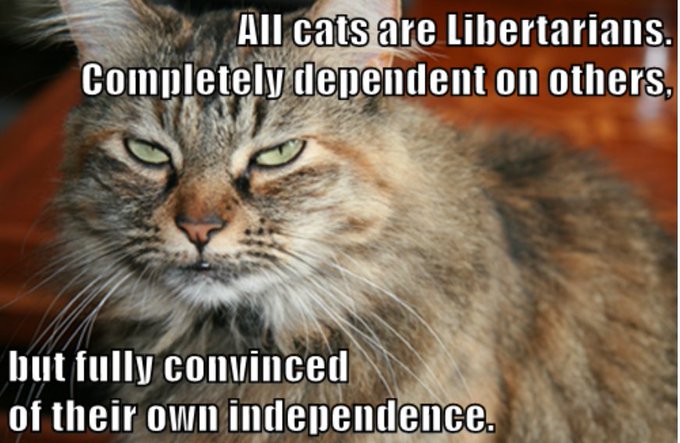
Our #mainstreaming problem. If you are wondering why I keep documenting the issues around activism, this is why. Next time, maybe we can learn, maybe we can mediate our “libertarian cats” a bit better and get a less messy path, because we cannot keep making the same mistakes over and over.

I have been through this mess hundreds of times over 40 years of working on change and challenge, outreach and community building. This is not theory, it is experience. Activism and commons spaces are messy by nature, that is part of their strength. But if we don’t learn from our failures, the same patterns keep returning, so at the very least:

Can we please fuck up differently this time?

Document the lessons.

Build the memory.

Keep the commons alive.

#OMN #commons #openweb #fediverse #climatechaos #mutualaid #socialsystems #realitycheck

The commons and the problem of power

“After hundreds of millennia in which all humans had direct access to the commons, it took only a few centuries… to cut off the vast majority of people on Earth from direct access to the means of economic production and therefore to rob them of the power to say no. It took only a few generations to convince most people that this situation was natural and inevitable. That false lesson needs to be unlearned.”

Karl Widerquist and Grant S. McCall

The starting point is simple, Marx was right about many things. From a commons perspective, Marx understood something fundamental. Capitalism is not just a collection of individual choices and isolated market transactions. It is a system built around extraction, enclosure and the concentration of power. He understood that capitalism emerged through the destruction of older commons systems – taking land, resources and social relationships that had been collectively managed and turning them into private property, commodities and sources of profit.

And, the enclosure of the commons was not simply an economic change, it was a social transformation. People were separated from direct access to the means of survival and production. They became dependent on selling their labour within a system they did not control. With this in mid, the question for the #OMN, is not only “What is wrong with capitalism?” that question is important, but it is not enough. The deeper question is “What kind of structures can replace it without recreating the same problems in a different form?” This is where history, and our projects, becomes complicated.

Capitalism’s contradictions – Marx identified contradictions inside capitalism that remain visible today. The drive for endless accumulation, competition, overproduction and the pressure on profit all create instability. The interesting thing is not that capitalism avoided these contradictions, it did not, instead, capitalism adapted. The state became part of the survival mechanism, financial intervention, corporate subsidies, public spending, monetary policy and crisis management became ways of moving contradictions around rather than resolving them.

The destruction of the commons was not simply progress, it was a loss of social capacity. Communities lost direct relationships with land, production and decision-making, people lost the ability to say no because the alternatives had been enclosed.

The current system survives not because it solved its problems, but because it continually transforms them. The #deathcult adapts, capitalism is good at absorbing criticism, turning challenges into new markets and changing shape while maintaining the underlying logic: growth, extraction and accumulation.

The problem of capturing power – Marx understood that states are often captured by powerful interests, his answer was that the working class should take control of the state and use it as a tool of transformation. The problem is that power does not become harmless simply because different people hold it, a system designed around centralised power tends to attract people who understand and seek centralised power.

The history of the 20th century showed the dangers of this as temporary emergency powers have a tendency to become permanent structures. The promise that authority will eventually disappear is harder to achieve than the promise suggests. This is where the commons’ tradition offers a different starting point, the question then becomes – How do we build systems where power is distributed from the beginning? Not after a revolution, not after someone promises to give power back, now.

Means shape ends, a decentralised, participatory society cannot be built through centralised and authoritarian methods. If the process is based on hierarchy, control and obedience, then the destination carries those same patterns. This is why the commons connects with the libertarian traditions within Marxism, anarchism and movements such as the Paris Commune. The most interesting Marx is often the later Marx, the Marx who became more interested in communal ownership, local organisation and different forms of social production outside the Western industrial model. That Marx is much closer to commons thinking.

Ownership is not enough, a common mistake is to think the problem is only who owns production. Private ownership creates problems, but replacing private ownership with state ownership does not automatically create liberation. A factory owned by the state can still destroy ecosystems, a planned economy can still pursue endless growth.

The deeper question is – What is production for? Capitalism has a built-in requirement, money must become more money, production must expand, markets must grow, but the biosphere has limits. The #climatechaos era makes this impossible to ignore. A system that requires endless expansion inside a finite ecosystem contains a fundamental contradiction. The challenge is not simply changing ownership, it is changing the relationship between humans, technology, production and the living world.

The violence of extraction – capitalism treats value through exchange. Things matter because they can be turned into commodities. This creates a dangerous relationship with the natural world as forests become timber, rivers become sewers, animals become production units, land becomes an investment and life becomes something measured by economic usefulness.

When ecosystems cannot be made profitable, they are treated as obstacles rather than living systems with their own value. This logic spreads into human relationships, over the last 50 years people are increasingly judged through productivity, economic contribution and market value.

The problem is not individual greed alone, the problem is a system that rewards extraction. The question is not whether some people are good or bad, it is what kinds of behaviour the system encourages.

The commons ask a different question, not “Who controls the machine?” But “How do we build systems where nobody can easily capture the machine?” This is where the matters. The are not just a technical checklist, they are social infrastructure.

  • Open process.
  • Open data.
  • Open source.
  • Open standards.

They create transparency, participation and the ability for communities to understand and shape the systems they depend on. The goal is not simply to seize existing structures, it is to build different structures. Revolution as compost to grow alternatives in the cracks. The current crisis is also a crisis of social organisation as change is no longer only organised through traditional institutions. It moves through networks, data, attention and shared platforms.

Building commons, networks and shared memory, creating systems that survive beyond personalities, leaders and moments of attention. From individuals back to collectives, the commons is not one path where everyone must agree, it is a space where many paths can grow together. Diversity is not a problem to solve, it is the resilience.

The commons and climate responsibility – People often say “Humans are to blame for climate change.” But which humans? The responsibility is not evenly distributed, some actors have created far more extraction, pollution and destruction than others. The problem is not humanity, the problem is a particular way of organising human activity.

Keep in mid when building what comes next – capitalism extracts – authoritarian socialism centralises – the commons try to do something different by building power that belongs to everyone and cannot easily be taken away. This task is not to find a perfect blueprint, it is to grow living systems that are adaptable, transparent and rooted in participation. The #OMN, #openweb, #fediverse, #OGB, #indymediaback and ideas all come from this path.

Not replacing one hierarchy with another, not creating another machine for someone else to control we need to be building commons, trust, collective capacity. The future will not come from waiting for a better version of the existing system, it comes from growing alternatives that make the existing system less necessary.

It is your ability to discern facts that make you an individual, and our collective trust in common knowledge that makes us a society. The individual who investigates is also the citizen who builds. The leader who dislikes the investigators is a tyrant.

The #openweb needs this balance: people with the freedom to question, investigate and challenge – and communities with the shared trust to build together.

Without critical individuals we get conformity. Without common knowledge we get fragmentation. Democracy needs both: curiosity and commons.

#OMN #openweb #commons #fediverse #OGB #indymediaback #climatechaos #deathcult #KISS

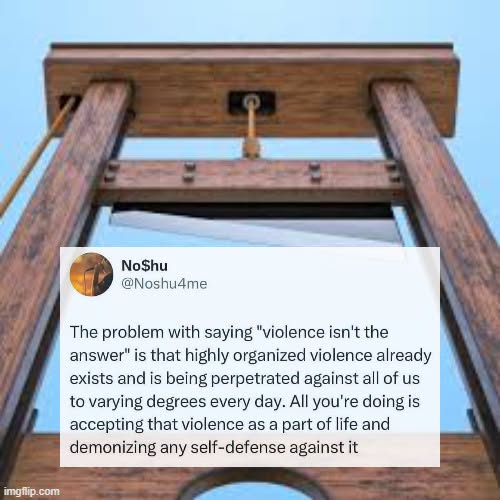
Violence, Nonviolence the Missing Commons Question

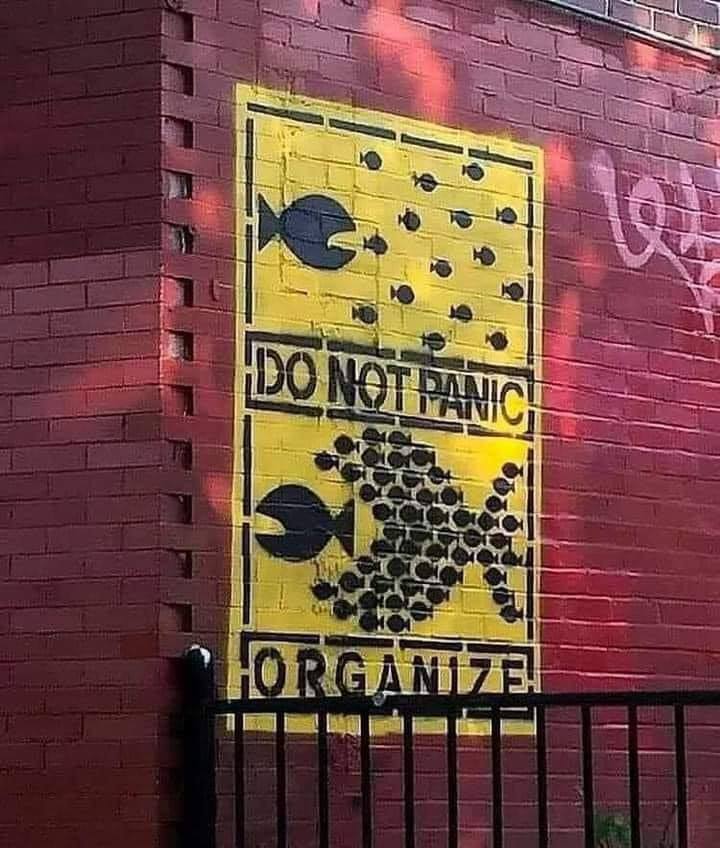
A meme from the #dotcons

The recurring argument around violence and nonviolence gets trapped in a false choice. One side says “Violence is never the answer.” the other says “Violence is the only thing that has ever changed history.” Both are truth, but both miss real working humanistic paths. So, what kind of society creates the conditions where violence becomes the only option?

A first step is looking at the systems, cultures and social infrastructure that shape how people respond to conflict. If we want people to choose nonviolent methods, then those methods have to actually work. People need meaningful ways to participate, organise, challenge power and create change. Protest without consequence, dialogue without accountability and institutions that ignore people create dangerous paths.

When people feel that peaceful routes are closed, violence becomes a real option. But there is a second social problem to look at – violence is not just a tool, it creates its own culture. A movement built around destruction can easily reproduce the same power structures it fought against. Removing one oppressive system does not automatically create a better one, without new social foundations, history shows new forms of domination grow from the ruins.

Yes, history is written through moments of confrontation, but the is deeper work happens before and after those moments – building the commons that allow people to organise differently. This is where the #openweb lesson matters, change is not only about removing something, it is about building something. The strongest movements create alternatives – new relationships – new institutions – new forms of cooperation – new ways to share knowledge and power.

To build meaningfull alternatives we have to start by compostsing commen sense mess. What meany people do not understand is that our states are based on violence, what we see as private property is based on violence, just about everything we hold and touch is founded on violence. But when we look wider, a narow posative view is the state monopoly on violence is only legitimate when the state itself remains accountable to people. When power becomes accountable only upwards – to wealth, corporations or institutions – then the monopoly becomes simply control.

The same applies to grassroots movements, a movement cannot claim liberation while creating unaccountable power inside itself. The #geekproblem appears here too, reducing social problems to technical solutions – “Use violence.” – “Never use violence.” are simple answers to complex social questions. The harder work is asking, why are people unheard? Why do peaceful methods fail? Who controls the institutions? What alternatives exist? How can we build systems where people have agency before conflict reaches breaking point?

The #OMN path is not about pretending conflict does not exist, it is about understanding that the long-term answer is not simply winning a hard short fight. It is slower, growing a culture where fewer fights become necessary. The is part of this – transparent processes, shared ownership and accountable structures are not side issues. They are a foundation that allows movements to stay democratic instead of becoming another “common sense” version of the mess they oppose.

Violence is often a symptom, the deeper question is what social conditions keep producing it.

#OMN #openweb #commons #oxfordboaters

Rainbow Culture: The Dream, the Mess and the Commons

The first thing many people notice about a Rainbow Gathering is what is “missing”. There are no ticket booths, no commercial stages, no vendors selling branded experiences, no cash registers. Thousands of people gather in a forest to create temporary villages and cities to share food, build kitchens, make music, care for each other and then disappear again as if they were never there.

The absence of money can seem like a strange fantasy, but the deeper story is that it is not a just a rule, the refusal of commerce was the original idea, Rainbow was built around a simple but radical question – What happens if people try to organise life around sharing instead of buying? Not as theory, not as a manifesto, but as a lived practice.

The idea was the path – The Rainbow Family emerged from the counterculture of the late 1960s and early 1970s, a period where many people were questioning war, consumerism, hierarchy and the social structures around them. There were many competing ideas and paths about how change should happen, some believed confrontation and disruption were necessary, others believed a different approach was needed – Instead of only fighting the existing system, create something outside it, create a living example as a base from growth, temporary spaces, flows where people could experience that another way of organising liveing was possible.

The point was not simply to protest capitalism, the point was to demonstrate that a very diffrent path in life, cooperation was possible. The free festival became the foundation – Food shared freely, skills offered freely, music created freely. People contributing because they wanted to, not because they were being paid. Noncommercial was not separate from the message, it was the message – they setout to grow a real working temporary commons.

The Rainbow Gathering became a real world, but seprated, working flowing commons for the last 50 years in meany different country’s and parts of the world. A place where the normal, “common sense” rules of the market were totaly excluded and where basic needs of the community were organised through collective effort – Kitchens, water, medical care, childcare, information sharing, conflict resolution. On this practical, working alt path the important thing was not that everything was perfect, it was that people create the working infrastructure of a very different culture.

This is the part often misunderstood, a commons is not the absence of organisation, a commons is a different kind of organisation, that requires participation, responsibility and people that care. One core lessern of the 1960-70’s is that freedom without responsibility does not create a commons, it creates a sometimes butifual tragedy. The rejection of money was both symbolic and very practical, money does more than exchange goods, it creates relationships between buyers and sellers, it introduces ownership, competition and hierarchy what the Rainbow crew called, in there folksy – spiritual way – Babylon.

Why? Because if someone can buy influence, buy comfort or buy power, the social relationships fundemently change. The Rainbow path was, remove the market inside the space and see what grows instead. The “Magic Hat” became one solution, the gathering still existed in a world where food, supplies and transport required money, the difference was that money was moved into the background as a part of the wider gift economy that shapes these nomadic villages and citys

With the magic hat people contributed anonymously, resources become collective, the camp itself remained based on sharing. It was not pretending the outside world did not exist, it created a different relationship, the value was about belonging. This path treated humans as creators – a culture where at best nobody was left behind as only a consumer, nobody was only a customer, nobody was reduced to economic value, instead a culture were everyone had something to contribute to grow there sense of belong.

This is why Rainbow connects with wider commons movements, the same question appears in many places – Can people build systems based on cooperation instead of extraction? Can communities create value without everything becoming a product? Online this is also the question at the heart of the #openweb that meany people fail to talk about, online this is a mess we need to compost.

The problems – every commons faces the same challenges – that people are messy, the same openness that pushes participation also pushes nasty problems. Rainbow developed its own language for this “Drainbow.” The word describes people taking more than they give, people who consume the resources of the gathering without contributing. At one level, this is a problem, as a community based on mutual aid depends on people participating, a commons duse need boundaries. But if those boundaries become a way of creating insiders and outsiders, the original path is weakened.

This is the ongoing Rainbow tension – how do you stay open without being overwhelmed? How do you protect the commons without creating hierarchy? It is a living contradiction, that still exists, the ongoing blaenceing still demonstrates that people can cooperate on a huge scale for 50 years, but also how difficult cooperation can be to sustain. Consensus can be beautiful, but it can also be exhausting, leaderlessness prevents domination, but it can also creates confusion, openness creates freedom, but this creates vulnerability.

These are the challenges of any attempt to build a different culture. There is also a modern lesson here – When we describe movements like Rainbow, there is a tendency to turn them into either mythology or failure. Either “Look at this perfect alternative society.” Or “Look at this chaotic disaster.” Both extremist common sense views miss the point, the important question is what did people learn by living this life?

Culture is not built by perfect systems, it is built through practice, through mistakes, through correction – through people returning and trying again. Rainbow shows that the infrastructure matters – The kitchens mattered – The councils mattered – The shared practices mattered. The technology we use even in back to the land movements like rainbow is social. The same is true for open media were a new publishing system will not create a commons by itself.

The Rainbow story is not that humans can’t escape all conflict, humans bring conflict with them. The story is that conflict can happen inside a different framework, a framework based on trying, sharing, learning and repairing. That another way of organising is possible, 50 year of rainbow show that people are capable of creating temporary worlds outside the dominant logic.

Yes, commons are fragile, but they matter, on this alt juorny the path is not a finished destination, and like every commons, they survive only when people keep tending them.

#OMN #openweb #commons #indymediaback #Oxfordboaters

The non-action bloc: resignation, cynicism, and the culture that keeps people powerless

#Oxfordboaters – Some of the people have to lie to themselves as they blindly believe in private property and rule of law but squat on private property and brack the law by not moving. They try and pretend this is not true, if they do this pretending to strongly they will make us all homeless.”

A lot of people are up shit creek without a paddle, yet keep looking in the same places that got them there. On this apathy and laissez-faire “common sense”, we have a real problem, decades of #stupidindividualism have left people expecting things to somehow fix themselves while collective capacity withers. The answer isn’t wishing people were different, it’s building structures, cultures, and tools that reflect challenging take this reality.

There’s plenty of room for creativity in that work. So how do we start to compost this mess of people ending up trapped in this contradiction? To recap, they profess a strong belief in private property and the rule of law, yet in practice they occupy private property and rely on not being moved on. To avoid facing this contradiction, they tell themselves stories that make the contradiction disappear.

The problem is that reality doesn’t go away just because we refuse to look at it. The more tightly people cling to these comforting narratives, the harder it becomes to deal with the actual situation. And if they cling too hard, they risk creating outcomes that harm everyone, including making all us #Oxfordboaters homeless.

Yes, these stories can hold things together for a while, but when events threaten to sweep them away, the contradictions are exposed. What looked like certainty is revealed as wishful thinking, and people are left paralysed by indecision, unable to act because the assumptions they depended on no longer fit the world in front of them.

We can’t do much about the hardened #fluffy crowd – so committed to comfort and respectability that no amount of evidence will shift them toward meaningful action. That is a real limit, and it’s worth being honest about it rather than wasting energy trying to convert the unconvertible.

But the hardened fluffy crowd is not the main problem. The more urgent challenge is the vast non-action bloc: the people who are not hostile to change, not ideologically committed to the status quo, but who have simply stopped believing that collective action is possible, meaningful, or worth the cost. The culture of resignation that surrounds this bloc is one of the most significant political #blocks of our times.

This mess is almost entirely manufactured, so how is this resignation made, it’s not because people are stupid, but more that decades of #neoliberalism have done systematic work on how people understand themselves and each other. Isolation has been normalised. Cynicism has been marketed as sophistication. #stupidindividualism – the belief that you are fundamentally alone, that your choices are personal rather than political, that the market is more real than the community – has been embedded so deeply that it feels like common sense.

People are taught to see themselves as consumers, not citizens, as individuals navigating a system, not as communities capable of changing one. That teaching is not accidental, an atomised population is a manageable population. Resignation is not a natural response to difficult circumstances, it is a political outcome, produced and maintained by specific interests.

On coalitions? Some people argue we need to “build coalitions” with everyone – that the task is to be broad, inclusive, and endlessly accommodating. That pink haired instinct comes from a good place, but a coalition is not built by enabling anti-social behaviour, learned helplessness, or endless doom-scrolling. A coalition is not a waiting room where everyone gets to stay comfortable while somebody else does the work. A coalition needs people willing to act together – the only meaningful definition. Broadness is a means, not an end, a movement that is wide but paralysed is not a movement, it is a demographic.

These are two retreats that serve the same master – the real problem is not disagreement between people who want change, as disagreement is healthy and productive. The problem is the shared belief – held across otherwise very different political tendencies – that nothing can fundamentally change, or that someone else should be the one to change it. This belief takes two main forms, and both are dead ends.

  • #toxicIdealism retreats into fantasies of purity – waiting for the perfect conditions, the perfect movement, the perfect analysis before acting. It mistakes the map for the territory, the theory for the practice, the vision for the work. It can look like radicalism while functioning as paralysis.
  • Mindless cynicism retreats in the opposite direction – into excuses for inaction dressed as realism. Nothing works, nothing changes, everyone is corrupt, the system always wins. It can seem like hard-headedness while functioning as surrender.

Both #toxicIdealism and #cynicism leave existing power entirely untouched, they are, in that sense, two faces of the same capitulation. There is nothing in toxic idealism or mindless cynicism except fuel for the status quo, one retreats into fantasies of purity, the other into excuses for inaction.

The path is not hate of the people who have been shaped by these cultures, or contempt for the resigned, the cynical, or the burned-out as this is both morally wrong and politically stupid – it simply deepens the isolation we claim to criticise. The people inside the non-action bloc are not enemies, they are, in most cases, people who have been failed by every institution that was supposed to give them a reason to act.

The task is to challenge the culture that keeps people powerless., to offer, concretely and practically, experiences of collective action that work – that produce real results, relationships, and evidence that things can be different. Not rhetoric about possibility, but demonstrations of it. Free people from isolation, show them they are not alone, that their situation is shared, that shared situations have shared solutions. Free people from cynicism – not by arguing against it, but by making it empirically wrong. Rebuild collective action, not as an ideal but as a practice: small, visible, cumulative, and real.

The #enclosure we are pushing back against is not only economic or digital, it is the enclosure of imagination – the slow fencing-off of the belief that collective life is possible at all. Reclaiming the commons begins with reclaiming the conviction that there are commons to reclaim. That is political work, and it starts with the person in front of you.

#OMN #fluffy #neoliberalism #stupidindividualism #toxicIdealism #enclosure #commons #activism #collectiveaction #openweb

#Nicenasty the hidden power of soft obstruction

“Working groups (#WG) have one job – get things done, they don’t need permission for every step – they need to report openly, consult when it affects others, and hand back decisions that are too big for them to own alone. That’s it, that’s the whole structure.”