If we fund only the technical layer, we shouldn’t be surprised when the social layer remains broken

The problem with #openweb funding isn’t simply rejection, waiting for decisions, or whether one particular project gets funded. The problem is #KISS structural, after 30+ years working through grassroots projects, funded and unfunded, there is a repeated pattern that is easy to see – useful social and grassroots technology gets filtered through a narrow technical understanding of what counts as a “good” #openweb project.

This is the #geekproblem, not moral judgement of individuals – it isn’t about individual geeks being bad people. Many people working in open technology have good intentions and genuinely care about the commons. The problem is what happens when a technical culture becomes the dominant way of seeing the problem, the technology gets analysed, the code gets analysed, the architecture gets analysed, but the social system the technology is supposed to serve is almost invisible.

So the question we need to keep asking is can open technology funding engage with the social problem that are embedded in the technical problem? Because if a grassroots project has to become sufficiently, bland, polished, technically framed and institutionally legible before the funding system can in anyway understand it, then we’ve already created a barrier between the funding system and the communities it is supposed to support.

And this isn’t solved by simply hiring better grant writers or getting an AI to produce better applications, that is simply #KISS making the filtering system better at filtering. We need to ask whether the frame itself is too narrow, as the #openweb isn’t just software, it is people, communities, trust, media, governance, culture and the social relationships around the technology.

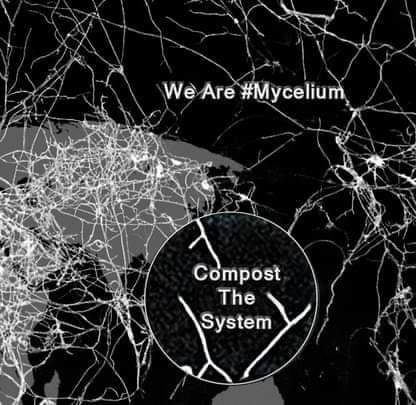
If we fund only the technical layer, we shouldn’t be surprised when the social layer remains broken. This is why #OMN keeps coming back to the , grassroots participation and trust, we need to move beyond the #geekproblem without powerlessly pushing to throwing the geeks out. We need the technical knowledge and the social knowledge, to compost this mess rather than simply building another layer of #techshit on top of it.

#NLnet we are still waiting for an opportunity

How do we describe the problem and how we organize ourselves to deal with it? For the #fashionistas, the point is that language isn’t just decoration. A #hashtag is a way of framing attention. If you call someone “evil”, “dangerous” or “nasty”, you may simply reinforce their preferred identity, yes, we’re tough, we’re feared, we’re fighting the enemy. You’ve accepted their frame.

“Weird” works differently because it pokes at their claim to represent normality. It reverses the us versus them story: hang on, perhaps the strange behaviour is coming from you. But this is where the #OMN/#KISS point comes in. Calling the #nastyfew “nasty” isn’t really about persuading the #nastyfew. It’s about helping us recognize the pattern.

We need language that lets ordinary people point at a structural problem without having to become political theorists, join a faction or spend three hours arguing about ideology. That’s what an affective hashtag can do – #nastyfew = focus. Not “these people are monsters and we must destroy them” more “there is a small concentration of people pushing harmful behaviour and power – let’s recognize the pattern, stop pretending it is normal, and organize our way around the problems they are creating.”

The important bit is US, the understanding that the #nastyfew become more powerful when we give them our attention, fear, division and energy. If we can name the pattern as an abstract, keep our heads, and build better path, their power becomes much less interesting.

This is why #OMN is interested in media flows rather than personality cults, so we don’t spend all day fighting the person. We look at the flow:

  • Who is amplifying what?
  • Who benefits?
  • What behaviour is being normalized?
  • Where is trust being built or destroyed?
  • What can we change locally?

The #geekproblem to often wants to solve this with another closed path, the #fashernistas want another clever narrative, but the #nastyfew want us fighting each other, its in the name. Maybe the simpler answer is to name the pattern, focus our attention, build the alternative, and stop feeding the circus.

#KISS

The old system is already compost, the question is what we grow from this mess

We need to stop talking about “climate change” as though we are discussing a slightly inconvenient change in the weather. Climate change is too soft, too neutral. Climate change makes it sound as though something simply happened to us. It didn’t, we pushed this mess, we built an economic system that treats the living world as raw material, turns everything into property, pushes everything through markets and then calls the resulting destruction “growth”. The next twenty years will be the “bill” we pay for this short-sighted greed. And the really dangerous part is that we are still trying to solve the problem using the same thinking that created it.

Welcome to #climatechaos, not one dramatic event that starts on a particular day, it is chronic, it accumulates, compounds. It moves through food systems, water systems, ecosystems, economies and communities. This makes it politically difficult because there is no single moment when everyone can point at the disaster and say, there it is. Instead, the extremes get worse, harvest fails, rivers floods, insurance disappears. The food price rises, drought lasts longer and finally the ecosystem quietly collapses. But one thing that is becoming common sense is we cannot carry on pretending this is normal.

A small step is that the language matters “Global warming” sounds almost pleasant, “Climate change” sounds neutral. Climate breakdown tells us something more important, there is a direction of travel, continuing accelerating the conditions that make human and ecological life less stable. That is what the next twenty years are, yes science based global averages are useful, but the things communities actually experience are extremes – heat, flooding, drought, food insecurity and other disruptions.

Living through the consequences, will show that today’s common sense, the #neoliberal answer to #climatechaos is wonderfully convenient for the #nastyfew – you are the problem, you have the wrong car, eat the wrong food, you use too much energy and bough the wrong thing. You didn’t recycle enough, and feel guilty.

This is the #deathcult at work, the individual is made responsible for a systemic crisis while the systems generating the crisis remain untouched. The absurdity is the dumping of climate responsibility onto individuals while corporations continue selling products that cause global warming. This mess isn’t accidental – #stupidindividualism is politically useful as isolated individuals have very little power. Where communities, workers, cooperatives, movements and collective action do have power.

By now it should become a little obvious that we don’t need greener consumption, what we do need a different relationship with the living world, the current uncomfortable path. Let’s make this plan – #Climatechaos isn’t an energy problem, it isn’t just a transport problem, it isn’t just a technology problem, it is a problem with how we understand ourselves. We have built a culture around the idea that everything exists to be owned, land, water, animals, forests, minerals, knowledge, attention. Even our relationships, on the #dotcons, become a commodity.

Everything becomes something that can be extracted, then we are surprised when the living systems collapse. To start to compost this mess the next twenty years need to be more about moving from ownership to participation, from extraction to stewardship. About better balancing competition and cooperation to move from isolated individuals to resilient communities. In an economic sense from commodities to commons. And yes, it is a much bigger political project than buying an electric car.

Food is going to expose the current blinded stupidity, food is where the abstraction ends. You can argue about climate models forever, but when food becomes unreliable and expensive, everyone understands. The climate discussion points to the vulnerability of agricultural systems, including dependence on a few major crops due to growing pressure on farming from heat, drought and extreme weather.

The response cannot simply be another technological monoculture. We need real diversity, more resilient crops, local knowledge, healthy soils to grow this biodiversity. We need shorter and more resilient supply chains, community food systems. And probably a much more serious conversation about what we choose to eat and how much land and sea we devote to producing it because agriculture isn’t happening outside nature.

The next twenty years will remind us that nature is not decoration, currently we treat biodiversity as something nice to have after the economy has been sorted out. But ecosystems are part of the economy, wetlands manage water, salt marshes protect coasts, healthy soils support food, forests regulate water and store carbon. Biodiversity provides resilience, this is not romantic environmentalism, it is infrastructure.

And then comes the techno-fix – whenever capitalism encounters a problem caused by technology, extraction and industrial growth, it offers us more technology. So next we get geoengineering, perhaps we can reflect sunlight, perhaps we can manipulate the atmosphere, perhaps we can capture carbon, perhaps artificial intelligence will optimise everything. Or perhaps some billionaire will save the planet. This is the reheated #mainstreaming #geekproblem version of climate politics, the problem is that the blinded underlying assumption, the system is fine, we just need a better machine.

But, unspoken is more mess we then need to compost – Who gets to control the thermostat? Who decides? Who is accountable? Who gets protected? Who gets sacrificed? These are not engineering questions, they are political questions, the next twenty years will be a democratic test of where the climate crisis becomes bigger than climate policy. We are going to have to make real choices about where should people live, what happens to communities that cannot be protected? Who pays? Who decides? What technologies are acceptable? And from a deep green prospective what land is for humans? What land is for the rest of life?

There are no purely technical answers, science can tell us what is happening, it tells us what happens if emissions continue. But science cannot decide what kind of society we want, that is politics, at best it is democracy. And at worst it is where the #mainstreaming agenda becomes dangerous as #climatechaos doesn’t care about our current political comfort zones. To find a path through this mess, we have created, we need resilience, not reassurance

Doom on its own is useless, but pretending everything will be fine is worse, people need real information about what is happening? What are the risks? What can we do? What can our community do to prepare, to organise? This is why #KISS communication needs to become local and participatory.

The example of community-based #OMN like projects matter – people come together, learn what is happening and then discuss what they can do locally. The process itself builds resilience, this should be obvious. A community is more resilient when it knows how to communicate, when it can share information. More resilient when it trusts people, when it has local knowledge and more resilient when it has shared infrastructure to remember what happened last time.

That is why media matters – the rebooted #openweb becomes climate infrastructure – where the #climatecrisis connects directly to the #OMN. We need an information infrastructure that belongs to communities rather than corporations, so communities can continue to document what happens to them. Because when the next flood comes, the official report six months later isn’t enough. The native #openweb can be part of the infrastructure of climate resilience that is if we stop treating it as another marketplace for attention.

The #OMN is native to this kind of future, it’s not a climate project in the narrow sense. But the underlying problem is the same – how do we build systems that support collective intelligence rather than extracting it? How do we allow people to publish, share, moderate, correct and preserve information without handing control to a handful of #closedweb platforms?

How do we create the trust we need without building more centralised authority? How do we make community knowledge persistent? How do we build infrastructure that can survive the failures of individualist #dotcons platforms? These questions become much more important as #climatechaos increases. Because resilience requires distributed systems, but not just technically distributed systems, we also need socially distributed systems.

The mainstream will always tell us – now is not the time, too radical, too expensive, too difficult, too political for people to accept, or the market isn’t ready, the technology isn’t ready. We have had 20 years of stalling change and challenge: we need more evidence, consultation or another #fashionista report. The #KISS answer is simple, NO, we have had decades, the next twenty years we either build resilience or discover how truly fragile we really are.

On a thin but needed positive note, the #climatecrisis is already producing the conditions for change, the question is whether that change is democratic or authoritarian. And in a narrow sense of our #openweb culture, whether it breaks the monopoly of the #geekproblem or gives it more power. It’s a simple choice of do we compost the old system or let it push us aside.

To not simply be pushed aside we need political movements capable of defending life in its widest sense, yes, the next twenty years will not be comfortable. There will be disruption, loss, conflict and there will be failures. But the future is not simply something that happens to us, it is something we organise. So please stop asking “How do I, personally, save the planet?” and ask “What can we build together that makes a different future possible?” in short get off your knees from worshipping the #deathcult, and stop waiting for the #mainstreaming agenda to save us.

  • In internet culture, stop handing every problem to the #geekproblem.
  • Light green environmentalism stop turning climate action into consumer guilt.
  • In economics stop treating nature as an externality.
  • In fashion, stop treating people as consumers.

To compost current mainstreaming mess, we need to start treating people as participants to rebuild the commons and infrastructure of trust. In short, we need people to #makinghistory, by getting the bloody shovels out. The old system is already compost, the question is what we grow from it.

#climatechaos #climatebreakdown #deathcult #mainstreaming #geekproblem #commons #openweb #OMN #MakingHistory #resilience

Update: I just read this you should too https://hamishcampbell.com/wp-content/uploads/2026/08/National_security_assessment_-_global_biodiversity_loss__ecosystem_collapse_and_national_security.pdf

Update02: How do we describe the problem and how we organize ourselves to deal with it? For the #fashionistas, the point is that language isn’t just decoration. A #hashtag is a way of framing attention. If you call someone “evil”, “dangerous” or “nasty”, you may simply reinforce their preferred identity, yes, we’re tough, we’re feared, we’re fighting the enemy. You’ve accepted their frame.

“Weird” works differently because it pokes at their claim to represent normality. It reverses the us versus them story: hang on, perhaps the strange behaviour is coming from you. But this is where the #OMN/#KISS point comes in. Calling the #nastyfew “nasty” isn’t really about persuading the #nastyfew. It’s about helping us recognize the pattern.

We need language that lets ordinary people point at a structural problem without having to become political theorists, join a faction or spend three hours arguing about ideology. That’s what an affective hashtag can do – #nastyfew = focus. Not “these people are monsters and we must destroy them” more “there is a small concentration of people pushing harmful behaviour and power – let’s recognize the pattern, stop pretending it is normal, and organize our way around the problems they are creating.”

The important bit is US, the understanding that the #nastyfew become more powerful when we give them our attention, fear, division and energy. If we can name the pattern as an abstract, keep our heads, and build better path, their power becomes much less interesting.

This is why #OMN is interested in media flows rather than personality cults, so we don’t spend all day fighting the person. We look at the flow:

  • Who is amplifying what?
  • Who benefits?
  • What behaviour is being normalized?
  • Where is trust being built or destroyed?
  • What can we change locally?

The #geekproblem to often wants to solve this with another closed path, the #fashernistas want another clever narrative, but the #nastyfew want us fighting each other, its in the name. Maybe the simpler answer is to name the pattern, focus our attention, build the alternative, and stop feeding the circus.

#KISS

The culture of #FOSS

Three years ago I wrote: “I get the feeling we are running on dregs on the #fediverse dev side. Social movements come in waves; this one is ebbing into the #mainstreaming. No bad thing, but not, I think, what any of us want for ‘our’ #openweb.”

Looking back, I wonder what has actually changed – and more importantly, what have we learned? The #Fediverse has grown, more people know about decentralised social media, more organisations are paying attention, and the ideas that once lived mostly in activist and technical circles have moved closer to the #mainstreaming.

But growth always brings questions – What happens when movements become successful enough that the surrounding culture starts changing? The early #openweb was built around different assumptions that people have agency, communities shaping their own spaces, experimentation over optimisation, trust over control and commons over platforms. The #mainstreaming process brings different pressures of scale, professionalisation, funding, institutional legitimacy, standardisation and “safe” governance structures.

None of these things are automatically bad. A movement cannot stay frozen in its early phase forever, but there is a risk that the thing being scaled is only the technology, while the culture that gave it meaning gets diluted. Maybe we need to talk more about how the #openweb was never just about protocols, federation is a technical idea, living commons is a social one. Three years on, the challenge is still the same, how do we grow without losing the roots? The #OMN view has always been that we need both:

  • The fluffy path — welcoming people, building bridges, making things usable.
  • The spiky path — challenging capture, resisting enclosure, keeping power visible.

Without the fluffy path, alternatives stay small and isolated. Without the spiky path, alternatives get absorbed into the same systems they were meant to challenge. So maybe the question is not “did the Fediverse win?” The question is more what kind of victory are we building towards? A bigger version of the old internet? Or a genuinely different culture of communication? This question is still the work, the seeds are there, but are we are tending the garden, or just watching the weeds grow.

It might be useful to look at a narrow view of this. The #FOSS (Free and Open Source Software) world is one of the greatest successes of the #openweb era. Without it there would be no Linux, no Apache, no Firefox, no Wikipedia-scale infrastructure, no Fediverse, and much of the internet would simply not function. The culture has produced extraordinary amounts of shared value. But from an #OMN perspective, success should not stop us looking critically at the social dynamics underneath. The question is not whether #FOSS works. The question is: who does it work for, where does it struggle, and what can we learn from both?

A resent example, from a native #openweb perspective, this non “just fork it” diatribe is not about code at all, more how we misunderstand collective work in an age of growing #stupidindividualism. The #geekproblem framing treats open source as a marketplace of sovereign individuals – I do my work. You do yours. If you don’t like it, go away and rebuild it alone. That looks like freedom, but it’s actually a deep cultural narrowing. Because what gets erased in that framing is the social fabric that makes FOSS work in the first place, yes, technically you can fork, walk away and rebuild. But socially, that’s not neutral. It assumes that collective effort is disposable and that coordination is optional. That’s where #stupidindividualism kicks in, the fantasy that all meaningful action is just isolated agents choosing between exit options.

In reality, most functioning open source systems are not built on exit, they are built on ongoing relationships between contributors, trust built through repeated interaction, informal negotiation of direction, shared norms about responsibility and maintenance and a lot of invisible care work that never shows up in the code. The “just fork it” response hides this by pretending power is symmetrical, it isn’t. Maintainers don’t just “own code” – they sit at choke points of attention, merge authority, reputation, and continuity. Forking isn’t just copying code; it’s rebuilding all of that social infrastructure from scratch. So when “just fork it” is used as a dismissal, it’s not a statement about technical freedom, it’s a way of closing down negotiation while maintaining the appearance of openness.

That’s the concern, not whether forks are possible, but how often they are used to avoid the harder work of collective problem-solving in shared space. Because there are two very different meanings of forking:

  • Healthy fork (fluffy) based on experimentation, divergence where needs differ, pluralism in practice and sometimes leading back to upstream collaboration.
  • Fragmentation fork (spiky reality of #stupidindividualism) growing from social breakdown disguised as technical freedom, loss of shared direction, duplication of effort due to failed mediation and communities replaced by isolated projects.

The distinction is not technical – it’s social coherence before the fork happens. In a healthy #openweb culture, “fork it” is a last resort after dialogue has failed, differences are irreconcilable or experimentation genuinely needs independence. Were in #stupidindividualism culture, it becomes the first reflex with disagreement → exit → rebuild alone → repeat fragmentation cycle. That cycle produces the illusion of freedom while steadily destroying any shared capacity that builds real freedom.

The real question is not “Do you have the right to fork?” Of course, you do. The real question is “Are we maintaining enough shared social infrastructure that we don’t always have to?” Because if every disagreement becomes a fork, then we don’t have ecosystems – we have atomised toolboxes with no collective memory. And at that point, the system is no longer open in any meaningful sense. It is just individualism with better licensing.

The commons → #geekproblem → meritocracy → forking → #stupidindividualism. But on a positive note from an #OMN perspective, #FOSS remains one of the healthiest cultures we have. The challenge is not to abandon it, but to compost the #geekproblem and grow stronger social practices alongside the technical ones. The future of the #openweb depends on both.

In this mess we have to keep shovelling to compost the negative smell of #fashionista – That is a socio-political and tech-subculture #hashtag used to describe performative activists, influencers, or lifestyle subcultural participants from the grassroots, open-source tech, and radical political communities who prioritize the aesthetic and language of activism over the unglamorous, foundational work of building actual structures.

  • Performative engagement, trendy slogans and identity-driven rhetoric over substantive, embedded organisation.
  • Echo chambers, exclusive, inward-facing discussions that fail to translate into any impact.
  • Trend hopping, between “ethical” or radical tech and social projects without committing in meaningfully ways to their development or maintenance.

A #blocking cultural tendency to adopt a radical or alternative aesthetic without understanding or participating in the unglamorous work required to enact actual change or challenge.

#Nicenasty the hidden power of soft obstruction

People think in groups, that’s normal. The mistake isn’t group thinking itself, it’s pretending we’re all isolated individuals while still acting through tribes, identities, and social blocs. A lot of today’s “common sense” comes from the #stupidindividualism group mindset. We are encouraged to see every problem through individual choices rather than collective realities. The real question isn’t “how do we stop group thinking?” It’s “what do we do with it?”

This mess is something we need to compost – in movements, communities, and alternative projects, we need language to describe the different forces shaping what happens, without shared vocabulary, patterns remain invisible. People experience the same problems repeatedly, but each incident looks like an individual conflict rather than part of a wider social mess making. Within #OMN hashtag story, we already have some useful terms.

  • #nastyfew – power from above. The #nastyfew are the obvious actors who concentrated power of tech, business, political, and institutional elitists. The people who shape systems through money, ownership, influence, and formal authority. They are easier to identify because their power is visible. The #nastyfew don’t usually pretend not to have power, their influence comes from controlling resources, platforms, laws, infrastructure, and narratives. This is the traditional problem of hierarchy.
  • #fluffy – conflict avoidance, the comfortable side of activism and community organising. The people who want harmony, inclusion, and safety – often good things – but always at the cost of avoiding difficult conversations, uncomfortable truths, or necessary conflicts. The fluffy crew are not the enemy, we need this side as movements without care become brittle, aggressive, and unsustainable. The problem is when #fluffy becomes a substitute for action, and keeping things pleasant becomes more important than addressing what is actually happening.

#fluffy – comfortable, non-threatening, conflict-avoiding activism. Well understood in context. #spiky – confrontational, direct, willing to cause friction. Debate – is the thing that is to often missing, and holds the power.

But there is another pattern we need to compost, that does not fit either category. Something more subtle, the missing category is the weaponised nice person. There is a difference between being kind and using kindness as a tool of control. There is a difference between creating a welcoming space and using the language of welcome to #block challenge. This is the person who performs niceness while quietly enforcing conformity.

These people are in every movement, every activist camp, they use, politeness rules, social reputation, community trust, emotional pressure and claims of protecting the group …as mechanisms to block criticism, avoid accountability, and preserve existing power. They are not the #nastyfew as they are not openly dominating from above, and often appear as the opposite, they look caring, sound reasonable.

They say “We need to be constructive.” “We don’t want conflict.” “That isn’t the right way to say it.” “We need to protect the community.” Sometimes those statements are valid, but often they are used as a shield against anything disruptive, challenging, or genuinely new. This is where we need a #hashtag for.

The gap is specific: the person who performs niceness or fluffiness as a weapon – who uses social respectability, politeness norms, or community goodwill as a way to enforce conformity, block challenge, and protect their own position. Not the #nastyfew (they’re openly powerful) and not simply #fluffy (that’s just timid). This is the vile fluffy – nice on the surface, actively harmful underneath.

Maybe #nicenasty describes the contradiction. Nice on the surface, nasty in effect. The problem is not kindness, the problem is when kindness becomes a performance used to maintain control. A #nicenasty dynamic appears in spaces that claim to be open: activist groups, community organisations, open source projects, alternative media spaces and wider social movements. The language is horizontal, but the behaviour becomes quietly hierarchical. Instead of “you cannot do this because I have power”, it becomes “you cannot do this because you are harming the community.” The result can be the same – blocking change. #nicenasty -. Has rhythm, easy to remember, does the job. The inversion is the point.

#velvetblock – the mechanism, describes the process itself, a velvet surface hiding a hard barrier. The door is not slammed, people are not openly excluded. Instead, they are slowly redirected, delayed, discouraged, or socially isolated until the challenge disappears. The damage remains polite, the outcome remains the same. #velvetblock – soft surface, hard obstruction. More descriptive of the mechanism.

#fluffygate- implies gatekeeping behind a fluffy front. A bit clunky.

#pratocracy – the rule of prats. Funny but loses the specific nice/nasty dynamic.

#softpower – already taken in international relations, would cause confusion.

#vilefluff – pairs well with #nicenasty tag, keep it in the vocabulary for the spiky people.

#nicenasty is maybe the strongest – it’s immediately, has no baggage, and does what a hashtag should do: compress a complex dynamic into something people recognise and use to organise the movement. The question is whether one tag or two. #nastyfew for power from above, #nicenasty for obstruction from within the community itself, #fluffy for the timid. A clean three-part vocabulary?

Why this matters for #OMN – The #openweb and grassroots organising depend on the ability to challenge, fork, experiment, and build alternatives. The challenge is not just resisting the #nastyfew, it is also recognising the internal patterns that stop movements growing.

#nastyfew – Power concentrated at the top.

#fluffy – Care, connection, and social glue, but with the risk of avoiding necessary conflict.

#nicenasty – Soft power used internally to block challenge while appearing caring.

This gives us a #KISS story path. Because not every barrier looks like oppression, sometimes the strongest walls are built out of good intentions. The answer is not to reject kindness, more its is separating genuine care from control disguised as care. Any native path needs both:

#fluffy to keep people connected.

#spiky to challenge what needs challenging.

And the awareness to recognise when #nicenasty is #blocking

A bit of theory on how this mess comes about – puppets dancing on strings – how consent is manufactured, ideology isn’t only ideas floating free, it’s rooted in real social and economic structures. Let’s look at some views of this:

Lukács – reification and false consciousness, how capitalism makes its own social relations appear natural and inevitable, like facts of nature rather than human constructions.

Gramsci – hegemony, how ruling class ideas become “common sense,” absorbed so deeply into everyday life that they no longer need to be enforced, because people enforce them on themselves.

Althusser – ideology and ideological state apparatuses, how institutions (schools, media, religion) reproduce the conditions that make capitalism feel like the only possible reality.

So where does the current dead #postmodernism confusion comes from – this rotten path also talks about constructed realities, fictions experienced as truth, and the critique of “grand narratives.” So there’s surface overlap. But the difference is Marxism says ideology can be exposed and overcome through collective understanding and political struggle – there’s a real underneath the false consciousness. Postmodernism says there’s no stable real to appeal to – all truths are partial, constructed, and contested all the way down so would be far more sceptical about whether “exposing” ideology gets you anywhere.

What do people think about this, especially in the light of Hannah Arendt’s work?

“Choosing to live in undiscerning neutrality is the mark of cowardice in times of rising fascism. Neutrality is a privilege reserved for those who can afford to sit on the fence until they die. Most of us cannot afford that path.”

At what point does neutrality become complicity? Arendt‘s writing is useful because she was suspicious of both ideological certainty and political passivity. Her writing on totalitarianism and the “banality of evil” wasn’t about monsters. It was about ordinary people stepping back from judgement and responsibility, retreating into obedience, routine, or disengagement while harmful systems expanded around them.

From this, the danger is not simply taking the wrong side. The danger is refusing to judge at all. At the same time, Arendt valued the public sphere as a space, where different people could meet, speak, disagree, and act together. Politics, at its best, was not about enforcing a single truth but about creating a shared world despite differences.

This creates a tension for projects like the #OMN as we often talk about mediation, bridge-building, and creating spaces where people can communicate across divides. But what happens when the issue is no longer a disagreement between equals, but questions of exclusion, inequality, violence, and authoritarian power?

Compost or rot – you choose, we need a spade #OMN

The rise of #stupidindividualism as a common sense path

Part of the shitty mess we’re in comes from the failure of #DIY culture and the rise of #stupidindividualism as the common sense path. #stupidindividualism is completely unscalable in social terms. It fragments, isolates, and exhausts. That isn’t accidental, it’s a classic divide-and-control strategy of the #deathcult. And we need to consciously step away, and away, and far away from this.

An example, over the last 20 years, I’ve answered the same questions individually, over and over. But the point of #DIY culture was never one-to-one hand-holding. You don’t need to stress personal connections just to begin. The hashtags are links – they exist to let you start the process yourself.

You can do this by #KISS following the flow, not by demanding individual explanations. Click the #hashtag links. Read the background posts. Trace the project history. Use a search engine. Learn how the process works before pulling people into one-on-one clarification. This is basic #DIY practice, grounded in the .

You need a second example, looking back, remember how many of our activist friends ran workshops on how to use #dotcons social media as a campaign tool? How to organise activism through corporate platforms? While this was happening, our own independent media was being ripped apart internally, ossified by process, and then abandoned by the same #fashionista activists.

This mess is the devil child of #postmodernism and #neoliberalism, all surface, no grounding, all individual expression, no shared responsibility. We know the names and URLs of many of the people who did this. It’s the legacy we’re dealing with. Our projects like #indymediaback exists because of this history.

If you’re serious about changing society, you have to think your way past this common sense #blocking. That means rebuilding collective pathways, shared knowledge, and common processes, not endlessly repeating the same individual conversations. The tools are here. The links are here. The work starts when we stop pretending this is a personal problem and recognise it as a social one.

Capitalism grew from historical processes rooted in enclosure, extraction, and the exploitation of people and nature. Liberal politics stabilise rather than challenge this, while promoting forms of (stupid)individualism that fragment collective power, making it harder for people to organise together against entrenched control.

The individual, their freedom, and their capacity for reason are products of social relationships, not independent origins. Society is not built from isolated individuals; individuals grow from shared culture, history, and collective life. As society grows richer and more humane, individuals gain the conditions needed for deeper development – and real freedom emerges from this shared foundation.

Chatsworth Rd: Stalls and Code

A DRAFT story about markets, misfits, and taking back the commons (Tagline: “They came for the avocados. They left with revolution.”)

by Hamish Campbell

Outline

THE MARKET STIRS

  1. Chatsworth Rhythms

Setting the scene: It’s a Saturday in East London. The smell of jerk chicken, sourdough, and incense wafts over Chatsworth Road. A young stallholder, Luna (17), sells upcycled clothes and zines with radical poetry. Her best mate Jaz (18) roasts coffee in a converted horse trailer.

The street market has always been the soul of the area, but rent hikes, council interference, and #NGO co-option have worn everyone down. Traders are being squeezed. Street teams from the council show up to enforce arbitrary rules. One old vendor has a panic attack and is carted off.

A new app quietly arrives via a local anarcho-sysadmin named Mo, who says: “If you don’t write the rules, someone else will. Time to fork society.”

  1. Enter the #OGB

The Open Governance Body app isn’t flashy – it’s command-line chic – but it gives people a voice and power through messy consensus-based decision-making.

At first, Luna is skeptical, more tech? More admin? But when she sees how traders start voting on layout, fees, and security, she joins. The app federates with other tools she’s already using, se is a bit of a geek (Pixelfed for promo, Lemmy for discussion).

They tag the system with #OGB, calling their movement “Open Trader Network” #OTN.

A new energy flows. People start collaborating across stalls. Rota for clean-up? Done via the app. Newcomer priority stalls? Voted in. It works. It’s messy, but it’s theirs.
THE SPRAWL

  1. Nodes Spread

Other markets – Brixton, Ridley Road, Chapel – start installing OGB instances. Local flavours, same base. Word spreads via the Fediverse. A hashtag storm of #OMN blossoms across PeerTube vlogs and Mobilizon events.

Local food traders begin direct-networking across markets. No middlemen. No rent-seekers. One market hosts a “Reclaim the Tomato” day after a supply chain collapse – 1,000 people show up.

They aren’t waiting for permission any-more.

  1. Media Panic

A Murdoch-owned paper runs a headline: “Markets Hijacked by Extremist App: ‘Digital Anarchists’ Threaten City Order.”

Talking heads say the traders are anti-business, anti-modern, anti-safety. A Guardian columnist calls it “well-meaning chaos” and suggests NGO mediation.

The mayor calls it “a dangerous precedent for public space management.” A government white paper proposes a ban on “unauthorised digital governance.”

Luna gets doxxed. Her hacked Instagram DMs are read out on GB News. Jaz’s trailer is graffitied. Mo is arrested during a dawn raid.
THE STALLS STRIKE BACK

  1. The Communing

Traders unite across London. “Reclaim the streets”. We built this with our hands, our sweat, and our beans.” They go on strike, not by stopping, but by refusing to recognize council control.

The Fediverse lights up. Mastodon servers amplify local voices. A livestream on PeerTube shows a giant puppet of the mayor being pelted with rotten bananas.

Instead of retreating, people start federating public spaces. Parks, squats, skateparks, each with their own federated #OGB nodes.

Councils panic. The government attempts a DNS take down of #OGB. They don’t understand federation. Nothing central to ban.

  1. Trust vs Control

Luna speaks at a huge public forum, “The Town Hall of the Streets,” organized via Mobilizon. “You can’t run a market on fear. You can’t govern people who trust each other. You can only try to sell them back what they already have.”

Jaz releases a viral zine: ‘We the Traders’ – a manifesto of federated life. It’s printed in three languages by Somali aunties on Ridley Road.
THE SHIFT

  1. The Fall of the Gatekeepers

The mayor resigns after a leaked email shows collusion with private surveillance firms. A public audit reveals widespread misused funds and fake community consultations.

Instead of chaos, the federated markets flourish. An emerging culture of trust, transparency, and local flair grows to replaces the back peddling NGO management class.

Luna and Mo help to push the #OGB into schools and libraries. Jaz co-founds P2P hand to hand USB key decentralized delivery network using bike couriers.

  1. New Normals

Final scene: Luna is now 21. She runs a stall at the market she helped free. The OGB screen is mounted next to her zines – open to everyone. A group of teenagers crowd around to vote on that week’s theme: Fruits, Freedom, or Future?

She smiles. The market hums. The commons holds.
Themes

StupidIndividualism vs #CollectivePower

Mainstreaming = control + fear Grassroots = trust + mess

Power is not seized, it is federated

If you can federate it, you can free it


The Story

Chapter One: Market Day

Luna arrived just after nine. Her stall was already half set up, two folding tables, a clothes rail, a crate of homemade zines, and a sign that read: Upcycled. Unowned. Unapologetic.

Chatsworth Road was busy. A steady flow of people moved past, hipsters, locals, tourists, and regulars from the nearby estates. The usual mix of food stalls, second-hand clothes, and bric-a-brac. A few of the traders nodded as she walked in.

She checked her phone. No messages. Good. She didn’t want a distraction. The last few weeks had been tense, rumours of new council inspections, talk of fees going up again. There was a meeting planned, but no one trusted the “consultation” process any more.

Jaz appeared from the stall opposite, a reused horse trailer turned coffee hatch. “Council are here,” he said, handing her a coffee. She looked down the street. Two officials in branded jackets stood near the fruit stall, checking tablets and talking quietly. They weren’t buying anything. “Third week in a row,” Luna said. “They’re looking for something to shut down,” Jaz replied. “Heard they’re targeting the people without formal pitch licenses.” Luna didn’t reply. She just took a sip of the coffee and turned back to her stall.

That’s when Mo showed up. No one really knew where he lived. He wasn’t a trader, but he was always around. People said he used to work in tech and walked out during the pandemic. He carried a laptop in his bag and ran a small, unofficial Wi-Fi network that half the market used without realising. He handed her a folded piece of paper. On it, a QR code and the words: OGB – open governance body – not an app – a process

“What is this?” she asked. “Tool for sorting things out. No bosses, no gatekeepers. You decide. You build.” She looked at him. “We already tried that. Committees. Petitions. Nothing changes.” “This isn’t for asking,” he said. “It’s for doing.” He turned and walked off. She scanned the code anyway.

What loaded was basic. A simple page, a login prompt, some instructions. Anyone with the link could register. Anyone could propose a change. Decisions were made collectively. Everything was logged and public. Later that day, someone proposed a rota for waste collection. Five people voted. Then ten. By the end of the day, the bins were sorted.

Luna didn’t say anything. But she noticed. Something had shifted.

Chapter Two: Something New

The next morning, Luna opened the stall before ten. Rain had passed in the night, and the tarmac still held patches of damp. She unzipped the plastic cover from her rail and checked the #OGB app on her phone. Six new proposals. Someone wanted to trial a shared delivery scheme. Someone else suggested swapping stalls once a month to mix things up. The waste rota from yesterday now had over thirty names. She didn’t say it out loud, but something felt different.

Jaz joined her a little later, dragging a crate of clean mugs and a half-repaired sandwich board. “People are talking,” he said. “Like, actually talking. Outside their stalls.” Luna nodded. She’d noticed too. Normally, people kept to themselves. Competition had a way of doing that – especially when everyone was fighting for a spot and a margin.

But today… She saw Fatima, who ran a fruit and veg stall at the corner. Usually quiet, head down, fast hands. She was standing with Andre, the secondhand tools guy, comparing stall layouts on their phones. Both were logged in to #OGB. “Fatima thinks we can make more space for walk-throughs if we stagger the setups,” Andre told her when she passed. “Easier for wheelchairs. More space for queues.”

“Is that on the app?” Luna asked. Andre held up his phone. “Second from the top. Vote’s still open.” On the other end of the street, Amina and her teenage sons, who sold hot food and chai under a big canvas awning, were chatting with Tom, who made hand-pulled noodles on a cart he wheeled in from Clapton each weekend. They were drawing lines in chalk on the pavement- marking a shared seating area.

By midday, the market felt different. Not louder, not busier. Just… more connected. Mo returned in the afternoon. He wasn’t alone this time. With him was Nari, a coder from the south side who ran a quiet Mobilizon server out of her housing co-op. She wore overalls, no expression, and carried a beat-up laptop covered in tape. “Looks like it’s working,” Mo said to Luna, glancing around. Nari added, “You’ll need moderation tools soon. Growth means friction.” Luna wasn’t sure what she meant by that, but she wrote it down.

Later, they held a loose meeting near the benches outside the community hall. Jaz made coffee. Someone brought leftover samosas. Luna recognised a dozen faces, but others were new, people from other markets who’d heard what was happening and wanted to learn more. “We tried this in Tower Hamlets,” said one, a woman named Grace who sold second-hand electronics. “Council shut it down in three weeks. Said it was ‘disruptive to existing partnerships.’” “We’re not asking this time,” Mo replied.

Chapter Three: federate and Spread

By the third weekend, the idea had started to move. It began with a quiet message from a stallholder at Ridley Road, posted in the OGB working group: “Could we copy this setup? Our traders are fed up too. Same rules. Same threats. We want in.” No one said no. That was the point. Mo added a note in the main thread: “Just install it. Each market’s a node. Connect when you’re ready. Shared values, local control.”

Within days, there were new #OGB instances in Brixton, Wood Green, and Walthamstow. Different template layouts, different needs, same code, same network. A delivery driver named Eli helped hook up the networks. He already had a route between Ridley and Hackney and started shuttling hardware and surplus goods between markets. “No middlemen,” he said. “No #dotcons apps taking 30%.”

Meanwhile, Tasha, a baker from Camden Lock, joined the Chatsworth group to learn how the app was being used. “We’ve had five layers of management and three rounds of ‘consultation’ this year,” she said. “No one’s actually listened to a trader since 2009.” At the edges of the council bureaucracy, a few people noticed what was happening. Ravi, a junior urban planning officer in Hackney Council, joined one of the #OGB meetings under his personal account. “This isn’t bad policy,” he said one evening, voice calm, camera off. “It’s just outside the frame they allow for. You’re building governance, not just feedback. That scares people.”

Luna watched the comments scroll. More users joined every day. She couldn’t always tell who was a trader, who was a tech, who was just watching. Then came the backlash. The first article appeared in a small industry newsletter: “Traders adopt rogue decision-making platform. Officials express concern over legality.” No byline. But it was picked up.

By the following week, a local tabloid ran a front page: “MARKET ANARCHY: Hackney Traders Reject Council, Use Shadow App” Inside, it quoted an anonymous “source close to the mayor” calling the movement “dangerous, divisive, and incompatible with good governance.”

A blog on a tech site posted screenshots from #OGB, mocking its “ugly interface” and “pseudo-utopian design language.” On Twitter, a property developer called it “the return of squatters with QR codes.” Then came the calls.

A reporter door steeped Jaz’s trailer pretending to be a customer. When he found out she was press, he shut the hatch and texted Luna: “It’s starting. They want a villain.”

Mo went dark for a few days. Nari added new permission layers to the Chatsworth instance. Luna started getting strange DMs.

But at the same time… more people joined. A group from a Sunday farmers’ market in Lewisham wanted advice. A kids’ clothes collective in Tottenham asked for templates. A new Mobilizon event popped up titled: “Decentralised Governance for Public Space: How To Not Get Co-Opted.”

Even a quiet email arrived, from a .gov.uk address. A policy advisor, asking for a demo.

Chapter Four: We Write the Story

The storm didn’t slow them down. If anything, it made things clearer. At the next open meeting – hosted outside the old library building – over 40 people showed up. Stallholders, musicians, artists, teachers, kids. Even two students who said they were “just here to help document.” Luna stood at the edge, watching as Nari connected her laptop to the projector powered by a battered solar rig.

The screen flickered to life: OGB – Chatsworth Node Active proposals: 14 Active users: 312 Linked nodes: 5

“This is not a platform,” Nari said, addressing the group without looking up. “It’s a process. A tool to federate trust.” She explained how it worked: Anyone trough trust paths can propose an action or change. The community decided what threshold of agreement was needed – majority, consensus, rotating moderation. Anyone could fork the process, by federation if trust brakes down. No lock-in, no central server. Every action is transparent and archived. You could see who voted, when, and how. Linked markets can share decisions, or stay autonomous.

“Messy? Yes,” Nari said. “But it’s our mess.” A few heads nodded. Others typed silently on their phones. Jaz leaned over to Luna. “Better than three forms and a six-week wait for someone to move a bin.” She half-smiled. Truth. And not just metaphorically.

The local sanitation crew, led by a bin worker named Kev, who’d grown up nearby – started attending meetings in plain clothes. He said the market folks were easier to work with than “the suited managers upstairs.” “We just want to know the plan,” Kev shrugged. “If your app tells us where the blockages are, saves us wasting time, why wouldn’t we check it?”

Soon after, Luna spotted a uniformed officer, PC Daoud, off-duty but listening quietly by the coffee cart. He was local. Born three streets over. Later, he reached out through a private chat: “They’re watching you from HQ, but… not all of us think this is wrong. Safer with eyes on it, than locked out.”

Meanwhile, Ravi, the junior urban planning officer who’d joined under a pseudonym, kept feeding small insights back. “Your bin heatmap tool? We copied it at the council. Quietly. Everyone thinks it’s one of ours.”

A local Green councillor, Tanya Okeke, asked to speak at the next open forum. She didn’t try to claim credit. She just said: “Look, we’ve been told this is insurrection. But if the system doesn’t listen, it’s not treason to talk to each other. It’s survival. You’re building what we’ve only talked about.” Her speech was posted to PeerTube, captioned and translated into three languages. The title:“Commons, Not Chaos.”

As pressure mounted in the press, the group shifted strategy: stop reacting – start broadcasting. Zey, who ran a handmade electronics stall and freelanced in media activism, suggested reaching out to the Fediverse project @indymediaback@fedi.town. “They’ve been tracking grassroots stuff – library occupations, community gardens, Palestine solidarity encampments. If they cover us, we get a different signal out.”

Mo sent the message. Within 24 hours, the story appeared on a Mobilizon event and in a long-form post on Lemmy:

“London’s Markets Are Forking Power: How #OGB Is Building the Next Commons” re-posted on Mastodon, PeerTube, WriteFreely. Translated into Spanish and Somali overnight

The response was instant. People from Glasgow, Bristol, even Milan and Athens boosted the post. Small markets in other cities started federated instances. A public librarian in Sheffield messaged: “Could we use this to run our building? The council wants to close it.”

Within days, Luna noticed a shift in tone online. Instead of only backlash, there were now defenses. When trolls came for Jaz on the #dotcons, people linked to their #OGB instance logs. When tabloids mocked the process, someone posted a PeerTube video:“A Day in the Market: Democracy Without Permission.”

It went semi-viral. Not huge. But enough.

The new #Indymediaback project started running updates daily – short, factual, sometimes poetic:

No central server to ban. No single leader to smear. No funding stream to freeze. Just 500 stalls and a growing idea: You don’t need permission to care for your commons.

Even Luna’s mum forwarded it to her. “Did you really build this?” she’d texted. Luna didn’t reply straight away. She just walked back to her stall, opened the app, and voted on a new proposal: Shared Childcare Tent for Saturdays. proposal by: Ana Status: Under Discussion

She tapped yes.

Chapter Five: Dirty Hands in Clean Suits

They should have seen it coming. The tabloids had been circling for weeks, sniffing for a headline. But nothing prepared them for the full-page hit in the Daily Spectacle:

“LONDON MARKETS TAKEN OVER BY ‘DIGITAL ANARCHISTS’ – IS YOUR NEIGHBOR A CYBER-COMMIE?”

Beneath the headline: a grainy photo of Jaz, pouring coffee. Under it, the caption: “Suspected organiser of secret tech cell controlling local economy via encrypted app.”

By midday, it was everywhere. Morning radio shows. Facebook rants. A YouTube grifter livestreaming outside the market, yelling about “foreign influence and crypto-fascism.”

Zey laughed bitterly. “We built a rota system. They think it’s a coup.”

But the damage was calculated, not random.

Kev, the bin crew lead, got called into an HR disciplinary. Accused of “coordinating with unauthorised software.”Ravi’s council account was suspended. PC Daoud disappeared from group chat. Silent.

Worse: a rumour started spreading that the #OGB app was foreign-funded. A #AI disinformation video, made to look like a BBC investigation, appeared on multiple right-wing Alt-news channels. It claimed the Chatsworth node was a front for “globalist collapse networks.” The comment wars were endless.

Then came the real blow. The Council filed a cease-and-desist against the “unauthorised operation of a parallel governance system.” A legal attack – framed in the language of cybercrime. It felt ridiculous, but real. Meetings got quieter. Some traders unplugged from the app. A few pulled out entirely, scared of losing their stalls.

That night, Luna stayed up redrafting a new info page on their WriteFreely site. Simple questions. Plain answers.

Is this legal? Mostly. We’re exercising coordination rights.

Is this funded? No. It’s free software, run by volunteers.

Is this dangerous? Not compared to rent increases, evictions, and ignored flooding protocols.

Meanwhile, Tanya Okeke – the Green councillor – stood up in the local chamber. She named names. Quoted logs. Challenged the smear. “This isn’t lawlessness. It’s governance. Just not yours.”

Clips from her speech hit the Fediverse hard. Boosted by thousands. Translated again and again. One remix turned it into a sound collage set to ambient loops. Zey uploaded it to PeerTube with the title: “Not Yours. Not Theirs. Ours.”

But behind the scenes, the team realised they needed to outpace the attack. Nari inviting the voices of linked markets to strategies. They met inside the app: voice, chat, notes, no hierarchy.

The Tottenham node suggested creating a #OMN redundancy both client server and p2p backup – so if one #OGB instance was taken offline, others could host its decisions and links. Peckham proposed a “data mirroring agreement” – a kind of mutual aid treaty for code. Brixton offered safe hosting outside the UK. Someone from Berlin, unknown but kind, added:

“We’ve seen this before. They attack what they can’t centralise.” The network shifted. Morphed – like roots growing deeper, not taller. They weren’t building a protest any more. They were building infrastructure. And infrastructure doesn’t panic.

Chapter Six: The Glitch Spreads

At first, it was silence. Jaz closed her stall for the first time in four years. Said it was “temporary.” Said she needed to repaint the sign. But the truth was – she couldn’t face the constant stream of customers, each one asking with cautious eyes, “What’s going on with the market thing?”

Nari’s hands shook every time her phone buzzed. She stopped answering unless it was from Zey or Mo. Even then, it took her a few seconds to breathe through it.

Luna, usually the glue, barely slept. The pressure to hold everything together crushed down hard. She’d started avoiding the app entirely – dreading what new node might go dark, what legal thread might appear next.

Mo was the only one who tried to keep spirits up. He showed up to the remaining market days with a battered Bluetooth speaker playing irish toons. But even he moved a little slower. Like the weight of watching his friends break apart was catching up.

One by one, they all started drifting into the library #OGB node’s voice calls. No pressure. No cameras. Just people talking while they made dinner, folded clothes, or sat in the bath. If, the librarian, hosted most nights. Her calm voice grounding people like a soft metronome.

Then came the call from Brixton. A full-blown solidarity strike. Not just markets – garden co-ops, transit collectives, even a radical postal network built on cargo bikes. They didn’t ask for permission. They just paused operations for 48 hours and posted one shared message: “We are infrastructure. We are people. We do not consent to digital feudalism.”

The message rippled. Peckham’s print collective turned it into a broadsheet. A primary school teacher in Camden reworded it into a children’s chant. The remix scene on PeerTube exploded with glitchcore and spoken-word overlays.

Still, the state struck back. New legislation was proposed overnight: the Secure Networks and Commons Compliance Bill. The language was vague but brutal: all decentralised software operating in civic contexts had to be registered, monitored, and approved.

No app could be autonomous. No node could be unlicensed. No commons could exist without a gatekeeper.

Tanya, the Green councillor, sounded near-broken when she spoke to Luna on a late-night call. “They’re scared. Not of you. Of the idea of you. That people might govern themselves and… not miss the masters.”

The crew met again, properly, for the first time in weeks. Not in the café, not in the app, but in the back of Jaz’s shut stall. They sat on crates and pallets. Mo passed round lukewarm tea. Jaz: “We can’t stop. We don’t stop.” Zey: “They’ll ban it. The app, the nodes, all of it.” Nari: “Then we roll out the #p2p code based on #dat”

Luna looked at the group. “Let’s not fight them on their terms. Let’s remind people what this actually is. Let’s roll out the update and hope it scales. then we push out the archive Logs, decisions documenting the forks, mistakes. People can see for themselves.”

That night, they began the fdroid app updates everything to the public. #Indymediaback picked it up immediately. “A river of the real. Too messy to fake. Too decentralised to stop.” The story tipped.

One morning, Jaz opened her phone to find her stall tagged in a new post: Solidarity from Nairobi Street Markets “You gave us the code. We’re giving it breath. #OGB #CommonsRising”

And then another. Athens Free Libraries Federation: “We have adopted the OGB. The glitch lives here too.”

And another. Rio Food Collectives: “We don’t just consume. We decide.”

Then came the real shock. A direct message, unsigned but traceable to a junior policy analyst at the Mayor’s Office: “There are those inside who still believe in public good. Hold the line.”

Then the signal app buzzed. An unlisted call. Luna answered. A voice whispered: “They’re going to try something tomorrow. Big. Broadcast. Legal theatre. Endgame move.”

Luna didn’t speak. Just listened. And when the call ended, she turned to the crew, breath shallow. “They’re going to break us tomorrow.”

Chapter Seven: The Turning Tide

The broadcast hit at 9am sharp. Every major news channel, every tabloid site. The Mayor, flanked by top advisors, stepped up to the mic. Behind them: the seal of the City of London and a projection of the OGB interface – screen-grabbed and labelled like a crime scene.

“These so-called ‘commons apps’ are a threat to public safety, economic stability, and national cohesion. We are initiating emergency take down procedures effective immediately.”

The speech was surgical. Calm. Laced with that special kind of power-polish only years of spin could achieve. And for a while, it worked.

Federated servers running key hubs of the OGB infrastructure began going dark. Hosting providers were pressured, DNS entries revoked. Even mirrors went quiet. The central fedivers network affectionately called the (something outa the antiglobalisation movement) – collapsed under legal threats.

It was chaos.

Jaz stared at her screen. “Everything’s gone. Even the backups.”

Zey slammed their laptop shut. “No. Just the core nodes. Not everything.”

Because the p2p update had gone live.

Quietly, while the press spun stories of a digital insurgency, hundreds of nodes had been switching over to the new peer-to-peer version, built on DAT tech, now called ogb.glitch. Not flashy. Not fast. But immune to takedown.

The main interfaces failed, but the side-channels kept talking, which refilled the main channels. With the #OMN rebuilding from offline backups, all the history started creeping back in over #p2p flows.

Food moved. Stalls opened. People came. And then… reinforcements arrived. Not in tanks or protests. In voices.

Whistleblowers. Junior coders from city IT teams. Delivery drivers. Public sector workers who still had root access to blocked networks. They began helping, quietly. Restoring mesh links in routers. Leaking internal memos. Sharing legal drafts before they hit Parliament.

Inside the Mayor’s office, dissent flared. And then something unprecedented happened. A large bloc of Labor Councillors defected – publicly. In an emergency assembly livestreamed across the city, they announced their resignation from the party and joined forces with the Greens and a new wave of independent civic actors. Their statement was clear:

“This is not about politics-as-usual. This is about the survival of democracy at the roots. We’re joining the commons.”

Under pressure from the split, and fearing a total collapse in support, the Mayor began to back-pedal. A new press release appeared mid-afternoon: “We will open consultation with representatives from the community tech sector and ensure any future frameworks include space for secure, citizen-led platforms.” It wasn’t a full retreat. But it was a crack.

And then came the final blow of the day. A snap national election was announced. Leaked from within Westminster, the story ran that the central government wanted to force a mandate – betting that fear of chaos would swing voters back to the center.

But on the streets, the story felt different. Jaz opened her stall again. Nari reloaded the Chatsworth node log. Zey smiled for the first time in days. The OGB network was flickering back to life – not everywhere, but enough.

Luna posted a new message: “You cant kill the spirit. She is like a mountain. She goes on and on… You can’t kill the spirit…”

Chapter Eight: The Open Reboot

Nari was the first to notice it. She had left her node monitor running overnight, expecting another flatline. But by morning, the logs were scrolling too fast to read. Not just London. Not even just the UK.

“ActivityPub traffic’s exploding,” she whispered. “Look at this… Barcelona. Lagos. Detroit. Christchurch. They’re all lighting up.”

The Fediverse had caught fire, but not in the usual way. This wasn’t drama or celebrity implosions. It was coordination. Real-time.

The Indymedia nodes were leading the charge, stitched into the #OMN backbone. The vibe was different from the chaotic, scandal-hungry timelines of the old #dotcons socialweb. These feeds were dense with practical updates: water access, mutual aid, cooperative building, market logistics. Livestreams from collective kitchens. Meshnet maps scrawled with handwritten overlays.

No algorithms. No trending tab. Just relevance through #hashtag trust and federation flows.

Zey leaned over Nari’s screen, watching a stream from a collective farm outside Athens coordinate crop deliveries with a London market co-op via a shared calendar. “This is… not small,” they said, almost reverently. Jaz pulled her phone from her apron, scrolling through updates from the streets.

“Paris sanitation unions using OGB noids.” “Madrid school collectives switch to federated class planning.” “Buenos Aires: street markets double size with logistics.”

The old dotcons – Facebook, Twitter (or whatever it was called this week), Uber-style delivery platforms, felt suddenly… quiet. Like abandoned malls. Still shiny, still there, but irrelevant. Their hold broken.

Even the mainstream news had started to shift. Faced with plummeting engagement and embarrassing public walkouts – editors, field reporters, even weather presenters quitting live on air- several legacy outlets began syndicating from the Indymedia feeds. At first they laughed it off. Called it “citizen novelty content.” But views followed function, and soon those grassroots stories outperformed everything else.

Inside the Mayor’s office, the cracks deepened. A quiet resignation from their comms director. A leaked photo of mid-level staffers working on a community garden run entirely via OGB logistics. A memo, never meant for the public, outlining contingency plans for joining the Green coalition if the polls swung harder.

And swing they did. Not toward a party. Toward a way. OGB was no longer just a tool. It was becoming a nervous system – a messy, redundant, unpolished one – but alive. And more importantly, trusted.

New alliances emerged daily. Regional collectives began interlinking through shared trust agreements. The federated school system in Madrid synced timetables with similar networks in São Paulo and Cape Town. It wasn’t perfect. But it didn’t need to be.

Zey closed their laptop and stood up. “We need a new stall. Not for food. For onboarding.” “And a kids’ area,” Jaz added. “They’re all using it anyway. Might as well teach them how it works.” Nari smiled. “The school across the street already federated their lunch program.” Luna sent the updates, tagged simply: #OpenWebRising

Chapter Nine: The Grasping Hand

It began with meetings. Lots of them. Invitations rolled in – some polite, some not. Government task forces. EU think tanks. UN tech forums. Ministry of Culture round tables. Suddenly everyone wanted a word with the crew, or with whoever they could scrape up as a “representative” of the OGB network.

“They want to help us scale,” Nari said flatly, deleting another email flagged ‘URGENT – INNOVATION PARTNERSHIP REQUEST.’

“They want to define us,” Luna muttered. “Then box us in.”

Some groups accepted. Older cooperatives, city-level digital officers, cautious nonprofit administrators, people tired from decades of struggle who welcomed a place at the new table, even if the table was being carried into the old halls of power.

Others resisted. Young collectives in Naples and Glasgow. Feminist tech crews in Kerala. Rooftop data gardens in Seoul. They rewrote the invites into public callouts. Every attempt to co-opt became a meme. Every attempt to regulate sparked a protest.

Jaz read aloud from a new decree the UK government had just published: “All public-facing federated applications must adhere to the National Digital Standards (2026 Revised), under supervision of the Central Technical Authority.”

Zey spat their tea. “So basically, sign over root access or get censored.”

The backlash wasn’t just legal. Media narratives tightened like a noose. Stories started to appear on major channels: Are Kids at Risk in Unregulated Fediverse Zones? Markets or Mobs? A Deep Dive into OGB’s Hidden Influence. New Terror Frontiers: Decentralised Networks and National Security.

Nari traced the story metadata. Half were ghostwritten by PR firms with ties to legacy telcos and tech investment groups. One came from an ex-OGB supporter who had jumped ship to a consultancy firm, now touting “digital demobilisation strategies.”

Then came the leak. An encrypted drop dumped anonymously onto several Indymedia nodes, verified by multiple journalists. Internal documents from the Department for Digital Oversight. Operation MIDAS: a coordinated plan to infiltrate key nodes, identify moderators, coerce ISPs, and trigger selective service outages.

The plan was simple: make the #openweb look unreliable, chaotic, and unsafe. Kill it with concern.

But the OGB network had matured. Node redundancy flows kicked in. The client servers built on a cluster of tech donated by old mutual aid infrastructure – wobbled under pressure but didn’t fall. Peer-to-peer overlays picked up the slack.

And then the unexpected happened. One of the whistleblowers was a senior architect at the National Infrastructure Cloud. They published a post on their federated account: “I’m done. They want to break what works just to keep control.”

Within hours, more followed. An education official from Bristol. A Berlin public transport scheduler. A junior Labour MP.

Then came the move. Labour fracturing agen openly, with a sizable Green coalition forming in Parliament. The Mayor spinning in press briefings, suddenly praising the creativity and resilience of the very projects she tried to regulate.

“We’re not stopping,” Zey said, eyes fixed on the code syncing across the screen. “They came for the network, and now the network is everywhere.”

Jaz nodded. “So what’s next?”

Nari smiled, voice low but clear.

“Now, we govern ourselves.”

Chapter Ten: Patterns of the Possible

The election came and went, but this time, something stuck. Not just new parties in power or familiar faces in different suits. What stuck was the refusal to return to the old rules. A hung Parliament forced new coalitions, but the Fediverse didn’t wait for permission.

Instead, it started governing. Not by decree, but by social trust flows building affinity groups of action.

Nari had been helping coordinate a cross-continental working group: meshnet devs in Montreal, sanitation unions in Mumbai, childcare cooperatives from Lisbon to Dakar. Their shared thread? How to federate decision-making without creating another hierarchy.

“Think grassroots, not top-down,” Luna said during a session broadcast on a rotating PeerTube instance. “Each node autonomous, but interoperable. Each accountable to the commons it serves.”

Cities joined not through deals, but through example. When Warsaw adopted the OGB stack to rebuild their transit planning, local fediverse nodes lit up with more nabourhood noids. Bangkok rewrote its urban flood protocols with open consultation channels, built directly into #Mastodon forks. A co-op in Johannesburg started exporting surplus energy via federated agreements, skipping their failing national grid entirely.

Jaz had started hosting live streaming (name of app?) weekly onboarding sessions at the old market stall – now more like a civic tech info booth. Kids ran federated games in the background while elders plotted data sovereignty campaigns between tea rounds.

“Feels like we’re writing a new horizontal constitution,” said Zey, watching a real-time map of global assemblies syncing through #OMN nodes.

But pressure still loomed. Old institutions tried to reassert dominance by offering ‘partnerships’ – always with terms. The World Bank launched a slick clone of the OGB platform called CivicBridge, complete with consultants and paywalled toolkits. Big Tech spun up their own “decentralised” pilots, riddled with telemetry hooks and dark patterns.

They underestimated the cultural shift. The new networks weren’t just tech, they were communities. Stories. Rituals of care and collective memory. Indymedia Globle ran a week-long series documenting how sewer workers in Mexico City and pirate radio collectives in Jakarta were in the face of #climatechaos federating disaster response protocols. Their slogan trended: “Infrastructure is Culture.”

Nari’s phone beeped, an alert from the assembly. Over 200 cities now federated under the wide #OGB commons protocols. Not aligned. Not ruled. Not centralised. Federated.

“We’re not exporting a model,” she reminded the crew. “We’re sharing patterns.” That night, under a protest-lit sky in downtown Berlin, Jaz took the mic at a solidarity gathering. “We said we’d take back the tools. Now we’re taking back the systems. Not to own them, but to share them.” The crowd responded, not with chants, but with synced updates. Nodes joining. Agreements forged. Decisions passed. Solidarity – not just spoken, but coded in.

Chapter Eleven: Friends in Strange Places

The billionaires didn’t know what to do with themselves. After a decade of preaching disruption, they now found themselves disrupted. No more keynote spots at summits that mattered. No new killer app – no app at all. Instead: a patchwork of community servers running software they couldn’t monetise, speaking in languages they hadn’t designed, powered by motivations they couldn’t understand.

Yet they tried. Burning Man came early that year. The usual desert cathedrals of ego and LED spiritualism, now rebranded as “decentralised renaissance zones.” A luxury dome near the core had a banner reading: “Protocols, Not Platforms: Sponsored by [REDACTED VENTURE FIRM].”

Two of the old tech bros flew in by private jet – posturing green. One of them, bearded and barefoot in designer hemp, had once founded a payment system that almost became a country. Now he waxed lyrical about “post-capitalist flows” while livestreaming to three million followers from a satellite uplink. “We really believe in empowering local nodes,” he said in a lavish conference panel. “That’s why we’re partnering with the new movement.” They weren’t.

Newspeak House in London – once a haunt for civic hackers and well-meaning technocrats, had become the scene of cautious negotiation. Some institutional figures, even legacy MPs, were genuinely curious. A few came humbly, asking real questions. Others came to shape, contain, co-opt.

Jaz was there one rainy Thursday for a panel: “Civic Tech and the Future of Infrastructure.” Zey sat beside her, arms folded. One of the billionaire emissaries stood to speak, a familiar face from old TED Talks. He gestured at the OGB graph on the wall like it was a product roadmap. “If we can integrate these primitives into an API layer, we could offer interoperability with enterprise cloud infrastructure. That way, everyone wins.”

Zey spoke before Jaz could. “You mean, you win. And we get eaten.” There was an awkward silence. “No thanks,” Jaz added. “We’re not here to scale into your stack. We’re here to compost it.”

Not everyone agreed. Some nodes, overwhelmed by demand or enticed by money and promises, signed conditional partnerships. These versions of the tools were slicker, smoother, branded, but neutered. Governance became consultation. paths closed. Trust mechanisms obfuscated.

Yet the originals held. Because the people did.

Burning Man ended. The jets left. Newspeak House emptied. And across the globe, the federated stack kept growing. Farmers in Kenya negotiating water rights. Street medics in Argentina syncing training protocols with ones in Oakland. Not corporate alliances. Not NGO frameworks. People-to-people federations.

And the tech bros? They tried to fork the culture. They built metaverse shells with fake local nodes and NFT-based “trust” metrics. But no one came. Not really. Because in a world rebuilt on shared care, scarcity wasn’t the incentive any more. Instead, the question was: who do you stand with? And in that question, the old guard had no real answer.
Chapter Twelve: Boring is Beautiful

By the third year, the #OGB was no longer a revolution. It was plumbing. Most people didn’t even think about it anymore, the same way they didn’t think about water or traffic lights – until they failed. But the #OGB rarely did. It became infrastructure, boring in the best possible way.

Neighbourhood assemblies ran housing cooperatives, not protests. Food systems got coordinated via federated databases. Bin routes were optimised by bin workers, energy flows managed collectively across districts. Boring.

The chaos of old politics still flared, of course, especially in the pockets that resisted federation. But the heat was moving elsewhere. One by one, the institutions gave in. First, local councils turned into administrative shells. Then national ministries started shifting budgets into federated pools managed by #OGB commons councils. These new councils weren’t elected in the old sense, they were sortated, accountable, traceable, transparent. Public because they were of the public.

The old moneyed institutions didn’t collapse – they became largely irrelevant. Legacy banks became pass-through entities, little more than number brokers. Governments still taxed, but now most of the flows went directly into regional UBI funds.

Yes, UBI.

That fight had taken years, and a hundred little cracks in the dam. A municipal pilot here. A federated pension scheme there. Arguments on Mastodon. Policy simulations in lemme forums. But then the German #OGB node rolled out full civic UBI through local OGB-led budgeting assemblies. The results were impossible to ignore.

Other cities followed. Amsterdam. Porto. Ljubljana. Then the flood came. Finland, the Basque region, parts of Scotland, then across the Nordics and beyond. Europe blinked and found itself running on mutual aid, solidarity, not scarcity.

The UBI model wasn’t controlled by a central authority. It was grassroots: managed at the scale of trust. Reputation networks ensured contributions and allocations stayed human. When people needed more, they applied – publicly, with dignity – and the working groups and assemblies debated. Some rejected the overhead. Others embraced the slowness, the care. Nobody called it innovation anymore. It was just… life.

But one challenge had always loomed: climate chaos.

At first, the federated stack was used to mitigate. Crisis mapping for floods. Open wildfire response networks. P2P air quality monitors in every city block. It started with adaptation, but shifted to action.

The OGB-led assemblies began coordinating beyond cities, beyond borders. Coastal regions aligned rewilding corridors. Mountainous communities bartered forest stewardship planting. Urban districts replaced extractive zoning with regenerative planning. And every change was federated, transparent, accountable, participatory.

Collective needs, not individual wants, shaped the path. The tipping point came when the South Pacific nodes federated with Arctic indigenous councils. Resource justice became planetary. And in the vacuum of failed global summits, the OGB stack quietly built an actual Earth Council – nothing symbolic, just sync’d infrastructure.

Jaz had stepped back from the frantic coordination. She now ran a community garden and handled seasonal budget meetings. Zey published oral histories of the uprising. Nari split her time between digital infra upkeep and playing chess with kids at the market.

“Feels like we made bureaucracy human again,” said Luna during a walk through what used to be city hall.

“Not bureaucracy,” corrected Nari. “Just… responsibility.”

Even the language had changed. Words like ‘user’ and ‘citizen’ blurred into ‘participant.’ Budgets weren’t funding lines; they were care trails. And no one talked about overthrowing power anymore. They just… rerouted it.

Epilogue: A Timeline of Change

2025 — First informal test of the #OGB prototype at Chatsworth Road Market. It works. People notice.

2026 — Federation spreads across local markets. Media backlash. Right-wing outrage. Solidarity deepens.

2027 — Fediverse tools interlink: IndymediaBack, Lemmy, Mastodon. Clinter servers falter, P2P survives.

2028 — Council staff, green politicians, and unionised workers adopt #OGB practices. Local budgets begin to federate.

2029 — Labour Party split. Early UBI experiments. Rise of regional assemblies and open public audits.

2030 — Climate response protocols. Flood and fire networks. Coordinated rewilding. First Earth Council node.

2031–2032 — Global federation gains momentum. Traditional parties hollowed out. Banks reduced to number brokers. UBI becomes policy across multiple states.

2033 — #OGB no longer a tool of rebellion. Now, it’s how we manage shared life.

And the spark?

A windswept Saturday morning. A broken-down council stall. A handful of stubborn traders, a tangle of extension cords. And an idea too obvious not to work:

“Why don’t we just run it ourselves?”

https://unite.openworlds.info/Open-Media-Network/MakingHistory/wiki/Story+-+Oxford%3A+Going+with+The+Flow.-
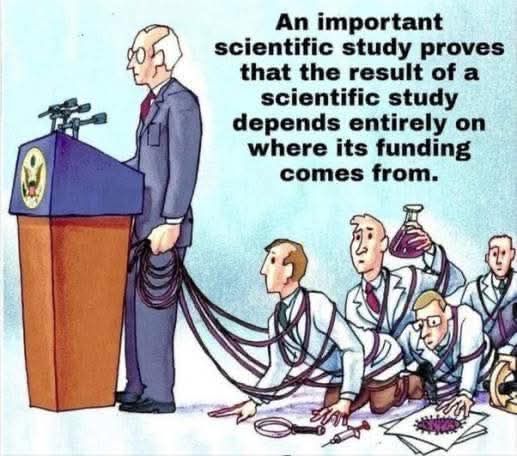
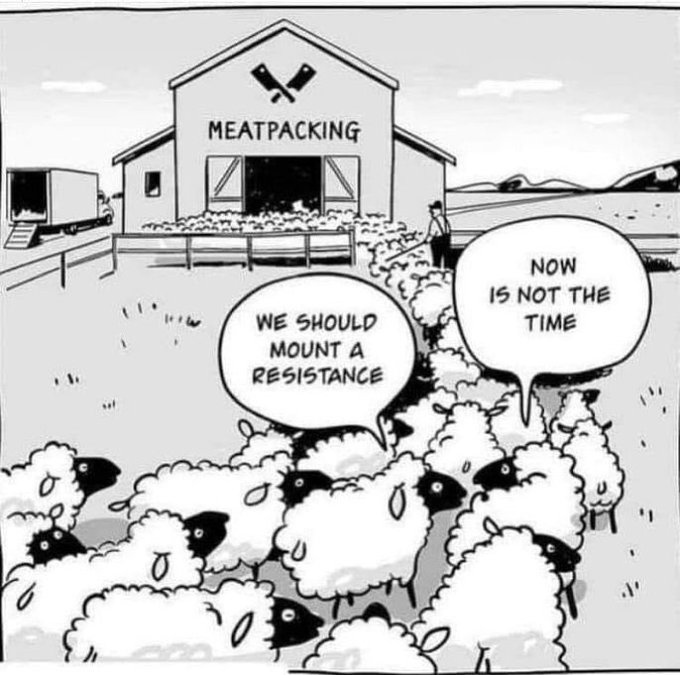
Looking for an affinity group to take the first step #OMN

The #algorithm on #YouTube has flipped hard right wing for me, a few other people have said the same, please add if you have seen this as well? If this is widespread, it shows how important it is to get normal people back to the #openweb reboot we are all involved in here.

This is obviously a form of social control, with the dominating of the #dotcons platforms in most peoples lives, plain and simple, the price of us building this domination.

The #hashtag story begins with disempowering the #mainstreaming in our own minds. First step: breaking the spell, realising we don’t have to live inside their frame.

Second step: forming the affinity group circle. Gathering with others who can see through the smoke and mirrors. From that circle comes the power to build the #OMN shovel.

Third step: composting. Taking all the #techshit – the failed projects, poisoned cultures, and dead ends – and turning them back into fertile soil. #OGB

What we do with that soil is up to us. That’s where the future grows. #KISS

The #geekproblem only sees #cavetechnology. But society is far too complex for that, you’d have to kill billions to make it work.

4opens is the opposite: a data commons. Light as a tool to fight with, not darkness to hide in.

The #OMN is a simple project

It can be hard explane this, as people make the needed change complex, it is not, yes, it’s messy and the are no simple answers. So a first step is composting the #techshit:

  • Raw waste → The constant flood of mainstreaming, broken promises of #dotcons, bad-faith #NGO capture, shallow “innovation theatre.” This is the smelly mess we are swimming in.
  • Shovel work → Activists and communities don’t just sit in the mess. We work to turn it over, exposing the rot, adding oxygen. This is critique, transparency, and the in action.
  • Aeration → Sunlight + openness turns stink into something useful. Lies are exposed, corruption made visible, hidden power structures dragged out into the light.
  • Soil of change → The same waste that poisoned us can become fertile ground for new growth, but only if we do the work of turning it. This is how trust-based networks sprout, how projects like the #OMN emerge.

What it means in practice:

  • Don’t just delete the shit – we instead compost it. Bad actors, bad processes, and bad tech are made visible and contextualized.
  • Don’t hoard the shit – silos just trap the stink. Share, federate, distribute – so communities can add their own oxygen.
  • Don’t wallow in the shit – critique alone is not enough. The point is to grow fertile alternatives.

The composting metaphor says: yes, we’re drowning in #techshit, but we have the tools to turn it into the soil for something humane, resilient, and alive. #KISS

The #OMN is a simple project. But simplicity is deceptive, what makes it difficult for many #fashernista and #mainstreaming people is not the code, not the servers, not even the logistics. The difficulty is that the #OMN is rooted in a different path of human nature.

It isn’t designed to fit the old path of #stupidindividualism. It isn’t built to serve the greed of #dotcons. It isn’t here to bend the knee to the #deathcult. The #OMN is designed as a transition tool, a bridge to a different path, commons, trust, a living path. Once people arrive, they can build what they like. That’s why the #OMN isn’t just tech, it’s a toolkit for social change and challenge.

#KISS. Keep it simple. Keep it real. I’ve been building this bridge for 20 years, agenst strong counter flows, we were all pushed off the path when we handed our voices to the #dotcons. When #openweb culture gave way to #stupidindividualism, I was ready to give up.

So I bought a boat and sailed away. #boatingeurope. Not a metaphor – it’s survival. But then came the #ActivityPub reboot, the #openweb with the #Fediverse rose again. I came back. Because there was hope, there still is.

And now – five years into this reboot – we face the next predictable crisis: #mainstreaming, the sell-outs, the “respectable voices”, the NGO parasites. Yep, it’s normal, it happens to every alt project. And now it’s happening here.

The solution? Compost the mess. Not to attack individuals – most of them aren’t important. What matters are the paths they push us down. Because their “common sense” is the real danger. These are “common sense” paths that turn living networks into dusty, dry creeks.

That’s why I keep writing the #hashtag stories: to make these hidden paths visible. So we can choose differently by seeing what’s going on. . Then act to compost the #techshit to grow something real.

I started by saying the #OMN is a simple project, let’s illustrate this with the #OMN Process

  1. Gather

People, projects, and content come together.

Anyone can publish by trust, share, and tag media.

Use open standards (#4opens, #openweb).

No gatekeepers, just openness mediated by trust.

  1. Describe

Content is enriched with metadata -tags, descriptions.

Human-readable and machine-readable.

Stories are linked by meaning, not silos.

  1. Share

Feeds are syndicated (via RSS, ActivityPub, etc.).

Content flows across the network.

Local projects display, remix, and reframe.

  1. Distribute

Decentralized hosting: many small servers, not one #dotcons.

Mirroring + redundancy = resilience.

No central point of failure.

  1. Contextualize

Communities add their perspective, framing, and translation.

Different views can co-exist on the same story.

Keeps the commons diverse and contested, not controlled.

  1. Compost

Bad ideas, #mainstreaming, and #NGO co-option are made visible.

Instead of only deleting, we contextualize and critique.

This “compost” becomes fertile ground for better growth.

  1. Grow

New media projects emerge from the toolkit.

Each can shape the #OMN path to fit their community.

A living, adaptive commons.

Principles in practice, KISS → tools stay simple, human-readable, small pieces that fit together. → open data, open code, open process, open standards. Trust-based networks → rooted in commons, not control. Resilience → many weak ties are stronger than one big silo.

The #OMN is not an app you install. It’s a set of processes + tools to move us from isolation to commons, from #dotcons back to #openweb.

https://unite.openworlds.info/Open-Media-Network

Programming mission: Let’s fix the Fediverse discovery gap

Here’s a small but powerful challenge for #openweb builders – and a perfect #DIY project if you’re fed up with the current #geekproblem. I’ve been trying to find #Fediverse instances that actually cover my town, Oxford, UK, so I can help promote and grow them locally. You’d think this would be simple, right? But… nope.

Tried the standard “instance pickers”? Dead ends. Tried generic web searches? Useless #SEO sludge. Tried maps like this one, a good start https://umap.openstreetmap.fr/en/map/fediverse-near-me_828094#7/52.076/-1.714, but nothing covering Oxford.

Why is this happening? Because our current tools focus only on technical facts (server specs, software used, uptime, etc.) and ignore the uncontrolled (dangerous) metadata that actually makes discovery meaningful:

  • What’s the instance for?
  • Who does it serve?
  • What community does it represent?
  • Where is it rooted geographically or socially?

This is the #geekproblem in action: great code, but no way to find things people actually want to use. What’s the fix? Someone (maybe you?) creates a community-focused discovery tool that:

  • Encourages instance admins to tag with location, community, topics, etc.
  • Provides search/filter UI that works for real people, not sysadmins
  • Uses the Fediverse’s open standards (#ActivityPub + #microformats) to pull this info in
  • Maybe even integrates with OpenStreetMap or a simple opt-in geo-tagged registry
  • Outputs something friendly – like “Find your Fediverse community in your town”

This is not a hard project, it’s a weekend hack for someone who cares, but it has social value as it helps bridge infrastructure to lived communities. This need to be at the core of the #openweb reboot.

So for people who can’t see why this matter. If we want the Fediverse to grow beyond techies and Twitter refugees, we need to help people find their people, local discovery is key. Place-based communities are still powerful, especially when rebuilding trust, mutual aid, and shared media in a collapsing world.

So, want a simple mission? Build a tool that helps people find #Fediverse instances by town, city, or region. Start with Oxford, but make it global. Make it open. Make it federated. And when you do? I’ll be the first to push it out.

#Fediverse #OMN #openweb #FediverseDiscovery #programmingchallenge #Geekproblem #MutualAid #CodeForGood #FOSS #localweb #trustnotcontrol #KISS


Update: my suggestion of path, a simple UX:

A few dropdowns over the map,

  • Region (countries are regions, anti-nationalistic)
  • City/area (a county or city)
  • local (village, area in city)
  • Them maybe latter hyper local (but not for now)

Then we have subject – it would be normal to have a multi subject hashtag map, that updates on each click – adding the clicks to a list on the side – with “new button” to jump back to start.

Then you have advanced for the normal tech stuff… which currently is the front end on most pickers. This would also be displayed on the info box for each instance on the map, so still central, just not AT THE FRONT.

UPDATE: can just pull all the existing data out of the current sites like https://instances.social/list#lang=en&allowed=&prohibited=&min-users=&max-users= as these are all . So the projected site could be up and running with full data in little time. Yes, you would have to ask people to tag their installs to geolocate their instances. This could be done a hard way or a simple #KISS way like any admin in the instance adding a #hashtag with a geolocation hashtag after it. Then periodically go through the instance list and spider all admins on each instance if you find the hashtag – add the next hashtag as a geolocation or something as #KISS simple as this. What is your idea?

Ideas in comments, please.

UPDATE: this is this one https://fediverse.observer/map works better still nothing in Oxford – it seems to be pretty random with little relevance to subject and area, is it by IP address eo location, that would be #geekproblem

What we need is useful compost layer’s for growing native projects

Compost, not illusions, is a first step – A radical look at “light green” tech – For a second step we need a useful compost layer for growing native projects, like the #OMN. What we currently have in most so-called “green technology” promoted through #mainstreaming and #fashionista narratives is not ecological in substance – it’s performative environmentalism, built on omission, distortion, and branding. To help make sense of this mess, let’s use the lenses of the , the #geekproblem, and the broader #openweb.

The mess is “green” as branding, not substance. Most of today’s #mainstreaming “green” tech, like, electric vehicles (EVs), solar panels, wind turbines – is “green” in aesthetics, not in impact. These are products sold as solutions, but they’re too often rooted in the same extractive, centralized, and opaque paths and systems that caused the problems in the first place. This is the heart of the lie we need to compost, as the needed social change cannot grow from toxic soil, no matter how glossy and plastic the flower appears. If we ignore the roots, we just keep geting more illusions.

Watch this critique: The True Cost of Green Tech (YouTube)

The #OMN critique is to move past the false solutions and the broken paths. Yes, light green solutions pushed by institutions and NGOs aren’t inherently bad technologies – but their production, distribution, and governance models are deeply flawed. They violate every principle of the :

  • Open data: No honest accounting of full lifecycle impacts.
  • Open source: Dominated by proprietary, locked-in systems.
  • Open process: Controlled by corporations and states, with no meaningful public input.
  • Open standards: Sacrificed for monopolistic vertical integration (e.g., Tesla).

The result is more #techshit – waste and violence hidden behind shiny #PR branding. Even our weak #NGOs point out the brutal costs: resource extraction (cobalt, lithium, rare earths), labour exploitation (child and Uyghur forced labour), and environmental dumping. These costs are buried beneath greenwashed PR aesthetics, making them palatable to consumers but invisible to our shared, and needed critique.

The #geekproblem, the “problem” in much geek culture, is tech as saviour, this is the belief that technology itself is inherently progressive. This takes us down the paths where proposed “fixes” like nuclear follow the same flawed paths: centralized, capital-intensive, top-down systems cloaked in the language of innovation. It’s new wrapping, same old crap.

This is not a path to climate justice. It’s a continuation of the #deathcult – digital colonialism powered by extraction, slavery, and silence. No genuine social or ecological transformation can grow from this poisoned foundation. Where the real cost of “green” tech is not just ignored, it’s deliberately silenced. This silence isn’t accidental; it’s structural. The narrative that we can “buy better things” and consume our way out of crisis is a pacifying lie. It sells comfort, not change.

True ecological technology must be social first. It should grow from transformation, not transaction. We need to compost the lies to grow real alternatives. We must compost the #mainstreaming myths-this is the role of #hashtag stories.

There are meany paths to take, the one I focus on is reclaiming small-scale, peer-produced infrastructure. Using the to demand transparency, accountability, and participation. Solar panels and EVs have a role, but only when embedded in a radically #degrowth paths: Open governance (#OGB), local, decentralized production (right to repair, community assembly), circular economy (reuse, repurpose, recycle), humanism as non-negotiable (no slavery, no offshoring of harm). It’s a simple, not to say old-fashioned idea of humanistic progress, maybe we can do this better this time, I hope.

Conclusion, please #KISS the illusions goodbye, build the compost heap. Now also, please remember, we are not against technology – we’re against the lies that accompany it. As long as we keep lying about the nature of change, we cannot begin the real work. We need fertile ground – a compost layer for native projects like the #OMN – to push openness and cultivate the genuine ecological thinking we need to grow. It’s way past time for people to lift their heads from worshipping the #deathcult and stop being prats about this.

We need to break out of this cycle

Funding structures are built for #NGO nonsense, not grassroots projects where actual value is created. The #OMN, #indymediaback, and #OGB challenge this, but funders can’t grasp it because they don’t understand value outside institutional framing.

Fixing the funding #blocking – funders need to THINK, not just UNDERSTAND. Right now, they “understand” in the framework of existing institutions, which means they miss the metaphor-driven, emergent nature of projects like the #OMN. Our #Hashtag story is for THINKING, not passive understanding, its purpures is a useful tool to push the conversation forward, not dogma to be accepted or rejected. Treating the hashtags as fixed truths leads to #blocking the needed real change.

We need to break out of this cycle – 20 years of #techshit – which is still strengthening the gatekeepers, we can’t keep playing by these rules. The biggest realization here is that common sense truth and metaphor are not the same. Funders, #NGOs, and the #mainstreaming crew think in terms of common sense fixed truths, while real change comes from dynamic thinking. That’s why they keep failing us.

So, how do we move forward?

#Indymediaback Funding Application 2025-02-036 indymediaback received

#nothingnew sets the stage for #somethingnew

The #nothingnew hashtag offers a straightforward and bold #KISS (Keep It Simple, Stupid) approach to rejecting the prevailing ideologies of the past 40 years: #neoliberalism and #postmodernism. These ideologies have shaped the current “common sense” to push individualism, relativism, and market-driven solutions, at the expense of collective action and systemic change we so urgently need.

Neoliberalism is an ideology that emphasizes free markets, deregulation, and privatization, by eroding social safety nets and collective power. It normalizes austerity, wage suppression, and the commodification of public goods, making systemic exploitation appear inevitable and unchangeable. This is the mess we have made over the last 40 years.

Postmodernism, is rooted in scepticism and relativism, which undermines the belief in truths and collective narratives. While it does critique power structures, it leaves people without a path forward, reinforcing apathy and fragmentation which our economic system has spread.

Together, these ideologies create a world-view where large-scale social change is dismissed as impossible, reinforcing a status quo that benefits the few. We are past the time when we need to reboot social change back to a more action orientated modernism path. This is how #nothingnew sets the stage for this #somethingnew.

The #nothingnew framework advocates revisiting modernism, which championed progress, reason, and collective solutions to social challenges. Modernism’s optimism and belief in systemic change are powerful antidotes to the paralysing scepticism of postmodernism. By rejecting the last 40 years’ intellectual and economic inertia, #nothingnew seeks to create a foundation for practical, action-oriented social movements we need to mediate the building crises.

Building #somethingnew, is about recentring collective action with a shift of focus from isolated individual efforts to collaborative, community-driven paths. This path needs simplicity and accessibility by keeping frameworks clear, actionable, and rooted in shared goals, avoiding over-complication. to make this happen we need to build trust in progress, by advocate for meaningful growth—improvements in living conditions, equality, and sustainability that serve humanity rather than the profits of the few.

The #nothingnew project isn’t about nostalgia—it’s about learning from the past to chart a clear, modernist-inspired course for a future that values fairness, collaboration, and systemic change over stagnation and skepticism. It lays the groundwork for a transformative shift to #somethingnew and is an important part of the #hashtag story and #OMN