On this, it’s worth looking back on the 1980s #Thatcher era in the UK, #deathcult privatisations, this era is now ripe for real and useful contemporary criticism. And this criticism could be used for a useful push for the change and challenge we need now.
Water Companies, privatized in 1989 with promises of efficiency and investment, have since faced continuous scandals over sewage spills, underinvestment, and skyrocketing bills. The outcome, profits have been pushed over public service, leading to environmental and infrastructure mess which will coat billions to compost.
Railways, privatized in the 1990s under Major, have led to fragmented operations, high ticket prices, and crap service. Public subsidies have increased dramatically, effectively making it a publicly funded but privately profiting system. The failures of companies like Railtrack highlighted systemic issues. This urgently needs to change, but this is a mess that leads to huge public costs.
The Steel Industry, British Steel, was privatized in 1988 but continued to struggle to compete globally. Subsequent closures and job losses have been crippling to industrial regions. Today, the UK steel industry remains a declining mess, requiring government intervention and subsidies to survive. We don’t have a path out of this mess, in the era of international instability we need a solution.
Energy, the privatisation of electricity and gas led to reduced competition over time, with prices soaring for consumers. Companies have been price gouging and underinvesting in sustainable energy. A mess, to manage the shift to renewables, that we now need to compost.
Telecom, while privatisation of BT (British Telecom) did modernize telecommunications, it created an uneven playing field, with BT retaining dominance and smaller competitors struggling to compete meaningfully. What is the path with this?
The promise of our worshipping of the #deathcult was to reduce costs through privatisation unsurprisingly, this hasn’t materialized; instead, public funds have been used and continue to be used to subsidize failing privatized companies owned by the #nastyfew.
The broader impact has been the pushing of widening social inequality. Essential natural “commons” services and utilities were turned into “profit” drains for the #nastyfew at the expense of affordability and quality for the meany. With privatisation, it transferred wealth from the public to this small group of greedy and nasty people.
The scale of these failures and public dissatisfaction might be a force for the change and challenge we so urgently need. That is, if we can make the more horizontal path actually work for us as a first step #OMN
One of the core’s of #stupidindividualism is the fantasy that we, as individuals, can personally solve the most catastrophic problems. This mindset simply mirrors neoliberalism’s ideology, which denies the importance of collective action and reduces challenges to a personal responsibility. #Neoliberalism convinces us that our role is as solitary actors. Instead of organizing or building solidarity, we’re told to “vote with our wallets” or “solve problems ourselves,” with consumers trying to recycle their way out of the #climatecrisis.
Why this benefits the #nastyfew is it isolates us, keeping us from organizing real challenge’s to power structures that push the current mess. It frames systemic failures as individual failings. If you’re underpaid or exploited, it’s not because the system is broken, it’s because you didn’t negotiate well enough or switch jobs fast enough. It turns political engagement into pointless and addictive consumer choice, where spending habits are treated as activism, ensuring the richest always win no matter what you think you are doing.
How this is reflected in our reality with #climatechaos, we’ve been told to recycle or reduce waste individually, but systemic corporate pollution and pro corporate regulation are the actual culprits. With elections, unlimited campaign spending by the wealthy transforms democracy into a farce, where their financial “votes” drown out grassroots movements. With labour rights, workers are urged to negotiate alone with bosses rather than unionizing, perpetuating exploitation.
This path grows disillusionment and helplessness, trapping us in cycles of meaningless individual gestures when what’s needed are collective, systemic changes. It’s not just ineffective; it’s designed to keep the status quo intact. Breaking free means rejecting the “stupid” part of individualism and embracing solidarity, cooperation, and paths that prioritize shared well-being over personal mess.
Please lift your head from worshipping this aspect of the #deathcult
The current #mainstreaming paths are dependent on capitalist structures, when looking at this critically, it reveals itself as a #deathcult, with the embodiment of unrestrained growth and consumption that runs counter to meaningful solution to #climatechange. While billionaires and corporatens entertain the illusion of future-proofing their wealth and safety, the reality is more perilous. Their greed fed opulence and influence, but it can’t shield them indefinitely from a collapsing ecosystem that sustains all life, including their own.
Inherent to this contradiction in capitalism itself: it requires perpetual growth to survive. This expansion is incompatible with the measures needed to mediate or stop #climatechaos. But if growth halts, so does the economic machinery that upholds the current power structures, creating a destabilizing domino effect. While you might ask why those in power do not pivot to environmental preservation, it’s the same mess, the answer is the system’s relentless demand for expansion. Even if an individual capitalist – or a consortium – decides to scale back for the sake of long-term planetary health, the market will simply replace them with competitors who are more willing to pursue relentless profit, growth, and resource consumption.
The current path has a self-destructive logic, this paradox is why even billionaires who are conscious of the dire climate situation resort to insufficient and infective measures. They might fund green technologies and push for marginally lower carbon emissions, but the actions remain constrained by the underlying logic: protecting the continuity of capital. This capital-only world-view can’t embrace the radical systemic change we actually need to avert ecological collapse.
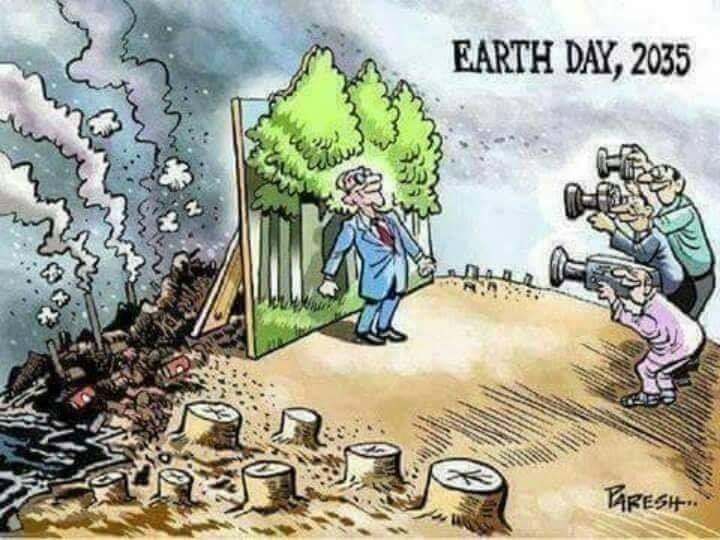
Let’s look at this, billionaires and the bunker illusion, the ultra-wealthy/greedy #fuckwits, plan to retreat to their fortified bunkers and private, insulated zones once climate-induced social and environmental chaos grows un medateable. While contingency plans do exist – high-tech shelters, land acquisitions in regions predicted to be less affected by climate change -these are temporary solutions. A world unravelling from the fabric, ecosystems will not sustain even the most fortified enclaves indefinitely. Even if technology advances to the point of enabling space colonization, the timelines required for such ventures far exceed the immediacy of the crisis we keep #blindly pushing.
This is an easy to understand systematic issue, and it should be obverse we need a collective rater tan the mask of individual solution. Capital, the motivation and power for action, is not about individual capitalists but capital as an entity, the dogmatic socio-economic phenomenon that exerts control over its arbiters. Capital has built in infinite growth, prioritizing profit over sustainability and long-term human survival. An individual or collective attempt to defy this logic and implement meaningful, planet-preserving strategies would be outpaced and outcompeted by others who align more closely with capital’s pushing of this #stupidindividualism, ruthless, greed is good.
This #KISS understanding underscores the distinction between idealist and materialist interpretations of the crisis. Idealists believe that with enough awareness and willpower, the system can change from within. Materialists, recognize that capital is a structure that acts beyond the control of individual or organization. It functions like biological evolution: it values reproduction and expansion above survival, when as we see now those traits are in the end destructive.
There is some room for corrective action within the existing system, but it’s inadequate. Policies to mitigate environmental impact, even when enacted, are slow and piecemeal. The issue isn’t that #mainstreaming decision-makers don’t understand the problem; rather, they don’t grasp the depth of systemic overhaul required to address it. The principles they consider immutable -the rules of modern economics and finance. The “common sense” is the problem.
The #deathcult of mainstreaming is propelling growth and consumption despite ecological warnings, it is locked in a dance with CAPITALS logic. While billionaires may fund clean energy startups and talk about sustainable practices, their wealth and the power structures uphold and are bound up in the unsustainable status quo. Change and challenge requires uprooting fundamental beliefs about how economies MUST operate, not just superficial adaptations. Until this realization is shared and spread, capital will continue on its path, indifferent to the ruins it leaves.
Best not to be a prat about this, thanks.
Why capitalism and climate change solutions are fundamentally incompatible. The urgent need to address climate change collides with an uncomfortable reality, as we outline capitalism’s foundational mechanics to make meaningful climate action impossible. This isn’t a case of individual negligence but a systemic flaw. As we say, capitalism, by design, prioritizes profit and growth, at the expense of long-term, collective concerns and environmental preservation.
Capitalism favours the #nastyfew who maximize profits in the shortest timeframe. It’s a path where the most ruthless and nasty competitor prevails, setting the standard that others must follow or face obsolescence. This constant pressure means that if an individual capitalist or company recognizes the existential threat of #climatechaos, they cannot afford to act on it meaningfully without losing their competitive edge. For example, a corporation that decides to limit emissions at the cost of profitability will quickly be outcompeted by one that does not.
The logic of capitalism ensures that any significant deviation from maximizing short-term profit results in failure within the market. Thus, while some companies engage in “green” initiatives to pay lip service to sustainability, these efforts are superficial. They exist to placate public concern and leverage marketing advantages, rather than drive the needed change. The myths are that capitalism, through innovation and competition, will solve climate change. However, capitalist solutions boil down to maintaining leverage and coercing others into action. For example, the race for green technologies like electric cars and renewable energy can be more about dominating a new market sector than reducing environmental harm. Elon Musk’s ventures into space and sustainable technology, was hailed as forward-thinking, illustrate this principle. Space colonization and technological fixes reflect an expansionist mindset, a search for new “territories” to exploit as resources on Earth dwindle.
Capitalism’s path needs to push costs onto external parties, the public and the environment. The system relies on government-funded infrastructure and socialized costs, as seen with subsidies for oil companies, highway construction for the automotive industry, or public bailouts for corporations in crisis. When it comes to addressing #climatechange, this reliance on externalized costs becomes a liability. The climate crisis is a global “cost” that capitalism, left unchecked, will not address willingly. It requires collective action that contradicts capitalism’s individualistic and profit-driven paths. This is why capitalist markets require regulation by state or more importantly collective paths to function at all or sustainably, and even then, such measures face fierce resistance.
We now live in the automation age, the question is how the #nastyfew plans to survive. Whether billionaires believe they can weather the storm of #climatecollapse is complex. Many of them, seeing the unsustainability of infinite growth, look for exit strategies. This explains the investments in space travel, underground bunkers, and gated communities. The implication is stark: they believe their wealth will shield them from the mass suffering climatechange will bring. Automation adds another layer to this story. With machines replacing human labour, the exploiters envision a future where their economic power persists without the masses of real people, that’s you and me. This very dystopian reality shows the detachment of capital from human and ecological concerns.
We currently face a failure of collective action to mediate, one of capitalism’s flaws ts inability to coordinate collective action without state intervention. While some countries have managed to decouple emissions from #GDP growth through, exportin emissions, advancements in service sectors and digital economies, this decoupling remains insufficient to meet the global targets needed for net-zero. The system’s piecemeal and reactive, cannot match the scale of planning required for real climate action. Without a fundamental restructuring that prioritizes the collective good over private profit, meaningful progress remains an illusion.
In the post-modern world, #neoliberalism penetrates every aspect of our lives, commodifying not only goods and services but human relations, creativity, and increasingly the natural world. This historical #deathcult is designed to obscure its roots and operations, keeping people powerless and confused, while ensuring the prosperity of a greedy and #nastyfew. By stripping away regulations and protections, neoliberalism pushes into a rentier society that thrives on exploiting paths essential for survival.
After 40 years of this mess, people think this is natural, a natural law, but in reality it is an ideology engineered to strip away all barriers to capital. This system reconfigures societies, deindustrializing, privatizing, and commoditizing vital services while dismantling unions, which are key obstacles to capital’s control. As a result, wealth is funnelled upwards, creating vast inequality and social decay.
For many, life feels empty, alienated, and devoid of meaning, stripped of communities of trust, disconnected from nature, and instrumentalized relationships, turning humanists into consumers. The result is widespread disenchantment and mental health crises as people struggle to find purpose beyond our worship of this #deathcult of cold logic, profit.
On this #mainstreaming path, nature itself is commodified, with the “natural capital” agenda aiming to put a price on ecosystems, further pushing exploitation rather than preservation. This soulless, anti-humanistic calculation drains the “spiritual” value from the world, creating an environment where everything, including human beings, are treated as a resource to be mined, used and exploited until they collapse.
The allure of this system is its false promise of simplicity, we can point to external forces, like an enemy or a far-off political struggle, and believe the problem is out of our hands. This form of disengagement is a hallmark of neoliberal control, preventing the collective action required to reclaim #KISS power and meaning in our lives.
The antidote is not only in dismantling neoliberalism but in rediscovering our sense of agency, rebuilding social bonds, and fostering a grassroots vision of community and solidarity. This is where resistance begins, by recognizing that another world is possible and actively working to reclaim the future from those who profit from the present decay.
In doing so, we must compost the rot in the current path and plant seeds of hope and collective action, like the #OMN, #OGB and #indymediaback to build paths that ensuring that the systems of tomorrow are built with people and planet in mind, not only profit.
A crucial question, that speaks to the frustration many people feel toward the ongoing crises -political, environmental, social – that is not only the failure of the centre but also the collapse of the system itself. The centre, blindly sees itself as a space of compromise and stability, but has been propped up for decades by a neoliberal ideology that promised endless growth, market solutions, and moderation, yet we are witnessing the disintegration of that “stability”.
Recognizing the Failure of the Centre:
Erosion of Trust: People are aware that the centre, the moderate, mainstream establishment, has failed to deliver on its promises. Political polarization, the rise of populism, and a loss of faith in democratic institutions signal, the so-called centre is unable to address the mess people face. Economic inequality, climate breakdown, and social injustice are not marginal concerns but #mainstreaming crises.
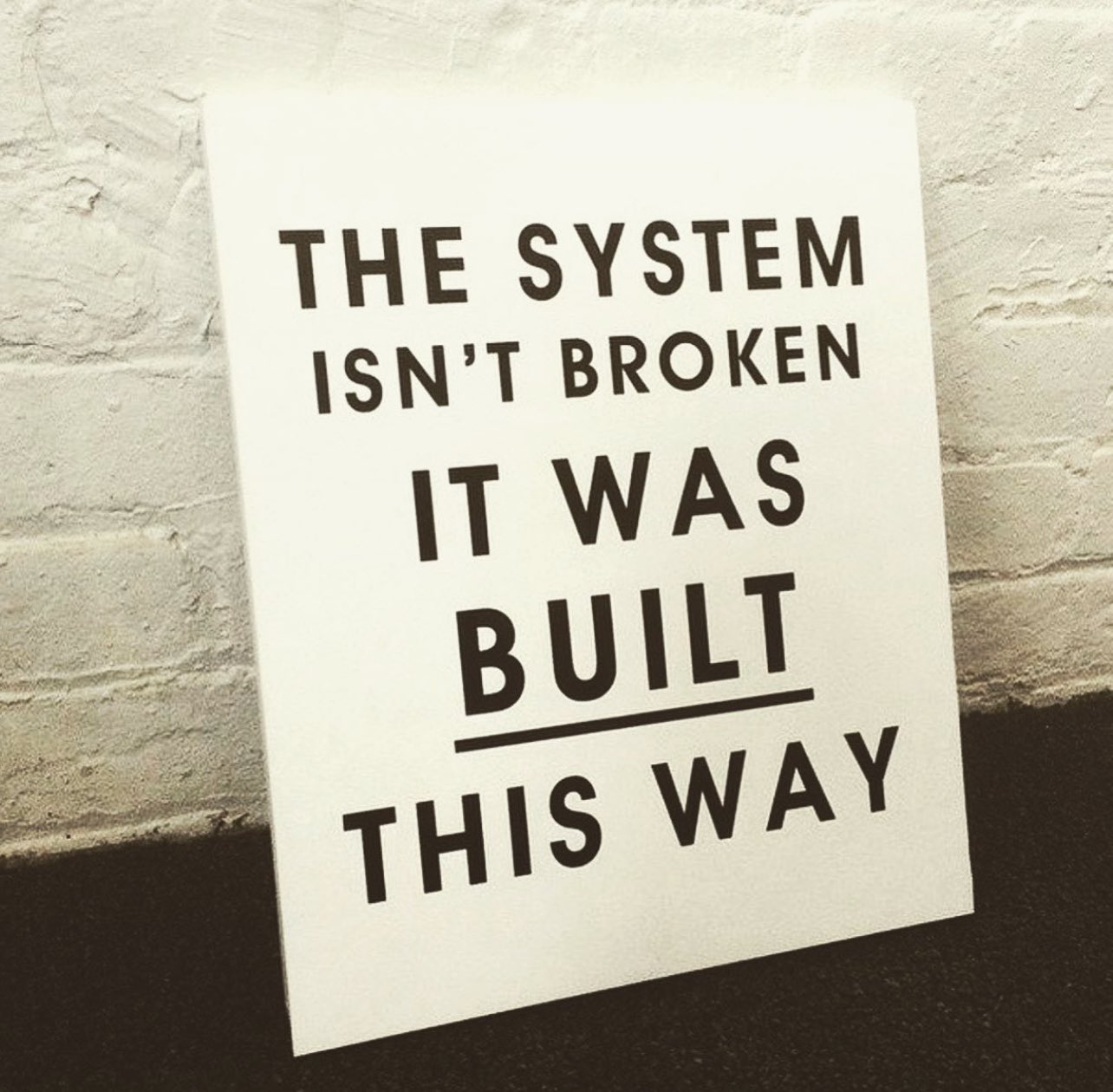
The System is Not Working: The underlying system, whether it’s neoliberal capitalism, representative democracy, or technocratic governance, are visibly incapable of dealing with the crises they have created and exacerbated. The #climatecrisis is intensifying, the wealth gap widens, and the erosion of civil liberties in the name of security shows that the current paths prioritizes control and profit over human well-being. Some are starting to admit that the system itself is fundamentally broken.
Centre Did Not Hold: The idea that the path of endless growth, individualism, and market-driven solutions would bring prosperity for all, but, the reality is starkly different. The collapse of consensus politics, the weakening of institutions, and the rise of extreme right-wing movements are native to this “centre” path. It could not hold because it was never stable to begin with.
Why Haven’t We Admitted It?
Denial of Alternatives: For the last 40 years, the mantra of #neoliberalism has been “there is no alternative” (#TINA), so as the system crumbles, people and institutions cling to the belief that it’s the only path. This ideological blindness has so far prevented the meaningful change we need from taking root, as alternatives are either dismissed as utopian or subverted into market-friendly forms.
Fear of Uncertainty: The collapse of the system brings with it the fear of uncertainty. People, even those disillusioned with the status quo, fear what might come next when the system fails. This fear manifests as apathy, #blocking or retreat into isolation, the scale of the problems seems overwhelming.
Perpetuation by the few greedy, nasty people who “benefit”. The #deathcult worship still works – though only for a small, powerful few who benefit from this deteriorating status quo. As long as this #nastyfew control much of the media, politics, and economy, the narrative of the centre and the system’s viability will continue to be pushed. This gatekeeping prevents #KISS acknowledgment of systemic failure.
What Happens Next?
Collapse of “Legitimacy”: We are already witnessing a growing collapse of the respect for the priesthood of the #deathcult and their continuing propping up of “legitimacy” in institutions across the globe, from governments to corporations. We can also see the rise of decentralized movements, from the #Fediverse to local grassroots activism, people are looking for alternative ways to organize outside the path that has failed them.
Emergence of New Stories: One of the tasks ahead is to (re)create narratives that challenge the current paths, offering visions of sustainable, cooperative, and inclusive futures. Where grassroots movements, #4opens technology, and environmental justice play a role in this shift, offering both practical solutions and different trust based ideological frameworks that counter the fear-driven status quo.
Radical Imagination: Admitting the system didn’t work requires embracing a radical imagination, to start to think beyond the limitations of the normal political and economic paths. This means reconnecting with hope, while recognizing the balance of collective action over (stupid)individualism.
In so many ways, people are already admitting the failure of the centre and the “common sense” that supports it, though often not explicitly. The challenge now is how to move from recognition to practical #DIY grassroots action, from seeing the collapse to building what comes next. That requires tapping into the potential in grassroots networks, tech communities, and activist spaces to grow a viable path. You can see a part of this path in the work done on the #OMN for the last ten years.
When do you think we reach a critical mass where this failure is acknowledged widely, when this happens can we avoid the lurch to the hard right? What role do you see for grassroots #DIY movements in driving this alt change?
If you’ve spent time on my website, you’ve come across the term neoliberalism. It’s a word that’s used so much that its meaning has maybe been diluted. You might have a surface-level understanding: deregulation, privatization, tax cuts for the rich, the classic “trickle-down” nonsense where we’re supposed to believe that if the rich get richer, everyone will magically benefit. It’s not entirely wrong, but it only scratches the surface.
So, what really is neoliberalism? It’s the core of what I call the #deathcult – this unquestioning faith in the free market, a belief that capitalism, when left completely to its own devices, will allocate resources efficiently and justly. Spoiler alert: it doesn’t. This ideology has been pushed to the heart of why our society and is now why it is collapsing, why inequality is rampant, why climate change isn’t being addressed meaningfully, and why we’re on a collision course with disaster.
#Neoliberalism isn’t new. We’ve seen it before in the laissez-faire economics of the late 19th century, which crashed into the Great Depression. It ended in global upheaval, political unrest, and the rise of authoritarian regimes, leading to globe war. And now we’re on the same path with social disintegration and #climatechaos, this time the mess is even more poisonous, with ecological collapse looming.
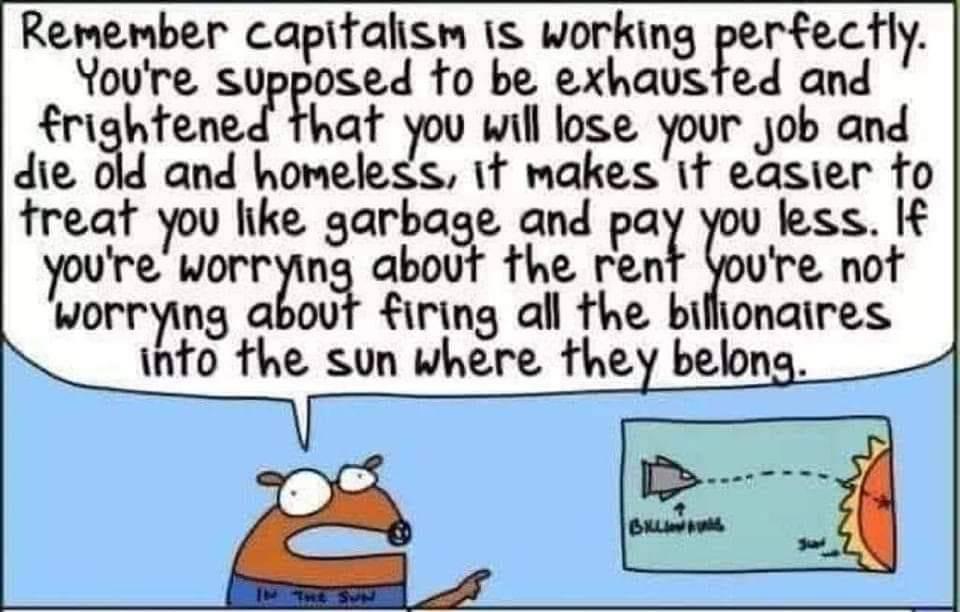
At its core, neoliberalism is about giving all the power to the #nastyfew in the “business class”. Not the people, not communities, not workers – just businesses, capitalists and what remains of the old feudal orders. In a #neoliberal world, the capitalist class gets to make all the decisions: setting wages, determining prices, managing resources, polluting freely, without interference from governments and collective movements. It’s a system designed to serve the interests of the most evil people while pretending to offer “freedom” to “consumers” what ever this means. But that “freedom” is a lie. What kind of choice is it when you can’t afford housing, healthcare, or basic survival? “Pick one” shiny piece of crap they say, while everything crumbles around us.
And the worst part? Neoliberalism doesn’t just push suffering, it justifies it. If you’re poor, it’s your fault. You didn’t work hard enough. You’re lazy. The cruelty of it is staggering: the rich hoard their wealth, built on the backs of workers, while the system vilifies those who are struggling to get by. This ideology isn’t just economic, it’s political. Neoliberalism co-opts the state, transforming it into an enforcer for the business class. The state’s role becomes about protecting corporate interests, not public welfare. Deregulation, privatization, militarization, these are its tools to keep the market “free” for capitalists while making life increasingly unfree for everyone else.
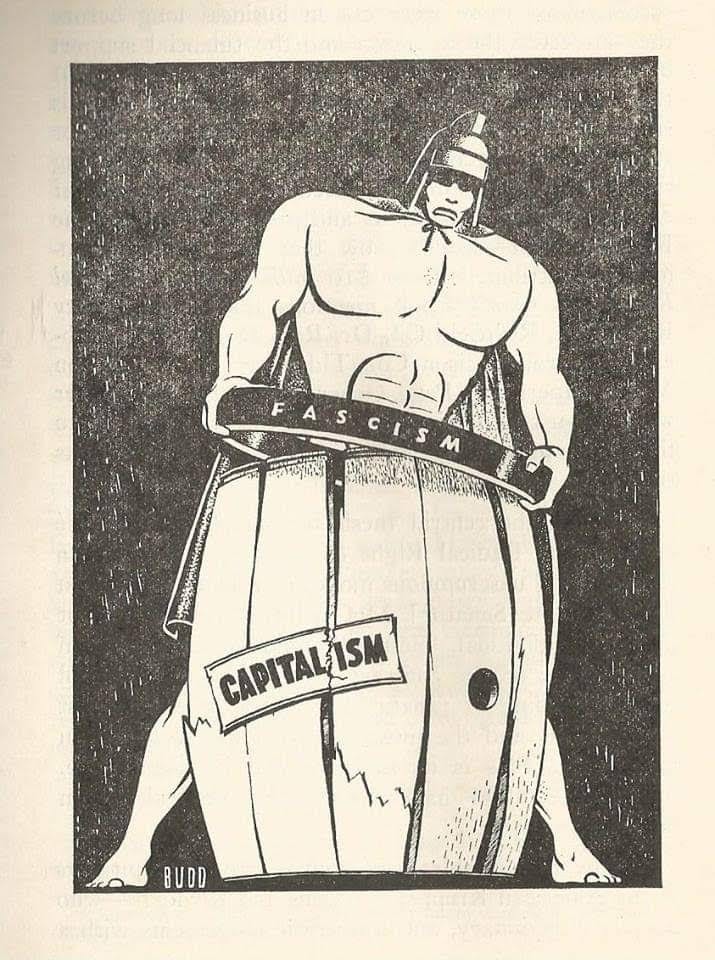
This is the mess we are in now. We’re witnessing the slow, methodical destruction of the real social safety nets built up by workers after the second world war, of any meaningful government oversight, and of collective power. Neoliberalism hates unions, despises activism, and fears real challenge and challenge to class interests and power. And when push comes to shove, it would rather align with #fascism than allow any alternative like socialism or genuine collective power to rise to balance the current mess.
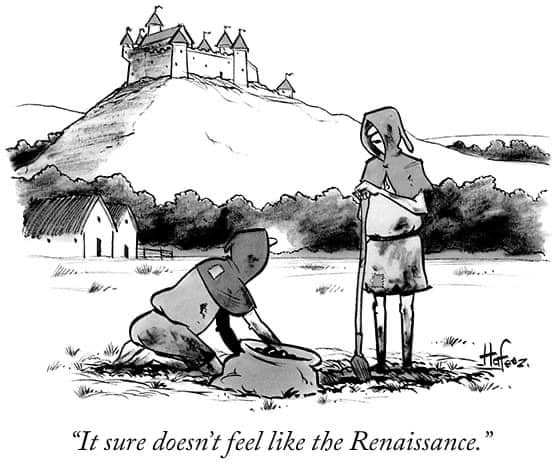
So when I talk about the #deathcult, this is what I mean. It’s a simple metaphor for #neoliberalism, an ideology of destruction, dressed up as “freedom” and “efficiency.” The task before us isn’t just to critique it but to compost it, to build affinity groups, to seed movements that understand the depth of the problem and are ready to nurture the seeds of real alternatives. We can’t afford any more to just sit back and let it continue. We have worshipped this #deathcult for 40 years, we need to lift our heads and shovels (#OMN), and we need to do this now.
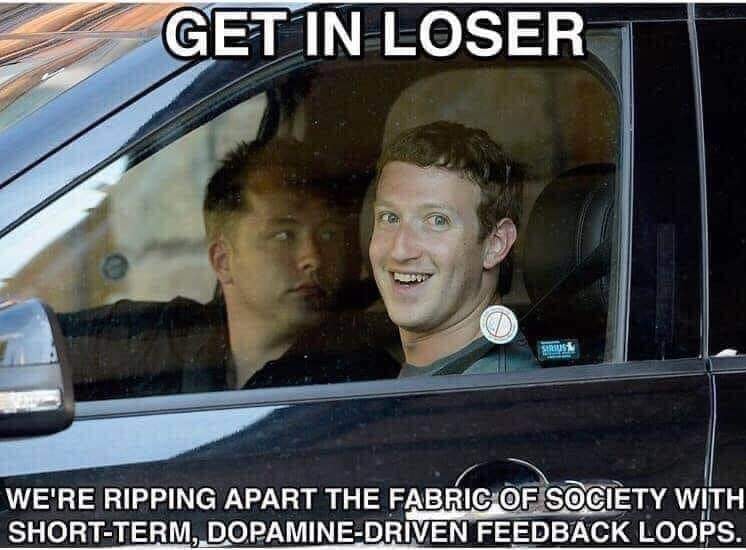
For meany people, the old #dotcons like #Instagram, #Facebook and #Twitter still dominate their online lives, shaping not only what they see but also how they still think and interact. These platforms, with their complex dark algorithms, offer an addictive experience people find hard to resist. The allure is not just in the content they provide, but in the nature of how that content is delivered – tailored, curated, and designed to keep engagement to the point of dependency.
The problem for society is that this dependency on these algorithms has become a digital addiction. This is even more true for the next generation of digital drugs from fallow on generations of #dotcons. The algorithm decides what to show people, shaping perceptions and influencing decisions. Over time, this erodes people’s ability to make choices independently, undermining the freedom that the internet was initially supposed to offer. This loss of autonomy is frightening, as it suggests a surrender of our agency to the invisible hand of the algorithm, which prioritizes engagement in capitalism over well-being.
The Algorithmic trap, how we got here? The business model of these “#closedweb” social media platforms, the #dotcons, is based on addiction. The more time people spend on the platforms, the more data they collect, and the more targeted the ads and “content” becomes, leading to increased profits for the #nastyfew. This cycle creates a powerful incentive for these companies to make their platforms as addictive as possible. The more we rely on them, the more they control us, and the less freedom we have to think and choose for ourselves.
What is particularly messy about this model is how it normalizes digital dependency. For meany people, the idea of switching back to the #openweb, to federated, decentralized social media, where algorithms do not dictate what you see, is unappealing precisely because it does not offer the same instant gratification, fix. These platforms do not feed the addiction in the same way, making them less attractive to those who have grown accustomed to algorithmic curation.
To break free from this spiral, people need digital detoxification, but It’s hard to know how to go about this? This is not just about reducing screen time; it’s about reclaiming the paths to make choices independently of what an algorithm suggests. It’s about learning to engage with content and people on your own terms, rather than being passively fed by a machine designed to keep us hooked.
Driving this mess is our worshipping of the #deathcult for the last 40 years, the social shift towards practices and systems that, while profitable for a few, are destructive for the many. The #dotcons have built their neo-empires on this, creating digital paths, prioritize profit over people, “engagement” over any enlightenment. This mess extends beyond social media. It speaks to a broader critique of how our paths in technology and #neoliberal ideology have shaped our lives. #Neoliberalism, with its focus on free markets and strong right-wing social government intervention, was pushed into our thinking, making us blind to the ways in which we are being manipulated and controlled. This is so ingrained that it has become “invisible” to most, making it difficult to see any possibility of a different path we could take.
Beyond this ideological wall, we need to help people see the invisible, to recognize the ideological frameworks that shape their perceptions and actions. Many people find it difficult to appreciate perspectives outside their own, particularly when those perspectives challenge deeply held beliefs. This is why so many people are #blocking by dismiss paths that try to explain these concepts from different ideological viewpoints. For those of us who try to view the world through multiple lenses, it can be frustrating to see how limited the #mainstreaming narrative is. With status quo, liberal media, pushing a narrow view of the world, that reinforces rather than challenges the mess.
Activists and thinkers, who have long warned of the dangers, are frequently sidelined or ignored. This is why it’s crucial to keep telling these stories, even if they are not always heard or understood. We must continue to highlight the ways in which our digital lives are being shaped by forces that do not have our best interests at heart. We need to keep striving to make the invisible visible, to reveal the ideological underpinnings of the systems we interact with daily.
This is a needed, but difficult story, the story of digital addiction and the #deathcult. It requires us to confront uncomfortable truths about how we live our lives online and how we’ve allowed ourselves to be manipulated by the tools that were supposed to set us free. That the way we engage with technology is not personal choice but is shaped by the economic and ideological systems in which we are all a part. It’s a story that needs to be told from multiple perspectives, not just those of the chattering classes or the narrow liberal media belief frameworks. A story that should include the voices of activists, technologists, and everyday people struggling to reclaim humanistic paths.
In the end, if we want to have any future, let alone one that is truly open, decentralized, and free, we need to recognize the dangers of digital addiction and the ideologies that sustain it. We need to support the #openweb and the technologies that empower people rather than control them. This is a first step to break free from the #deathcult mentality, creating an online and offline world that we might like to live in #KISS
All code is ideology solidified into action – thus most contemporary code is capitalism, this is hardly a surprise if you think about this for a moment. Yes you can try and act on any ideology on top of this code, but the outcome and assumptions are preprogrammed, with this in mind let’s look at a path outside this current mess.
In the original “native” grassroots growth digital wilderness of the #openweb, our use of technology paths were seen as something esoteric—a domain of hackers, activists, and tech-savvy individuals who speak in code and operate in the margins. But beneath this perception lies a fundamental truth: social technology is not just for the few; it’s for everyone. It’s about how we connect, share, and build communities. And this matters more now than ever.
In the early days there was the path of open connections, let’s dip into this story in the early 2000s with an example, the rise of #Indymedia, a global network of #openweb independent media centres that emerged as a response to corporate control over #traditionalmedia. Indymedia pioneered social technology, using the internet to democratize information and give voice to those silenced by traditional media. Indymedia wasn’t only about the content; it was more the active community of people. This new social reality was revolutionary because it allowed communities to create their own paths to share media in wider public spaces without relying on corporate platforms. It was a glimpse into what the internet could be— decentralized, user and community controlled space for collaboration and free expression.
For many social change activists and technologists, Indymedia was much more than a tool; it was a focus, a feedback loop of power. It provided a way to organize, mobilize, and communicate outside the #blocking and watchful eyes of governments and corporations. But the significance of Indymedia and similar projects extended beyond this activism ghetto. The technical and social path represented a different vision of what the internet could be, that prioritized #4opens, community control, and freedom over “common sense” profit and surveillance.
What came after the implosion of this path, was the rise of the #dotcons and betrayal of the openweb. As the internet grew, so did the corporate interest in controlling it. Enter the #dotcons the tech giants like Google, Facebook, and Amazon, which have come to dominate the online landscape. These corporations offered free services that were easy to use and quickly became ubiquitous. But there was a catch: these services were free because the users themselves were the product. The #dotcons built their empires by harvesting data, selling ads, and creating silos that encouraged mindless scrolling rather than meaningful interaction. The openweb, the vision of a decentralized, user-controlled internet, was quickly replaced by a walled garden of corporate platforms that prioritized profit and control over people and #DIY culture.
This shift had implications, it wasn’t only about losing control over shared digital commons, it was about losing control over our communities, our communications, and our society. The internet, once a positive space for creativity and intervention, become an evil tool of surveillance and manipulation. The promise of social technology as a force for social good was eroded by the platforms that had once seemed so empowering.
Let’s talk about our worship of the #deathcult the #mainstreaming system that consumes everything. The ideology that underpins the dotcons and the broader #neoliberal system they are part of. This deadened path of endless growth, profit at any cost, and the concentration of power in the hands of a #nastyfew. An ideology that consumes everything in its path – communities, environments, and even our own sense of self.
This is not only a problem for activists; it’s a problem for everyone. The #deathcult turns us into consumers rather than citizens, prioritizing #stupidindividualism over community and short-term profit over long-term sustainability. An ideology that leads us to the environmental crisis, the erosion of social trust, and the ending of democracies. For anarchists and activists, the deathcult is the enemy to be fought. But for the average person, it’s the water we swim in, the invisible system that shapes our lives in ways we don’t even notice. Understanding this is crucial if we are to reclaim the internet, our communities, and any liveable future.
Reclaiming these commons is a role for the #4opens, if the deathcult is the problem, then the 4opens is part of the solution. The #4opens—opendata, opencode, openprocess, and openstandards—are #KISS paths to build a better internet. These principles are not only for activists; they are for anyone who sees the need to empower community and the importance of basic democracy.
Open data means that information should be accessible to all, not hoarded by corporations. Open code means that software should be transparent and modifiable, not a black box controlled by a few. Open governance means that decisions about how platforms are run should be made by the community, not imposed from above. And open standards mean that different systems should be able to work together, rather than being locked into proprietary formats. These principles are the foundation of the #openweb that empowers people, grows creativity, and builds communities, the foundation of a good society.
The Open Media Network (#OMN) is a path to create a native digital network based on the #4opens. The OMN is not only a technical project; it’s a social one. It’s about spaces where people can connect, share, and build without being subject to the whims of corporate control. It’s a reboot of the original web, learning from projects like #indymedia. The #OMN is a response to the failures of our use of the #dotcons and the worshipping of the deathcult. A way to reclaim the internet as a tool of good, rather than an evil weapon of control. It’s a way to rebuild the commons, the shared resources and spaces that are core to the path of the healthy society.
For #spiky hardcore progressives and anarchists, the OMN is a direct path we need to take to create the world we might want to see, where power is decentralized, and communities have control over their destinies. But for the #fluffy, everyone else, the OMN is a way to take back what has been lost in the corporate takeover of the internet. It’s a way to reconnect the original promise of the internet as free expression, collaboration, and community.
Why this social technology matters, at its core, social technology is how we connect with each other. It’s the tools we use to build relationships, share information, and create communities. These things matter for everyone, not only activists or anarchists. In the current mess dominated by corporate platforms, the openweb native path of social technology offers a way to reclaim our agency away from this mess. It offers a way to build systems that work for us, rather than against us. The story of social technology, as told by Hamish Campbell on this site, is a story of hope and possibility. It’s a story of what the internet could have been, and what it still can be.
The journey won’t be easy, but it is a journey worth taking. In the end, the #openweb is about more than technology; it’s about the kind of society we want to build, and the kind of people we want to be #KISS
Why do we still keep worshipping the #deathcult? As we stand on the precipice of onrushing #climatechaos and spreading social break down that spreads from this, it should be clear that much of the world remains on the path of what we usefully call the DeathCult a term to describe the pervasive, destructive ideology that prioritizes power, wealth, and control over human life and our collective survival. The worship of this cult is easy to see in the #mainstreaming responses that are less concerned with averting disaster and more focused on maintaining the status quo at any cost.
This is a complex mess, a speech on the #deathcult what you have is the old right and the new right – what would the left look like?
The west’s climate-catastrophe plan, the strategies being employed by the few in power to mediate the escalating #climatecrisis reveals a dark and cynical world-view. Rather than addressing any root causes of environmental destruction, the current plan involves:
Silencing and Jailing Dissenters: Across the globe, activists, whistleblowers, and truth-tellers are targeted by governments. The criminalization of protest, the surveillance of dissidents, and the erosion of civil liberties are used to silence the few people who challenge the current paths. By removing voices of opposition, the #nastyfew stifle the more apathetic meany that might threaten, even in small ways, their current power and wealth.
Impoverishing and Brainwashing the Masses: Economic inequality is not a by-product of the current system; it is a deliberate strategy. By keeping the majority of people in a state of economic insecurity, the few ruling class maintain control. At the same time, mass media and its “invisible” propaganda shape public understanding and motivation, to divert attention away from real issues, to reinforce the #consumerist story’s that supports the pushing of the current mess.
Imposing Forever Wars and Prison-Camp Epidemics: The endless cycle of wars, coupled with the spread of diseases exacerbated by poor living conditions, serves a dual purpose. It destabilizes regions, making them easier to control, while also reducing populations that might otherwise resist. The situation in Gaza, where millions are trapped in what is essentially an open-air prison, is a clear and stark example of what this could look like when the brutal strategy is used on us, as #climatecrises spread floods of migration.
This is the messy path we are walking down to the very real possibility of 21st century global fascism as a failed “solution” to the mess these people are spreading. The combination of repression, economic control, and orchestrated chaos could all too easily lead to the spread of global fascism, where the primary goal is the preservation of power for the #nastyfew. The psychopaths who design and implement this care for little beyond their own dominance, not even the future of their children, who will inherit a world on the path of collapse.
Most of these architects of destruction are older men who will likely die in comfort, shielded from the consequences of their actions. Their callous disregard for “other” human life is sadly a normal outcome of “success” for the priests of the #deathcult. If you in any way brave and care enough to take a moment to look, it can be seen in meany #fashionista philosophies like “#longtermism,” which argue that even if billions perish in the coming climate catastrophe, we shouldn’t be too concerned, as the long-term survival of humanity (as they define it) is all that matters.
The deathcult is a #KISS metaphor for #neoliberalisam, which worships success in grabbing power above all else. It views the world as a zero-sum game, the suffering of the many is justified by the comfort and security of the few. Over the last 40 years this ideology has been deeply entrenched in the institutions of the West, from organizations like the #EU, #WTO etc to national governments and corporations, and it is perpetuated by those who benefit from the existing mess. They have no plan or ideas to change this, even our liberals are talking about this problem https://www.abc.net.au/news/2024-08-11/joseph-stiglitz-the-road-to-freedom-neoliberalism-fascism/104210670
We need to take a different path to breaking free from and overcome this grim stupid reality, to take simple steps, first recognize the insidious influence of neoliberalism on our lives and societies. Understanding the tactics and objectives allows us to resist “common senses” pull and work towards creating a world that values humanistic paths over simplistic power and profit.
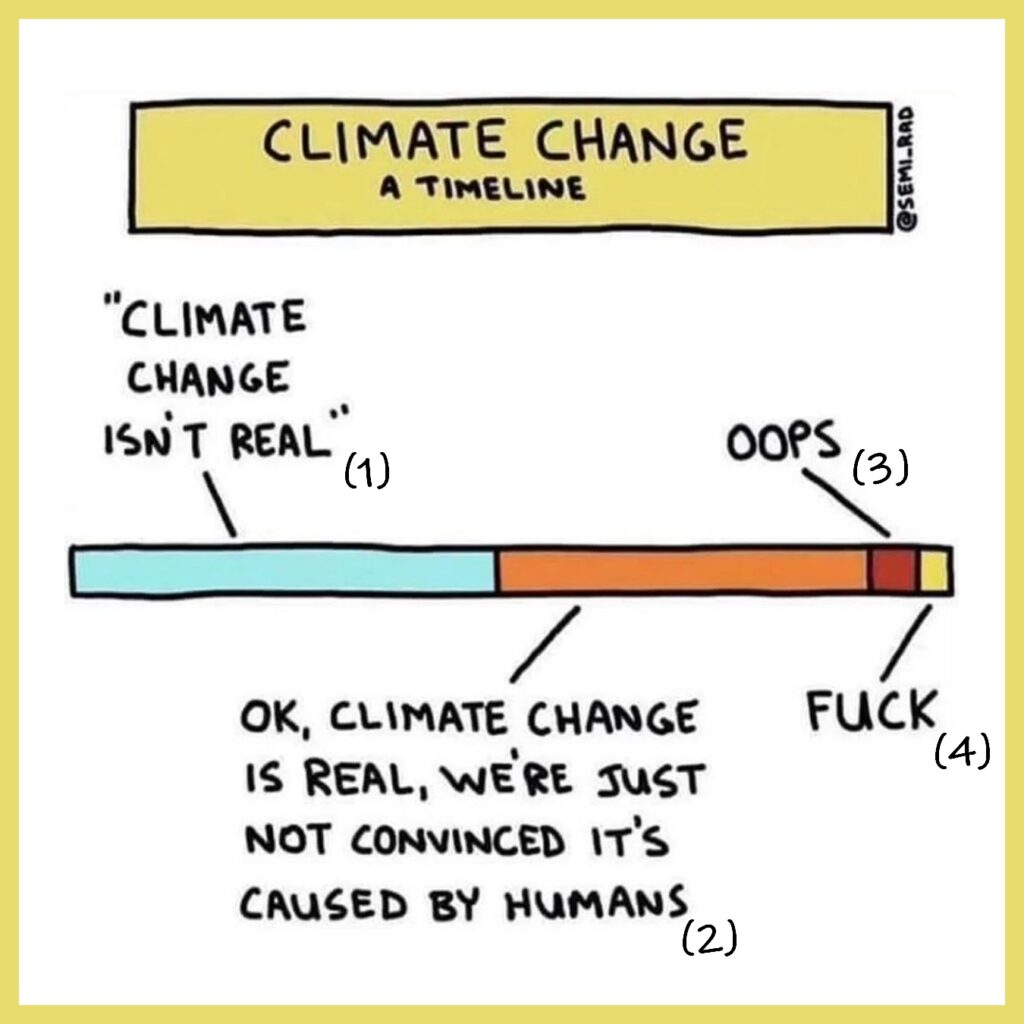
The Seven Stages of Denial:
1. It’s not real 2. It’s not us 3. It’s not that bad 4. We have time 5. It’s too expensive to fix 6. Here’s a fake solution 7. It’s too late: you should have warned us earlier
Trolls use all of these stages to deny reality. There is an urgent need for a paradigm shift away from this. The choices we make now will determine the future of humanity and our existence on this planet. This shift won’t come easily, social change is hard, but it is needed if we are to mediate the worst consequences of #climatechaos.
By recognizing the change we need to challenge paths that keep us locked in this destructive cycle, we dismantle the structures of power that push inequality and environmental degradation. The time for action is yesterday, but now is a start, before it’s too late.
This is a tool you can use, in the activism of the #openweb hashtag story, they can serve as tools to share complex ideas with social movements. On this site, I use a hashtag story to highlight both the positive and negative aspects of our current socio-political and technological paths. Here’s a guide to what some of these hashtags mean:
#deathcult: The pervasive influence of #neoliberalism, which operates invisibly in our minds, dictating aspects of society without us realizing it. Example: “The corporate-driven decisions affecting climate policies are a clear manifestation of the deathcult mindset.”
#dotcons: This highlights how we have been deceived into enriching a #nastyfew through the use of digital platforms and technologies. It’s a product of the #deathcult. Example: “Major social media platforms are the epitome of dotcons, prioritizing profit and control over people’s well-being.”
#stupidindividualism: This represents the peak of current social trends where extreme individualism overrides the balence of collective well-being to our detriment. Example: “The resistance to community-based solutions for climate change is rooted in stupidindividualism.”
#fashernistas: Flotsam influenced by fleeting trends and currents. In the #dotcons era, this refers to a large directionless majority. Example: “Influencers today are fashernistas, swayed by whatever is trending rather than contributing meaningful change.”
#4opens: A horizontal approach to technological development. Example: “Projects adhering to the 4opens principles build transparency and collaboration.”
#openweb: Refers to the decentralized digital network that revolutionized communication 30 years ago but is now pushed under by people’s use of the #dotcons. Example: “We must reclaim the openweb to preserve the internet’s native path of free and open communication.”
#stepaway: A safe method to break free from the addiction to #dotcons while maintaining connections with friends, one step at a time. Example: “By taking a stepaway, we can gradually reduce our reliance on exploitative digital platforms.”
#OMN: An #openweb project that has been in development for the last 20 years, based on the #4opens. Example: “The OMN initiative is a beacon of hope for creating a more democratic digital path.”
These hashtags offer a real perspective and a positive path in our needed digital and social choices. The negative hashtags (#deathcult, #dotcons, #stupidindividualism, and #fashernistas) point out the pitfalls and dangers we face, while the positive hashtags (#4opens, #openweb, #OMN, and #stepaway) offer pathways to more sustainable and community-oriented tech and social paths. By using and linking these stories, we build better, for real and meaningful change and challange.
#Socialism is a socio-economic path where the production (factories, mines, machinery, tools, raw materials, land, buildings, means of transport, etc.) are “owned” and controlled by the public. The goal is to create a basic equitable distribution of wealth and power by reducing the wide disparities seen in capitalist societies. Socialism abolishes private control of the means of production, to transition to a system where goods and services are produced for use rather than profit. The guiding economic principle of socialism is “from each according to their ability, to each according to their work.”
Public Ownership: Big industries and resources are owned and managed by the people, democratic governance and cooperatives.
Economic Planning: Public planning is used to allocate resources efficiently and equitably. With the digital transition and #4opens technology, this becomes more practical.
Social Welfare: Social programs like healthcare, education, and social security ensure a basic standard of living for all people.
Reduced Income Inequality: The gap between the rich and the poor is reduced.
Democratic Control: Workers and the public control the economic decision-making processes.
Where #capitalism is an economic system run for private ownership of the means of production and profit. This includes capital accumulation, competitive markets, a price system, private property, and wage labour.
Private Property: Individuals and corporations own and control the means of production, and thus survival.
Market Economy: Goods and services are produced for and traded in competitive markets, where prices are determined by supply and demand. In today’s world, this means strong monopolistic control for private power and profit by the shrinking #nastyfew
Profit Motive: The driving force behind economic activity is individual greed and the pursuit of profit. This fits well into #stupidindividualism
Capital Accumulation: The accumulation of capital is central to economic growth and expansion. This leads to huge “external damage”, that’s the degradation of the poor and the environment we all live in today.
Wage Labour: Workers sell their labour to owners of capital in exchange for wages. Over the last 40 years, this has seen a widening disparity which will continue to grow on the current path.
It should be obverse to us all that capitalism leads to inequality and exploitation. Some Marxist theory on this subject:
Exploitation: In capitalism, workers do not receive the full value of their labour, instead, the surplus value (the difference between what workers produce and what they are paid) is appropriated by capitalists as profit. We can see this very plainly happening over the last 40 years.
Alienation: Workers are alienated from the products of their labour, the labour process, their fellow workers, and their own human potential because they work primarily for wages rather than for personal fulfilment or communal benefit. We have no idea how production happens any more, our “economy” is a god we worship. But this is a #deathcult
Inequality: Capitalism concentrate wealth and power in the hands of a few, leading to significant social and economic inequalities. This builds social strife.
Instability: Capitalist economies push cycles of boom and bust, leading to periodic crises of overproduction and under consumption.
Means of Production The means of production are the physical, non-human inputs used for the production of economic value. This includes factories, machinery, tools, raw materials, land, and buildings. In a capitalist society, these are owned by private individuals and corporations not by the workers them selves.
Exploitation refers to how capitalists extract surplus value from workers. Workers produce more value through their labour than the wages they are paid; this “excess” value is taken by the capitalists as profit.
Surplus value is the difference between the value produced by labour and the actual wage paid to the labourer. It is a fundamental concept in Marxist economics, describing how capitalists generate profit by exploiting workers.
Capital refers to wealth in the form of money or assets that are used to produce more wealth. This includes investments in factories, machinery, raw materials, and labour.
Class struggle is the conflict between classes in society, primarily between the bourgeoisie (owners of the means of production) and the proletariat (working class). This struggle is the driving force of historical development in Marxist theory.
Social Democracy vs. Socialism
Social democracy advocates for a mix of capitalism and socialism. It supports a market economy, but with significant government intervention to ensure social justice and equity. Policies include welfare programs, labour rights, and regulation of markets to reduce inequalities and provide public services.
Socialism transitions away from capitalism, to abolish private ownership of the means of production altogether. The goal is to establish a classless, stateless society where resources and wealth are distributed according to need.
Communism is the final stage of #Marxist theory, where the state has withered away, and a classless, stateless, and moneyless society has emerged. All means of production are owned communally, and goods and services are distributed based on need rather than market dynamics. The guiding principle is “from each according to their ability, to each according to their needs.”
To actually move on this path, we would need a #Revolution, to overthrow one class by another. In Marxist terms, a socialist revolution involves the working class (proletariat) overthrowing the capitalist class (bourgeoisie) and establishing a socialist state as a transition to communism. This process entails significant social and economic upheaval to replace capitalist structures with socialist ones. Understanding these concepts provides a clearer path for ongoing debates and action.
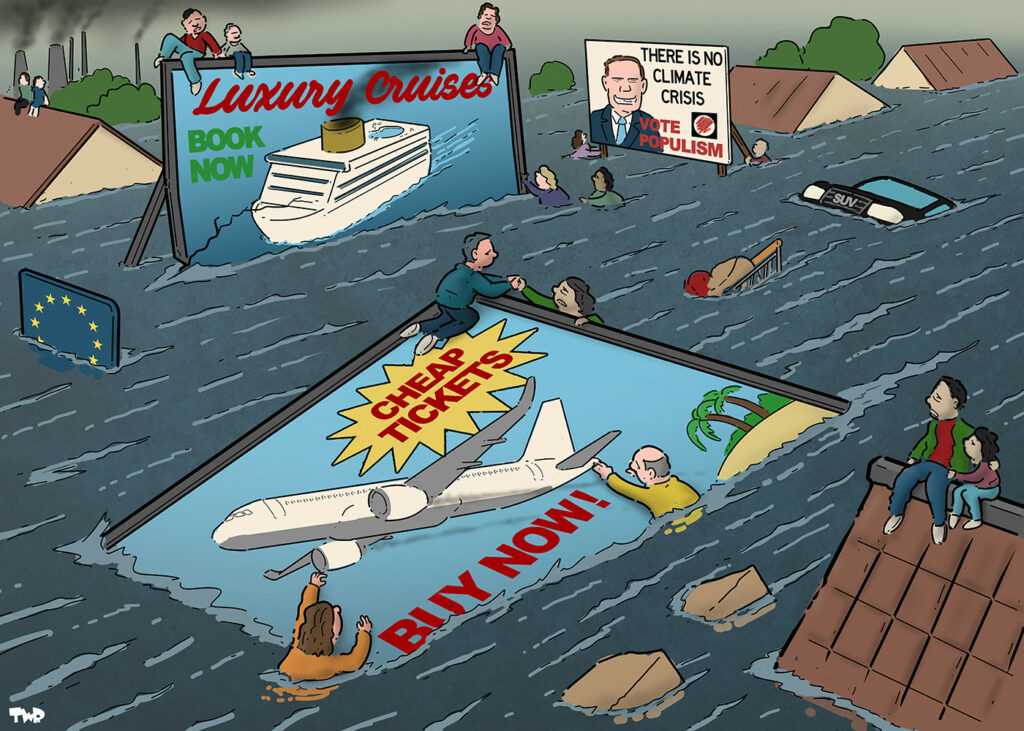
We are in a mess with the building #climatecrisis due to our collective refusal to acknowledge reality, after 40 years of worshipping a real #deathcult The problem we now need to mediate is that I am not sure meany people know what reality is. What we’re experiencing now is a preview of what’s to come. It’s going to get far worse, and then it will keep on getting worse. Yet, the narrative pushed by the media and #mainstreaming politicians suggests the same consumerist delusions. That the climate and weather will simply shift to a different state, and we can adapt to it. This is not only lying – it’s dangerous.
To hide this building mess, the view is pushed that we can easily adapt to the ever-worsening #climatechaos, this is a fallacy. Adaptation becomes increasingly difficult as conditions deteriorate, especially when so much remains unknown. The failure to recognize that the situation will continually worsen isn’t due to a lack of language to express it – I’ve just articulated it plainly. No, this is a deliberate act of #gaslighting. It’s a wilful distortion of reality, designed to downplay the severity of the crisis and to reassure the public that adaptation will be straightforward and successful. The motivation of this deceit is clear, to avoid alarming the public into demanding urgent action. The tactic, to maintain business as usual, uphold the status quo, stifling the calls for systemic change.
We’re given the illusion of democracies where the public’s will prevails. However, at the same time, we’re told that things can only be this way. The priests of the #deathcult who benefit from the current failing paths, the wealthiest and powerful, asserts that the system is immutable and that they will not permit any change. This is in stark contrast to the lies we’re constantly fed about the will of the people, democracy, and freedom. The simple truth, those in power dictate what is best for us, to our detriment.
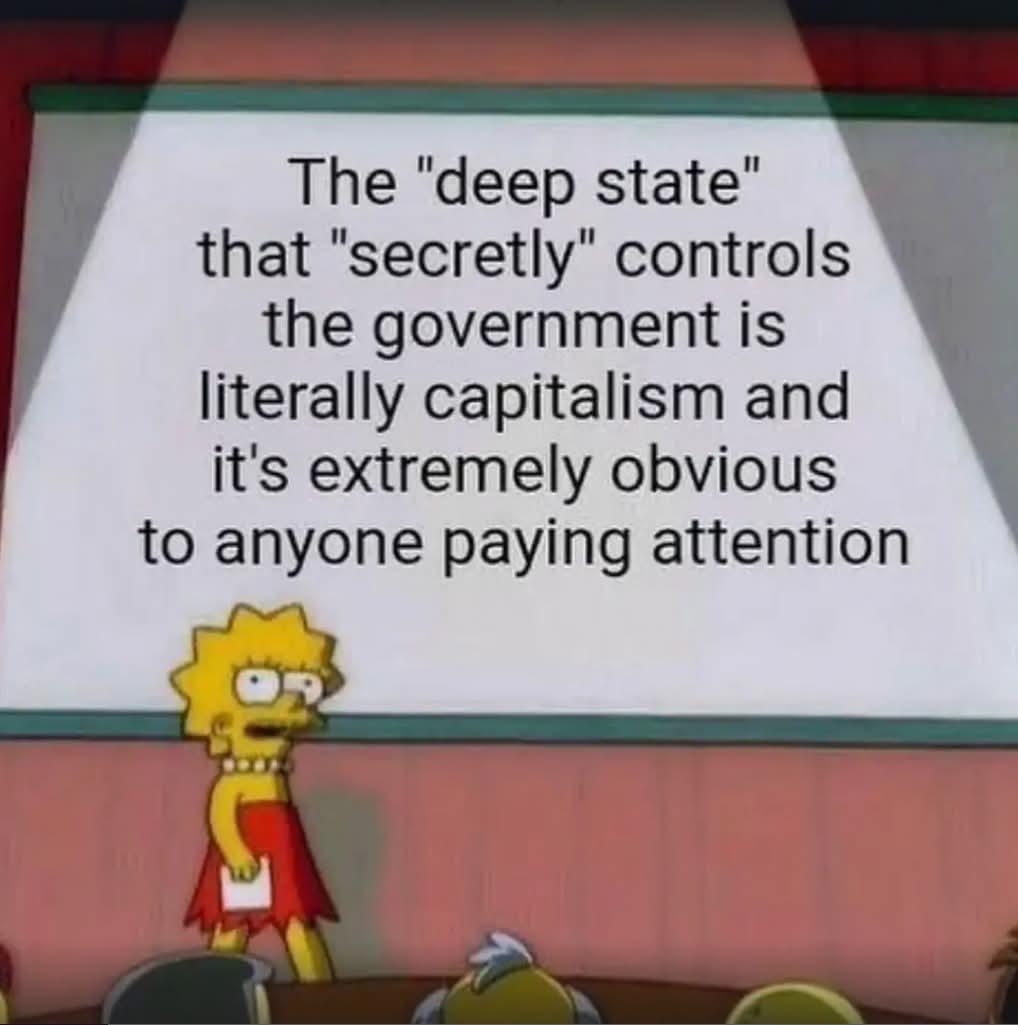
What is real, that the current governments (and governments in general) do not exist to serve or protect the public. They are captured and shaped by vested interests, representing the nastiest, most wealthy and powerful factions. The party system, present in every country, acts as a filter, it systematically excludes representatives of the people who are willing to challenge the interests of the #deathcult. The #mainstreaming paths are about maintaining business as usual while asserting that this status quo is in the best interest of the public.
The contradiction, governments preserve the status quo rather than protect or serve the people. In every electoral option, the powerful and wealthy win, while the public loses. This illusion of public representation is simply an illusion. Governments may concede to public demands on issues to prevent revolutionary change, but are very resistant to anything that alters the balance of wealth and power. They are resolute on this point: it will not change.
There are limited options outside this mess, in the #mainstreaming independents are vetted, anyone whose views clash with the intrenched interests will be smeared and discredited by the corporate and oligarch-owned media. This is why we’re facing a social, climate and ecological emergency. Humanity and our civilization are on a path toward global suicide because maintaining this suicidal path serves the interests of the #nastyfew. This is why they are rich and grasping to power, and why they will fight to kill and displace billions of us to keep things exactly as they are. It’s a #deathcult we need to fight, best to be honest about this.