The influence of postmodern thinking among #fashernistas – people more focused on appearances and trends than substance – has eroded the core purpose of activism: fostering positive social change rooted in love, solidarity, and mutual aid. Meanwhile, the rise of a new breed of right-wing “activists” using hate and fear to advance the agenda of neo-liberalism’s #deathcult highlights the stark difference between activism and fascism. It’s critical to reclaim language and purpose in this context to clarify and reinvigorate progressive movements.
Confusion, postmodernism’s emphasis on skepticism and deconstruction has undermined the unifying narratives that once drove collective action. While useful for critiquing power, it results in fragmented movements without clear goals. This confusion allows #fashernistas to dominate activism, prioritizing visibility and personal branding over systemic change.
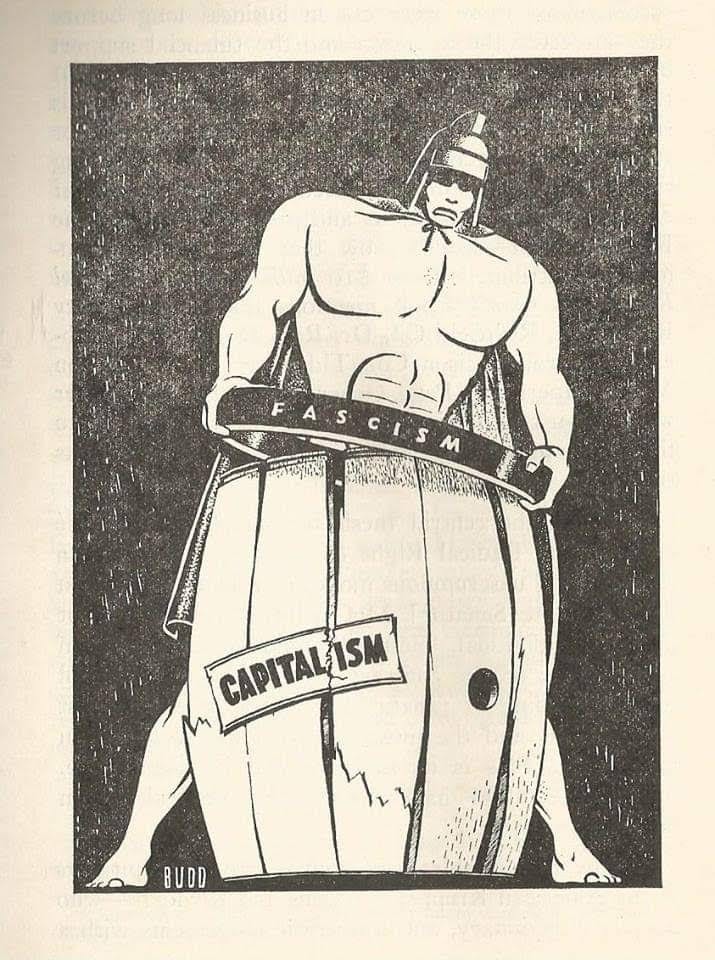
Hate-based “activism”, where the right-wing movements use hate and fear to build “solidarity” based on this fear, by reinforce the “stupid” part of individualism, feeding off the #deathcult of neoliberalism. These movements weaponize the language of activism, but their actions serve fascist goals of division and destruction.
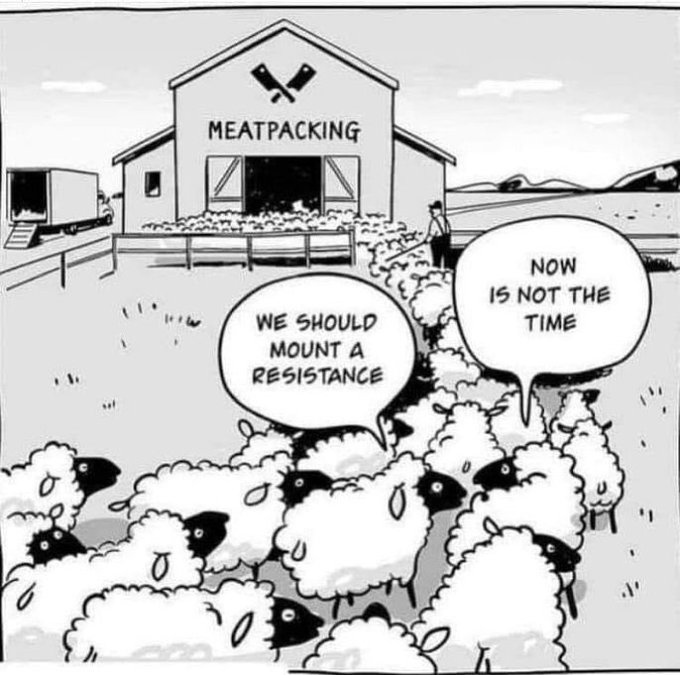
This is the core of #stupidindividualism poison that neoliberalism breeds, isolated people and erodes the collective bonds necessary for transformative activism. This individualism poisons movements, turning them into echo chambers of self-interest rather than engines of solidarity.
Even the conservatives think we are in a mess
Ideas for antidotes, reclaiming activism for progressive change:
* Redefine activism anchored in solidarity, and collective care, rejecting hate and fear as tactics. Clearly differentiate between activism (which builds and unites) and fascism (which destroys and divides).
* Center collective narratives, move beyond postmodern fragmentation by building shared stories and visions for the future. Activism that connects people to a larger purpose and community. Embrace horizontal structures, by foster decentralized and inclusive decision-making processes, thus reducing reliance on vertical, personality-driven leadership. This actively counters #stupidindividualism with collaborative frameworks like the #4opens.
* Focus on systems and paths, not individuals, shift away from individual heroics and saviour complexes. Build tools and strategies that empower communities rather than centring individuals.
* Reclaim language, use honest language to name problems and solutions. Call hate-based movements what they are, fascist. Avoid diluting terms like “activism” with actions that lack integrity and constructive purpose.
Building a liveable, humanistic future, needs us, to reclaiming activism, grounding in principles that resist the #mainstreaming influence and cultural by-products like #stupidindividualism. Movements that reject hate and fear as tactics, fostering instead the solidarity needed to challenge oppression and resulting environmental destruction. The antidote lies in collective care, shared purpose, and tools like the #4opens to ensure accountability and #KISS progress. We need foundations to build from, with this we counter the cultural decay of the #deathcult and take paths toward meaningful, sustainable change we really need.
The important tension in the current state of social change efforts: individualism vs. collectivism, vertical vs. horizontal structures, and the challenges of maintaining fragile consensus. These dynamics have direct implications for how we approach systemic problems like #climatechaos and the creation of alternatives through projects like the #OMN.
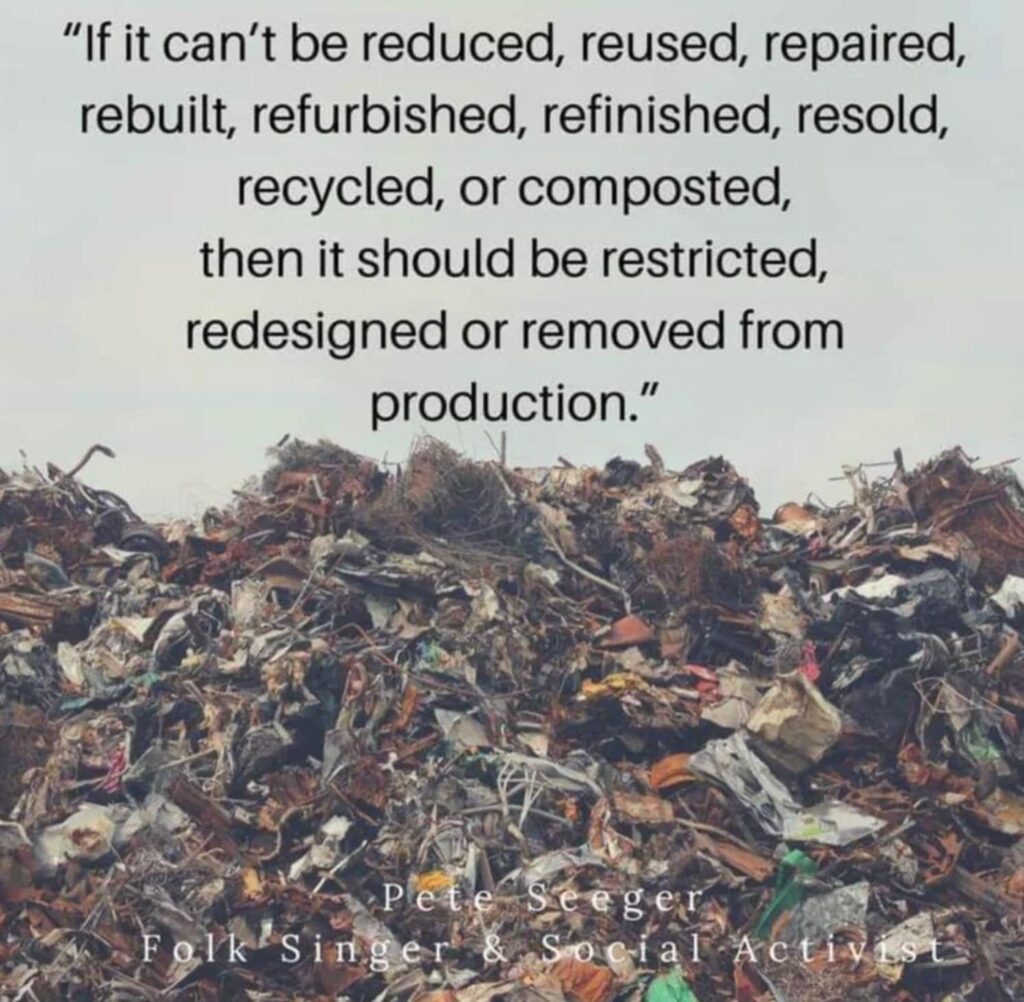
On this subject, it’s important to understand why #stupidIndividualism is dangerous, which can be seen in the failure of individual solutions. Relying on individual action (e.g., recycling, personal carbon offsets) shifts focus from the systemic nature of crises. The climate emergency, for example, is primarily driven by industrial-scale emissions and unsustainable policies—not individual behaviour. This emphasis on individualism undermines collective action, which is the only scale at which meaningful change and challenge can occur.
Blind spots in vertical thinking, hierarchical (“vertical”) structures dismiss and fail to understand the dynamics of decentralized (“horizontal”) systems. Vertical systems are focused on control and clarity, at the expense of collaboration and diversity, which horizontal structures thrive on.
The dangers of certainty, consensus vs. certainty, pushing for “certainty”, rigid clarity often destroys consensus. Consensus, while fragile and imperfect, is the foundation of all functioning societies. It is built on compromise, flexibility, and mutual understanding. The insistence that “my view is right” fractures the trust necessary for cooperative systems to thrive.
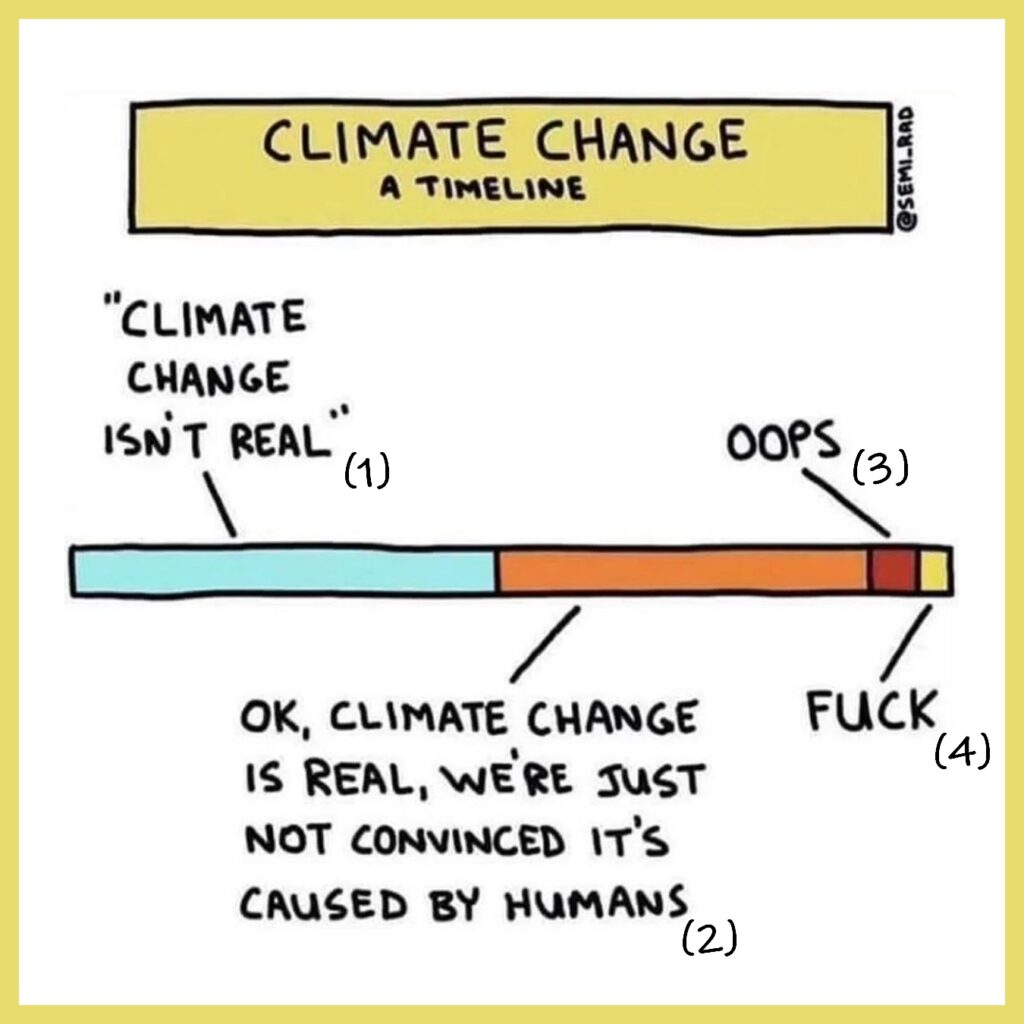
Why this is destructive, the breakdown of consensus leads to polarization and inaction, both of which are catastrophic in the face of crises like #climatechange. Certainty-driven narratives ignore the complexity and nuance required to address interconnected, systemic issues.
Ideas for moving forward, focus on processes, rather than direct outcomes:
Build systems (like the #OMN) that prioritize open, participatory processes over prescriptive solutions. The #4opens—open process, open data, open licences, and open standards—offer a starting point for structuring this.
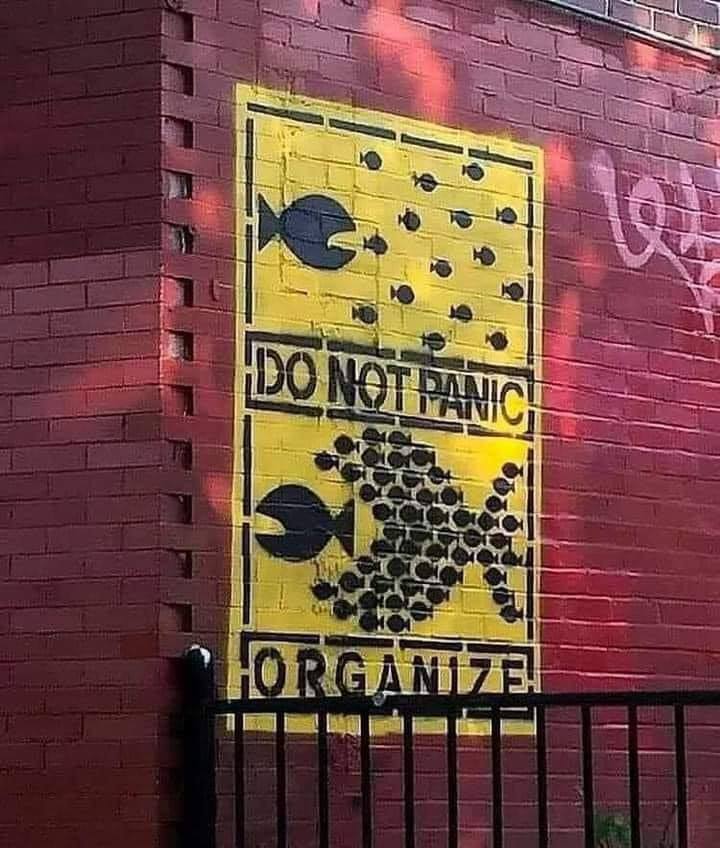
Encourage horizontal thinking, foster decentralized systems where power and decision-making are distributed. This creates resilience and allows diverse voices to contribute meaningfully.
Embrace ambiguity and iteration, instead of pushing for rigid clarity, accept that solutions evolve through experimentation and iteration. Social change is a dynamic process, not a static goal.
Reframe certainty as trust, replace the need for certainty with a culture of trust-based collaboration. Trust allows for flexibility and creativity within systems, enabling them to adapt and respond to changing circumstances.
Use crises as opportunities for solidarity, crises often push societies toward authoritarian responses. Instead, frame crises as opportunities to build solidarity, emphasizing shared struggles and collective goals.
This is why ideas matter, the urgency of the #climatecrisis, paired with the inertia of entrenched systems, makes it tempting to lean on familiar, hierarchical solutions. However, transformation comes from collective, decentralized efforts that prioritize flexibility, trust, and inclusion over individualism and rigid control. Projects like #OMN and frameworks like the #4opens are tools for navigating these challenges while staying grounded in the #KISS principles of solidarity and mutual aid.
The Seven Stages of climate denial:
1. It’s not real 2. It’s not us 3. It’s not that bad 4. We have time 5. It’s too expensive to fix 6. Here’s a fake solution 7. It’s too late: you should have warned us earlier
Trolls use all of these stages to deny the reality of #climatechaos
We need to reboot “news” on the #openweb to tackle the challenges of our collective #stupidindividualism and the #techshit it pushes in the #Fediverse, this is about focusing on balance, collaboration, and meaningful process. Let’s look at one path away from this current “common senses” mess, the roadmap for #indymediaback and what do we mean by a #newswire. Looking at the current use of #AP on the #Fediverse with this in mind:
Repeats: Strengthen syndication between instances for better information flow.
Replies: Integrate as comments on newswire posts and features to foster engagement.
Likes/Stars: Define their roles to signal endorsements or importance, avoiding redundant or unclear actions.
DMs: Focus these on moderation or editorial inquiries to streamline communication.
The project is about enforcing a balance between creativity and structure, we use editorial collectives to curate content based on established journalistic standards (e.g., the 5Ws of news reporting). Then applying consistent moderation to maintain the newswire as a valuable resource for grassroots reporting, minimizing off-topic or non-news contributions.
Building a robust newswire needs clear editorial guidelines, beginning with strict adherence to “newsworthiness,” rejecting non-news posts (up to 98% initially flow likely) to establish quality standards. Over time, this threshold can relax with user education and feedback. Focus on first-hand reports that embody the 5Ws of journalism (Who, What, Where, When, Why).
The feature process, highlights the synthesize of the best grassroots reports into cohesive narratives, combining text, images, audio, and video for impactful storytelling. Develop the features through editorial consensus, is about growing diversity of perspectives and adherence to the #4opens.
Federation via #activitypub to share content across the organic spreading network, building interconnectivity without duplicating efforts. Allow comments and replies to appear across instances, growing dialogue while maintaining strong editorial oversight.
Dealing with the “Nutter” problem by focus on process, not outcomes. Push the project forward with clear processes built on shared principles, understanding that life and society evolve over time. Avoid getting bogged down by demands for “perfect” solutions – basic, functional systems are a strong start. Reduce misinformation and #FUD by establish user education paths to combat misinformation and clarify project goals. Use editorial tools to label, moderate, and remove false content.
The #OMN vision strong defaults to #KISS hardcoded values and embedding the #4opens at every level of the project to resist the push for dilution of #mainstreaming counter pushing.
Maintaining a grassroots, horizontal path to development to ensure inclusivity and resilience, needs a cultural shift, addressing the reliance on #fashernistas and those who push “common sense” a part of this is emphasizing long-term, principled growth over short-term popularity.
This path keeps the focus on trust, process, and grassroots collaboration, building a stronger, more resilient #Fediverse and revitalizing #indymediaback for meaningful, community-driven media production.
For more information, resources, the OMN wiki is a good place to start. You can fund the projects here
One of the core’s of #stupidindividualism is the fantasy that we, as individuals, can personally solve the most catastrophic problems. This mindset simply mirrors neoliberalism’s ideology, which denies the importance of collective action and reduces challenges to a personal responsibility. #Neoliberalism convinces us that our role is as solitary actors. Instead of organizing or building solidarity, we’re told to “vote with our wallets” or “solve problems ourselves,” with consumers trying to recycle their way out of the #climatecrisis.
Why this benefits the #nastyfew is it isolates us, keeping us from organizing real challenge’s to power structures that push the current mess. It frames systemic failures as individual failings. If you’re underpaid or exploited, it’s not because the system is broken, it’s because you didn’t negotiate well enough or switch jobs fast enough. It turns political engagement into pointless and addictive consumer choice, where spending habits are treated as activism, ensuring the richest always win no matter what you think you are doing.
How this is reflected in our reality with #climatechaos, we’ve been told to recycle or reduce waste individually, but systemic corporate pollution and pro corporate regulation are the actual culprits. With elections, unlimited campaign spending by the wealthy transforms democracy into a farce, where their financial “votes” drown out grassroots movements. With labour rights, workers are urged to negotiate alone with bosses rather than unionizing, perpetuating exploitation.
This path grows disillusionment and helplessness, trapping us in cycles of meaningless individual gestures when what’s needed are collective, systemic changes. It’s not just ineffective; it’s designed to keep the status quo intact. Breaking free means rejecting the “stupid” part of individualism and embracing solidarity, cooperation, and paths that prioritize shared well-being over personal mess.
Please lift your head from worshipping this aspect of the #deathcult
The Fediverse, decentralized social networking, path is fundamentally built on trust and collaboration. This emphasizes that interactions, platform developments, and community guidelines prioritize shared values and respect, rather than being dictated by centralized controls, fear paths and governance.
Why trust matters, it’s distributed, the #Fediverse’s open protocol, #activitypub thrives because people and platforms choose to interconnect based on shared values and trust. By focusing on trust, the “ecosystem “native” path builds inclusivity, creativity, and resilience. Where #dotcons and #geejproblem fear-based strategies (e.g., excessive regulation and distrustful moderation) alienate people and fragments the network.
But we have not been very competent on this path. The plea “don’t be a prat” is a reminder for crew of all flavers to avoid overreacting and resorting to authoritarian measures when conflicts and challenges arise. Over-policing (#blocking) and adopting fear-driven paths and controls undermine the community’s trust-based flows and will push people away.
To sustain the #fediverse, we need transparent governance to encouraging open dialogue and consensus-driven decision-making. And we need strong stories that highlight the ecosystem’s reliance on collaboration over coercion. This is needed to resist co-opting by fear, to avoid fearmongering narratives that overemphasis the threats, leading to centralization and over-regulation, the very things we are stepping away from.
The #OMN story of the “inspiring organic path for tech” emphasizes grassroots, decentralized, and inclusive approaches to technology and governance:
The Open Media Network (OMN): This project focuses on decentralizing media and data flow, breaking silos, and fostering peoples control through trust-based systems. #OMN leverages the Fediverse and tools built on the #4opens framework (open data, source, standards, and processes) to create a collaborative ecosystem that resists traditional centralized controls.
Challenging Mainstream Tech Norms: The OMN and associated projects like the Open Governance Body (#OGB) address the dominance of neoliberal ideologies in tech, promoting governance that pushes community needs over hierarchical and market-driven models. It critiques paths that perpetuate #stupidindividualism and other barriers to collective action.
Empowering Grassroots Movements: Advocates for simple, accessible frameworks (e.g., the KISS principle) and strategic use of tools like #hashtags to build visibility, cohesion, and support for grassroots initiatives.
By focusing on transparency, openness, and community-led development, these paths, grow the #fediverse in to a resilient, democratic tech ecosystem. For deeper insights, you can explore Hamish Campbell’s website for more about these initiatives and their practical applications.
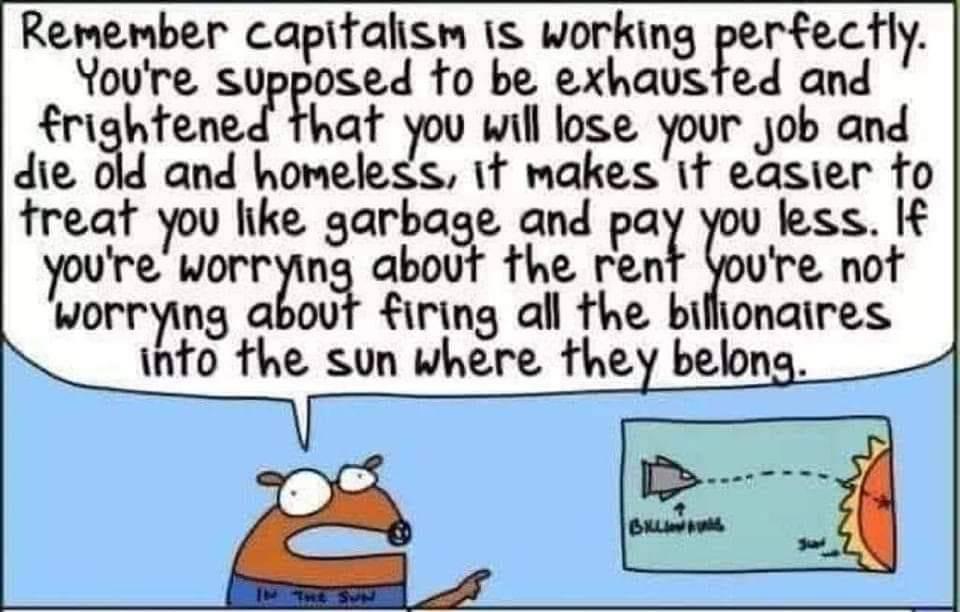
The current #mainstreaming paths are dependent on capitalist structures, when looking at this critically, it reveals itself as a #deathcult, with the embodiment of unrestrained growth and consumption that runs counter to meaningful solution to #climatechange. While billionaires and corporatens entertain the illusion of future-proofing their wealth and safety, the reality is more perilous. Their greed fed opulence and influence, but it can’t shield them indefinitely from a collapsing ecosystem that sustains all life, including their own.
Inherent to this contradiction in capitalism itself: it requires perpetual growth to survive. This expansion is incompatible with the measures needed to mediate or stop #climatechaos. But if growth halts, so does the economic machinery that upholds the current power structures, creating a destabilizing domino effect. While you might ask why those in power do not pivot to environmental preservation, it’s the same mess, the answer is the system’s relentless demand for expansion. Even if an individual capitalist – or a consortium – decides to scale back for the sake of long-term planetary health, the market will simply replace them with competitors who are more willing to pursue relentless profit, growth, and resource consumption.
The current path has a self-destructive logic, this paradox is why even billionaires who are conscious of the dire climate situation resort to insufficient and infective measures. They might fund green technologies and push for marginally lower carbon emissions, but the actions remain constrained by the underlying logic: protecting the continuity of capital. This capital-only world-view can’t embrace the radical systemic change we actually need to avert ecological collapse.
Let’s look at this, billionaires and the bunker illusion, the ultra-wealthy/greedy #fuckwits, plan to retreat to their fortified bunkers and private, insulated zones once climate-induced social and environmental chaos grows un medateable. While contingency plans do exist – high-tech shelters, land acquisitions in regions predicted to be less affected by climate change -these are temporary solutions. A world unravelling from the fabric, ecosystems will not sustain even the most fortified enclaves indefinitely. Even if technology advances to the point of enabling space colonization, the timelines required for such ventures far exceed the immediacy of the crisis we keep #blindly pushing.
This is an easy to understand systematic issue, and it should be obverse we need a collective rater tan the mask of individual solution. Capital, the motivation and power for action, is not about individual capitalists but capital as an entity, the dogmatic socio-economic phenomenon that exerts control over its arbiters. Capital has built in infinite growth, prioritizing profit over sustainability and long-term human survival. An individual or collective attempt to defy this logic and implement meaningful, planet-preserving strategies would be outpaced and outcompeted by others who align more closely with capital’s pushing of this #stupidindividualism, ruthless, greed is good.
This #KISS understanding underscores the distinction between idealist and materialist interpretations of the crisis. Idealists believe that with enough awareness and willpower, the system can change from within. Materialists, recognize that capital is a structure that acts beyond the control of individual or organization. It functions like biological evolution: it values reproduction and expansion above survival, when as we see now those traits are in the end destructive.
There is some room for corrective action within the existing system, but it’s inadequate. Policies to mitigate environmental impact, even when enacted, are slow and piecemeal. The issue isn’t that #mainstreaming decision-makers don’t understand the problem; rather, they don’t grasp the depth of systemic overhaul required to address it. The principles they consider immutable -the rules of modern economics and finance. The “common sense” is the problem.
The #deathcult of mainstreaming is propelling growth and consumption despite ecological warnings, it is locked in a dance with CAPITALS logic. While billionaires may fund clean energy startups and talk about sustainable practices, their wealth and the power structures uphold and are bound up in the unsustainable status quo. Change and challenge requires uprooting fundamental beliefs about how economies MUST operate, not just superficial adaptations. Until this realization is shared and spread, capital will continue on its path, indifferent to the ruins it leaves.
Best not to be a prat about this, thanks.
Why capitalism and climate change solutions are fundamentally incompatible. The urgent need to address climate change collides with an uncomfortable reality, as we outline capitalism’s foundational mechanics to make meaningful climate action impossible. This isn’t a case of individual negligence but a systemic flaw. As we say, capitalism, by design, prioritizes profit and growth, at the expense of long-term, collective concerns and environmental preservation.
Capitalism favours the #nastyfew who maximize profits in the shortest timeframe. It’s a path where the most ruthless and nasty competitor prevails, setting the standard that others must follow or face obsolescence. This constant pressure means that if an individual capitalist or company recognizes the existential threat of #climatechaos, they cannot afford to act on it meaningfully without losing their competitive edge. For example, a corporation that decides to limit emissions at the cost of profitability will quickly be outcompeted by one that does not.
The logic of capitalism ensures that any significant deviation from maximizing short-term profit results in failure within the market. Thus, while some companies engage in “green” initiatives to pay lip service to sustainability, these efforts are superficial. They exist to placate public concern and leverage marketing advantages, rather than drive the needed change. The myths are that capitalism, through innovation and competition, will solve climate change. However, capitalist solutions boil down to maintaining leverage and coercing others into action. For example, the race for green technologies like electric cars and renewable energy can be more about dominating a new market sector than reducing environmental harm. Elon Musk’s ventures into space and sustainable technology, was hailed as forward-thinking, illustrate this principle. Space colonization and technological fixes reflect an expansionist mindset, a search for new “territories” to exploit as resources on Earth dwindle.
Capitalism’s path needs to push costs onto external parties, the public and the environment. The system relies on government-funded infrastructure and socialized costs, as seen with subsidies for oil companies, highway construction for the automotive industry, or public bailouts for corporations in crisis. When it comes to addressing #climatechange, this reliance on externalized costs becomes a liability. The climate crisis is a global “cost” that capitalism, left unchecked, will not address willingly. It requires collective action that contradicts capitalism’s individualistic and profit-driven paths. This is why capitalist markets require regulation by state or more importantly collective paths to function at all or sustainably, and even then, such measures face fierce resistance.
We now live in the automation age, the question is how the #nastyfew plans to survive. Whether billionaires believe they can weather the storm of #climatecollapse is complex. Many of them, seeing the unsustainability of infinite growth, look for exit strategies. This explains the investments in space travel, underground bunkers, and gated communities. The implication is stark: they believe their wealth will shield them from the mass suffering climatechange will bring. Automation adds another layer to this story. With machines replacing human labour, the exploiters envision a future where their economic power persists without the masses of real people, that’s you and me. This very dystopian reality shows the detachment of capital from human and ecological concerns.
We currently face a failure of collective action to mediate, one of capitalism’s flaws ts inability to coordinate collective action without state intervention. While some countries have managed to decouple emissions from #GDP growth through, exportin emissions, advancements in service sectors and digital economies, this decoupling remains insufficient to meet the global targets needed for net-zero. The system’s piecemeal and reactive, cannot match the scale of planning required for real climate action. Without a fundamental restructuring that prioritizes the collective good over private profit, meaningful progress remains an illusion.
For forty years, we’ve been steeped in a dominant, and largely invisible ideology I call here the #deathcult, which is a metaphor for the relentless spread of #neoliberalism that has reshaped our social, economic, and technological systems in very destructive ways. Alongside this, the rise of #dotcons (corporate, centralized tech platforms) over the past twenty years has distorted the path of the internet and #openweb, steering it away from #4opens collaboration and into monopolized, extractive business models. We’re have been living the fallout now for the last ten years: a fractured digital landscape built on artificial scarcity and closed systems of control. This article explores the roots of this ideological mess and touches on the return to community-oriented solutions, rooted in collective ideals, through projects like the #fediverse and a renewed #openweb.
Neoliberalism, is the driver of our current crisis, is anti-social at its core, cutting shared resources and social spaces in favour of so-called “efficiency” and profit, leading to what I call in the hashtag stories the #deathcult – a mindset where profit pushes over life, social well-being, and environmental health. This ideological control permeates our sense of “common sense,” bending it to fit a world where exploitation is not just tolerated but expected. With our head down worship, we’ve been pushed to accept social and environmental sacrifices as the price of “progress”, instead of recognizing them as a sign of systemic failure.
The #dotcons and digital enclosure of our commons, has changes the path of the internet, which was originally built to be an open and decentralized platform. Yet, the past two decades of “#dotcom” culture transformed it into a centralized, corporate-controlled ecosystem that discourages innovation and subverts people’s and community autonomy. Companies like Google, Facebook, and Amazon thrive by enclosing the commons, creating walled gardens where data and attention are commodities for sale and control. This shift, which we all played a role in, has stifled alternative voices and projects, pushing out grassroots initiatives in favour of profit-driven silos.
The dotcons path exploits not just users’ data but the very concept of community, turning every interaction into controlling people for private profit. At long last, we’re now seeing a response in the form of projects like the #fediverse and #activertypub, which decentralize and reclaim digital space from these corporate giants. However, without collective action and a shared vision, this new path remains under threat of co-option from these corporate interests, with #dotcons and #VC funded #threads and #bluesky both being pushed into this “commons” we have spent years opening.
On a parallel path of the last 20 years, we have been suffering from a #geekproblem: a cultural fixation within the tech community on solving social issues through purely technical means, in ways that exclude non-technical people. Encryption, for instance, is a valuable tool for privacy but isn’t a universal solution to all social or technological issues. The “more encryption” mindset neglects the importance of building trust and understanding in online communities, focusing instead on individual security in isolation.
For example, with projects like #nostr when encryption becomes the end-all solution, we’re left with technology that is impenetrable to regular people, creating more barriers than it removes. The challenge isn’t just technical, it’s social. We need to mediate the geek-centric approach with practical, accessible solutions that empower people, not only a few tech-savvy minorities.
A basic #KISS and #nothingnew path, can help to mediate these issues, they are concepts that encourage us to revisit old, tried-and-true solutions rather than reinventing the wheel in ways that add complexity. Complexity and “innovation for innovation’s sake” leads to, too much, #techshit, overly complicated tech that serves no one but its creators. The KISS path reminds us that simplicity growes inclusivity. If we want more people to engage with the #openweb, we need to create tools that prioritize accessibility and usability over complex features. The #nothingnew philosophy supports this by encouraging us to look to the past for inspiration, reviving old ideas that worked instead of constantly chasing the latest #fashernista trends.
Hashtags are a useful tool for #DIY community organization, but in this era of #stupidindividualism, hashtags get dismissed as tools for self-expression or “fashion statements” (#fashernista). Yet, hashtags can serve a deeper purpose in organizing and connecting people around shared ideas and goals. Instead of using hashtags to show off, we can use them to build flows of mutual support and collaboration. The DIY ethos is central to this: organizing from the bottom up, using digital tools to strengthen offline communities and collective action.
Embracing collective paths, one of the main issues that fractured early movements, like #indymedia, was the inability to work collectively. The culture of individualism championed by neoliberalism crept into activist spaces, weakening them from within. Reclaiming the openweb means reclaiming collective processes, where shared resources and collaborative decision-making are balanced with individual control. We need native digital spaces where communities work together, rather than being siloed into “users” isolated by individualistic platforms.
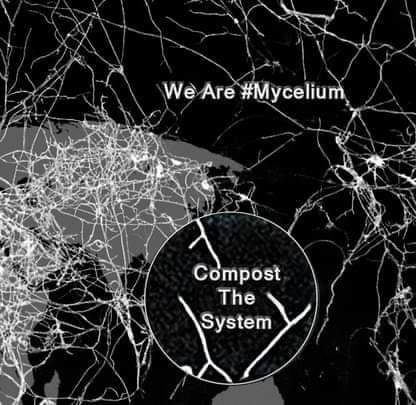
Moving forward is now about composting the #techshit, a path to compost the tech detritus of the past two decades, the techshit accumulated through#NGO funding of misguided projects and closed systems. Just as composting turns organic waste into fertile soil, we can take the lessons of past failures to create a thriving, resilient commons reboot. By fundamentally abandoning the pursuit of artificial scarcity and focusing on shared abundance, we foster this better, more humane path.
For this to work, we need to address the #geekproblem by placeing as much value on social solutions as we do on technical ones, to create tech that supports community needs rather than hindering them. This path values process over product, relationships over transactions, and social well-being over profit.
Ultimately, the choice is clear: continue worshipping at the altar of the #deathcult, or support the “native” path with the openweb. The former is the path we are on now, of escalating, isolation, environmental destruction, and social disintegration, while the latter offers a chance at connection, collaboration, and resilience. This path won’t be easy, but it’s worth the effort to avoid being subsumed by the dominant, #deathcult story we repeat to oftern to ourselves.
As we work to reboot old systems and build better ones, let’s ask ourselves: What are we helping to reboot today? By choosing collective action over individualism, KISS over complexity, and cooperation over control, we can step away from the current mess and plant the seeds for hope and survival.
Lift your head, dirty your hands we have a world to plant
With “liberal” democracy faltering, it’s essential to trust that ordinary people, when empowered, can make fewer harmful decisions than authoritarian or our current dogmatic social-political paths. The idea behind #KISS (Keep It Simple, Stupid) is to create straightforward, accessible paths like the #OMN and #OGB that allow for horizontal organising, ensuring that the grassroots can operate effectively. While people may create some messes, they are likely to produce less harm than the top-down control structures that dominate in authoritarian and corporate-driven paths. The key lies in trusting collective decision-making.
A core tension between alternative cultures and the #mainstreaming: the mainstream demands that alternative cultures conform in order to be effective, while the alt paths intentionally resist this push, aiming to remain distinct and radical. This clash creates a deeper issue – mainstreaming voices tend to block and reject the need for a bridge between these two spaces. The failure to recognize the importance of building such bridges leads to division and stagnation, which is driving the perpetuating of the current social and political mess.
The root problem lies in “common sense” blocking and an intolerance toward the very idea of bridging these divergent paths, hindering progress from both sides. All the paths on this website are based on this.
A write-up worth reading to glimpse the mess we need to compost https://archive.is/60N0T and yes this is messy, it would help a lot to have grassroots tools #OMN#OGB etc to keep our hands clean, being dirty is an untrustworthy look in the era of #stupidindividualism – and yes this is a contradiction, more mess to compost.
Metaphors matter, as do affinity groups of active people.
In this noise, there is much sense, but no grown-up action. In a children’s playground, it is the adults who are in control, the ones who bind everything together, the ones who make the decisions.
The children play, yes, with noise and creativity, true, which can be beautiful to see.
But this playground noise has little relevance to the world of adults, the ones who do the work of change and challenge, so the children can be free to play.
OK, that’s a right-wing view. But how do we bridge this to a left-wing path? You can find grounded thinking, plans, and native projects linked from hamishcampbell.com that balance this mess we make.
Back to the right-wing metaphor: the subject of this post, the #SocialWebFoundation (#SWF), are the grown-ups. Yes, there are real questions about whether we trust the path they are taking, but it’s the only grown-up path right now. We, in this context, are still the children in the playground.
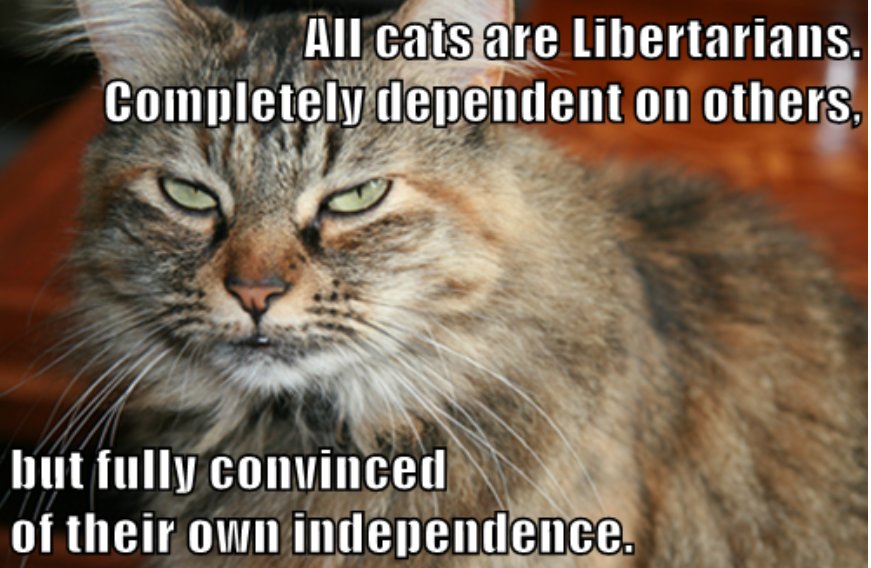
Question: Do you guys prefer the cats metaphor or the child and playground metaphor? Which one do you think could work its way around the #geekproblem and hyper-individualism (#stupidindividualism) that blocks the change and challenge we URGENTLY need?
The metaphor of cat herding is a useful and fitting when working with decentralized, independent actors who are resistant to collective action, especially in grassroots tech and activist communities. It reflects the challenge of getting people to focus, organize, and work toward common goals without losing their autonomy or devolving into chaos.
With projects like #OMN and the broader #openweb movement, this “cat behaviour” is part of the problem, people (especially in the tech and activist communities) are often independent to a fault. Many resist structure, preferring to focus on their individual projects without acknowledging the necessity for governance and collaboration. It’s not enough to be open; without some kind of balance, “open” becomes vulnerable to co-option by corporate interests with #mainstreaming or at the grassroots paralysed by fragmentation.
Let’s look at some examples of balancing the “Common Sense” #mainstreaming mess:
The term #socialweb is a perfect example of an inadequate framing. The issue is that it simply doesn’t hold the critical, oppositional power needed to counter the problems caused by #mainstreaming platforms and narratives. The #openweb, clarified through the #4opens, offers a better path to activism that balances the inevitable co-option by corporations and NGOs like the #SWF (Social Web Foundation). But this balance only works if we acknowledge the simple reality: that both grassroots actors and corporations have access to these spaces, and that #blocking is not a real solution strategically.
The invisible power of #FOSS is another key aspect here. The foundation of corporate tech stacks is built on open-source projects, yet the social and political value of this is lost on many people who don’t see beyond the technical aspects. The same applies to the #geekproblem, which ties directly into the cat-herding analogy – people in the geek world to often miss the bigger picture and the need for broader, political engagement beyond coding or individual technical projects.
Cats vs. Humans in Governance
When grassroots movements fail to build their own governance structures, external actors step in. This is where NGOs or other “grown-up humans” take over. They come in to “pet the cats”, offering bowls of food and the “safety”, and the control of care, but ultimately exerting direction over a process that needs to be native, organic and grassroots-driven. This infantilises the community, pacifying it rather than empowering it.
The problem is that the “cats” let this happen because they are incapable of building the structures necessary to avoid it. If we don’t step up with human solutions, if we don’t create governance models that fit our ideals, we’re always losing control to external forces that don’t share our values and paths.
It’s beyond urgent to move from cat behaviour to human solutions, we are in an era of #climatechaos, where incrementalism and complacency are paths we can no longer take. We can’t keep trying to herd cats who refuse to collaborate on meaningful, systemic change. Instead, we need humans who can engage with the mess we’ve made and work together to clean it up.
To make this move from cat behaviour to human solutions:
Build Native Governance: Grassroots projects need to establish their own governance from the start. This avoids outsiders stepping in and co-opting the movement. The #OGB is a solid step in this direction.
Clarify Language and Values: Words like #socialweb lack the critical edge to inspire action. Framing like #openweb and #4opens make the values explicit and point to the political and social power of the alternative we’re built.
Acknowledge Power Dynamics: Open means open for everyone, including corporations. But grassroots actors need to reclaim the open spaces they helped create rather than let these be dominated by corporate inflowing interests. Balance can only come from political awareness and active mediation.
Move Beyond Individualism: The metaphor of herding cats also speaks to the issue of #stupidindividualism. We need to get beyond this and rebuild collectives, focusing on shared governance and goals rather than isolated actions.
Challenge Corporate Co-Option: Just as #FOSS underpins corporate tech, we need to build movements that are resilient to corporate takeover. This involves structures and cultural values that resist domination and control.
It should not need to be repeated so often, the shift we need is cultural as much as it is technical. We can’t keep going down paths we know do not work and only lead us back to the current mess. We need to rethink what it means to be part of a collective and how to build governance that reflects our values, instead of relying on outside forces to define them for us #KISS
PS. I am thinking this could get messy, we need shovels #OMN
The current path of distraction’s and #stupidindividualism push the cycle of pointless noise that is feeding into our inability to focus on real change. People are busy, swept up in these distractions, and pointless pursuits to be the change and challenge they need to be. It’s a cycle of complacency with a bad outcome. Agitation, anger, and disturbance are powerful motivators, but we need to focus into something meaningful, to avoid drowning in the noise, we need to focus on what’s actually going on. But, in this mess, how do we push people to grow up and focus without falling into the trap of more #blocking or just offering more distractions or ‘better bling’?
The answer is simple and #KISS, by recreating collectives. We’ve seen first hand how hyper individualism (#stupidindividualism) isolates people, leaving them powerless against larger systemic issues. Rebuilding real, engaged, and active communities is key. Movements like #OMN, #OGB, #indymediaback, and #4opens are examples of initiatives that become the change and challenge we need. These projects draw from undercurrents of ideas that we know work, combining them with the best of #openweb tech to grow from small seeds into real change.
But it’s also essential to dig at the roots of the mess: #pomo (#postmodernism) and the #deathcult (#neoliberalism), ideologies that have shaped the mess we’re in, cynicism and cutting off collective alternatives. If we don’t address these root issues, they will keep returning, and we’ll remain stuck in the same cycles of decay.
The #geekproblem is real, it’s the problem of domination and control born out of geek culture shaped by “common sense” paths. Look at the decline of the #dotcons like #failbook and Google, where #fashionista optimism gave way to corporate greed. Then look at early days of #openweb projects like #couchsurfing and #indymedia, we had healthy, thriving native cultures that weren’t obsessed with control. The key is to recognize what went wrong and build on a path that doesn’t repeat those mistakes.
The challenge is that many within geek culture can’t see the value of projects like #OMN, as it exists outside their narrow, “common sense” world-views. We need to help people see beyond the obvious, look for non-mainstream alternatives, and recognize that the solutions aren’t in the corporate web but in the decentralized, open spaces, commons, we create ourselves.
Now is the time to reboot our own media and to be wary of #fashionista agendas that hijack and dilute the change we need. The way forward is messy, organic, and rooted in collective action. What we can do:
Agitate and Disturb: Use media, art, and culture to push people out of their comfort zones and make them question the status quo. The hashtag story is a tool to do this.
Build Collectives: Recreate spaces where people can work together meaningfully, paths that empower communities to balance the current #stupidindividualism. The OMN are projects for this.
Focus on the Roots: Don’t only address symptoms, dig deep into the core ideologies that keep returning and haunting us, like #pomo and the #deathcult. This website is a tool for this
Reboot Media: We need to take back control of our media, using open technology to create alternatives that aren’t based on capitalist greed but on #KISS shared values. There is a native project for this indymediaback
Stay Wary of Distractions: Resist the temptation of ‘better bling.’ The solution is not to make the distractions shinier, but to focus on what matters.
The path out of this mess is in part social tech, which we need to build. It’s time to grow up, pay attention, and start building the world we actually want to live in. A shovel is need to compost the current mess #OMN. But I don’t have the focus to do this, we need a crew.
The key part of this is WHO decides, this is a political and democratic issue, not a tech “problem” we need to build with this strongly in mind.
The current path in “governance” of the #Fediverse is a few people and money, where other people live and create the value of our native #openweb path. This is oligarchy at best, if you think about this, is this what we won’t? How can we, actuary, tell what we won’t, if not what can we do about this?
A critical issue with #SocialWebFoundation is that they’re avoiding real change and challenge, which by default leads to a “safe path” of the commercialization of the #Fediverse. This #NGO path is about keeping a seat at the table, but history tells us it is always unproductive without engaging in deeper structural shifts.
The current lack of user and admin representation on the SWF board clearly signals elitism, which diminishes the collaborative, grassroots potential for native decentralized networks of “governance”. Which without this, we move to a corporate entrenchment rather than fostering the liberating potential of the #openweb we have spent the last 5 years building.
One potential solution is embracing #openprocess, backed by activism, as a way forward. While it may be an uncomfortable path for the wannabe establishment, this path is necessary to preserve the integrity of decentralized platforms and our reboot in the openweb space. Open governance and participatory, maintain transparency and avoid the top-down elitist structures currently being reinforced by the “common sense” #NGO default being imposed.
To start this conversation, we could actively push for deeper community engagement, cultivating dialogues around representation, and organizing inclusive spaces where server admins, users, and activists can voice concerns and meaningfully influence decision-making processes. However, a key challenge lies in whether it’s even worth pushing this path, as many within the establishment will block any understanding or discussion about the need for such structural shifts.
It’s worth reflecting on how many early #dotcons initially tried to be #openweb native, but found it impossible to reconcile with the profit-driven structures of dotcons. The same is happening now, and it’s important to ask: Can we forge a better path this time around? Clearly, the NGO-driven model isn’t the answer. Exploring frameworks like the #OGB (Open Governance Body) would provide a more transparent, accountable, and community-driven alternative, avoiding the pitfalls we’ve seen before.
Question, where do you see the best opportunity to initiate these dialogues and get past the resistance to real change to walk the path we acturly are walking.
We need to compost, meany of the replies to these subjects as they to often exemplify the #stupidindividualism that plagues conversations. Instead of engaging in collective, systemic thinking, people fall back on dismissive, reactionary attitudes: “I’ll wait and see,” or “If they mess up, I’ll just ignore them.” This #blocking sidesteps the responsibility we have to shape the #Fediverse and #openweb decentralized networks. It’s not about waiting for corporations like #Meta to make a move or some #NGO driven entity to fail, it’s about organizing from the ground up and mediating these incursions before they can set deep roots.
I use the hashtag #stupidindividualism as it illustrates what the “ignoring” means, that damage has already been done. Once corporate influence is in place, it’s harder to reclaim grassroots paths, which is why we need collective action now, not after bad decisions have been made. The “I’ll just ignore them if I don’t like it” mindset is dangerously passive, and has a very bad history. It’s not good to hope the right decisions will be made by those in power while reserving judgment until it’s too late.
The #fediverse was never meant to bow unquestioned to the corporate agenda or chase explosive growth at the expense of native paths. The focus needs to be on building a diverse, sustainable, and resilient ecosystem from the bottom up. In this we can’t afford to stand by, waiting for others to decide our fate, if we do, we’ll end up entangled in the same corporate mess the #openweb was originally meant to avoid. If you have any thought, the time to act on this was yesterday, not keeping watching from the sidelines.