Neoliberalism Can’t Solve the Climate Crisis: We Need Activism

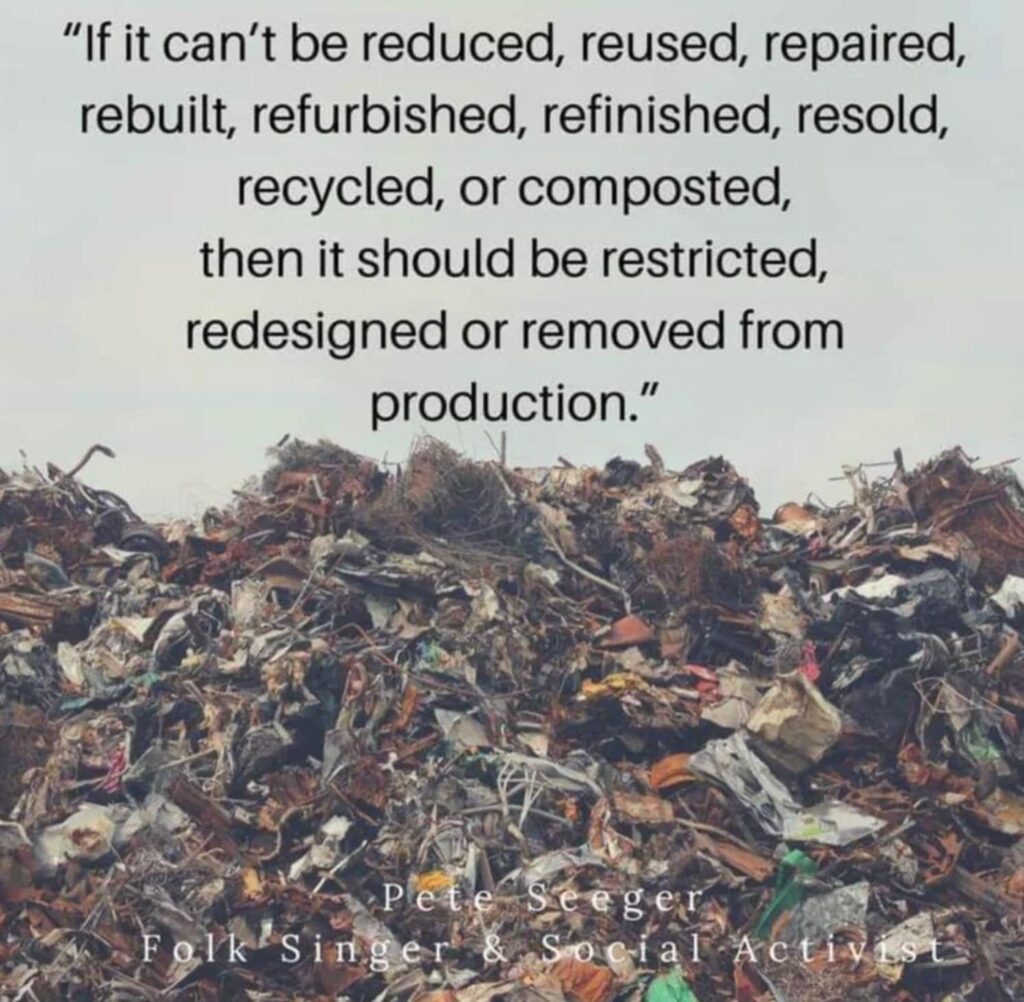
The climate crisis demands urgent and radical action, yet #neoliberalism, with its dogmatic focus on markets and deregulation, falls well short of this. History tells us that activism is the path to take for the systemic changes necessary to save us from environmental and social degradation we face.

The Inertia of the #deathcult refers to this entrenched ideology which prioritizes economic growth and individual freedom over environmental and social issues. This ideology pushes the #stupidindividualism that corporations are using to exploit and destroy the environment. We need to shift this balance. Currently, the balance is tipped far to the right, with no end to environmental and social harm. To save our planet and our communities, we need to push the balance to the left. This means prioritizing sustainability, community well-being, and ecological health to balance the last 40 years on the path of pushing of profit and deregulation.

There is a long history of tools for activism, to achieve this shift, we need to reboot these effective tools and frameworks. Here are some key projects and movements that can help:

#KISS (Keep It Simple, Stupid) Simplicity in Solutions: Focus on straightforward, easily implementable solutions that have a broad grassroots impact. This principle ensures that our actions are accessible and understandable in use.

#PGA hallmarks are a basic-established ethical path for affective grassroots movements, #nothingnew is the key hashtag for why take this path.

#OMN (Open Media Network) Decentralized Information Sharing: By creating and supporting open media networks, we can push the free flow of information and awareness about social and environmental issues. This fosters balance and a more informed and engaged public.

#4opens is a key tool in judging and guiding the tools we use: Open Data, Open Source, Open Standards, Open Processes.

#OGB (Open Governance Body) Participatory Governance: Establish open governance bodies that include a diverse range of stakeholders, ensuring movement away from the current worshipping of the #deathcult (neoliberalism) by building grassroots working federated decisions about the social and environment paths are made democratically and transparently.

#makeinghistory is a way of remembering this simple path and find the tools that have worked that we need to make work agen.

Conclusion, #Neoliberalism’s reliance on market solutions is insufficient to tackle the climate crisis. We need a paradigm shift that emphasizes collective responsibility and action. By using tools like #KISS, #OMN, #4opens, and #OGB, we can empower grassroots communities of action that we need to change and challenge, ensure transparency, and promote sustainable paths. Activism, guided by these principles, is essential for pushing the balance towards ecological stability we urgently need.

Bad conversations in #FOSS and tech

A lot of our public discourse has reached the stage where it might be worth thinking about it as a mental health issue, and that after the “common sense” worshipping of the #deathcult for 40 years, this becomes escalating hard to mediate. This post is about a summing up of this thread https://www.reddit.com/r/foss/comments/1e5vhif/crisis_of_governance_in_foss_medieval_politics/ on Reddit where I posted the text of one of a blog posts on #FOSS and the need to move away from medieval governance.

The is very little if any constructive dialogue, instead we have #blocking, simply ignoring, participants selectively address certain points while neglecting others. This creates an incomplete dialogue and fails to engage with the actual scope of the argument. Example: If someone ignores the historical context and current challenges within FOSS governance structures, they miss why the proposed changes are necessary. Belittling involves dismissing or undermining arguments or concerns, which shuts down dialogue and discourage participation. Example: Dismissing the discussion of governance in FOSS as “unreadable” or “spammy” without engaging with the substance or argument. Nitpicking, focusing on minor details and errors rather than engaging with the main points, derails the conversation and prevent meaningful discussion. Example: focusing on correcting typos or minor factual errors without addressing the argument for the need for governance changes in FOSS projects. StrawMan, misrepresenting the argument to make it easier to attack, distorts the discussion and leads to unproductive debate. Example: Suggesting that advocating for more structured governance in FOSS is equivalent to demanding strict corporate-like control, which misrepresents the argument for more democratic and community-driven governance.

Reasons for these messy behaviours: Ideological differences, people have strong beliefs about what is “common sense” and react defensively to suggestions that change/challenge any of this existing, mostly blinded belief. This misunderstanding then feeds the growth of the lack of understanding of the historical context and the specifics of the proposed changes that then feedbacks misinformed critiques, end up building resistance to change. Yes, change is uncomfortable, and people resist it by dismissing or undermining new paths, ideas please? The style of communication can be off-putting and confusing for in and out groups, leading to reactions that focus on form rather than addressing any substance is a small problem.

Why this matters? There is a crisis of governance in #FOSS, Aristocratic hierarchies and monarchical leadership pushes the concentration of power among a few maintainers and leaders, this lowers community building and buy in. Medieval governance structures are medieval political systems, it’s obviously unfit for the modern world, let’s look at why we have this mess – with #neoliberal, individualism and its failures, #stupidindividualism breeds the focus on individualism, which undermines collaboration and community-driven efforts in FOSS. This fixation with market-driven development rather than community needs result on one hand in less innovative and user-friendly software, and on the other in #dotcons control and exploitation. Feeding the #techchurn and #geekproblem insular and exclusionary culture.

Addressing issues like this of ignoring, belittling, nitpicking, and straw man arguments that push back productive dialogue. What are the solutions to this current path, maybe, democratizing decision-making, the path of transparent and inclusive governance models like the #OGB to build community-concentric approaches, like #indymediaback and #makeinghistory. To make this work, let’s try shifting to focus on to community needs to balance the individuals ambition and market demands. Cultivate an inclusive culture that values diverse perspectives and considers different social, cultural, and economic paths.

Why the pushing of #AI is more #techshit

The #stupidindividualism of the Silicon Valley’s ideology, around tech-driven libertarianism and as our chattering classes say “hyper-individualism”, is spreading social mess and #techshit, we need shovels to compost. It’s now clear that these anti #mainstreaming ‘solutions’ create more problems than they attempt to solve, particularly in terms of social breakdown and environmental damage. The utopian nightmares of tech billionaires collapse under the weight of on rushing real-world challenges. This should make visible to more of us the #geekproblem, the limits of technocratic fixes. The lies under the once-promised technological mediated future of freedom and innovation has been shown to be control and chaos, this should make it obvious that we need to take different paths away from the Silicon Valley’s delusion.

A podcast from of our weak liberals on the subject of #AI https://flex.acast.com/audio.guim.co.uk/2024/07/15-61610-gnl.sci.20240715.eb.ai_climate.mp3 a #mainstreaming view of the mess we are making on this path. The big issue is not the actual “nature” of AI, though that is not without issues. What I am covering here is that #AI is reinforcing existing power structures and socioeconomic realities, #neoliberal ideology and historical bias. This is driven by the goals of enhancing efficiency, reducing costs, and maximizing profits by increased surveillance, this in itself should raise ethical concerns about privacy and freedoms, that the #geekproblem so often justifies under the guise of security.

We need to think about this: AI systems trained on data from the past 40 years are inherently biased by the socio-political context of that period, perpetuating what are now outdated and obsolete beliefs. This historical bias locks in narrow ideological paths, particularly those associated with #neoliberalism and our 40 years worshipping at this #deathcult. This is not only a problem with AI, its a wider issue, we continue to prioritize economic growth over social and environmental paths, with the resent election victory in the UK, the Labour Party’s is pushing the normal #mainstreaming established during the #Thatcher era, in this we see past ideologies continue to shape current #mainstreaming political paths, the tech simply reinforces this.

It’s hard to know what path to take with this mess. Ethical frameworks like the #4opens and regulatory oversight to guide the responsible use of AI might help. By addressing the current mess and challenges, we might be able to work towards an AI path that reflects diverse perspectives and serves a more common good rather than reinforcing narrow #deathcult litany and hard right ideological paths this grows, which is the current default path. Recognizing and addressing the challenges in AI development is the first step towards the change we need to challenge, us, to compost this social mess and heaps of #techshit we have created, that shapes us.

UPDATE: An academic talking about this has just come out https://arxiv.org/pdf/2410.18417

Crisis of Governance in FOSS: Medieval Politics and Neoliberal Failures

Online the Silicon Valley influence is significant and with the globe hegemony of the #dotcons everywhere, the concentration of power and resources among a few #dotcons raises issues about democracy, equity, and control. With this in mind, we need a strong push and for meany people a fundamental rethink and restructuring of how we approach technology, governance, and real community building.

The open-source and free software communities, despite their progressive foundations, are marred by outdated governance structures that are at base medieval aristocracy and monarchy. This, compounded by the problematic mediation attempts through #neoliberal individualism, results in a stagnation of innovation and collaboration that highlights the #geekproblem within these communities.

Medieval governance in modern tech, aristocratic hierarchies are the core in most open-source projects, decision-making power is concentrated in the hands of a few “maintainers” or “core developers.” These individuals hold their positions for long periods, leading to a de facto aristocracy, with the same people in control and influencing the paths of projects big and small. Monarchical leadership is core to meany, led by “charismatic” leaders whose word becomes law. This monarch-like leadership stifle dissent and discourage fresh contributors, as the projects revolves around the vision and whims of a single individual, in the #fediverse an example is the #Mastodon codebase.

Neoliberal Individualism and Its Failures

#StupidIndividualism is a part of #neoliberalism, which promotes a form of individualism emphasizesing self-interest and competition over collaboration and community. This mindset infiltrates open-source communities, leading to fragmented efforts and a lack of cohesive or even any vision. This “common sense” market-driven development infects open-source projects that are pushed by market demands rather than community needs. The results are software that prioritizes “control”over usability and any innovation.

The #techshit and #geekproblem

  • #techshit, a term that reflects the use of #dotcons and #FOSS which proliferates, poorly designed, unmaintained, and redundant software projects that clutter the open-source paths.
  • #geekproblem, refers to the insular and exclusionary culture within tech communities. It includes issues like poor communication, lack of diversity, and a focus on technical prowess over collaborative skills.

Moving Towards Modern Governance

Democratizing Decision-Making: Shifting from aristocratic and monarchical structures to more democratic governance can help. This includes implementing transparent decision-making processes, rotating leadership roles, and widerning voices that are heard.

Community-Centric Approaches: Prioritizing community needs over individual ambitions and market demands leads to more sustainable and impactful projects. This involves active engagement with users and contributors to understand their needs and incorporate their feedback.

Embracing Diversity: Cultivating an inclusive culture that values diverse perspectives address the #geekproblem. This means actively working to include wider groups in tech and fostering a collaborative rather than competitive environment.

Holistic thinking: Moving beyond the neoliberal framework requires a holistic approach to mediation that considers social, cultural, and economic factors. This includes spaces for dialogue, conflict resolution mechanisms, and support systems for contributors.

Conclusion, to move forward, we need to shed the medieval political structures and #neoliberal individualism to make space to embracing democratic governance, community-centric paths, diversity so that communities can mediate the #techshit and #geekproblem, paving the way for a more collaborative and native #openweb.

The rise of fascist ideologies

The path of #fascism is blighted by ignorance and the rejection of deeper meaning in life. Fascist leaders and their followers push overconfidence and assertive ignorance, using baseless claims to hold dominance and control. They push false displays of good qualities, such as exaggerated patriotism or faux moral superiority, rather than any real ability and experience.

Fascist ideologies exploit the frustrations and insecurities of “lost” people, by offering them a sense of belonging and purpose based on false premises of identifying and vilifying scapegoats (immigrants, minorities, political opponents), fascist movements create and feed on this dysfunctional sense of unity and purpose.

The #mainstreming focus on superficial success, materialism, and immediate gratification lead to a rejection of deeper, more meaningful pursuits in life. This lack of cultural reflection and philosophical engagement makes it easier for fascist ideologies to take root, as they offer simplistic, emotionally appealing paths that answer base human paths.

#stupidindividualism is a seed for fascism, as it thrives in environments where people are isolated from broader perspectives and realities, so can reinforce narrow provincial mindsets. Without exposure to diverse cultures and ideas, people develop prejudiced views and simplistic solutions to complex problems.

A #mainstreaming video on the subject

Recognizing and Fighting Fascism is #KISS to progressives:

To move away from fascism, as a first step, people and communities need to acknowledge and confront the “stupid, pathetic, frustrated side” of themselves. This means taking social responsibility for our prejudices, ignorance, and superficial values. In this, education has a path to play to build critical thinking, cultural awareness, and the ability to reflect. But more immediate, is the need to encouraging engagement with activism, social movements, art, philosophy, and history which helps people to develop a more “real” understanding of the world and their place in it, and most importantly a real ability to change it.

Promoting dialogue between groups is a way to share understandings and reduce isolation and prejudice, this helps to support initiatives that build strong, #4opens communities where people feel valued and heard. Fascism is rooted in ignorance, superficial values, and the exploitation of frustration and prejudice. By acknowledging this we open up space for education, cultural engagement, and critical thinking where our activism holds the path to foster inclusive communities, we can, and need to, push back at the rise of fascist ideologies.

If you find this enlightening, it’s worth a brief look at another historical path https://hamishcampbell.com/when-did-christians-start-doing-the-opposite-of-what-christ-taught/


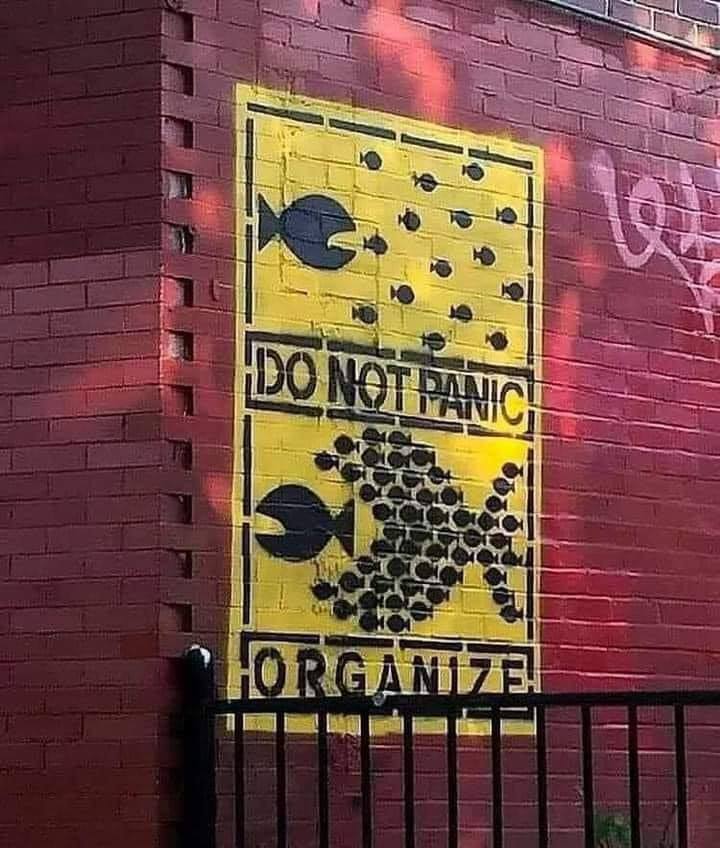
You, personally, are not going to defeat fascism. But that doesn’t mean you do nothing. Find ways to organise, figure out where you can push and pull. There’s always something you can do, but you have to do it—not just hold a positive opinion of it being done.

The #deathcult thrives on static control – hoarding, fences, borders, walled gardens, and hierarchies. The #openweb, radical media, and grassroots organising all work differently: they live in flows, decentralisation, and trust.

It’s past time to stop trying to own the river and start learning how to navigate it.

#4Opens #OMN #DIY #TechShit

Understanding Current Tech Paths

The accidental #openweb reboot of the #fediverse was created and popularized by a diverse and disorganized group of progressives with meany #fashernistas, this is a #4opens “native” path and reflects the decentralized and chaotic nature of grassroots movements. This “herding cats” means that achieving consensus or coordinated action is challenging. The last 40 years have seen the rise of neoliberalism, emphasizing individualism, deregulation, and market-driven policies. This ideological backdrop complicates collective action and pushes #stupidindividualism, where individual interests override communal goals.

Proposed paths to mediate this mess, the #OGB Grassroots #DIY Producer Governance is core to building away from this mess, to shape a more inclusive and responsive governance model for the #fediverse. By emphasizing local, bottom-up governance, communities retain control over their own platforms and content, fostering a resilient and adaptive “native” #openweb.

Naming and challenging the status quo worshipping the #deathcult is basic. Continually calling out the prevailing “common sense” that aligns with neoliberal values as the “deathcult” disrupts complacency and encourage critical thinking. If this is, pushed this approach makes #mainstreaming acceptance of harmful practices uncomfortable and prompt more people to question and resist them.

Promoting simple, powerful concepts. The #KISS “Keep It Simple, Stupid” helps to clarify complex issues. Promoting straightforward concepts like #openweb vs. #closedweb simplifies the narrative and makes it more accessible. Please use the #4opens framework (open data, open source, open standards, open process) as a benchmark to evaluate and critique technology for better decision-making that reduces #techchurn.

Leveraging group use of hashtags as an organizing tool, consistent and strategic use of hashtags helps unify efforts, spread ideas, and create a sense of collective identity to increases visibility and engagement, making it easier to coordinate actions and amplify messages.

What you can do? Develop and promote #OGB resources and guides for grassroots DIY governance paths. Encourage communities to adopt these models and share their experiences. Challenge neoliberal ideology, by use all your platforms to name and critique the prevailing neoliberal “common sense.” Create content that explains the concept of the #deathcult and its implications in an every way possible. Simplify and clarify messaging, develop clear, #KISS explanations of the #openweb, #closedweb, and #4opens concepts. Create infographics, videos, and other media to make these ideas more digestible and shareable. Organize through hashtags, establish and promote key hashtags for initiatives. Encourage coordinated use of these hashtags to build momentum and visibility for campaigns. Build alliances and networks, collaborate with like-minded people and organizations to strengthen the path. Participate in and organize events, both online and offline, to foster a sense of community and shared purpose.

These are steps that communities can take to navigate the challenges posed by the current ideological landscape, promote effective governance models, and strengthen the #openweb path. Let’s please try improving the current state of the #fediverse, and the broader #openweb.

How did we get into such a mess?

The current mess is the social and economic outcome of 40 years of widespread #neoliberal policy and ideology. This did not appear from nowhere. It was built deliberately through institutions, media, economics, and politics over generations.

Thinkers like Friedrich Hayek and Milton Friedman developed and promoted the core ideas: society should be organized primarily through markets, competition, privatization, and individual self-interest. The role of the state was to enforce market logic, not protect social commons.

Politicians like Margaret Thatcher and Ronald Reagan implemented these policies at scale during the 1980s, fundamentally reshaping government, labour relations, education, housing, media, and public life.

The goal was clear enough: restore elitist wealth and power after the post-war era of stronger unions, public infrastructure, welfare states, and redistributive social democracy had partially limited the dominance of capital.

Business interests, financial institutions, think tanks, academic economics departments, and much of the media ecosystem all played roles in normalizing and spreading this worldview. Over time, neoliberalism stopped appearing ideological and instead became framed as simple “common sense.” That is its real power.

The crises of the 1970s – oil shocks, stagflation, industrial conflict, and declining profitability – created the opening for #neoliberalism to present itself as the only serious alternative. Once embedded, the ideology spread far beyond conservative parties. Traditionally left-wing parties, including Labour Party in the UK, gradually absorbed the same assumptions about markets, privatization, growth, managerialism, and competition.

By the late 1990s and early 2000s, meaningful opposition inside mainstream politics had largely collapsed. Different parties still argued culturally and rhetorically, but underneath they increasingly shared the same economic operating system.

This is why the current crisis feels so total. It is not simply a matter of “bad politicians” or individual corruption. The problem is structural. Over 40 years, neoliberalism fundamentally altered how people, institutions, and governments understand themselves and their role in society.

Citizens became consumers, communities became markets, public goods became investment opportunities, education became job training, journalism became content production, politics became branding and human beings became “human capital.” Even resistance movements were reshaped by this logic.

The result is the rise of what can be called #stupidindividualism – the idea that every social problem should be solved through personal lifestyle choices, branding, competition, and individual moral performance rather than collective action and shared responsibility. This thinking now feels like “common sense” precisely because neoliberalism successfully embedded itself into everyday life. People who believe they oppose the system often still reproduce its assumptions:

  • careerism over solidarity,
  • competition over cooperation,
  • visibility over substance,
  • branding over organizing,
  • management over trust,
  • and market logic over commons.

This is why so many well-meaning projects end up reproducing the same failures. The ideology operates socially and culturally, not only economically.

Importantly, this was not primarily a conspiracy. It was a historical convergence of self-interest, institutional incentives, economic crisis, and #mainstreaming cultural momentum. A lot of people genuinely believed these policies would create freedom and prosperity. Others simply adapted because the system rewarded conformity and punished alternatives.

The result, however, is the mess we now live inside, collapsing public infrastructure, housing crises, ecological breakdown, permanent precarity, weakened communities, platform monopolies, endless culture wars, rising authoritarianism, and widespread social fragmentation.

In the current era of #climatechaos, this increasingly looks like a #deathcult path. We continue pushing endless growth, extraction, privatization, and consumption despite overwhelming evidence that the system is undermining the conditions needed for human and ecological survival.

And because neoliberal logic has become embedded as “reality,” many people struggle to even imagine alternatives. This is one of its deepest victories. That is why rebuilding commons culture matters so much.

Projects rooted in mutual aid, the #4opens, cooperative process, federated governance, gift economies, and grassroots organizing are not side issues. They are practical attempts to recover social relationships and collective capacities that neoliberalism systematically eroded.

The challenge now is not only resisting the current system, it is relearning how to build outside its assumptions.

What works?

What drives the rise of social justice movements and grassroots mobilization is simple: they begin locally. Movements grow from the lived experiences of people and communities directly affected by injustice – those with the motivation and need to bring about real change.

To help these movements expand and connect, technology need to be built to serve people, not control them. That means prioritizing open, decentralized networks like the #openweb and the #fediverse, that grow free, serendipitous communication. These digital commons give activists the tools to organize, share stories, and build collective power without being bound by corporate and state control.

Projects like the #OMN and #indymediaback are built with this ethos, tools for coordination, not domination. But movements also need historical memory. We need to document and preserve the history of activism, its tactics, its victories, its failures, to educate and inspire new generations. Understanding the struggles of the past helps today’s movements avoid repeating old mistakes and build on hard-won gains. That’s the work of the #makeinghistory project.

Yet we face the ever-present threat of co-optation, when activist groups shift their focus to chase funding and institutional legitimacy, losing their deep roots in the process. Staying independent and mission-driven is hard, especially in today’s hostile environment, but it has been done before, so it can be done again. If you value this work, support us here: https://opencollective.com/open-media-network to build these tools.

Activism thrives when there’s a balance of spiky and fluffy – bold direct action paired with strategic planning and long-term vision. Pragmatism is key: we must address urgent needs now, while laying the groundwork for lasting change.

Let’s be clear: the relationship between grassroots movements and capitalism is fundamentally antagonistic. Capitalism erases history. It ignores the material realities of class struggle, slavery by debt, violence, ecocide, and mind-numbing oppression. Breeding a culture of #stupidIndividualism that keeps fuelling the #deathcult we now call “common sense.”

In its place, we should seriously consider other paths like – socialism and anarchism – not as abstract ideals, but as practical socio-economic paths rooted in public ownership and collective decision-making. These models offer a chance to distribute wealth and power more justly.

Capitalism is collapsing under its own weight.

“We all know the system we live under is destroying itself.
So what comes next? Fascism or revolution?”

Radical change isn’t a dream, it’s a necessity. The #openweb, the language of hashtags, and the memory of past movements offer us practical tools to build collective paths, connect communities, and organize resistance to the hard pushing. These are our counterforces to the algorithmic mess of #mainstreaming. We already have the tools. Now we need the will.

Socialism and Capitalism

#Socialism is a socio-economic path where the production (factories, mines, machinery, tools, raw materials, land, buildings, means of transport, etc.) are “owned” and controlled by the public. The goal is to create a basic equitable distribution of wealth and power by reducing the wide disparities seen in capitalist societies. Socialism abolishes private control of the means of production, to transition to a system where goods and services are produced for use rather than profit. The guiding economic principle of socialism is “from each according to their ability, to each according to their work.”

Public Ownership: Big industries and resources are owned and managed by the people, democratic governance and cooperatives.

Economic Planning: Public planning is used to allocate resources efficiently and equitably. With the digital transition and #4opens technology, this becomes more practical.

Social Welfare: Social programs like healthcare, education, and social security ensure a basic standard of living for all people.

Reduced Income Inequality: The gap between the rich and the poor is reduced.

Democratic Control: Workers and the public control the economic decision-making processes.

Where #capitalism is an economic system run for private ownership of the means of production and profit. This includes capital accumulation, competitive markets, a price system, private property, and wage labour.

Private Property: Individuals and corporations own and control the means of production, and thus survival.

Market Economy: Goods and services are produced for and traded in competitive markets, where prices are determined by supply and demand. In today’s world, this means strong monopolistic control for private power and profit by the shrinking #nastyfew

Profit Motive: The driving force behind economic activity is individual greed and the pursuit of profit. This fits well into #stupidindividualism

Capital Accumulation: The accumulation of capital is central to economic growth and expansion. This leads to huge “external damage”, that’s the degradation of the poor and the environment we all live in today.

Wage Labour: Workers sell their labour to owners of capital in exchange for wages. Over the last 40 years, this has seen a widening disparity which will continue to grow on the current path.

It should be obverse to us all that capitalism leads to inequality and exploitation. Some Marxist theory on this subject:

Exploitation: In capitalism, workers do not receive the full value of their labour, instead, the surplus value (the difference between what workers produce and what they are paid) is appropriated by capitalists as profit. We can see this very plainly happening over the last 40 years.

Alienation: Workers are alienated from the products of their labour, the labour process, their fellow workers, and their own human potential because they work primarily for wages rather than for personal fulfilment or communal benefit. We have no idea how production happens any more, our “economy” is a god we worship. But this is a #deathcult

Inequality: Capitalism concentrate wealth and power in the hands of a few, leading to significant social and economic inequalities. This builds social strife.

Instability: Capitalist economies push cycles of boom and bust, leading to periodic crises of overproduction and under consumption.

Means of Production The means of production are the physical, non-human inputs used for the production of economic value. This includes factories, machinery, tools, raw materials, land, and buildings. In a capitalist society, these are owned by private individuals and corporations not by the workers them selves.

Exploitation refers to how capitalists extract surplus value from workers. Workers produce more value through their labour than the wages they are paid; this “excess” value is taken by the capitalists as profit.

Surplus value is the difference between the value produced by labour and the actual wage paid to the labourer. It is a fundamental concept in Marxist economics, describing how capitalists generate profit by exploiting workers.

Capital refers to wealth in the form of money or assets that are used to produce more wealth. This includes investments in factories, machinery, raw materials, and labour.

Class struggle is the conflict between classes in society, primarily between the bourgeoisie (owners of the means of production) and the proletariat (working class). This struggle is the driving force of historical development in Marxist theory.


Social Democracy vs. Socialism

Social democracy advocates for a mix of capitalism and socialism. It supports a market economy, but with significant government intervention to ensure social justice and equity. Policies include welfare programs, labour rights, and regulation of markets to reduce inequalities and provide public services.

Socialism transitions away from capitalism, to abolish private ownership of the means of production altogether. The goal is to establish a classless, stateless society where resources and wealth are distributed according to need.

Communism is the final stage of #Marxist theory, where the state has withered away, and a classless, stateless, and moneyless society has emerged. All means of production are owned communally, and goods and services are distributed based on need rather than market dynamics. The guiding principle is “from each according to their ability, to each according to their needs.”


To actually move on this path, we would need a #Revolution, to overthrow one class by another. In Marxist terms, a socialist revolution involves the working class (proletariat) overthrowing the capitalist class (bourgeoisie) and establishing a socialist state as a transition to communism. This process entails significant social and economic upheaval to replace capitalist structures with socialist ones. Understanding these concepts provides a clearer path for ongoing debates and action.

#TED – A Community of Delusions

For millennials lost after the mess of 9/11, the wars, economic upheaval, digital division, and social atomization, #TED was an appealing #mainstreaming alternate vision of a society where ideas had currency, and a wider group of people could identify with the intellectual vanguard. This vision was delusion, but it easily overtook the norms of drift and disconnection in our failed alternative culture.

To have been young and thoughtful in the late 2000s was to be a citizen of TED nation – a community of dreamers more than doers, united by a common creed: that ideas matter, that inspiration is power, that the future belongs to those who can capture imaginations. This naivety was an easy path to take for the children of the #deathcult. TED’s prominence shaped the aspirations of a generation, it shaped how we thought about ourselves. This #stupidindividualism pushed the blinding possibility: you, too, could have an idea worth spreading. You, too, could be special.

TED defined the poverty of the blinded intellectual spirit of this era, a profoundly millennial idea: that we are each of us main characters and have an individual calling and a mission to “change the world” in some vaguely indefinable generally pointless way. And while the reality fell well short of the rhetoric, the animating spirit was strong and likely sincere for most people.

The priests of the #deathcult pushed #TED as class war, it was not a youthful indiscretion of a generation, a rite of passage on the road to hard-earned intellectual growth. Rather, it was a smoke and mirror mess pushed by a “progressive” #fahernistas class. In the post TED world we are back to where we were 20 years ago, the messy reality of class war, unfriendly and unwelcoming.

#MillennialZeitgeist #IdeasWorthSpreading #TEDTalks #Dotcons #Intellectualpoverty #liberal #mainstreaming

PS. it’s interesting to remember that #TED tried to be #openweb native at the start, they only turned to #dotcons when that path was abandoned by our #fashionistas and lead to the mess we are in today, what a mess.

Hashtags for Social Change

The Potential of #Hashtags as Shared Social Paths

#Hashtags have good and useful potential to be used for social change. They create connections between people, amplify voices, and mobilize communities. When used effectively, in a native way, they transform individual expressions into collective movements. However, the current #dotcons culture presents a very real and disempowering challenge to this.

The Problem of #StupidIndividualism

Today we are shaped by #stupidindividualism, on this path hashtags become acts of individual expression rather than collective tools for change. This individualistic approach hides the potential for constructive use. Instead of fostering solidarity and shared purpose, hashtags become fragmented and lose any meaning and thus impact.

#Dotcons as temples of the #Deathcult

Tech silos like Facebook (#failbook) and generally the dominant digital corporations (#dotcons) exacerbate this problem. Their business models and design promote individualism over community, a culture obsessed with profit and control at the expense of human values, creates a landscape where meaningful social change is impossible to achieve.

The Need for Collective Action

For #hashtags to regain their social function as tools for change, there needs to be a shift in the balance from individualism to collectivism. This requires:

  1. Shared Understanding: Developing a common understanding of the issues and the role hashtags can play in addressing them.
  2. Community Building: Using hashtags to build and strengthen communities rather than only expressing individual opinions.
  3. Strategic Use: Deploying hashtags strategically to mobilize action, raise awareness, and create pressure for change.
  4. Platform Accountability: Holding digital platforms accountable with the #4opens

The Role of Movements like #XR

Movements like Extinction Rebellion (#XR), though well on the #fluffy side, can play a role in this transformation. By emphasizing collective action and the power of grassroots mobilization, they could seed hashtags to build a global community, a common cause.

In conclusion, Hashtags have potential to be used for grassroots social change, but this potential is blocked by our #mainstreaming of individualism, which is pushed by our continuing use of the #dotcons. To harness the power of hashtags, there needs to be a shift towards native #openweb tools and a more collective agenda, community building, and strategic use. Movements like #XR could be a part of this path, as could projects like #OMN #indymediaback and #OGB

The #hashtags embody a story and world-view
The #hashtags tell a storie

You can support this path https://opencollective.com/open-media-network
Caring in a culture that disregards human well-being requires resistance to dominant values

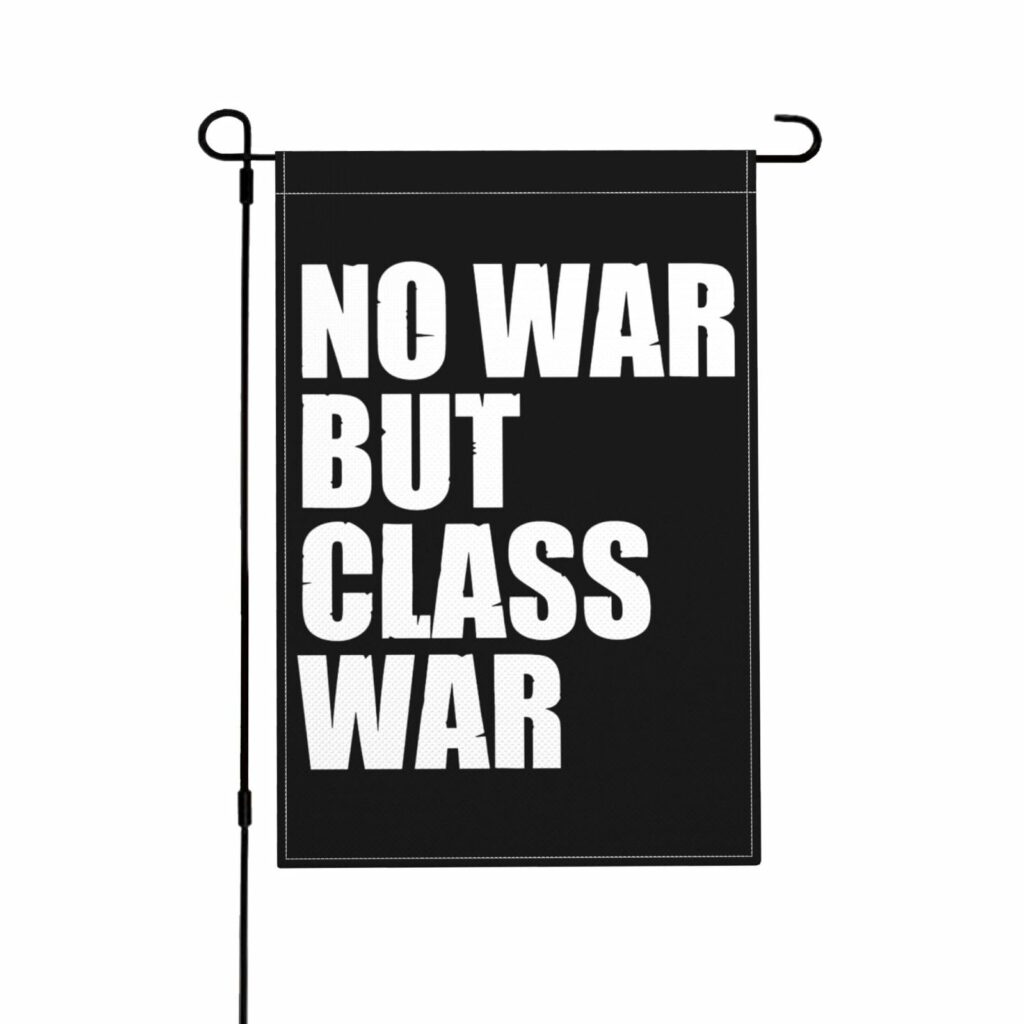
I have come to think that care for people requires a high degree of resistance to the surrounding culture, simply because that culture is dedicated to values that have no concern for people. This is a tension in society, the disconnect between cultural values and genuine care for people. Thus, actually caring for people requires a strong resistance to prevailing cultural norms that prioritize profit, “efficiency”, and superficial success over human well-being. This resistance is needed to overcome the mess of the last 40 years of #postmodern, #neoliberalism that has undermines basic humanism.

The Mess

  1. Profit Over People: Our worship of the #deathcult within capitalist societies, prioritizes profit driven consumerism above all else. Companies and institutions exploit labour, cut costs at the expense of safety and well-being, and focus on short-term gains rather than any long-term sustainability, or even basic survival.
  2. Superficial Success Metrics: Social success is measured by wealth, status, and material possessions, rather than by well-being, happiness, community health or basic ecological function. This leads to widespread neglect of where value actually lie.
  3. Individualism Over Community: Our dominating “common sense” culture emphasize individual achievement and self-reliance, at the expense of communal support and cooperation. This erodes social bonds and leave individuals isolated and unsupported.

Resistance

  1. Ethical Imperative: Caring for people is an ethical obligation that at best makes us challenge and resist cultural norms that dehumanize and exploits people. It involves advocating for fairness, justice, compassion, and prioritizes a living environment.
  2. Mental and Emotional Health: The pressures of conforming to the #deathcult culture leads to mental health issues such as anxiety, depression, and burnout. Joining together to resist these pressures is essential for maintaining mental and emotional health.
  3. Social and Environmental Justice: Resistance is necessary to address systemic inequalities and injustices that are pushed by the dominant culture. This is common sense, to stop the degradation of our ecology, both human and inhuman.

Making Resistance Happen

  1. Advocacy and Activism: Engaging in fluffy NGO advocacy and #spiky activism to promote and push policies and practices for human well-being over profit. This includes strong ecological policies, supporting labour rights, affordable healthcare, sustainability, and education etc.
  2. Community Building: Fostering real, supportive communities of mutual aid, solidarity, and collective well-being, involves creating open non-commercial spaces where people can come together, share resources, and support one another.
  3. Alternative Value Systems: Promoting and practising alternative systems that emphasize care, empathy, and interdependence. This can be through #spiky #DIY activism culture, like squatting, protest camps or more lifestyle #fluffy choices, such as minimalism or voluntary simplicity, and through supporting businesses and organizations that prioritize ethical practices in the #dotcons.
  4. Personal Practices: This is a harder path to make meaningful, implementing personal practices that resist cultural pressures, such as mindfulness, self-care, and setting boundaries to protect mental and emotional health. This path can be a problem, as it in part pushes the #stupidindividualism that feeds the very problems in the first place. Encouraging others to do the same can, maybe, help create a ripple effect of resistance and care.

What should you do?

Caring for people in a culture that disregards human well-being needs conscious and active resistance to the dominant values. By advocating for social justice, building supportive #DIY communities, promoting alternative value systems like the #OMN, and maybe practising personal care, we might create a more compassionate, sustainable society. This resistance is not only a needed path, but also a moral imperative. What are you doing today about this?

More: https://www.project-syndicate.org/commentary/collective-intelligence-calls-for-sharing-rewards-from-innovation-for-the-common-good-by-mariana-mazzucato-2024-08