The mess we made with the #dotcons

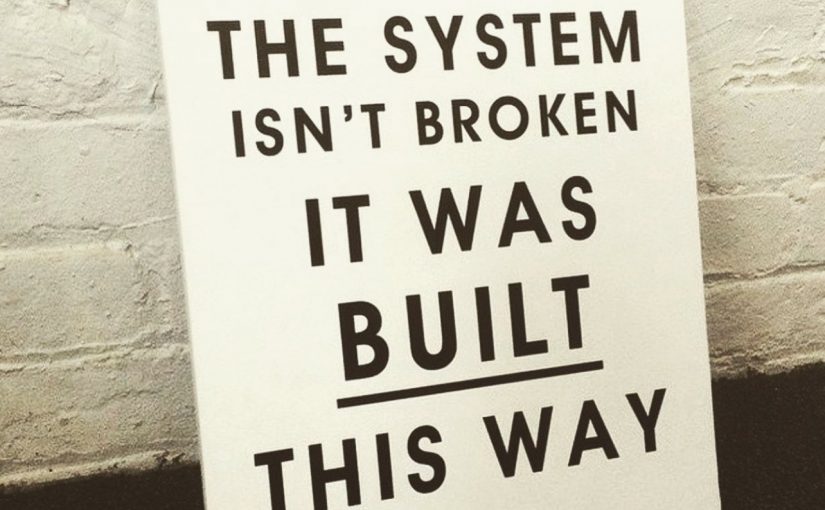
The #dotcons are designed for greed and selfishness. Everything about them feeds this and, in turn, feeds off it. This negative path is hard-coded deep into their architecture. They cannot be fixed.

The rebooting of the #openweb is the path we have taken. Copying worked well for the first step — it let us get moving. But for the next step, we need to move past the simple replication of the current #mainstreaming mess. We cannot reboot alternatives by simply copying them in #FOSS, as we have too often done in the #Fediverse.

The next step needs to be more native to the #4opens path we have started down. Let’s thank the people who copied. Let’s give them statues and security – they did us all a service. They deserve gratitude for this first step, not hatred. But we cannot stop there.

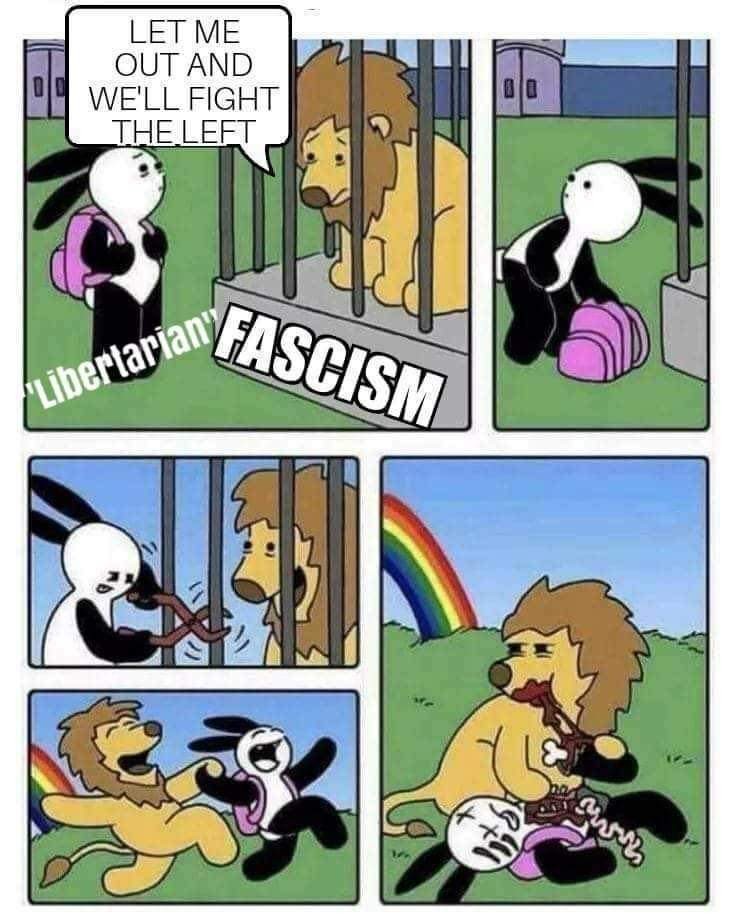
The mess of the #dotcons. Take the example of Twitter’s devolution. What began as a #neoliberal platform – deregulated, market-driven, profit-focused – has slid into a space with growing fascist tendencies under Elon Musk. This is not an accident. It’s a stark reminder of the pitfalls of unchecked corporate #dotcons and their susceptibility to authoritarian capture.

Neoliberalism, with its emphasis on deregulation and market “solutions,” inevitably concentrates wealth and power into the hands of a few. That concentration erodes democratic norms and opens the door to authoritarianism. Twitter is just one case. The intertwining of neoliberalism and fascism underscores why we need vigilance: not only against economic inequality, but also against the erosion of the native #openweb projects we struggle to build and sustain.

The trap of nostalgia, in the reaction of neoliberal “common sense” to Twitter’s fascist turn is instructive. Despite the platform’s descent, many #mainstreaming users still engage with it, clinging to nostalgia for its earlier, more liberal incarnation. This highlights the tendency of #mainstreaming to adapt to life under oppressive regimes, out of self-preservation, habit, or a misguided sense of normalcy. It is a sobering reminder of the dangers of complacency and the urgency of resisting authoritarianism, especially in its early stages.

The lesson for the #openweb can be found in this transformation of Twitter from neoliberalism to fascism, which shows the interconnectedness of economic and political systems. It underlines the need for collective action to safeguard native #openweb values. By recognizing the warning signs of authoritarianism and refusing to normalize its spread, we can prevent the erosion of the commons we are trying to grow.

The next stage of the reboot cannot be a mirror of the #dotcons. It must be different, open, grounded, messy, and alive.

The #dotcons and #closedweb of the last 20 years have clear problems:

  1. Centralization of Power: The dominant platforms in the #dotcons era are #closedweb, centralized, controlled by a handful of corporations.
  2. Monopolistic Practices: The dominance of a few major players led to monopolistic practices that stifled “native” #openweb culture. These monopolies limit people choice and hindered the development of alternative paths that could offer more diverse and community-centric life.
  3. Surveillance Capitalism: The #dotcons relies on business models built around surveillance capitalism, where data and metadata is harvested, monetized, and exploited for targeted advertising and social control without consent and transparency. This exploitation of people’s data undermines “society” and creates significant ethical concerns.
  4. Filter Bubbles and Echo Chambers: The algorithms employed in the #dotcons are designed to prioritize content based on user engagement metrics, leading to the formation of filter bubbles and echo chambers. These push people to beliefs and preferences that limit exposure to diverse perspectives and contributing to growing and entrenching polarization and disinformation.
  5. Erosion of Public Discourse: The rise of social media in the #dotcons facilitated the spread of misinformation, hate, and extremist right ideologies. These platforms prioritized engagement and virality over the quality and accuracy of content, leading to the erosion of public spaces based on trust.
  6. Data Concerns: The collection and exploitation of user data by #dotcons raised significant concerns. People have limited to no control over their social data and metadata.
  7. Digital Divide: Access to the internet and digital technologies remained unevenly distributed during the #closedweb era, exacerbating social and economic inequalities. Due to resource constraints, marginalized communities, faced barriers to access our #openweb reboot, limiting their ability to participate in our native paths and thus the wider digital economy and society we need to build.

To sum up, the dominance of centralized platforms, surveillance capitalism, algorithmic biases, erosion of social norms, and inequalities have been some of the most pressing issues associated with the #dotcons and #closedweb over the last two decades. Balancing this requires continuing efforts to promote decentralization, #4opens and “native” #openweb infrastructure and culture. You can help with this by working on projects like #OMN #OGB #makinghistory and #indymediaback

Please donate here is you can https://opencollective.com/open-media-network to support making this path happen.

This post is a reaction https://mastodon.ar.al/@aral/112098724636424845

Historically, #mainstreaming politics has a tendency to shift to the right during times of crisis

The intersection of #climatechange, #mainstreaming politics, and fear is complex but they do influence social attitudes and policies. Historically, mainstream politics exhibits a shift to the right during times of crisis, and the looming mess of #climatechaos is following this trend. In this, we need to recognize the pivotal role that fear plays in driving right-wing politics and shaping public discourse.

Fear operates as a strong motivator of political attitudes and policies, particularly within right-wing ideologies. Whether it manifests as apprehension over economic instability, cultural change, or national security, fear is fertile ground for the growing of right-wing narratives. In the context of climatechaos, this fear is further amplified by concerns surrounding environmental degradation, natural disasters, migration, and resource scarcity. Such apprehensions provide a breeding ground for the shift to the hard right, that feeds on these anxieties to promote its agenda.

However, amidst this landscape of fear, a counterpoint emerges: the waning fear of socialism. Traditionally, socialism is met with suspicion and trepidation by capitalist classes, serving as a perceived threat to the status quo. Yet, as socialist ideals gain traction and legitimacy in #mainstreaming discourse, particularly among younger generations, the fear of socialism begins to diminish. This shifting dynamic challenges the hegemony of right-wing politics and offers a glimmer of hope for progressive change in the growing mess.

Indeed, this shift presents an opportunity for hope. By embracing socialist principles and advocating for progressive policies, there is potential to counteract the politics of fear perpetuated by the right. However, this window of opportunity is narrowing in the face of escalating #climatechaos. The urgency of the climate crisis demands immediate action, and the failure to seize this opportunity through #mainstreaming inaction exacerbate the cycle of fear and despair.

In essence, the delicate balance between fear and hope shapes political narratives and responses to climate change. While fear may dominate #mainstreaming politics in the short term, there remains a potential for collective action and progressive change. In #openweb tech initiatives such as the Open Media Network (#OMN), #OGB, #indymediaback, and #makeinghistory exemplify efforts to challenge the status quo and take a course towards a future grounded in resilience, equity, and sustainability, growing a society that prioritizes collective the well-being and environmental stewardship that we need.

The problem we face is composting our own #blocking behaver, so more people can supports projects like these.

Composting the mess with the #OMN

The growth of technology has revolutionized the way we live, work, and communicate. However, as we dive deeper into the digital age, we are confronted with the alarming consequences of our reliance on these technologies. The links shed light on the issue of “digital” waste and its detrimental impact on the environment.

Gerry McGovern’s article “World Wide Waste” delves into the staggering amount of energy consumed by digital technologies, from data centres to our personal devices. He emphasizes the urgent need to address this issue and advocates for more sustainable practices. https://gerrymcgovern.com/world-wide-waste/

Similarly, the research conducted by Loughborough University’s Volume project highlights the environmental consequences of digital waste in terms of energy consumption and carbon emissions. The article underscores the importance of adopting eco-friendly approaches to digital design and usage. https://volume.lboro.ac.uk/digital-waste-polluting-the-planet/

Furthermore, the conversation around “dark data” and its contribution to environmental degradation further underscores the need for digital decarbonization. The Guardian’s report on the hidden costs of Ireland’s data centre boom shows the environmental toll of data storage and processing facilities, urging for greater accountability and regulation in the industry.  https://theconversation.com/dark-data-is-killing-the-planet-we-need-digital-decarbonisation-190423

In response to these concerns, initiatives like Digital Decarb are a #NGO path to promote sustainable practices in the digital sphere, advocating for reduced energy consumption and carbon emissions. https://digitaldecarb.org/

Let’s look at a real alternative path

In contrast to the prevailing trend of digital overconsumption and waste, the #OMN (Open Media Networking) project presents a refreshing approach to digital technology. Unlike platforms driven by personalization and distraction, #OMN prioritizes community engagement and meaningful interaction. Its core mission revolves around building tools for communal use rather than individual gratification.

This ethos stands in contrast to the #mainstreaming of social tech, which at its core prioritizes personalization and profit over community well-being. By focusing on politics as inherently human rather than as a commodity, #OMN empowers people to reclaim control over their (digital) lives and take a path of genuine connections within their communities and wider society.

However, effectively communicating this message to #mainstreaming audiences is a challenge. The prevailing narrative around digital technology overlooks its environmental and social impact, instead emphasizing convenience and innovation. Breaking through this requires not just words, but tangible actions and demonstrations of the #OMN’s principles in practice.

In essence, #OMN, along with initiatives like #4opens and #OGB, serve as tools for social change, enabling communities to shape their digital environments according to “native” #openweb values and needs. Through collaborative efforts and grassroots activism, we can and need to challenge the status quo. Ultimately, the journey towards digital sustainability requires a collective commitment to reimagining the role of technology in our lives and prioritizing the well-being and communities above all else. The #OMN project invites people to join this endeavour, not just through words, but through meaningful action and collaboration. Together, we can harness the power of technology for the good.

https://opencollective.com/open-media-network

Funding application for the #OMN

Funding application for the #OMN (Open Media Networking) project, an innovative initiative to  revolutionize the landscape of media and communication. The project address the limitations and challenges posed by centralized social networks by developing an interconnected network that empowers people, fosters innovation, and promotes openness and decentralization.

What do you think about/Have you heard about project X? We are always interested in learning about other projects that aim to address similar challenges in the media landscape. Collaboration and cooperation are crucial in achieving the collective goal of creating a better internet and society.

Who are your competitors? While established networks like Facebook, Youtube, and Twitter are perceived as competitors, we view them as irrelevant, techshit to be composted. Cooperation partners are other decentralization efforts such as #ActivityPub etc. are also projects we aim to reach compatibility with.

How will you attract your first users? We plan to attract our first crew through various strategies, including leveraging the advantages of our system, collaborating with “content creators” and “influencers”, fostering change and linking, through leveraging our network of contacts.

Which programming language do you use? Our team has primarily engaged with the XXXX framework. However, we plan to explore existing open-source solutions in social networking to ensure compatibility with various technologies.

Who are potential users? Potential users of #OMN include social activists, frustrated users overwhelmed with managing multiple accounts, power users seeking greater control over their online presence, content creators and journalists, users with specific needs, decentralization enthusiasts, and anyone interested in an alternative to centralized networks.

How does #OMN make the internet more awesome? #OMN empowers people by offering them the freedom to choose their networks and applications freely, fostering fairness, promoting independent media, fostering creativity, and enhancing the peoples experience.

What are you building? We are building a new media experience that allows people to interact with different networks and applications seamlessly, offering greater flexibility and control over their society and local communertys.

Why do you want to bring micropayments to social media? Microgifts are essential for supporting community creators and networks, empowering people to support those they trust and enjoy with minimal effort.

What are the goals of #OMN? The goals of #OMN are to empower people and communertys, foster effectiveness in competition to #mainstreaming “common sense”, promote independent media, and enhance change and challenge in the communication space.

What does success look like? Success for #OMN includes the development of a working prototype, collaboration with various networks and applications, and widespread adoption of the #openweb “native” #OMN protocol and working practices as an internet/social standard.

What are the key deliverables of the prototyping phase? The key deliverables of the prototyping phase include the development of the #OMN #p2p client, User self-hosting, and Networks & Network Server prototypes, along with detailed documentation for developers and communertys.

Who will do the work? Our team, consisting of dedicated people committed to the vision of the #openweb, will primarily handle the work. With funding available, we plan to expand the team to expedite the prototyping phase.

What needs to be done now? We need funding support to commence the development of the prototype and advance the #OMN project to the next stage. This includes development, coordination, collaboration, and public outreach efforts.

How are you licensing any software or documentation you produce? We intend to make all our software openly available, encouraging collaboration and innovation in the open-source community.

How do you communicate publicly about your work? We communicate publicly through various channels, including videos, direct outreach to journalists and content creators, and engagement on media platforms like Mastodon and the #dotcons.

What do you hope to learn during the project? Throughout the project, we hope to learn about community project coordination, software collaboration, public outreach, software technologies, and other relevant fields, ultimately contributing to peoples growth and success.

What happens to #OMN if it does not get funded? If #OMN does not receive funding, we will continue our efforts to raise awareness and support for the project, confident in its value and potential impact on the communication landscape.

Thank you for considering our funding application for the #OMN project. We are excited about the opportunity to bring this “native” #openweb vision to life and look forward to the possibility of collaborating with you.

Digital waste – shouting into the void

Interesting links on “digital” waste https://gerrymcgovern.com/world-wide-waste/
https://volume.lboro.ac.uk/digital-waste-polluting-the-planet/
https://theconversation.com/dark-data-is-killing-the-planet-we-need-digital-decarbonisation-190423
https://www.theguardian.com/world/2024/feb/15/power-grab-hidden-costs-of-ireland-datacentre-boom
https://digitaldecarb.org/

This is true. With the #OMN we are building tools for use, not for distraction, shouting into the void is not the project. Community, talking to community, is the core mission. The “personal” is not a part of our core project.

This is alien to #mainstreaming common sense in social tech. Politics as human not as other, we need the tools and the use to build the everyday of our lives #DIY

How to actually communicate this to the #mainstreaming is the challenge that is  very hard to bridge. This is actually impossible, so agen our plan is to build it and communicate by doing, not by just talking.

We are looking for a crew to build and do,” talking” is the tool to create this crew #DIY it’s not the tool itself for change and challenge.

#OMN #4opens #OGB #makinghistory are shovels (tools) for social use.

A bit of history – visionontv

The Radical VisionOntv project has a rich and varied history spanning over a 15 years. Here’s a timeline highlighting some key milestones and achievements:

  1. Inception: The project began over 15 years ago with a vision to create an alternative media platform that prioritized grassroots reporting and activism over mainstream narratives. It initially focused on utilizing RSS and peer-to-peer technologies to distribute video content widely.
  2. Mainstream Social Networks: Despite the project’s focus on alternative media, it has also gained significant traction on mainstreaming #dotcons. With over 32 million video views across nine video streaming sites, including Undercurrents and Blip, VisionOntv has demonstrated its ability to reach diverse audiences.
  3. Original Content Production: VisionOntv has produced over 1000 original video reports and studio shows, covering a wide range of topics and events in support of campaigning groups. This includes coverage of tech events, climate camps, and legal campaigns.
  4. Training Workshops: The project has conducted nearly 100 free training workshops on grassroots video journalism, empowering people to become citizen journalists and contribute to the alternative media landscape.
  5. Live Streaming: VisionOntv has facilitated live-streaming at conferences and events, providing real-time coverage and amplifying the voices of activists and organizers.
  6. Technological Innovation: The project has been at the forefront of technological innovation, experimenting with solar-powered live edit TV shows at climate camps and embracing alternative hosting solutions to avoid reliance on mainstream platforms.
  7. Community Engagement: VisionOntv has actively supported local campaigns, legal battles, and land reclamation efforts, amplifying the voices of marginalized communities and highlighting issues that are often overlooked by #mainstreaming media.
  8. Partnerships and Collaborations: The project has collaborated with a diverse range of organizations and initiatives.

Through its commitment to openness, grassroots activism, and technological innovation, the Radical #VisionOntv project has made significant contributions to the alternative media landscape, empowering communities, challenging mainstream narratives, and fostering dialogue and collaboration across diverse social movements.


The problem of fashionistas in activism

The hashtag #fashionistas” typically describes individuals or groups who adopt trends or ideologies in activism, for the sake of appearance or to align themselves with what is currently popular or socially acceptable. In the realm of activism, this phenomenon to often manifests in the behaviour of #NGOs and advocacy organizations who prioritize “chasing the buzzword” over meaningful action.

The problem with “fashionistas” in activism, particularly among NGOs, is the mess they push:

* Superficial Engagement: NGOs adopt trendy causes or issues without any understanding or committing to them. This results in superficial engagement with complex social problems, leading to tokenistic gestures rather than any real substantive change.

* Lack of Authenticity: When prioritize appearing progressive by aligning with popular movements without commitment to the cause, this undermines trust and authenticity within the community.

* Mainstreaming: prioritize activism that is palatable to #mainstreaming audiences and funders, sacrificing radical or grassroots voices in the process. This mainstreaming tendency dilutes the effectiveness of activism and reinforces existing power structures.

* Misaligned Priorities: By chasing buzzwords and trends #fashernistas divert resources and attention away from pressing issues that are less visible or popular but more important. This  perpetuate injustice and inequality in actavist communities.

* Reactive Rather Than Proactive: #Fashionista activism is reactive, responding to the latest trend or crisis rather than addressing systemic issues in a sustained and strategic manner. This leads to short-term gains but fails to create lasting change.

* Rectonery: Adopting trends without a commitment to the underlying values and principles leads to performative activism or “rectonery” – actions that serve to maintain the status quo rather than challenging oppressive systems.

To address the problems of fashionista activism, we need for NGOs and advocacy that prioritize authenticity, long-term commitment, and meaningful engagement with the communities they are a part of. This involves centring the voices of active grassroots groups, challenging #mainstreaming narratives, and pursuing paths that address root causes rather than superficial symptoms. By doing so, activists can work towards creating genuine, transformative change and challenge rather than blindly simply following the latest trend.

We need to get this 20-year-old project back online, please help

VisionOnTV is a historical and important activist video project, and supporting it through funding can have a impact on the activist community and the history and change challenge in broader society:

  1. Amplifying Marginalized Voices: VisionOnTV provides a platform for marginalized voices and grassroots activists to share their stories, perspectives, and struggles. By amplifying these voices, the project helps to challenge dominant narratives and promote inclusive and diverse media. Funding VisionOnTV enables the continued production and dissemination of content that may not find space in #mainstreaming media outlets.
  2. Documenting Social Movements: VisionOnTV plays a real role in documenting social movements, protests, and activism from around the world. Through its video coverage, the project captures important moments of resistance, solidarity, and social change, preserving them for future generations. Funding VisionOnTV supports the ongoing documentation of grassroots movements and ensures that their stories are heard and remembered.
  3. Fostering Media Literacy: VisionOnTV contributes to media literacy by providing alternative perspectives and critical analysis of mainstream media coverage. By offering people and communities access to independent and alternative media content, the project encourages critical thinking and engagement with complex social issues. Funding VisionOnTV enables the creation of educational resources and programming that promote media literacy and empower viewers to become informed citizens.
  4. Building Solidarity Networks: VisionOnTV facilitates connections and solidarity networks among activists and social movements.  Bridging different struggles and communities, fostering collaboration and mutual support. Funding VisionOnTV supports the development of networking tools and initiatives that strengthen solidarity across geographical and ideological boundaries.
  5. Advancing Social Justice: VisionOnTV contributes to the advancement of social justice by raising awareness about pressing issues such as inequality, environmental destruction, racism, and human rights abuses. By highlighting the voices of those most affected by systemic injustices, the project mobilizes support for positive change and collective action. Funding VisionOnTV empowers activists to continue their historical work for social justice through the power of video storytelling.

In summary, funding #VisionOnTV is a strategic investment in the advancement of activism, social justice, and media democracy. By supporting this project, funders can help to amplify voices, document social movements, foster media literacy, build solidarity networks, and advance the cause of social justice around the world.

Good faith in activism

It’s interesting to think about the idea of good and bad faith when dealing with people in change and challenge interactions. If you spend time in life doing activism, this will be an ongoing, unpleasant reacuringing relationship. When pushing aside, pushing back, #mainstreaming there will be a lot of bad faith coming at you, your good faith is the best and likely only defence.

Funding Application: Governance with the Open Governance Body (#OGB)

Introduction: The Open Governance Body (#OGB) represents a beacon of hope in the evolving digital world, where governance lags behind technological advancements and societal changes. In a landscape cluttered with flawed systems and ineffective #mainstreaming politics, the OGB offers an innovative and participatory approach to governance—a blueprint for the future of human-scale decision-making.

Problem Statement: Traditional governance models, whether in the realm of Free/Open Source (#FOSS) software or mainstream politics, suffer from inherent flaws. They either struggle with scalability or are too rigid to adapt to local contexts. The feudalistic hierarchy embedded in FOSS governance structures is ill-suited for the digital age. The need for a more effective, scalable, and adaptive governance model has never been more apparent.

Solution: The #OGB emerges at the intersection of grassroots activism and federated technology. Leveraging the proven framework of ActivityPub—a decentralized protocol powering platforms like Mastodon—the OGB creates a platform for organic activist governance. Through a blend of federated technology and grassroots activism, the OGB introduces a simple yet powerful platform based on sortation, ensuring the distribution of roles and responsibilities and fostering efficient decision-making processes.

Proof of Concept: The success of the OGB is not theoretical; it comes from field-testing with promising results. Collaborations with the European Union demonstrate the versatility of ActivityPub and the #Fediverse, showcasing the potential for real-world impact. The OGB’s ability to empower communities to self-govern, bypassing cumbersome bureaucracy, is a testament to its potential to revolutionize governance at all levels.

Vision: Imagine a bustling local street market governed by its community members—stallholders, shoppers, and local service providers—all having a say in decision-making processes. The OGB facilitates such self-governance through a permissionless rollout, allowing people to set up a governance community with ease. A sortation algorithm orchestrates decision-making, naturally encouraging more stakeholders to participate and fostering a sense of ownership and collaboration.

Scalability and Adaptability: The OGB’s impact extends beyond local markets; it embodies scalability and adaptability. Just as the #fediverse has grown organically over the years, the OGB can proliferate across societal facets, weaving a tapestry of self-governance that transcends traditional fixed boundaries.

Call to Action: The OGB is not only a project; it is a culmination of centuries of activism and social organizing techniques, combined with remarkable #openweb technological advancements. It offers a modern solution rooted in historical success—a rallying cry for those seeking real, lasting change through cooperative, human-centric paths. As we stand at the precipice of a new era, the OGB beckons us to embrace a future where technology enables democracy and human connection. It invites us to join a grassroots revolution, co-creating a governance model that aligns with our times and aspirations. With the OGB, progress doesn’t ask for permission—it extends an open invitation to innovate, participate, and effectuate change. Join the movement, and let’s shape a future where governance works for everyone.

Budget Justification: Funds are needed for technological infrastructure development, community outreach and engagement, research and development, and operational expenses. Detailed budget breakdown available upon request.

Conclusion: Thank you for considering the funding application for the Open Governance Body. Together, we need to usher in a new era of governance that empowers communities, fosters collaboration, and creates a more inclusive and equitable society. We can’t keep making the current mess.

https://opencollective.com/open-media-network

Why fund the reboot of the #Indymedia project

In the midst of global upheaval and a growing disconnect between people and the media that claims to represent them, the #Indymedia project emerged as a beacon of hope. It was a grassroots effort to reclaim storytelling and provide a platform and network for voices marginalized by #traditionalmedia outlets. #Indymedia wasn’t just a website — it was a movement that lived the principles of the #openweb: a tool for people and communities to share their realities, amplify voices, and challenge the narratives shaped by powerful #mainstreaming institutions.

25 years on, the Legacy of indymedia is more than an isolated experiment. It became a global network of activists, journalists, and engaged citizens committed to truth and transparency. It transcended geographical boundaries, connecting people across continents and cultures in a shared struggle for social justice and equality. From covering anti-globalization protests to spotlighting local struggles, #Indymedia served as a vital conduit for stories that would otherwise go untold.

Yet, like many grassroots movements, #Indymedia faced significant challenges. As the digital landscape evolved, maintaining the infrastructure and community support required to sustain the project became increasingly difficult. The rise of #dotcons and centralized social media platforms further marginalized independent media, diverting attention and resources away from alternative voices. These platforms promised connection but delivered algorithmic silos, favouring profit over any public good.

The is a clear need for a reboot, despite its decline, the spirit of Indymedia persists, a testament to the enduring need for grassroots media in an era dominated by corporate control. To reclaim the story and challenge the status quo, we must breathe new life into this project. A reboot of #Indymedia represents an opportunity to rekindle the flame of grassroots activism and rebuild pathways to the #openweb. By leveraging emerging technologies and decentralized networks, we create a resilient, community-driven space where voices are heard, stories are shared, and truths prevail.

Why fund the reboot? This isn’t just about reviving an old platform, it’s about investing in democracy, transparency, and social justice. Here’s why this matters:

Amplifying Marginalized Voices: a platform for communities often ignored by #mainstreaming media, giving people the space to share their stories and experiences without gatekeepers.

Challenging Dominant Narratives: By offering an alternative to corporate media, Indymedia encourages critical thinking and pushes back against the manufactured consensus, growing a more informed and engaged public.

Building Community: by nurtures connections between activists, journalists, and everyday citizens committed to social change, creating a global network of solidarity and support.

Promoting Transparency: Unlike profit-driven platforms, Indymedia is committed to open processes and accountability, ensuring that information flows freely and ethically.

Empowering Individuals: this path inspires people to become active participants in shaping their media landscape, encouraging citizen journalism and grassroots organizing as tools for collective action.

In a world increasingly dominated by centralized control and #dotcons corporate interests, rebooting the project offers a powerful counterpoint, a chance to push the reclaiming of the #openweb for the people. This is an opportunity to create a space where authentic voices rise, truths prevail, and communities thrive.

The need for an independent, people-powered media ecosystem has never been greater. Let’s pick up the shovel, tend to the roots, and grow something new from the compost of the past. Together, we can cultivate a more just, inclusive, and vibrant media landscape, one story at a time.

https://unite.openworlds.info

The Open Governance Body: Revolutionizing Governance with Grassroots Tech

In our ever-evolving digital spheres, governance is often left behind, struggling to catch up with the pace of technology and social change. Among the many attempts to tackle this problem, there’s one that stands out for #KISS innovative and participatory approach: the Open Governance Body (#OGB). This grassroots, federated project is more than another tech experiment; it’s a historical blueprint for any future of human-scale governance.

The Flawed Systems of Old

Let’s face it-governance, as we know it, is very far from perfect. Our current systems are either too unwieldy for large-scale implementation or too limited for local contexts. Traditional Free/Open Source (#FOSS) governance models might be native to the tech world, but they’re entrenched in a medieval hierarchy, reminiscent of kings, nobles, and peasants. Who needs feudalism in the digital age?

#Mainstreaming politics, with its disasters’ ineffectuality in the face of #climatechaos, also demonstrates that we desperately need something that works – something innovatively rooted yet freely scalable.

Grassroots Activism Meets the Fediverse

Enter the #OGB, a robust fusion of proven federated technology and grassroots governance. It’s the brainchild of a diverse group of independent experienced thinkers and activists who understand that, progressive social change has always sprung from the bottom up. They’ve taken the federated solution of #ActivityPub (think decentralized social networks) and meshed it with organic activist governance.

This blend gave birth to a surprisingly simple yet powerful platform based on sortation, where roles and responsibilities are distributed fairly, fostering efficient decision-making.

A Tale of European Success

The potential of #OGB is more than just theoretical talk – it’s processs have been field-tested with promising results. Our band of “libertarian cats” successfully outreached to the European Union, showcasing the versatility of ActivityPub and the #fediverse. Presentations and collaborations with EU bureaucrats catalysed the setup of project outline, a prescient move that looked like wisdom personified post-Twitter’s dramatic downturn.

Market Dynamics – A Hypothetical Utopia

Think of a bustling local street market, a microcosm of society with stallholders, shoppers, and various stakeholders like organizers, trash collectors, and local law enforcement. The #OGB can empower such a community to self-govern in harmony, thereby bypassing the too often #blocking cumbersome bureaucracy.

It’s a permissionless rollout – meaning, creating a governance community is as easy as setting up an instance, generating a QR code, and inviting market participants to jump on board with a simple app installation. From there, a sortation algorithm orchestrates the decision-making process, naturally enticing more stakeholders to participate.

From Small Markets to Society at Large

This isn’t just about one market. The beauty of #OGB is its inherent scalability and adaptability. Just as the #fediverse has grown organically over the years, OGB can proliferate from one market to others, weaving a tapestry of self-governance that could very well encompass more social facets.

“We know the grassroots process of organizing works. We’ve seen the federated model scale times over. Combine them, and we have a DIY governance culture that could revolutionize society.”

A History of Activism, A Future of Change

The Open Governance Body is not simply a project; it is the culmination of centuries of activism and social organizing techniques, proven time and again. Combined with the remarkable technological advancements of the Fediverse, OGB embodies a modern solution rooted in historical success. It’s a rallying cry for those seeking to instil real, lasting change in the world through cooperative, human-centric means.

The future of governance looks brighter with initiatives like OGB. Unlike the faltering structures of old, this endeavor promises to usher in an era where technology enables democracy and human connection, not control and division. It’s past time to embrace the open governance body, roll up our sleeves, and be a part of the grassroots revolution.

Remember, progress doesn’t ask for permission – it is an open invitation to innovate, participate and effectuate change. Join the OGB movement, and let’s co-create a governance model that befits our times and aspirations.

Tools for outreach:

1. Have you heard about #OGB? It’s breaking boundaries in web governance through grassroots activism & federated tech! Get ready to govern your own communities with human-scale solutions that actually work.
 
2. Exciting news: The federation of #ActivityPub proves we can scale horizontally and spark real change! Combined with grassroots governance, we’re onto a new chapter of progressive social shifts. Let’s build this together!
 
3. Picture this: A street market governed organically by its community via #OGB. Stallholders, customers, and local services all have a say. Ready to revolutionize the way we collaborate and manage shared spaces?
 
4. Do you want an active role in shaping your community? With #OGB permissionless roll-outs, anyone can start making impactful decisions. Let’s grow this movement, producers by producer group, instance by instance!
 
5. Imagine a system where your voice directly influences your surroundings. #OGB is blending hundreds of years of activist governance with the scalable power of the #fediverse. Let’s make self-governance the norm!
 
6. We’re planting seeds for a #DIY grassroots culture to flourish across society with #OGB. No permission needed, just the desire for change and collaboration. Who’s ready to be part of this empowering journey?