The Forgotten Story of Social Technology: Why It Matters

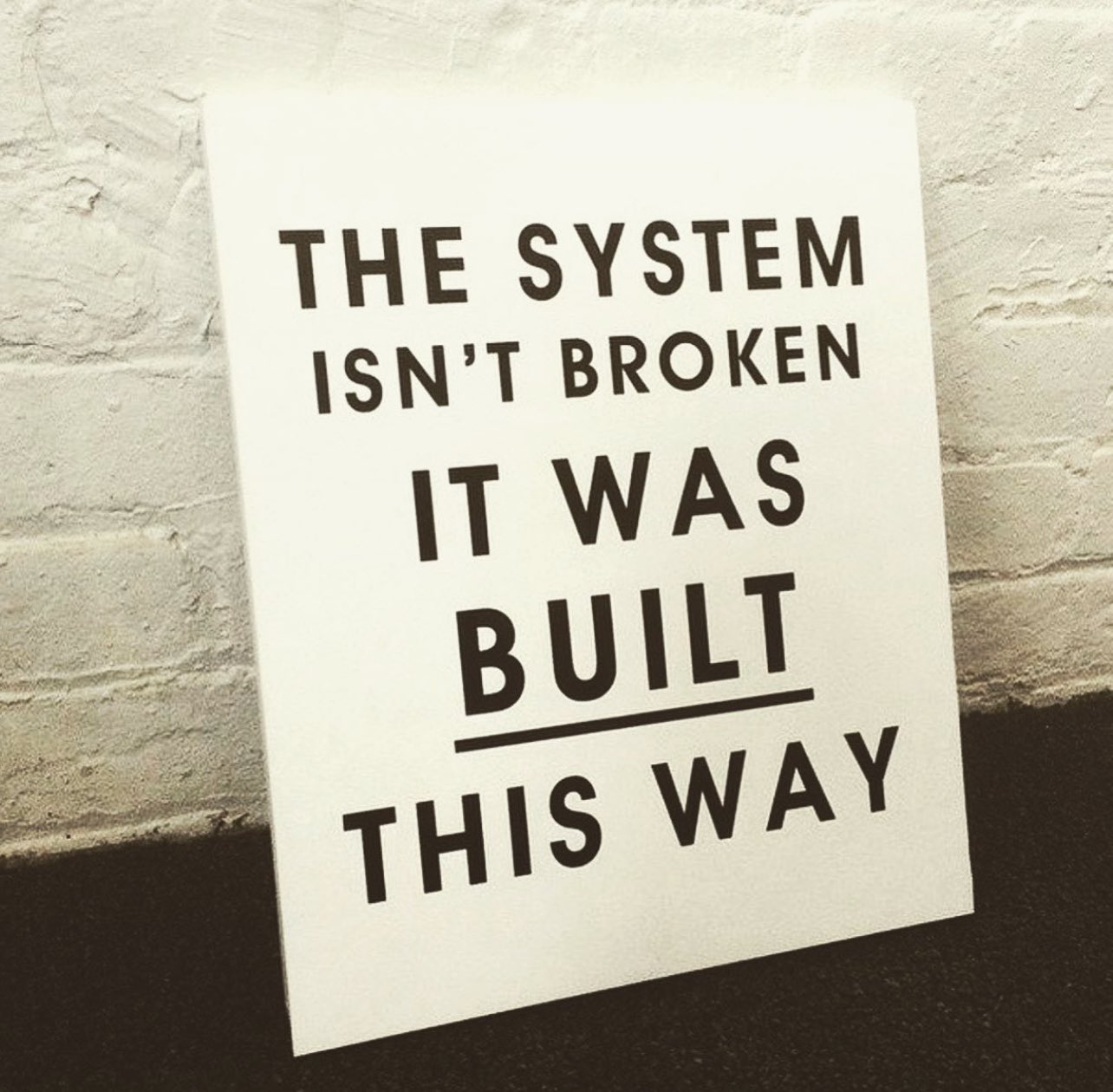
All code is ideology solidified into action – thus most contemporary code is capitalism, this is hardly a surprise if you think about this for a moment. Yes you can try and act on any ideology on top of this code, but the outcome and assumptions are preprogrammed, with this in mind let’s look at a path outside this current mess.

In the original “native” grassroots growth digital wilderness of the #openweb, our use of technology paths were seen as something esoteric—a domain of hackers, activists, and tech-savvy individuals who speak in code and operate in the margins. But beneath this perception lies a fundamental truth: social technology is not just for the few; it’s for everyone. It’s about how we connect, share, and build communities. And this matters more now than ever.

In the early days there was the path of open connections, let’s dip into this story in the early 2000s with an example, the rise of #Indymedia, a global network of #openweb independent media centres that emerged as a response to corporate control over #traditionalmedia. Indymedia pioneered social technology, using the internet to democratize information and give voice to those silenced by traditional media. Indymedia wasn’t only about the content; it was more the active community of people. This new social reality was revolutionary because it allowed communities to create their own paths to share media in wider public spaces without relying on corporate platforms. It was a glimpse into what the internet could be— decentralized, user and community controlled space for collaboration and free expression.

For many social change activists and technologists, Indymedia was much more than a tool; it was a focus, a feedback loop of power. It provided a way to organize, mobilize, and communicate outside the #blocking and watchful eyes of governments and corporations. But the significance of Indymedia and similar projects extended beyond this activism ghetto. The technical and social path represented a different vision of what the internet could be, that prioritized #4opens, community control, and freedom over “common sense” profit and surveillance.

What came after the implosion of this path, was the rise of the #dotcons and betrayal of the openweb. As the internet grew, so did the corporate interest in controlling it. Enter the #dotcons the tech giants like Google, Facebook, and Amazon, which have come to dominate the online landscape. These corporations offered free services that were easy to use and quickly became ubiquitous. But there was a catch: these services were free because the users themselves were the product. The #dotcons built their empires by harvesting data, selling ads, and creating silos that encouraged mindless scrolling rather than meaningful interaction. The openweb, the vision of a decentralized, user-controlled internet, was quickly replaced by a walled garden of corporate platforms that prioritized profit and control over people and #DIY culture.

This shift had implications, it wasn’t only about losing control over shared digital commons, it was about losing control over our communities, our communications, and our society. The internet, once a positive space for creativity and intervention, become an evil tool of surveillance and manipulation. The promise of social technology as a force for social good was eroded by the platforms that had once seemed so empowering.

Let’s talk about our worship of the #deathcult the #mainstreaming system that consumes everything. The ideology that underpins the dotcons and the broader #neoliberal system they are part of. This deadened path of endless growth, profit at any cost, and the concentration of power in the hands of a #nastyfew. An ideology that consumes everything in its path – communities, environments, and even our own sense of self.

This is not only a problem for activists; it’s a problem for everyone. The #deathcult turns us into consumers rather than citizens, prioritizing #stupidindividualism over community and short-term profit over long-term sustainability. An ideology that leads us to the environmental crisis, the erosion of social trust, and the ending of democracies. For anarchists and activists, the deathcult is the enemy to be fought. But for the average person, it’s the water we swim in, the invisible system that shapes our lives in ways we don’t even notice. Understanding this is crucial if we are to reclaim the internet, our communities, and any liveable future.

Reclaiming these commons is a role for the #4opens, if the deathcult is the problem, then the 4opens is part of the solution. The #4opens—opendata, opencode, openprocess, and openstandards—are #KISS paths to build a better internet. These principles are not only for activists; they are for anyone who sees the need to empower community and the importance of basic democracy.

Open data means that information should be accessible to all, not hoarded by corporations. Open code means that software should be transparent and modifiable, not a black box controlled by a few. Open governance means that decisions about how platforms are run should be made by the community, not imposed from above. And open standards mean that different systems should be able to work together, rather than being locked into proprietary formats. These principles are the foundation of the #openweb that empowers people, grows creativity, and builds communities, the foundation of a good society.

The Open Media Network (#OMN) is a path to create a native digital network based on the #4opens. The OMN is not only a technical project; it’s a social one. It’s about spaces where people can connect, share, and build without being subject to the whims of corporate control. It’s a reboot of the original web, learning from projects like #indymedia. The #OMN is a response to the failures of our use of the #dotcons and the worshipping of the deathcult. A way to reclaim the internet as a tool of good, rather than an evil weapon of control. It’s a way to rebuild the commons, the shared resources and spaces that are core to the path of the healthy society.

For #spiky hardcore progressives and anarchists, the OMN is a direct path we need to take to create the world we might want to see, where power is decentralized, and communities have control over their destinies. But for the #fluffy, everyone else, the OMN is a way to take back what has been lost in the corporate takeover of the internet. It’s a way to reconnect the original promise of the internet as free expression, collaboration, and community.

Why this social technology matters, at its core, social technology is how we connect with each other. It’s the tools we use to build relationships, share information, and create communities. These things matter for everyone, not only activists or anarchists. In the current mess dominated by corporate platforms, the openweb native path of social technology offers a way to reclaim our agency away from this mess. It offers a way to build systems that work for us, rather than against us. The story of social technology, as told by Hamish Campbell on this site, is a story of hope and possibility. It’s a story of what the internet could have been, and what it still can be.

The journey won’t be easy, but it is a journey worth taking. In the end, the #openweb is about more than technology; it’s about the kind of society we want to build, and the kind of people we want to be #KISS

A case study of upgrading a boat battery system

DRAFT

#Renogy is not the best but OK they are a #dotcons so have lots of coupons and discounts https://renogycanada.refr.cc/default/u/hamish think this is 10% off, there should be more, it’s a one shop.

Could try a more “native” path of https://www.bimblesolar.com/ but not as simple, though good if doing the solar panels as well.

The batteries are simple: https://uk.renogy.com/core-12v-24v-48v-200ah-deep-cycle-lithium-iron-phosphate-battery This could be done in a quick simple solar only way, maybe using the current #MPPT charge controller if it can be set for #LiFePO4 or if the charge controller needs replacing we could try for a much more complex dual engine and solar path: https://uk.renogy.com/dcc50s-12v-50a-dc-dc-on-board-battery-charger-with-mppt-new-version I did try and implement this more complex path 2 years ago, and it did not work, but with 2 years of upgrades it likely works OK now.

Then is a simply wiring and testing process, a bit of time, am happy to assist for mate’s rates as it’s a good thing to document for #DIY offgrid culture.

UPDATE:

#Bimble has come out with much cheaper batteries https://www.bimblesolar.com/batteries/12vbatts/Epever-12Vlifepo4-200Ah but no alternator engine charging path, so only the simple solar only path.

UPDATE:

The price of LiFePO4 has dropped so much that now it makes no sense to go for older technology need a new battery for my tender electric outboard, might try one of these https://aolithium.com/?ref=lifeboat anyone any experiences with the brand?

The Path Beyond #Neoliberalism

With the onrushing impact of current climate and systemic crises, it becomes realistic to see that #neoliberalism, free-market orthodoxy and the pushing of minimal state intervention, is fundamentally an inadequate path that is ill-equipped to address #climatechaos and social challenges we face. This failure means a radical shift in perspective and approach is going to happen, with this we might need to shift our “common sense” to being something like “Revolutionary Realism.”

The current #mainstreaming of false promises of #Neoliberalism over the last 40 years has pushed the fundamentalist free market path as the engine of prosperity, wealth and efficiency. However, since the 2008 financial crisis, these promises have increasingly rung hollow. The empirical evidence, rising inequality, decreasing life expectancy, and environmental degradation, exposes the limitations and failures of this economic orthodoxy.

From our turn of the century Alt globalization movement, we have Mark Fisher’s concept of “capitalist realism”, which describes the pervasive belief that capitalism is the only viable economic system. This helps us to see that the invisible dogma has fostered a sense of fatalism, particularly on the left, where a resignation to critique and protest has replaced active efforts to envision and construct alternatives. This defeatism perpetuates the status quo, as it undermines belief in the possibility of systemic change.

There is a need for revolutionary paths in the imminent collapse of capitalism, contrary to the notion that capitalism is indestructible, we are witnessing its destabilization under the weight of its inherent contradictions and the accelerating climate mess. This realization should be pushing a shift from capitalist realism to revolutionary realism, to acknowledging the inevitability of capitalism’s decline and the necessity of preparing for what comes next.

The climate crisis is a catalyst, a primary driver of this transformation, from droughts affecting global trade to natural disasters disrupting economies, the environmental impacts of #climatechaos are compounding the systemic vulnerabilities. These disruptions necessitate a move towards a different way of organizing economic systems, this could be a controlled and planned economic system or more a balance of grassroots federated democracy.

State control of the economy is one path, historically, state intervention has proven effective in times of crisis, as seen during World War II and the COVID-19 pandemic. State control of the economy does not inherently mean totalitarianism; it can involve a balanced approach, with both top-down planning and bottom-up participation.

Effective planning is a path we might need to take, for managing resources and ensuring equitable distribution. This could involve simplifying economic processes, such as reducing the variety of consumer goods and localizing production to reduce dependency on international trade. Digital #4opens technology can enhance this planning by providing real-time #opendata and facilitating more responsive governance based on metadata as the signal to guide the economic and social flows.

Democratic Participation is a path to avoid the pitfalls of authoritarianism, any new system must incorporate democratic mechanisms, such as #OGB path of building the power of citizens’ assemblies, to legitimize state actions and ensure accountability. This grassroots participatory approach mitigates the risk of corruption and foster a sense of collective responsibility.

Practical steps for transition are free basics and maybe rationing if it’s needed. A key element of a new system would be the socialization of essential services, healthcare, housing, and food production, to ensure that everyone’s basic needs are met. Rationing of luxuries and non-essential goods can help to push some sustainability and equity on this mediation path.

Encouraging worker participation in decision-making using projects like the #OGB and perhaps supporting small businesses, as a social democratic path out of the current #mainstreaming, can humanize the economy and maintain a degree of market diversity to push the needed transition. This hybrid approach blends state control with “entrepreneurial” social freedom, making the path through the coming mess by balancing efficiency with innovation to shift our dogmatic illiberal common sense.

But fundamentally we need a cultural shift towards valuing sustainability, community, and collective well-being over the #stupidindividualism of hyper consumerism. This can be promoted through, empowering #DIY education, radical media (#indymediaback), and grassroots movements. There is a long history of this (#makinghistory) which we need to remind our selves about.

The transition from current #mainstreaming to a more sustainable and equitable system requires revolutionary realism, a pragmatic recognition of the imminent collapse of the current system and a proactive approach to growing its successor. This might involve embracing state control, and or fostering grassroots democratic participation, to push the cultural shift towards sustainability and collective well-being. Can we navigate the complexities of this transition to take the path to building a more resilient and just society is the most important question for our time?

The importance of words and ideology

We need to think of how words shape our thoughts, and how common understandings of these words are essential for any coherent and effective communication. Ideologies form the basis of all thinking, whether unspoken and #mainstreaming or articulated and minority. The challenge is to #KISS transition creative minority ideologies to the less working mainstreaming thinking.

There is a plan: Using Common Hashtags and Syndication

To achieve this transition, we need to use common hashtags and syndication through platforms like #activertypub and #OMN (Open Media Network, looking for funding). This strategy creates a real-world mainstreaming challenge that can remain resilient against co-optation by #fashionistas while still catering to their egos so they might embrace the needed change and challenge.

Actionable Steps

  • Establish a set of common hashtags that encapsulate core principles and ideas. Examples include #4opens, #openweb, #DIY, #techchurn, and #activertypub etc.
  • Encourage the use of these hashtags across social media and other communication platforms to create a unifying language and community.
  • Educate useing guides and resources to explain the importance and meaning of these hashtags to grow widespread understanding and adoption.
  • Encourage participation by inviteing grassroots and alternative media projects to join these syndication networks, ensuring a diverse range of voices and perspectives. Use tools like the #OMN to automate the syndication process, making it easier for participants to share and distribute content.
  • Grow collaboration and linking between different projects and communities to build a robust and supportive ecosystem.
  • Maintain open standards by ensuring that all participating projects adhere to the #4opens principles (open source, open data, open standards, open processes) to focus on transparency and inclusivity.
  • Monitor and adapt to regularly assess the network’s effectiveness and build feedback to make adjustments to improve reach and impact.

    Engaging the #Fashionistas
  • Initial outreach is about identifying key #influencers and early adopters within the alternative and grassroots tech communities.
  • Appeal to egos by recognizing the need for recognition and validation among #fashionistas, to sustain and create opportunities for them to showcase their contributions within the network. Highlight their success stories by sharing these stories and case studies that demonstrate the value and impact of participating in the network, encouraging more to join.

By leveraging common hashtags and syndication through #activertypub and #OMN, we create a resilient and impactful story that brings “native” ideologies into the #mainstreaming paths. This active path not only challenges the status quo but also changes its flow. Providing a sustainable path for grassroots and alternative projects to grow and thrive. The key to this is to maintain the #4opens and grow collaboration on the stories we tell #KISS

All language is metaphor, and the metaphors we choose shape how people think about problems and solutions. The “digital drugs” metaphor works because it makes the addictive design clear, but it can also push people into a moral panic frame (“users are addicts”), which risks oversimplifying.

A few metaphors you might find less #blocking of the #hashtag story:

  • Food & Nutrition
    #Dotcons = junk food (engineered to keep you consuming, empty calories).
    #Bsky = diet soda (feels lighter, but still unhealthy).
    #Fediverse = a community kitchen (messy, you have to cook and wash up, but nourishing and shared).
  • Urban Space
    #Dotcons = shopping malls (bright, controlled, profit-driven).
    #Bsky = curated boutique arcade (less harsh, but still enclosed).
    #Fediverse = the street commons (chaotic, noisy, sometimes rough, but free and collectively shaped).
  • Agriculture/Gardening

    #Dotcons = monoculture agribusiness (neat rows, efficient, but sterile and toxic).
    #Bsky = organic supermarket (nicer branding, but still transactional).
    #Fediverse/#OMN = messy permaculture garden (takes effort, community labour, but self-sustaining and alive).

These metaphors keep the critique, from individual pathology to collective space.

The Solution: Embrace the #4opens

We can’t keep repeating the same #TechShit over and over again. #TechCurn is a dead end.
The #OMN is the only positive path I know forward.

#Mainstreaming #fashernistas are dangerously consumptive. Our alt #fashernistas are utterly pointless. We need to disrupt social norms and make #4opens fashionable to salvage any value from these people and pull them out of their vacuous existence.

From a grassroot #DIY #tech perspective, we are witnessing a problematic trend among many of our #openweb #fashionistas. Their impact is negligible, but the space they occupy stifles genuine progress. To combat this, we need to address the overwhelming #techshit and curb the ongoing #techchurn. The Problem, the centrist #mainstreaming approach is failing us, and the persistence of these misguided efforts is disheartening. We need to find a practical path forward, moving beyond pity and hate to actionable solutions. We need to open up this path.

The Solution: Embrace the #4opens

The #4opens—open source, open data, open standards, and open processes—provide a foundational framework for building sustainable and effective projects. By prioritizing these principles, we can cultivate a thriving “native” ecosystem.

Action Plan
* Education and Awareness: Promote understanding of the #4opens and their importance. This can be achieved through workshops, online tutorials, and community discussions.
* Community Building: Foster a community of like-minded people committed to the #openweb, create paths for collaboration.
* Project Audits: Regularly evaluate projects to “judge” they adhere to the #4opens. Offer support and guidance for those struggling to meet these basic standards.
* Highlight Success Stories: Showcase projects that exemplify the #4opens. Use these as case studies to inspire and guide others.
* Address Tech Churn: Identify and mitigate the causes of #techchurn. This involves simplifying tools, improving documentation, and mentorship to grow contributors.
* Challenge #Fashionista Trends: Actively push back against the unthinking pursuit of new trends that do not align with #KISS #openweb values. Advocate for stability and sustainability rather than novelty.
* Policy Advocacy: Work towards policies that support the culture of the #openweb at organizational and governmental levels. This includes promoting open licensing, funding open projects, and ensuring access to open standards.

Moving Forward, we need to gather to reclaim the space occupied by ineffective projects and redirect it towards meaningful initiatives. By committing to the #4opens and fostering a supportive community, we can overcome the current challenges and build a more resilient and humanistic path. It won’t be simple to overcome the inertia of the #mainstreaming to create lasting, positive change in the #openweb path. Are you ready to push to make this happen? Let’s work together to navigate this “common sense” mess and find a useful path forward, please.

The rise of fascist ideologies

The path of #fascism is blighted by ignorance and the rejection of deeper meaning in life. Fascist leaders and their followers push overconfidence and assertive ignorance, using baseless claims to hold dominance and control. They push false displays of good qualities, such as exaggerated patriotism or faux moral superiority, rather than any real ability and experience.

Fascist ideologies exploit the frustrations and insecurities of “lost” people, by offering them a sense of belonging and purpose based on false premises of identifying and vilifying scapegoats (immigrants, minorities, political opponents), fascist movements create and feed on this dysfunctional sense of unity and purpose.

The #mainstreming focus on superficial success, materialism, and immediate gratification lead to a rejection of deeper, more meaningful pursuits in life. This lack of cultural reflection and philosophical engagement makes it easier for fascist ideologies to take root, as they offer simplistic, emotionally appealing paths that answer base human paths.

#stupidindividualism is a seed for fascism, as it thrives in environments where people are isolated from broader perspectives and realities, so can reinforce narrow provincial mindsets. Without exposure to diverse cultures and ideas, people develop prejudiced views and simplistic solutions to complex problems.

A #mainstreaming video on the subject

Recognizing and Fighting Fascism is #KISS to progressives:

To move away from fascism, as a first step, people and communities need to acknowledge and confront the “stupid, pathetic, frustrated side” of themselves. This means taking social responsibility for our prejudices, ignorance, and superficial values. In this, education has a path to play to build critical thinking, cultural awareness, and the ability to reflect. But more immediate, is the need to encouraging engagement with activism, social movements, art, philosophy, and history which helps people to develop a more “real” understanding of the world and their place in it, and most importantly a real ability to change it.

Promoting dialogue between groups is a way to share understandings and reduce isolation and prejudice, this helps to support initiatives that build strong, #4opens communities where people feel valued and heard. Fascism is rooted in ignorance, superficial values, and the exploitation of frustration and prejudice. By acknowledging this we open up space for education, cultural engagement, and critical thinking where our activism holds the path to foster inclusive communities, we can, and need to, push back at the rise of fascist ideologies.

If you find this enlightening, it’s worth a brief look at another historical path https://hamishcampbell.com/when-did-christians-start-doing-the-opposite-of-what-christ-taught/


You, personally, are not going to defeat fascism. But that doesn’t mean you do nothing. Find ways to organise, figure out where you can push and pull. There’s always something you can do, but you have to do it—not just hold a positive opinion of it being done.

The #deathcult thrives on static control – hoarding, fences, borders, walled gardens, and hierarchies. The #openweb, radical media, and grassroots organising all work differently: they live in flows, decentralisation, and trust.

It’s past time to stop trying to own the river and start learning how to navigate it.

#4Opens #OMN #DIY #TechShit

Understanding Current Tech Paths

The accidental #openweb reboot of the #fediverse was created and popularized by a diverse and disorganized group of progressives with meany #fashernistas, this is a #4opens “native” path and reflects the decentralized and chaotic nature of grassroots movements. This “herding cats” means that achieving consensus or coordinated action is challenging. The last 40 years have seen the rise of neoliberalism, emphasizing individualism, deregulation, and market-driven policies. This ideological backdrop complicates collective action and pushes #stupidindividualism, where individual interests override communal goals.

Proposed paths to mediate this mess, the #OGB Grassroots #DIY Producer Governance is core to building away from this mess, to shape a more inclusive and responsive governance model for the #fediverse. By emphasizing local, bottom-up governance, communities retain control over their own platforms and content, fostering a resilient and adaptive “native” #openweb.

Naming and challenging the status quo worshipping the #deathcult is basic. Continually calling out the prevailing “common sense” that aligns with neoliberal values as the “deathcult” disrupts complacency and encourage critical thinking. If this is, pushed this approach makes #mainstreaming acceptance of harmful practices uncomfortable and prompt more people to question and resist them.

Promoting simple, powerful concepts. The #KISS “Keep It Simple, Stupid” helps to clarify complex issues. Promoting straightforward concepts like #openweb vs. #closedweb simplifies the narrative and makes it more accessible. Please use the #4opens framework (open data, open source, open standards, open process) as a benchmark to evaluate and critique technology for better decision-making that reduces #techchurn.

Leveraging group use of hashtags as an organizing tool, consistent and strategic use of hashtags helps unify efforts, spread ideas, and create a sense of collective identity to increases visibility and engagement, making it easier to coordinate actions and amplify messages.

What you can do? Develop and promote #OGB resources and guides for grassroots DIY governance paths. Encourage communities to adopt these models and share their experiences. Challenge neoliberal ideology, by use all your platforms to name and critique the prevailing neoliberal “common sense.” Create content that explains the concept of the #deathcult and its implications in an every way possible. Simplify and clarify messaging, develop clear, #KISS explanations of the #openweb, #closedweb, and #4opens concepts. Create infographics, videos, and other media to make these ideas more digestible and shareable. Organize through hashtags, establish and promote key hashtags for initiatives. Encourage coordinated use of these hashtags to build momentum and visibility for campaigns. Build alliances and networks, collaborate with like-minded people and organizations to strengthen the path. Participate in and organize events, both online and offline, to foster a sense of community and shared purpose.

These are steps that communities can take to navigate the challenges posed by the current ideological landscape, promote effective governance models, and strengthen the #openweb path. Let’s please try improving the current state of the #fediverse, and the broader #openweb.

A Mental Health Time-Bomb

The Imminent Collapse:

The science is irrefutable: our civilization is on the brink of imminent, violent collapse due to environmental degradation and #climatechaos. Yet, the political establishment and #mainstreaming media is dominated by those who profit from this collapse, ensuring that the public remains, unfocused, uninformed and distracted by inanity and bile. This toxic combination creates a mental health time-bomb, which will itself feed the crisis we face.

The Illusion of Economic Subsidization

In the UK, a truth goes unspoken: the richest do not subsidize the poorest, it is the poorest who subsidize the richest. The profit amassed by the wealthiest comes from the labour, unpaid wages, and rent extracted from the working class. These profits are sheltered from taxation, perpetuating a system of inequality and exploitation. This #KISS reality is kept hidden to maintain the status quo and protect the nastiest people who push themselves to the top of our ancient vertical “commons”.

The #ClimateMajority: Awareness Without Action

There is a #ClimateMajority—most people are aware that we are in trouble. However, awareness alone is insufficient. This majority needs to be active to mobilized systemic change. The linkage between economic growth and degrading overconsumption is clear: you cannot have one without the other. This overconsumption pushes us down a dark path, where our children will have to fight to survive. How can we make the need for action #mainstreaming ?

The Disconnect: GDP vs. Sustainability

Politicians and journalists discuss GDP and the economy, yet they avoid the unspoken issue at hand. Our worshipping of this #deathcult our current economic model is fundamentally incompatible with the living systems we rely on for survival. Prioritizes short-term economic growth over long-term sustainability, driving us towards ecological and thus social collapse. The implications are dire: our economy, as it stands, is on track to destroy the very foundations of our shared lives.

The Path Forward: Systemic Change and Accountability

To avert this catastrophe, we need to be radical in rethink priorities to create systemic change. Some examples involve:

  1. Economic Restructuring: Shift from an economy focused on capitalistic growth to one that prioritizes more socialistic, sustainability and equitable basic resource distribution.
  2. Corporate Accountability: Ensure that corporations pay their taxes and are held accountable for their environmental and social destruction.
  3. Media Reform: Support grassroots #DIY journalism that prioritizes truth and accountability over corporate interests and media agenda lies.
  4. Political Activism: Build real alternatives on one hand and on the other mobilize the #ClimateMajority to demand bold action to replace our political leaders.

Conclusion

The science is clear: we are on the brink of collapse. The political and media is designed to distract and misinform, protecting the interests of the wealthy. It is up to all of us to break this cycle. We need to push the spiky fluffy debate to build alternatives like the #OMN, push the #ClimateMajority to demand systemic change, and replace (and jail some of) our bankrupt leaders. Our survival, and that of future generations, depends on this #KISS path.

Let us not sink into this mental health time-bomb, which will only itself feed the crisis, let’s not be passive observers of our own demise. Let’s fight, It’s past time to face the simple truths to give us power to take action.

You can help make this happen https://opencollective.com/open-media-network

The Urgent Need for Systemic Change

Our #mainstreaming paths are pushing social collapse and extinction, not due to natural calamities or unforeseen disasters, but as a result of our political decisions by those in power. These decisions, driven by corporate agenda, are pushing us down the path where millions, will perish and billions be displaced in the coming decades.

The Devastating Impact of Political Choices

It should be obvious to us all that our #mainstreaming class are not fit for purpose and that the knee-jerk hard shift to the right is a dysfunctional “solution” and a continuity of the problem they say they can fix. Every election cycle, we are presented with candidates who promise change, yet the issues persist. The root cause? The worship of the #deathcult (a metaphor for the #neoliberal economic model) for the last 40 years pushed profit over sustainability and human well-being. This relentless consumerist growth is incompatible with the finite resources of our planet, pushing us to environmental degradation and #climatechaos we are seeing and feeling around us now.

The Fossil Fuel Lie

A glaring example of destructive political decisions is the power of fossil fuel companies. These corporations reap astronomical profits—approximately $2.5 billion daily—while contributing massively to the growth of #climatechaos. Why are these profits not being redirected into rapid decarbonization efforts? The answer lies in the entanglement of these companies with political classes of every ideology, our “common sense” prioritize corporate profits over planetary health.

Justice

For over 40 years, the fossil fuel industry has subverted the truth about the environmental and health impacts of their operations. Despite evidence and the catastrophic consequences, the individuals and entities responsible have escaped accountability. Why aren’t these actors facing prison time for their role in perpetuating a genocidal industry? We should keep this #KISS focus and make this happen.

Role of the Media

A factor exacerbating this crisis is the role of the media. Instead of informing the public and holding power to account, media outlets have been conduits for spreading vile ignorance. They amplify the voices of corrupt-corporates, manipulating public opinion and encouraging us to support representatives who entrench the interests of the “nasty” few.

Systemic Change

The upcoming elections do matter. A vote is not going to get the world we won’t, but it will mediate the current mess. So hold your nose and vote for candidates who prioritize dismantling this mess and implementing systemic changes, if these useful one cannot win, then vote for a bit less useless one, we can’t keep pushing this mess. A few basic agenda:

  1. Ending Fossil Fuel Profiteering: Redirect the obscene daily profits of fossil fuel companies into aggressive decarbonization strategies.
  2. Holding Polluters Accountable: Ensure that those who have perpetuated the fossil fuel myth face justice and jail time for their actions.
  3. Transforming the Media: Support independent #DIY grassroots journalism and #mainstreaming media reforms that prioritize truth and accountability over corporate interests.

Conclusion

The time for complacency has been over for 20 years. We must act, radical, transformative, our survival depends on it. Let’s hold our noses and vote, but more importantly, support radical grassroot alternatives like https://opencollective.com/open-media-network. In the election, you might find candidates who are not afraid to challenge the powerful interests driving us towards disaster, If they have a chance of winning, they are worth our support. But this propping up of the #mainstreaming is only a small part of what people need to do, the future, and that of generations to come, hangs in the balance. It’s past time for accountability, justice, and a radical rethinking of our path. Let’s make our voices (and in a small way our votes) count for real change.

The Cost of Living Crisis: Corporate Greed and Political Corruption

That the cost of living crisis stems from corporate greed and political corruption is a useful perspective to challenge #mainstreaming narratives. Economic hardships faced by people and communerties are not inevitable or natural, rather the result of deliberate actions by powerful agendas.

“Remember, anyone trying to blame our cost of living crisis on anything other than grotesque corporate greed & political corruption are themselves grotesquely greedy & corrupt.” (from ClimateDad)

Corporate Greed

  1. Profit Maximization: Corporations prioritize profit maximization above all else, at the expense of workers, consumers, and the environment. This drive leads to the current mess of wage suppression, price gouging, and cutting corners on safety and quality.
  2. Market Manipulation: Large corporations engage in anti-competitive practices to dominate markets, stifling competition and innovation. This leads to higher prices and reduced choices for people.
  3. Tax Evasion: By exploiting tax loopholes and offshore tax havens, corporations significantly reduce their tax burdens. This deprives governments of essential revenue needed to fund public services and infrastructure, shifting the financial burden onto ordinary people.
  4. Environmental Exploitation: Corporations engage in environmentally destructive practices to cut costs and increase profits. The long-term environmental degradation leads to increased costs for communities and governments in terms of health care, disaster relief, and restoration efforts.

Political Corruption

  1. Lobbying and Influence: Corporations and wealthy individuals use their financial resources to influence political decisions through lobbying and campaign contributions. This result in policies that favour the wealthy and powerful, rather than the general populace.
  2. Regulatory Capture: Regulatory agencies tasked with overseeing industries become dominated by the industries they are supposed to regulate. This leads to weak enforcement of laws and regulations, allowing corporate malfeasance to go unchecked.
  3. Public Policy: Corruption leads to policies that prioritize the interests of the few over the needs of the many. Examples include tax cuts for the wealthy, deregulation, and austerity measures that disproportionately affect low- and middle-income people.
  4. Lack of Accountability: Corrupt politicians and officials face little to no accountability for their actions, leading to a cycle of corruption and mismanagement that perpetuates economic inequality and social injustice.

The Combined Effect

  1. Economic Inequality: The combination of corporate greed and political corruption builds economic inequality. As wealth and power become concentrated in the hands of a few, the majority of people struggle to afford necessities like housing, healthcare, and education.
  2. Erosion of Public Services: Reduced tax revenues and public spending cuts leads to the erosion of essential public services. This affects the most vulnerable members of society, increasing their cost of living and reducing their quality of life.
  3. Social Unrest: Widespread economic hardship and injustice lead to social unrest, as people become increasingly frustrated with their inability to achieve a decent standard of living. This at best manifest in protests, strikes, and more #DIY forms of resistance.
  4. Health and Well-being: The stress and insecurity of economic hardship has severe impacts on physical and mental health, further entrenching poverty and making it difficult for people to see or act coherently.

Conclusion

Corporate greed and political corruption are the drivers of the cost of living crisis, we need to say this clearly to challenge people to look beyond surface-level explanations and examine the systemic abuse and issues on this current path. Addressing these root causes requires a fundamental change to challenge the current #deathcult worship, an effort for transparency, accountability, and fairness in both the corporate and political spheres.

Good to keep this simple, #KISS

Caring in a culture that disregards human well-being requires resistance to dominant values

I have come to think that care for people requires a high degree of resistance to the surrounding culture, simply because that culture is dedicated to values that have no concern for people. This is a tension in society, the disconnect between cultural values and genuine care for people. Thus, actually caring for people requires a strong resistance to prevailing cultural norms that prioritize profit, “efficiency”, and superficial success over human well-being. This resistance is needed to overcome the mess of the last 40 years of #postmodern, #neoliberalism that has undermines basic humanism.

The Mess

  1. Profit Over People: Our worship of the #deathcult within capitalist societies, prioritizes profit driven consumerism above all else. Companies and institutions exploit labour, cut costs at the expense of safety and well-being, and focus on short-term gains rather than any long-term sustainability, or even basic survival.
  2. Superficial Success Metrics: Social success is measured by wealth, status, and material possessions, rather than by well-being, happiness, community health or basic ecological function. This leads to widespread neglect of where value actually lie.
  3. Individualism Over Community: Our dominating “common sense” culture emphasize individual achievement and self-reliance, at the expense of communal support and cooperation. This erodes social bonds and leave individuals isolated and unsupported.

Resistance

  1. Ethical Imperative: Caring for people is an ethical obligation that at best makes us challenge and resist cultural norms that dehumanize and exploits people. It involves advocating for fairness, justice, compassion, and prioritizes a living environment.
  2. Mental and Emotional Health: The pressures of conforming to the #deathcult culture leads to mental health issues such as anxiety, depression, and burnout. Joining together to resist these pressures is essential for maintaining mental and emotional health.
  3. Social and Environmental Justice: Resistance is necessary to address systemic inequalities and injustices that are pushed by the dominant culture. This is common sense, to stop the degradation of our ecology, both human and inhuman.

Making Resistance Happen

  1. Advocacy and Activism: Engaging in fluffy NGO advocacy and #spiky activism to promote and push policies and practices for human well-being over profit. This includes strong ecological policies, supporting labour rights, affordable healthcare, sustainability, and education etc.
  2. Community Building: Fostering real, supportive communities of mutual aid, solidarity, and collective well-being, involves creating open non-commercial spaces where people can come together, share resources, and support one another.
  3. Alternative Value Systems: Promoting and practising alternative systems that emphasize care, empathy, and interdependence. This can be through #spiky #DIY activism culture, like squatting, protest camps or more lifestyle #fluffy choices, such as minimalism or voluntary simplicity, and through supporting businesses and organizations that prioritize ethical practices in the #dotcons.
  4. Personal Practices: This is a harder path to make meaningful, implementing personal practices that resist cultural pressures, such as mindfulness, self-care, and setting boundaries to protect mental and emotional health. This path can be a problem, as it in part pushes the #stupidindividualism that feeds the very problems in the first place. Encouraging others to do the same can, maybe, help create a ripple effect of resistance and care.

What should you do?

Caring for people in a culture that disregards human well-being needs conscious and active resistance to the dominant values. By advocating for social justice, building supportive #DIY communities, promoting alternative value systems like the #OMN, and maybe practising personal care, we might create a more compassionate, sustainable society. This resistance is not only a needed path, but also a moral imperative. What are you doing today about this?

More: https://www.project-syndicate.org/commentary/collective-intelligence-calls-for-sharing-rewards-from-innovation-for-the-common-good-by-mariana-mazzucato-2024-08

Security and trust are a part of the fluffy/spiky debate in activism

As dissent and protest are increasingly criminalized, it’s important for protesters and activists to protect themselves – to the degree possible – from surveillance. The Electronic Frontier Foundation (#EFF) offers a guide for surveillance defence. It’s useful to read this even if you aren’t a protester, because the right wing (and sadly, some of the left) are increasingly willing to trample on trust building in activism. Let’s hope for the best, but good to understand the possible bad outcomes.

https://www.eff.org/deeplinks/2024/06/surveillance-defense-campus-protests

While the EFF’s guidance is useful, it’s important to acknowledge that the level of organized paranoia required for this to be effective is overwhelming and damaging to “trust” based activism. So It’s key to strike a balance, which, yes, is a lived challenge. It’s best to focus on the “fluffy spiky” debate—ensuring that spiky, direct activism uses this guide to inform their actions without dictating to more #mainstreaming and outreach “fluffy” activism.

The concept of #4opens (open data, open source, open standards, and open process) is integral in building trust, which is how and why these grassroots #DIY protests and movements can be effective. It is crucial for sustaining impactful activism.

By maintaining a balance between necessary security measures and open, inclusive activism, we can continue to protect our rights while promoting a more a “native” and importantly affective path to build an equitable society.