In the mess of today’s #dotcons news media, social media platforms have become the primary arenas for public discourse and political engagement. However, the political leanings of these platforms significantly influence the nature of the discussions that takes place. Here’s an overview of the political ground on which some of the major social media platforms stand:
X (Twitter): Far-right Threads (Facebook/Instagram): Corporate right Nostor: Libertarian right Mastodon: Center-liberal
Despite the variety of platforms available, there is an absence of genuinely left-wing social media. This lack needs to be acknowledged, especially when trying to find support for projects like the #OMN (Open Media Network). The prevailing political inclinations of these paths are influenced by our worshipping the #deathcult, a useful hashtag describing the pervasive and invisible influence of #neoliberalism in our society. This influence leads most people to act in counterproductive ways without conscious thought, as part of the common sense path of maintaining the status quo and resisting change or challenge we need.
This unspoken political problem is a part of the issue, what is more important is basically we also need to understand the data paradigm, to navigate out of this entrenched system. We need to recognize the underlying structure of our socio-economic systems are fundamentally driven by data. Consider the following, please:
Capitalism: Essentially data. Money: A form of data. Society: Comprised of stories, which are data. Your Device: A data conduit. This Text: Data.
Without any left wing media, we give “them” and the data and metadata. We don’t have much access to data and, more importantly, metadata? Scenarios:
Open Data: Accessible to everyone, Metadata: Fully available to the public.
Closed Data: Restricted to the individual, Metadata: Controlled predominantly by corporations and governments.
Hybrid Data: Available to hosting corporations, governments, and paying companies. Limited to friends for personal data sharing. Metadata: Owned by corporations and utilized by governments.
The flow of these scenarios helps to mediate the sustainability of computer networks during the ongoing #climatechaos disaster. The path we take will shape the next 50 years of social and political change, it is important to think and act on this to find a path of more equitable distribution of data access.
Given the political biases of existing social media platforms and the overarching influence of data control, there is an urgent need for developing genuinely left-wing social media spaces. These platforms need to prioritize #4opens data access and metadata transparency to grow a more democratic and inclusive path through the next years of mess.
Supporting projects like the #OMN, which adhere to openness and community-driven governance, paves the way for such change. By challenging the #mainstreaming narratives and advocating for grassroots solutions, we work towards a path where data and metadata are democratized, ensuring that technology serves the public good rather than reinforcing existing #deathcult power structures.
In conclusion, we need to use the #4opens as a tool to evaluate the platforms we use and advocate for alternatives that align with values of openness, equity, and sustainability. By doing so, we can begin to dismantle the #deathcult and build a digital path to a ecosystem that supports #KISS social justice and collective progress.
This is a tool you can use, in the activism of the #openweb hashtag story, they can serve as tools to share complex ideas with social movements. On this site, I use a hashtag story to highlight both the positive and negative aspects of our current socio-political and technological paths. Here’s a guide to what some of these hashtags mean:
#deathcult: The pervasive influence of #neoliberalism, which operates invisibly in our minds, dictating aspects of society without us realizing it. Example: “The corporate-driven decisions affecting climate policies are a clear manifestation of the deathcult mindset.”
#dotcons: This highlights how we have been deceived into enriching a #nastyfew through the use of digital platforms and technologies. It’s a product of the #deathcult. Example: “Major social media platforms are the epitome of dotcons, prioritizing profit and control over people’s well-being.”
#stupidindividualism: This represents the peak of current social trends where extreme individualism overrides the balence of collective well-being to our detriment. Example: “The resistance to community-based solutions for climate change is rooted in stupidindividualism.”
#fashernistas: Flotsam influenced by fleeting trends and currents. In the #dotcons era, this refers to a large directionless majority. Example: “Influencers today are fashernistas, swayed by whatever is trending rather than contributing meaningful change.”
#4opens: A horizontal approach to technological development. Example: “Projects adhering to the 4opens principles build transparency and collaboration.”
#openweb: Refers to the decentralized digital network that revolutionized communication 30 years ago but is now pushed under by people’s use of the #dotcons. Example: “We must reclaim the openweb to preserve the internet’s native path of free and open communication.”
#stepaway: A safe method to break free from the addiction to #dotcons while maintaining connections with friends, one step at a time. Example: “By taking a stepaway, we can gradually reduce our reliance on exploitative digital platforms.”
#OMN: An #openweb project that has been in development for the last 20 years, based on the #4opens. Example: “The OMN initiative is a beacon of hope for creating a more democratic digital path.”
These hashtags offer a real perspective and a positive path in our needed digital and social choices. The negative hashtags (#deathcult, #dotcons, #stupidindividualism, and #fashernistas) point out the pitfalls and dangers we face, while the positive hashtags (#4opens, #openweb, #OMN, and #stepaway) offer pathways to more sustainable and community-oriented tech and social paths. By using and linking these stories, we build better, for real and meaningful change and challange.
Leaving the fig leave of dead philosophies covering #liberalism and #neoliberalism, gives cover to continue ideological works, this mess masks and hides insidious agendas. By removing these fig leaves, we can see, understand and dismantle the mechanisms of power they obscure.
I have talked about this, a lot, let’s try one more time. The lingering #zombie of post-modernism and its influence on social movements and #mainstreaming anti-ideological “common sense”, despite being very much dead in most intellectual circles, continues to exert ongoing influence on thought. This lingering specter is not only academic debate but a tangible and invisible force that shapes ideologies, policies, and actions. Understanding the ramifications of post-modernism is a path to addressing the current societal mess and dismantling the layers of deception that obscure the nature of #liberalism and #neoliberalism.
The legacy of post-modernism, emerged in the mid-20th century as a reaction against the certainties and grand narratives of the progressive modernism with the denial of objective truths, embracing relativism, and deconstructing power and knowledge. While this philosophical approach did provide insights and can be used to challenge oppressive systems, with its embrace and twining with the #neoliberalism of the last 40 years it pushed a lot of the current mess, of pervasive skepticism and cynicism that undermined the path of collective action and coherence in social movements.
The Perils of Post-Modernist Relativism. Erosion of Truth: Post-modernism’s insistence on the relativity of truth has eroded the foundation of factual discourse. In a world where all narratives are equally valid, distinguishing between reality and fiction becomes opaque, creating fertile ground for misinformation and manipulation, as any attempt to assert objective truth is met with suspicion and relativistic counterarguments. This is the mess of our use of the #dotcons
Fragmentation of Social Movements: By emphasizing the multiplicity of perspectives and identities, post-modernism pushes the current fragmentation of social movements. While recognizing diverse voices is important, the lack of unifying visions leads to disjointed efforts that fail to achieve any substantial change. This fragmentation makes it possible for entrenched powers to maintain the status quo, as there is no cohesive opposition to challenge and change them. The mess we work in.
Depoliticization and Inaction: The post-modern emphasis on discourse and representation over material conditions and collective action leads to depoliticization. When activism becomes #fashionista shouting primarily about language and symbols rather than tangible change, it loses any efficacy. This shift from praxis to performative results in social movements that are about virtue signalling and status games rather than achieving concrete goals. The mess we are in today.
Liberalism has been a Fig Leaf for Imperialism: Liberalism, with its emphasis on individual freedoms and democratic values, serves as a fig leaf for imperialism. This is evident in foreign policies that justify interventionist actions in the name of spreading democracy and human rights. However, these interventions serve geopolitical and economic interests rather than the purported liberal ideals, leading to the exploitation and destabilization of other nations. The mess our apathy pushes over others.
Neo-Liberalism’s Economic Fig Leaf: Neo-liberalism uses economic theory as a fig leaf to conceal a conservative agenda that prioritizes corporate power and wealth accumulation over social welfare. Policies promoted under the cover of economic efficiency result in austerity measures, deregulation, and privatization, which harms the working class and marginalized communities while enriching the few. The mess we push over ourselves.
To move beyond the mess created by the undead philosophies which hides behind the fig leaves of liberalism and neoliberalism, we need a renewed commitment to social truth, solidarity, and collective action.
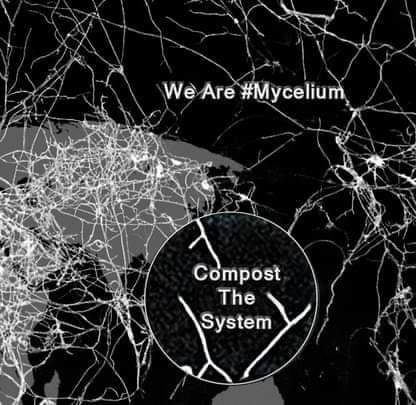
Reasserting Objective Truths: While acknowledging the complexity of reality, we must reclaim the importance of objective truths and evidence-based discourse. This involves resisting relativism and combating misinformation through critical thinking and basic media literacy. We need tools, shovels for this composting #OMN
Building Lose Unified Movements: Social movements need some unity without erasing diversity. This requires finding common ground and shared goals that can unite different groups in the pursuit of systemic change. Solidarity should be the cornerstone, enabling coordinated efforts that can actually challenge entrenched powers. We need federated p2p tools for this #OGB
Focusing on Material Conditions: Activism prioritizes material conditions and tangible outcomes over performative gestures. This means addressing economic inequality, environmental degradation, and social injustices through concrete policies and actions rather than symbolic acts. We need media for activism #indymediaback to build meaningful action.
Exposing and Dismantling Fig Leaves: By examining the fig leaves of liberalism and neo-liberalism, we can expose the motivations behind these ideologies and advocate for #grassroots alternatives that prioritize human well-being and ecological sustainability over #mainstreaming corporate profits and imperial ambitions. #makeinghistory is a #KISS tool for this.
The philosophy of post-modernism, despite its intellectual demise, continues to shape our “common sense” contemporary thought and social movements. To navigate this mess, we must compost the relativism and fragmentation it has pushed. By reasserting “objective” truths, building unifying movements, focusing on material conditions, and exposing ideological fig leaves, we can walk the path for a just, equitable, and sustainable future. It’s this simple, please try not to push prat down this path, thanks.
Centrism is the #mainstreaming path meany people take, as it is seen as a rational and moderate stance, that presents itself as a balance of reasonableness in the mess of the polarized world. A closer examination reveals that this “moderate” ideology has extremist implications, particularly in its support of economic inequality and environmental degradation. In the era of #climatechaos and social break down, we need to see the extremist position it is.
The economic extremism of #centrism, at its core supports the status quo, includes the worship of the #deathcult, “common sense” #neoliberalism, with the widespread existence of billionaires and super billionaires. This extreme concentration of wealth among a tiny fraction of the population has far-reaching consequences for economic inequality. The wealth is not only a passive accumulation; it actively siphons resources from the broader populace. The immense financial power translates into influence over political processes, economic policies, and social norms, that creates the current cycle where the rich get richer, and the rest struggle to keep up.
Centrism’s reluctance to challenge this dynamic effectively endorses it. By advocating for incremental change and compromise, and actively opposing more radical reforms. The centrism stance is, not neutral, it is complicit in the current mess that “benefits” the nasty few, wealthy at the expense of the majority. This passive acceptance of economic inequality is easy to see as the extremism it is, as defacto supports of structures that are fundamentally unjust and unsustainable.
Environmental inaction and the climate crisis: centrism’s approach to environmental issues is deeply problematic. In the face of a rapidly escalating #climatechaos, centrists advocate for moderate, incremental measures. While these steps may seem reasonable, they are woefully inadequate given the scale and urgency of the problem. The scientific consensus is clear: drastic and immediate action is necessary to mitigate the worst effects of climate change.
By endorsing minimal and gradual responses, centrism effectively delays meaningful action. This not only fails to address the environmental crisis but also exacerbates it. The longer significant action is postponed, the more severe the consequences will be for the planet and future generations. In this, centrism’s support for the status quo is not a neutral position but a deeply destructive one. It aligns with a form of nihilism, where the impending environmental catastrophe is met with complacency and inaction.
The nihilistic push of centrism, with the failed path of addressing pressing economic and environmental issues, reflects a broader nihilistic path. Nihilism, the belief that life lacks meaning or purpose, is characterized by apathy and inaction. When centrism advocates for minimal changes in the face of profound challenges, it embraces this nihilistic outlook, a resignation to the current state of affairs, despite its clear inadequacies. This nihilism is particularly evident in centrism’s response to social issues. While centrists acknowledge problems such as poverty, inequality, and climate change, their proposed solutions lack the urgency and scope needed to effect real change. By prioritizing stability and gradualism over justice and sustainability, centrism contributes to a sense of hopelessness and futility.
With the need for radical change, it is clear that centrism is not the moderate or rational stance it purports to be. Its support for the status quo, in both economic and environmental terms, reveals a deeply flawed ideology. To address the urgent challenges facing society, we must move beyond centrism and embrace more radical approaches that prioritize a different “common sense”. What we call this is up in the air but, economic reforms such as wealth redistribution, progressive taxation, and corporate regulation are necessary to tackle inequality. Similarly, bold environmental policies, including a rapid transition to renewable energy, stringent emissions targets, and conservation efforts, are essential to combat the #climatecrisis. These measures may seem radical, but they are proportionate responses to the severity of the problems we face.
The extremist ideology of #centrism, with its innate reluctance to challenge the status quo, pushes injustice and exacerbates the #climatecrisis. We are far down this deeply destructive path, that is increasingly simple nihilism. Ideas please to try to mediate this all to common crap and prat’ish behaver please.
It should be obvious to most of us that we’re moving through an era of mass delusion, unbridled folly, and unrestrained hysteria, with the old facts and reason’s forgotten amidst the building #climatechaos of social and ecological breakdown. We are in this mess due to the embrace of the #dotcons, the spread of misinformation and the decline of rational discourse that has now reached alarming levels. Social media platforms, echo chambers, and the proliferation of fake news have created a fertile ground for delusion to thrive. Conspiracy theories abound, gaining traction despite being thoroughly debunked. From anti-vaccine movements to flat Earth theories, unscientific beliefs flourish in the absence of #KISS skepticism.
“We’re living in an age of mass delusion, unbridled folly, unrestrained hysteria. Facts & reason have slipped down the back of the sofa and been forgotten. Our descendants (should there be any) will look back on this time the way we look back on our ergot-infected ancestors who arrested chickens on suspicion of using dark magic and believed wombs could wander around women’s bodies.” https://kolektiva.social/deck/@Richard_Littler@mastodon.social
The rise of these delusions is not only a result of ignorance, rather the outcome of our embracing of #postmodern and #neoliberalism that has been pushed over us for the last 40 years. This has lead to distrust in institutions, polarization, and the commodification of attention, all contributing to an environment where sensationalism overshadows substance. The erosion of shared reality undermines the foundation of democratic society, making it difficult to address catastrophic challenges such as #climatechaos or basic things like public health crises, and social inequality.
History offers examples of mass hysteria and folly that parallel our current predicament. The ergot-induced hallucinations of the Middle Ages, led to bizarre and irrational behaviour, are strikingly similar to the modern phenomenon of mass delusion. During the Salem witch trials, fear and superstition overpowered reason, leading to the persecution of innocent people. Similarly, the belief in “wandering wombs” reflects how unscientific ideas can dominate medical understanding and treatment.
These historical episodes remind us that human societies are vulnerable to waves of irrationality. They illustrate how fear, ignorance, and social dynamics create paths where absurd beliefs take hold. Importantly, they also highlight paths that exacerbating or mitigating these delusions. In the past, religious and political leaders fueled hysteria for their gain, much like our #mainstreaming crew that exploit misinformation for power and profit.
The role of technology in amplifying delusion, our embraces of the #dotcons age has magnified the impact of mass delusion. Algorithms designed to maximize engagement prioritize sensational and polarizing content, creating echo chambers that reinforce #mainstreaming mess, to amplify misinformation. The speed and reach of social media allow falsehoods to spread rapidly, outpacing efforts to debunk them. This environment fosters a culture where emotional appeals and confirmation bias trump evidence and any attempt at rationality.
The consequences of mass delusion are far-reaching and catastrophic. In the realm of public health, vaccine misinformation has led to the resurgence of preventable diseases. Climate change denial hampers efforts to address one of the most pressing existential threats facing humanity. Political polarization, fueled by misinformation, erodes trust in basic democracy and undermines our hard won social stability.
On a more personal level, individuals caught in the web of delusion suffer from cognitive dissonance, living in a reality disconnected from the social facts. This not only affects their decision-making, but also strains relationships and fosters an environment of suspicion and hostility. The cumulative effect is a mess where fear and mistrust easily push over cooperation and mutual understanding.
Addressing the age of mass delusion requires a multifaceted approach. Education systems must prioritize critical thinking and media literacy, equipping people with the tools to discern facts from fictions. We need to build institutions and networks like the #OMN, particularly in media and technology, to take some responsibility for curbing the spread of misinformation and promoting more reliable and truthful sources of information. Encouraging open dialogue can help bridge divides and rebuild trust in shared reality. The #4opens are a path to this to not only challenging falsehoods but also providing compelling narratives that resonate with people’s values and emotions. By creating a social environment that rewards paths of truth and reasonableness, we can push back at the tide of delusion and hysteria.
Our age of delusion, folly, and hysteria mirrors historical periods of irrationality and superstition. The erosion of shared social norms and reasonableness poses obverse risks to public health, democracy, and social cohesion. The path forward is clear, use the #4opens and tools like the #OMN to reclaim our commitment to truth and foster meany societies that value evidence and critical thinking #KISS
How can we get people not to be prats about this path, ideas, please?
The path through technology, society, and environmental crises is a challenge that most people find difficult to find, let alone walk. This is why I have been building “sign posts” in a #hashtag story for the last 20 years, hashtags such as #geekproblem, #KISS, #4opens, and #deathcult etc. These are metaphors that highlight our technological thinking and represent issues and philosophies that make visible the paths of technological advancements and social cohesion. By using these “signs” and path, people can better understand the need to move from individualistic and technocentric working to collective and sustainable social practices.
The #geekproblem has the tendency of technologists and enthusiasts to focus excessively on technical solutions, neglecting the social and human aspects of these paths. Technologists struggle to comprehend the simplicity of #KISS path to overcome the tunnel vision where technical fixes are panaceas, side lining the importance of social dynamics and community engagement. The #4opens framework—open data, open source, open standards, and open process—offers a counterbalance by providing a structure that promotes transparency and collaboration. However, this does not inherently solve issues; it simply creates a space for people to engage and address problems collectively.
A significant barrier to overcoming the #geekproblem and embracing more holistic approaches is the pervasive culture of #deathcult worship. This is a metaphorical for the last 40 years of #neoliberalism, a term that describes the idolization of technological progress and capitalist efficiency at the expense of environmental sustainability and social well-being. Many people and groups, consciously or unconsciously, worship this path, prioritizing short-term gains and #fashionista “marvels” over sustainability and human connections.
The worship of this #deathcult is destructive because it undermines broader societal issues, it pushes the culture of #stupidindividualism with blinded competition, making it challenging to discuss and address anything outside the #mainstreaming agenda. This focus diverts attention from the collective action needed for #KISS tackling complex problems like #climatechaos and resulting social break down.
In this metaphor, composting represents the process of breaking down and re-evaluating our technological and social practices. It requires a willingness to let go of dysfunctional and harmful paradigms and to create fertile ground for new seeds or sustainable and humane approaches. This fertile soil, enriched by lessons learned and experiences gained, can nurture the sprigs of humanity through the on rushing era of #climatechaos.
To move beyond this destructive worship and technocentric mindset, we need to recognize and reject the blinded pushing of technology and efficiency as easy goals. This involves a critical examination of our values and the systems we support, using the #4opens to composting the piles of #techshit accumulated over the past decade’s symbolizes a necessary shift from merely accumulating technological advancements to reflecting on their impact and repurposing them for good.
Balance Individualism: Embrace collective action and community engagement. Recognize that social problems cannot be solved by technical solutions alone.
Promote the #4opens: Encourage transparency, collaboration, and openness in all endeavours. Use these principles to create spaces where people can engage and address issues together.
Critique the #Deathcult: Actively challenge the idolization of blinded technological progress and capitalist efficiency. Advocate for sustainable and socially responsible practices.
Compost and Rebuild: Reflect on past practices, learn from mistakes, and repurpose technology to support long-term sustainability and human well-being.
Nurture Humanity: Focus on building strong, resilient communities that can withstand and adapt to the challenges of the #climatechaos era.
The journey to overcoming the #geekproblem and moving away from #deathcult worship is needed, it’s past the time to pick up your shovels and make compost on this.
With the onrushing impact of current climate and systemic crises, it becomes realistic to see that #neoliberalism, free-market orthodoxy and the pushing of minimal state intervention, is fundamentally an inadequate path that is ill-equipped to address #climatechaos and social challenges we face. This failure means a radical shift in perspective and approach is going to happen, with this we might need to shift our “common sense” to being something like “Revolutionary Realism.”
The current #mainstreaming of false promises of #Neoliberalism over the last 40 years has pushed the fundamentalist free market path as the engine of prosperity, wealth and efficiency. However, since the 2008 financial crisis, these promises have increasingly rung hollow. The empirical evidence, rising inequality, decreasing life expectancy, and environmental degradation, exposes the limitations and failures of this economic orthodoxy.
From our turn of the century Alt globalization movement, we have Mark Fisher’s concept of “capitalist realism”, which describes the pervasive belief that capitalism is the only viable economic system. This helps us to see that the invisible dogma has fostered a sense of fatalism, particularly on the left, where a resignation to critique and protest has replaced active efforts to envision and construct alternatives. This defeatism perpetuates the status quo, as it undermines belief in the possibility of systemic change.
There is a need for revolutionary paths in the imminent collapse of capitalism, contrary to the notion that capitalism is indestructible, we are witnessing its destabilization under the weight of its inherent contradictions and the accelerating climate mess. This realization should be pushing a shift from capitalist realism to revolutionary realism, to acknowledging the inevitability of capitalism’s decline and the necessity of preparing for what comes next.
The climate crisis is a catalyst, a primary driver of this transformation, from droughts affecting global trade to natural disasters disrupting economies, the environmental impacts of #climatechaos are compounding the systemic vulnerabilities. These disruptions necessitate a move towards a different way of organizing economic systems, this could be a controlled and planned economic system or more a balance of grassroots federated democracy.
State control of the economy is one path, historically, state intervention has proven effective in times of crisis, as seen during World War II and the COVID-19 pandemic. State control of the economy does not inherently mean totalitarianism; it can involve a balanced approach, with both top-down planning and bottom-up participation.
Effective planning is a path we might need to take, for managing resources and ensuring equitable distribution. This could involve simplifying economic processes, such as reducing the variety of consumer goods and localizing production to reduce dependency on international trade. Digital #4opens technology can enhance this planning by providing real-time #opendata and facilitating more responsive governance based on metadata as the signal to guide the economic and social flows.
Democratic Participation is a path to avoid the pitfalls of authoritarianism, any new system must incorporate democratic mechanisms, such as #OGB path of building the power of citizens’ assemblies, to legitimize state actions and ensure accountability. This grassroots participatory approach mitigates the risk of corruption and foster a sense of collective responsibility.
Practical steps for transition are free basics and maybe rationing if it’s needed. A key element of a new system would be the socialization of essential services, healthcare, housing, and food production, to ensure that everyone’s basic needs are met. Rationing of luxuries and non-essential goods can help to push some sustainability and equity on this mediation path.
Encouraging worker participation in decision-making using projects like the #OGB and perhaps supporting small businesses, as a social democratic path out of the current #mainstreaming, can humanize the economy and maintain a degree of market diversity to push the needed transition. This hybrid approach blends state control with “entrepreneurial” social freedom, making the path through the coming mess by balancing efficiency with innovation to shift our dogmatic illiberal common sense.
But fundamentally we need a cultural shift towards valuing sustainability, community, and collective well-being over the #stupidindividualism of hyper consumerism. This can be promoted through, empowering #DIY education, radical media (#indymediaback), and grassroots movements. There is a long history of this (#makinghistory) which we need to remind our selves about.
The transition from current #mainstreaming to a more sustainable and equitable system requires revolutionary realism, a pragmatic recognition of the imminent collapse of the current system and a proactive approach to growing its successor. This might involve embracing state control, and or fostering grassroots democratic participation, to push the cultural shift towards sustainability and collective well-being. Can we navigate the complexities of this transition to take the path to building a more resilient and just society is the most important question for our time?
The climate crisis demands urgent and radical action, yet #neoliberalism, with its dogmatic focus on markets and deregulation, falls well short of this. History tells us that activism is the path to take for the systemic changes necessary to save us from environmental and social degradation we face.
The Inertia of the #deathcult refers to this entrenched ideology which prioritizes economic growth and individual freedom over environmental and social issues. This ideology pushes the #stupidindividualism that corporations are using to exploit and destroy the environment. We need to shift this balance. Currently, the balance is tipped far to the right, with no end to environmental and social harm. To save our planet and our communities, we need to push the balance to the left. This means prioritizing sustainability, community well-being, and ecological health to balance the last 40 years on the path of pushing of profit and deregulation.
There is a long history of tools for activism, to achieve this shift, we need to reboot these effective tools and frameworks. Here are some key projects and movements that can help:
#KISS (Keep It Simple, Stupid) Simplicity in Solutions: Focus on straightforward, easily implementable solutions that have a broad grassroots impact. This principle ensures that our actions are accessible and understandable in use.
#PGA hallmarks are a basic-established ethical path for affective grassroots movements, #nothingnew is the key hashtag for why take this path.
#OMN (Open Media Network) Decentralized Information Sharing: By creating and supporting open media networks, we can push the free flow of information and awareness about social and environmental issues. This fosters balance and a more informed and engaged public.
#4opens is a key tool in judging and guiding the tools we use: Open Data, Open Source, Open Standards, Open Processes.
#OGB (Open Governance Body) Participatory Governance: Establish open governance bodies that include a diverse range of stakeholders, ensuring movement away from the current worshipping of the #deathcult (neoliberalism) by building grassroots working federated decisions about the social and environment paths are made democratically and transparently.
#makeinghistory is a way of remembering this simple path and find the tools that have worked that we need to make work agen.
Conclusion, #Neoliberalism’s reliance on market solutions is insufficient to tackle the climate crisis. We need a paradigm shift that emphasizes collective responsibility and action. By using tools like #KISS, #OMN, #4opens, and #OGB, we can empower grassroots communities of action that we need to change and challenge, ensure transparency, and promote sustainable paths. Activism, guided by these principles, is essential for pushing the balance towards ecological stability we urgently need.
The CEO of a large oil company made a statement about climate change, suggesting that consumers are to blame for the slow progress in addressing the issue. According to him, the companies have the technology to produce lower-carbon fuels, but consumers are unwilling to pay the premium for these greener alternatives. He argued that consumer choices, driven by price sensitivity, are hindering the adoption of cleaner energy solutions. Criticizing activists and society at large, claiming that their exclusion of the fossil fuel industry from the climate change dialogue is counterproductive. He believes that the industry has the potential to contribute significantly to climate solutions, but is being sidelined by activist-driven narratives.
In this market logic perspective, the principles of the free market, corporations innovate and consumers drive demand, it’s up to consumers to “vote with their dollars” and choose sustainable products, thereby incentivizing companies to invest in and produce greener options.
However, this viewpoint has sparked a backlash and if you think about it as the problem of our current “common sense”, it is useful to look at this logic as akin to a drug lord blaming society for drug problems, highlighting the evil in the shifting responsibility from producers to consumers. The argument assumes that consumer choices alone is the driving force for systemic change, ignoring the influence and responsibility of corporations (capitalism) in driving fossil fuel dependency. Remember that a significant portion of global greenhouse gas emissions can be traced to a handful of companies. A 2017 study revealed that just 100 companies are responsible for 71% of global emissions since 1988. This highlights the disproportionate impact that corporations have on the environment, underscoring the need for systemic change rather than the #fashionista pushed ideas of individual consumer “choice”.
Shifting the blame onto consumers, is diverting responsibility for climate change and the disasters’ role that fossil fuel companies are directly responsible for this mess. This #mainstreaming narrative misleads by pushing that meaningful climate action is unattainable without consumer-driven solutions, a dangerous assertion in the social and environmental mess we face.
The #traditionalmedia portrays oil companies as rational actors operating within the bounds of market logic, while the activists are depicted as radical outliers. This agenda reinforces the status quo and diminishes the urgency of the need for change and challenge. In the political arena, climate change takes a backseat to concerns like the economy and national status. Even as climate awareness grows, it remains challenging to prioritize it in #mainstreaming political discourse and policymaking.
This on the surface is simply “common sense” but lifting the lid, and you find a darker and conspiratorial story about the ascent of #neoliberalism and its pervasive influence. Neoliberalism, that this #CEO is speaking, is about advocating for the primacy of free markets, deregulation, and globalization, is deeply ingrained in modern political and economic thought. Originating from the ideas of thinkers such as Friedrich Hayek, this path has undergone a transformation and expansion, and now profoundly shaping policies and ideologies across the globe.
The term “neoliberal” was coined in 1938 and gained prominence with the publication of Hayek’s The Road to Serfdom in 1944. Hayek’s argument that individual self-interest is the only safeguard against tyranny found a receptive audience among the ultra-rich, who were portrayed as heroic figures resisting collectivist governmental overreach. The Institute of Economic Affairs (IEA) influence extended to the US, where they established the Atlas Network, an umbrella organization that encompasses over 450 think tanks, including groups like the Cato Institute and the Heritage Foundation. These organizations, many of which operate as charities, do not disclose their donors, allowing them to continue to exert opaque influence on shaping policy and public opinion.
Over the next three decades, a network of academics, journalists, and business people emerged, refining and promoting the ideology. Wealthy individuals and corporations funded lobby groups that presented themselves as impartial research institutes, further embedding neoliberal principles into the political mainstream. While initially having little impact on the social democratic postwar consensus, these ideas later inspired conservative political leaders like Ronald Reagan and Margaret Thatcher, who lead, neoliberalism’s major breakthrough in the late 1970s, during the economic turmoil caused by the oil crisis and the decline of Keynesianism.
Governments, seeking new economic models, turned to neoliberal solutions. As Milton Friedman, a prominent neoliberal economist, noted, “when the time came, we were ready … and we could step right in.” The resulting policies of tax cuts, weakening of trade unions, privatization and outsourcing of public services, and widespread market deregulation lead directly to the mess we are in today.
We are feeling the consequences of 40 years of the neoliberal era in the extreme economic disparities. In the United States, the wealthiest 1% own a third of the nation’s wealth. This shift to neoliberalism failed to deliver on any of its surface promises of robust economic growth, over the past 40 years, global growth has been slower compared to the postwar period. Instead, we have seen the rise of oligarchs who have reshaped capitalism to serve their interests, through mechanisms like offshore tax havens and political influence. Despite failure, the ideology remains a dominant force in shaping contemporary political and economic paths.
Over the next 20 years, the oil and gas push the impact of #climatechaos that will kill millions of people and displace billions. The rise of this #deathcult illustrates the profound impact that a coordinated network of ideologically driven institutions and individuals can have on global policy and economic systems.
We should learn from this, activists and grassroots movements are needed to push for more aggressive climate action, aspesherly when their efforts are met with resistance and dismissal. This resistance balances the fossil fuel industry’s substantial influence on politics and media. Fossil fuel, alongside most major corporations, spend millions on lobbying and advertising to protect their interests. The climate crisis demands urgent and radical action, to balance this pushing of mess, while individual choices play a small role, placing the burden solely on this as the oil CEO does is adding to the mess and a distraction from the path we need to take.
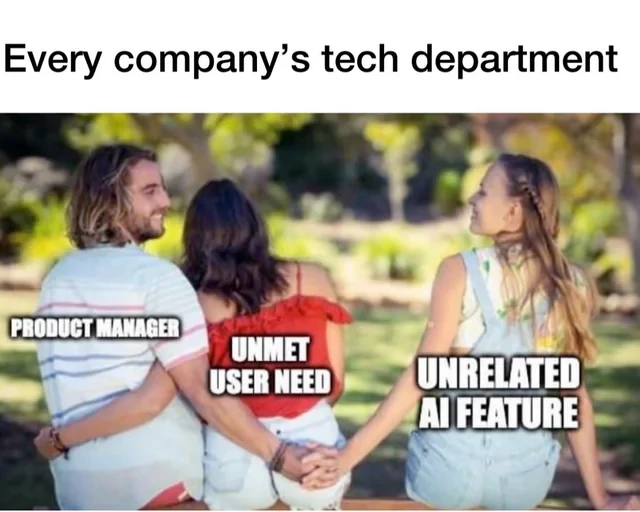
The #stupidindividualism of the Silicon Valley’s ideology, around tech-driven libertarianism and as our chattering classes say “hyper-individualism”, is spreading social mess and #techshit, we need shovels to compost. It’s now clear that these anti #mainstreaming ‘solutions’ create more problems than they attempt to solve, particularly in terms of social breakdown and environmental damage. The utopian nightmares of tech billionaires collapse under the weight of on rushing real-world challenges. This should make visible to more of us the #geekproblem, the limits of technocratic fixes. The lies under the once-promised technological mediated future of freedom and innovation has been shown to be control and chaos, this should make it obvious that we need to take different paths away from the Silicon Valley’s delusion.
A podcast from of our weak liberals on the subject of #AIhttps://flex.acast.com/audio.guim.co.uk/2024/07/15-61610-gnl.sci.20240715.eb.ai_climate.mp3 a #mainstreaming view of the mess we are making on this path. The big issue is not the actual “nature” of AI, though that is not without issues. What I am covering here is that #AI is reinforcing existing power structures and socioeconomic realities, #neoliberal ideology and historical bias. This is driven by the goals of enhancing efficiency, reducing costs, and maximizing profits by increased surveillance, this in itself should raise ethical concerns about privacy and freedoms, that the #geekproblem so often justifies under the guise of security.
We need to think about this: AI systems trained on data from the past 40 years are inherently biased by the socio-political context of that period, perpetuating what are now outdated and obsolete beliefs. This historical bias locks in narrow ideological paths, particularly those associated with #neoliberalism and our 40 years worshipping at this #deathcult. This is not only a problem with AI, its a wider issue, we continue to prioritize economic growth over social and environmental paths, with the resent election victory in the UK, the Labour Party’s is pushing the normal #mainstreaming established during the #Thatcher era, in this we see past ideologies continue to shape current #mainstreaming political paths, the tech simply reinforces this.
It’s hard to know what path to take with this mess. Ethical frameworks like the #4opens and regulatory oversight to guide the responsible use of AI might help. By addressing the current mess and challenges, we might be able to work towards an AI path that reflects diverse perspectives and serves a more common good rather than reinforcing narrow #deathcult litany and hard right ideological paths this grows, which is the current default path. Recognizing and addressing the challenges in AI development is the first step towards the change we need to challenge, us, to compost this social mess and heaps of #techshit we have created, that shapes us.
Online the Silicon Valley influence is significant and with the globe hegemony of the #dotcons everywhere, the concentration of power and resources among a few #dotcons raises issues about democracy, equity, and control. With this in mind, we need a strong push and for meany people a fundamental rethink and restructuring of how we approach technology, governance, and real community building.
The open-source and free software communities, despite their progressive foundations, are marred by outdated governance structures that are at base medieval aristocracy and monarchy. This, compounded by the problematic mediation attempts through #neoliberal individualism, results in a stagnation of innovation and collaboration that highlights the #geekproblem within these communities.
Medieval governance in modern tech, aristocratic hierarchies are the core in most open-source projects, decision-making power is concentrated in the hands of a few “maintainers” or “core developers.” These individuals hold their positions for long periods, leading to a de facto aristocracy, with the same people in control and influencing the paths of projects big and small. Monarchical leadership is core to meany, led by “charismatic” leaders whose word becomes law. This monarch-like leadership stifle dissent and discourage fresh contributors, as the projects revolves around the vision and whims of a single individual, in the #fediverse an example is the #Mastodon codebase.
Neoliberal Individualism and Its Failures
#StupidIndividualism is a part of #neoliberalism, which promotes a form of individualism emphasizesing self-interest and competition over collaboration and community. This mindset infiltrates open-source communities, leading to fragmented efforts and a lack of cohesive or even any vision. This “common sense” market-driven development infects open-source projects that are pushed by market demands rather than community needs. The results are software that prioritizes “control”over usability and any innovation.
#techshit, a term that reflects the use of #dotcons and #FOSS which proliferates, poorly designed, unmaintained, and redundant software projects that clutter the open-source paths.
#geekproblem, refers to the insular and exclusionary culture within tech communities. It includes issues like poor communication, lack of diversity, and a focus on technical prowess over collaborative skills.
Moving Towards Modern Governance
Democratizing Decision-Making: Shifting from aristocratic and monarchical structures to more democratic governance can help. This includes implementing transparent decision-making processes, rotating leadership roles, and widerning voices that are heard.
Community-Centric Approaches: Prioritizing community needs over individual ambitions and market demands leads to more sustainable and impactful projects. This involves active engagement with users and contributors to understand their needs and incorporate their feedback.
Embracing Diversity: Cultivating an inclusive culture that values diverse perspectives address the #geekproblem. This means actively working to include wider groups in tech and fostering a collaborative rather than competitive environment.
Holistic thinking: Moving beyond the neoliberal framework requires a holistic approach to mediation that considers social, cultural, and economic factors. This includes spaces for dialogue, conflict resolution mechanisms, and support systems for contributors.
Conclusion, to move forward, we need to shed the medieval political structures and #neoliberal individualism to make space to embracing democratic governance, community-centric paths, diversity so that communities can mediate the #techshit and #geekproblem, paving the way for a more collaborative and native #openweb.
The discussions surrounding grassroots movements within tech communities should be entwined with social themes, such as #neoliberalism and #postmodernism. As these ideologies shape what is considered “common sense” and create real barriers to introducing alternative viewpoints and practices that we need. Within this conversation, progressive grassroots initiatives need to counteract these dominant paradigms, but instead they frequently face challenges both from within and outside their communities.
The concept of #mainstreaming refers to the process where dominant ideologies and practices become the accepted norm, marginalizing alternative perspectives. This current mainstreaming is driven by the forces of neoliberalism, emphasizes market-driven solutions and (stupid) individualism, and (zombie) postmodernism, that both foster a sense of scepticism and relativism. Together, these forces create a “common sense” that is actively hostile to grassroots progressive initiatives. Let’s look at a few of the “surface issue” faced by Grassroots Movements:
Perception of Spam: As highlighted in #socialhub experiences, grassroots advocates face accusations of spamming when they consistently share links and resources to support #KISS arguments. This perception can stem from a purposeful misunderstanding of the intent behind sharing information, which is actually to provide context and facilitate basic understanding.
Resistance to Alternative Views: When #mainstreaming ideas are challenged, the response is often, hostile, defensive and then dismissive. This resistance is rooted in cognitive dissonance and the threat to personal and collective identities that alternative viewpoints need to pose.
Governance Issues: Effective governance within tech communities is crucial for growing wider inclusivity and legitimacy. However, governance processes become contentious, particularly when there are differing visions for the community’s direction and priorities. This is a ongoing problem with much of the #feudalism in current #FOSS thinking.
Some projects designed to mediate these issues
The Open-Media-Network (#OMN) and its associated projects, such as the Open Governance Body (#OGB) and the #4opens framework, represent grassroots efforts to address these challenges. These aim to be more democratic and inclusive “trust” based paths for growing the native #openweb. They emphasize transparency, open governance, and community-driven development.
Open Web Governance Body (#OGB): Project is for creating governance structures for horizontal projects using simple online tools. By promoting open and inclusive governance, the OGB mitigates the issues caused by #mainstreaming and ensure that grassroots voices are heard and valued.
The #4opens Framework: Advocates for open data, open source, open standards, and open processes. By adhering to these principles, grassroots movements can grow robust defences against co-optation to maintain the path of autonomy and integrity.
What can you do to help:
Build Community and Solidarity: Strengthening ties within the communities by fostering a sense of shared purpose to help counteract the fragmentation often caused by dominant ideologies.
Educate and Inform: Providing accessible and compelling information about the benefits of alternative viewpoints and practices to shift perceptions and reduce resistance.
Engage in Dialogue: Creating spaces for open and respectful dialogue can help bridge divides and shift mutual understanding.
Leverage Technology: Utilizing #openweb tools and platforms like the #OMN and wider #Fediverse to empower grassroots movements to organize effectively and promote their message and escape the narrowing #dotcons echo chambers.
The struggle to establish and maintain grassroots movements within tech communities is ongoing and very messy. By understanding the dynamics of #mainstreaming and employing strategies to counteract this, movements can create more inclusive and democratic paths. The initiatives by the Open-Media-Network offer real grassroots frameworks and tools for achieving these goals, demonstrating that a small group of thoughtful, committed people can indeed change the world.