A Mental Health Time-Bomb

The Imminent Collapse:

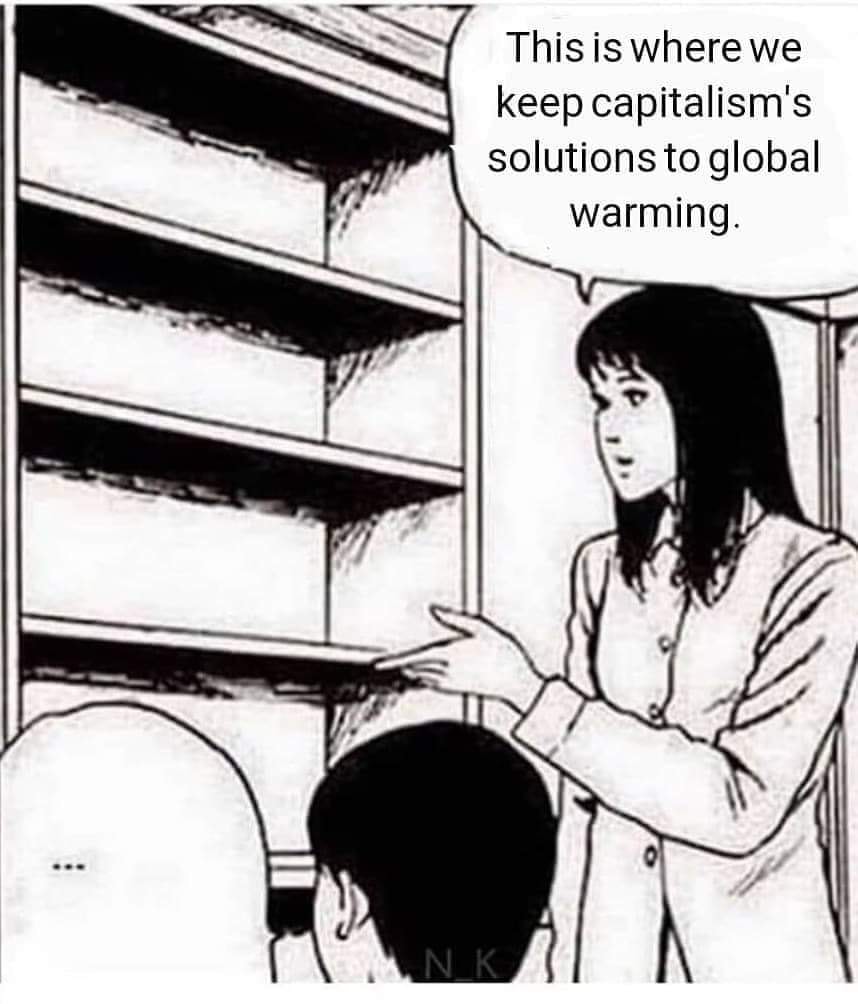
The science is irrefutable: our civilization is on the brink of imminent, violent collapse due to environmental degradation and #climatechaos. Yet, the political establishment and #mainstreaming media is dominated by those who profit from this collapse, ensuring that the public remains, unfocused, uninformed and distracted by inanity and bile. This toxic combination creates a mental health time-bomb, which will itself feed the crisis we face.

The Illusion of Economic Subsidization

In the UK, a truth goes unspoken: the richest do not subsidize the poorest, it is the poorest who subsidize the richest. The profit amassed by the wealthiest comes from the labour, unpaid wages, and rent extracted from the working class. These profits are sheltered from taxation, perpetuating a system of inequality and exploitation. This #KISS reality is kept hidden to maintain the status quo and protect the nastiest people who push themselves to the top of our ancient vertical “commons”.

The #ClimateMajority: Awareness Without Action

There is a #ClimateMajority—most people are aware that we are in trouble. However, awareness alone is insufficient. This majority needs to be active to mobilized systemic change. The linkage between economic growth and degrading overconsumption is clear: you cannot have one without the other. This overconsumption pushes us down a dark path, where our children will have to fight to survive. How can we make the need for action #mainstreaming ?

The Disconnect: GDP vs. Sustainability

Politicians and journalists discuss GDP and the economy, yet they avoid the unspoken issue at hand. Our worshipping of this #deathcult our current economic model is fundamentally incompatible with the living systems we rely on for survival. Prioritizes short-term economic growth over long-term sustainability, driving us towards ecological and thus social collapse. The implications are dire: our economy, as it stands, is on track to destroy the very foundations of our shared lives.

The Path Forward: Systemic Change and Accountability

To avert this catastrophe, we need to be radical in rethink priorities to create systemic change. Some examples involve:

  1. Economic Restructuring: Shift from an economy focused on capitalistic growth to one that prioritizes more socialistic, sustainability and equitable basic resource distribution.
  2. Corporate Accountability: Ensure that corporations pay their taxes and are held accountable for their environmental and social destruction.
  3. Media Reform: Support grassroots #DIY journalism that prioritizes truth and accountability over corporate interests and media agenda lies.
  4. Political Activism: Build real alternatives on one hand and on the other mobilize the #ClimateMajority to demand bold action to replace our political leaders.

Conclusion

The science is clear: we are on the brink of collapse. The political and media is designed to distract and misinform, protecting the interests of the wealthy. It is up to all of us to break this cycle. We need to push the spiky fluffy debate to build alternatives like the #OMN, push the #ClimateMajority to demand systemic change, and replace (and jail some of) our bankrupt leaders. Our survival, and that of future generations, depends on this #KISS path.

Let us not sink into this mental health time-bomb, which will only itself feed the crisis, let’s not be passive observers of our own demise. Let’s fight, It’s past time to face the simple truths to give us power to take action.

You can help make this happen https://opencollective.com/open-media-network
The Urgent Need for Systemic Change

Our #mainstreaming paths are pushing social collapse and extinction, not due to natural calamities or unforeseen disasters, but as a result of our political decisions by those in power. These decisions, driven by corporate agenda, are pushing us down the path where millions, will perish and billions be displaced in the coming decades.

The Devastating Impact of Political Choices

It should be obvious to us all that our #mainstreaming class are not fit for purpose and that the knee-jerk hard shift to the right is a dysfunctional “solution” and a continuity of the problem they say they can fix. Every election cycle, we are presented with candidates who promise change, yet the issues persist. The root cause? The worship of the #deathcult (a metaphor for the #neoliberal economic model) for the last 40 years pushed profit over sustainability and human well-being. This relentless consumerist growth is incompatible with the finite resources of our planet, pushing us to environmental degradation and #climatechaos we are seeing and feeling around us now.

The Fossil Fuel Lie

A glaring example of destructive political decisions is the power of fossil fuel companies. These corporations reap astronomical profits—approximately $2.5 billion daily—while contributing massively to the growth of #climatechaos. Why are these profits not being redirected into rapid decarbonization efforts? The answer lies in the entanglement of these companies with political classes of every ideology, our “common sense” prioritize corporate profits over planetary health.

Justice

For over 40 years, the fossil fuel industry has subverted the truth about the environmental and health impacts of their operations. Despite evidence and the catastrophic consequences, the individuals and entities responsible have escaped accountability. Why aren’t these actors facing prison time for their role in perpetuating a genocidal industry? We should keep this #KISS focus and make this happen.

Role of the Media

A factor exacerbating this crisis is the role of the media. Instead of informing the public and holding power to account, media outlets have been conduits for spreading vile ignorance. They amplify the voices of corrupt-corporates, manipulating public opinion and encouraging us to support representatives who entrench the interests of the “nasty” few.

Systemic Change

The upcoming elections do matter. A vote is not going to get the world we won’t, but it will mediate the current mess. So hold your nose and vote for candidates who prioritize dismantling this mess and implementing systemic changes, if these useful one cannot win, then vote for a bit less useless one, we can’t keep pushing this mess. A few basic agenda:

  1. Ending Fossil Fuel Profiteering: Redirect the obscene daily profits of fossil fuel companies into aggressive decarbonization strategies.
  2. Holding Polluters Accountable: Ensure that those who have perpetuated the fossil fuel myth face justice and jail time for their actions.
  3. Transforming the Media: Support independent #DIY grassroots journalism and #mainstreaming media reforms that prioritize truth and accountability over corporate interests.

Conclusion

The time for complacency has been over for 20 years. We must act, radical, transformative, our survival depends on it. Let’s hold our noses and vote, but more importantly, support radical grassroot alternatives like https://opencollective.com/open-media-network. In the election, you might find candidates who are not afraid to challenge the powerful interests driving us towards disaster, If they have a chance of winning, they are worth our support. But this propping up of the #mainstreaming is only a small part of what people need to do, the future, and that of generations to come, hangs in the balance. It’s past time for accountability, justice, and a radical rethinking of our path. Let’s make our voices (and in a small way our votes) count for real change.

The Cost of Living Crisis: Corporate Greed and Political Corruption

That the cost of living crisis stems from corporate greed and political corruption is a useful perspective to challenge #mainstreaming narratives. Economic hardships faced by people and communerties are not inevitable or natural, rather the result of deliberate actions by powerful agendas.

“Remember, anyone trying to blame our cost of living crisis on anything other than grotesque corporate greed & political corruption are themselves grotesquely greedy & corrupt.” (from ClimateDad)

Corporate Greed

  1. Profit Maximization: Corporations prioritize profit maximization above all else, at the expense of workers, consumers, and the environment. This drive leads to the current mess of wage suppression, price gouging, and cutting corners on safety and quality.
  2. Market Manipulation: Large corporations engage in anti-competitive practices to dominate markets, stifling competition and innovation. This leads to higher prices and reduced choices for people.
  3. Tax Evasion: By exploiting tax loopholes and offshore tax havens, corporations significantly reduce their tax burdens. This deprives governments of essential revenue needed to fund public services and infrastructure, shifting the financial burden onto ordinary people.
  4. Environmental Exploitation: Corporations engage in environmentally destructive practices to cut costs and increase profits. The long-term environmental degradation leads to increased costs for communities and governments in terms of health care, disaster relief, and restoration efforts.

Political Corruption

  1. Lobbying and Influence: Corporations and wealthy individuals use their financial resources to influence political decisions through lobbying and campaign contributions. This result in policies that favour the wealthy and powerful, rather than the general populace.
  2. Regulatory Capture: Regulatory agencies tasked with overseeing industries become dominated by the industries they are supposed to regulate. This leads to weak enforcement of laws and regulations, allowing corporate malfeasance to go unchecked.
  3. Public Policy: Corruption leads to policies that prioritize the interests of the few over the needs of the many. Examples include tax cuts for the wealthy, deregulation, and austerity measures that disproportionately affect low- and middle-income people.
  4. Lack of Accountability: Corrupt politicians and officials face little to no accountability for their actions, leading to a cycle of corruption and mismanagement that perpetuates economic inequality and social injustice.

The Combined Effect

  1. Economic Inequality: The combination of corporate greed and political corruption builds economic inequality. As wealth and power become concentrated in the hands of a few, the majority of people struggle to afford necessities like housing, healthcare, and education.
  2. Erosion of Public Services: Reduced tax revenues and public spending cuts leads to the erosion of essential public services. This affects the most vulnerable members of society, increasing their cost of living and reducing their quality of life.
  3. Social Unrest: Widespread economic hardship and injustice lead to social unrest, as people become increasingly frustrated with their inability to achieve a decent standard of living. This at best manifest in protests, strikes, and more #DIY forms of resistance.
  4. Health and Well-being: The stress and insecurity of economic hardship has severe impacts on physical and mental health, further entrenching poverty and making it difficult for people to see or act coherently.

Conclusion

Corporate greed and political corruption are the drivers of the cost of living crisis, we need to say this clearly to challenge people to look beyond surface-level explanations and examine the systemic abuse and issues on this current path. Addressing these root causes requires a fundamental change to challenge the current #deathcult worship, an effort for transparency, accountability, and fairness in both the corporate and political spheres.

Good to keep this simple, #KISS

Caring in a culture that disregards human well-being requires resistance to dominant values

I have come to think that care for people requires a high degree of resistance to the surrounding culture, simply because that culture is dedicated to values that have no concern for people. This is a tension in society, the disconnect between cultural values and genuine care for people. Thus, actually caring for people requires a strong resistance to prevailing cultural norms that prioritize profit, “efficiency”, and superficial success over human well-being. This resistance is needed to overcome the mess of the last 40 years of #postmodern, #neoliberalism that has undermines basic humanism.

The Mess

Profit Over People: Our worship of the #deathcult within capitalist societies, prioritizes profit-driven consumerism above all else. Companies and institutions exploit labour, cut costs at the expense of safety and well-being, and focus on short-term gains rather than any long-term sustainability, or even basic survival.

Superficial Success Metrics: Social success is measured by wealth, status, and material possessions, rather than by well-being, happiness, community health or basic ecological function. This leads to widespread neglect of where value actually lie.

Individualism Over Community: Our dominating “common sense” culture emphasize individual achievement and self-reliance, at the expense of communal support and cooperation. This erodes social bonds and leave individuals isolated and unsupported.

    Resistance

    Ethical Imperative: Caring for people is an ethical obligation that at best makes us challenge and resist cultural norms that dehumanize and exploits people. It involves advocating for fairness, justice, compassion, and prioritizes a living environment.

    Mental and Emotional Health: The pressures of conforming to the #deathcult culture leads to mental health issues such as anxiety, depression, and burnout. Gathering to resist these pressures is essential for maintaining mental and emotional health.

    Social and Environmental Justice: Resistance is necessary to address systemic inequalities and injustices that are pushed by the dominant culture. This is common sense, to stop the degradation of our ecology, both human and inhuman.

      Making Resistance Happen

      Advocacy and Activism: Engaging in fluffy #NGO advocacy and #spiky activism to promote and push policies and practices for human well-being over profit. This includes strong ecological policies, supporting labour rights, affordable healthcare, sustainability, and education etc.

      Community Building: Fostering real, supportive communities of mutual aid, solidarity, and collective well-being, involves creating open non-commercial spaces where people can come together, share resources, and support one another.

      Alternative Value Systems: Promoting and practising alternative systems that emphasize care, empathy, and interdependence. This can be through #spiky #DIY activism culture, like squatting, protest camps or more lifestyle #fluffy choices, such as minimalism or voluntary simplicity, and through supporting businesses and organizations that prioritize ethical practices in the #dotcons.

      Personal Practices: This is a harder path to make meaningful, implementing personal practices that resist cultural pressures, such as mindfulness, self-care, and setting boundaries to protect mental and emotional health. This path can be a problem, as it in part pushes the #stupidindividualism that feeds the very problems in the first place. Encouraging others to do the same can, maybe, help create a ripple effect of resistance and care.

        What should you do?

        Caring for people in a culture that disregards human well-being needs conscious and active resistance to the current dominant values. By advocating for social justice, building supportive #DIY communities, promoting alternative value systems like the #OMN, and maybe practising personal care, we might create a more compassionate, sustainable society. This resistance is not only a needed path, but also a moral imperative. What are you doing today about this?

        More: https://www.project-syndicate.org/commentary/collective-intelligence-calls-for-sharing-rewards-from-innovation-for-the-common-good-by-mariana-mazzucato-2024-08

        People think in groups, this is natural

        Group thinking is human nature, as society grows, people naturally think and make decisions in the context of groups. This tendency has evolutionary roots, as it historically enhanced survival and cooperation. However, much of our current thinking, although not incorrect, is influenced by the prevailing #stupidindividualism mindset that is “common sense” in our current messy world. This individualist “thinking” pushes the balance of personal autonomy and self-reliance at the expense of our collective well-being.

        Instead of questioning whether group thinking is inherently wrong, it is more useful to explore what we can make of this group-oriented way of thinking. Points to consider:

        1. Understanding Group Dynamics: Recognizing the tendency to think in groups allows us to better understand social dynamics, peer influence, and natural collective behaviour. This can help in addressing issues like groupthink, where for example in activism the desire for “formal” consensus often leads to poor decision-making.
        2. Leveraging Collective Intelligence: Group thinking is harnessed to achieve better outcomes through collective intelligence. Diverse groups, when open to outcomes, can generate innovative and useful solutions that isolated people working alone cannot.
        3. Promoting Inclusivity and Diversity: Be honest, by acknowledging the role of group thinking, we emphasize the importance of inclusivity and diversity within groups. Different perspectives and experiences enrich group discussions and lead to robust and well-rounded outcomes.
        4. Balancing Individual and Group Needs: While individualism has merits, we do need to find a balance between individual and group needs. Encouraging a sense of community and collective responsibility has better outcomes.
        5. Navigating Common Sense Myths: The #stupidindividualism mindset promotes a myth that individual success is only a result of personal effort, ignoring the social and structural factors that build social achievements. By challenging this story, we build a deeper, nuanced understanding of success and needed support systems.
        6. Cultivating Critical Thinking: Questioning the assumptions of “common sense”, especially those rooted in #stupidindividualism, promotes creative thinking. It encourages people to look beyond surface-level explanations and consider systemic issues.

        In summary, group thinking is a natural human behaviour. Our current mess of dismissing it is wrong and blocks understanding of its implications and potential. By recognizing the limitations of the #stupidindividualism thinking and promoting a balanced approach that can value both individual creativity and collective contributions, we create more cohesive and healthier communities. The principle of “Keep It Simple, Stupid” (#KISS) guides us to build fundamental truths and practical solutions, avoiding the unnecessary complications that arise from extreme individualism in our current worship of the #deathcult

        Philanthropy, praising billionaires, underscores the mess

        In the mess we live in, philanthropy creates the illusion of greatness by pushing wealthy people as saviours while ignoring any root causes of poverty and suffering. This is used to hide the systemic injustices and diverts attention from the #KISS structural changes needed.

        Let take a moment to look at this. #Philanthropy is worshipping the #deathcult by reinforces the status quo. Philanthropy shifts blame to the poor, pushing the idea that they are responsible for their own situation. This story hides the influence that the wealthy class, too often the #nastyfew, wield over economic systems, entrenching inequalities and fails to see the structural inequalities in the global economy, where wealth is extracted from poorer countries to richer ones.

        While honest capitalists prioritize personal prosperity over morals, more “progressive” philanthropists try to believe they are “saving the world” while giving back a fraction of what they take. This lack of transparency perpetuates the illusion of altruism. We need to challenge this, despite its charitable intentions, philanthropy hides the causes of poverty and perpetuates a cycle of dependency.

        Philanthropy might sometimes offer temporary relief, but fundamentally just pushes the same inequalities, reinforcing the current worship of the #deathcult. Social change requires addressing real root problems, rather than relying on the goodwill of the wealthy few. People, get off your knees, please.

        #Charity #poor #capitalism

        Toxic Positivity and the Lies We’re Pushed to Live By

        Toxic positivity is one of the powerful #blocking forces in #mainstreaming culture. It shows up everywhere – in career advice, life choices, and the relentless pressure to follow paths deemed acceptable by social norms. The cheerful insistence that everything works out for those who try hard enough isn’t kindness, it’s a way of silencing legitimate frustration and blocking any real path to change and challenge.

        The Myth of the Temporarily Embarrassed Billionaire

        The idea that anyone can become wealthy through sheer effort is especially dogmatic in the USA, but it spreads far wider, it pushes that economic success is a product of individual will, erasing systemic inequality, inherited advantage, and the enormous role of luck. The cruel trick is that it keeps people striving toward a summit only a tiny, already-privileged minority will ever reach, and when they don’t make it, they’re encouraged to blame themselves rather than the system. Frustration and disillusionment are the predictable results.

        The Commodification of Purpose

        In the era of the #deathcult, meaning itself gets a price tag. Personal fulfilment gets equated with career achievement and material wealth, and anything that doesn’t generate profit gets dismissed as a hobby, a nice distraction from the serious business of earning. This squeezes out human purpose and pushes people toward work that serves capital rather than community. The result? A widespread, low-level misery that mainstream culture keeps insisting you should be grateful for.

        The American Dream and the Meritocracy Lie

        The belief that hard work and intelligence reliably produce success isn’t just wrong, it’s actively harmful. When the myth of meritocracy is internalised, people who don’t achieve financial success, the growing majority, are implicitly blamed for their own situation. Poverty becomes a character failing, alternative choices become shameful. This culture of blame keeps people locked into deadening careers and lives, afraid to step off a path that was never really leading anywhere worth going.

        The Corporate Grind

        The promise is simple: sacrifice now, reward later. The reality is monotony, deferred dreams, and a nagging sense that the reward keeps moving further away. Recognising the corporate grind for what it is – a system that extracts human energy in exchange for hollow promises – is the first step toward something better. Not every alternative is easy, but at least it’s honest.

        The Alternative

        Rejecting toxic positivity isn’t pessimism, it’s clarity. When you stop performing contentment you don’t feel, you start asking what actually matters, and building toward that instead. #DIY paths, community-rooted work, and meaning made rather than purchased: these aren’t naive retreats from reality. They’re more humanistic responses to a system that was never designed with human beings at its centre.

        The hippies had a point. Be human, not a slave.

        Utopia

        Let’s try and reclaim some words, in the current mess of #mainstreaming, #Utopia is a dirty word #Dystopia is not. The story that imagines a future of continual decline feels more reasonable, even inevitable. It’s easy and kinda enjoyable to picture #apocalyptic paths, given the current state of the world.

        With the growth of #deathcult worshipping, the end of history was declared 40 years ago, equating our current social and economic organization as the pinnacle of human achievement. The prevailing #neoliberal system – markets, competition, a gladiatorial struggle for personal betterment – was seen as the only viable one. The myth that individual success trickles down to benefit everyone persists, despite now widespread disbelief and distrust in this what should be obvious to any thinking person – #deathcult

        However, we’re so deeply in to everyday “common sense” worship that imagining alternatives feels impossible now, Utopia has become a dirty word, while dystopia is accepted. Reflecting on our childhood wonder at human progress – pilotless planes, robots, space exploration, flying cars—we now see these advancements as threats. Military drones, job-stealing automation, space as a private escape, and flying cars are all tinged with dread.

        It’s the system. Whether you support or oppose it, the is a consensus, that the future under this system is rarely viewed with optimism. The promises of market-driven utopia have led to repeated crises like 2008, not the envisioned social prosperity. Even so, we cling to this system, its power inescapable, much like the divine right of kings once was.

        Individualization of Collective Imagination

        Capitalism’s sells us as a personalized, isolated package. Unlike divine rights or blood-bound royalty, it promotes the idea of control over one’s destiny. This creates a stark divide in experiences, making collective betterment less achievable. Pursuing a better life individually, rather than collectively, becomes the normal path. This social “blindness” stops us from seeing ourselves as we are, as a part of a larger human social experiment.

        Even those aware of the system’s flaws live by its tenets, striving for personal success. The fear of revolution or change is partly because of the effort already invested in this individual progress. The idea that there’s an alternative to struggle is overshadowed by the pursuit of these personal goals, leading to a narrowed view of possibilities. We all still blindly worship this #deathcult in our everyday lives.

        Capitalism is internalized as the natural way of life. Imagining beyond it is seen as insanity. The greatest progress arises from dire circumstances, where the alternative to suffering is non-existence. Today, comfort smothers the drive for change. Yet, dystopian media normalizes bleak futures, projecting what #climatechaos and social break down will eventually make happen.

        Fictional literature and media have always been vital in exploring human futures. The contrast between grim dystopias and hopeful utopias illustrates our capacity for imagining different worlds. Yet, creating believable, relatable utopias is challenging in a world where the status quo dominates. Characters proposing radical change are cast as antagonists, reinforcing the idea that reform, not revolution, is the only path.

        The Room for Optimism

        Despite this, the fact we’re discussing these issues means there’s hope. Remembering that this current system is a tiny step in human history, that human social organization is dynamic and changeable. Reflecting on past norms—such as ancient philosophers, fascist regimes, or the lack of modern conveniences—shows how transient and idiotic we can be in the belief in a single “static” path.

        Rejecting the idea that our pinnacle achievement is building bigger shopping malls is basic. Utopia isn’t a dirty word; it’s an aspiration made dirty by those who fear its potential. Utopias aren’t meant to be achieved, but to serve as light guiding us forward. Embracing utopian thinking means daring to imagine better futures, challenging the status quo, and recognizing our capacity for taking different paths to profound social evolution.

        So, let’s reclaim utopia, not as an endpoint, but as a direction, an ideal to strive towards, illuminating our path through the darkness of the present mess. Be part of this path https://opencollective.com/open-media-network you can hold the light, the #OMN is building real world #openweb native alternatives, together we can be this step.

        We worshipped a #deathcult for 40 years

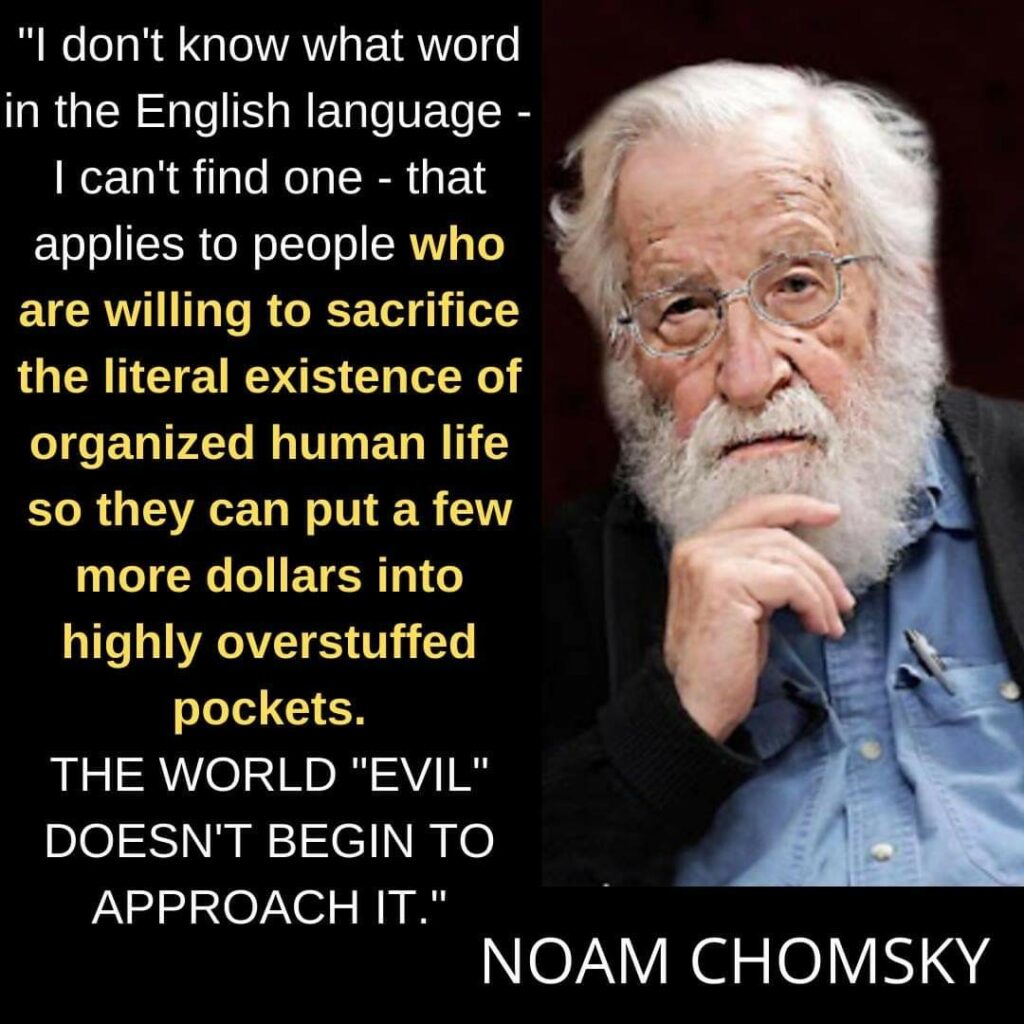
        We need to understand that our shared #mainstreaming for the last 40 years has been built on the path of #neoliberalism a political and economic ideology that advocates for minimal state intervention in the economy, emphasizing free markets, deregulation, privatization, and a reduction in government spending on social programs. This path emerged as a dominant force in the late 20th century, particularly from the 1980s onwards, under the influence of #MargaretThatcher in the UK and #RonaldReagan in the US.

        Historical Context

        We can find the seed of this mess, after World War II, many European countries adopted social democratic policies, influenced by the pressure of strong socialist movements and the existence of socialist states like the #USSR, these provided extensive social benefits, full employment, free healthcare, and education. To avoid the very real potential of revolutions and maintain stability, European nations implemented social welfare programs internally while still externally engaging in exploitative economic practices in their former colonies.

        Emergence of Neoliberalism

        By the 1980s, the capitalist system faced renewed crises, including economic recessions, a decline in profitability. In response, the old fundamentalism of #classicliberalism renamed as #neoliberal pushed for a drastic reduction in government intervention and social spending. This shift was driven by the #nastyfew belief that previous social democratic concessions (the social safety net put in place due to the threat of communism) were no longer sustainable or needed and were now ONLY hindering economic growth and profit margins.

        Definition and Principles

        Neoliberalism is a set of policies and ideas focused on:

        1. Deregulation: Removing government regulations to allow businesses total freedom in how they exploit people and the environment.
        2. Privatization: Transferring public services, commons, and assets to the private sector.
        3. Reduced Public Spending: Cutting redistributive government expenditures on social programs like welfare, healthcare, and education.
        4. Tax Cuts: Lowering taxes for corporations and the wealthy to encourage renewed “investment” and extractive economic growth.
        5. Free Markets: Promoting the idea that the #nastyfew defined markets are the most “efficient” way to allocate resources and solve social “problems”.

        Ideological Dogma

        Neoliberalism “common sense” asserts that the “free” market, left alone, will “naturally” regulate itself and provide the best outcomes for society. This belief extends to all areas of life, including education, healthcare, and social services, which they push should be subjected to market forces rather than people driven democratic, community or working people’s control.

        Consequences

        Social and Economic Impact

        • Increased Inequality: Neoliberal policies lead to growing income and wealth disparities as the rich benefit from tax cuts and deregulation while social safety nets are dismantled for the poor.
        • Reduced Worker Protections: Labour unions and pro-labour legislation are weakened, leading to lower wages and worse working conditions.
        • Privatization of Public Services: Essential services like healthcare and education become more expensive and less accessible to the poor.
        • Environmental Degradation: Deregulation leads to pollution and environmental harm as companies prioritize profit over sustainability. A urgent current example: We have pushed #climatechaos hard with this mess.

        Global Impact

        • IMF and World Bank Policies: Developing countries are subjected to structural adjustment programs by international financial institutions, which require them to implement neoliberal policies in exchange for loans. This leads to severe social and economic hardship in the developing world.
        • Exploitation of Developing Countries: This leads to global inequalities by maintaining exploitative relationships between wealthy and poorer nations.

        Criticism and Opposition

        Critics show that neoliberalism prioritizes the interests of the wealthy and corporations at the expense of the environment, working class and the poor. Undermining democracy by concentrating economic and political power in the hands of a few, leading to increased social unrest and current right-wing shift and resulting political and environmental instability.

        https://youtu.be/cIYfiRyPi3o?si=OMniobLE_rgCsOAg This video was removed from the #dotcons

        Conclusion

        It’s very simple, the people pushing #neoliberalism, lied about economic efficiency and growth and the associated significant social costs, including increased inequality, reduced public welfare, and environmental degradation. Their focus on market solutions for all problems disregards the realities of social and economic life, leading to widespread criticism and calls for alternative approaches that prioritize real change and challenge.

        In the era of #climatechaos, this shift to Neoliberalism has obviously been a #deathcult that sadly continues to shape our “common sense” and has been central to our lives for the last 40 years.

        We can’t keep going down the path, you can find different paths here https://opencollective.com/open-media-network
        Faults of former socialist experiments

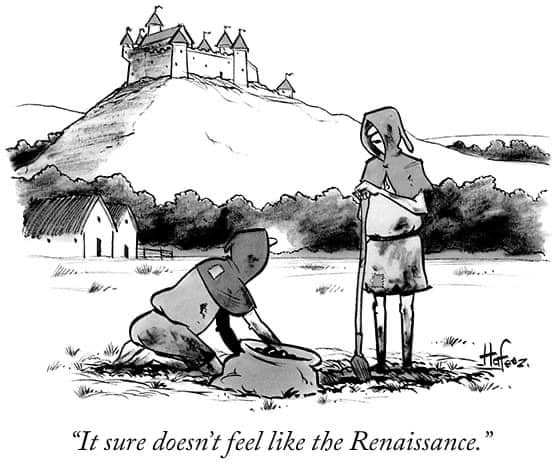
        Looking at history is useful, building a different economic system in one country with hard opposition is a steep path to climb. We can learn a lot from the interesting mess left by past attempts.

        1. Competition with the West: The #USSR’s framing itself as a direct competitor to American capitalism, rather than a unique system, led to perceptions of being outclassed in some areas. This competitive stance with vastly different starting points made the USSR seem inadequate in some respects.
        2. Military Overspending: Excessive focus on military parity with the U.S. detracted from the USSR’s ability to improve civilian life and scientific progress. This allocation of resources, driven by historical security concerns and international threats, was necessary but ultimately detrimental.
        3. Lack of Economic Diversity: Smaller socialist countries, and even some Soviet republics, had undiversified economies, relying heavily on single burocratic industries or resources. This lack of diversity made these nations vulnerable to economic instability and dependent on larger, dogmatic socialist allies.
        4. Inadequate Light Industry: The focus on heavy industry over light industry led to shortages and lower quality in consumer goods. This affected the everyday satisfaction of citizens, due to the availability of personal and household items being limited.
        5. Limited Democratic Participation: While socialist nations like the USSR had forms of proletarian democracy, there was still significant room for improvement in workplace democracy and political participation. The burocratic centralization and rubber-stamping within the system lead to ossification and hindered any real democratic engagement.
        6. Restrictions on Cultural Expression: Over time, the USSR shifted from promoting local cultures to a subtle #russification process, causing cultural homogenization and dissatisfaction among non-Russian ethnic groups. Similar repressive policies existed in other socialist states like Albania.
        7. Deportations: The forced relocation of ethnic groups during World War II was a severe and unnecessary measure. While intended to prevent collaboration with the enemy, these actions fermented long-term harm and discontent.
        8. Purges: The purges in the USSR, aimed at eliminating a fifth column, were based on social paranoia and a flawed assessment, this led to widespread fear and instability. The failure to initially prevent the formation of such internal threats was a significant oversight.
        9. Limitations of Planning: Early economic planning in the USSR was hampered by the lack of advanced computational tools, limiting the complexity and effectiveness of this planing. Despite the advent of computers, the potential of democratic planning systems was not realized.
        10. Profit Reorientation: Transitioning enterprises to a profit-based system under Khrushchev led to a shift in priorities that confused socialist principles. This move fostered a capitalist mindset and contributed to the growing inefficiencies and corruption.
        11. Ossification of Party Leadership: The “power politics” of the ageing leadership within the Soviet government stifled innovation and responsiveness. More horizontals, younger, more dynamic paths were needed to maintain the vitality and adaptability of this socialist experiment.
        12. The Comintern: The centralized and bureaucratised coordination of international socialist movements by the Comintern had its drawbacks, such as imposing strategies that were not suitable for all member nations. A more horizontal and flexible approach could have mitigated these issues.
        13. Over-Bureaucratization: Bureaucracy and ossification within socialist states led to inefficiencies and resistance to change. Healthy grassroots #DIY culture could have streamlined administrative structures and reducing redundant positions that would have improved governance and responsiveness.
        14. Sovietization of Socialist Experience: The replication of burocratic Soviet methods in other socialist countries led to inappropriate policies and practices. Each nation needed to critically assess and adapt strategies to their unique contexts.

        This historical vertical path has much to tell us if we are interested in taking a native horizontal path. Let’s try not to simply repeat this history, “don’t be a prat” comes to mind on taking this path.

        This post was inspired by this video https://www.youtube.com/watch?v=pDSZRkhynXU worth a watch and informed from https://www.reddit.com/r/socialism/comments/1eb8hby/what_can_we_learn_from_the_actual_history_of/ its needs some more updating, comments please.

        None of this is news, what matters is what we do with it, the same fault line:

        vertical vs horizontal

        control vs trust

        closure vs openness

        bureaucracy vs serendipity

        representation vs participation

        This past mess wasn’t “too much socialism.” It was too much centralization, too little process, and not enough openness. Which brings us to the path out, the lesson isn’t “don’t try.” The lesson is, don’t repeat vertical solutions to horizontal problems.

        The way forward is not one-country revolutions, grand blueprints, or any ideological purity. It’s native, federated, plural experimentation, linked together loosely and transparently. This is where the #OMN, , and the #openweb matters now, we’re not facing a simple choice between capitalism and socialism. We’re facing systemic collapse accelerated by the #deathcult logic of extraction and control. Repeating 20th-century vertical models won’t save us, nor will neoliberal “innovation.” So the only viable “common sense” path is fascism, it would be good not to repeat this history on the right or the left.

        Many small systems, not one monolith, local economies, media, governance, federated, not unified. Economic diversity by design, mixed models, resilient local production, no single points of failure.

        What might work is rebuilding horizontal systems of trust, production, and meaning – slowly, unevenly, locally – and federating them. And that’s why the old mistakes matter even more. The goal isn’t perfection, it’s not hero leaders, it’s not clean solutions. It’s not being a prat by default, doing the same thing again.

        The Urgent Need for Climate Action

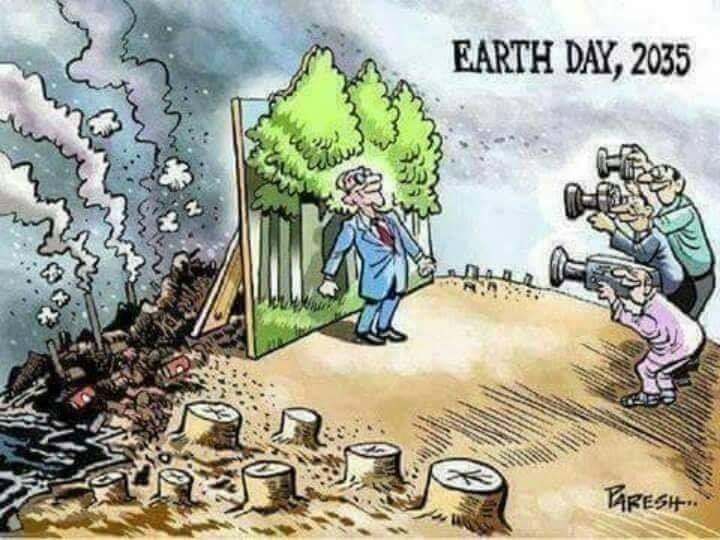
        The mess we build when public’s attention is being deliberately diverted by those in power. They want us to focus on national borders and other divisive issues, preventing us from addressing the real crisis #climatechange. This distraction tactic is designed to benefit the #nastyfew who continue to profit from the destruction of our planet.

        As we approach, another election, the insidious #deathcult ideologies offered by the main political parties have gutted life for the majority, while vile conmen exploit our ignorance and anger, distracting us with racism and hate. To hide the underlying economic warfare waged against us by predatory capitalism.

        We are at the most perilous point in human history. Future generations, if they survive the coming decades, will look back and think us insane for not having climate scientists and progressive agenda leading our countries. Instead, we allow fossil fuel agendas to dictate our policies.

        Figures like Farage are human smoke bombs, generating clouds of xenophobia and culture wars to hide the economic exploitation pushed by the capital that funds their campaigns. Farage’s vision of a future is filled with labour shortages, crumbling public services, and deepened social divisions.

        The fight against climate change is fraught with challenges, from powerful economic interests to political distractions. However, the voices of activists, scientists, and concerned people highlight the urgent need for action.

        By pushing #KISS core issues and building grassroots #DIY alternatives as seeds to prioritize the planet, we can try to mitigate/weather the worst impacts of this growing global crisis.

        https://opencollective.com/open-media-network
        By embracing projects like the #OGB people have a chance to shape decisions

        The current state of our political systems, particularly the electoral process, raises fundamental questions about the nature of democracy and representation. The problem is the system is designed to maintain the supremacy of the powerful, perpetuating conflicts and minimizing real democratic engagement.

        Elections, rather than fostering democracy, exacerbate divisions and repeatedly fail to address critical issues. Parties capitalize on trivial matters, manipulate voters, and converge on worshipping of the #deathcult with policies that benefit commercial interests.

        Historically, elections have been chosen as a means to exclude the majority from meaningful involvement in power, reflecting a distrust of democracy by the powerful. The UK’s political model, shaped in the 18th century, survived the introduction of universal suffrage largely intact, maintaining a system where elected representatives are disconnected from the interests and needs of the real people.

        Despite alternatives such as participatory democracy, popular assemblies, and sortition (random selection like the #OGB), powerful, and everyday interests stifle their implementation. These alternative social technology models prioritize community involvement, deliberation, and consensus-building over the spectacle of elections.

        Participatory democracy, when well-designed, has proven effective in addressing complex and divisive issues. Citizens’ assemblies and constitutional conventions have successfully tackled issues such as equal marriage, abortion, and climate policy, where elected representatives have struggled. This in a native, messy form is how all activism is organised.

        The next step needs to build up grassroots democracy with a project like the #OGB to supplement, push aside and then replace traditional parliamentary chambers. Such a system would ensure that decisions are made by a representative sample of society, rather than by career politicians shaped by money and lobbying.

        In conclusion, by embracing participatory democracy, we can create a system where everyone has a chance to shape the decisions that affect their lives. You can find more information on the #OGB project https://opencollective.com/open-media-network/projects/openwebgovernancebody and support this on the link.