Why the pushing of #AI is more #techshit

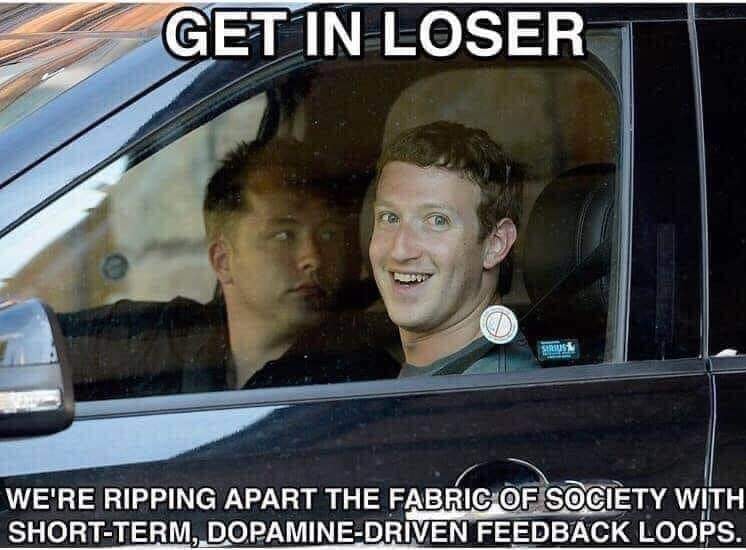
The #stupidindividualism of the Silicon Valley’s ideology, around tech-driven libertarianism and as our chattering classes say “hyper-individualism”, is spreading social mess and #techshit, we need shovels to compost. It’s now clear that these anti #mainstreaming ‘solutions’ create more problems than they attempt to solve, particularly in terms of social breakdown and environmental damage. The utopian nightmares of tech billionaires collapse under the weight of on rushing real-world challenges. This should make visible to more of us the #geekproblem, the limits of technocratic fixes. The lies under the once-promised technological mediated future of freedom and innovation has been shown to be control and chaos, this should make it obvious that we need to take different paths away from the Silicon Valley’s delusion.

A podcast from of our weak liberals on the subject of #AI https://flex.acast.com/audio.guim.co.uk/2024/07/15-61610-gnl.sci.20240715.eb.ai_climate.mp3 a #mainstreaming view of the mess we are making on this path. The big issue is not the actual “nature” of AI, though that is not without issues. What I am covering here is that #AI is reinforcing existing power structures and socioeconomic realities, #neoliberal ideology and historical bias. This is driven by the goals of enhancing efficiency, reducing costs, and maximizing profits by increased surveillance, this in itself should raise ethical concerns about privacy and freedoms, that the #geekproblem so often justifies under the guise of security.

We need to think about this: AI systems trained on data from the past 40 years are inherently biased by the socio-political context of that period, perpetuating what are now outdated and obsolete beliefs. This historical bias locks in narrow ideological paths, particularly those associated with #neoliberalism and our 40 years worshipping at this #deathcult. This is not only a problem with AI, its a wider issue, we continue to prioritize economic growth over social and environmental paths, with the resent election victory in the UK, the Labour Party’s is pushing the normal #mainstreaming established during the #Thatcher era, in this we see past ideologies continue to shape current #mainstreaming political paths, the tech simply reinforces this.

It’s hard to know what path to take with this mess. Ethical frameworks like the #4opens and regulatory oversight to guide the responsible use of AI might help. By addressing the current mess and challenges, we might be able to work towards an AI path that reflects diverse perspectives and serves a more common good rather than reinforcing narrow #deathcult litany and hard right ideological paths this grows, which is the current default path. Recognizing and addressing the challenges in AI development is the first step towards the change we need to challenge, us, to compost this social mess and heaps of #techshit we have created, that shapes us.

UPDATE: An academic talking about this has just come out https://arxiv.org/pdf/2410.18417

The European Union: A “spiky” view – A Complicated Love Story

Most people who care about peace, cooperation, and human rights have a soft spot for the #EU. Free movement, workers’ protections, environmental standards, the general idea of European nations deciding not to bomb each other for a change – these are real and genuinely good things. This piece isn’t trying to take that away.

But if we only see the EU as a progressive project, we’re missing a big part of the story. And missing it makes it harder to understand why, despite all those good intentions, the EU so often seems to produce outcomes that hurt ordinary people.

Where it actually came from

After World War II, Europe was in ruins. The United States, which had emerged from the war wealthy and largely undamaged, needed allies. The Soviet Union was expanding its influence, and the US was determined to ensure Western Europe didn’t drift toward socialism or communism.

The Marshall Plan – over $15 billion push to rebuilding European economies – wasn’t purely generous. It was strategic. The goal was to rebuild capitalism in Western and Southern Europe, creating a stable, prosperous, anti-communist bloc on the Soviet border.

This matters because the institutions that followed were built on that foundation. The European Coal and Steel Community in 1951, the European Economic Community in 1957, and eventually the EU itself in 1992 – all grew from a project whose original purpose was to make Western European capitalism strong, stable, and resistant to socialist alternatives.

What got built into the structure

The treaties that govern the EU – particularly from Maastricht onwards – contain rules that go well beyond keeping the peace. They prohibit state aid to industries, restrict public ownership, and make it difficult for any member state to pursue economic policies that don’t conform to free market dogmatism.

This isn’t a conspiracy, it’s just what was built in from the beginning, the EU was designed to be a capitalist bloc, and its rules reflect that design. When a left-wing government like Greece’s Syriza in 2015 tried to push back against austerity, the EU’s institutions made clear how much room actually existed for alternatives, not much.

Why this matters for fluffy people especially

If you care about workers’ rights, public services, environmental protection, and human dignity – and these are exactly the things that draw many people to support the EU – then understanding this tension is essential.

The EU can pass progressive-sounding directives while its underlying economic rules undermine the very things those directives are trying to protect. Privatisation of public services, pressure on welfare systems, restrictions on government intervention in the economy – these aren’t accidents or failures of the EU project. They’re features of what the project was originally built to do.

This doesn’t mean simple answers

Leaving the EU doesn’t automatically fix any of this – as the UK’s experience has demonstrated fairly conclusively. The economic rules and power structures don’t disappear just because you walk away from the table. And the genuine goods of European cooperation – peace, movement, shared standards – are worth protecting.

But pretending the EU is simply a progressive internationalist project, rather than a capitalist bloc with some progressive features bolted on, makes it harder to organise effectively within it or push meaningfully for change.

The honest position

The EU is a mess, a real historical tangle of genuine sounding idealism and structural economic conservatism, of peace-building and market-building, of protection and enclosure. Holding both of those things at once is uncomfortable. But it’s more useful than picking only the version you prefer.

Understanding where something comes from helps you understand what you’re actually dealing with, and what kind of pressure might actually change it https://hamishcampbell.com/tag/eu/

Yes, it’s a mess, one thing is certain we can’t keep worshipping the same #deathcult we have been for the last 40 years – ideas please?

Understanding Left-Wing Anti-Communism

History is worth looking at, in sectors of the left, particularly within the Western left, there’s a trend to dismiss past socialist experiments, at best these critics debate whether these experiments were “true” socialism or not. However, the point remains that these experiments attempted to organize society differently from capitalism, what we need to learn from is that each succeeded to some extent. They stood as threats to global capitalism, which is why the priests of the #deathcult, and its worshippers, keep demonizing them. Yet, on the progressive side, left-wing anti-communists also to often blindly reject these experiments, dismissing them as perversions of their “idealized” socialism, claiming there’s nothing to learn from them.

Then the capitalist establishment pushes and supports this with glowing reviews of books that condemn real socialism, backed by #mainstreaming institutions. For example, on this path much radical/progressive literature on the Bolshevik Revolution tends to glorify its early years but condemns the period afterward, romanticizing the shift and condemning the troubling steps taken to consolidate the revolution in reaction to the very real and strong backlashes.

How can we change and challenge this? These left-wing anti-communists tend to lack any nuance in their criticisms, they ignore the complexities and harsh “spiky” realities that revolutionary movements’ had pushed over them in the early 20th century. The Bolsheviks, for example, had to build a strong army and internal security apparatus in reaction to western invasions, ration due to widespread economic sanctions. Criticizing these actions, while valid, is not helpful without understanding the very uneasy context, only blindly criticising, this time, shows a lack of appreciation for the recurring challenges any real revolution will face.

Then the “fluffy” left lionize revolutions that failed because these revolutions never had to contend with the practical challenges of building a stable alternative. This glorification ignores, the violent backlash and the hardships that successful socialist experiments have to endure and the real, tangible benefits they provided to their societies.

So we do need to criticize socialist experiments with evidence, good faith, and an understanding of the circumstances they happen in. Honest progressives engage in nuanced criticism, unlike those who blankly condemn these movements. It’s worth defending some of the heritage of socialism, while acknowledging its strong vertical flaws, to learning from these lessons. At best, Marxist spaces provide the most scathing and honest criticisms of socialist experiments, aiming for constructive dialogue and improvement rather than wholesale rejection. This balanced approach is infinitely better than denouncing these experiments under superficial pressure from #blinded capitalist propaganda.

Left-wing anti-communism is a trend to dislike and disregard almost every socialist experiment. Over the last 40 years, on this path of #mainstreaming, the neoliberal world-view replaces trust with fear, when we try to discuss solutions, So it’s needed to challenge common sense #neoliberal views and advocate for basic nuanced, evidence-based perspectives. Let’s learn from this history, please.

A messy job, but with the right tools and approach, we can make progress

The neoliberal world-view is designed to replace trust with greed as the social motivator. Of course, all successful societies are based/built on trust, so neoliberalism is building a #deathcult. The current #climatechaos and social decay are simple to understand outcomes. If you’re wondering why this is useful, it’s an important part of a conversation and an obvious statement that many can agree with. When they do, ask them for solutions. When they inevitably come up with common sense neoliberal mainstream views, you can then gently dismiss these as #deathcult.

For the last 40 years, #neoliberalism and #postmodernism have shaped “common sense” in #mainstreaming society. This has led to behaviours that become hostile when challenged. These behaviours are especially entrenched in our communities, both online and offline, as we are building from activism it’s a challenge to mediate this behaviour to foster better outcomes.

Composting the mess requires empathy, patience, and strategic mediation. By creating activist spaces for dialogue, showcasing success stories, leveraging #4opens tools and principles, and managing defensive reactions effectively, we foster a culture of sustainability, justice, and collaboration.

In the tech, path, the world is so different and so BROKEN now that I have to re-watch and re-read to talk about #OMN stuff now. We forget how broken things have become over the last 40 years… we are all lost in the “common sense” muddle, it’s a mess.

From the #openweb: “A Silicon Valley VC-funded startup succeeds or fails based on how fast it can grow. At the start, it needs YOU to grow. It will put its best face forward and promise to be nice. Once it has grown enough, and it no longer needs you (see: network effects), you have little to no power to affect its behaviour. That’s when you get screwed. Maybe not all at once (see: slowly-boiling frogs) but eventually, sure enough.”

So exercise your power when you have it. At the start. By looking the other way.

Strategies for Effective Mediation

  1. Building Empathy and Patience from the understanding that many people’s world-views have been shaped by decades of dominant #deathcult ideologies. Balance “spiky” confrontational and “fluffy” non-confrontational Language.
  2. Gradual Introduction of Alternative Views: from the “fluffy” path soft prodding, introducing alternative perspectives gently. Use relatable examples and stories to illustrate points, promote small, manageable changes rather than radical shifts. Incremental changes are more likely to be accepted and adopted.
  3. From the “spiky” prospective, it’s sometimes needed to break things to clear space, this activism is a core to this path. We do need space for people to express their views and explore new ideas.
  4. Highlight success stories of grassroots and alternative projects that have achieved real life positive outcomes. Emphasize the visible benefits of these projects in terms of community well-being, environmental sustainability, and social justice.
  5. Leveraging Tools and Principles: #4opens can be used to build tools for community engagement, to mobilize communities around principles of mutual aid, collaboration and shared knowledge.

In conclusion, composting the mess created by 40 years of #neoliberalism and #postmodernism requires empathy, patience, and strategic mediation. By creating activist spaces for dialogue, showcasing success stories, leveraging #4opens tools and principles, and managing defensive reactions effectively, we foster a culture of sustainability, justice, and collaboration. It’s a messy job, but with the right tools and approach, we can make progress. Now, let’s pick up our shovels and get to work.

https://opencollective.com/open-media-network

The Role of Academia in Climate Action

The balance is currently out, between more research to tell us what we already know about #climatechaos, the ecological overshoot and the urgent need to reduce material and energy consumption and actually doing something about this. Our challenge lies in shifting social norms, implementation and growing public engagement to enact these changes and most importantly with justice so they “stick”.

#Academia needs to pivot towards facilitating public education that enriches our capacity for radical political action. This means moving beyond traditional research roles and actively engaging with communities to spread awareness and understanding of the root causes of climate and ecological breakdown.

The root causes—colonialism, industrialism, capitalism, consumerism, individualism, anthropocentrism, and ecological blindness—are deeply interconnected, they all manifest in our “common sense” cultist worshipping of the #deathcult. Academia has the tools to help unpack these relationships and present them in ways that are accessible and actionable for the public, to give space for people to lift their heads and see the mess we are in.

Figuring out the best ways to reduce our ecological footprint needs to be a democratic process, with public deliberation and decision-making at its core. Academia can play a role in this by hosting forums and workshops that bring together stakeholders to discuss and deliberate on climate action. Providing evidence-based information and tools to help communities make informed decisions.
Acting as mediators to ensure that all voices, especially those of outside the #mainstreaming, are heard in these discussions.

Overcoming Procrastination and Implementing Solutions. There is a tendency within scientific and academic communities to justify results and avoid definitive action due to fear of unintended consequences. While caution is important, it should not lead to paralysis. We need to strike a balance between thoroughness and timeliness in walking paths through this mess.

Progressive Common Sense Solutions are straightforward and have been proposed repeatedly, yet they are stalled by bureaucratic inertia and political reluctance: Transitioning to renewable energy sources,
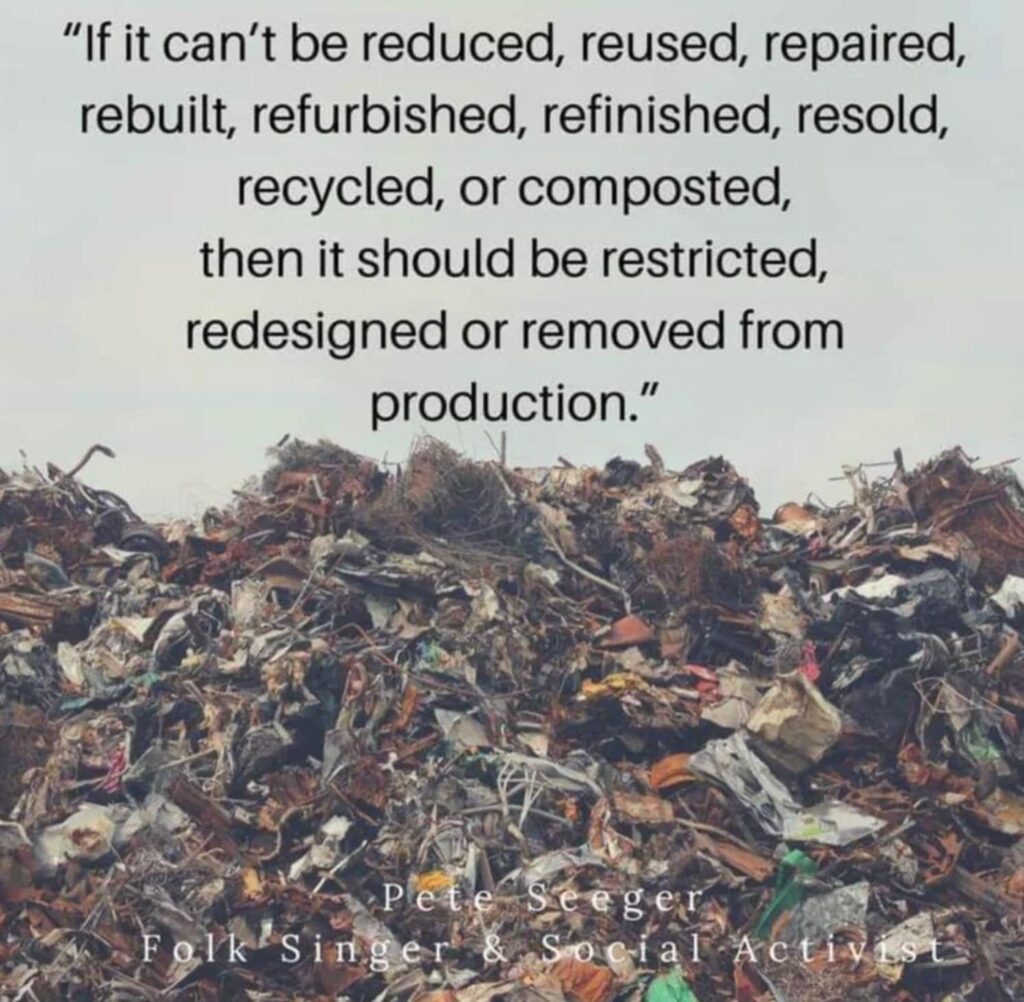
Reducing waste and promoting recycling and circular economies, implementing sustainable agricultural practices, promoting public transportation and reducing reliance on fossil-fuel-driven vehicles.

For our more liberal friends, the concept of working ‘with’ the planet emphasizes a harmonious relationship with our environment rather than exploiting it. This involves: Regenerative Practices: Shifting from extractive to regenerative practices that restore and enhance natural ecosystems.
Local Solutions: Focusing on local solutions that are tailored to specific environmental and cultural contexts. Resilience Building: Enhancing community resilience to environmental changes and shocks through adaptive strategies.

In conclusion, academia has a role to play, in balancing, more research on known issues with actually mobilizing knowledge and resources, facilitating education, encouraging public deliberation, and supporting the implementation of outside the current box “common-sense” solutions. The goal, we, need to foster a culture of activism to balance the inmate #fluffy side of institutions and working practices, it’s pastime to get off the fence and do something #KISS please.

The rise of fascist ideologies

The path of #fascism is blighted by ignorance and the rejection of deeper meaning in life. Fascist leaders and their followers push overconfidence and assertive ignorance, using baseless claims to hold dominance and control. They push false displays of good qualities, such as exaggerated patriotism or faux moral superiority, rather than any real ability and experience.

Fascist ideologies exploit the frustrations and insecurities of “lost” people, by offering them a sense of belonging and purpose based on false premises of identifying and vilifying scapegoats (immigrants, minorities, political opponents), fascist movements create and feed on this dysfunctional sense of unity and purpose.

The #mainstreming focus on superficial success, materialism, and immediate gratification lead to a rejection of deeper, more meaningful pursuits in life. This lack of cultural reflection and philosophical engagement makes it easier for fascist ideologies to take root, as they offer simplistic, emotionally appealing paths that answer base human paths.

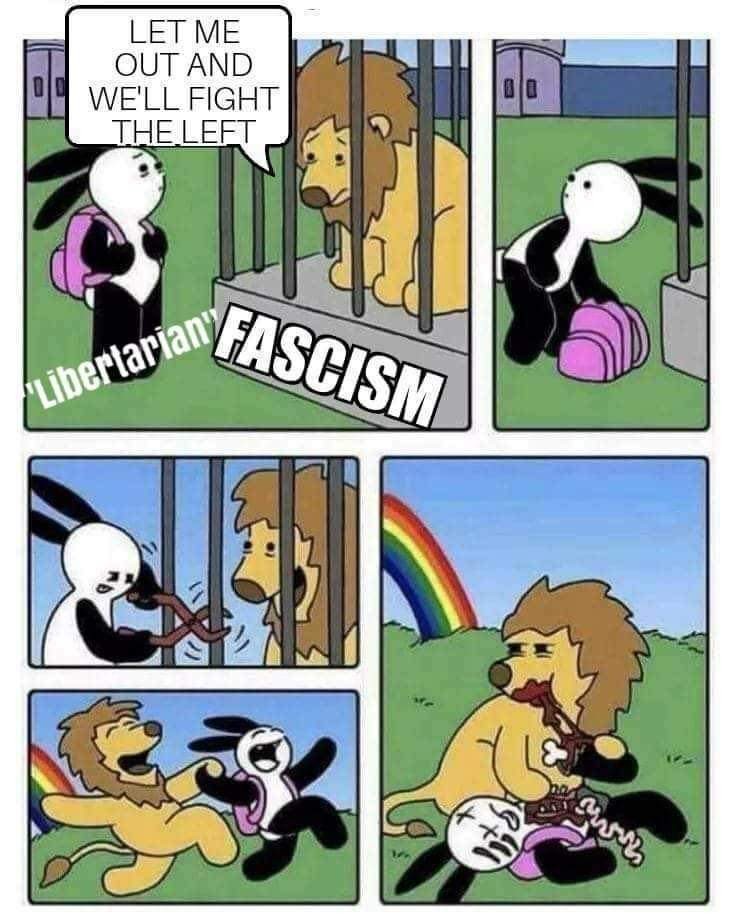
#stupidindividualism is a seed for fascism, as it thrives in environments where people are isolated from broader perspectives and realities, so can reinforce narrow provincial mindsets. Without exposure to diverse cultures and ideas, people develop prejudiced views and simplistic solutions to complex problems.

A #mainstreaming video on the subject

Recognizing and Fighting Fascism is #KISS to progressives:

To move away from fascism, as a first step, people and communities need to acknowledge and confront the “stupid, pathetic, frustrated side” of themselves. This means taking social responsibility for our prejudices, ignorance, and superficial values. In this, education has a path to play to build critical thinking, cultural awareness, and the ability to reflect. But more immediate, is the need to encouraging engagement with activism, social movements, art, philosophy, and history which helps people to develop a more “real” understanding of the world and their place in it, and most importantly a real ability to change it.

Promoting dialogue between groups is a way to share understandings and reduce isolation and prejudice, this helps to support initiatives that build strong, #4opens communities where people feel valued and heard. Fascism is rooted in ignorance, superficial values, and the exploitation of frustration and prejudice. By acknowledging this we open up space for education, cultural engagement, and critical thinking where our activism holds the path to foster inclusive communities, we can, and need to, push back at the rise of fascist ideologies.

If you find this enlightening, it’s worth a brief look at another historical path https://hamishcampbell.com/when-did-christians-start-doing-the-opposite-of-what-christ-taught/


You, personally, are not going to defeat fascism. But that doesn’t mean you do nothing. Find ways to organise, figure out where you can push and pull. There’s always something you can do, but you have to do it—not just hold a positive opinion of it being done.

The #deathcult thrives on static control – hoarding, fences, borders, walled gardens, and hierarchies. The #openweb, radical media, and grassroots organising all work differently: they live in flows, decentralisation, and trust.

It’s past time to stop trying to own the river and start learning how to navigate it.

#4Opens #OMN #DIY #TechShit

Progress is not easy

Progress is rarely a straight line, and it requires a lot of grit, patience, and consistency to push through the plateaus. The struggle is exactly where the growth happens, the struggles within the left progressives movements / cultures need #KISS paths that take into account the shadow of the #deathcult we live in and the broader ideological battles against the entrenching of the far right. The first step is composting entrenched “common sense” which feeds division that to often rip apart and destroy progressive movements.

So most people live in entrenched “Common Sense” of Liberal Ideology: Many of our well-meaning liberals hold a belief in the current system’s capacity to reform itself, despite clear evidence of systemic failures. But this “common sense” is #blocking the necessary radical changes any progressive, left path needs, as it supports a status quo that resists meaningful change and keeps us from the path we need to take.

Then we have the native fear based internal division on the left, Fluffy vs Spiky: The “fluffy” left emphasizes kindness and inclusivity to attract people to social change, while the “spiky” left pushes for a much more confrontational stance against power structures. We need to balance this infighting, as both approaches are needed to push any real change and challenge, as the continuing excessive internal conflict over which method is superior weakens any movement.

On the native path, we need:

  1. Promote clear messages that acknowledge the systemic failures and the need for substantial change. Focus on common goals and shared values.
  2. Balancing Fluffy and Spiky tactics and strategic flexibility: Recognize that different situations require different paths. Sometimes a softer, being more inclusive is needed, while other times, direct confrontation is necessary. Open the space for different groups within the left to play to their strengths without undermining each other. Create paths where both fluffy and spiky tactics coexist and complement each other.
  3. Develop shared platforms and communication channels like the #OMN where diverse voices can communicate, collaborate, and coordinate actions without falling into divisive arguments. Clear Messaging is needed, use #KISS, consistent messaging that highlights the urgency of systemic change and the inadequacies of the current system.
  4. Highlight success stories of both fluffy and spiky tactics to show effectiveness and the importance of balance. Organize joint actions, events, protests, and campaigns that involve both inclusive and confrontational elements. Ensure these actions are coordinated, not just pushed by blinded people to build division.
  5. Shared goals, focus on actions that address common wider goals, such as #climatechange, economic inequality, and basic justice, to grow solidarity. Use projects like the #OGB governance app to create accountability and establish norms and traditions for trust within the movement to try and minimize recurring infighting.
  6. Conflict resolution is hard, fostering divers paths helps to mediate this, avoid implement burocratic conflict resolution strategies is important.
  7. Use hashtags and #openweb native culture to organize, communicate, and amplify the movement’s messages. Hashtags like #KISS, #openweb, and #4opens help create a divers narrative.
  8. Education is key, run online and offline campaigns that explain the necessity of both fluffy and spiky tactics, aiming to outreach and mobilize the broad community.
  9. Space for your point here…
  10. Have fun, “If I can’t dance, I don’t want to be part of your revolution” is #KISS get to it.

In conclusion, we need to be walking a path that actually works for progressive ends, and yes this is not easy on the left, real effectiveness requires acknowledging the systemic failures many liberals overlook to actively balance inclusive and confrontational tactics. By focusing on shared goals, promoting clear #KISS messaging, and leveraging #openweb technology, the left can push back on the status quo and the far right. This is a first step view of a bigger issue.

Please don’t be a prat about this, thanks as we need this progressive path to work, the hard-right know exactly what they are doing, these wars are not only lies, it’s bribes. It’s a signal to power: there is loot on the table, imperial wars isn’t talking points, they are payouts. Oil, contracts, leverage, chaos converted into profit. That’s why it works, not because people believe it, but because the right people benefit from it.

Once you stop assuming politics is about persuasion and start seeing it as deal-making between elitists, the behaviour makes sense, the spectacle is for the public, the offer is for insiders. This is how the #deathcult operates: not through truth or lies, but through incentives. When extraction is the reward, outrage doesn’t stop it – it lubricates it.

If you want to resist this, stop arguing about whether the story is believable. Start asking who gets paid, who gets access, and who gets to loot. Basic grassroots journalism #OMN

Understanding Current Tech Paths

The accidental #openweb reboot of the #fediverse was created and popularized by a diverse and disorganized group of progressives with meany #fashernistas, this is a #4opens “native” path and reflects the decentralized and chaotic nature of grassroots movements. This “herding cats” means that achieving consensus or coordinated action is challenging. The last 40 years have seen the rise of neoliberalism, emphasizing individualism, deregulation, and market-driven policies. This ideological backdrop complicates collective action and pushes #stupidindividualism, where individual interests override communal goals.

Proposed paths to mediate this mess, the #OGB Grassroots #DIY Producer Governance is core to building away from this mess, to shape a more inclusive and responsive governance model for the #fediverse. By emphasizing local, bottom-up governance, communities retain control over their own platforms and content, fostering a resilient and adaptive “native” #openweb.

Naming and challenging the status quo worshipping the #deathcult is basic. Continually calling out the prevailing “common sense” that aligns with neoliberal values as the “deathcult” disrupts complacency and encourage critical thinking. If this is, pushed this approach makes #mainstreaming acceptance of harmful practices uncomfortable and prompt more people to question and resist them.

Promoting simple, powerful concepts. The #KISS “Keep It Simple, Stupid” helps to clarify complex issues. Promoting straightforward concepts like #openweb vs. #closedweb simplifies the narrative and makes it more accessible. Please use the #4opens framework (open data, open source, open standards, open process) as a benchmark to evaluate and critique technology for better decision-making that reduces #techchurn.

Leveraging group use of hashtags as an organizing tool, consistent and strategic use of hashtags helps unify efforts, spread ideas, and create a sense of collective identity to increases visibility and engagement, making it easier to coordinate actions and amplify messages.

What you can do? Develop and promote #OGB resources and guides for grassroots DIY governance paths. Encourage communities to adopt these models and share their experiences. Challenge neoliberal ideology, by use all your platforms to name and critique the prevailing neoliberal “common sense.” Create content that explains the concept of the #deathcult and its implications in an every way possible. Simplify and clarify messaging, develop clear, #KISS explanations of the #openweb, #closedweb, and #4opens concepts. Create infographics, videos, and other media to make these ideas more digestible and shareable. Organize through hashtags, establish and promote key hashtags for initiatives. Encourage coordinated use of these hashtags to build momentum and visibility for campaigns. Build alliances and networks, collaborate with like-minded people and organizations to strengthen the path. Participate in and organize events, both online and offline, to foster a sense of community and shared purpose.

These are steps that communities can take to navigate the challenges posed by the current ideological landscape, promote effective governance models, and strengthen the #openweb path. Let’s please try improving the current state of the #fediverse, and the broader #openweb.

The blindness of fluffy and spiky liberals

Yes, it’s a mess. The last 40 years of social and environmental mismanagement have brought us the onrushing disaster of #climatechaos and social break down. This situation highlights a troubling reality about society. On one side, we have the powerful and fundamental evil hard right anti #mainstreaming entities responsible for the harm. On the other side, there’s a small movement of left anti manstreaming activists pushing for urgent and necessary change. Caught in the middle are the mainstream majority, the “common sense” liberals, who by default align with the #mainstreaming evil forces that side with the hard right to resist this push for needed change. This alignment is a #blocking obstacle to addressing the root causes of our environmental and social crisis.

What I’ve been doing through the #OMN (Open Media Network) the last 20 years is to support the left and targeting these middle-ground liberals, aiming to grow their perspective and support towards meaningful change. It’s notable that #XR (Extinction Rebellion) has also taken the fluffy side of this approach in recent years. Currently, liberals represent a #blocking force. Overcoming their resistance is essential to addressing the challenges posed by dogmatic power and achieving the transformative change our we and the wider ecological planet so desperately needs.

It’s a desperate time for people have to work past their prat’ish “common sense” to compost this mess.

The liberals criticising the #deathcult are worth listening to https://www.abc.net.au/news/2024-08-11/joseph-stiglitz-the-road-to-freedom-neoliberalism-fascism/104210670

Working for the “man” is not voluntary

Let’s look at another issue that for meany people are hidden by “common sense” daily #deathcult worship. That, our “common sense” wage labour is not voluntary and very much limits our freedom, workers are forced to sell their labour due to lack of alternatives for basic survival. The ability to choose between employers does not equate to freedom in any real sense, it limits freedom because workers have no meaningful alternative. Capitalist wage labour alienates workers from their labour, the products of their labour, their human nature, and other workers, This #alienation leads to a loss of freedom and self-realization.

“Wages are determined through the antagonistic struggle between capitalist and worker. Victory goes necessarily to the #capitalist. The capitalist can live longer without the worker than can the worker without the capitalist. Combination among the capitalists is customary and effective; workers’ combination is prohibited and painful in its consequences for them. Besides, the landowner and the capitalist can make use of industrial advantages to augment their revenues; the worker has neither rent nor interest on capital to supplement his industrial income. Hence, the intensity of the competition among the workers.” https://www.marxists.org/archive/marx/works/1844/manuscripts/wages.htm

Outside our “common sense,” the capitalist and #socialist perspectives offer different ideas of freedom:

Individual liberty: #Capitalism emphasizes individual freedom to make economic choices without government interference. The ability to own private property, engage in “voluntary” exchanges, and pursue profit in a free market economy. Consumers have the freedom to choose from a variety of goods and services produced by competing businesses. Freedom is defined as the absence of coercion or constraints imposed by others, especially the government.

Collective freedom: Socialism focuses on collective liberation from economic exploitation and the constraints of capitalism. Freedom can not be achieved without basic needs (food, housing, healthcare, education) guaranteed for all. Freedom as the ability to realize one’s potential, which requires access to collective decision-making over economic resources and production.

Capitalist freedom is tied to market mechanisms, socialist freedom involves democratic planning of the economy. Formal vs. real freedom distinguishes between formal (legal) freedom and real (material) freedom, capitalism only provides the former. Capitalism focuses on economic and political freedoms, while socialism expands the concept to include social and economic issues. The elimination of economic constraints on human potential, is in part what in the digital world the #openweb is about and the wider the humanistic path we need to take.

In this, we need to view justice and freedom as intertwined concepts. True freedom is defined to incorporate justice, equality, solidarity, and universal access to substantive (not just formal) freedoms. The #anarchist and socialist perspectives reject definitions of freedom that ignore this, our refreshed “common sense” needs to reflect this.

What tools would we need to take important parts of society away from this mess, hint, we are build them here https://opencollective.com/open-media-network

Tension in contemporary politics

In the #liberal approach to politics and economic systems, there is an ambition to save the world, there is a lot of championing of progressive causes such as climate change mitigation, social justice, and human rights. The strategy to mediate the current mess involves leveraging the existing political and economic systems to achieve these goals, believing that reforms lead to significant improvements without changing the current structures.

We have “right” and “left” liberals, the right is blinded dogmatic worshippers of the #deathcult where the “left” uphold capitalist principles, regulated markets, private enterprise, and incremental reforms and are terrified of radical changes. At best, this creates a perception that they are trying to balance two inherently contradictory goals: preserving the status quo while also advocating for real progressive change.

Delusion or Pragmatism? Incremental change vs. radical overhaul, for anyone with any sense, this balancing act is delusional because capitalism’s drive for profit and growth stands in opposition to the environmental sustainability and social equity that liberals say they seek. They do argue, with some merit, that incremental change within the system is more pragmatic and achievable in the short term, and that it can lay the groundwork for more substantial transformations in the future. Looking at historical precedents, significant social changes, such as civil rights advancements, labour protections, and environmental regulations, have come through gradual reforms rather than abrupt revolutions.

What this website keeps asking is the liberal #mainstreaming path fit for purpose any more, after 40 years of worshipping the #deathcult, might we actually require radical changes? The onrushing #climatechaos and hard shifts to the right, makes actually questioning this path the new building #mainstreming. We do need to question whether the current political and economic paths address pressing global issues effectively or at all. If not, more radical solutions need to be considered.

Back to the fluffy liberals. While maintaining the strengths of liberal democracy – such as civil liberties and political freedoms – it is worthwhile exploring and experimenting with alternative economic models that prioritize ecological sustainability and social equity more explicitly. This is in part what the current #openweb reboot is about.

Constructive dialogue about this between our “left” liberals and more radical progressives needs to lead to real, innovative options that draw on the basic humanistic strengths. While the liberal approach is contradictory, in its fluffier “left” path it represents a pragmatic effort to navigate the complexities of modern society. Whether this approach is sufficient to address our global challenges is a question that deserves ongoing discussion and active critical examination. This is at the heart of the fluffy/spiky debate.

How did we get into such a mess?

The current mess is the social and economic outcome of 40 years of widespread #neoliberal policy and ideology. This did not appear from nowhere. It was built deliberately through institutions, media, economics, and politics over generations.

Thinkers like Friedrich Hayek and Milton Friedman developed and promoted the core ideas: society should be organized primarily through markets, competition, privatization, and individual self-interest. The role of the state was to enforce market logic, not protect social commons.

Politicians like Margaret Thatcher and Ronald Reagan implemented these policies at scale during the 1980s, fundamentally reshaping government, labour relations, education, housing, media, and public life.

The goal was clear enough: restore elitist wealth and power after the post-war era of stronger unions, public infrastructure, welfare states, and redistributive social democracy had partially limited the dominance of capital.

Business interests, financial institutions, think tanks, academic economics departments, and much of the media ecosystem all played roles in normalizing and spreading this worldview. Over time, neoliberalism stopped appearing ideological and instead became framed as simple “common sense.” That is its real power.

The crises of the 1970s – oil shocks, stagflation, industrial conflict, and declining profitability – created the opening for #neoliberalism to present itself as the only serious alternative. Once embedded, the ideology spread far beyond conservative parties. Traditionally left-wing parties, including Labour Party in the UK, gradually absorbed the same assumptions about markets, privatization, growth, managerialism, and competition.

By the late 1990s and early 2000s, meaningful opposition inside mainstream politics had largely collapsed. Different parties still argued culturally and rhetorically, but underneath they increasingly shared the same economic operating system.

This is why the current crisis feels so total. It is not simply a matter of “bad politicians” or individual corruption. The problem is structural. Over 40 years, neoliberalism fundamentally altered how people, institutions, and governments understand themselves and their role in society.

Citizens became consumers, communities became markets, public goods became investment opportunities, education became job training, journalism became content production, politics became branding and human beings became “human capital.” Even resistance movements were reshaped by this logic.

The result is the rise of what can be called #stupidindividualism – the idea that every social problem should be solved through personal lifestyle choices, branding, competition, and individual moral performance rather than collective action and shared responsibility. This thinking now feels like “common sense” precisely because neoliberalism successfully embedded itself into everyday life. People who believe they oppose the system often still reproduce its assumptions:

  • careerism over solidarity,
  • competition over cooperation,
  • visibility over substance,
  • branding over organizing,
  • management over trust,
  • and market logic over commons.

This is why so many well-meaning projects end up reproducing the same failures. The ideology operates socially and culturally, not only economically.

Importantly, this was not primarily a conspiracy. It was a historical convergence of self-interest, institutional incentives, economic crisis, and #mainstreaming cultural momentum. A lot of people genuinely believed these policies would create freedom and prosperity. Others simply adapted because the system rewarded conformity and punished alternatives.

The result, however, is the mess we now live inside, collapsing public infrastructure, housing crises, ecological breakdown, permanent precarity, weakened communities, platform monopolies, endless culture wars, rising authoritarianism, and widespread social fragmentation.

In the current era of #climatechaos, this increasingly looks like a #deathcult path. We continue pushing endless growth, extraction, privatization, and consumption despite overwhelming evidence that the system is undermining the conditions needed for human and ecological survival.

And because neoliberal logic has become embedded as “reality,” many people struggle to even imagine alternatives. This is one of its deepest victories. That is why rebuilding commons culture matters so much.

Projects rooted in mutual aid, the #4opens, cooperative process, federated governance, gift economies, and grassroots organizing are not side issues. They are practical attempts to recover social relationships and collective capacities that neoliberalism systematically eroded.

The challenge now is not only resisting the current system, it is relearning how to build outside its assumptions.