Signal, Noise, and the missing ground – We have a signal-to-noise problem, that if we’re serious about “paths to growth,” we need to be honest about the paths and people pushing us down paths we’re actually walking. The problem was never just the #dotcons platforms. It’s what we build instead – and more importantly, how and why we build it.
Right now, too much of the #openweb conversation is caught in narrative loops of reframing stagnation as growth, critique as progress and visibility as impact. That’s the “paths to growth” trap. The #fashionista movement where activity is presented as meaningful change, without asking what is materially shifting underneath. From an #NGO perspective, this should ring alarm bells – outputs are being mistaken for outcomes. This is where the signal keeps geting lost.
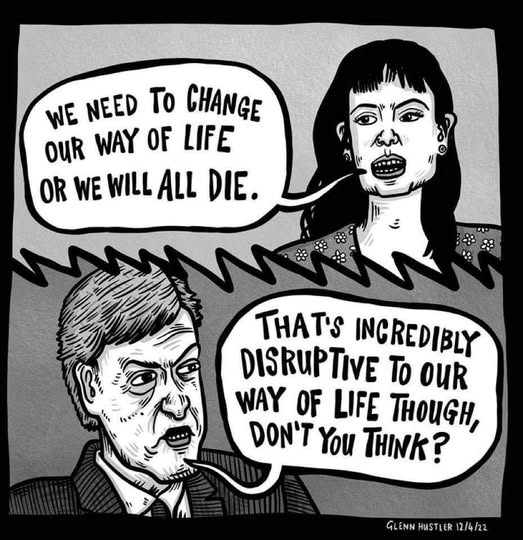
We don’t lack ideas, frameworks, or commentary, we have an abundance of them. What we lack is grounded, collective practice – work rooted in real-world use, trust, and actual need. Instead, we’ve built layer upon layer of people interpreting the #openweb, narrating it, funding it, branding it. Meanwhile, the “soil layer” – people running infrastructure, building communities, and holding things together day-to-day – remains underrepresented, under-resourced, and largely invisible. That’s where the “Open Social” ecosystem is currently quietly breaking down.
The #fashionista problem is friendly gatekeeping is still gatekeeping. This isn’t about bad intentions, it’s about institutional form. Who decides what counts as “important work”? Who gets visibility, funding, and legitimacy? Which version of the #openweb gets promoted? In NGO thinking, this is a question of agenda-setting power, when soft curation becomes quiet exclusion. Over time, this “problem” shapes the field, not only through explicit decisions, but through accumulated bias. The result is a narrowing of what is seen as valid, fundable, and worth paying attention to.
Let’s look at a current example of this mess we need to compost – This Jury is a Symptom. What follows isn’t a critique of individuals as people. It’s a mapping of roles within the ecosystem, and how those roles, collectively, skew the field.
Audrey Tang
“Prosocial digital tools” and civic tech, but operating within state infrastructure. A ministry is still a ministry when legitimacy flows from above. This is the #openweb translated into a form that fits government and #NGO logic: managed participation that stabilises systems rather than challenging them. Valuable in context, but not the same as bottom-up, native practice.
Mike Masnick
“Protocols Not Platforms” was useful framing. But with Bluesky, it became a foundation for the kind of product it critiqued. This is how #mainstreaming works: good ideas are absorbed, reshaped, and redeployed within existing power structures. From an #NGO lens, this is a classic case of co-option.
Laurens Hof
The Fediverse Report is useful journalism. But it’s still reading as observation from the outside. Analysis without embedded practice becomes detached – what looks like insight drifts into repetition. Even by his own admission, there’s fatigue. This is narrative acting as if it were ground truth.
Johannes Ernst
Advising organisations on “navigating decentralised platforms” sits squarely in the mediation layer. This is where translation happens – but also where capture creeps in. Spaces like #FediForum are structured, controlled, and legible to institutions. That makes them low challenge convening spaces, but also reinforcing the dynamics the #openweb is trying to move beyond.
Melanie Bartos
University-led open science communication. This is the institutional layer doing its best to adapt. Mastodon in a university context is a step forward – but the surrounding structures remain top-down. In #NGO terms: adoption of tools without a shift in governance or practice.
Robin Berjon
Operating at the standards and governance layer. Institutions like the W3C shape the infrastructure of the web, but participation is still dominated by well-resourced actors, often including #dotcons. This is reform from within, important, but with structural limits.
PublicSpaces
A coalition of public institutions building non-commercial alternatives. This is closer to the right instinct – moving away from pure market logic. But it remains institution-led. Public funding is valuable input (good compost), but it can still miss the lived reality of grassroots use.
Waag Futurelab
A long-standing critical tech organisation with roots in DIY culture. Over time, it has become embedded in #NGO and funding ecosystems. The work still has value, but the centre of gravity has shifted toward outputs that are legible to funders and partners. This is a familiar trajectory in NGO spaces.
What’s Missing Matters Most
Taken together, this jury represents the narrative, mediation, and funding layers of the #openweb ecosystem. What’s absent is the soil layer – People running Mastodon instances on minimal budgets, community organisers doing trust-based, messy work and practitioners dealing with moderation, governance, and sustainability in real time. In #NGO language: the implementing layer, the frontline, the lived experience.
This absence isn’t neutral as it shapes outcomes. The mess we need to compost is that the “Open Social Awards” will surface work that is legible to institutions, aligned with existing narratives and cleanly packaged and communicable. Meanwhile, the genuinely native work – the messy, relational, unpolished work that actually sustains the ecosystem – remains invisible. Not because anyone intends harm, but because of #blinded institutional common sense – systems reward what they can see, measure, and understand.
Compost, Soil, and Rebalancing
This systemic bias, if we’re serious about the #openweb, need to shift to be more practical:
- Less talking about it
- More building within it
- Less curation from above
- More trust from below
For NGOs, this isn’t (only) rejection, it’s a recalibration, a reminder that enabling ecosystems means resourcing soil, not just shaping the story. The key distinction metaphor here is between compost and soil.
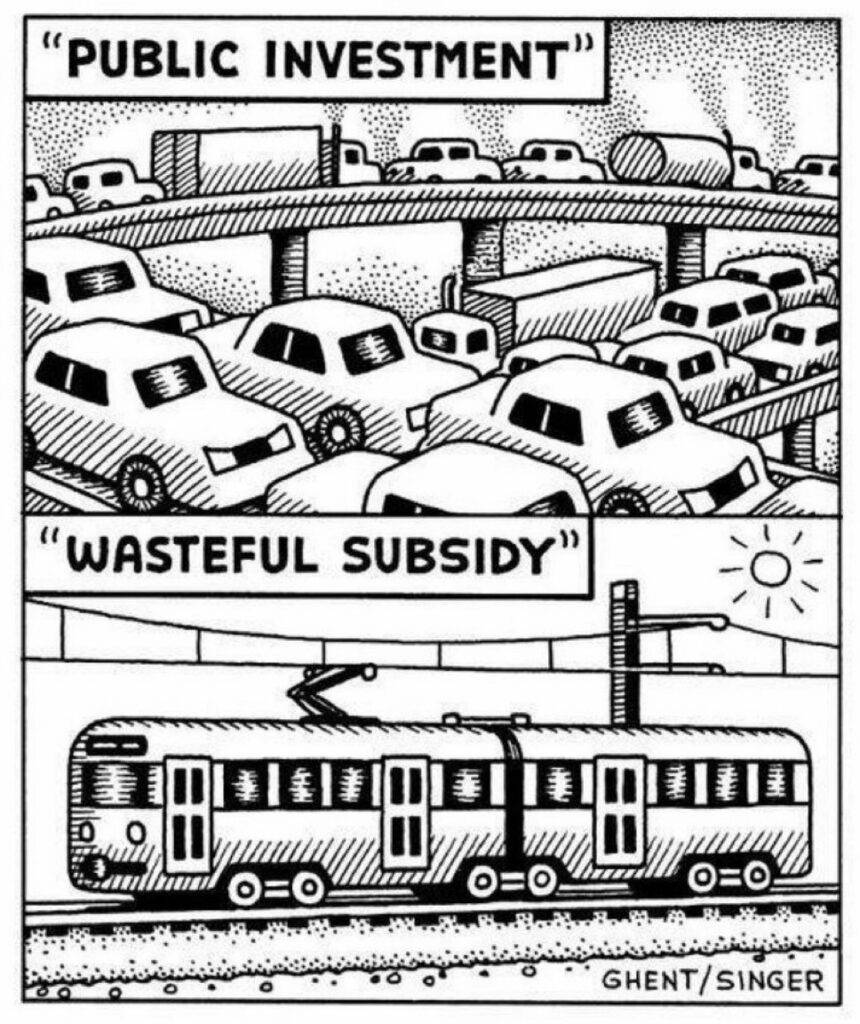
A lot of the work described above has real value. It produces compost – ideas, funding, visibility, structure, that’s necessary. But compost only matters if it feeds living systems, if we keep mistaking compost for soil, we end up measuring activity instead of growth. And that’s the meta-mess we need to start composting.
Think I am starting to mix my metaphors – it’s the story I am telling 😉