If we want to build meaningful alternatives, we must deal with difficult issues head-on. Sweeping things under the carpet – especially in radical spaces – always comes at a cost.
One of the more complex, and often misused, areas is around identity politics, particularly the playing of the race/gender card in ways that obscure rather than clarify the real issues at stake.
Let’s be clear: systemic racism and sexism are real. We all live with the deep, painful legacies of colonialism, patriarchy, and class oppression. These power structures are embedded in our cultures, our institutions, and, yes, in our own organizing spaces. Naming and addressing them is vital.
But sometimes, identity markers are used as shields, not in the pursuit of justice, but to avoid accountability. When this happens, especially in grassroots or activist collectives, it creates paralysis and prevents us from dealing with actual abuse of power.
A real-world example. This happened to me some years ago at a community-run space in Dalston. One person dominated meetings, spoke over others, and made every decision-making process a battleground. It was classic power politics, silencing others through constant assertion and manipulation.
When I finally took responsibility to challenge this, the room froze. Instead of engaging with the issue, some defaulted to “both sides are equally problematic.” Then, when pressure built, he played the race card, asserting that my criticism was racially motivated. No one knew how to respond. The conversation shut down. I became “the problem.” He continued unchecked.
It took 6 months of dysfunction and damage to the project before he was finally removed from collective meetings. In the end, people realised: yes, he was mentally unwell, addicted, controlling, and yes, he had useful skills. But we had all failed to support him and the group because we didn’t deal with the real power dynamics early and honestly.
Hard truths, sometimes someone uses identity-based arguments not as a reflection of structural injustice, but as a way to deflect accountability. When that happens, we can end up with unchallengeable behaviour patterns that destroy collectives from within. This doesn’t mean ignoring or downplaying racism, sexism, or mental health, far from it. It means being brave enough to hold multiple truths at once:
Someone can be from a marginalised background and be acting out of line.

Someone can be struggling with mental health and still be causing harm.

Power politics doesn’t disappear just because it’s wrapped in the language of social justice.
What Can We Learn?
Deal with issues when they come up. Don’t defer hard conversations. Don’t wait for people to burn out.

Support everyone – including people acting out – with clear boundaries, not blanket exclusion or indifference.

Distinguish real oppression from manipulative tactics. It’s not easy, but it’s essential to long-term health of communities.

Don’t collapse into false equivalences – not every confrontation is “two monsters fighting.” Trust your political instincts.
Ultimately, we need to reclaim the messy, complicated work of building trust, of calling in rather than calling out, and of recognising power wherever it appears, even when it wears familiar or “progressive” clothing. We won’t fix any of this with purism or purity politics. We’ll do it by grounding ourselves in collective care, lived experience, and honest struggle.
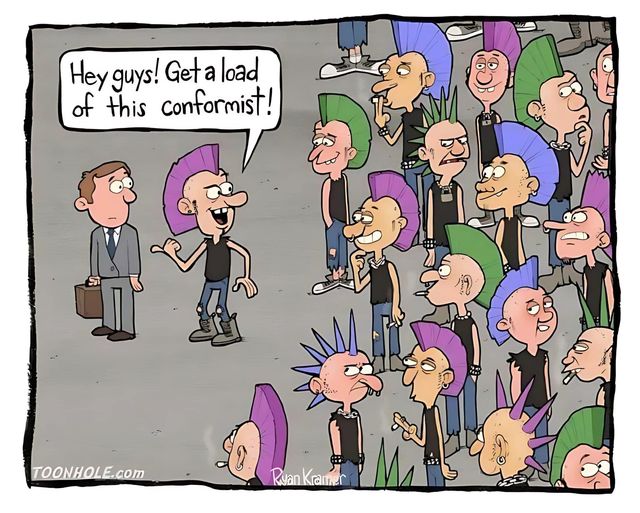
To use technology as a part of this social change, we need better working with the #dotcons generation. This generation is a mess. No surprise after 20+ years of submission to the #deathcult:
#Neoliberalism hollowed out our economies and replaced solidarity with consumerism.
#Postmodernism fragmented identity into a battlefield of individualism over collective action.
#Dotcons centralized control, turning the internet into a corporate surveillance machine.
The real question is: how do we break free? When our #fashernistas still dodge this, trapped in cycles of performative activism, #NGO co-option, and endless distraction.
The activist path out of this mess is not more chasing trendy tech stacks or branded illusions of progress. What we need is a grounded, #KISS path forward, #OMN (Open Media Network) to building grassroots, independent media beyond corporate platforms. #4opens for transparency, collaboration, and trust baked into our tech + social governance. And, reclaiming #DIY activism real-world organizing, not just digital spectacle.
We don’t need more #geekproblem “fixes” or slick branding #PR exercises. We need radical, collective agency. The tools are here, let’s build.