Embracing “messiness” is a feature in effective tech solutions

Embracing “messiness” as a feature, not a bug, in creating humane and effective tech solutions.
Messiness matters, real-world social paths are inherently messy. Attempting to design tech solutions that are rigid, “perfect” systems leads to failure because they cannot adapt to human complexity and unpredictability. Projects that actually work in messy environments prioritize flexibility, openness, and adaptability over strict control and rigid frameworks.

Wikipedia was a messy, decentralized project that thrives because it prioritizes community and collaboration over technical perfection. The #Fediverse, with its federated nature, allows for diverse approaches and experimentation, embracing a level of messiness to resist centralization and foster creativity.

Code is a tool, not the goal, the value of software lies in its social impact – how people use it – not in the technical complexity or “cleverness” of the code itself. Over emphasizing code at the expense of social “use” creates #techchurn and decay. Projects without meaningful use end up abandoned, despite the sometimes impressive technical work. The practical path we argue for, is to prioritize designing for social utility, not only technical performance.

The #geekproblem we need to mediate is the churn of #techshit, of developers focusing too heavily on technical aspects, ignoring the social context and long-term utility of their work. This results in churn, continuous cycles of development with little lasting value, adding to the pile of decaying, unused code.

What are #KISS paths to avoid this, a simple first step is involving non-technical voices early in the process to ensure social relevance and usability. Use iterative development methods that prioritize real-world feedback over technical perfection. Embracing the #4opens: Open Data, Open Source, Open “industrial” standards, Open Process. Build for use, not show, with simplicity and usability over technical complexity. Engage people in testing and iterating early and often. Embrace the mess, imperfections and unpredictability are part of the process.

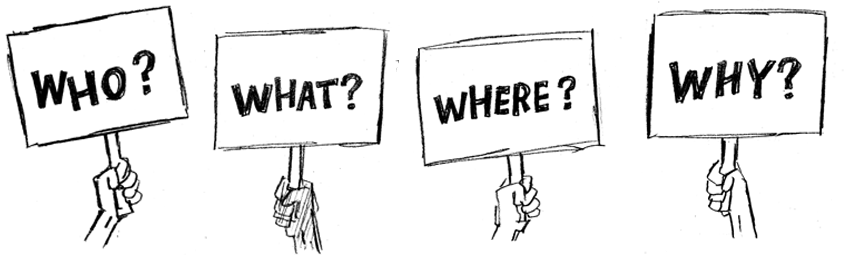
Strategies to build messy, human-centric projects: Start with the “Why”, clearly define the social purpose of the project before writing any code. What problem are you solving? Who benefits, and how?

#KISS

Application 2025-02-032 Open Governance Body #OGB

Application 2025-02-032 Open Governance Body #OGB received

The following submission was recorded by NLnet. Thanks for your application, we look forward to learning more about your proposed project.
Contact

name
hamish campbell
phone
email
hamish@visionon.tv
organisation name
OMN
country
UK
consent
You may keep my data on record

Project

code
2025-02-032
project name
Open Governance Body #OGB
fund
Commons_Fund
requested amount
€ 50000
website

    https://unite.openworlds.info/Open-Media-Network/openwebgovernancebody

synopsis

A project designed to create a trust-based, decentralized framework for governance within grassroots networks and communities. Rooted in the #4opens principles—open data, open source, open processes, and open standards—the #OGB seeks to mediate human-to-human collaboration by fostering trust, transparency, and simplicity (#KISS).

Its primary focus is addressing the #geekproblem by bridging technical and social flows, creating tools that empower people to organize effectively without falling into hierarchical or centralized traps. The #OGB builds on trust to sift through noise, allowing genuine contributions to rise, moving from complexity to simplicity and back to complexity organically.

The expected outcomes include:

Strengthened grassroots governance: Tools for decision-making and collaboration that are inclusive and scalable.
A thriving #openweb ecosystem: Platforms and networks that prioritize trust and social value over profit.
Mediation of mainstreaming and NGO influence: Keeping progressive activism focused on spiky, meaningful change rather than fluffy distractions.

The #OGB aims to create sustainable digital commons that nurture resilience, diversity, and real-world impact.

experience

Yes, I’ve been involved in projects and communities aligned with the ethos and goals of the #OGB. My contributions span technical development, advocacy, and fostering open governance frameworks, all rooted in the principles of trust, transparency, and collaboration.

  1. Indymedia, I was an active contributor to the global Indymedia movement, which played a pivotal role in grassroots media and decentralized collaboration. My contributions focused on: Open publishing workflows to empower communities to share their stories. Advocating for the “trust at the edges” model to ensure decision-making remained grassroots-driven. Bridging technical and social challenges by helping develop and maintain tools that aligned with the movement’s values.
  2. OMN (Open Media Network), As one of the key proponents of the #OMN, I’ve worked to reboot grassroots media using trust-based networks and federated tools. My contributions include: Developing the concept of #4opens (open data, open source, open processes, open standards) to serve as a foundational framework. Advocating for federated tools like #ActivityPub and #RSS to enable media flows across decentralized networks. Organizing collaborative spaces to design tools that prioritize human-to-human trust rather than algorithms or centralized control.
  3. Fediverse Advocacy, Within the Fediverse, I’ve championed the importance of grassroots governance and resisting the co-option of these spaces by corporate or NGO interests. Contributions include: Participating in discussions to shape decentralized protocols like #ActivityPub. Pushing for #KISS (Keep It Simple, Stupid) principles to ensure accessibility and scalability. Highlighting the dangers of #mainstreaming and proposing strategies to mediate its impact on the #openweb.
  4. Open Governance Experiments, I’ve collaborated on smaller experimental governance projects aimed at exploring new ways of mediating human collaboration. For example: Designing trust-based moderation systems to reduce #geekproblem domination in decision-making processes. Implementing open-process methodologies to ensure transparency in workflows. Mediating conflicts between technical and social contributors, fostering productive collaboration.

Core Contributions Across Projects, across all these initiatives, my primary focus has been on bridging the technical and human aspects of governance. This involves: Developing frameworks that enable decentralized decision-making while maintaining trust. Advocating for simplicity to combat the paralysis caused by unnecessary complexity. Building alliances and mediating the challenges posed by #dotcons, #NGO dominance, and #geekproblem tendencies.

Through these efforts, I’ve gained insights into the challenges of building sustainable governance models in decentralized spaces, and the #OGB embodies the culmination of this work. It’s a step forward in creating robust, trust-based networks that empower communities to take control of their digital and social spaces.

usage

Budget Allocation for #OGB Project

The requested budget will be allocated strategically to ensure the project’s foundational development and long-term sustainability. An outline of key areas:

  1. Technical Development and Infrastructure (40%) Development of Core Tools: Funding will support developers to build the initial version of the #OGB code, focusing on simplicity, accessibility, and scalability. Server Infrastructure: Setting up and maintaining federated servers for testing, development, and early adoption. Integration with Existing Standards: Work to align with protocols like #ActivityPub, #Nostr and #RSS, ensuring seamless interoperability with the broader #openweb ecosystem.
  2. Community Building and Outreach (25%) Workshops and Training: Organizing sessions to train communities on the #OGB framework, focusing on trust-based governance and open-process workflows. Content Creation: Developing accessible documentation, tutorials, and guides to demystify the #OGB model for diverse audiences. Engagement Campaigns: Reaching out to grassroots organizations, activists, and communities to onboard early adopters.
  3. Research and Iterative Design (20%) User Feedback Loops: Conducting trials with early adopters to gather insights and refine the tools and processes. Governance Framework Refinement: Exploring different trust-based models to ensure inclusivity and adaptability to various contexts. Conflict Mediation Strategies: Testing and integrating mechanisms for conflict resolution and power balance within the #OGB framework.
  4. Administrative and Miscellaneous Costs (15%) Project Coordination: Funding part-time coordinators to manage timelines, resources, and community engagement. Operational Expenses: Covering software donations, events, domain hosting, and other minor but essential operational costs.

Past and Present Funding Sources. The #OGB project is currently unfunded in a formal sense, operating entirely through volunteer contributions. However, it is rooted in a history of collaborative efforts from related initiatives, which have benefited from in-kind support rather than direct funding.

Past Sources: #OMN and #Indymedia Communities: Provided foundational concepts and voluntary contributions of time, skills, and infrastructure. Fediverse and #Activertypub Advocates: Offered insights and testing environments for early experimentation with governance ideas.

challenges

Present Sources: Volunteer Contributions: Core contributors are donating their time and resources to push the project forward. Allied Projects: Informal support from related decentralized tech communities, sharing knowledge, feedback, and occasional resources.

Future Vision, while external funding is vital to accelerate the project’s development, we aim to maintain independence and adhere to the #4opens principles. By minimizing reliance on corporate or NGO funding, we ensure that the #OGB remains a grassroots-driven initiative. Our long-term goal is to establish a self-sustaining model through community contributions and shared ownership, embodying the trust-based governance the project seeks to promote.

Detailed budget breakdown can be attached if required.

comparison

The #OGB (Open Governance Body) project stands on the shoulders of both historical and contemporary efforts, drawing lessons from their successes and failures to craft a novel path to decentralized governance.

A comparative analysis: Historical Projects and Their Influence

Indymedia (Independent Media Centers) Overview: Indymedia was a global network of grassroots media collectives that emerged in the late 1990s to provide a platform for independent journalism. It embodied principles of openness, decentralization, and non-hierarchical governance. Comparison: Like Indymedia, #OGB aims to empower communities through open and decentralized structures. However, Indymedia struggled with governance conflicts and centralization of power in some regions. The #OGB addresses these issues through trust-based networks, conflict mediation mechanisms, and scalable governance tools. Key Takeaway: The #OGB builds on the ethos of Indymedia while implementing technological solutions to mitigate governance bottlenecks.

Occupy Movement’s General Assemblies. Overview: Occupy’s assemblies were experiments in direct democracy, emphasizing inclusivity and consensus-based decision-making. However, the lack of structured governance led to inefficiency and internal conflicts. Comparison: The #OGB shares Occupy’s commitment to participatory governance but incorporates trust-based models to build the decision-making. Instead of full consensus, the #OGB employs trust networks to delegate decisions while retaining accountability and inclusivity. Key Takeaway: The #OGB leverages structured trust-based governance to overcome the decision-making paralysis often seen in consensus-driven movements.

Contemporary Projects and Their Relationship to #OGB. Fediverse and #ActivityPub. Overview: The Fediverse is a decentralized network of federated platforms like Mastodon, powered by the ActivityPub protocol it is pushing user autonomy and grassroots control but has faced challenges around governance and moderation.
Comparison: The #OGB complements the Fediverse by providing governance structures for federated projects, addressing the ongoing issues of moderation and decision-making. The #OGB’s trust networks align with the decentralized ethos of the Fediverse, offering a scalable solution for community self-governance. Key Takeaway: The #OGB enhances the governance layer missing in many Fediverse projects, fostering resilience and collaboration across federated networks.

NGO-Led Open Source Initiatives. Overview: Many open-source projects are managed by NGOs, which often prioritize stability and funding over grassroots participation. This has led to criticism of centralized decision-making and “corporate capture.” Comparison: The #OGB resists NGO-style top-down management, instead prioritizing the #4opens principles: open data, open source, open process, and open standards. Unlike NGO-driven projects, the #OGB is inherently community-first, ensuring power remains with the users and contributors. Key Takeaway: The #OGB rejects the NGO-centric model, emphasizing trust-based grassroots governance to avoid co-option by external actors.

Lessons from Historical Failures. CouchSurfing’s Decline. Overview: CouchSurfing transitioned from a grassroots volunteer-driven project to a for-profit company, alienating its core community and undermining trust. Comparison: The #OGB guards against such shifts by embedding trust and open governance at its core, ensuring the project remains community-owned and operated. Key Takeaway: Trust-based governance prevents mission drift and maintains alignment with the community’s original values.

P2P Projects and Overengineering. Overview: Many P2P initiatives have failed due to technical complexity and a lack of user-friendly interfaces, alienating non-technical users. Comparison: The #OGB adheres to the #KISS principle (Keep It Simple, Stupid), ensuring accessibility and ease of adoption without sacrificing functionality. Key Takeaway: Simplicity is essential for widespread adoption and long-term viability.

Key Differentiators of the #OGB Trust-Based Networks. Unlike purely consensus-driven or hierarchical models, the #OGB employs trust-based networks to enable efficient and inclusive decision-making at scale. The #4opens Framework. The #OGB is grounded in the #4opens principles, ensuring transparency, accountability, and openness across all aspects of the project. Focus on Digital Commons. The #OGB is designed to nurture digital commons, creating a space for grassroots innovation, collaboration, and governance that resists corporate capture. Composting the #TechShit, creating fertile ground for genuine social innovation.

Expected Outcomes. The #OGB aims to fill the governance gap left by historical and contemporary efforts, fostering a resilient, open, and trust-based framework for digital collaboration. By learning from the past and building on existing technologies, we seek to empower communities to reclaim the #openweb, bridging the gap between technology and grassroots activism.

The #OGB project faces significant challenges in implementing scalable trust-based governance systems. Key technical hurdles include:

Interoperability: Ensuring seamless integration with existing open protocols like #ActivityPub and the widening #openweb reboot.
Usability: Creating user-friendly interfaces to make complex governance processes accessible to non-technical people.
Resilience: Building systems resistant to malicious actors and spam within decentralized networks.

Are a few issues.

ecosystem

The #OGB project is rooted in a diverse ecosystem of grassroots organizations, decentralized communities, and open-source initiatives.

Ecosystem Description

  1. Grassroots Communities: Activist groups, independent media collectives, and community-driven initiatives seeking alternatives to hierarchical decision-making.
  2. FOSS Developers: Open-source software developers invested in decentralized tools, such as #ActivityPub, #Mastodon, and related protocols.
  3. NGOs and Advocacy Groups: Organizations interested in participatory governance and transparency tools for improving their operations.
  4. Tech Enthusiasts: People exploring ethical and sustainable technology beyond the centralized #dotcons paradigm.
  5. Academic and Research Institutions: Scholars studying governance, social movements, and decentralized technologies.

Engagement Strategies

  1. Collaborative Development: Open, participatory development processes underpinned by the #4opens philosophy (open data, source, process, and standards).
  2. Workshops and Webinars: Educating target audiences about trust-based governance and the project’s tools.
  3. Partnerships: Building alliances with aligned organizations, including community networks and FOSS projects.
  4. Documentation and Guides: Creating accessible materials to help communities adopt #OGB principles and tools.
  5. Pilot Projects: Collaborating with grassroots organizations to implement and refine governance systems, ensuring practical impact.

Promotion of Outcomes

  • Demonstration Projects: Showcasing successful case studies of #OGB governance in action.
  • Fediverse Integration: Leveraging federated platforms for dissemination and collaboration.
  • Open Events: Participating in conferences, hackathons, and public forums to share insights and foster adoption
GOVERNANCE-BODY_REV-March-2022.pdf
OGB-dev.png

What we need to do

Mainstreaming, compost, and the #4opens shovel. There is a direct line between the challenges of the #mainstreaming of the #openweb and the critical need for tools like the #4opens.

Mainstreaming brings visibility and energy – but it also risks flooding the space with shallow “common sense” that undermines the deep, messy values the #openweb was built on. Without mediation, the very soil of our ecosystem is poisoned by glossy #NGO spin, corporate capture, and the empty cult of innovation.

This is where the #4opens comes in, not just a checklist, but your shovel. A tool to crack open the rot, compost the #techshit, and grow something better. Tools to shift the balance, every project and platform can be held to account:

Open data

Open source

Open standards

Open processes

This framework lets us evaluate and pressure projects drifting into capture by #dotcons, NGOs, and “thought leaders.” If we keep using the shovel, community-led governance becomes the natural path – control stays in the hands of people, not hierarchies.

But we must face the #geekproblem. Geeks often already have the solutions, but without social frameworks, those solutions rot unused. The paradox deepens systemic failure: we get brilliant tools, but no collective way to wield them. That’s why we must move from #stupidindividualism to collectivism. Shift the focus away from “my project, my brand, my innovation” towards collaboration, shared responsibility, and proven paths.

Root our work in #nothingnew, stop reinventing wheels, compost them instead. Embed ecological awareness, tech must walk the same path as the planet. Embrace the slow, messy shovel work, turning rot into fertile ground for robust, community-driven ecosystems.

The call to action is simple: Use or Lose. The healthy #openweb won’t survive on hope alone – it needs active engagement. Contribute to projects. Advocate for the #4opens. Resist the co-option of open spaces. There’s no magic. Just work. The #OMN and the #4opens give us the tools and the framework. Now it’s time to pick up the shovel and start digging – before we’re buried under the weight of mainstream “common sense.”

A compass for the #openweb

In a world spiralling deeper into “post-truth,” we’re bombarded by complexity, much of it fuelled by #techchurn and the hollow distractions of #fashernist culture. To cut through noise, we need clarity, that starts with defining basic terms. From the #KISS (Keep It Simple, Stupid) path, for a tech-focused lens:

  • Left = Open/Trust
  • Right = Control/Fear

This division isn’t only simple dogmatic political; it’s a foundational question of values. Do we build from paths rooted in trust and openness, or do we fall into the normal fear-driven hierarchies of control? The current complexity, without clear values, becomes a swamp, where movements stagnate, progressive progress collapses, and meaningful change evaporates. The mess we have been in for the last 20 years.

Complexity is a dead end, without #KISS clarity, much of the tech world, and by extension, in a world shaped by #dotcons, society, is locked in loops of “common sense” failure. Vertical hierarchies, even well-meaning ones, tend to falter when addressing horizontal, community-driven efforts. It’s less a question of structure and more about values. Without shared trust and openness, even the best technology will fail to create anything lasting or transformative.

Post-truth “common sense”, control and fear, feeds directly into the #deathcult of neoliberalism—a system that thrives on exploitation and reinforces itself as the ONLY viable path. This is the comfort zone for many: worshipping growth, power, and profit as if there’s no alternative. Building away from this with social truth, grounded in shared values and trust, is hard work, but it’s the only viable counterbalance. Without it, we’re just digging ourselves deeper into the pit of stinking social and #techshit.

The #OMN needs a crew with shovels, not worshippers, to work to compost this mess. To reboot the #openweb, we need tools, not temples. The Open Media Network (#OMN) is such a shovel. It’s a framework for creating fertile ground where horizontal values can thrive. Verticals often resist this because they’re entrenched in control structures. Yet, history has shown that without horizontal integration—grassroots participation, open governance, and shared ownership—movements fail to achieve meaningful, lasting impact.

We’ve spent too many years building on complexity, expecting it to fix the very problems it creates. Instead, let’s simplify. Define values clearly, prioritize openness and trust, and focus on practical tools like #OMN and #OGB. Yes, this is a messy process—shovelling always is—but it’s the only way to compost the “shit” of the #deathcult into something that can grow.

It’s time to stop chasing the distractions of #techchurn and #fashernist thinking. Pick up the shovel, embrace #KISS, and start digging. The future of the #openweb—and, frankly, the planet—depends on it.

The “social shit” story is raw, real, and relatable

The metaphor of “shit” as both the cause of decay and a potential source of renewal is provocative and insightful. It captures the essence of the challenge we face in addressing #mainstreaming culture, where conversations to often get stuck in defensive and rigid negative thinking.

Why social change online fails, is in part that terms are barriers, people cling to #mainstreaming “common sense” because it feels safe and familiar. Talking outside these norms triggers defensiveness, making constructive dialogue nearly impossible. This is amplified by post-modern relativism (on the left) and authoritarian rigidity (on the right), which block ideas and meaningful conversations.

The role of #BLOCKING, dismissing or shutting down alternative perspectives perpetuates the #techshit mess and reinforces #deathcult values. It stifles creativity and solutions by keeping discussions within narrow boundaries. Social shit as the status quo, both left, and right ideological contribute to the decay, creating a world smeared in “shit” where truth is either denied or imposed. This leads to stagnation, not growth.

The plan and the #4opens, focus on action, “just keep working” is pragmatic. By creating and demonstrating the value of #openweb tech like #OMN, we can sidestep unproductive arguments and focus on planting seeds of change. Turning shit into compost, the metaphor of composting is powerful. Social decay (shit) can be transformed into fertile ground for growth, but it requires tools (shovels) and effort. This aligns with the need for grassroots action and collective responsibility.

Reframing conversations is core, to break through defensive and angry reactions. For this to work, maybe we need to start with shared values, frame discussions about universal concerns like community, fairness, and sustainability this could build common ground. To balance relatable language alongside the “truth” metaphors, which are both vivid and compelling, sometimes it’s good to simplify for audiences to draw people in. Focus on demonstration, not debate, showcasing working examples of #4opens tech and grassroots projects to inspire people to engage.

Planting flowers, the imagery of strong women and sensible men wielding shovels to compost the mess and plant flowers, is an optimistic vision. It emphasizes collective action and the potential for beauty to emerge from decay. The open invitation for collaboration is key, maintaining this openness, we can hold space for those ready to step away from the pile and move to help with the shovelling.

The “social shit” story is raw, real, and relatable. It smells like the mess we’re in, but also hints at the possibility of transformation. The challenge lies in inspiring people to pick up the shovel and join in the composting work. Maybe with persistence, transparency, and focus on action, this work will catalyse meaningful change.

Keep planting seeds, some will bloom in unexpected ways. 🌱

Let’s build tools that reflect human flourishing

One of the strong #blocking forces is #mainstreaming objectives being imposed on non-mainstream projects. This is a strong recurring issue in alternative tech spaces like the #openweb and #Fediverse. This happens because people perceive mainstreaming as “common sense,” mistaking it for adding value. Over time, this mess erodes the radical, decentralizing paths, feeding people back into the centralization of #dotcons and perpetuating the #stupidindividualism we are trying to overcome.

  1. Define and defend non-mainstream objectives with strong clarity of purpose. Clearly articulating the goals and principles of #openweb projects, emphasizing the value of non-mainstreaming paths. This needs to be anchored in frameworks like the #4opens and ethical guidelines such as the #PGA Hallmarks. Build the community agreements to hold these in place to ensure contributors understand and commit to these principles. Actively use documents, onboarding materials, and collective discussions to signpost these paths.
  2. Strengthen “native” culture against #stupidIndividualism by balancing the push for collective governance, we need federated and decentralized governance structures like #OGB (Open Governance Body). These prevent individuals from overriding group objectives with personal agendas. Emphasize trust by fostering a culture that prioritizes relationships and trust over competition and self-interest.
  3. Build post-scarcity #FOSS tools that focus on simplicity and functionality, avoid overloading projects with unnecessary features (#techshit) that complicate usability and dilute the #KISS vision. Prioritize accessibility, with tools that empower communities without requiring heavy technical expertise, making them usable and scalable without compromising their radical foundations. Use the #4opens to anchor technology in open processes, data, licences, and standards to ensure transparency and prevent co-optation.
  4. Compost the stinking pile of #techshit. Shovels are a metaphor for composting, to open spaces for critique and push back #mainstreaming attempts constructively. Use feedback loops to identify and counteract behaviours that undermine these paths. Use real-world examples to illustrate the long-term harm. To combat the “common sense” myths, highlight how #mainstreaming benefits centralized systems and reinforces the #deathcult that meany people worship.
  5. Resilience in the #fediverse and beyond is grown by practical limiting node scalability, in federated flows, understand scalability limits based on moderation and quality. This prevents overgrowth and maintains trust within smaller, more accountable communities. Encourage decentralization, by supporting the diversity of smaller instances rather than a few dominant ones. This ensures resilience and reduces the risk of centralization.

We need to be building tools for flourishing, in a large part to counteract #stupidindividualism and mainstreaming, for this we need affinity groups that focus on post-scarcity tech and tools that foster trust, collaboration, and grassroots empowerment. To make this happen, we need these affinity groups to use the #4opens as a guiding framework and the #OGB to organize collective governance. By prioritizing these non-mainstreaming flows, we expand the #openweb sustainably while preserving its radical, human-centered roots. Let’s build tools that reflect human flourishing, not corporate consolidation. It’s hard work, but it’s the only path forward that can work.

Thinking about news on the #fediverse

We need to reboot “news” on the #openweb to tackle the challenges of our collective #stupidindividualism and the #techshit it pushes in the #Fediverse, this is about focusing on balance, collaboration, and meaningful process. Let’s look at one path away from this “common senses” mess making, the roadmap for #indymediaback and what do we mean by a #newswire. Looking at the current use of #AP on the #Fediverse with this in mind:

  • Repeats: Strengthen syndication between instances for better information flow.
  • Replies: Integrate as comments on newswire posts and features to foster engagement.
  • Likes/Stars: Define their roles to signal endorsements or importance, avoiding redundant or unclear actions.
  • DMs: Focus these on moderation or editorial inquiries to streamline communication.

The project is about enforcing a balance between creativity and structure, we use editorial collectives to curate content based on established journalistic standards (e.g., the 5Ws of news reporting). Then applying consistent moderation to maintain the newswire as a valuable resource for grassroots reporting, minimizing off-topic or non-news contributions.

Building a robust newswire needs clear editorial guidelines, beginning with strict adherence to “newsworthiness,” rejecting non-news posts (up to 98% initially flow likely) to establish quality standards. Over time, this threshold can relax with user education and feedback. Focus on first-hand reports that embody the 5Ws of journalism (Who, What, Where, When, Why).

The feature process, highlights the synthesize of the best grassroots reports into cohesive narratives, combining text, images, audio, and video for impactful storytelling. Develop the features through editorial consensus, is about growing diversity of perspectives and adherence to the #4opens.

Federation via #activitypub to share content across the organic spreading network, building interconnectivity without duplicating efforts. Allow comments and replies to appear across instances, growing dialogue while maintaining strong editorial oversight.

Dealing with the “Nutter” problem by focus on process, not outcomes. Push the project forward with clear processes built on shared principles, understanding that life and society evolve over time. Avoid getting bogged down by demands for “perfect” solutions – basic, functional systems are a strong start. Reduce misinformation and #FUD by establish user education paths to combat misinformation and clarify project goals. Use editorial tools to label, moderate, and remove false content.

The #OMN vision strong defaults to #KISS hardcoded values and embedding the #4opens at every level of the project to resist the push for dilution of #mainstreaming counter pushing.

Maintaining a grassroots, horizontal path to development to ensure inclusivity and resilience, needs a cultural shift, addressing the reliance on #fashernistas and those who push “common sense” a part of this is emphasizing long-term, principled growth over short-term popularity.

This path keeps the focus on trust, process, and grassroots collaboration, building a stronger, more resilient #Fediverse and revitalizing #indymediaback for meaningful, community-driven media production.

For more information, resources, the OMN wiki is a good place to start. You can fund the projects here

What is the “problem” with our geeks

The #geekproblem highlights a recurring issue within tech-driven movements, the overemphasis on control and complexity at the expense of accessibility, community, and collective goals. This “problem” arises from the intersection of tendencies toward hierarchy, a blind reverence for technology as inherently powerful (#deathcult worship), and the unchecked growth of technical complexity over the last few decades. This diverges from the principles of #KISS (Keep It Simple, Stupid).

Control as an Obsession is the invisible insecurity that blinds this path. The desire for control has deep roots, where order, precision, and predictability are prioritized above all else. In tech communities, this translates into over-engineering, with complex solutions that are difficult for non-technical people to engage with. Leading to exclusion and often to gatekeeping through jargon, obscure processes, and rigid technical hierarchies. This is tech #Fetishism, and leads to a belief in technology’s ability to solve any problem, with almost no understanding of the side lining social or political paths this come with.

This fixation, and resulting intolerance, leads to systems that might be technically impressive but fail to serve any broader community, producing another wave of #techshit that then needs work to compost
In this path, the #deathcult represents the blind worship of systems and ideologies that lead to direct harm to us.

The #KISS principal advocates for simplicity and accessibility, ensuring systems are intuitive and usable by the wider community groups that need them. The #geekproblem runs counter to this, by alienating the very communities tech projects are meant to serve and widening the gap between technical experts and everyday people, perpetuating inequality in access and understanding.

Taking the “problem” out of geek, we must rebalance priorities by shifting dev focus on people over technology. Build systems and networks that empower and include rather than control and exclude.
Embrace simplicity, with #4opens, prioritizing usability, transparency, and community feedback to make tools accessible. Actively challenge tech fetishism by pushing of technology as a tool, not an end in itself.

Solutions must address social and political dimensions by decentralize, this can be hard as all the code is in the end is about centralize authority in the hands of a few technical “elites”. But, the #geekproblem is not insurmountable, solving it simply requires a shift in mindset. By rejecting control-driven hierarchies and embracing collaborative simplicity, we build systems and networks that serve the people they’re meant to empower.

In part, the USA shift to the right is due to the #geekproblem in tech

The political power that Silicon Valley and Big Tech pushed over this election is a real #geekproblem threat, with the #dotcons leveraging technological and financial influence to shape society in ways that benefit the nasty few and undermine basic democratic paths we need to be fallowing to mediate #climatechaos

One path to balance this #mainstreaming mess making is the need for active and healthy critiques of the lack of institutional support for #openweb projects and paths that focus on humanistic alternatives to these Big Tech platforms. The problem we need to challange is that organizations theoretically supportive of democratic values, such as #NLNet and #NGI, sideline core “native” paths in tech as “too radical”, instead favouring safe narrow #geekproblem and #NGO tech paths which we know do not work. This is frustrating, and with the increasing authoritarianism spreading worldwide, it’s a part of the #deathcult we all worship.

The “geekproblem” in tech is about challenges arising from the culture and mindset within technical communities, particularly around developers and engineers. It is associated with an overemphasis on technical solutions, insularity, and a tendency to prioritize technological efficiency or novelty over broader social and ethical considerations.

  • Overemphasis on Technical Solutions: People involved in tech prioritize creating or improving technical features while overlooking social impacts or peoples needs. This leads to “solutionism,” where every problem is assumed to have a tech-based answer, neglecting simpler, social, or policy-based solutions.
  • Insularity and Group Think: The tech world is insular, with tight-knit subcultures that resist input from outside communities and dismiss perspectives that don’t align with technical paths. This leads to narrow solutions and a resistance to the needer wider perspectives, ultimately #blocking the social change and challenge we need.
  • Focus on Control over Collaboration: Tech communities are often defacto hierarchical, top-down in the paths of design and governance, leading to a “we know best” paths. This often alienates non-technical people and discourages cooperative and participatory input, making it hard to integrate open, community-based governance in to the narrow paths that are imposed.
  • Ignoring and Dismissing Social Issues: Focused on technical work overlook social issues the tech is supposed to be addressing and solving. By focusing only on engineering, they overlook who has access to the technology, who benefits from it, and what ethical implications it brings, perpetuating the disconnect between technology and the communities it made for.
  • Resistance to Broadening Perspective: Tech creators actively resist moving beyond their own narrow areas of expertise and interest, they block ideas and initiatives that don’t fit within their immediate understanding, inhibiting growth and the needed experimentation. This resistance limits meaningful progress, community needs, and alternative technologies.

In sum, the #geekproblem stems from a blend of narrow technical focus, resistance to diverse input, and lack of attention to social impact. Addressing it involves building more inclusive, collaborative, and socially aware tech paths that embrace #4opens broader perspectives beyond the purely technical.

We now need to compost these piles of #techshit

Composting the social mess to balance the change we need

In the online spaces I navigate, there’s no shortage of #fashernistas crowding the conversation, diverting focus from the native #openweb paths we urgently need to explore. They take up space and ultimately block more than they build. Then there’s the #geekproblem: while geeks get things done within narrow boundaries, they’re rigidly resistant to veering beyond their lanes, dogmatically shutting down alternatives to the world they’re so fixated on controlling. This produces a lot of #techshit, occasionally innovations, but with more that needs composting than the often limited value they create.

Then there are the workers, many of whom default to the #NGO path. Their motivations lean toward self-interest rather than collective good, masking this in liberal #mainstreaming dressed up as activism. At worst, they’re serving the #deathcult of neoliberalism; at best, they’re upholding the status quo. This chaotic mix dominates alternative culture, as it always has, thus the challenge is one of balance. The problem, right now, we have more to compost than we have to plant and build with.

What would a functioning alternative to this current mess in alt paths look like? Well we don’t have to look far as there is a long history of working alt culture, and yes I admit it “works” in messy and sometimes dysfunctional ways, but it works. What can we learn and achieve from taking this path and mating it with modern “native #openweb technology. Over the last five years, we have managed in part to move away from the #geekproblem with #ActivityPub and the #Fediverse.

Blending the resilience and collective spirit of historical alternative cultures with the new strengths of federated, decentralized tech solutions like ActivityPub and the Fediverse, the path we need to take:

  • Community-Centric Design: Historically, alternative cultures prioritize more communal, open, and egalitarian paths. The way out of this mess need to be rooted in this ethos, a new alt-tech landscape needs to leverage federated technology to avoid centralization and corporate control, emphasizing community ownership. The Fediverse, with its decentralized model, embodies this shift, each instance is a unique community with shared norms, which helps to protect against centralized censorship and allows diversity without imposing a single dominant path.
  • Resilient, Messy, and Organic Growth: A #KISS lesson from the traditional alternative spaces is that success doesn’t require perfect order. Alt-culture spaces thrive on a degree of chaos and adaptability, which douse enables rapid response to new challenges and paths. This messiness aligns with how decentralized systems function: they’re, resilient, while letting communities develop norms and structures while remaining connected to a larger network.
  • Mediating the #Geekproblem: The challenge in the tech space is overcoming the “problem” geeks, where technical cultures focus narrowly on technical functionality at the expense of accessibility and inclusiveness. ActivityPub and Fediverse have shifted this by building people-centric design and by being open to non-technical contributions. Integrating more roles from diverse social paths – designers, community, activists – can bridge gaps between tech-focused and community-focused paths.
  • Using #4opens Principles: The “#4opens” is native to #FOSS philosophy – open data, open source, open process, and open standards – guide this ecosystem. By adopting transparency in governance and development, communities grow and spread trust and accountability. This openness discourages monopolistic behavior, increases collaboration, and enables #KISS accountability.
  • Sustainable Engagement Over Growth: Unlike the current #dotcons models that focuse on endless growth and engagement metrics, the alternative paths prioritizes quality interactions, trust-building, and meaningful contributions. This sustainable engagement path values people’s experience and community health over data extraction and advertising revenue.
  • Leveraging Federated Technology for Cross-Pollination: ActivityPub has shown that federated systems don’t have to be isolated silos; they can be connected in a #openweb of interlinked communities. Just as historical alt-cultures drew strength from diversity and exchange, the Fediverse path allows for collaboration and cross-pollination between communities while maintaining autonomy.

By living these native #openweb principles, we create an alt-tech ecosystem that is democratic, inclusive, and resistant to the mess that currently plague #mainstreaming and #mainstreaming alt-tech paths. This tech serves communities authentically, fertilising sustainable growth and meaningful, collective agency that we need in this time to counter the mainstream mess.

Building #FOSS bridges

There is a divide in #FOSS between #openculture and #opensource that is becoming more visible and a significant tension is growing, with each movement originating from different perspectives on sharing and collaboration, even though they overlap in the broad mission of making knowledge and technology accessible. You can see this in the AI debates and in grassroots “governance” in the #Fediverse and the issues this brings up as current examples. The differences are in focus and motivation:

  • Value path: Open Source focuses on the technical, structured development of software, with licences that ensure people can access, modify, and redistribute code. It tends to be practical, driven by the necessity to create robust, community-driven technology.
  • Open Culture, however, extends beyond software to include media, art, and knowledge. It centres around the idea that cultural paths – art, literature, music, and other media – should be accessible and adaptable by more people. It values knowledge sharing in all forms, encompassing the ethical path that information and culture should be democratized.
  • Legal frameworks and licences: Open Source relies on licences like GPL, Apache, and MIT licenses that set clear boundaries on how code can be used and ensure that software modifications remain open. This fosters collaboration but also keeps contributions within a strong structured framework.
  • Open Culture, leans on Creative Commons (CC) licences, which are more flexible in terms of content usage and address a broader range of creative and educational materials. These licences vary widely, allowing authors to shape how much or how little freedom people have to use their contributions, which can lead to different interpretations of “openness.”
  • #FOSS and Open Source communities are more driven by practical needs and more standardized approach to governance, which function at times as gatekeeping and can be seen as restrictive by Open Culture advocates. There’s often an emphasis on the meritocratic and structured contributions, rather than the more messy cultural paths.
  • Open Culture communities are more fluid, valuing inclusivity, encouraging contributions from broader groups. This can create tension with Open Source projects that prioritize hard structured paths.

Today, we see this division in action with increasing calls from the Open Culture side for a more inclusive, less restrictive approach. Open Culture argue that #FOSS and Open Source can be too rigid, excluding many types of cultural contributions and voices that don’t fit neatly into software development paths. Conversely, Open Source proponents view Open Culture as lacking in the clear boundaries that have shaped Open Source to work in structured technological development paths.

Bridging the gap: For #openweb projects, addressing this divide to respect a path for both technical standards and the inclusiveness Open Culture calls for. Projects like #OMN and #4opens navigate this divide, building on community-driven networks where technical governance is balanced with cultural openness. We push the building of tools that emphasize accessibility and collaboration – while being technically robust and community-driven to bridge the gap, aligning Open Source rigour with Open Culture’s inclusiveness.

To move forward, both communities benefit from dialogues focused on shared values, finding where their paths complement each other, but with clear strengthens and weakness to both paths. This issue is important as we confront the composting of #techshit and #dotcons and in the wider world the onrushing #climatechaos that all require technological, cultural, and social reshaping to adapt.

Then there is this issue to think about https://lovergine.com/foss-governance-and-sustainability-in-the-third-millennium.html

The Activist History of the Web: Lessons we can learn

Over the last few decades, the web’s evolution has been shaped by competing ideals. Early on, we witnessed the shift from the “better” #closedweb corporate controlled paths to an #openweb #DIY explosion—a time when collaborative, decentralized approaches thrived. #Mainstreaming efforts to recapture this #4opens spirit failed for years, but eventually, corporate-driven dot-coms platforms captured the majority of people. Activist voices were muffled as #dotcons pushed mainstream interests, pulling away the community-driven power the web once enabled. This phase was a bait-and-switch operation, leading to surveillance capitalism and making it harder to stand up for collective, public-first internet paths.

A key aspect here is that this decline wasn’t caused by isolated figures but by broader, recurring social forces, like #fahernistas and the #geekproblem, who fell into patterns of adopting dominant narratives by failing to recognize the alt values of “native” open tech paths. As this happened, the #NGO world came in with “nice funding,” which subtly aligned activist tech initiatives with liberal, watered-down approaches. This pushed and promoted co-option over the power of change. The result was tech stagnation, with communities gradually losing their voice and control, the mess we were in 5 years ago.

The current openweb revival is due to protocols like #ActivityPub, coinciding with the rise of #web03, which was about re-implements #closedweb paths. This presents both a challenge and an opportunity, especially as the rotting of dotcons reveals the hollowness of centralization. While this #reboot has potential, it’s often bogged down by the same forces that hindered past movements. The #fahernistas focus on transient tech trends and individualistic coding projects that ignore the power of collective working, and the #web03 uncritical push of #encryption as a solution without a broader social strategy results in mountains of #techshit.

What works? Building from simple foundations: As digital activists and #DIY tech communities try to reboot the web, it’s essential to start with simplicity: #KISS principles (Keep It Simple, Stupid) offer a practical foundation. Instead of complex, flashy approaches, this mindset prioritizes clarity, accessibility, and collective agency. Each simple, intentional step creates a more durable basis to counter #mainstreaming forces.

What do we need: Self-organization tools within community are needed to reshape the path. Hashtags, for instance, have devolved into self-branding tools (fashernista), whereas they originally provided decentralized organizing power. Reclaiming these tools for grassroots purposes helps bring DIY activism to the forefront and build cohesive networks across digital paths.

What needs balance: The #VC poison of “nice funding” and #NGO co-option, are the big challenges facing the #openweb movement. Often, well-intentioned tech initiatives accept NGO money to sustain themselves, but this financial support is not neutral. The NGO world, embedded in liberal agendas, steers projects toward safe, palatable solutions that appeal to funders rather than fostering the radical shifts needed for real change. This sugar-coated poison draws tech initiatives away from their roots and into a cycle of compromise, weakening the collective power that grassroots projects depend on.

What can we do? As we look at ways to reignite a meaningful openweb, these lessons from history are crucial. Without seeing these patterns, we are repeating the same mistakes and allowing corporate and liberal to dictate the paths we take to build our shared digital commons. How we actually make this work is not obverse, but the current #fedivers reboot is a seed that is in the ground and growing.

I use the #4opens as a tool to do this as it’s simply #foss development with #openprocess added on, a useful tool to get past what people say their projects are about. And what they are actually about https://unite.openworlds.info/Open-Media-Network/4opens we need tools like this to compost the piles of #techshit people keep creating, if we are to have soil to grow tech seeds of hope, like #Activertypub

The path is simple, who is coming down it with me and meany others?