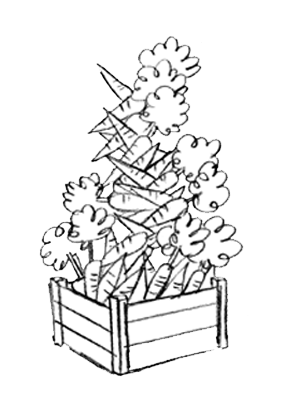
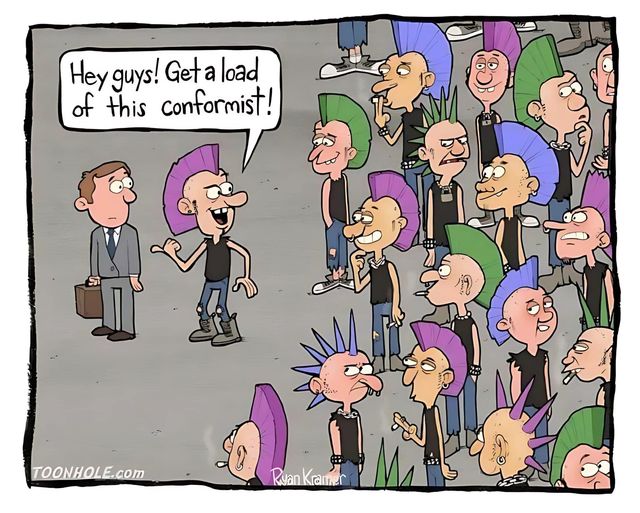
What a waste of public money, this #fashernista career-building projects. When you think using social media is “natural,” remember you’re feeding #dotcons platforms built on the worst parts of human nature. If you want civilization and society to have a future, you cannot keep supporting this. The #encryptionists sit at the heart of our current grassroots media tech disaster, while careerist #mainstreaming pisses from the other side. But shit makes good compost, and we have the shovels.
#OMN is a path forward. Pessimism may travel faster than optimism, but only optimism holds the potential for real change. Feed the problem or solve the problem. There is no mythical “third way” out of this mess. What we have are shovels, #OMN, and shit for compost. Work hard enough, and you’ll get flowers and tasty vegetables. It’s well past time for composting. Let’s grow flowers.
Meany of our old friends in activism took the healthy internal stresses that once challenged projects like #indymedia and fed them to a #fashernista vampire class, building careers by draining the grassroots for 20 years. This is not a good look, and these are likely the people you have to talk through when you talk to “power.”
First step, clearly #stepaway from the #dotcons and return to the #openweb for our communication and news. #indymediaback and #OMN are solutions worth posting about, worth sharing, and worth doing. The #openweb lacks addiction algorithms. It will only thrive if you make it work. Gather like-minded people outside the #dotcons is a solid first step.
We must stop pouring energy into pointless #techshit if we want a chance of surviving #climatechaos and escaping the grip of the #deathcult. Basic #KISS statement: What are you doing today that isn’t pointless?
On this, #indymediaback, #OMN, and the #4opens need more crew to make the rollout work. For decades, we’ve allowed the #dotcons to dominate our communication. Trump and Brexit aren’t the causes—they’re symptoms. We made this mess together, fuelled by unhealthy digital feedback loops.
#NGO-driven approach to activism are a part of the challenges of #mainstreaming agendas in both tech and social movements. NGOs at best aim to “make the mess work a bit better” without addressing root causes of anything in an affective way. This band-aid path aligns them too much with the mainstreaming agenda rather than fostering a systemic change agenda. This need for maintaining “relevance” leads to shallow solutions rather than transformative action.
With activist projects, half entangled in this #NGO world, struggling to build shared objectives, collaboration becomes fragmented, and efforts fail to scale horizontally or vertically and sustain much impact. We have historical paths to mediate this, like the #PGA (Peoples’ Global Action) that aligning around clear hallmarks galvanizes collective action. With grassroots tech and user engagement, projects fail without people and communities. If people remain tethered to #dotcons, our work on grassroot projects die before they take off. Activists criticize dotcons but often fail to leave them, perpetuating the paths and systems they oppose, a symptom of the #deathcult worship.
Many radical/progressive tech initiatives focus on aesthetics (#fashernista) or isolated #geekproblem goals without contributing to broader movements like rebooting grassroots media, these efforts become distractions and dead ends, they waste time and focus. What is needed is to provide compelling alternatives to the dotcons that people can genuinely use and build upon to step away, so activism can play a bigger role. Leaving the #dotcons and embracing decentralized, ethical platforms is itself a form of activism, it’s a #KISS path that undermines the #deathcult and creates space for alternatives to thrive.
Composting pointless projects, we need to identify and “compost” projects that fail to contribute meaningfully to broader goals. This isn’t about cynicism, but about redirecting energy toward initiatives that matter. Use the energy of critique to inspire better efforts rather than dismiss entirely. Key question, how do we bridge the gap between critique and action to avoid losing people and momentum in the current mess, and not just create more mess? A first step is to challenge activists to step back, think critically, and act boldly, with a reminder that inaction—or misguided action—is a victory for the #deathcult.
Q. how do you envision the #4opens and #OMN evolving? What can you do to make this happen?
To revive radical grassroots media, we need to return to the basics, and that means embracing #FOSS, #opensource, and the #4opens. These aren’t just technical choices; they’re political ones. The 4 opens: open data, open standards, open process, and open licenses act as both a key and a lock. A key to unlock collaborative, transparent networks and a lock to keep out the dilution and co-option that comes with #mainstreaming.
Activism vs. Mainstreaming. Activism seeks to challenge and change the system. Mainstreaming, often via NGO channels, seeks to manage and defuse resistance. One leads to transformation. The other leads to stable careers, conferences, and incremental tweaks. If we’re serious about building change, we must know the difference and act accordingly.
The #OMN Mission is to support that activist path. We don’t chase shiny toys. We focus on the 1% of tech and workflows that actually help people. That means filtering out distractions and rooting projects in shared ethics: the #PGA hallmarks, the #4opens, and a clear commitment to anti-capitalist, anti-patriarchal, grassroots-oriented collaboration. We don’t need more “disruptive innovation.” We need human-centred tools that support collective work, transparency, and trust.
Why the right is winning (And how we catch up). Let’s be honest: the right wing has outpaced the left on #openweb coordination. They’ve built propaganda farms, community hubs, and direct action tools, while we keep getting lost in over-academic jargon, fractured efforts, and endless reinvention.
We need to reboot and federate, not fragment. Let’s pick up where successful movements left off. Think: #Indymedia, updated for today, grounded in the #4opens, and governed with #KISS principles, to avoid the #deathcult, build for the Commons
Most mainstream tech is built on 40 years of #neoliberal assumptions: that people are selfish, fixed, and controlled. That’s the core ideology of the #deathcult, and most tech just reflects it back at us. Grassroots media must reject that. We build from a belief in people’s potential. That means tech designed for trust, collaboration, and autonomy.
Ask yourself:
"Does this serve the commons?"
"Does it align with the #4opens and the PGA hallmarks?"
That’s the filter we need to apply — especially as we face burnout, co-option, and the churn of #fashernista tech that solves nothing. We don’t need to start from scratch. We need to compost the mess, reuse what works, and rebuild the rest. That’s what the #OMN is: A shovel, A seedbed, A place to federate purposefully. Let’s stop spinning wheels and start building something that lasts.
Join the effort. Shape the future of radical media and open governance. Learn more at OMN on this path, the resurgence of grassroots radical media projects requires a return to foundational principles, particularly the embrace of #FOSS and #opensource practices. These principles align with the #4opens framework, which acts as both a lock and a key for building sustainable and accountable media networks.
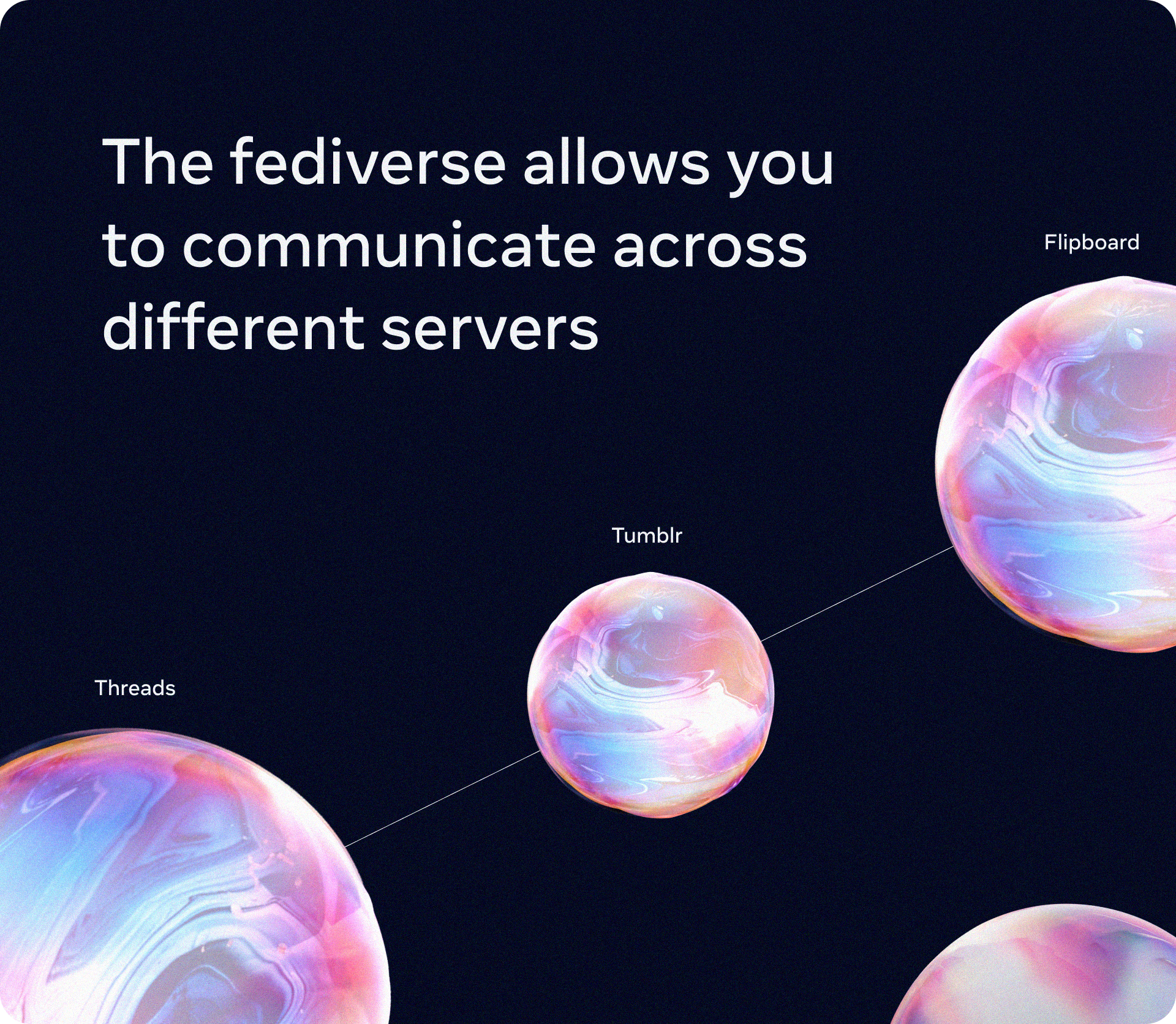
For forty years, we’ve been steeped in a dominant, and largely invisible ideology I call here the #deathcult, which is a metaphor for the relentless spread of #neoliberalism that has reshaped our social, economic, and technological systems in very destructive ways. Alongside this, the rise of #dotcons (corporate, centralized tech platforms) over the past twenty years has distorted the path of the internet and #openweb, steering it away from #4opens collaboration and into monopolized, extractive business models. We’re have been living the fallout now for the last ten years: a fractured digital landscape built on artificial scarcity and closed systems of control. This article explores the roots of this ideological mess and touches on the return to community-oriented solutions, rooted in collective ideals, through projects like the #fediverse and a renewed #openweb.
Neoliberalism, is the driver of our current crisis, is anti-social at its core, cutting shared resources and social spaces in favour of so-called “efficiency” and profit, leading to what I call in the hashtag stories the #deathcult – a mindset where profit pushes over life, social well-being, and environmental health. This ideological control permeates our sense of “common sense,” bending it to fit a world where exploitation is not just tolerated but expected. With our head down worship, we’ve been pushed to accept social and environmental sacrifices as the price of “progress”, instead of recognizing them as a sign of systemic failure.
The #dotcons and digital enclosure of our commons, has changes the path of the internet, which was originally built to be an open and decentralized platform. Yet, the past two decades of “#dotcom” culture transformed it into a centralized, corporate-controlled ecosystem that discourages innovation and subverts people’s and community autonomy. Companies like Google, Facebook, and Amazon thrive by enclosing the commons, creating walled gardens where data and attention are commodities for sale and control. This shift, which we all played a role in, has stifled alternative voices and projects, pushing out grassroots initiatives in favour of profit-driven silos.
The dotcons path exploits not just users’ data but the very concept of community, turning every interaction into controlling people for private profit. At long last, we’re now seeing a response in the form of projects like the #fediverse and #activertypub, which decentralize and reclaim digital space from these corporate giants. However, without collective action and a shared vision, this new path remains under threat of co-option from these corporate interests, with #dotcons and #VC funded #threads and #bluesky both being pushed into this “commons” we have spent years opening.
On a parallel path of the last 20 years, we have been suffering from a #geekproblem: a cultural fixation within the tech community on solving social issues through purely technical means, in ways that exclude non-technical people. Encryption, for instance, is a valuable tool for privacy but isn’t a universal solution to all social or technological issues. The “more encryption” mindset neglects the importance of building trust and understanding in online communities, focusing instead on individual security in isolation.
For example, with projects like #nostr when encryption becomes the end-all solution, we’re left with technology that is impenetrable to regular people, creating more barriers than it removes. The challenge isn’t just technical, it’s social. We need to mediate the geek-centric approach with practical, accessible solutions that empower people, not only a few tech-savvy minorities.
A basic #KISS and #nothingnew path, can help to mediate these issues, they are concepts that encourage us to revisit old, tried-and-true solutions rather than reinventing the wheel in ways that add complexity. Complexity and “innovation for innovation’s sake” leads to, too much, #techshit, overly complicated tech that serves no one but its creators. The KISS path reminds us that simplicity growes inclusivity. If we want more people to engage with the #openweb, we need to create tools that prioritize accessibility and usability over complex features. The #nothingnew philosophy supports this by encouraging us to look to the past for inspiration, reviving old ideas that worked instead of constantly chasing the latest #fashernista trends.
Hashtags are a useful tool for #DIY community organization, but in this era of #stupidindividualism, hashtags get dismissed as tools for self-expression or “fashion statements” (#fashernista). Yet, hashtags can serve a deeper purpose in organizing and connecting people around shared ideas and goals. Instead of using hashtags to show off, we can use them to build flows of mutual support and collaboration. The DIY ethos is central to this: organizing from the bottom up, using digital tools to strengthen offline communities and collective action.
Embracing collective paths, one of the main issues that fractured early movements, like #indymedia, was the inability to work collectively. The culture of individualism championed by neoliberalism crept into activist spaces, weakening them from within. Reclaiming the openweb means reclaiming collective processes, where shared resources and collaborative decision-making are balanced with individual control. We need native digital spaces where communities work together, rather than being siloed into “users” isolated by individualistic platforms.
Moving forward is now about composting the #techshit, a path to compost the tech detritus of the past two decades, the techshit accumulated through#NGO funding of misguided projects and closed systems. Just as composting turns organic waste into fertile soil, we can take the lessons of past failures to create a thriving, resilient commons reboot. By fundamentally abandoning the pursuit of artificial scarcity and focusing on shared abundance, we foster this better, more humane path.
For this to work, we need to address the #geekproblem by placeing as much value on social solutions as we do on technical ones, to create tech that supports community needs rather than hindering them. This path values process over product, relationships over transactions, and social well-being over profit.
Ultimately, the choice is clear: continue worshipping at the altar of the #deathcult, or support the “native” path with the openweb. The former is the path we are on now, of escalating, isolation, environmental destruction, and social disintegration, while the latter offers a chance at connection, collaboration, and resilience. This path won’t be easy, but it’s worth the effort to avoid being subsumed by the dominant, #deathcult story we repeat to oftern to ourselves.
As we work to reboot old systems and build better ones, let’s ask ourselves: What are we helping to reboot today? By choosing collective action over individualism, KISS over complexity, and cooperation over control, we can step away from the current mess and plant the seeds for hope and survival.
Lift your head, dirty your hands we have a world to plant
From a left-wing perspective, identity politics and class-based politics feel like competing ideologies. Identity politics focus on individual identities (race, gender, sexuality, etc.), while leftist movements emphasize collective struggle against class-based oppression under capitalism and neoliberalism. Both approaches aim to address inequality but through different paths. For the #geekproblem we can view them like competing tech standards (e.g., #Bluesky, #Nostr, #ActivityPub), in that they risk fragmenting movements unless there’s an effort to bridge them, balancing specific identity struggles with broader systemic change.
An example of this is #Postmodernism, which often leaves us questioning even the most basic aspects of life, and frankly, it can be exhausting. A recent example is the ongoing debate around biological sex. While it’s true that some people are born with disorders of sexual development, these cases are rare, just like being born colorblind or with physical disabilities. However, the overwhelming majority of the 80 billion humans that have ever lived were born from the combination of an XX and XY chromosome pairing.
The postmodern argument blurs these distinctions unnecessarily, but common sense tells us that reproduction still fundamentally relies on this biological reality. It’s not about denying people’s rights to live as they choose – people should love and live however they wish – but recognizing that certain basic truths shouldn’t be muddled by this long dead ideology. We need to move past the confusion and return to a clearer understanding of biology, while still fostering respect and dignity for all different people, regardless of how they choose to express themselves. Let’s focus on a healthier balance between respecting diversity and understanding the realities of the world we live in.
This is just one example, alongside #neoliberalisam in the economic path we have has 40 years of this mess shaping us, we need to step away from this #fashernista mess making. What would this look like?
Stepping away from the 40-year #fashernista mess shaped by consumer culture involves rejecting the shallow, surface-level trends and embracing deeper, systemic change rooted in sustainability and community. It means focusing on long-term, grassroots action instead of the trendy or performative activism that shapes us now. Practically, this would mean rebuilding independent, open media (#OMN), fostering, commons, collective ownership of resources, and rejecting the commodification of everything. It’s about creating social paths based on trust, openness, and shared values rather than profit-driven, corporate-controlled structures.
This path emphasizes:
Local Action: Rebuilding local communities around shared resources and sustainable practices, ensuring they operate autonomously from mainstream corporate structures.
Open Processes: Utilizing the #4opens as a framework to ensure transparency and collective engagement in both technology and activism.
Resistance to Co-optation: Staying vigilant against the dilution of radical movements by “common sense” #fashernista#NGO “market-friendly” paths which push for wider acceptance by abandoning core values, we need.
Education and Awareness: Promoting knowledge-sharing and political education to empower people to resist superficial solutions and embrace affective and meaningful changes.
Ultimately, it’s about rewiring social values to cooperation, resilience, and ecological balance over competition, consumption, and power accumulation, It’s rebalancing our sense of self both individual and social.
From a left-wing perspective, the critique of identity politics, in the example at the beginning of this post, is that it fragments social movements by focusing on individuals or inward looking group identities rather than uniting around shared economic and outward class struggles. The #fashernista path is driven by the current mess emphasizes personal identity over collective action, leading to the dilution of the solidarity needed to challenge systemic structures like neoliberalism (#deathcult). This #mainstreaming path leads to division within movements, creating competition for recognition rather than fostering collaboration and addressing structural inequalities
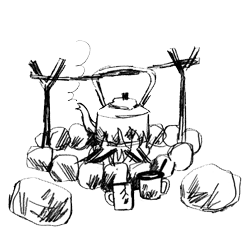
Let’s share the activism fire place, rather than fight over it, leaving only a cold smoky damp mess. #KISS
People are often vilify and spend too much focusing on attacking people in progressive projects:
Fear of change: Radical ideas threaten the status quo, leading to backlash.
Internal divisions: Disagreements within movements about strategy, purity, or priorities cause infighting.
Co-optation and sabotage: External forces, including media and political interests, intentionally discredit or sow discord in progressive groups.
Fragile egos and clashing ideals: Differing views on identity, politics, and tactics spark personal conflicts, leading to attacks.
These reflect broader social divisions and insecurities. Both of these paths are kinda progressive, but one is based on fear and the need for control, and the other on openness and building of trust paths.
The is a tension between grassroots movements and #NGO paths on the #Fediverse and wider #openweb projects. From a #fluffy point of view the NGO path, while often well-intentioned, can lead to forms of imperialism where outside forces-through funding, structure, and top-down approaches—unwittingly impose their agendas on communities. These actors often don’t realize they are replicating imperialist dynamics, but the impact can be profound: displacement of native grassroots efforts, co-option of local autonomy, and prioritization of centralized goals over the organic, bottom-up “native” development of projects.
Recognizing NGO Imperialism in the Fediverse:
Unconscious Imperialism: Many in the NGO sector fail to recognize the harm their actions cause because they see their work as inherently “good” or “neutral.” However, when they impose structures or funding models without deep collaboration with the grassroots, it replicates patterns of control and hierarchy. Imperialism here refers to a powerful entity, organization extending its control over others, often under the guise of ‘helping’ or ‘developing’ them. On our current Fediverse path, this manifest as NGOs exerting influence on decision-making, resource distribution and governance, overriding local or native voices in the fediverse.
Disconnection from native spaces: One telltale sign of this mess is the lack of linking to #socialhub or other grassroots-driven projects. If a NGO or organization is bypassing the platforms where the community itself is actively discussing and governing its own spaces, it signals a disconnect from native grassroots paths. #DIY spaces like #socialhub embody open, collaborative, and bottom-up approach to governance. Linking to these spaces signals an intention to engage with the community’s self-determination rather than imposing external structures.
When NGO-led initiatives fail to collaborate with the grassroots, the likely outcome is #techshit—technology that doesn’t serve the needs of the community, ends up being unsustainable, and ultimately becomes #techshit to compost for future efforts. The liberal history of imperialism, especially in the last few hundred years, is full of such failed interventions. This is part of the ongoing cycle in the openweb, where obviously crap and disconnected technological solutions (often driven by #fashernista agendas) fail and must then be broken down and repurposed by those still engaged in the space, composting techshit take time and focus which is the one thing in short supply.
Balancing NGO paths with grassroots movements that create value:
Creating Bridges is a good path, instead of rejecting the NGO path outright, there needs to be a focus on bridging the gap. NGOs can play a role, but need to be willing to diversify power to the community and respect the self-organizing nature of grassroots movements. This requires transparency, active listening, and a commitment to open process, the #4opens.
LINKING: Encouraging NGO Accountability a crucial step to make NGOs understand the historical context of their actions. By encouraging more self-reflection and linking their work back to grassroots spaces, NGOs can avoid falling into patterns of imperialism and instead work at balancing better openweb’s paths which is actually, often, there core stated mission.
Building Native Governance, native governance is currently a black hole in #DIY spaces, this is a problem we need to work on with projects like the #OGB. This is a space where the #NGO path with its access to funding could be a very real help to fill this hole.
For Grassroots, we need those involved in the Fediverse (at best with the support of the privileged #NGO crew) to create strong, independent governance models (like the #OGB) that are needed to push back against co-option. By making sure these paths are, built, linked and visible, it becomes easier to hold a healthy balance in place to bridge understanding without compromising autonomy. This approach preserves the Fediverse’s native path, ensuring it stays rooted in the ethos of trust, collaboration, and openness, the core values of the openweb itself.
By composting what doesn’t work and nurturing what does, we can continue to cultivate a healthier, more resilient network for the change and challenge we need for a liveable future. What steps do you think could be most effective in initiating this dialogue between NGOs and grassroots paths without compromising the integrity of grassroots spaces?
These native #openweb activism based projects have been around for the last ten years. In the reboot of #Indymedia and the development of the Open Media Network (#OMN), the challenge of federating metadata flows sits at the heart of how people organize, distribute, and consume media in a decentralized, grassroots-driven native path. We’re actively navigating the space between #folksonomy (bottom-up, organic tagging) and categories (top-down, structured organization). Each approach offers advantages, but bridging them creatively is key to an effective and open media landscape.
What this #indymedia reboot video leave out is this:
Folksonomy vs. Categories:
#Folksonomy is a people and community -driven method of tagging content, allowing communities to organically build a taxonomy that reflects their interests and needs. It’s flexible, dynamic, and rooted in grassroots culture. * Advantage: Captures the diversity and fluidity of bottom-up organizing. * Disadvantage: Can be messy, inconsistent, and hard to scale across diverse instances.
#Categories are a structured, hierarchical way of organizing information, providing clarity and consistency. * Advantage: Easier to search, sort, and maintain across larger networks. * Disadvantage: Top-down imposition is restrictive and alienate grassroots contributors.
The OMN path: Combining Folksonomy with Categories
The #OMN and the Indymedia reboot are grounded in bottom-up grassroots projects, so we obviously start with a folksonomy approach. However, we recognize there’s some practical use for categories as well. Here’s a draft proposal for how to bridge the divide:
Folksonomy First: Every media object enters the OMN network with a set of user-generated tags (folksonomy). These tags represent the grassroots nature of the content—open, fluid, and community-driven.
Category Grouping: Allow instances to group folksonomy tags into category clusters. These clusters could be shared across instances, making it easy to adopt community-agreed categories while respecting the folksonomy origin. This means that folksonomy items are not discarded, but instead enhanced by grouping them into more structured categories. The folksonomy items, now part of category groups, flow through the network and can be treated as extra tags, maintaining transparency and openness.
Metadata Flow is the project: The OMN is not just a content distribution network but also a metadata flow tool. It allows media objects to move across instances, while each instance can enhance the object’s metadata (tags/categories) in a transparent and open way. The magic here is in building a path where meaning, the media, tags, and categories are fully federated and can flow effortlessly between decentralized nodes.
Subscription to Category Flows: Instances can subscribe to category flows, essentially saying, “I want to see all media tagged under a specific category or tag group.” This gives structure without forcing it, enabling diversity of content flow while still benefiting from categorization. This flexible subscription system empowers the grassroots while creating a bridge to more top-down consumption or categorization models.
Trust-Based Growth: The entire system is built on trust networks. Instances that trust each other’s tagging and categorization can share media freely, with the assumption that the metadata accompanying it adds value, not friction.
The Philosophy: “Transparency is the New Objectivity”
The OMN is rooted in the philosophy of transparency over objectivity. The flows of metadata, whether from folksonomy or categories, are transparent for to see, remix, and improve upon. This radical openness, guided by the #4opens, ensures that the system remains flexible, accessible, and grounded in the needs of people not corporations. Truth bubbles up from this, lies exist, but they are pushed to their own spaces, which people can choose to ignore.
Conclusion: Building the Age of Creative Anarchy
On a positive, we could say that the 19th century was the age of capitalism, the 20th century was the age of social democracy, and the 21st century could be shaping up to be the age of creative anarchy. In this era, the challenge is to embrace diversity while building tools that help us collaborate across differences. The OMN is a practical tool to move media objects and metadata around in a way that encourages creativity, transparency, and bottom-up control, all while allowing some degree of organization through category flows. This is a positive future for media, that is native to our current openweb reboot as our #fashernista like to call this #opensocialweb but the problem it is what we are doing is not social media… bad choice of naming.
The future is messy, but we can compost this mess into a thriving, decentralized media path. Let’s start with trust, folksonomy, and the #openweb, and grow from there #KISS who is coding this, who is funding this, help needed please as I don’t have the focus to see this through, it needs crew and funding, that might be you.
Balancing the #mainstreaming mess by focusing on what’s “native” is a useful step in rebooting the #openweb. Rather than outright rejecting things that don’t fit, the goal is to actively engage and mediate through pushback, ensuring that the core values are preserved while allowing space for broader participation. This path helps prevent the dilution of the original ideals while embracing diversity in a constructive way.
To centre this conversation, we create frameworks that ensure any new developments align with principles like the #4opens and facilitate ongoing dialogue to maintain a shared direction. The key here is to keep it simple (#KISS), ensuring the tools are accessible and intuitive.
The metaphor of composting the mess to seed radical movements is an evocative one, emphasizing the importance of turning waste and negativity into something productive. It aligns with the path of movements growing from rich, grounded beginnings, rather than from the toxic, divisive environment that emerges with negativity spreading unchecked.
The use of these hashtags helps to frame the broader narrative, adding depth to the conversation about the failings of the digital world and how to move beyond them. With the hashtags like #deathcult, #dotcons, and #techcurn clearly defining the toxic systems at play, while others like #openweb and #4opens point toward solutions based on transparency and decentralization.
The metaphors are a powerful comparison between ecological composting and the cultivation of social and technological movements, particularly in the context of grassroots media and openweb activism and culture.
Seeds and compost, describe movements as seeds that grow in rich compost, meaning that movements need nurturing environments to thrive. The compost represents the ideas, collaboration, and foundational work that allow movements to grow organically.
Spreading shit, a metaphor about how we are distracted by “spreading shit on each other,” negativity, conflict, and infighting hampers collective efforts. While conflict and criticism are part of human interaction, too much negativity leads to a foul atmosphere, where movements struggle to grow.
Composting the shit, is from the phrase “shit is good for compost”, that negative experiences, bad ideas, and even failures can be turned into useful lessons, helping to enrich the soil for future movements. Rather than discarding everything, the key is to transform the bad into something productive.
Tools for change, the shovel, symbolize practical action. You need real tools (both literally and metaphorically) to work the compost, to nurture change, and to dig into the mess. Tools like openness, transparency, and collaboration are vital to making the compost to actually lead to growth.
The #Hashtags are anchors, a way of framing complex social, political, and technological issues into digestible themes. The #OMN tags define the broad spectrum of the struggles and the critiques of current paths:
#Deathcult: Neoliberalism, a system that prioritizes profit and narrow economic growth over human and environmental well-being.
#Fashernista: The interplay of fashion, trends, and social relations, highlighting the superficiality in political movements.
#Openweb: The original vision of the web, built on openness, collaboration, and free exchange.
#Closedweb: The pre-internet and post-open-web eras dominated by corporate control (the #dotcons).
#4opens: A principle-driven framework to ensure transparency, openness, and collaboration, inspired by the #FOSS and grassroots activism.
#Encryptionists: A critique of those who advocate for excessive encryption without considering its broader social cost.
#Dotcons: The commercialization of the internet and how it is leading to environmental and social collapse.
#Geekproblem: The ongoing debate between determinism and free will, and its relationship to technological culture.
#Techshit: Refers to the waste that technology produces—both physically and socially—which can be repurposed into something useful.
#Techcurn: The technological churn, the constant cycle of “innovation” that leads to more problems than solutions.
#Nothingnew: A philosophy of slowing down technological development to reflect and correct the negative outcomes of rapid progress.
These are used as a call to action, to encourage a shift to the #KISS values of the openweb and to building humanistic paths. By understanding this, and acting on the metaphors and hashtags, we better navigate the challenges of today’s online and offline mess to work toward meaningful, open, and progressive alternatives to the #deathcult we have worshipped for way too long, way to long.
The frustration of navigating the mess of activism, tech, and grassroots movements, especially when they get co-opted and sidetracked by personal interests, #NGO agendas, or broader #mainstreaming mess. We need ways to process, compost, and turn this mess into productive paths, which better balance burnout and disillusionment with actual progressive outcomes.
A part of this is the parasite #NGO and #fashionista paths, how NGOs and big parts of tech can parasitically latch onto grassroots movements, commodifying and diverting them from their own paths. These non-native ways end up taking the paths they claim to oppose, and are a part of the broader #deathcult problem. Mediating this deathcult and pratish behaviour is needed, that challenges the individualistic, egotistical people who are always a part of grassroots movements. If left unchecked, these people will derail collective efforts and reduce movements to infighting rather than the path of change and challenge we need to be on.
Composting the mess, is perhaps the most hopeful metaphor to turn #mainstreaming shit into something more fertile. This metaphor is about processing what went wrong, reflecting, and turning that energy into a better path, sustainable, and rooted in the core values of the #openweb and #4opens grassroots efforts. The mess is undeniable, but with native openweb tools and paths, composting, mediation, linking, and decentralization there’s still hope to turn this #reboot into something productive. We really need to make this work.
The normal problem, the trajectory of #SocialHub, and the broader #openweb community, simply went off course due to factors that we need to talk about:
Shrinking of the crew, led to the forced narrowing of focus, limiting the community’s ability to engage widely and creatively. As fewer people became involved, the flexibility and potential of the project shrank.
Chasing funding, is a recurring poison in many grassroots projects. The moment funding enters the picture, the focus can shift from mission driven goals to survival driven ones, leading to compromises and sell outs.
The #geekproblem, is a recurring issue where the culture of arrogance and ignorance within tech communities blocks collaborative, inclusive problem-solving. Tech culture ignores the social dimensions of community building, exacerbating problems instead of solving them.
Failed governance, feudal-like governance structures hindered the ability to mediate these issues, turning leadership into top-down control rather than fostering horizontal collaboration. Attempts like the #OGB (Open Governance Body) were/are being blocked by the systems they set out to fix, leading to a self-reinforcing mess.
What can we do, next steps:
Composting the mess, rather than seeing the failure as terminal, it’s about turning the decay into fertile ground for new growth. This composting metaphor is apt—it’s about taking what didn’t work, reflecting on it, and using it as the soil for new, better-structured efforts.
Recognizing people over code: The issue lies with people, not technology, the main barriers are social—ego, power dynamics, and lack of collaboration. Governance structures, community engagement, and shared values need to take centre.
Defining and defending the #openweb, people will inevitably sell out for funding and status. To mediate this, a clear, shared understanding, of what the openweb stands for, an articulation of principles like the #4opens is crucial. The community needs a strong value framework to guide decisions and prevent the erosion of ideals and paths.
Building a hub for meaningful engagement, #SocialHub was once this place, but it’s now too narrow and constrained by the #NGO. #fashernista and #geekproblem interests. If the community is to thrive, it needs a revitalizing, a broader range of voices participating, where governance is open, and where people are empowered to contribute without the weight of gatekeepers and blinded apathy and intolerance blocking we to often have now.
Infrastructure and funding, the practical path of supporting the infrastructure also needs addressing. The lack of funding is damage that shifts, the code itself, into became unresponsive to the community’s needs. Finding sustainable, non-exploitative funding models is needed. Could a cooperative or mutual aid model be a path forward, that aligns with the values of the #openweb while providing the necessary resources?
Immediate Actions:
Broaden governance: If we return to SocialHub or a similar network, start by widening the admin and mod team to ensure it represents more than just the narrow confines of #NGO, #fashernista and #geekproblem interests. This inclusivity prevents drift.
Articulate values clearly, by creating a visible and accessible page for the #4opens, making it a cornerstone for paths and discussions, decisions, and collaborations. People need to understand and agree on the principles driving the openweb, #KISS
Revive discussions, reignite meaningful discussions about the purpose and direction of the openweb. This needs to happen on networks where all voices are welcomed, and consensus building isn’t seen as a hindrance but a pathway forward.
Explore funding models, as the current mess is feeding this #blocking. Look into alternative funding mechanisms—cooperatives, community-supported models, or decentralized funding structures that align with openweb values. Chasing VC or NGO funding leads to the same patterns of co-optation and control.
By addressing these issues—people, governance, values, and sustainability—the community can begin to rebuild, with a “native” approach, it’s possible to compost the mess into fertile soil for future growth.
UPDATE the thread on this turned into a mess then a part of it vanished, likely someone blocked, so posting the last update here:
” I just don’t see SocialHub as likely to evolve into the kind of place for the broader discussions focusing on social issues.”
The problem we are talking about. This is exactly what #socialhub was “broader discussions focusing on social issues” for the first 3 years or so, we had the path we now need in place as native grassroots.
A tiny number of people used the #geekproblem to narrow this open space down to focus EXCLUSIVELY on the #FAP. Why and how this happens is where the value is, so we don’t keep adding to this mess, in the future.
PS, this mastodon mess of jumping from public to semi private all the time is a mess.
People find it hard to understand the “unique” selling point of the #OMN beyond the tech, which is “common sense”. And this is, drum roll, reveal, that people and content are data objects in the “commons” by default and only private/owed by exception. This is the basic #KISS “unique” selling point of the #OMN there we are, I said it was simple.
It’s interesting with all the talk about the project over the last ten years this was never talked about. This is a direct result of the agenda blocking of the #geekproblem, #fashernista agenda and #NGO control mess. We never actually get to the bits that matter as we are so fussed talking about the bits that don’t matter, the ones the groups above push. This is a mess that we urgently need to compost.
The Open Media Network (OMN) is a set of tools to empower YOU to change and challenge the world we live (and die) in. The OMN is about opening up the flow of information and breaking down the silos that keep data locked in walled gardens. It’s an “anything in and anything out” network, operating through mediated trust database/flows that puts power back into the hands of grassroots paths. This framework is built from the #fediverse to flow freely, with control in the hands of the users.
The OMN is a “data soup”—a blend of tagged data objects flowing through channels. These flows are mediated by trust, which means that users can depend on the reliability of sources and content within the network. This isn’t just about blind trust; it’s about a dynamic, evolving network of trust relationships where both content creation and consumption are guided by the principles of openness and integrity.
Within the OMN, people are free to choose their own level of engagement—whether they want to be active participants contributing content and trust, or more passive consumers curating what they see and share. The choice is yours, the network’s design supports autonomy. Embracing the messiness of data, the OMN has several unconventional features that might be seen as “problems” by those entrenched in traditional geekproblem tech paths.
Lossy Data: Accepting that not all data needs to be perfect or complete. The world is messy, and our data can reflect that reality.
Redundancy: Multiple instances of the same data help to ensure that information isn’t lost and allows the network to be more resilient.
Trust: It is integral to the network’s design. Users navigate this “data soup” based on trust relationships rather than on algorithms or centralized authority.
By mediating the #geekproblem, which will view these attributes as flaws, we open up perspectives on how data and communities can interact and thrive. This network is built on the #4opens principles to ensure that the OMN is not another closed-off tech experiment but a genuinely open and collaborative path. It’s not about reinventing the wheel or creating something entirely new from scratch. Instead, it’s about leveraging existing tools and technologies to build a decentralized media/news network that is “permissionless” for anyone to use and contribute to, it’s up to them if they trust other people.
What makes the OMN exciting is the potential it offers for “flows of trust” to develop. Communities and people are encouraged to build their own projects on top of the simple OMN framework, allowing a wide range of alternative media, news, and social projects to emerge. The focus is on using these flows to cultivate healthy, vibrant communities where trust is a core currency, and where diverse perspectives can coexist and grow.
The goal is empowerment through decentralizing control and empowering communities that allow people to take control of their media, their data, and their interactions. The #OMN provides a good user interface (UX) to facilitate easy navigation and interaction within the network, making it accessible for tech-savvy developers to everyday users to create meaning and shared spaces.
In conclusion, the OMN is not just a project; it’s a framework for interacting with information and with each other to invite us to rethink our relationship with media, data, and trust. So, let’s get involved. Let’s build, experiment, and trust. The #OMN is an opportunity to shape a truly #openweb where you have the power to change the world by challenging the current statues quo.
“But the principal objection will doubtless refer to the plain language used. My excuse, if indeed excuse be needed for saying just what I mean, is, that it is impossible to clothe in delicate terms the intolerable nastiness which I expose, and at the same time to press the truth home to those who are most in need of it; I might as well talk to the winds as veil my ideas in sweet phrases when addressing people who it seems cannot descry the presence of corruption until it is held in all its putridity under their very nostrils.”
On the of alt-tech path, I’ve been navigating this messy terrain of decentralized, grassroots technology for a long time. From this experience, I can say with some authority that we have taken a step away from the current mess with the growing #activertypub open web reboot. But we still need to mediate some of the ongoing #fashionistas#blocking, which is not helping us compost this mess into fertile soil for the fresh shoots of alternative technology that we so desperately need. This ongoing mess needs more composting, if we leave this in place to continue down this path, we risk strangling the growth we’re trying to cultivate.
The #4opens is a useful tool to recognizing the parasite #NGO and #Fashernista tech projects, that we keep stumbling over. The way genuinely grassroots tech projects—those born from communities, those driven by necessity and vision—are repeatedly being pushed aside by parasite tech projects. These feed from our grassroots efforts, taking the buzzwords and aesthetics without understanding or respecting the underlying principles and socially embedded paths.
This isn’t a fringe occurrence; it’s a pattern that has repeated itself over the last 30 years in meany cases I’ve come across. From social media alternatives to community-focused platforms, time and again, well-intentioned grassroots efforts are overshadowed by the glossy, polished facades of #VC funded or #NGO-backed, fashion-driven tech initiatives that lack, depth and commitment to the actual communities they purport to serve. These projects can be seen as they are more concerned with optics, funding, and their own visibility than with fostering genuine, sustainable alternatives.
There is a role for the #4opens in composting this #techshit, this is a framework that helps to expose and compost this kind of mess at its source. For those unfamiliar, the #4opens are:
Open Data: Data must be accessible, reusable, and modifiable.
Open Source: Code should be freely available for anyone to use, modify, and share.
Open Standards: Interoperability is key; data and code should work together, not against each other.
Open Process: The decision-making process should be transparent and inclusive, not hidden behind closed doors.
By applying the #4opens in grassroots tech projects, we can help to make visible the manipulations and shortfalls of parasitic NGO and fashernista power grabs. This works best when the process is open, so people see who is contributing to the ecosystem and who is simply feeding off it. This visibility is crucial because, without it, these actors are allowed to thrive unchecked, feeding off our work and energy while providing little in return. The open process serves as a powerful tool to expose those who claim to be fostering change but are merely replicating the same hierarchical and closed structures that led us into the current tech mess. It’s about shining a light on the hidden agendas and pushing for accountability and transparency in what this reveals.
How can our #NGO crew actually help? This is harder than it seems as the is strong #blocking to overcome, so the first step is overcoming this blocking, need ideas please?
My idea: Celebrate the mess, understanding that change is messy, and in this mess that new ideas form, where unexpected connections are made, and where real, lasting change takes root. We need to change and challenge the world dominated by the #dotcons and take our alternatives out of the hands of stale paths of dead-end NGO and fashernista tech. We do need composting as a regenerative path.
Motivation for moving away from this mess. The fact that people are rebooting the #openweb by building the #fediverse in a #DIY, grassroots way, without millions in VC funding, is one of the most remarkable feats of contemporary digital resistance. It’s not about “winning” in the capitalist sense—dominating the market, scaling endlessly, or achieving monopoly status in the image of the #dotcons and big tech path. The fediverse powerful from being built on #4opens principles of decentralization, community effort, it’s a native path, outside the norms that capitalism dictates to us as essential.
#NGO platforms like #Bluesky can be fertilised by $12 million in backing and a fully-paid team, the fediverse is growing grassroots from the ground up. It’s powered by people and communities working in their spare time, without corporate salaries and benefits. The coding and creating is driven by belief and belonging, not because a corporation paying to hit growth targets. That’s a different motivation, and it has strength.
The thing we need to see here is that the fediverse exists and thrives, standing as a living counter culture to the idea of competition, capital and centralized control. It’s running against the grain of what’s considered “necessary” in tech, it’s rewriting the rules back to the “native” #openweb path. This openweb reboot shows that people can build non #mainstreaming alternatives, with no paywalls, no ad-tracking, no surveillance, just open collaboration and shared values.
That it’s running at all, while not on the capitalism’s, path and ignoring its “rules”, is the victory. It doesn’t have to become the dominant social media platform. It’s already proved that another way is possible. And that, in itself, is a powerful statement that we need to build from #OMN
Resilience is community and trust, this resilience grows by connecting the actions of today to the possibilities of tomorrow, even when that future is unknowable. It’s rooted in community, and community thrives on mutual trust. Trust isn’t about keeping a ledger; it’s about giving freely without expectation. Money is not the foundation of resilience. Across the world, billions live resilient lives by supporting each other, because if they don’t, they all go under. From our privileged view, we often forget that resilience is nurtured in these commons.
We need to think about this: The idea of dual power isn’t new. It goes back to revolutionary moments when people realized the need to build alternatives to existing oppressive structures rather than only confronting them head-on. In the current political climate, where the failures of state and capitalist control are glaring, we need to revisit and reframe this idea of “dual power”. This isn’t a utopian dream or a naïve belief that we can merely build around the edges while the world burns. It’s about creating practical, grounded alternatives that directly challenge the existing system by living outside of it and dismantling it from the inside.
The current mess, look around. We are surrounded by a mess of our own making. The relentless march of #neoliberalism has commodified every aspect of our lives, and the #dotcons have taken over our social spaces, transforming genuine human interaction into data points for corporate profit and control. The state, meant to serve the people, is a tool of the greedy and nasty, maintaining control through fear, surveillance, and repression. It doesn’t take much to see that the paths we are currently on are leading to #climatechaos, widespread inequality, social and ecological breakdown.
But here’s the problem: most people still think we have choices within this mess. They talk about reforming the system, fixing capitalism, or making dotcons tech more ethical while continuing to operate on the same lost paths. This is delusion, a comfortable delusion for some, but a delusion nonetheless.
On the #DIY path, dual power is about creating parallel paths that coexist with the current ones but serve entirely different functions. Instead of asking for scraps from the masters’ table, we build our own tables, with food that nourishes everyone. It’s about constructing alternative social, economic, and political structures that are directly in opposition to the current hierarchies and power dynamics.
It’s not just about building alternative structures, though. It’s more important for actively delegitimizing and dismantling the existing power structures of capitalism and the state. This involves #directaction, solidarity, and collective organizing to challenge and change state and capitalist control in all its forms. It’s about a two-fold strategy: building the new while composting the old.
Why dual power matters, for too long, the left and radical movements have been stuck in reactionary paths, fighting battles on terrain chosen by the state and capital. We need to change this by recreating a new path, a space where we shape the traditions and myths that shape us. This is not just some theoretical exercise; it’s already happening in many parts of the world.
We see it in the #fediverse, on #mastodon, #bluesky and #noster networks, in grassroots mutual aid networks springing up during the current crises when the state and corporate structures fail. We see it in community run food cooperatives, decentralized digital spaces, and local assemblies where decisions are made collectively, rather than by a few in power. This is not an abstract idea, it’s lived practice, a shift from fighting against the system to creating something new and more humane.
Building dual power in a digital age, the #openweb and federated networks offer a glimpse of what dual power can look like. Unlike the #dotcons that feed on greed and manipulation, the openweb is rooted in principles that serve the community, #4opens, transparency, open collaboration, and autonomy. But even here, we often fall into the trap of merely copying the structures we’re trying to replace, creating the same mess under a different banner. The next step needs to be truly native to the 4opens path, transparent, open, and accountable, rejecting the commodification that the dotcons have normalized.
But digital spaces alone won’t save us. They are tools, important ones, no doubt, but we need a broader focus. We need to create real-world spaces of resistance and creation. Think community gardens that also serve as meeting points for local decision-making. Think of decentralized energy cooperatives that break free from corporate control. Think of neighbourhood assemblies that replace the hollow, bureaucratic local governments that most people have lost faith in. This is dual power in practice.
The roadblocks, the #Geekproblem and #Fasherista paths, let’s not romanticize this process. We need to acknowledge the challenges within our movements, the #geekproblem and the #fashernista paths that unconsciously block the change we need. The geekproblem is the obsession with technical solutions over social and political ones, while the fashernista path focuses on trendy but superficial activism that serves as more of a social club, careerism, than a serious challenge to power. Both paths have their place, but they should not dominate our paths. We need to keep our focus on the bigger picture.
Moving beyond the noise, to those who say, “Now is not the time,” I ask, “When will it be?” The crisis is here. We are all worshiping the #deathcult, masking 40 years of #neoliberal ideology, pretending we have choices that simply don’t exist. Now is precisely the time to dig in, get our hands dirty, and start composting this mess we’ve been dragged into. The work ahead isn’t easy, and there will be mistakes, missteps, and mess-ups along the way. But that’s okay. Composting is messy work, and so is building a more open and sustainable world.
If you’re waiting for someone to tell you what to do, you’ve already missed the point. Dual power isn’t a blueprint; it’s a living practice. It’s a call to start building the new and composting the old, right now, where you are. Lift your head, look at the mess, and start digging. Together, we can build something better than the scraps we’ve been given. Join us on this humanistic adventure in social technology and direct action. The #openweb, the #commons, and the real-world spaces we build are where the future lies. Let’s make it happen #OMN