The #dotcons are designed for greed and selfishness. Everything about them feeds this and, in turn, feeds off it. This negative path is hard-coded deep into their architecture. They cannot be fixed.
The rebooting of the #openweb is the good path we have taken. Copying worked well for the first step – it let us get moving. But for the next step, we need to move past the simple replication of the current #mainstreaming mess. We cannot reboot alternatives by simply copying #dotcons in #FOSS, as we have too often done in the #Fediverse.
The next step needs to be more native to the #4opens path we have started down. Let’s thank the people who copied. Let’s give them statues and security – they did us all a service. They deserve gratitude for this first step, not hatred. But we cannot stop there.
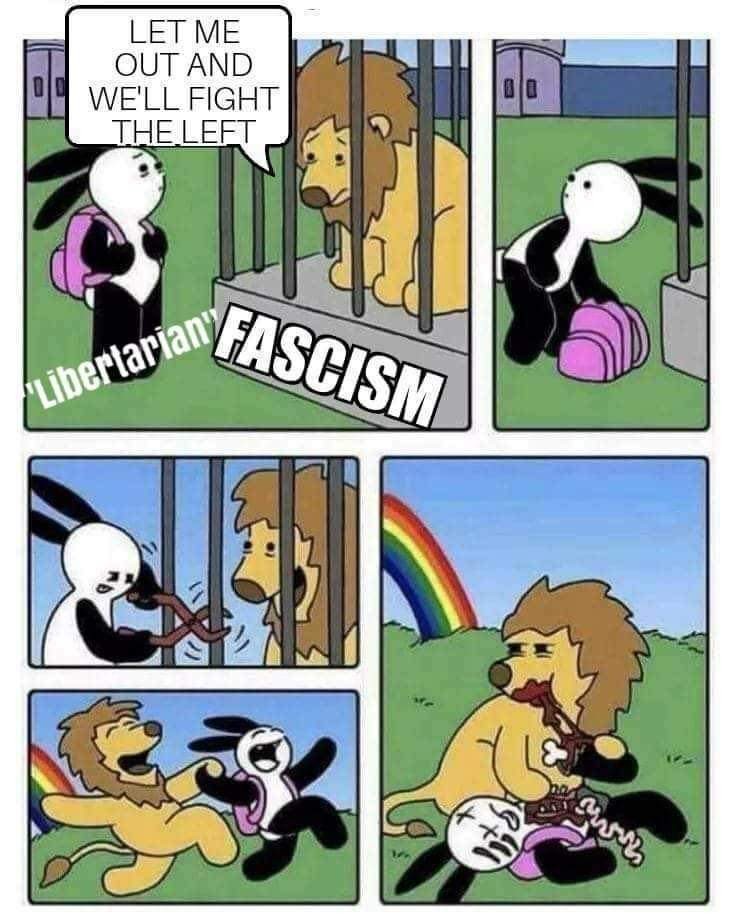
The mess of the #dotcons. Take the example of Twitter’s fall. What began as a #neoliberal platform – deregulated, market-driven, profit-focused – has slid into a space with growing fascist tendencies under Elon Musk. This is not an accident. It’s a stark reminder of the pitfalls of unchecked corporate #dotcons and their susceptibility to authoritarian capture.
Neoliberalism, with its emphasis on deregulation and market “solutions,” inevitably concentrates wealth and power into the hands of a #natsyfew. That concentration erodes democratic norms and opens the door to authoritarianism. Twitter is just one case of the intertwining of neoliberalism and fascism, underscores why we need vigilance: not only against economic inequality, but also against the erosion of the native #openweb projects we struggle so hard to build and sustain.
The trap of nostalgia, is in the reaction of neoliberal “common sense” to Twitter’s fascist turn – is instructive. Despite the platform’s descent, many #mainstreaming users still engage with it, clinging to nostalgia for its earlier, more liberal incarnation. This helps to highlight the tendency of #mainstreaming to adapt to life under oppressive regimes, out of self-preservation, habit, and a fear driven misguided sense of normalcy. It is a sobering reminder of the dangers of complacency and the urgency of resisting authoritarianism, especially in its early stages.
The lesson for the #openweb is easily found in this transformation of Twitter from neoliberalism to fascism – shows the interconnectedness of economic and political systems. It underlines the need for collective action to safeguard native #openweb values. By recognizing the warning signs of authoritarianism and refusing to normalize its spread, we prevent the erosion of the commons we are trying to grow.
The next stage of the reboot cannot be a mirror of the #dotcons. It must be different, open, grounded, messy, and alive.
Centralization of Power: The dominating platforms in the #dotcons era are #closedweb, centralized, controlled by a handful of corporations.
Monopolistic Practices: This dominance of a few major players led to monopolistic practices that stifled “native” #openweb culture. These monopolies limit people choice and hindered the development of alternative paths that could offer more diverse and community-centric life.
Surveillance Capitalism: The #dotcons relies on business models built around surveillance capitalism, where data and metadata is harvested, monetized, and exploited for targeted advertising and social control without consent and transparency. This exploitation of people’s data undermines “society” and creates obvues ethical concerns.
Filter Bubbles and Echo Chambers: The algorithms employed in the #dotcons are designed to prioritize content based on user engagement metrics, leading to the formation of filter bubbles and echo chambers. These push people to beliefs and preferences that limit exposure to diverse perspectives and contributing to growing and entrenching polarization and disinformation.
Erosion of Public Discourse: The rise of social media in the #dotcons facilitated the spread of misinformation, hate, and extremist right ideologies. These platforms prioritized engagement and virality over the quality and accuracy of content, leading to the erosion of public spaces based on trust.
Data Concerns: The collection and exploitation of user data by #dotcons raised significant concerns. People have limited to no control over their social data and metadata.
Digital Divide: Access to the internet and digital technologies remained unevenly distributed during the #closedweb era, exacerbating social and economic inequalities. Due to resource constraints, marginalized communities, faced barriers to access our #openweb reboot, limiting their ability to participate in our native paths and thus the wider digital economy and society we need to build.
To sum up, the dominance of centralized platforms, surveillance capitalism, algorithmic biases, erosion of social norms, and inequalities have been some of the most pressing issues associated with the #dotcons and #closedweb over the last two decades. Balancing this mess we made requires continuing efforts to promote decentralization, #4opens and “native” #openweb culture and infrastructure. You can help with this by working on projects like #OMN#OGB#makinghistory and #indymediaback
In the postmodernist mess of the last 40 years, this is a balanced positive from the negative view. In the context of projects of the #OMN (Open Media Network), #OGB (Open Governance Body), #indymediaback, and #makinghistory.
Postmodernism/modernism influences the approach to media, governance, and historical narratives:
Distributed and Decentralized Media: Postmodernism challenges the idea of centralized control over media and information. Projects like #OMN and #indymediaback embrace a decentralized model where content creation and distribution are open to communertys, rather than controlled by a select few. This approach reflects postmodern skepticism towards grand narratives and authority, allowing for diverse voices and perspectives to be heard.
Open Governance: Postmodernism’s emphasis on skepticism towards authority and power structures informs the approach to governance in projects like #OGB. Instead of traditional hierarchical structures, open governance bodies work for transparency, inclusivity, and participatory decision-making processes. This reflects a postmodern rejection of centralized authority in favour of distributed forms of power.
Alternative Historical Narratives: Postmodernism challenges dominant historical narratives and encourages the exploration of alternative perspectives and counter-histories. Projects like #makinghistory aim to democratize the production of historical knowledge by allowing communities to share their own stories and experiences. This approach recognizes the subjective nature of historical interpretation and emphasizes the importance of diverse voices in shaping our understanding of the past.
Emphasis on Multiplicity and Pluralism: Postmodernism rejects the idea of a single, objective truth in favour of multiplicity and plurality of perspectives. Projects like #OMN, #OGB, #indymediaback, and #makinghistory embrace this diversity by providing platforms for a wide range of voices and viewpoints. Rather than privileging one perspective over others, these projects aim to foster dialogue and exchange between different communities and individuals.
Overall, postmodernism shapes the philosophy and approach of these projects by challenging traditional notions of authority, truth, and history. By embracing decentralization, openness, and plurality, the projects seek to empower communities, promote inclusivity, and challenge dominant narratives in media, governance, and historical discourse.
The negative history of this movement and its role in the current #deathcult
The negative aspects of postmodernism, particularly when intertwined with #neoliberalism, have had detrimental effects on society, including influencing projects like #OMN, #OGB, #indymediaback, and #makinghistory:
Fragmentation and Atomization: Postmodernism’s emphasis on deconstruction and skepticism towards grand narratives has contributed to the fragmentation of society. Instead of fostering solidarity and collective action, it has led to atomization, where individuals prioritize their own experiences and perspectives over communal goals. In projects like #OMN and #OGB, this fragmentation can hinder effective collaboration and decision-making, as individuals prioritize their personal interests over the common good.
Relativism and Truth Decay: Postmodernism’s rejection of objective truth has paved the way for widespread relativism, where all beliefs and perspectives are considered equally valid. While diversity of thought is important, this extreme relativism leads to a breakdown in shared understanding and consensus. In the context of #indymediaback and #makinghistory, this can result in the proliferation of competing narratives and a lack of accountability for factual accuracy, undermining efforts to construct a progressive cohesive historical record or media landscape.
Crisis of Authority and Expertise: Postmodernism’s skepticism towards authority and expertise erodeds trust in social institutions and grassroots experts, leading to a crisis of legitimacy. In the absence of trusted sources of information, conspiracy theories, misinformation, and disinformation thrive, further contributing to societal polarization and distrust. In projects like #OMN and #indymediaback, this crisis of authority can undermine efforts to establish credible media platforms or governance structures, as participants may question the legitimacy of leadership or expertise.
Commodification of Identity: Postmodernism’s focus on individual identity and difference has been co-opted by neoliberal capitalism to commodify identity and diversity. In this neoliberal/postmodern paradigm, diversity and inclusivity are reduced to marketable commodities, used to sell products and services rather than challenge systemic inequalities. In projects like #OGB and #makinghistory, this commodification of identity can undermine efforts to address structural oppression and promote genuine social justice, as diversity and inclusivity become mere branding (lifestyle) exercises rather than catalysts for systemic change.
Overall, the negative aspects of postmodernism, exacerbated by its alignment with neoliberal ideology, have contributed to social/economic disintegration, truth decay, erosion of trust, and the commodification of identity. In the context of projects like #OMN, #OGB, #indymediaback, and #makinghistory, these dynamics hinder efforts to foster any genuine collaboration, construct meaningful historical narratives, and promote social justice. Recognizing and addressing these negative influences is crucial for building a working #openweb
We need to bridge the balance between these stresses, “don’t be a prat” is a start to this path.
The is occasional discussion surrounding the classification of different versions of the #web, such as #Web01, #Web02, #Web03, #Web04, or #Web05, this is not merely an academic exercise but an aspect of understanding the evolving nature of the digital landscape. However, the proliferation of these hashtags leads to confusion and contribute to the spread of fear, uncertainty, and doubt (#FUD) among users, people and communities.
In response to this confusion, proofer to use the hashtags #openweb and #closedweb which offer a clear and concise way to delineate between platforms that embrace openness, transparency, and community control (#openweb) and those that prioritize proprietary technology, centralized control, and lack transparency (#closedweb). By using these hashtags, we foster a better understanding of the ideological and technical underpinnings of different web platforms and paths.
Projects like #indymediaback and #OMN exemplify grassroots efforts to promote decentralized, community-controlled media and communication platforms. These initiatives can become vital in challenging the dominance of large corporations in shaping the digital paths and in offer an inclusive, diverse, and community-controlled approach to technology development.
At the heart of this discussion lies the #geekproblem, which highlights the tendency among technologically people to prioritize technical solutions without considering their broader social implications or the needs of ordinary people. By recognizing the #geekproblem, we begin to address the inherent biases and limitations of tech-centric paths to problem-solving and can then move to advocating for solutions that are inclusive and community-driven.
The solution to this “problem” lies in developing social tech that transcends the #geekproblem and focuses on the needs and perspectives of communities. This needs a diverse group of people in the development and decision-making process and promoting open-source code, open standards, open governance, and open data in technology development. By embracing this #KISS path and principles, we create a more equitable, transparent, and collaborative #4opens ecosystem.
However, this requires overcoming challenges, including the resistance of the status quo and the fear of change. By actively using the #4opens to judge projects, we challenge the prevailing narrative, call out pointless technologies, and compost the #techshit that contributes to the perpetuation of harmful social dynamics.
Moreover, it is essential to recognize that the struggle for a more sustainable future is inherently political. The dominance of large corporations and the perpetuation of #neoliberal ideologies pose significant barriers to any progress. Therefore, it is imperative to mobilize collective action and advocate for policies and initiatives that prioritize, balance the needs and well-being of communities over these profit-driven interests. Without this, the progressive tech dev will fall on barren ground.
In conclusion, the use of hashtags such as #openweb, #closedweb, and #4opens serves as powerful tools for organizing and mobilizing grassroots efforts to challenge the status quo. By embracing these hashtags and the values they represent, we work towards a future where technology serves the interests of the many rather than the few.
The intersection of #climatechange, #mainstreaming politics, and fear is complex but they do influence social attitudes and policies. Historically, mainstream politics exhibits a shift to the right during times of crisis, and the looming mess of #climatechaos is following this trend. In this, we need to recognize the pivotal role that fear plays in driving right-wing politics and shaping public discourse.
Fear operates as a strong motivator of political attitudes and policies, particularly within right-wing ideologies. Whether it manifests as apprehension over economic instability, cultural change, or national security, fear is fertile ground for the growing of right-wing narratives. In the context of climatechaos, this fear is further amplified by concerns surrounding environmental degradation, natural disasters, migration, and resource scarcity. Such apprehensions provide a breeding ground for the shift to the hard right, that feeds on these anxieties to promote its agenda.
However, amidst this landscape of fear, a counterpoint emerges: the waning fear of socialism. Traditionally, socialism is met with suspicion and trepidation by capitalist classes, serving as a perceived threat to the status quo. Yet, as socialist ideals gain traction and legitimacy in #mainstreaming discourse, particularly among younger generations, the fear of socialism begins to diminish. This shifting dynamic challenges the hegemony of right-wing politics and offers a glimmer of hope for progressive change in the growing mess.
Indeed, this shift presents an opportunity for hope. By embracing socialist principles and advocating for progressive policies, there is potential to counteract the politics of fear perpetuated by the right. However, this window of opportunity is narrowing in the face of escalating #climatechaos. The urgency of the climate crisis demands immediate action, and the failure to seize this opportunity through #mainstreaming inaction exacerbate the cycle of fear and despair.
In essence, the delicate balance between fear and hope shapes political narratives and responses to climate change. While fear may dominate #mainstreaming politics in the short term, there remains a potential for collective action and progressive change. In #openweb tech initiatives such as the Open Media Network (#OMN), #OGB, #indymediaback, and #makeinghistory exemplify efforts to challenge the status quo and take a course towards a future grounded in resilience, equity, and sustainability, growing a society that prioritizes collective the well-being and environmental stewardship that we need.
The problem we face is composting our own #blocking behaver, so more people can supports projects like these.
The growth of technology has revolutionized the way we live, work, and communicate. However, as we dive deeper into the digital age, we are confronted with the alarming consequences of our reliance on these technologies. The links shed light on the issue of “digital” waste and its detrimental impact on the environment.
Gerry McGovern’s article “World Wide Waste” delves into the staggering amount of energy consumed by digital technologies, from data centres to our personal devices. He emphasizes the urgent need to address this issue and advocates for more sustainable practices. https://gerrymcgovern.com/world-wide-waste/
Similarly, the research conducted by Loughborough University’s Volume project highlights the environmental consequences of digital waste in terms of energy consumption and carbon emissions. The article underscores the importance of adopting eco-friendly approaches to digital design and usage. https://volume.lboro.ac.uk/digital-waste-polluting-the-planet/
Furthermore, the conversation around “dark data” and its contribution to environmental degradation further underscores the need for digital decarbonization. The Guardian’s report on the hidden costs of Ireland’s data centre boom shows the environmental toll of data storage and processing facilities, urging for greater accountability and regulation in the industry. https://theconversation.com/dark-data-is-killing-the-planet-we-need-digital-decarbonisation-190423
In response to these concerns, initiatives like Digital Decarb are a #NGO path to promote sustainable practices in the digital sphere, advocating for reduced energy consumption and carbon emissions. https://digitaldecarb.org/
Let’s look at a real alternative path
In contrast to the prevailing trend of digital overconsumption and waste, the #OMN (Open Media Networking) project presents a refreshing approach to digital technology. Unlike platforms driven by personalization and distraction, #OMN prioritizes community engagement and meaningful interaction. Its core mission revolves around building tools for communal use rather than individual gratification.
This ethos stands in contrast to the #mainstreaming of social tech, which at its core prioritizes personalization and profit over community well-being. By focusing on politics as inherently human rather than as a commodity, #OMN empowers people to reclaim control over their (digital) lives and take a path of genuine connections within their communities and wider society.
However, effectively communicating this message to #mainstreaming audiences is a challenge. The prevailing narrative around digital technology overlooks its environmental and social impact, instead emphasizing convenience and innovation. Breaking through this requires not just words, but tangible actions and demonstrations of the #OMN’s principles in practice.
In essence, #OMN, along with initiatives like #4opens and #OGB, serve as tools for social change, enabling communities to shape their digital environments according to “native” #openweb values and needs. Through collaborative efforts and grassroots activism, we can and need to challenge the status quo. Ultimately, the journey towards digital sustainability requires a collective commitment to reimagining the role of technology in our lives and prioritizing the well-being and communities above all else. The #OMN project invites people to join this endeavour, not just through words, but through meaningful action and collaboration. Together, we can harness the power of technology for the good.
Funding application for the #OMN (Open Media Networking) project, an innovative initiative to revolutionize the landscape of media and communication. The project address the limitations and challenges posed by centralized social networks by developing an interconnected network that empowers people, fosters innovation, and promotes openness and decentralization.
What do you think about/Have you heard about project X? We are always interested in learning about other projects that aim to address similar challenges in the media landscape. Collaboration and cooperation are crucial in achieving the collective goal of creating a better internet and society.
Who are your competitors? While established networks like Facebook, Youtube, and Twitter are perceived as competitors, we view them as irrelevant, techshit to be composted. Cooperation partners are other decentralization efforts such as #ActivityPub etc. are also projects we aim to reach compatibility with.
How will you attract your first users? We plan to attract our first crew through various strategies, including leveraging the advantages of our system, collaborating with “content creators” and “influencers”, fostering change and linking, through leveraging our network of contacts.
Which programming language do you use? Our team has primarily engaged with the XXXX framework. However, we plan to explore existing open-source solutions in social networking to ensure compatibility with various technologies.
Who are potential users? Potential users of #OMN include social activists, frustrated users overwhelmed with managing multiple accounts, power users seeking greater control over their online presence, content creators and journalists, users with specific needs, decentralization enthusiasts, and anyone interested in an alternative to centralized networks.
How does #OMN make the internet more awesome?#OMN empowers people by offering them the freedom to choose their networks and applications freely, fostering fairness, promoting independent media, fostering creativity, and enhancing the peoples experience.
What are you building? We are building a new media experience that allows people to interact with different networks and applications seamlessly, offering greater flexibility and control over their society and local communertys.
Why do you want to bring micropayments to social media? Microgifts are essential for supporting community creators and networks, empowering people to support those they trust and enjoy with minimal effort.
What are the goals of #OMN? The goals of #OMN are to empower people and communertys, foster effectiveness in competition to #mainstreaming “common sense”, promote independent media, and enhance change and challenge in the communication space.
What does success look like? Success for #OMN includes the development of a working prototype, collaboration with various networks and applications, and widespread adoption of the #openweb “native” #OMN protocol and working practices as an internet/social standard.
What are the key deliverables of the prototyping phase? The key deliverables of the prototyping phase include the development of the #OMN#p2p client, User self-hosting, and Networks & Network Server prototypes, along with detailed documentation for developers and communertys.
Who will do the work? Our team, consisting of dedicated people committed to the vision of the #openweb, will primarily handle the work. With funding available, we plan to expand the team to expedite the prototyping phase.
What needs to be done now? We need funding support to commence the development of the prototype and advance the #OMN project to the next stage. This includes development, coordination, collaboration, and public outreach efforts.
How are you licensing any software or documentation you produce? We intend to make all our software openly available, encouraging collaboration and innovation in the open-source community.
How do you communicate publicly about your work? We communicate publicly through various channels, including videos, direct outreach to journalists and content creators, and engagement on media platforms like Mastodon and the #dotcons.
What do you hope to learn during the project? Throughout the project, we hope to learn about community project coordination, software collaboration, public outreach, software technologies, and other relevant fields, ultimately contributing to peoples growth and success.
What happens to #OMN if it does not get funded? If #OMN does not receive funding, we will continue our efforts to raise awareness and support for the project, confident in its value and potential impact on the communication landscape.
Thank you for considering our funding application for the #OMN project. We are excited about the opportunity to bring this “native” #openweb vision to life and look forward to the possibility of collaborating with you.
This is true. With the #OMN we are building tools for use, not for distraction, shouting into the void is not the project. Community, talking to community, is the core mission. The “personal” is not a part of our core project.
This is alien to #mainstreaming common sense in social tech. Politics as human not as other, we need the tools and the use to build the everyday of our lives #DIY
How to actually communicate this to the #mainstreaming is the challenge that is very hard to bridge. This is actually impossible, so agen our plan is to build it and communicate by doing, not by just talking.
We are looking for a crew to build and do,” talking” is the tool to create this crew #DIY it’s not the tool itself for change and challenge.
Project Overview: The #MakingHistory project, from the Open Media Network (#OMN), is a project to create a decentralized and community-driven archive of the “commons” – a collection of grassroots, activist, and historical material shared across a wide network of people and community groups and organisations. By leveraging the existing infrastructure and principles of the OMN, the project democratizes access to information and empowers people and communities to curate and preserve their shared heritage.
Key Objectives:
* Archiving Nodes: Establishing archiving nodes within the OMN network to enable people and communities to selectively archive hashtags and content of interest, providing a decentralized and distributed approach to content preservation.
* Lossy View: Implementing a “lossy” view feature that allows people to visualize what content is backed up across the network, enabling informed decisions on archiving priorities and focus areas.
* Collaboration with Institutions: Collaborating with institutions such as libraries, archive.org, universities, and other traditional archival entities to ensure structured backup and preservation of archived content in more formalized settings.
Project Implementation: The implementation of the #MakingHistory project involves several key steps:
* Node Setup: Establishing archiving nodes, equipped with specialized templates for archiving and preserving content. These nodes allow people to contribute to the archive by selectively archiving hashtags and relevant content.
* Lossy View Feature: Developing a lossy view feature that provides users with insights into what content is backed up across the network. This feature will enable people to make informed decisions about their archiving efforts and prioritize content preservation based on community needs and interests.
* Collaborative Partnerships: Building partnerships with traditional archival institutions to ensure the long-term preservation and accessibility of archived content. These partnerships will involve sharing archived material and collaborating on preservation initiatives to ensure the sustainability of the archive.
Funding Needs: To realize the objectives of the #MakingHistory project, funding support is required for:
* Technical Development: Hiring skilled developers to build and maintain the archiving code for nodes, lossy view feature, and other technical aspects of the project.
* Community Engagement: Conducting outreach and engagement efforts to onboard people and communities to the archiving nodes, as well as raising awareness about the project and its goals.
* Collaborative Partnerships: Establishing and maintaining partnerships with traditional archival institutions, including coordination efforts and resource sharing for long-term preservation.
Impact: By supporting the #MakingHistory project, funders will contribute to the creation of a decentralized and community-driven archive of grassroots, activist, and historical material, preserving the collective heritage of diverse communities. The project aim is to democratize access to information, empower people and communities to curate and preserve their shared history, and foster collaboration between grassroots initiatives and traditional archival institutions.
Conclusion: The #MakingHistory project represents a pivotal opportunity to democratize archiving and empower communities to preserve their shared heritage in a decentralized and collaborative manner. With your support, we can realize this vision and build a resilient and inclusive archive that celebrates the diversity and richness of our collective history. Thank you for considering our funding proposal.
Funding Application: Building the Open Media Network
Project Overview: The Open Media Network (#OMN) is an innovative project aiming to construct a trust-based, human-moderated, and decentralized database shared across multiple peers, encompassing both peer-to-peer (p2p) and server-based architecture. OMN is centred around the #4opens principles, emphasizing openness, transparency, collaboration, and decentralized control. The project’s primary focus in using technology to empower human networks and foster community-driven content curation and dissemination.
Key Functions: OMN boasts five primary functions:
Publish: Users can easily publish various types of content, including text, images, and links, to a stream of objects.
Subscribe: Users have the ability to subscribe to streams of objects from people, organizations, pages, groups, hashtags, and more, enabling custom content flows.
Moderate: The platform integrates moderation tools from the #Fediverse, allowing users to express their preferences (e.g., like/dislike) on streams or objects, as well as provide comments.
Rollback: Users, admins can remove untrusted historical content from their flow or instance database by publishing flow/source/tag, ensuring the integrity of the content.
Edit: Users have the flexibility to edit the metadata of objects and streams across various sites, instances, or apps where they have login credentials.
Project Scope: The back-end infrastructure of OMN serves as the foundation for constructing a #DIY, trust-based, grassroots semantic web. The technology, affectionately referred to as the #WitchesCauldron, is designed to facilitate decentralized publishing, content aggregation, curation, and distribution while prioritizing user trust and community building. The front-end applications of OMN are diverse and adaptable, ranging from regional/city/subject-based #indymedia sites to distributed archiving projects like #makeinghistory.
Funding Needs: To realize the vision of the Open Media Network, we require funding support to cover essential expenses such as:
Development: Hiring skilled developers to build and refine the back-end infrastructure and associated tools, ensuring robustness, stability, and interoperability.
Moderation Tools: Integrating advanced moderation tools from the Fediverse to enhance user experience and promote healthy content flows.
Community Engagement: Facilitating community outreach and engagement efforts to onboard users, gather feedback, and foster a vibrant and inclusive user community.
Infrastructure: Investing in server infrastructure and maintenance to support the decentralized nature of the OMN platform and ensure reliable performance as the project rolls out.
Documentation and Training: Creating comprehensive documentation and providing training resources to empower people to effectively navigate and utilize the OMN network.
Impact: By supporting the Open Media Network, funders will contribute to the development of a groundbreaking platform that empowers people to take control of their lives and digital experiences, participate in meaningful content creation and curation, and build vibrant and resilient grassroots communities. OMN aims to democratize access to information and facilitate decentralized communication, fostering a more #4opens, transparent, and equitable digital ecosystem.
Conclusion: The Open Media Network represents a real opportunity to revolutionize content distribution and community engagement in the digital age. With your support, we can bring this visionary project to life, empowering people and communities to reclaim power over their online experiences and build a more inclusive, democratic, and sustainable people based future. Join us in building the future of media and communication with the Open Media Network.
Thank you for considering our funding application.
There is a value miss match that is a core part of the #geekproblem and its relationship to “normal” society. One side prioritises the tech, the other the social, they then ignore each other. Both suffer and become pointless, or likely die out as a species in the era of #climatechaos. Build a bridge or be pointless, or more likely dead in the long term. #OMN#indymediaback#makeinghistory#OGB are bridges.
The recognition and resolution of the value mismatch between technology and society are crucial for addressing pressing global challenges such as #climatechaos. The #geekproblem encapsulates this divide, where one side prioritizes technological development while the other prioritizes social considerations. However, both perspectives are essential for meaningful progress. By building bridges between technology and society, initiatives like #OMN, #indymediaback, and #OGB serve as vital connectors that facilitate collaboration and mutual understanding. These projects recognize that addressing complex issues requires interdisciplinary approaches that integrate technological innovation. By bridging the gap between technology and society, these initiatives pave the way for holistic solutions that can effectively tackle the challenges of our time, ultimately contributing to a more sustainable and equitable future. Failure to build such bridges risks rendering both perspectives ineffective or irrelevant, potentially leading to dire consequences for humanity in the long term. Therefore, the importance of initiatives like #OMN, #indymediaback, and #OGB cannot be overstated, as they play a role in bridging the gap between technology and society and advancing collective efforts towards a better future.
#P2P projects keep failing socially because adoption is tiny. The #Fediverse succeeds socially because it keeps social #UX familiar. The path forward is a half-step strategy: bridge #fediverse + #p2p in real, usable ways until decentralised clients are socially relevant.
We need: Bridges & killer apps, seamless UX that makes federated + p2p content feel like one stream. A server that reads from both channels without making the user care about protocols.
A. what is happening with protocols:
* The #nostr crew are the children of #web3 mess, they are a bit reformed, let’s see. * Then the #BlueSky are the reformed children of the #dotcons * The #fediverse is the child of the #openweb * #dat is a child of the #geekproblem if it is reformed or not, you can maybe tell me? * #SSB was a wild child, now sickly/lonely with the #fashionable kids gathering round #nostr * #p2p was the poster child of the era of the #openweb it was caught in the quicksand of legal issues, the shadow that was left was eclipsed by “free to use” #dotcons Now finds it hard to come back due to mobile devices not having an IP address, thus most people not actually able to use p2p reliably.
Q. ssb has technical shortcomings. It cant sparsely replicate data and verify it. It needs to download all data ever created by a user to verify, which makes it infeasible for many use cases. The main underlying data format is also hard to fix and leads to performance bottlenecks. The main founder moved on and it seems most ssb people are also looking for a new home. dat’s time has not yet started as it approached things from a much more fundamental perspective. The initial vision was “git for any kind of data”, which means “version control for any kind of data” (peer to peer). The stack only now reached maturity to build proper tools on top of it. You have the dat-ecosystem with 2-3 dozen projects. You have the holepunch/pears project which built a phenomenal “never on a server” desktop/mobile p2p video conferencing messenger with built in file sharing. The app works flawless on mobile and is called https://keet.io Also https://dat-ecosystem.org just now released it’s new website. The https://pears.com runtime will be live in 5 days from now on the 14th of February for anyone to start hacking on p2p apps and some time later, the plan is to integrate it into the dat-ecosystem website, so anyone can start using p2p from within dat-cosystem page (which is an open source static website anyone can fork to get to the same) …no back ends required. pears 🍐will only start working on the 14th of february. You can set a reminder. The revolution starts then 🙂
A. will have a look, there are a few new #p2p projects reaching use at mo – the issue is none of them link to each other and likely thus non inter-op. This is the #geekproblem
Q. I don’t think there are any mature projects out there other than dat and ipfs. The former made by open source devs, self funded with a bit of help from public funding bodies, while the latter is the poster child of venture capitalists and got gazillions from investors. It’s the “big tech” of p2p. Then you have a few less general purpose p2p projects which popped into existence in the last few years, but both dat and ipfs go back all the way to 2013 and it takes a lot to get things smooth and stable and support all use cases and get enough critical adoption and nodes to make the p2p network work. That is why dat-ecosystem has a lot of existing projects that work and why it is reliable to build on top of it. I do think the new more recent p2p projects in research state might become mature as well, but it will easily take them a few more years. Many of those newer projects have people working on them part time only or focus on really special use cases and only time will tell if their approaches will bring something new to the table or not. 2024 will definitely be the year of dat, especially after February 14th, when pears.com goes live. This has been years in the making. What started 2013 as (git for data) will now finally become it’s own independent p2p runtime. Goodbye nodejs & co. …and soon goodbye github & npm 🙂
A. https://holepunch.to/ its a very sparse website with no company info or #4opens process – it looks and feels like meany #dotcons if these projects do not link to each other or inter-op then they will fail like the hundreds I have seen fail over the last 20 years of this mess making. it’s a problem we can’t keep doing this shit, but we do. #4opens is a shovel to help compost this, can you do a write-up for these projects please.
Q. dat-ecosystem is a 501c3 It’s Code for Science and Society And it is https://opencollective.com/dat And it is governed by a Manifesto. It is all on the website next to the “Info” button in the upper left corner. If you mean pears.com ….that will change on February 14th I didn’t mention holepunch. Holepunch is just one of the many dat-ecosystem projects. It is special, because one of the core developers of dat started it after he got a lot of funding and is currently maintaining many of the important code that powers dat and the dat-ecosystem projects. But it doesn’t matter too much. The stack is open source under MIT and Apache 2.0 License for anyone to use. If holepunch would ever decide to stop maintaining the stack (which we do not think), dat-ecosystem can find other maintainers.
A. they are the owners of https://keet.io always look for ownership in #dotcons 🙂 a few of the ones I have been looking at over the last few years https://www.eff.org/deep…/2023/12/meet-spritely-and-veilid and the was a another one funded by NLNET they recently whent live, but can’t find the link. None of them link or interop, not even bridges. This is the #geekproblem
Q. Spritely is a great project. It embraces the ocap security model (Object Capabilities). It does apply it in lisp/scheme, which is a great fit with GNU Guix. Their foundation is led by Randy Farmer. Randy Farmer co-created Habitat with Chip Morningstar (an MMORPG) in the 1980s. Chip Morningstar works with Mark Miller (Mentor of Christine Lemmer Webber). Their project is called “Agoric”, which is a blockchain projcet funded by Salesforce. They have their own Token and build a “Market Place”. They as well work with ocap security model (but in JavaScript). The JavaScript ocap version is what is known as SES and Endojs. They regularly talk to make sure things are interoperable. Ocap security is also what dat-ecosystem is embracing to pair it with peer to peer and bring it to the post-web. A version of the web not dominated anymore by big tech and big standard bodies.
#Veilid is a young and interesting project as well with a focus on anonymity over performance. This is a great use case that needs support, but dat was always about performance and any size of data and anonymity and privacy at all costs. I’m not saying that is an unimportant use case, but there are plenty of solutions for extreme cases where anonymity and privacy are at utmost importance. What is vastly more important imho is to have a p2p technology able to replace mainstream big tech services such as youtube, facebook, instagram, tiktok, google & co. because it won’t help us if we have a special niche technology that cant actually tackle big tech and surveillance capitalism but gives people some way to hide from it. …we need it too, but we also need a foundation on which to actually outcompete big tech imho.
Keet is a closed source peer to peer messenger & video conferencing app (might be open source in the future) and it is built on top of the dat stack. The dat stack is very modular and in it’s core consists of a few main modules. – hypercore, hyprebee & hyperdrive – hyperdht & hyperswarm – autobase Those modules are maintained by holepunch, an organisation started by one of the core dat developers afte rreceiving a lot of funding to develop keet and now the pear runtime, which will be open source and public under https://pears.com after February 14th 2024 (Valentine’s Day ❤) Keet itself is one of many apps, all part of the dat-ecosystem. Most projects are open source, but not all, but they are all built on top of the MIT/Apache licenses p2p stack, which started as `dat` in 2013 and matured many years ago. The stack is battle tested and really works. Of course – we all want everything open source and one day we might find a model, but if some closed source apps help bring in funding, it benefits the open source core. Basically, you can think of “keet” as some fancy UI/UX on top of the open source software stack. Now sure – would be sweet if the UI/UX was open source as well, but then again, it’s not essential and until we transition into fully automated luxury Communism or whatever else works, something pays the bills and enables the open source core to be maintained 🙂 At least it works without any “Cloud Landlords”. No servers, never on a server. No more cloud lords, a.k.a. Big Tech or #dotcons
A. The best we have currently is #ActivityPub DIY federated – this is community based (but fails in code to actually be this) which in meany ways is complemtery to #p2p based approaches – they are better together and if the can bridge or interop this is MUCH better, the #OMN is native to this.
Q. Yes. dat is very low level. It would be cool to see somebody implement an activity pub based tool on top of it. One dat-ecosystem project did it for nostr, but no activity pub yet. I’m personally more interested into a desktop, terminal, version controlled data and software packages. “Social” tools are just one type of tools to built on top of the more fundamental p2p network and p2p system infrastructure. I do think dat is good for laying these foundations, but “social” tools are a layer that dat as a stack will probably never focus on, but instead dat-ecosystem projects will hopefully take on that challenge 🙂
A. Some people are community based federated (the start of this conversation) others are individual, the #p2p world you talk about. This is not a fight they are both valid. As you say what we don’t won’t is more #dotcons 🙂 Good conversation on the state of #p2p I used to be much more involved in this side, but it failed with the move to #dotcons so got re-engaged when ActivityPub came alone the rebooting of web 1.5 😉 are you happy for me to copy this to my blog, can credit you or just use AQ anonymous format?
Q. any way you want. I dont think p2p has failed. the p2p of the past was naive kids playing and it took a decade of adults and all the law enforcement they had at their disposal to bring it down and despite that torrents still run and even the piratebay continues to operate, although heavily censored. Back then it was a few devs and a majority of users. This time p2p is back and will enter mainstream open source developers after February 14th 2024 (5 days now). This empowers an entire generation and anyone who wants to dive into p2p to build any kind of tool. What was once hard and reserved to a few will be available to everyone. We might see another nodejs/npm movement. It loads a bit slow, but load this and check “all time” This is the largest open source ecosystem humanity has ever experienced. http://www.modulecounts.com/ And while npm/github have been hijacked by microsoft, we will claw it all back soon Btw. regarding Spritely and the backstory behind OCap, even though extremely technical in description, here is a summary of the work by Mark Miller et. al. https://erights.org/history/index.html https://en.wikipedia.org/wiki/Mark_S._Miller > Miller has returned to this issue repeatedly since the Agoric Open Systems Papers from 1988 Mark Miller is Christine Lemmer Webbers Mentor. He works with Chip Morningstar (who with Randy Farmer did Habitat in the 80s) Randy Farmer is Executive Director of the Spritely Institute. Agoric is the Cosmos Framework based Blockchain now. https://agoric.com/team
A. Interesting to look back at all this stuff, reminds me I had dinner with https://en.wikipedia.org/wiki/Ted_Nelson in Oxford 20 years ago, he was a little eccentric with a clip on digital recording device, every convention had to be record. good to catch up with history https://www.youtube.com/watch?v=h-t405_JAJA that is more relevant today.
Q. Yes – peer to peer is hard. Not as a user, it is actually easy enough, but as a developer. Building p2p is not taught anywhere and there aren’t online learning resources the same way you can learn how to set up your react app, etc… This will change after February 14th 2024 when the pears.com runtime is released. It is powered by the same p2p stack that developed with dat since 2013. If anyone of you is a developer or has friends who are, you are all invited to dip your toes into the dat water 😛 …and start a new p2p project and join the dat-ecosystem 🙂 It will get quite easy in 4 days from now and it will again get a lot easier in the coming weeks when more examples and docs are publishes and others build as well. The Storyline around Mark Miller, Randy Farmer & Chip Morningstar is totally separate from it, but it is also important, because it is what powers 1. the Spritely project and Christine Lemmer Webber 2. the Agoric Blockchain Project backed by Salesforce 3. the Ethereum Metamask Wallet and Co. It also influences the big standards bodies and I see it two fold. It’s a story about philosophy, values and vision driven by the specific people in it. It is also a story about “object capabilities” which is a powerful perspective on security and will enable and inform a lot of p2p interaction which without would require some sort of centralized servers, but with ocap can do it on it’s own p2p
A lightly edited conversation between Hamish Campbell (A) and Alexander Praetorius (Q)
The #OMN family of projects holds significant importance in the realm of digital media and online communication for several reasons:
Decentralization: The #OMN family emphasizes decentralization, allowing people and communities to have greater control over their own media environments. By decentralizing content creation, distribution, and consumption, the #OMN projects promote diversity of voices and perspectives, mitigating the dominance of centralized platforms and gatekeepers.
Openness: The projects adhere to principles of openness, transparency, and inclusivity. They provide open access to information and facilitate collaborative content creation, enabling anyone to participate in the media ecosystem regardless of their background or resources. Openness fosters a culture of sharing, learning, and community building.
Media Pluralism: The #OMN family promotes media pluralism by empowering diverse voices and viewpoints. It encourages the circulation of alternative narratives and marginalized perspectives that may be overlooked or misrepresented in mainstream media. This diversity enriches public discourse and promotes a more nuanced understanding of complex issues.
Resilience: By decentralizing media infrastructure and distribution channels, the #OMN projects enhance the resilience of the media ecosystem. They reduce reliance on centralized platforms that may be prone to censorship, manipulation, or disruption. This resilience is particularly important in safeguarding freedom of expression and access to information in the face of political or technological challenges.
Community Engagement: The projects prioritize community engagement and participation, fostering active citizenship and democratic deliberation. They provide tools and platforms for grassroots organizing, civic engagement, and collective action, enabling communities to mobilize around shared interests, causes, and initiatives.
Empowerment: Through decentralized, participatory, and open approaches to media production and distribution, the #OMN projects empower people and communities to have agency over their own narratives and representation. They democratize access to media technologies and resources, enabling marginalized groups to amplify their voices and advocate for social change.
In summary, the #OMN family of projects plays a crucial role in advancing principles of decentralization, openness, media pluralism, resilience, community engagement, and empowerment in the digital media landscape. By embracing these values, the projects contribute to building a more democratic, inclusive, and equitable media ecosystem.