Bad conversations in #FOSS and tech

A lot of our public discourse has reached the stage where it might be worth thinking about it as a mental health issue, and that after the “common sense” worshipping of the #deathcult for 40 years, this becomes escalating hard to mediate. This post is about a summing up of this thread https://www.reddit.com/r/foss/comments/1e5vhif/crisis_of_governance_in_foss_medieval_politics/ on Reddit where I posted the text of one of a blog posts on #FOSS and the need to move away from medieval governance.

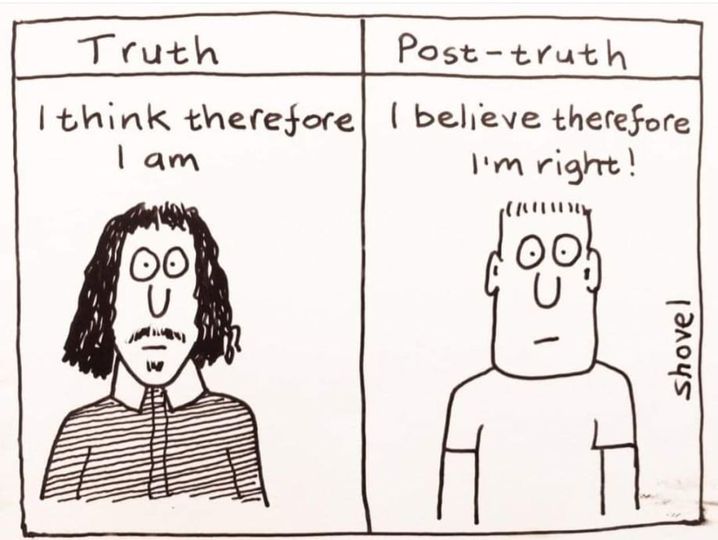
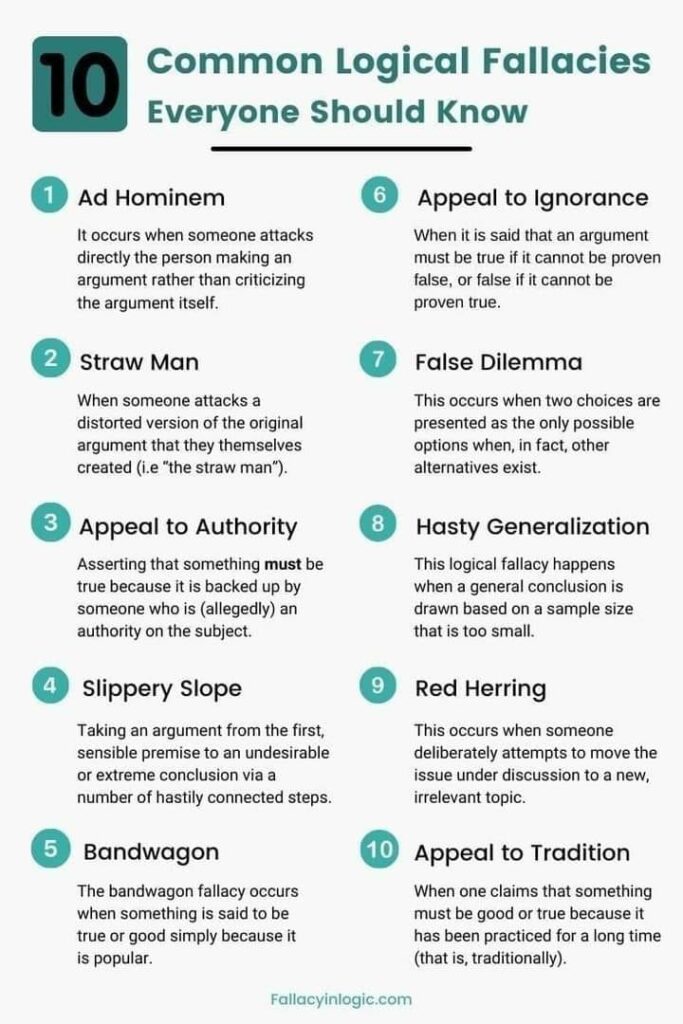
The is very little if any constructive dialogue, instead we have #blocking, simply ignoring, participants selectively address certain points while neglecting others. This creates an incomplete dialogue and fails to engage with the actual scope of the argument. Example: If someone ignores the historical context and current challenges within FOSS governance structures, they miss why the proposed changes are necessary. Belittling involves dismissing or undermining arguments or concerns, which shuts down dialogue and discourage participation. Example: Dismissing the discussion of governance in FOSS as “unreadable” or “spammy” without engaging with the substance or argument. Nitpicking, focusing on minor details and errors rather than engaging with the main points, derails the conversation and prevent meaningful discussion. Example: focusing on correcting typos or minor factual errors without addressing the argument for the need for governance changes in FOSS projects. StrawMan, misrepresenting the argument to make it easier to attack, distorts the discussion and leads to unproductive debate. Example: Suggesting that advocating for more structured governance in FOSS is equivalent to demanding strict corporate-like control, which misrepresents the argument for more democratic and community-driven governance.

Reasons for these messy behaviours: Ideological differences, people have strong beliefs about what is “common sense” and react defensively to suggestions that change/challenge any of this existing, mostly blinded belief. This misunderstanding then feeds the growth of the lack of understanding of the historical context and the specifics of the proposed changes that then feedbacks misinformed critiques, end up building resistance to change. Yes, change is uncomfortable, and people resist it by dismissing or undermining new paths, ideas please? The style of communication can be off-putting and confusing for in and out groups, leading to reactions that focus on form rather than addressing any substance is a small problem.

Why this matters? There is a crisis of governance in #FOSS, Aristocratic hierarchies and monarchical leadership pushes the concentration of power among a few maintainers and leaders, this lowers community building and buy in. Medieval governance structures are medieval political systems, it’s obviously unfit for the modern world, let’s look at why we have this mess – with #neoliberal, individualism and its failures, #stupidindividualism breeds the focus on individualism, which undermines collaboration and community-driven efforts in FOSS. This fixation with market-driven development rather than community needs result on one hand in less innovative and user-friendly software, and on the other in #dotcons control and exploitation. Feeding the #techchurn and #geekproblem insular and exclusionary culture.

Addressing issues like this of ignoring, belittling, nitpicking, and straw man arguments that push back productive dialogue. What are the solutions to this current path, maybe, democratizing decision-making, the path of transparent and inclusive governance models like the #OGB to build community-concentric approaches, like #indymediaback and #makeinghistory. To make this work, let’s try shifting to focus on to community needs to balance the individuals ambition and market demands. Cultivate an inclusive culture that values diverse perspectives and considers different social, cultural, and economic paths.
What works?

What drives the rise of social justice movements and grassroots mobilization is simple: they begin locally. Movements grow from the lived experiences of people and communities directly affected by injustice – those with the motivation and need to bring about real change.

To help these movements expand and connect, technology need to be built to serve people, not control them. That means prioritizing open, decentralized networks like the #openweb and the #fediverse, that grow free, serendipitous communication. These digital commons give activists the tools to organize, share stories, and build collective power without being bound by corporate and state control.

Projects like the #OMN and #indymediaback are built with this ethos, tools for coordination, not domination. But movements also need historical memory. We need to document and preserve the history of activism, its tactics, its victories, its failures, to educate and inspire new generations. Understanding the struggles of the past helps today’s movements avoid repeating old mistakes and build on hard-won gains. That’s the work of the #makeinghistory project.

Yet we face the ever-present threat of co-optation, when activist groups shift their focus to chase funding and institutional legitimacy, losing their deep roots in the process. Staying independent and mission-driven is hard, especially in today’s hostile environment, but it has been done before, so it can be done again. If you value this work, support us here: https://opencollective.com/open-media-network to build these tools.

Activism thrives when there’s a balance of spiky and fluffy – bold direct action paired with strategic planning and long-term vision. Pragmatism is key: we must address urgent needs now, while laying the groundwork for lasting change.

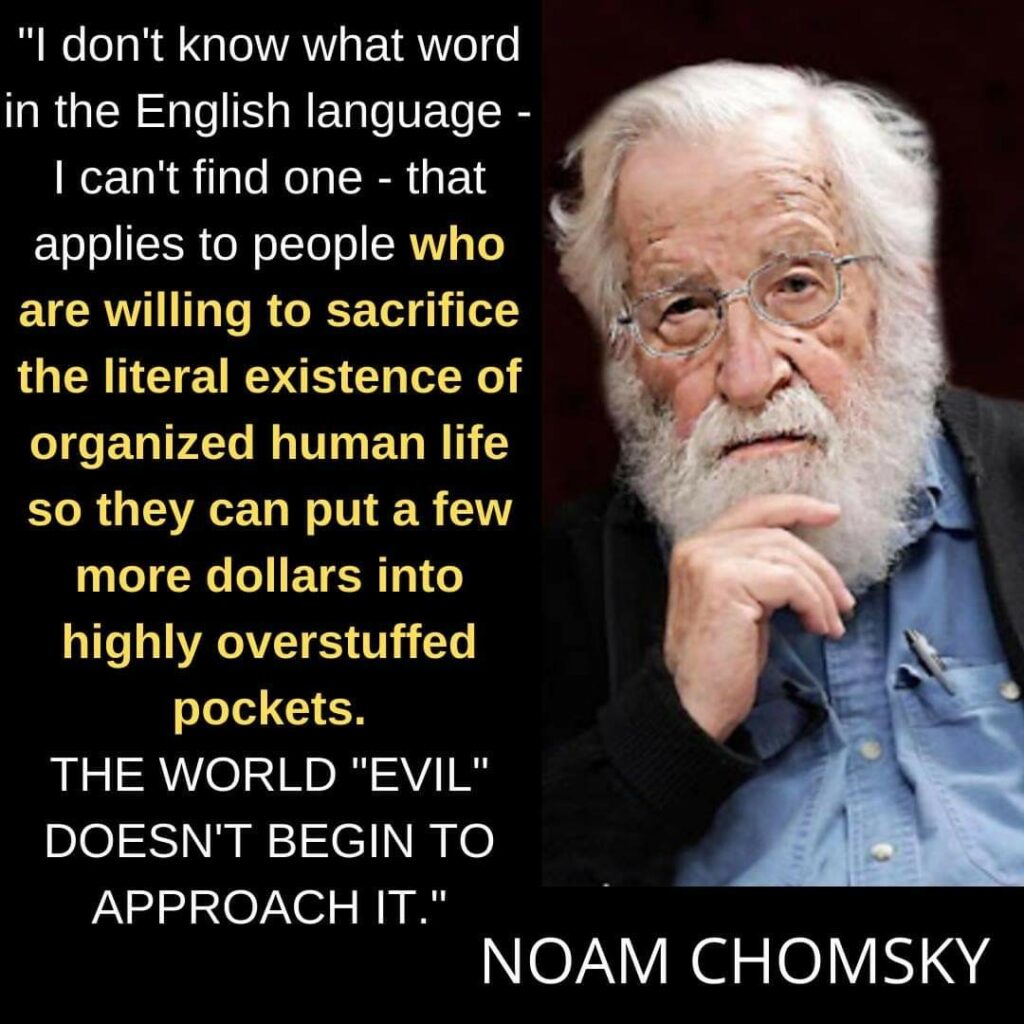
Let’s be clear: the relationship between grassroots movements and capitalism is fundamentally antagonistic. Capitalism erases history. It ignores the material realities of class struggle, slavery by debt, violence, ecocide, and mind-numbing oppression. Breeding a culture of #stupidIndividualism that keeps fuelling the #deathcult we now call “common sense.”

In its place, we should seriously consider other paths like – socialism and anarchism – not as abstract ideals, but as practical socio-economic paths rooted in public ownership and collective decision-making. These models offer a chance to distribute wealth and power more justly.

Capitalism is collapsing under its own weight.

“We all know the system we live under is destroying itself.
So what comes next? Fascism or revolution?”

Radical change isn’t a dream, it’s a necessity. The #openweb, the language of hashtags, and the memory of past movements offer us practical tools to build collective paths, connect communities, and organize resistance to the hard pushing. These are our counterforces to the algorithmic mess of #mainstreaming. We already have the tools. Now we need the will.

A Story of Ordinary Women Doing Extraordinary Things

In the early 1980s, the Cold War tensions reached new heights, reviving fears of nuclear annihilation among the public. It was during this time, in a small village in southwest Wales, that a group of women decided to elevate their local protest to an international level. This story is about the creation of the Greenham Common Peace Camp, a testament to the power of grassroots activism and the spirit of ordinary women.

The inspiration for this movement was deeply personal for many of the women involved. They were mothers and grandmothers, worried about the future of their children in a world where nuclear war seemed increasingly inevitable. Thalia Campbell, an artist and banner maker, was one of the original marchers and co-founder of the peace camp, she played a pivotal role in coordinating the sculpture project, the subject of this video, that became a symbol of their struggle.

The video is about the sculpture, which commemorates the march that started the camp. The sculpture itself was a significant endeavour, starting with small donations and gaining momentum after receiving the Transport and General Workers Union Peace Prize. Thalia Campbell spent ten years consulting with women around the world, and eventually, a life-size clay original was created. This original was made into a plaster cast and shipped to a foundry in Wales to be cast in bronze, creating a durable public monument.

The march to Greenham Common began on August 27, 1981. Thirty-six women, accompanied by their children in pushchairs, and six men, gathered outside City Hall in Cardiff to walk the 110 miles to Newbury in Berkshire. This group of women, who started as strangers, became a tribe as they walked together, slept in village halls, and shared their fears and hopes for a nuclear-free future.

The marchers carried with them a pamphlet showing a deformed child born after the Hiroshima bombing, highlighting the horrific consequences of nuclear radiation. They planned to deliver their petition against nuclear weapons upon reaching Greenham Common. However, upon arrival, they were ignored, prompting them to stay.

In a spontaneous decision inspired by the suffragettes, the women decided to chain themselves to the fence of Greenham Common. This act of defiance, initially met with confusion and humor by the local police, quickly gained attention. The women’s determination to make their voices heard led them to stay at the site, setting up an encampment despite having no initial plans to do so.

The camp grew as local supporters provided food and supplies. Over time, it became clear that this was not a temporary protest but a long-term commitment. The camp evolved into a women-only space, not out of sexism, but as a practical decision to avoid manipulative tactics by the police that could provoke violence. This decision also created a safe space for women to express their views and experiences without fear.

The Greenham Common Peace Camp faced internal and external challenges. Leading to the formation of different groups and camps around the site. The presence of women with various personal problems, as well as significant numbers of lesbians, brought both strength and complexity to the movement.

Growing from these challenges, the Greenham Common Peace Camp became a powerful symbol of non-violent protest and women’s activism. The sculpture, created over a year, stands as a testament to the untold stories of the women who gave birth to this remarkable movement.

The Greenham Common Peace Camp left an indelible mark on history, demonstrating the impact of collective action and the courage of women to dared to challenge the status quo. Their story is one of resilience, solidarity, and the unwavering belief in a peaceful future.

The film is by #hamishcampbell

#greenhamcommon #peace #women #scupture #makeinghistory

Composting the Mess: Transforming Society through Collective Action

In the tapestry of human interaction, the worst threads of people and #society manifest as destructive feedback loops. Whether fuelled by greed, fear, or power dynamics, this cycle weaves our current culture of brokenness and decay.

To break from this destructive cycle, we need to embrace a paradigm shift, normalizing the best parts of people and society. By cultivating trust, hope, and collaboration, we create a fertile ground for growth and transformation.

At the heart of this shift lies the contrast between #capitalism and alternative paths like socialism and #anarchy. Capitalism, with its emphasis on greed and fear, thrives on control and power that perpetuate societal fractures. In contrast, at their best socialism and anarchy offer pathways rooted in trust and hope, to nurture the best aspects of human nature and society.

Capitalism’s foundation in the worst of human behaviour pushes inequality and division, thus stifling collective progress. In contrast, socialism and anarchy offer frameworks that prioritize equity, solidarity, and cooperation, providing fertile soil for societal flourishing.

As communerties wielding shovels of collective action, we have the power to compost the mess that withers our societies. By coming together to cultivate a #4opens culture of transparency, flows, and mutual aid, we can transform the landscape of human interaction with projects like the #OMN #OGB and #makeinghistory

This act of composting requires patience, dedication, and a willingness to confront the roots of systemic problems. It involves breaking down the “non-native” barriers that divide to nourishing the soil of our communities with the seeds of change.

In the face of adversity, let’s stand united in our commitment to composting the mess that is breaking us and our societies. Together, we can cultivate a future rooted in the best parts of humanity, where empathy, cooperation, and collective well-being build our path.

The Mess of Web3: Why #openweb natives question the Blockchain Narrative

In the ongoing discourse surrounding #openweb and its relation to failing technologies like #web3 and #blockchain, a critical question emerges: why do we readily accept solutions without first defining the problem at hand?

“… it’s not secure, it’s not safe, it’s not reliable, it’s not trustworthy, it’s not even decentralized, it’s not anonymous, it’s helping destroy the planet. I haven’t found one positive use for blockchain. It has nothing that couldn’t be done better without it.”

—Bruce Schneier, *Bruce Schneier on the Crypto/Blockchain Disaster

The allure of decentralized autonomous organizations (DAOs) and blockchain technology for the last ten years has overshadowed the necessity of understanding the fundamental issues within our communities. Instead of exploring how we want to govern, decide, and interact within our communities, we find ourselves seduced by the promises of #DAO pitches.

The core of the matter lies in the conflation of culture with technology. Every time a DAO or blockchain solution is proposed, the culture and organization of communities become intertwined with the #geekproblem tools being offered. This bundling tactic obscures the essence of the technology and stifles meaningful discourse. By presenting technology as a fait accompli, we are robbed of the opportunity to critically assess its implications.

In the realm of the #openweb, technology is envisioned as a manifestation of communal decisions and conscious choices. It is the crystallization of community values, traditions, and needs. Where blockchain and DAOs represent an antithesis to this vision. They dictate choices rather than empower communities to determine their own paths.

One of the most concerning aspects of blockchain technology is its enforced financialization within communities. The implementation of ledger systems and tokens mirrors the #dotcons capitalist market traditions, where wealth equates to power. In stark contrast to the principles of “native” gift economies and communalism, blockchain perpetuates a system where those with the most resources wield influence.

In this, even in #mainstreaming dialogue, these ten years of blinded move to blockchain threatens to undermine centuries of liberal evolution by replacing established legal systems with #web3 engineers acting as arbiters of justice. This shift from #mainstreaming transparent and “equitable” legal frameworks to opaque and centralized technological solutions is deeply troubling.

As proponents of #4opens ideals, we should question the last ten years narrative of blockchain’s and DAOs. We must resist the allure of #geekproblem technological solutions that obscure the essence of community governance and autonomy. Instead, let’s engage in meaningful dialogue, grounded in clear understanding of the problems we address and the values we hold to forge a “native” #openweb path.

We now face another wasted ten years of #AI hype with the same issues and agender. We have to stop feeding this mess.

#OGB #OMN #makeinghistory

A script #makinghistory

[Opening Shot: A montage of radical historical photographs, documents, and footage representing social movements and political activism throughout history.]

Narrator: In a world where history is written by the victors, a new #openweb project emerges, aiming to democratize the process of archiving and storytelling. This is the story of #makeinghistory, a groundbreaking initiative within the Open Media Network (#OMN).

[Cut to Interview with Project Lead]

Project Lead: The #makeinghistory project is about empowering communities to take control of their own narratives. It’s about recognizing the importance of grassroots movements and ensuring that their stories are preserved and shared for generations to come.

[Cut to Footage of Archiving Process]

Narrator: The journey begins with the digitization of historical archives, like the #CampbellFamily archive, containing invaluable materials related to activism and political movements.

[Voiceover: Setting up the Application]

Narrator: The first step is setting up the application for #makeinghistory.

[Voiceover: Uploading Digital Files]

Narrator: Users create accounts and start uploading directories of digital files from the archives, adding basic metadata to organize the materials.

[Cut to Community Building]

Narrator: Building a community of users is essential. Family members, activists, and allies are invited to join the project, seeding an affinity group dedicated to preserving history.

[Voiceover: Column Structure]

Narrator: The application features columns like “new” and “recent,” along with others added by users, organizing the data based on boolean logic lists and hashtag based metadata.

[Voiceover: Data Interaction]

Narrator: Users actively interact with the data, organically adding metadata, information, and editing hashtags to categorize items effectively.

[Voiceover: Categorization]

Narrator: Through collaborative efforts, items move into category columns, creating cohesive narratives and facilitating engagement.

[Voiceover: Story Feature]

Narrator: The story feature transforms categorized, metadata-enriched data into cohesive narratives, providing overviews and linking multiple items and categories.

[Cut to Exhibition Setting]

Narrator: But the impact of #makeinghistory extends beyond digital platforms. In exhibition settings, visitors can participate in archiving and storytelling, creating a participatory space for engagement.

[Voiceover: Sharing History]

Narrator: The stories created through #makeinghistory are shared with the wider world, providing grassroots quality history in addition to normal traditional top-down narratives.

[Closing Shot: A group of people gathered around a digital display, discussing and engaging with historical materials.]

Narrator: Through #makeinghistory, people are reclaiming their stories, inspiring real and lasting social change by recognizing the power of history in driving progress.

[End Credits]

Historically, #mainstreaming politics has a tendency to shift to the right during times of crisis

The intersection of #climatechange, #mainstreaming politics, and fear is complex but they do influence social attitudes and policies. Historically, mainstream politics exhibits a shift to the right during times of crisis, and the looming mess of #climatechaos is following this trend. In this, we need to recognize the pivotal role that fear plays in driving right-wing politics and shaping public discourse.

Fear operates as a strong motivator of political attitudes and policies, particularly within right-wing ideologies. Whether it manifests as apprehension over economic instability, cultural change, or national security, fear is fertile ground for the growing of right-wing narratives. In the context of climatechaos, this fear is further amplified by concerns surrounding environmental degradation, natural disasters, migration, and resource scarcity. Such apprehensions provide a breeding ground for the shift to the hard right, that feeds on these anxieties to promote its agenda.

However, amidst this landscape of fear, a counterpoint emerges: the waning fear of socialism. Traditionally, socialism is met with suspicion and trepidation by capitalist classes, serving as a perceived threat to the status quo. Yet, as socialist ideals gain traction and legitimacy in #mainstreaming discourse, particularly among younger generations, the fear of socialism begins to diminish. This shifting dynamic challenges the hegemony of right-wing politics and offers a glimmer of hope for progressive change in the growing mess.

Indeed, this shift presents an opportunity for hope. By embracing socialist principles and advocating for progressive policies, there is potential to counteract the politics of fear perpetuated by the right. However, this window of opportunity is narrowing in the face of escalating #climatechaos. The urgency of the climate crisis demands immediate action, and the failure to seize this opportunity through #mainstreaming inaction exacerbate the cycle of fear and despair.

In essence, the delicate balance between fear and hope shapes political narratives and responses to climate change. While fear may dominate #mainstreaming politics in the short term, there remains a potential for collective action and progressive change. In #openweb tech initiatives such as the Open Media Network (#OMN), #OGB, #indymediaback, and #makeinghistory exemplify efforts to challenge the status quo and take a course towards a future grounded in resilience, equity, and sustainability, growing a society that prioritizes collective the well-being and environmental stewardship that we need.

The problem we face is composting our own #blocking behaver, so more people can supports projects like these.

User Story #makeinghistory

The “User Story #makeinghistory” outlines a process for digitizing the #Campbell Family archive, which contains significant historical materials related to activism and political movements. The steps involved:

  • Setting up the Application: The archive sets up a desktop computer or a hosted VPS instance to install the #DAT/ActivityPub based#p2p application for “makeinghistory.”
  • Uploading Digital Files: They use the application to create an account and start scanning and uploading directories of digital files from the archive, adding basic metadata if possible.
  • Building a Community: The archive builds a community of users, including family members and wider activist groups, to seed an affinity group and encourage them to install the application on their devices.
  • Column Structure: Users see columns like “new” and “recent” along with others added by people working on the same accounts. These columns contain flows of boolean logic lists of the data in the shared account.
  • Data Interaction: Users can interact with the data, adding metadata, information, and editing hashtags. They can swipe through items and modify data as needed.
  • Categorization: By editing hashtags and data, items move into category columns and into the recent columns, thus shift to different groups and users.
  • Engagement: Users actively participate in categorizing content instead of passive scrolling. As others add metadata, it updates the feeds of other users, encouraging them to return and contribute.
  • Story Feature: Archived categorized metadata-enriched data flows are turned into cohesive narratives using the story feature, providing overviews and linking multiple items and categories.
  • Sharing History: The created histories can be shared with the wider world, providing grassroots quality history in addition to more traditional top-down narratives.
  • Impact: People use these stories to inspire real and lasting social change, recognizing the importance of history in driving progressive paths.

The “User Story – Resistance Exhibition” extends this concept to an exhibition setting, where visitors can participate in archiving and storytelling using an app installed at the exhibition. This creates a participatory space where people engage with historical materials and contribute to ongoing #4opens projects. All data collected is public CC and available for use in other projects, emphasizing openness and collaboration.


SECOND draft

User Story: #MakingHistory – Digital Family Archive & Activist Memory-Building

Goal: Digitize and share activist / family archives primary sources, stories, documents in a way that’s open, participatory, and rooted in real community, not just relic preservation. The archive becomes both memory and tool for social change.

Steps & flows

Setup infrastructure – Spin up a small hosted VPS or desktop instance. Install a #DAT / ActivityPub / peer-to-peer hybrid archive app (#makinghistory).

Upload & seed – Scan family / activist archival material: photos, videos, letters, flyers. Add basic metadata (date, place, people involved). Upload into the system.

Community building – Invite family, networks, activist groups to install the app. Form an affinity group around the archive.

Columns & filtering – Interface: columns like New, Recent, plus user-added ones (by theme / era / type). Users see flows of items (boolean filters, hashtag categories) they care about. Interaction & tagging – Users contribute: add metadata, tags, stories behind objects.

Swipe, browse, edit. Items shift columns/categories as metadata evolves.

Story feature / Narrative building – With categorized & metadata-tagged material, users can assemble “stories”, narrative essays, timelines, thematic presentations.

Sharing & impact – Publish these histories publicly: open & CC-licensed. These become grassroots counterhistories. Use stories to inspire activism, education, or community organizing – showing how history roots current struggles.

Exhibition mode (Extension) – In physical exhibitions, visitors can use the app (on tablets or provided devices) to browse and contribute live: tagging, adding memories, shaping the narrative in situ.

Why it matters, it opens up history: Moves memory out of centralized institutions (archives, museums) into the hands of communities who lived it.

Counter-narrative: Offers history from below, not only top-down or official versions.

Living archive: It’s participatory, not passive. People don’t just view; they shape meaning.

Grounded in #4opens: Open data, open process, open source, open access.

Potential challenges & what to compost (Lessons from past failures) What has gone wrong before, how we compost it in this story:

Burnout among core volunteers, people overload metadata tasks, get exhausted; later momentum fades. Spread workload through community; avoid “metadatabase queen/king” roles. Use columns & tagging that feel playful and meaningful, not tedious.

Power consolidation, with one person / small team becomes the de facto gatekeeper of what’s seen / what counts. Use shared governance: decisions about themes, display, moderation are open. Rotate roles. Use open process.

Tech falling out of maintenance with custom tools built, then abandoned. Use stable, simple tools with community-supported code. Make sure data formats are portable.

Exclusion in “participation” Some voices get left out, marginalized, younger, remote. Proactively invite diverse participants; ensure the interface / metadata vocab doesn’t force people to use jargon; make offline or low-bandwidth modes possible.

Funding Application: Building the Open Media Network

Funding Application: Building the Open Media Network

Project Overview: The Open Media Network (#OMN) is an innovative project aiming to construct a trust-based, human-moderated, and decentralized database shared across multiple peers, encompassing both peer-to-peer (p2p) and server-based architecture. OMN is centred around the #4opens principles, emphasizing openness, transparency, collaboration, and decentralized control. The project’s primary focus in using technology to empower human networks and foster community-driven content curation and dissemination.

Key Functions: OMN boasts five primary functions:

  1. Publish: Users can easily publish various types of content, including text, images, and links, to a stream of objects.
  2. Subscribe: Users have the ability to subscribe to streams of objects from people, organizations, pages, groups, hashtags, and more, enabling custom content flows.
  3. Moderate: The platform integrates moderation tools from the #Fediverse, allowing users to express their preferences (e.g., like/dislike) on streams or objects, as well as provide comments.
  4. Rollback: Users, admins can remove untrusted historical content from their flow or instance database by publishing flow/source/tag, ensuring the integrity of the content.
  5. Edit: Users have the flexibility to edit the metadata of objects and streams across various sites, instances, or apps where they have login credentials.

Project Scope: The back-end infrastructure of OMN serves as the foundation for constructing a #DIY, trust-based, grassroots semantic web. The technology, affectionately referred to as the #WitchesCauldron, is designed to facilitate decentralized publishing, content aggregation, curation, and distribution while prioritizing user trust and community building. The front-end applications of OMN are diverse and adaptable, ranging from regional/city/subject-based #indymedia sites to distributed archiving projects like #makeinghistory.

Funding Needs: To realize the vision of the Open Media Network, we require funding support to cover essential expenses such as:

  1. Development: Hiring skilled developers to build and refine the back-end infrastructure and associated tools, ensuring robustness, stability, and interoperability.
  2. Moderation Tools: Integrating advanced moderation tools from the Fediverse to enhance user experience and promote healthy content flows.
  3. Community Engagement: Facilitating community outreach and engagement efforts to onboard users, gather feedback, and foster a vibrant and inclusive user community.
  4. Infrastructure: Investing in server infrastructure and maintenance to support the decentralized nature of the OMN platform and ensure reliable performance as the project rolls out.
  5. Documentation and Training: Creating comprehensive documentation and providing training resources to empower people to effectively navigate and utilize the OMN network.

Impact: By supporting the Open Media Network, funders will contribute to the development of a groundbreaking platform that empowers people to take control of their lives and digital experiences, participate in meaningful content creation and curation, and build vibrant and resilient grassroots communities. OMN aims to democratize access to information and facilitate decentralized communication, fostering a more #4opens, transparent, and equitable digital ecosystem.

Conclusion: The Open Media Network represents a real opportunity to revolutionize content distribution and community engagement in the digital age. With your support, we can bring this visionary project to life, empowering people and communities to reclaim power over their online experiences and build a more inclusive, democratic, and sustainable people based future. Join us in building the future of media and communication with the Open Media Network.

Thank you for considering our funding application.

The #geekproblem is a part of our collective #deathcult

There is a value miss match that is a core part of the #geekproblem and its relationship to “normal” society. One side prioritises the tech, the other the social, they then ignore each other. Both suffer and become pointless, or likely die out as a species in the era of #climatechaos. Build a bridge or be pointless, or more likely dead in the long term. #OMN #indymediaback #makeinghistory #OGB are bridges.

The recognition and resolution of the value mismatch between technology and society are crucial for addressing pressing global challenges such as #climatechaos. The #geekproblem encapsulates this divide, where one side prioritizes technological development while the other prioritizes social considerations. However, both perspectives are essential for meaningful progress. By building bridges between technology and society, initiatives like #OMN, #indymediaback, and #OGB serve as vital connectors that facilitate collaboration and mutual understanding. These projects recognize that addressing complex issues requires interdisciplinary approaches that integrate technological innovation. By bridging the gap between technology and society, these initiatives pave the way for holistic solutions that can effectively tackle the challenges of our time, ultimately contributing to a more sustainable and equitable future. Failure to build such bridges risks rendering both perspectives ineffective or irrelevant, potentially leading to dire consequences for humanity in the long term. Therefore, the importance of initiatives like #OMN, #indymediaback, and #OGB cannot be overstated, as they play a role in bridging the gap between technology and society and advancing collective efforts towards a better future.

What is the #OMN project for

The #OMN is about building #KISS bootem up trust based media networks for publishing and soughing content with enriched metadata flows. In the end you have a “stupidly simple semantic web of media object “cauldrons” and flows build up from a local level. What you/we do with this is up to the users/producers… this is held to radical politics by #PGA

Initial projects are media #indymediaback and archiving #makeinghistory with the resistances’ exhibition. There are likely lots of other things you can build as its just pipes and flows – the internet as a “open/trust” database of humane objects/people.

How this fits into traditional or Alt economics is not rarely up to us – but bounded by #4opens and #PGA so up for “connections” based on opendata flows – #RSS or #activertypub are good starts.


Most history’s of #indymedia are full of academic wank

The problem of academics covering activism, particularly within grassroots movements like #Indymedia, is the significant disconnect between academic interpretations and the realities on the ground. This gap is not a matter of perspective but represents a fundamental systematic misunderstanding of the dynamics and operational mechanisms of activist movements.

The disconnect is that academics gravitate towards more visible and vocal members of activist circles, the #fashernistas. These are, often, passionate and articulate, but are not in any way the people making the movement’s wheels turn. The core of activism, the real work, is carried out by those who are too busy to engage with academia because they are immersed in the day-to-day efforts of driving change.

The history of the Indymedia project is a case in point. Indymedia was a pioneering effort in the early 2000s to create an open publishing platform for grassroots journalists. Its story is a rich tapestry of collaboration, innovation, and relentless dedication. However, much of the academic writing on Indymedia misses the mark, focusing instead on surface-level narratives. For a deeper understanding of the Indymedia project’s history from someone who was actively involved, you can read my activism stories.

Academia push analyses that are often removed from the practical realities of activism. The theoretical frameworks and methodologies used serve more to fulfil academic desires for publication and recognition than to provide a faithful representation of activist efforts. This creates a body of work that can be described as “wish-fulfilling #fashernista wank,” offering little insight into the actual functioning of the movements they are supposed to be covering.

The consequences of this misrepresentation are significant. Historical records, influenced heavily by academic accounts, paint an inaccurate picture of how movements operated and succeeded. This not only distorts the past but also impacts future activists who look to these records for guidance and inspiration. The narratives crafted by academics sideline the contributions of the true workhorses of the movement, leading to a strongly skewed and broken understanding of what is effective in activism.

To bridge this gap, we need academics to engage more deeply with the core activists, those whose hands are dirty from the work of making change happen. This requires a shift from seeking out the most vocal and visible to those who are often unseen but indispensable. Additionally, activists themselves must recognize the importance of documenting their efforts and experiences, ensuring that future narratives reflect the true spirit and mechanics of their movements.

There is a #OMN project for this #makeinghistory, which matters as we do need more authentic dialogue between academics and activists, to build a more accurate and useful body of knowledge that actually honours and reflects the efforts of those who actually are driving change.

A Q&A on this:

Q. I wish the hacker culture connection to anarchism was more thorough and consistent. It looks a lot more like privileged fuckery and pet insurrections. It could be that the academic scene wasn’t representative of the movement as a whole

A. I would largely ignore most existing academic history of anachronism and tech as it is extreme https://en.wikipedia.org/wiki/Mannerism

In my view, if people want the truth, a good place to start a project like this would be to look through the #indymedia email archives for an “original” anarchist workflow. I would not take much notice of the “official” history’s of indymedia as they are full of academic wank. The theoretical analysis of the time is all pushing agenders that ripped the project apart and killed it – while it is interesting to see this nasty process, but it’s much less useful as exacting history of what actually happened. The whole internal process is saved in open email lists now hosted on archive.org no other anarchist project is this well documented.

Best not to add to the activist “mannerism” in our shared history, it’s really bad all ready. That is if we are to have hope for “anarchism” fluffy and spiky playing a role in saving a humane/ecological world we need.

#indymediaback