- Seek Joy, Not Misery: Wanting a better world doesn’t mean living in misery. Prioritize our social well-being and happiness is the path we need to take together.
If you are stuck in the world of Work
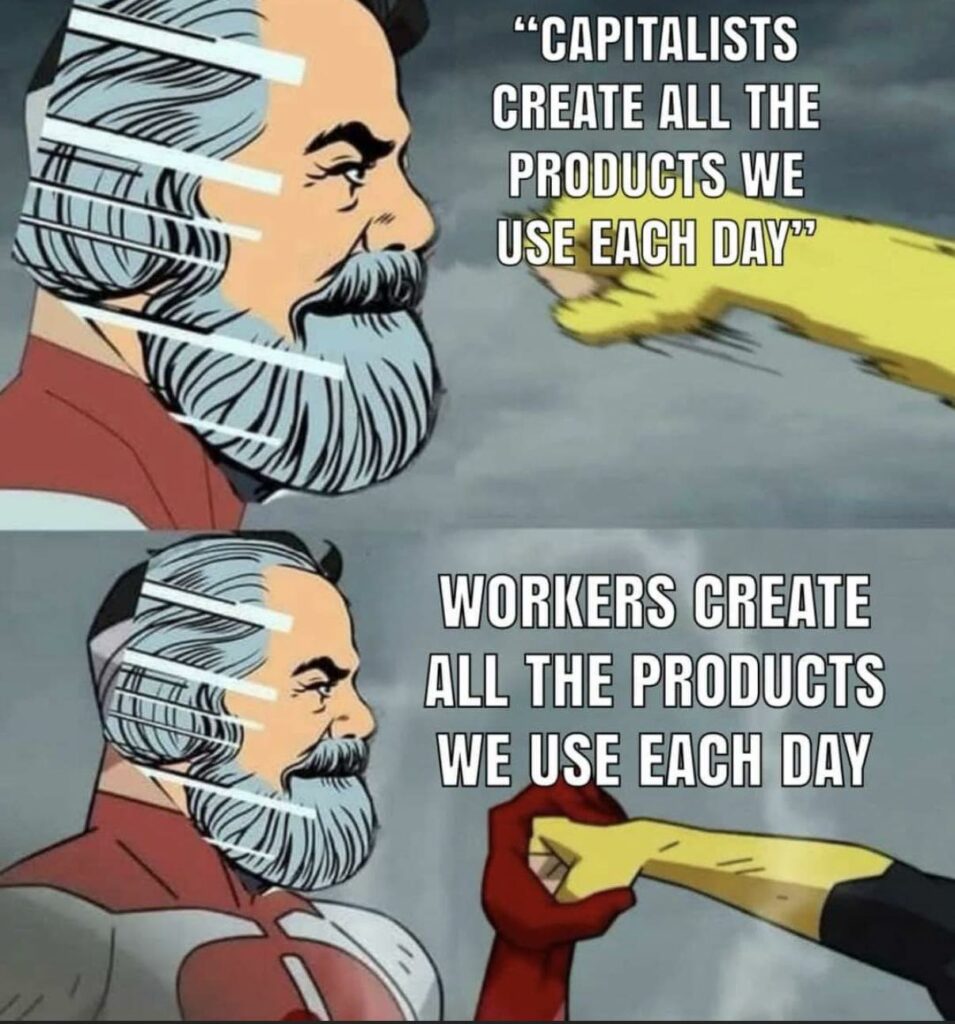
- Understand Employer Dynamics: Employers prioritize profit and can’t afford to #pay you the true value of your work. Recognize this systemic issue.
- Work Strategically: Don’t overwork yourself in hopes of a promotion. Instead, work just enough and oversell your contributions.
- Embellish Your Resume: Enhance your work experience during interviews. In today’s competitive job market, this is a basic necessity.
- Take Opportunities: Accept management positions if offered. A radical manager is better for workers, but avoid getting power-hungry in this new space.
- Learn on the Job: Don’t be intimidated by new roles. Most skills can be learned as you go, except for highly specialized fields like medicine or engineering.
- Realize Everyone is Winging It: Most people, including #managers, are improvising. Don’t assume others know more than you do.
- Share Salary Information: Discuss wages with colleagues. This transparency helps address pay disparities.
- Unionize: Join or organize a #union, but do so discreetly to avoid retaliation.
- Maintain Health Over Work: Never sacrifice your health for a job. No job is worth long-term damage to your well-being.
Money Spending
- Avoid Brand Obsession: Focus on the true value and quality of products rather than their #brand status.
- Limit Consumption: Differentiate between needs and wants. Avoid unnecessary purchases driven by #consumerism.
- Sustainable Living: While there’s no ethical consumption under #capitalism, strive for sustainability when possible.
- Rent vs. Buy: If you can afford it, buying a home is more stable than renting, which leaves you vulnerable to exploitation.
- Use Public Transportation: It’s often cheaper and faster than driving.
- Support Socialist Projects: Donate time and resources to causes you believe in. Participate in mutual aid and direct action.
Hope and Motivation
- Stay Motivated: Remaining a radical activist is challenging but rewarding. Embrace your knowledge and use it to find purpose and elegance in navigating the system to change and challenge it.
Summary
Live strategically within the system, see its flaws while prioritizing your communities health and happiness. Seek joy and purpose beyond the job, and most importantly, support movements for systemic change like the #OMN