What we are doing at #Oxfordboaters is simple, that’s the uncomfortable truth for people who see this as to complex. The core idea – people coming together around shared concerns, communicating openly, and acting collectively – is about as old as human society. There’s nothing technically complex about it, nothing conceptually obscure. Yet in practice, it feels almost impossible.

So where does this friction come from? It’s not the goal, it’s not even the surface the process, most of the time, it’s the people – and, more importantly, the tools and cultures we bring with us. The path we need is simplicity underneath – #Oxfordboaters is doing three things:
- Sharing information about what’s happening
- Building a shared understanding of that information
- Acting together based on that understanding
That’s it, strip away the noise, and that’s the whole system. It’s classic #actavisam: publish, discuss, act. You don’t need layers of management theory or complex governance frameworks to make that work. You need #KISS trust, visibility, and participation.
But we rarely get to operate at this level of clarity, the difficulty creeps in as people bring baggage – Everyone arrives with habits shaped by the #mainstreaming worshipping of the #deathcult that leads to the imposing of unthinking expectation of hierarchy (“who’s in charge?”) and fear of speaking openly (“will this be used against me?”) leading to the desire for control (“we need to manage the message”) this “common sense” mess leads to focus on avoidance of conflict (“let’s keep it positive and not rock the boat”).
These aren’t individual personal failings, they’re social learned behaviours, that distort simple processes into complicated ones. This mess is amplified by a second “common sense” problem, that the tools we use shape behaviour, the #dotcons platforms we “use” default push us in particular mess making directions:
- Chat tools fragment conversations into noise
- Social media rewards reaction over reflection
Instead of supporting collective clarity, these default tools amplify confusion, they make it harder to see what’s actually going on, and thus easier for misunderstandings to spiral. One tool we have is process but is it a tool or weapon? Process can either help people work together, or it can be used to block this work. Some processes are designed to:
- Encourage participation
- Make decisions visible
- Build shared ownership
Others – often unintentionally – end up:
- Slowing everything down
- Creating gatekeepers
- Hiding power behind “procedure”
You can see this easily when something urgent comes up – healthy process helps people respond quickly and collectively, were a broken one turns into endless discussion, deferral, and inaction. Same situation, same people – different outcome depending on the process.
At #Oxfordboaters, the work itself is straightforward: There’s an issue affecting the river community – People gather information about it – That information is shared – A response is organised. But what makes it hard? People are different – Disagreements about tone (fluffy vs spiky), uncertainty about who should act and fragmented communication across platforms leading to #blocking of action.
None of these are about the actual goal, they’re all about how people relate to each other and the structures they’re working within. The illusion of complexity is one of the biggest traps – mistaking this friction for complexity. When something feels hard, we assume the solution is to add more structure, more meetings, more rules, more #dotcons tools. But this “common sense” push to often adds another layer of blockage, it treats the symptoms, not the cause.
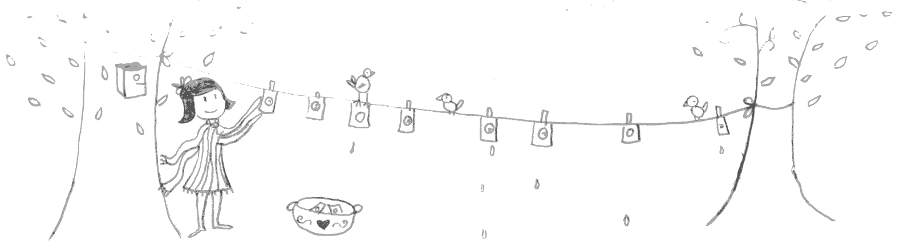
The reality is harsher the system is simple, but we as a community are messy. So how can we work better in this mess? The answer isn’t to eliminate the mess – that’s impossible. It’s to design processes that work with it instead of work against it. That means accepting disagreement as normal, making conflict visible rather than suppressing it. Keeping structures lightweight and adaptable, in the end it’s about prioritising clarity over control. In #OMN terms, this is where the #4opens come in:
Open data → everyone can see what’s happening
Open process → decisions aren’t hidden
Open source → tools can be adapted
Open standards → systems interconnect
These don’t remove human complexity, but they can mediate it from becoming opaque and blocking. So what do we mean by blocking vs enabling. You can tell the health of a project by a simple test – Does the process help people act, or stop them from acting? If people feel empowered to contribute → the process is working. Hesitant, confused, or sidelined → the process is blocking.
At #Oxfordboaters, like many grassroots efforts, both dynamics exist at the same time. That’s normal. The work is to shift the balance toward enabling. So the hard truth is this the challenge isn’t building the perfect system, it’s growing the relationships that allow the #4opens path to function. That’s slower, messier, and far less comfortable than designing a neat process diagram, but it’s the only thing that actually works.
Keep it simple (#KISS) – when things get messy, the instinct is to add complexity. The better move is usually the opposite by striping things back to focus on what actually needs to happen. Make it easier for people to take part, because underneath all the noise, the work is still simple. People, talking to each other, deciding to act. Everything else is either helping that – or getting in the way.