
The Supremacy of Capital: A Fundamental Challenge in the Era of #ClimateChaos

In today’s world, the supremacy of capital stands as a pillar holding up our societies and institutions. This assertion, though seemingly simple, carries implications for our understanding of power dynamics, economic structures, and the urgent need for change in the face of #climatecrisis. This encapsulates a recognition that economic interests, particularly those of capitalists and corporations, wield immense influence over all aspects of human life.

Firstly, let us look into the idea of the supremacy of capital. At its core, this term speaks to the authority held by an ideological “class” holding money and wealth in our globalized society. It reflects economic imperatives that take precedence over social, environmental, and ethical considerations. In this paradigm, profit maximization becomes the objective, driving decision-making at individual, corporate, and governmental levels. As a result, we witness the consolidation of power and wealth in the hands of a few, while vast segments of society are left marginalized and disenfranchised.

The influence of capital extends beyond economic realms, permeating into the fabric of our social and cultural bodies, we can feel this in liberal ideology. Which is traditionally associated with notions of individual freedom, free markets, and limited government intervention, but with #neoliberalism becoming entwined with the supremacy of capital, every context, liberal economic policies prioritize the interests of corporations and the wealthy, reinforcing existing power structures.

The supremacy of capital is not a neutral or uncontested phenomenon. Instead, it is underpinned by a religiose adherence to certain beliefs and ideologies that serve to uphold the status quo. This religiosity manifests in a dogmatic acceptance of capitalist principles, to the detriment of alternative worldviews and dissenting voices. It pushes the culture of unquestioning obedience to market forces and economic growth, even in the face of mounting evidence of their adverse impacts on society and the environment.

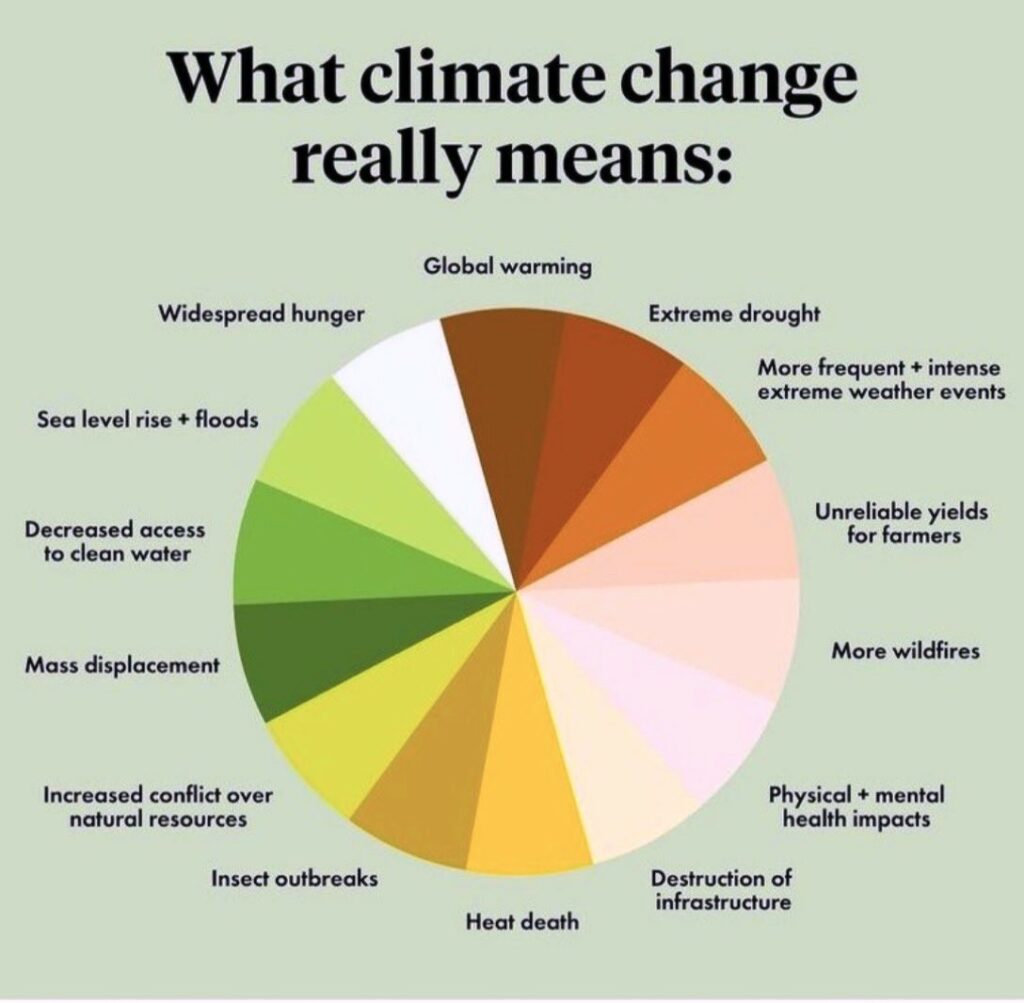
The urgency of addressing the supremacy of capital is underscored by the existential threat of #climatechange. The hashtag #Climatechaos serves as a strong reminder of the chaotic and disruptive effects of global warming on our planet. From extreme weather events to biodiversity loss and rising sea levels, the consequences of climate change are already being felt across the globe. Yet, capital continues to impede meaningful action on this front, as short-term profit motives take precedence over long-term sustainability and resilience.

In light of these challenges, the principle of #KISS – Keep It Simple, Stupid – offers a clarion call for action. It urges us to confront the fundamental issue at hand: the dominance of capital in our societies. While the solution to this complex problem may not be simple or straightforward, acknowledging its existence is the crucial first step towards effecting change. We must challenge the religiose reverence for capital and advocate for alternative economic paths that prioritize people and the planet over profit.

In conclusion, the supremacy of capital stands as the challenge in the era of #climatechaos. By understanding and addressing this, we can pave the way for a more sustainable future. It is past time to break free from the shackles of capitalist ideology and forge a path towards a world where the well-being of humanity and the environment takes precedence over corporate interests #KISS
Time to Ground Public Funding: Why We Should Invest in Energy, Not Billionaire Space Races

In the last year, the typical taxpayer spent more on #SpaceX — a company owned by one of the richest men in history — than on programs for energy efficiency and renewable energy. It’s time to reverse this. The way governments allocate public funds says everything about their priorities — and right now, those priorities are dangerously skewed.

Let’s look at the subsidies with SpaceX vs. Renewable Energy: A distorted allocation of public wealth. SpaceX, owned by Elon Musk, one of the wealthiest people ever to live, has received billions in public funding. While innovation in space technology might be exciting, it’s worth asking: Why are taxpayers subsidizing a billionaire’s rocket dreams while the planet burns?

Meanwhile, energy efficiency and renewable energy programs, critical for addressing the climate emergency, are underfunded and deprioritized. These programs offer immediate, tangible benefits for emissions reduction, energy security, and public health, yet they receive a fraction of the financial support funnelled into private space ventures.

Wealth disparity & public investment is now about funding the nasty few while communities struggle. The fact that public funds prop up Musk’s space empire reflects a deep structural rot: wealth inequality baked into public policy. Why should a man with more wealth than some nations receive massive state support while local renewable projects, energy transition initiatives, and community-based sustainability efforts scramble for scraps? Public money should serve the public good, not inflate the wealth of billionaires chasing sci-fi fantasies while entire regions face climate-driven collapse.

Energy transition, is a basic funding shift for survival. Redirecting funding from private space exploration to energy efficiency and renewable energy is a moral and practical necessity. The #climatecrisis is here and accelerating, and every dollar spent propping up a vanity space race is a dollar stolen from the fight for a liveable planet. Investing in solar, wind, community microgrids, and conservation programs. Lower emissions to build resilient local economies, reduced energy poverty by job creation in sustainable industries. The payoff is immediate and lasting. A rocket launch might inspire wonder for a day, but a robust renewable grid can sustain generations.

Government spending & climate accountability, this is a political choice, not an inevitability. Governments choose to fund SpaceX over solar panels, rockets over wind farms, the nasty few over marginalized communities. To balance this mess, we need to demand better transparency in public funding decisions, people-first policy prioritizing climate justice, accountability for politicians who choose corporate welfare over planetary survival.

The path forward is in reclaiming public funds for public good. We don’t need more billionaire space escapism, we urgently need a grounded, radical shift in spending that reflects the urgent needs of humanity and the planet. That means, massive public investment in renewable infrastructure, decentralized energy solutions owned by communities, not corporations, research and development in climate tech, not just space tech, global cooperation on sustainability, not competition for interplanetary dominance.

The future isn’t in the stars, it’s right here, on Earth. And if we don’t fight for it, no amount of rocket launches will save us. Let’s defund billionaire fantasies and invest in life. #KISS a liveable planet is worth infinitely more than footprints on Mars.

#OMN #4opens #climatechaos #deathcult #NothingNew #EnergyTransition #PublicFunding #TaxTheRich