Turning the lifeboat electric – Solar Power for down-river cruising

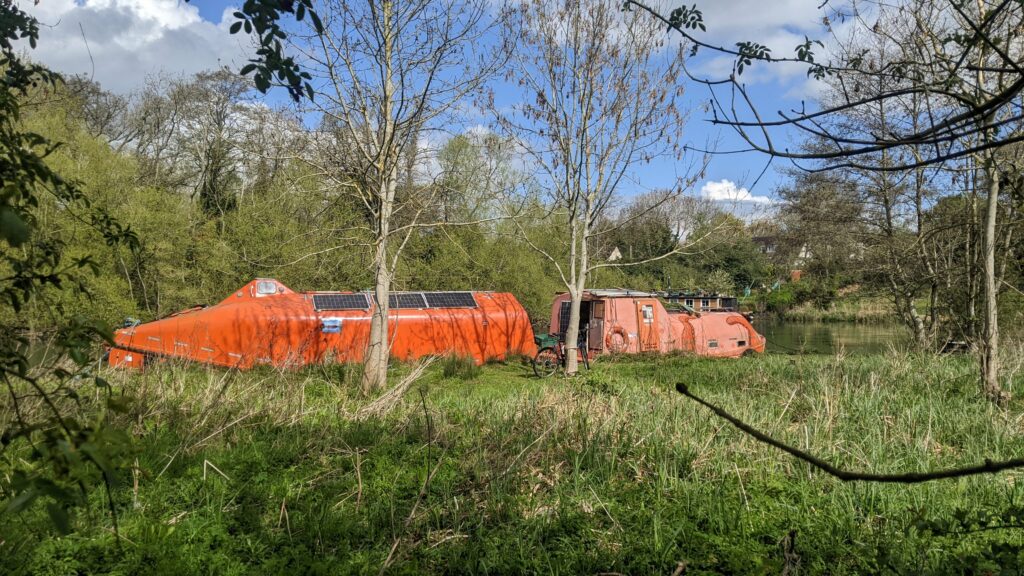
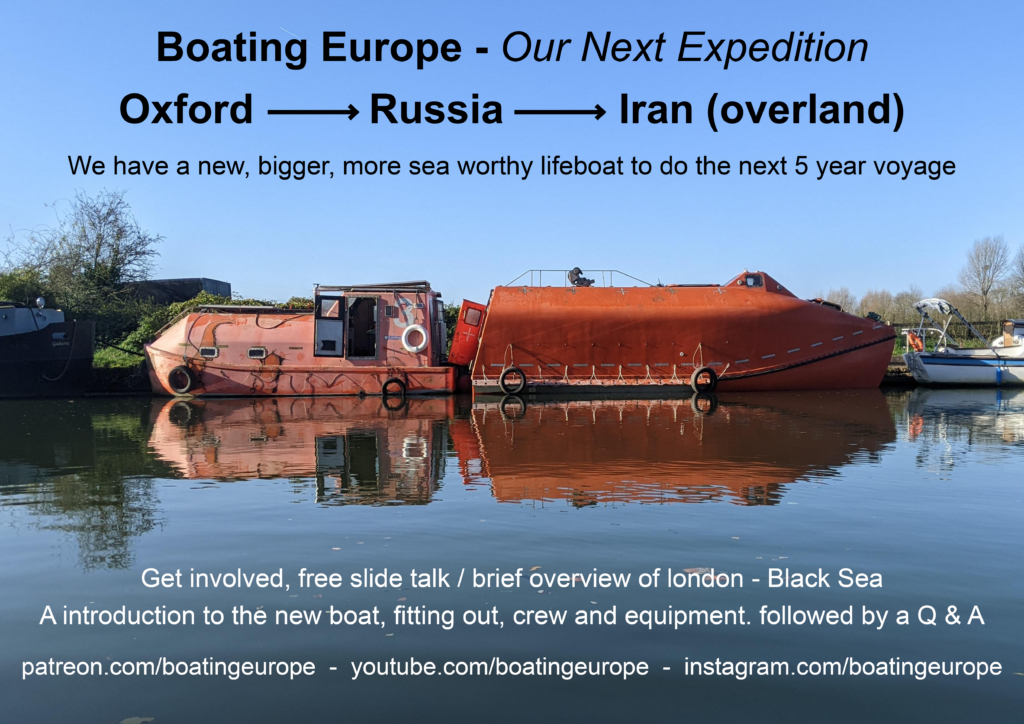
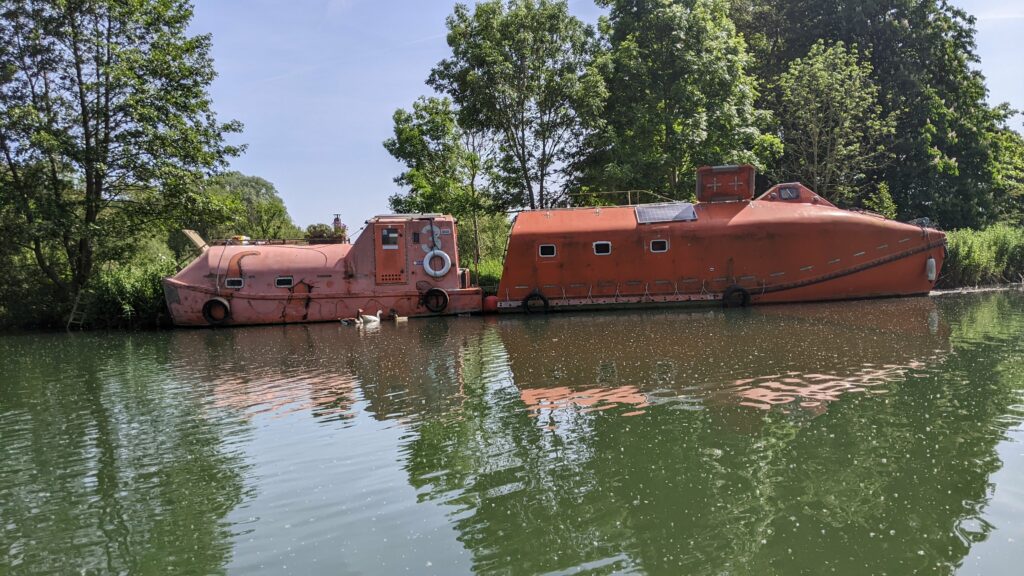
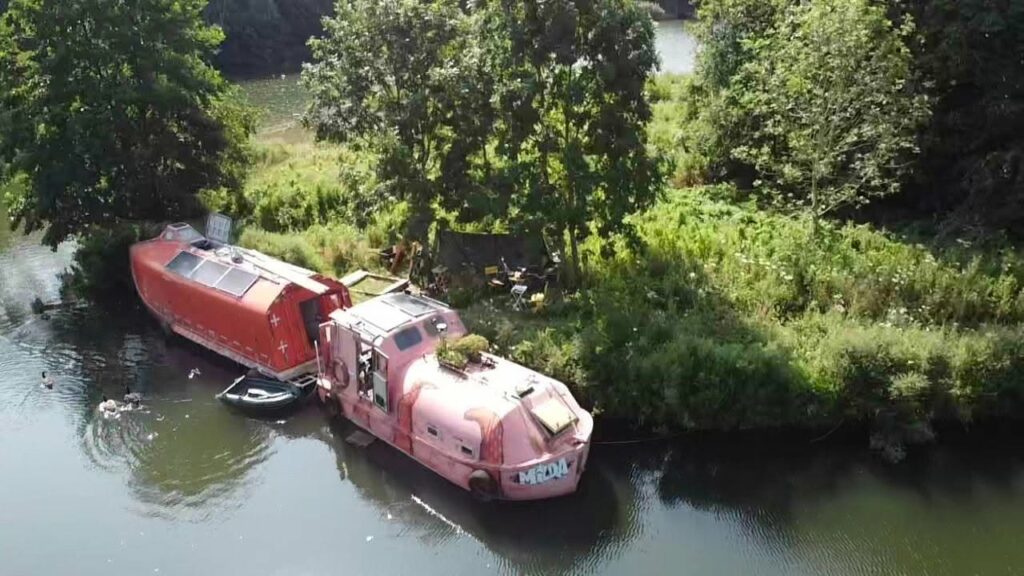
The old boat and the new boat

One of the big experiments with the new #BoatingEurope lifeboat is to see how far we can move towards electric cooking and propulsion using solar power. The aim isn’t to build a high-speed electric boat, this is a slow, down-river cruising boat, where we can take advantage of the river current, travel at relatively low speeds and use solar energy for much of the everyday electrical demand.

The basic idea is simple – lots of solar + a decent battery bank + efficient electric pod motors = slow cruising without running the diesel engine most of the time. It is an experiment, and we are trying to do it without spending ridiculous amounts of money.

Two solar systems

The boat currently has two separate solar systems.

800W solar at 48V for the main propulsion and high-power kitchen electrical system
600W solar at 24V for the house electrical system

The 48V system is the interesting one because it will eventually feed the electric propulsion system as well as the 48V 6.5K inverter.

We are deliberately keeping the systems separated rather than trying to make one enormous electrical system do everything. The 24V bank will continue to look after the more conventional boat systems and most of the domestic electrical loads.
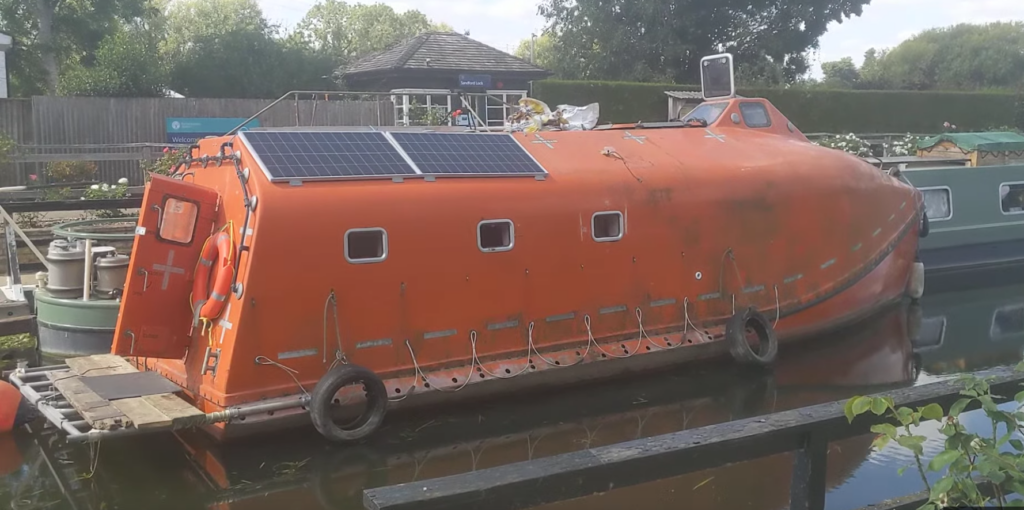
New boat half done, ready for the motors in the spring

48V propulsion system

The main battery bank is currently 10kWh at 48V, with 400A of BMS. There is physical space to increase this to 20kWh or more when we find that the extra capacity is useful. That is important because battery capacity matters more than peak motor power for the sort of cruising we are planning. We aren’t expecting to run the motors flat out, the plan is to run them at roughly half power for normal cruising, with full power available for short periods when manoeuvring, getting off a mooring or dealing with stronger water. That should make the available battery capacity go considerably further.

The motors

We are looking at relatively inexpensive Chinese electric pod motors rather than an expensive western purpose-built marine electric propulsion system. The current candidate is the TH60 48V 5600W brushless IP68 pod motor, rated at around 60kg of thrust each. The proposed setup is two motors.

The quoted package is:

2 × TH60 motors
1 × 200A ESC with built-in BEC
1 × remote control and receiver
DDP shipping/tax included

The quoted total is $1,408.90

That is the sort of price that makes the experiment interesting. Obviously there are questions around longevity, efficiency, spares and how well these motors actually perform in a real boat. That’s part of the experiment, we are not pretending that buying cheap motors from China magically solves electric propulsion.

Charging

We are also trying not to make the system dependent on one charging source. Initially we will have a limited 200w charge from the existing boat alternator into the 48V system. There will also be 800W of mains charging when the boat is connected to shore power. That gives us option for longer electric cruising. For example, if we spend a night in a marina, we can put a decent amount of energy back into the batterys before setting off again, the interesting part is what happens when we leave the marina.

The solar path

Most of the time we expect to be traveling slowly in sunny weather. That means the solar system doesn’t necessarily have to replace everything we use every day. It just needs to put a useful amount of energy back into the batteries while we are cruising and sitting around during the day. With 800W of solar feeding the 48V system, we should be able to generate a useful amount of energy over a day’s cruising, particularly when the boat is moving slowly and the motors aren’t being pushed hard.

The 7.2KW 24V system provides a separate source for the house loads. So rather than thinking of solar as an emergency backup, we are trying to make it part of the normal energy cycle of the boat.

Sun → solar → batteries → motors → movement.

The other battery bank

There is also a completely separate 24V house battery bank of around 7.2kWh. This means that laptops, cameras, lighting, electronics, pumps and the other domestic loads don’t have to compete with propulsion for battery capacity. That’s quite important, one of the mistakes with electric boats can be thinking only about the motors. In reality, the boat itself consumes energy all the time. Keeping the house and propulsion systems separated gives us a much clearer picture of where the energy reserve is.

The 6.5kW inverter

The 48V system will also feed a 6.5kW inverter, which gives us 240V AC for the kitchen and other high-power tools and equipment. We are currently working through the cable runs and bus-bar arrangement.

The minimalist cable plan is

3m of 70mm² cable from bilge battery bank to the cabin main bus bar at the inverter and out towards the motors.
short 35mm² cable to the inverter, then 240V AC onward to the kitchen
around 4m of 50mm² cable from the main system to the rear boat bus bar
around 2m of 16mm² cable from the rear bus bar to each pod mounted on the back platform

This is maybe a little under speck, still being worked through rather than treated as a finished design. High-current 48V systems need careful attention to voltage drop, fusing, isolation, connections and cable heating, particularly when there are long cable runs and several kilowatts involved.

Why 48V DC power?

At these power levels, 48V makes a lot more sense than trying to run the propulsion system at 12V or 24V. The higher voltage means substantially lower current for the same amount of power. That’s particularly useful on a boat because copper cable gets expensive and heavy very quickly once you start pushing hundreds of amps around. Even so, 6kW at 48V is still a lot of current, which is why the battery, BMS, bus bars, fuses, cables and connectors all need to be designed as one system.

How far can we actually go?

That’s the big question. We have already done a five-year journey through 13 European countries using conventional diesel propulsion. This next stage is partly about seeing whether the same sort of slow, river-based traveling can be done with a much larger proportion of our energy coming directly from the sun.

The boat isn’t going to become a solar-powered speedboat, that’s not the point, the idea is to use the characteristics of down-river cruising to our advantage. If we travel slowly, use the river current, avoid unnecessary acceleration and don’t expect to run the motors at full power all day, then our energy requirements become much more manageable.

And when we do need more energy, we have several options:

solar → battery → electric motors

shore power → battery → electric motors

and, at least initially trickle charging

diesel alternator → battery

The diesel engine therefore becomes more of a sea crossing and range extender rather than the thing that has to run continuously.

A real-world experiment

This is very much a #BoatingEurope experiment rather than a finished commercial system. We are using what we already have, adding relatively inexpensive components where they make sense, and leaving ourselves room to expand the battery capacity and solar generation when the experience shows that we need it.

The eventual target is around 20kWh of 48V battery capacity, backed by the existing 7.2kWh 24V house bank, with around 2KW of solar across the two systems. Whether that is enough remains to be seen, the interesting bit is finding out in the real world. A slow boat moving down European rivers, powered partly by the sun, with the river doing some of the work as well. That feels like a rather good experiment for the next chapter of #BoatingEurope.
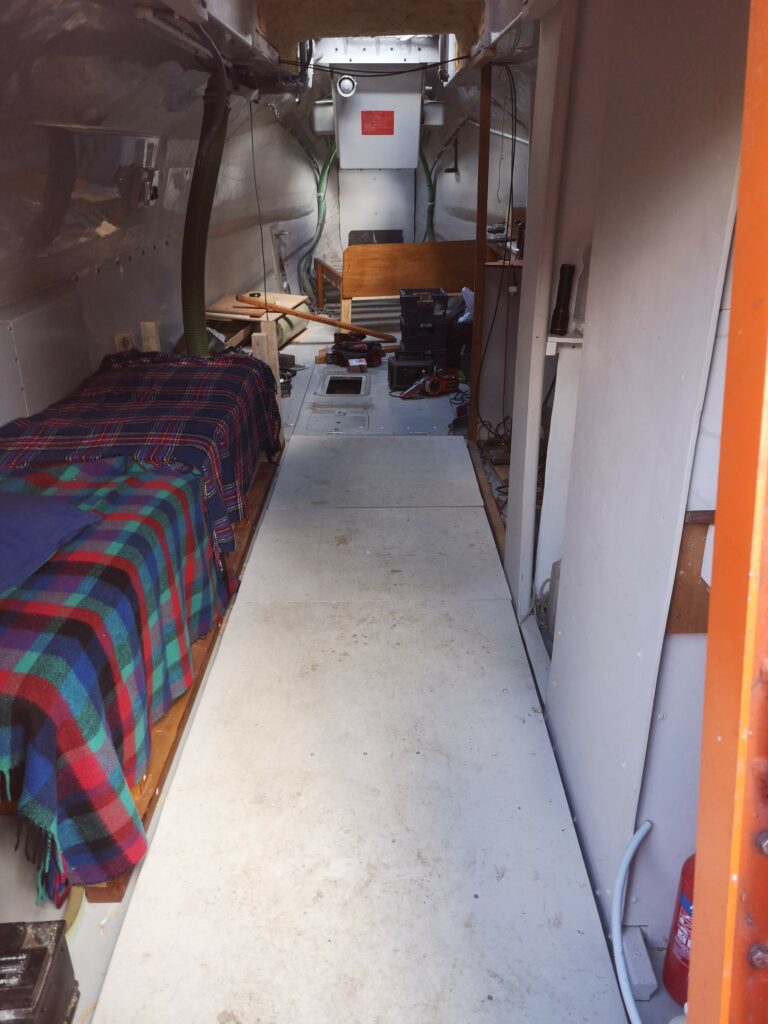
Sun on the roof.
Electric pods in the water.
A river underneath us.
And hopefully a lot less diesel.
#lifeboat #DIY #adventure

https://www.patreon.com/c/boatingeurope

Life on a Lifeboat: Where Next?

We have already done a five-year voyage across 13 countries, travelling from the North Sea to the Black Sea, crossing the European continent through its extraordinary network of rivers, canals and inland waterways.

It was a slow way of travelling, that was the point. Rather than flying over Europe or rushing from one destination to another, we travelled through it, along the waterways that have connected communities, cities and cultures for centuries.

We lived on the boat, moving with the seasons and the water flows. Rivers became roads, canals became corridors, and the landscape changed gradually rather than flashing past a train or aeroplane window.

After finally arriving back in the UK, we decided that one adventure wasn’t enough. Last year we bought a bigger lifeboat, and are now fitting it out for the next stage of the journey. You can find out about this and support the media production on Patreon

The route we want to take is another extraordinary journey – we wanted to follow parts of the historic Volga trade route, travelling across some of the most geographically and culturally contrasting parts of Europe and Eurasia. The idea was to take the boat north through Finland, enter Russia via the Volga–Baltic Waterway, travel through the enormous network of Russian internal waterways and eventually follow the Volga south towards the Caspian Sea. From there, the plan was to cross to Iran.

On the map, it is an extraordinary journey: northern forests and lakes, huge rivers, vast inland seas, ancient trading routes and an entirely different cultural landscape. It is the kind of journey that makes living on a boat interesting. You aren’t simply visiting places, you are following the physical geography of a continent – moving through the infrastructure that people have used to connect themselves for centuries.

Unfortunately, geopolitics has a habit of getting in the way of geography, and right now, this particular route is not realistic. The Russian inland waterways, canals and the Volga are controlled environments. The wider Volga and Caspian region has become strategically important because of the war in Ukraine and the increasingly close logistical relationship between Russia and Iran.

Long-range drone warfare has extended far beyond the immediate front lines, with attacks affecting infrastructure deep inside Russia. The Caspian has become an important transport and logistics corridor, while sanctions, military restrictions, security concerns and rapidly changing regional politics make the idea of taking a privately operated foreign vessel through the area complicated.

There is also the much simpler problem of bureaucracy. A route that looks possible on a map can become impossible once you start asking about permissions, borders, navigation restrictions, insurance, visas, maritime regulations and access for a foreign private vessel. So for now, that plan has to go back on the shelf.

That is frustrating, but the thing you learn from living on a boat is that you don’t control the journey. You work with the weather, the water levels, the locks, mechanical problems, bureaucracy and whatever else gets thrown at you. Geopolitics is simply another, rather larger, version of the same problem.

So what do we do now? The boat is almost ready for sea trials.

Boat refit photos

We have several possibilities, one is to head north.

Scandinavia offers the kind of wilderness that makes a boat-based life worthwhile: long stretches of water, Nordic silence, enormous pine forests, lakes and archipelagos. We could travel through Sweden using the Göta Canal, then work our way into the complex waterways and islands and inland lakes of Finland. That would be a very different voyage from our previous journey.

And there is another attraction to this route, if, in a few years, the political situation changes sufficiently for Russia to become accessible again, we would already be in the right part of Europe to reconsider the original plan.

The alternative is almost the opposite, head south. Follow the rivers and canals of France, eventually reaching the Mediterranean. That would be an easier life in many ways. Warmer weather, established waterways, lots of places to stop, repair facilities, food and wine, and an enormous network of canals and rivers connecting the interior to the coast.

But even that supposedly simple option isn’t really simple anymore. Brexit has changed the practical relationship between Britain and continental Europe. Climate change is affecting waterways, droughts and flooding. And the Mediterranean itself is one of the major frontiers of a rapidly changing Europe, with increasing migration driven by war, poverty, political instability and #climatechaos.

So there isn’t really an escape route, you can move north, south, east or west, but the wider world comes with you.

Life on a lifeboat is perhaps the more interesting story, but yes, a lifeboat is an odd home. It was designed for emergencies, for getting people away from a sinking ship and keeping them alive until they reach somewhere safer.

We have turned ours into something else, a small, floating home and a platform for exploring a changing continent. There is something increasingly appropriate about that. We live in a time when the old assumptions about stability are becoming less reliable. #Climatechaos, geopolitical conflict, economic instability, Brexit and the continuing concentration of political and economic power are all changing the landscape around us.

The value in this down scaling is that boat life teaches a different way of thinking, you carry what you need. You repair things rather than automatically replacing them, generate most of your own power to learn to live with constraints. You pay attention to weather, water, infrastructure and the people around you, to accept that plans are temporary.

The important thing is not necessarily to reach the destination you originally imagined, it is to remain capable of moving when the conditions change.

So perhaps the next voyage will be Scandinavia.

Perhaps it will be France and the Mediterranean.

Perhaps, several years from now, the Volga route will become possible again.

Or perhaps something completely unexpected will happen, and we will end up somewhere we haven’t even thought about yet. That is part of the attraction, the boat is almost ready, the sea trials are coming in the spring. The next adventure will begin from there.

Life on a lifeboat.

#boatingeurope #lifeboat#inlandwaterways #canals #rivers #Europe

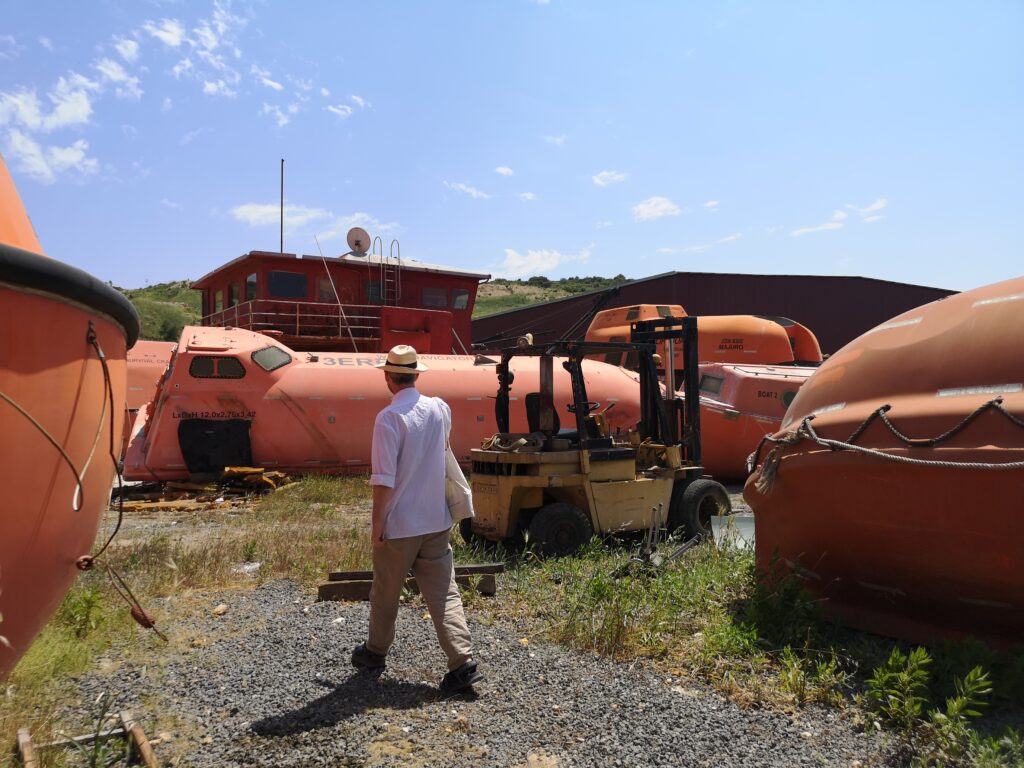
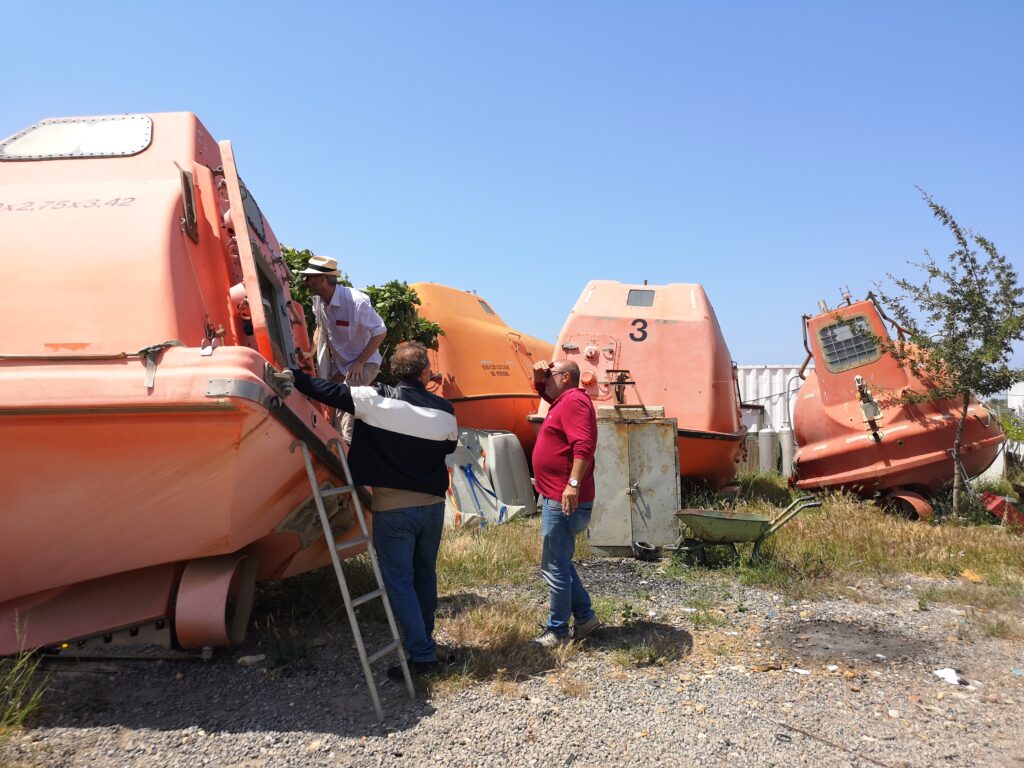
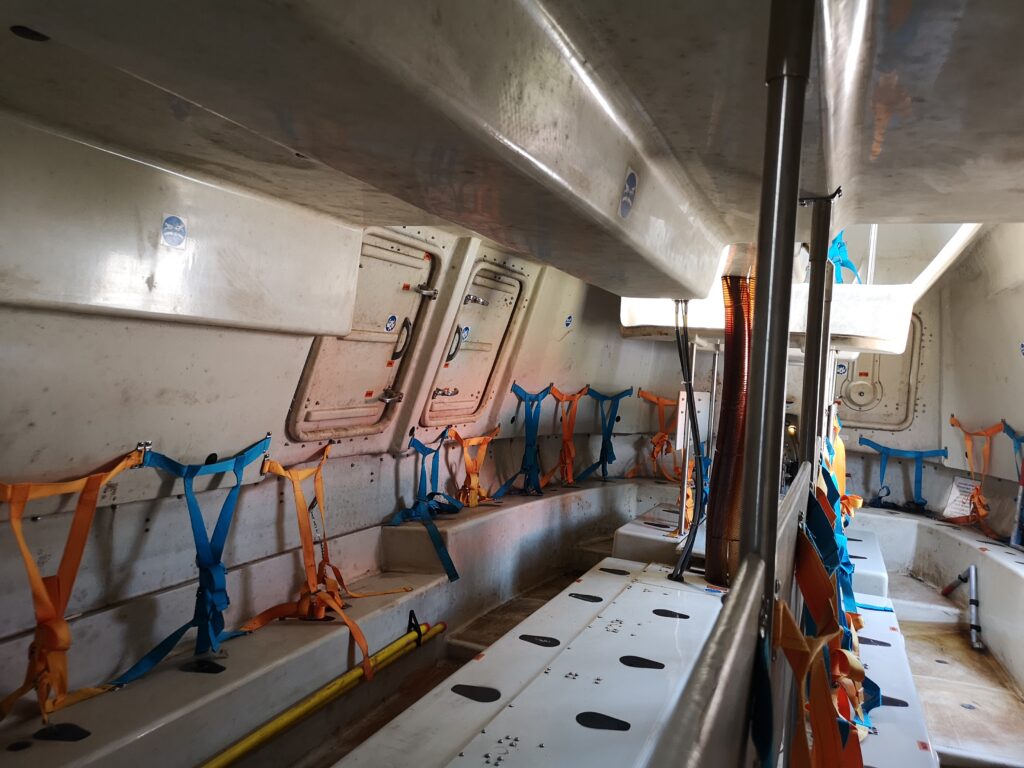
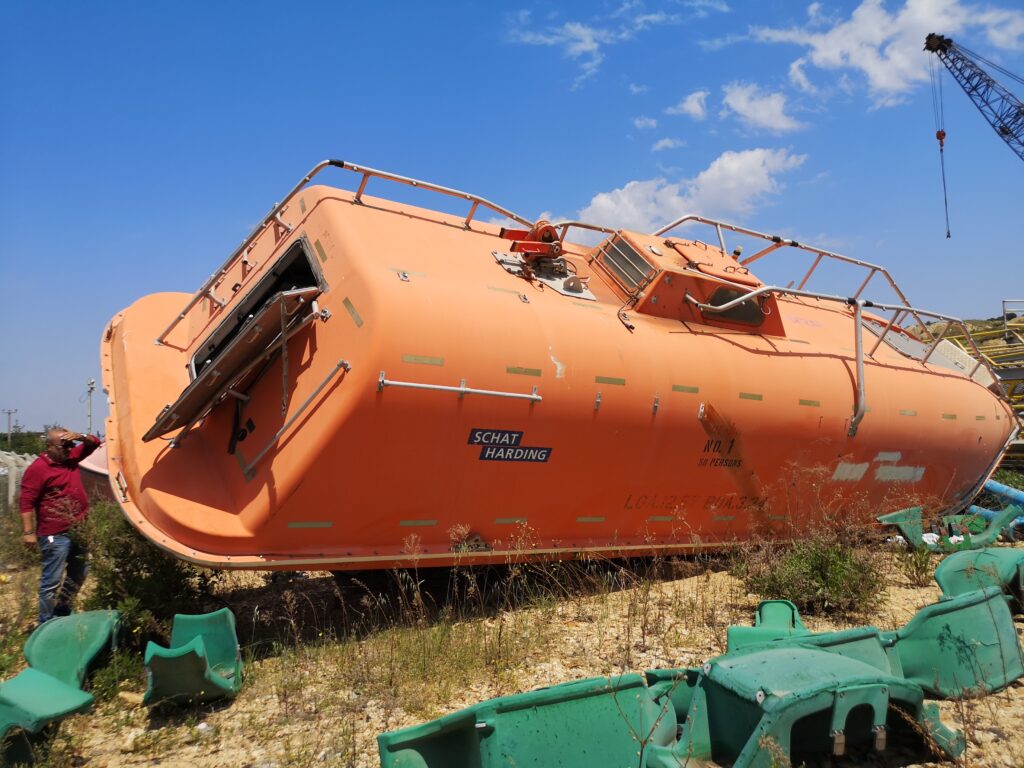
Looking at the Izmir ship scrapyard

We visited the ship scrapyard, to see what they had in terms of lifeboats and boat parts. The problem was that the boats were old, worn and damaged from being removed without any care from the scraped ships. As Northam Europeans, the 3ed party sellers were asking for unrealistic prices at the same level as the better/newer boats in the UK, just converting the UK web prices to euros. This makes it unrealistic to buy a boat here.

#boatingeurope #lifeboat

Since we left London

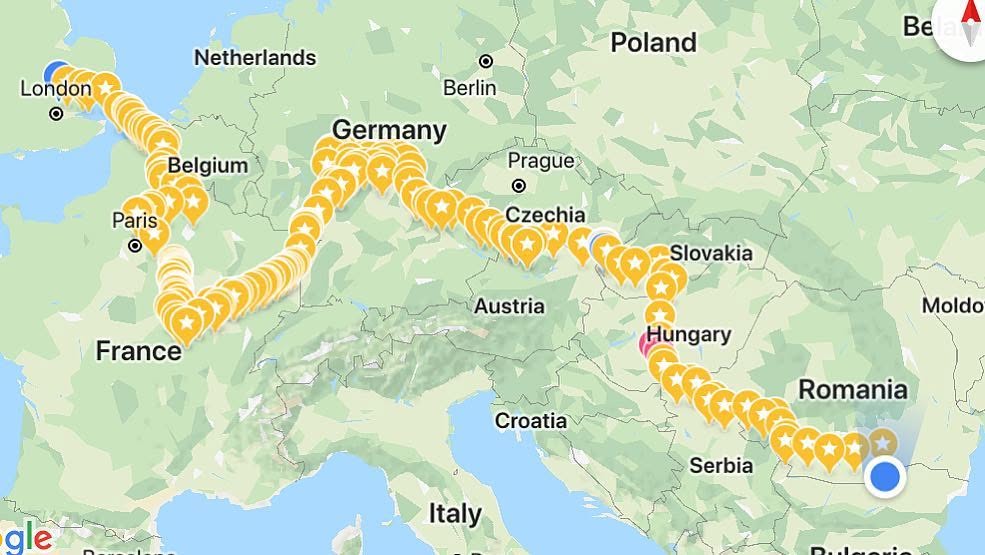
Since we left London that we have been roughly marking on a map our overnight stops. It’s not graphically amazing but does give an idea on how far we got! Since we left London we’ve done 2750km on European Inland Waterways to Vienna on 8 different rivers and 17 canals throughout 3 countries. We’ve passed 498 locks, 5 lift bridges and 3 tunnels. We’ve moored at pirate moorings, free town walls or to other boats 70% of the times, in marinas 20% and at anchor 10% and we’ve filled up our diesel tank 3 times only! #themanwhoboughtalifeboat #boatinacrosseurope #boatingeurope #documentary #maps #journey #europeinlandwaterways #lifeboat #liveaboard #refurbished #compactliving #slowliving #travelgram #england  🇬🇧 #france🇫🇷 #germany🇩🇪 #austria🇦🇹 #thamesriver #englishchannel #frenchcanals #rhineriver #mainriver #maindonaukanal #danuberiver